
 Attractions
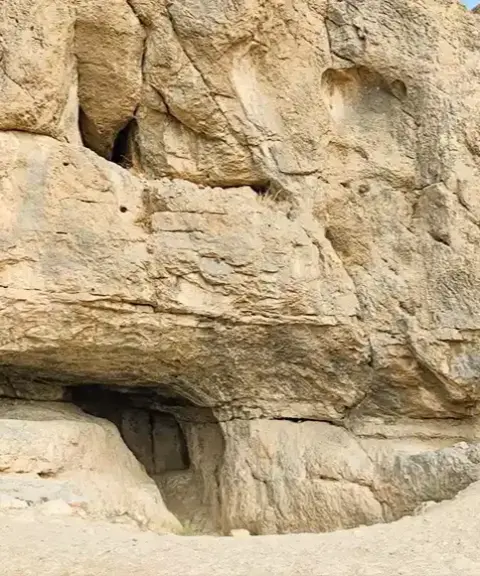

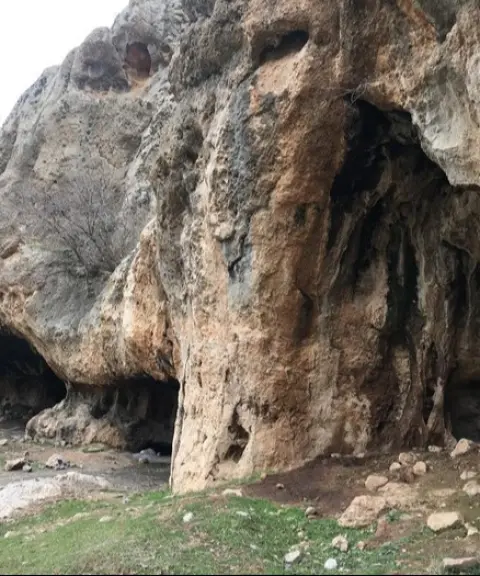
Shekarchian Cave
Province Kermanshah
- Walking
- Caving
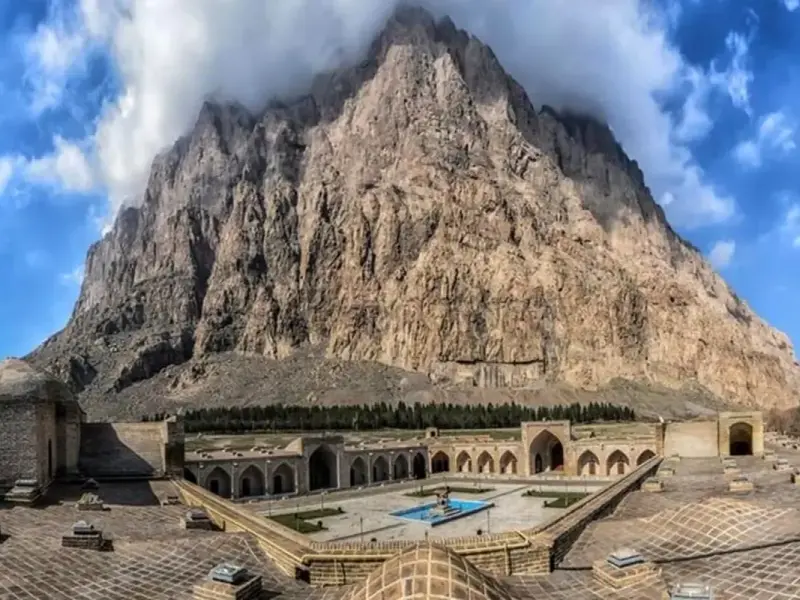
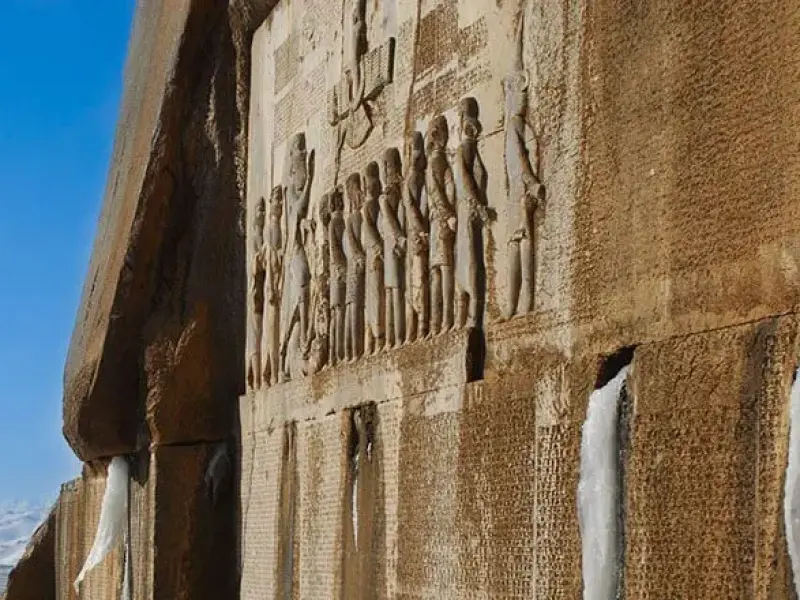
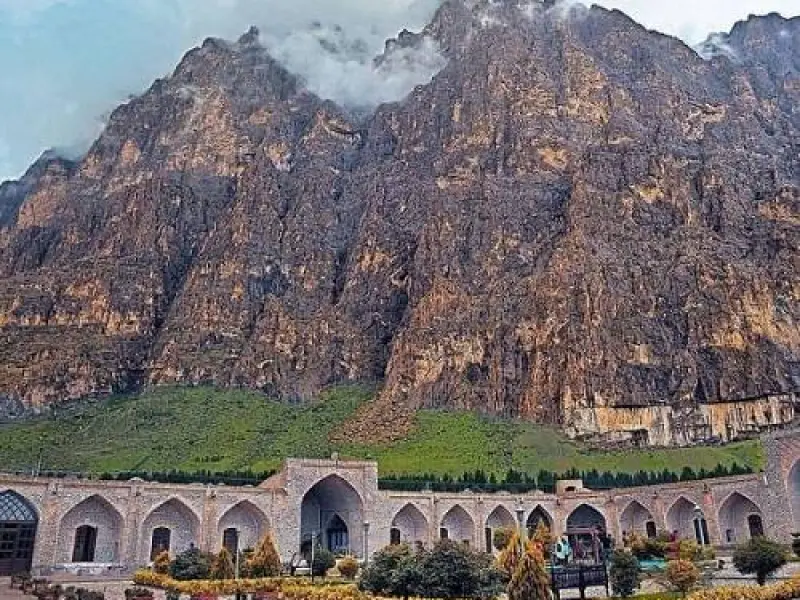
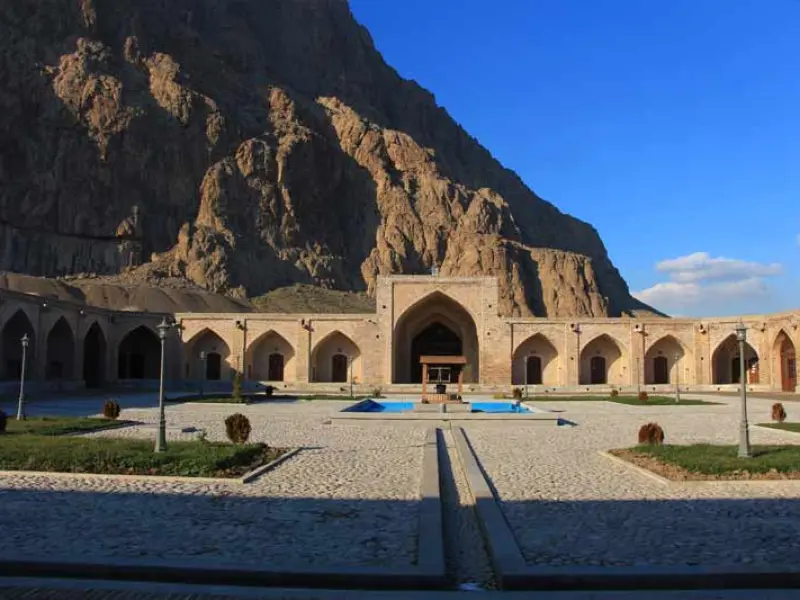
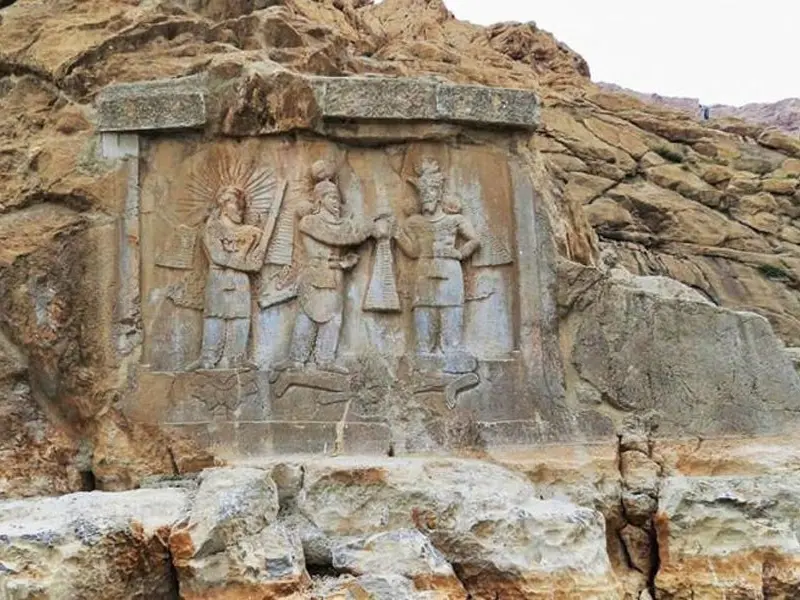
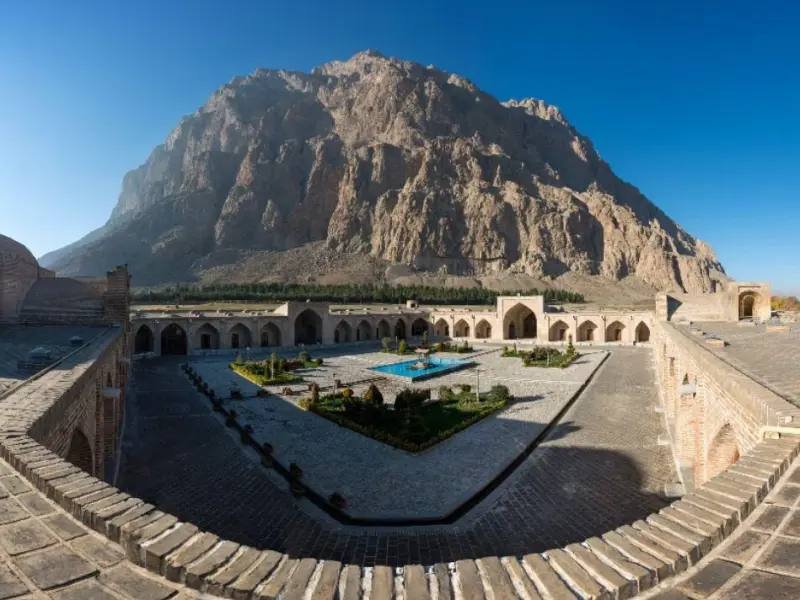
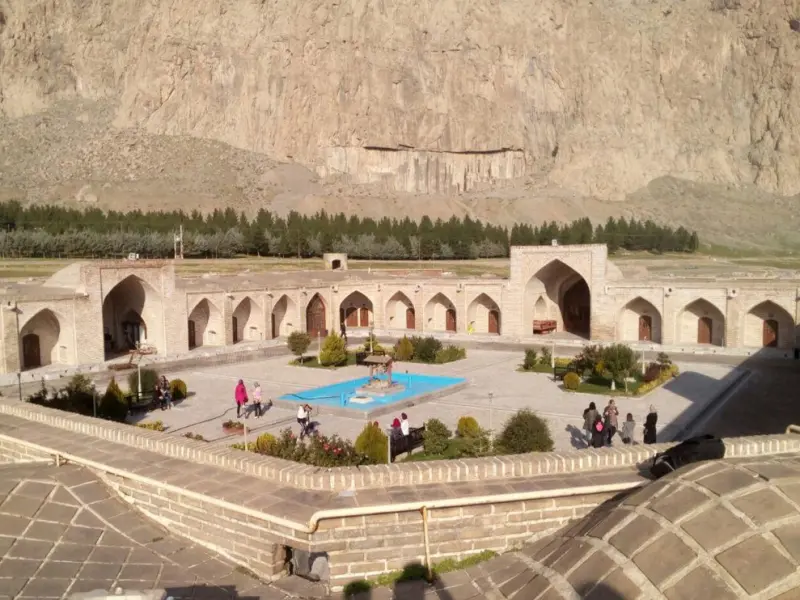
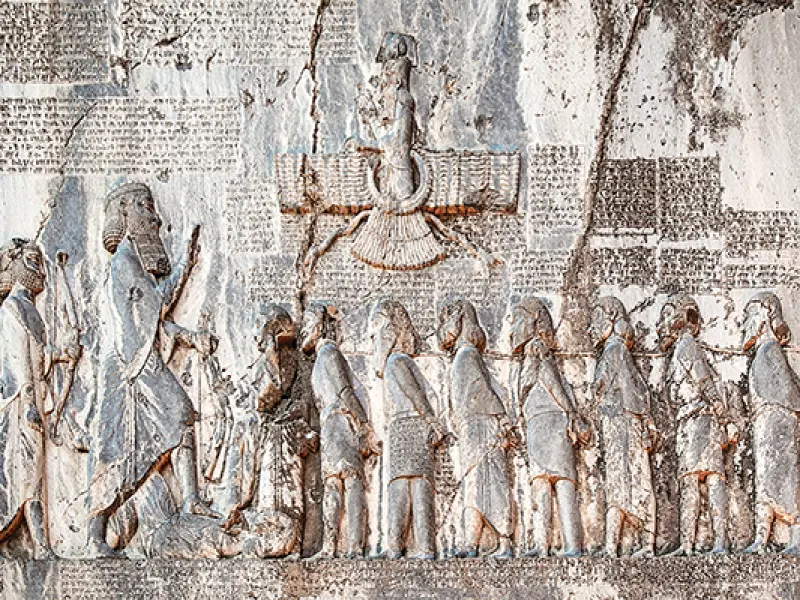
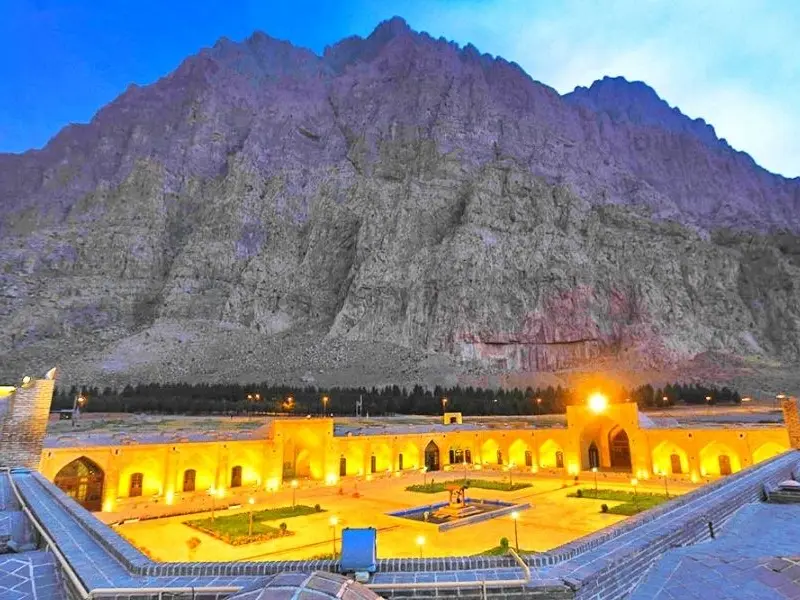
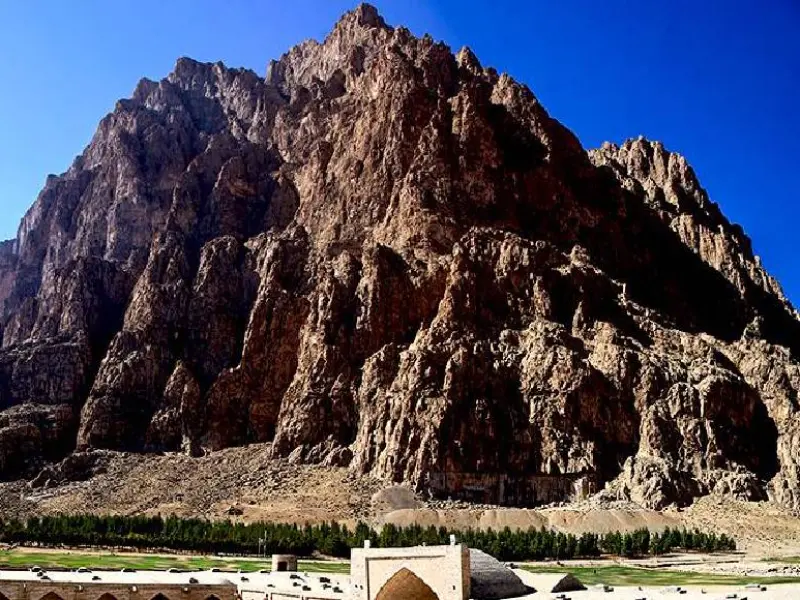
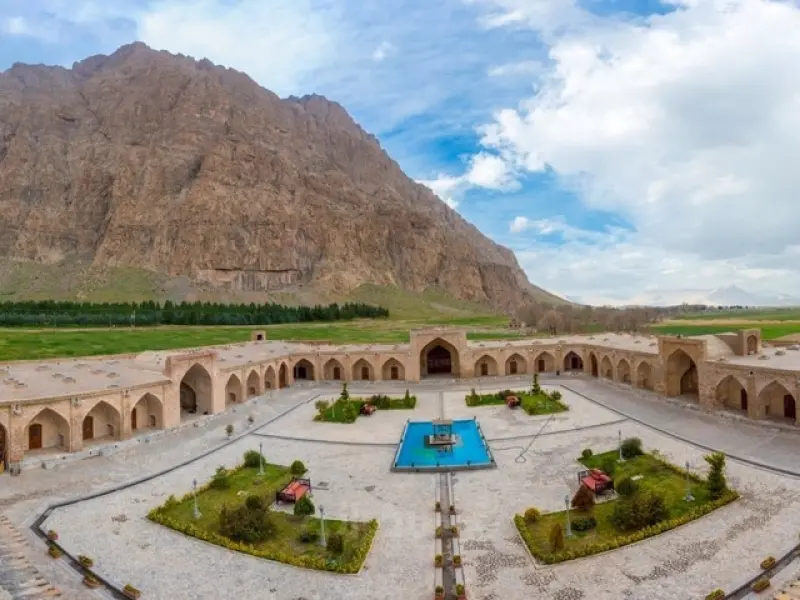
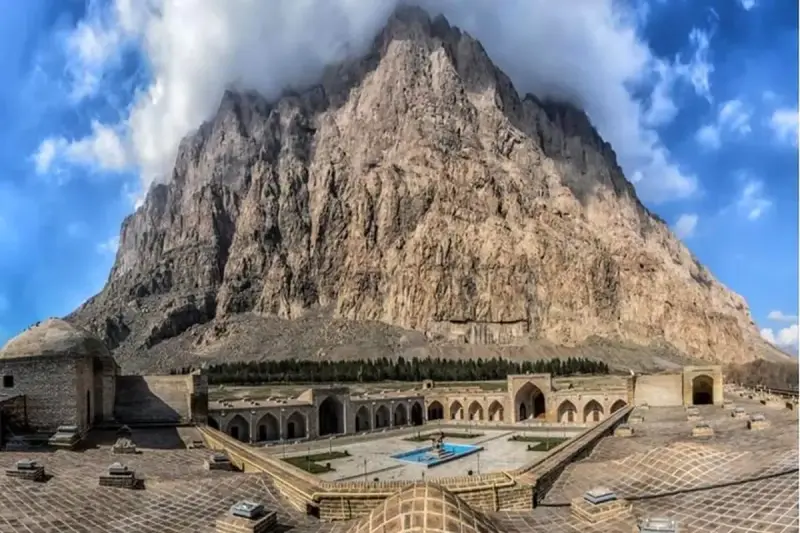
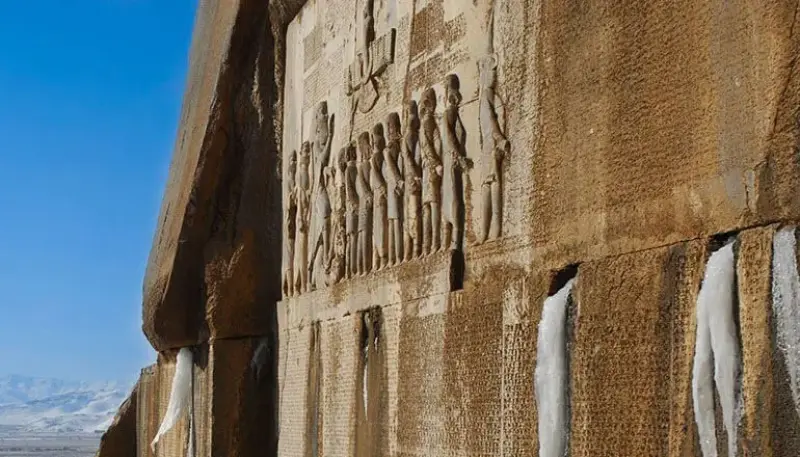
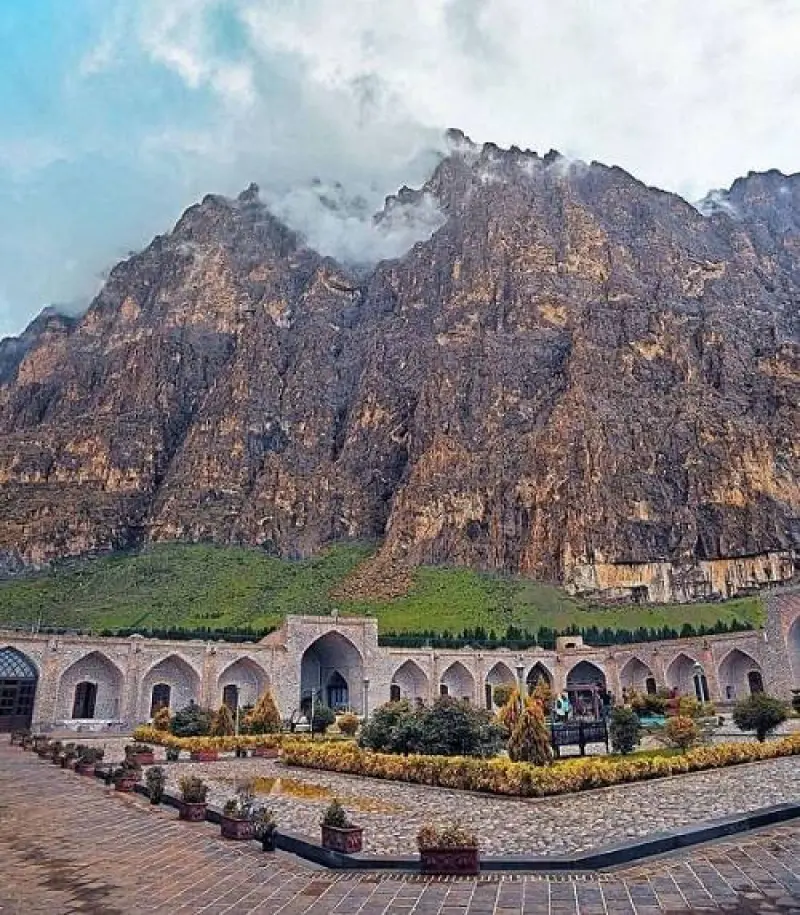
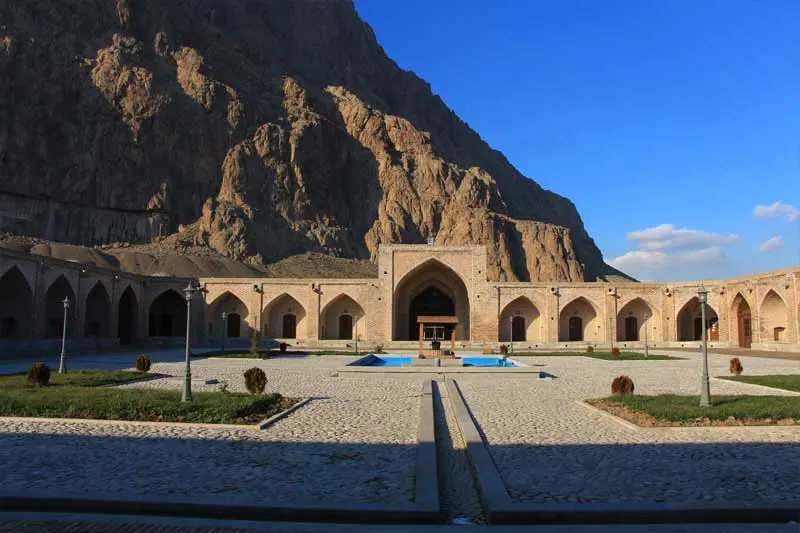
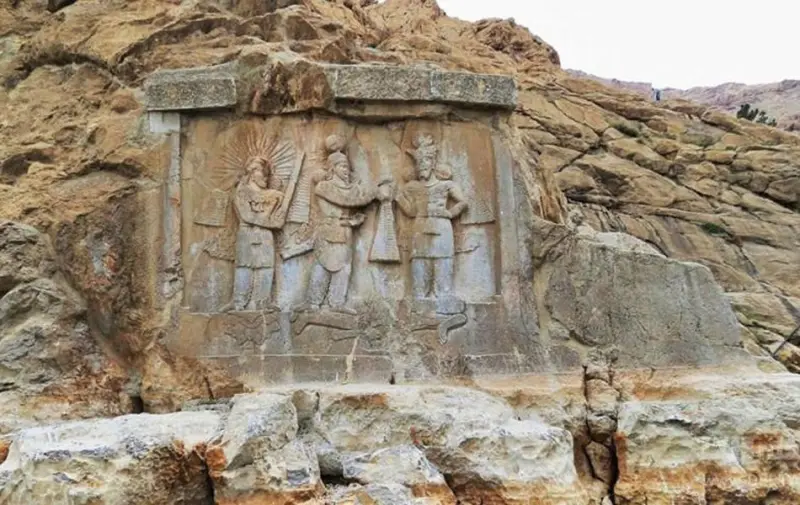
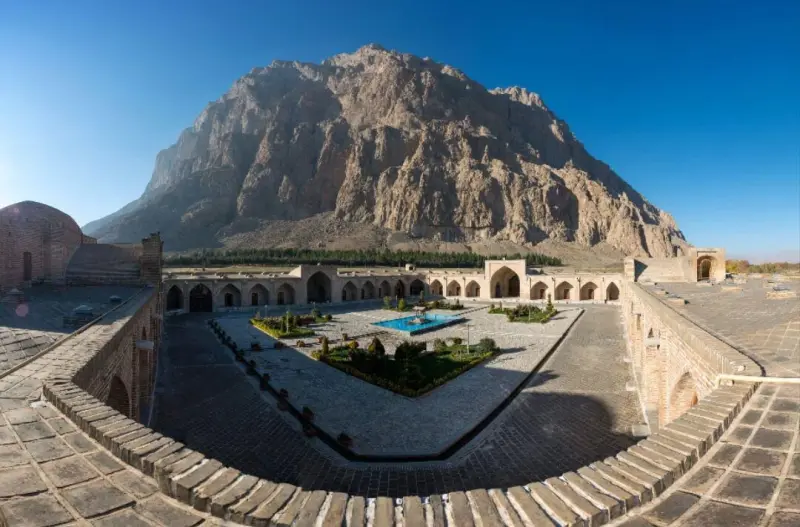
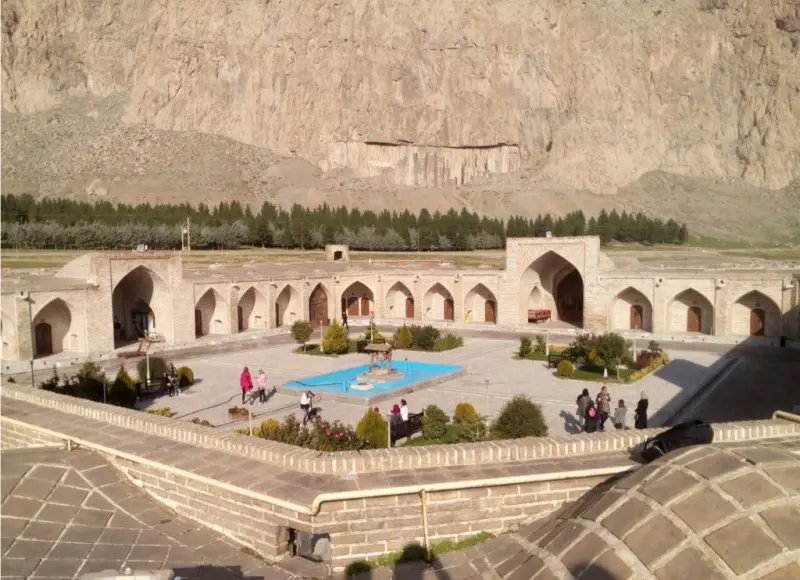
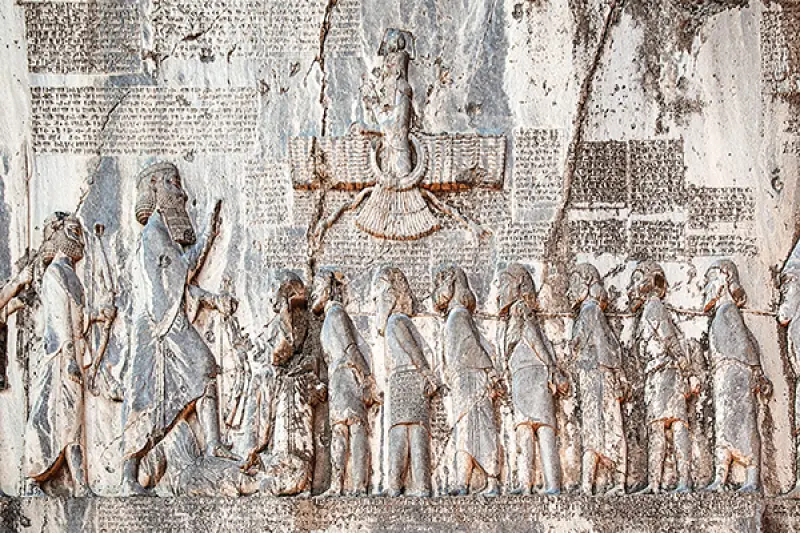
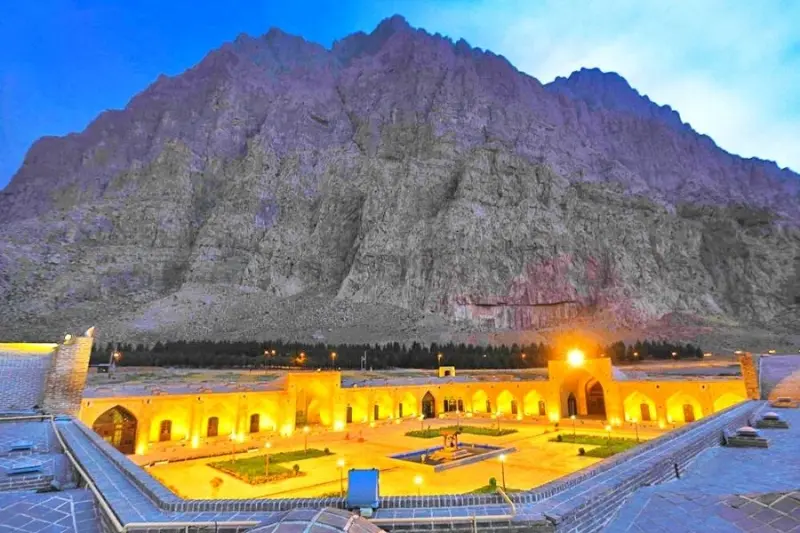
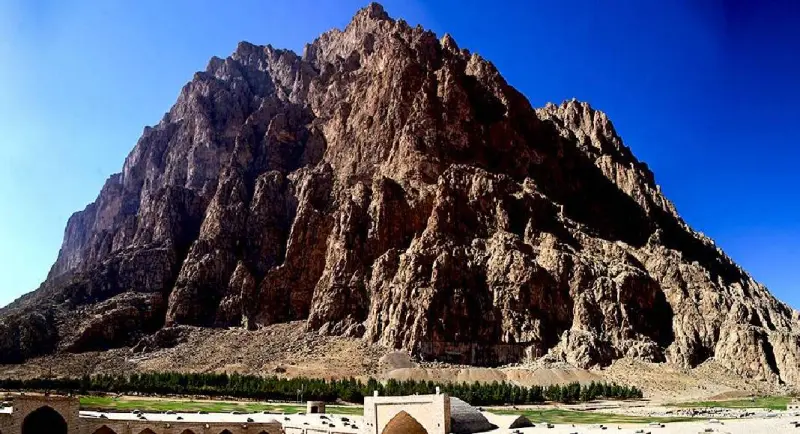
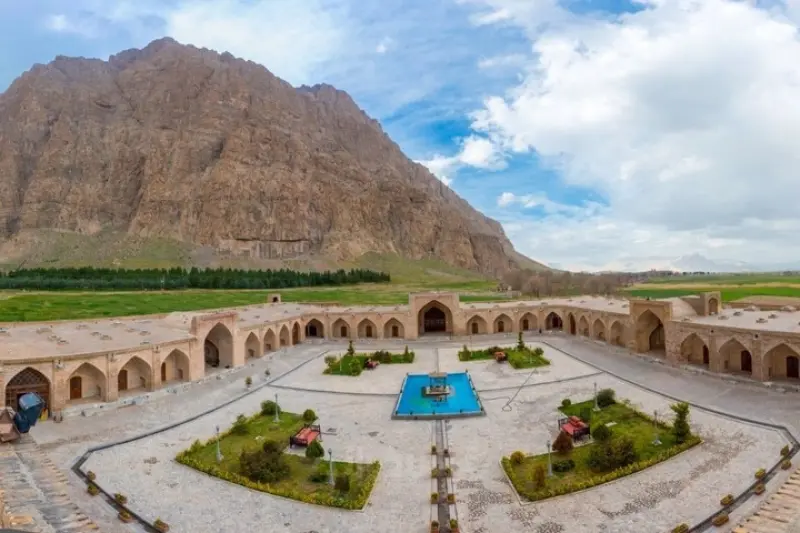
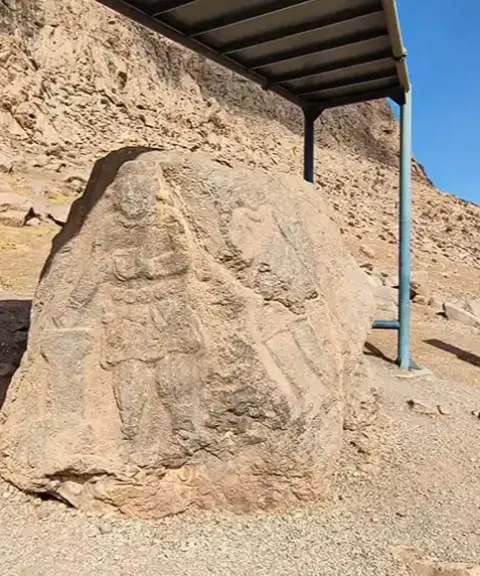
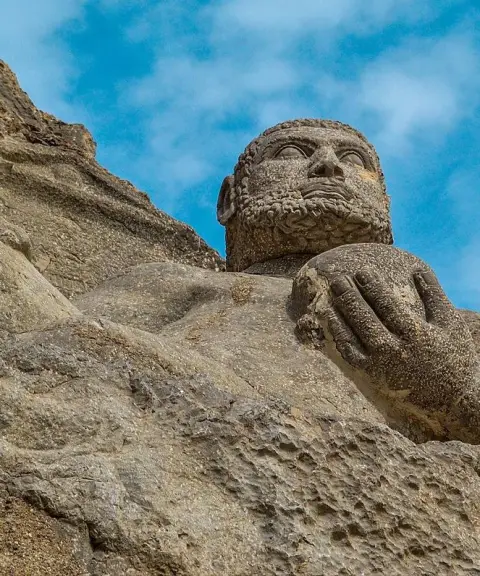
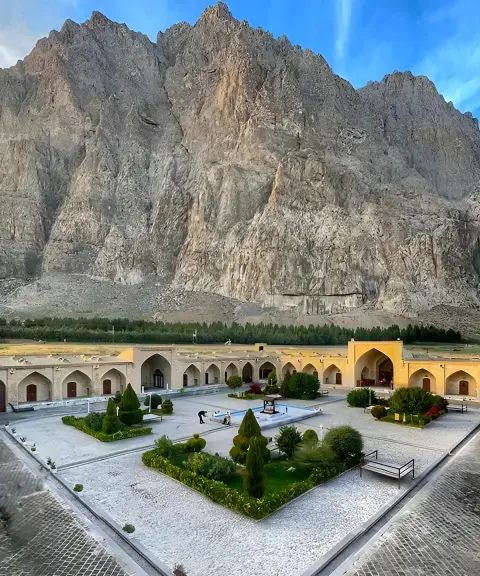
The Bisotun Historical and Cultural Site (registered in Iran's National Heritage List as the Bisotun Site) is a historical and archaeological site spanning several periods: pre-Islamic, post-Islamic and prehistoric. It contains a large number of historical monuments, such as the Hercules statue, the Bisotun Bridge, the Shah Abbasi Caravanserai, the relief of Mithridates II, the Farhad Tarash and more, and for this reason it is considered one of the most important archaeological areas in Iran. The Bisotun Historical and Cultural Site lies at the foot of Mount Bisotun, in the town of Bisotun, beside the ancient road from Kermanshah to Hamadan. This historical and cultural complex was registered as one of Iran's national monuments on 7 Mehr 1381 (Solar Hijri) under registration number 6463. So far, 28 historical monuments on Mount Bisotun have been listed in Iran's National Heritage List, and 13 monuments, together with the Bisotun Inscription, were inscribed on the UNESCO World Heritage List on 8 July 2005.
Mount Bisotun stands beside a busy ancient road, which was the route taken by caravans and soldiers travelling from the cities of Babylon and Baghdad toward the Zagros Mountains and Ecbatana. This was one of the main reasons the site was so attractive for displaying the power of the Iranian kings. The name Bisotun comes from the word "Baghestan", meaning the place of the gods, and its ancient name was probably "Bagastana". Over time it changed to "Bahistan" and later "Bahistun", until after the arrival of Islam it was called "Behestun", meaning "the good pillar" or "the better pillar". Today it is called Bisotun; reading it as "Bi-sotun", meaning "without a pillar", is a mistake and has no validity.
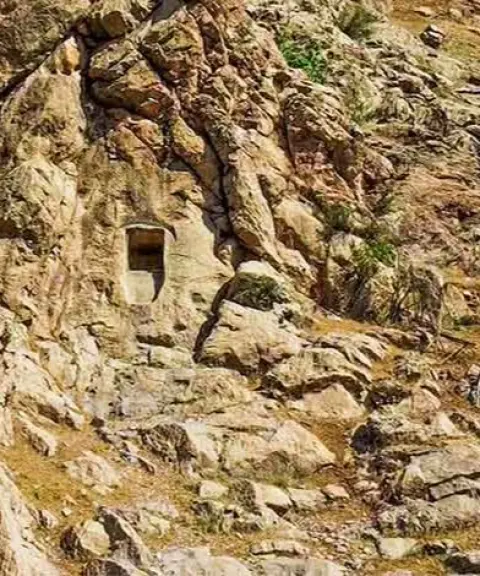
Covering 1,650 hectares, the Bisotun complex is of great historical, natural and environmental diversity and value. However, what made Bisotun world famous is the inscription of Darius the Great, dating to 520 BC. The complex contains 28 monuments registered on the national and world lists, including the Hunters' Cave, Mar Dudar Cave, Bisotun Spring, Mar Tarik Cave, the Median Sanctuary, Balash Stone, the relief of Mithridates the Parthian, the relief of Gudarz, Farhad Tarash, the Ilkhanid Caravanserai, the Bisotun Bridge and others. These unique and valuable monuments are regarded as important documents of Iranian history. Vehicles are not allowed into the Bisotun site, and it is not possible to pitch a tent, light a fire and so on inside it. Sports such as rock climbing and parachuting on Mount Bisotun require a permit from the Bisotun World Heritage Base. As mentioned, the Shah Abbasi Caravanserai of Bisotun has been converted into a hotel, so it cannot be visited. The Bisotun historical complex offers visitors facilities such as a car park, restrooms, a prayer room, a stall for Kermanshah handicrafts and souvenirs, a restaurant and a traditional refreshment house.
Written by زهرا لنگری Last updated
What you can do here, and what it takes
کفش پیادهروی مناسب بههمراه داشته باشید.
Province Kermanshah
Province Kermanshah
Province Kermanshah
Province Kermanshah
Province Kermanshah


Unfortunately, no comments have been registered.