
 Attractions
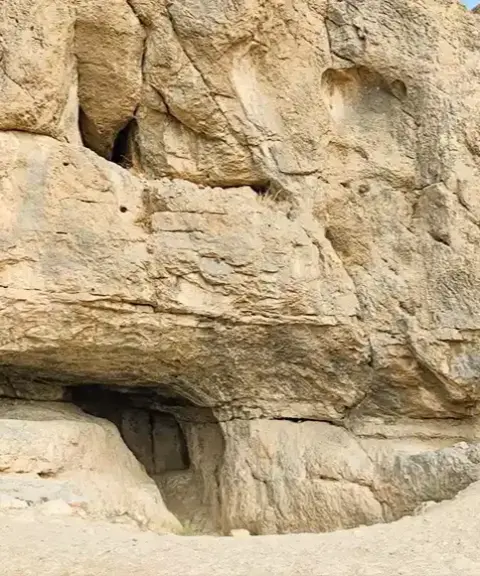

Shekarchian Cave
Province Kermanshah
- Walking
- Caving
A symbol of the link between Greek and Iranian cultures at Bisotun
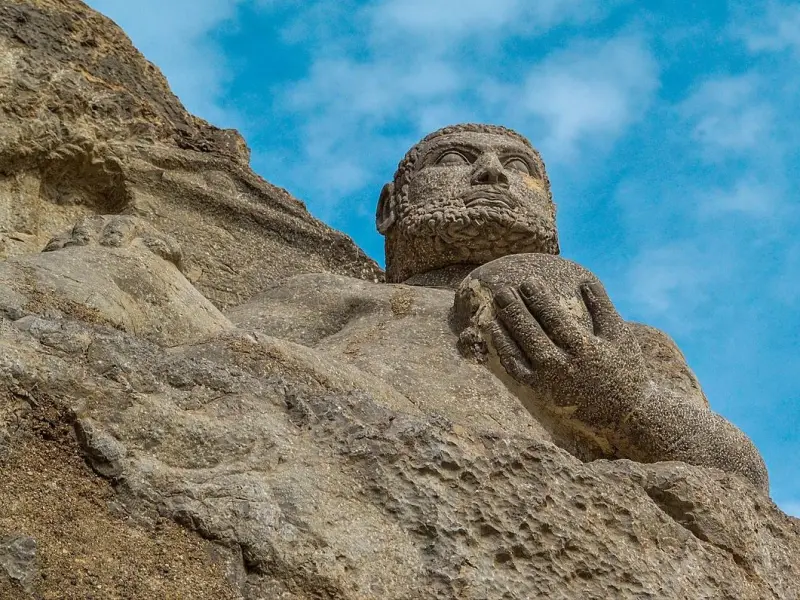
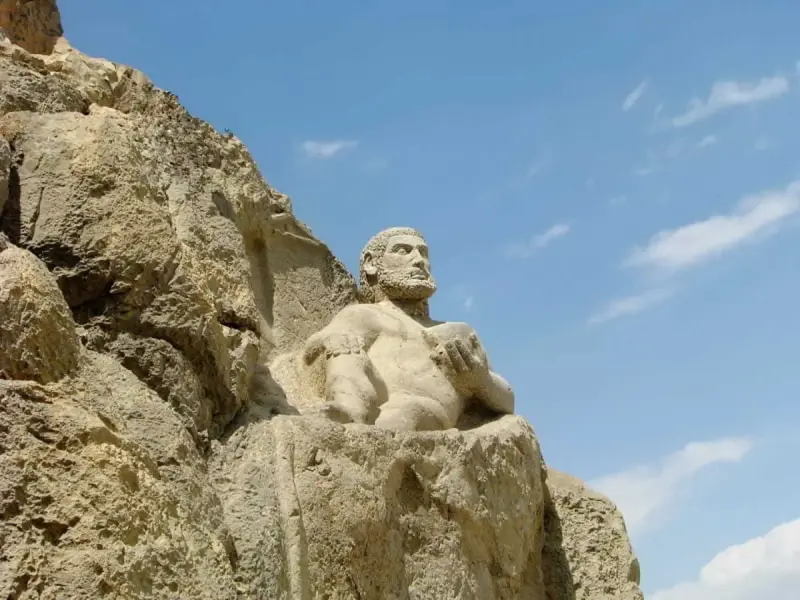
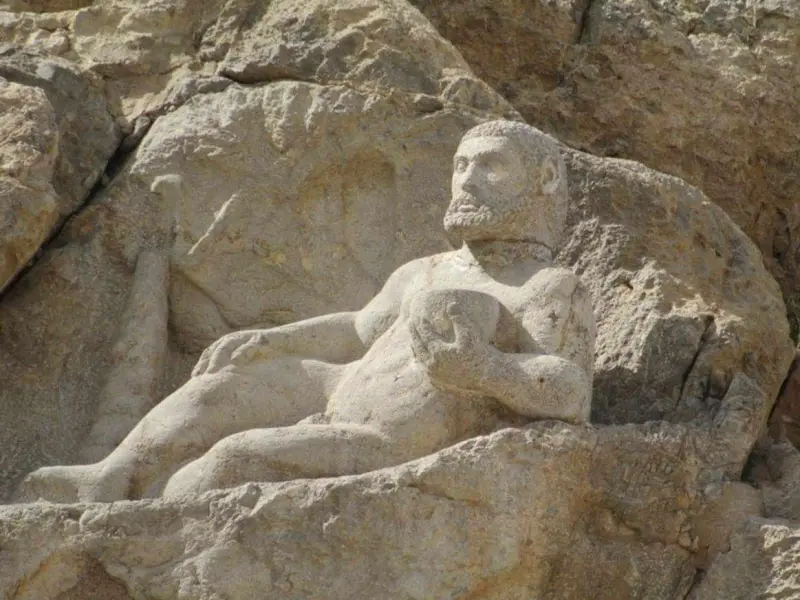
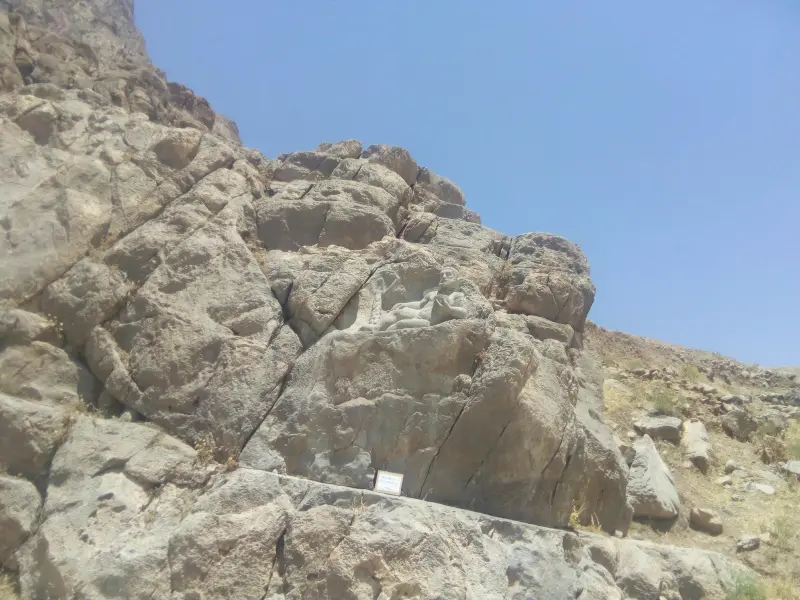
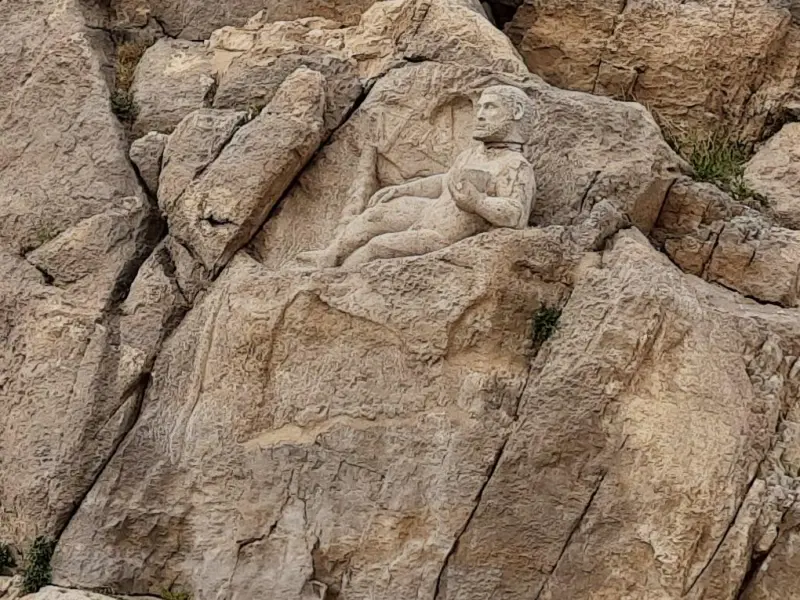
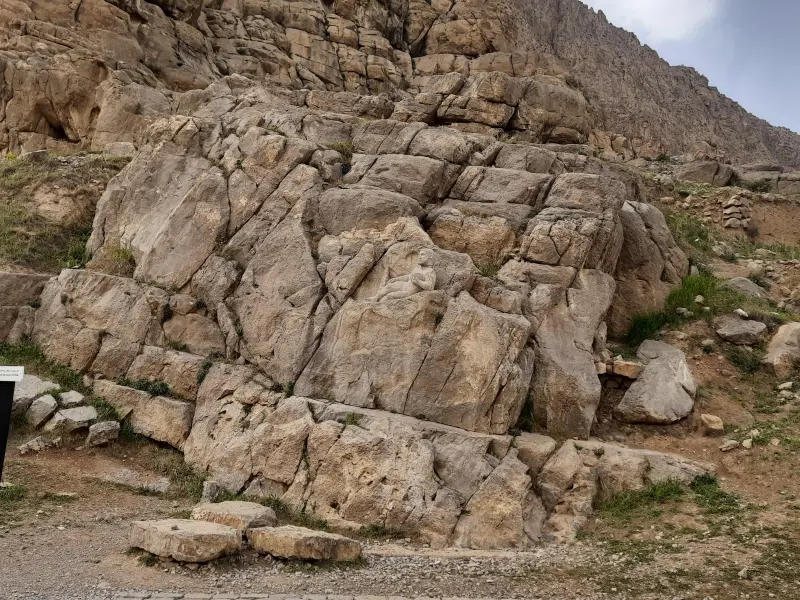
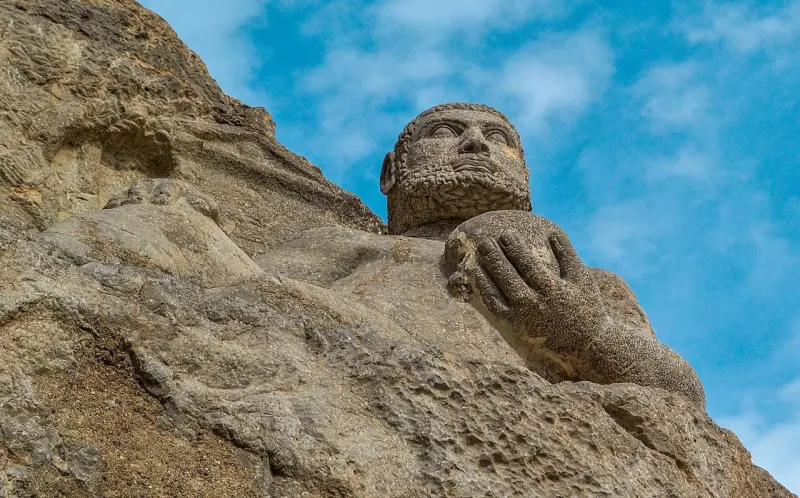
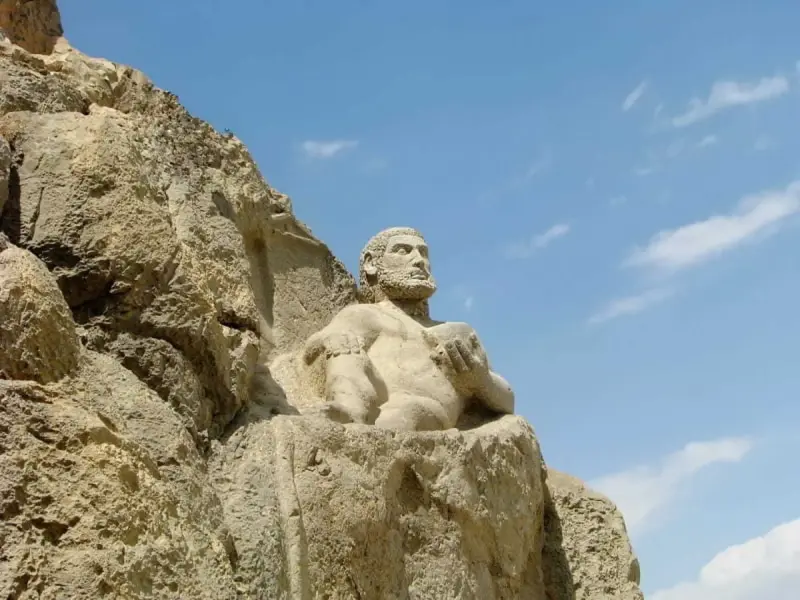
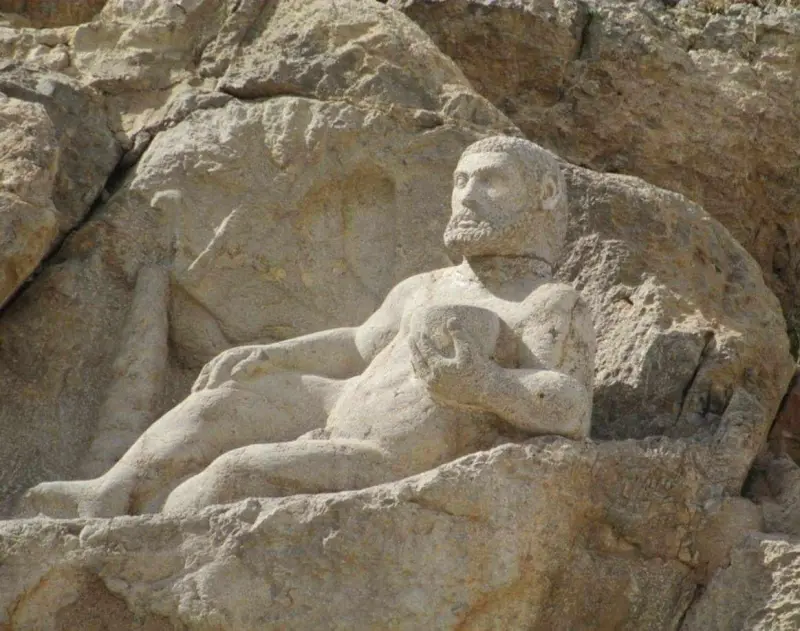
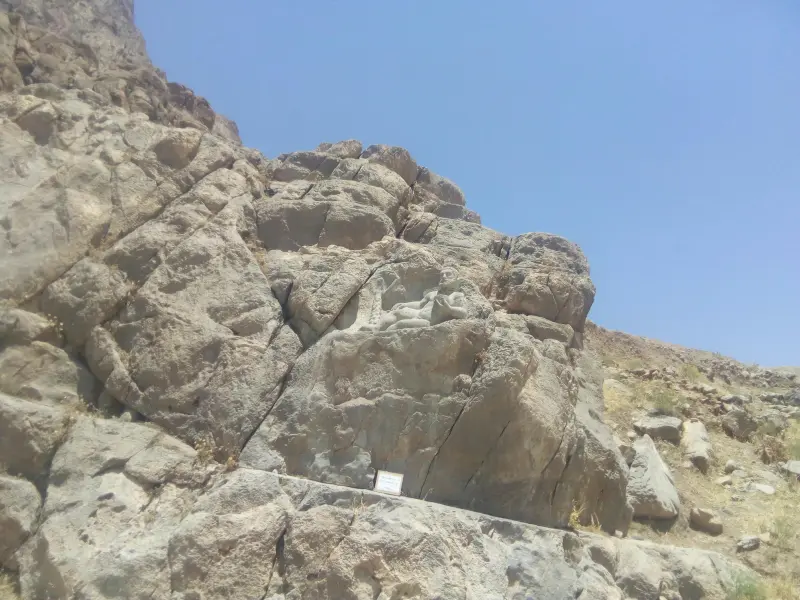
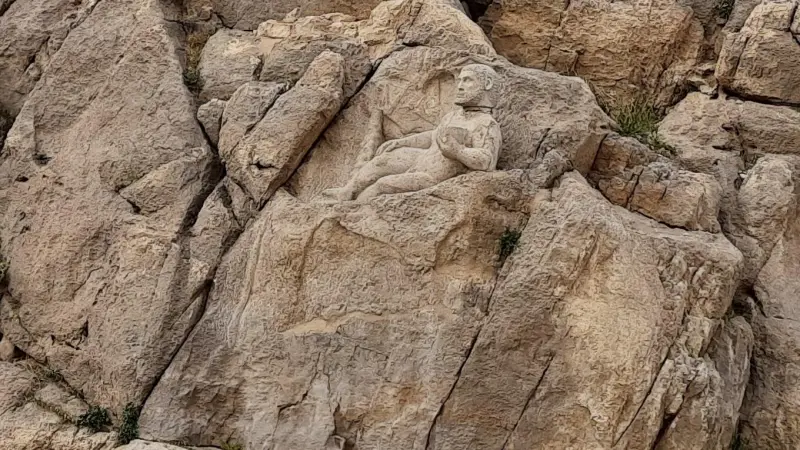
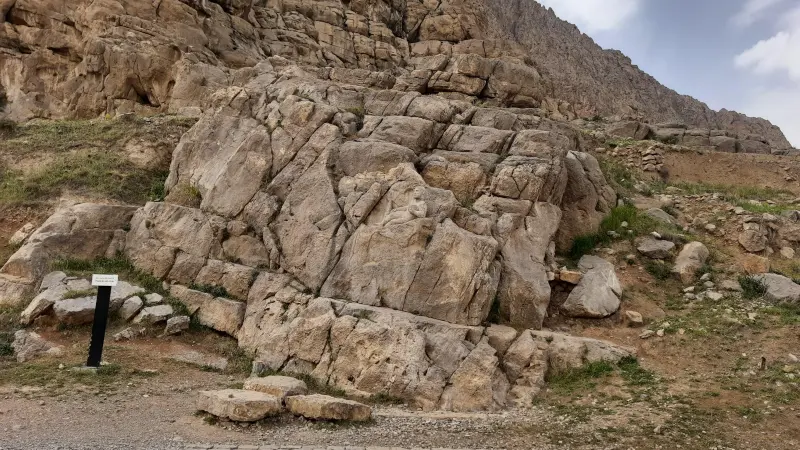
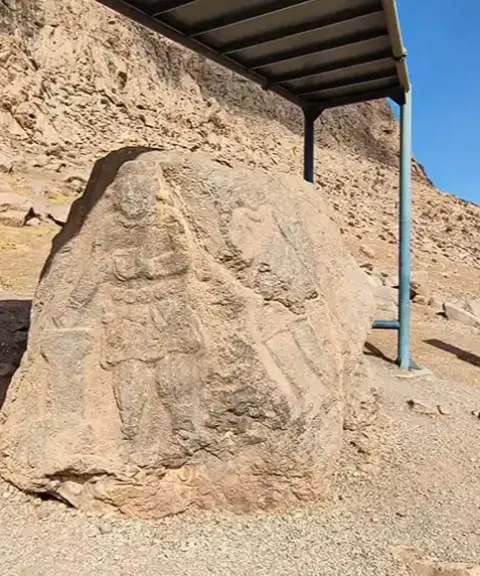
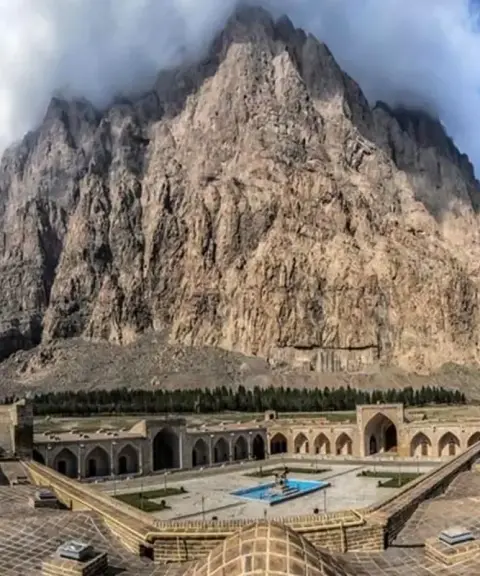
The Statue of Hercules, an outstanding work from the Seleucid era, stands within the historic site of Bisotun in Kermanshah Province. The statue lies beside the east-west main route of the Silk Road, 350 metres west of the Bisotun historical complex, and is one of 28 works registered on Iran's National Heritage list.
The statue is carved in relief from the mountain rock and is 1.47 metres long. Hercules is shown resting on a lion skin, half-reclining and propped on his elbow, holding a cup in his left hand. His right hand rests on his right leg, and his left leg serves as a support. On the back of the statue, carvings and an inscription in Ancient Greek are engraved, depicting an olive tree with a bow and a quiver hanging from its branch, and a cone-shaped club.
The Statue of Hercules was discovered in 1337 SH (1958 CE) during the construction of the Hamadan-Kermanshah road. At first only part of the shoulder was visible; once it was fully uncovered, the head and left hand were also found and reattached to the figure. During the process of removing the statue, its forehead broke and was later restored with cement. The head of the statue was stolen twice but was recovered; for better protection, the original head is kept in the Cultural Heritage Treasury and a replacement head made of limestone has been installed. As a symbol of power and courage, the statue reflects the link between Greek and Iranian cultures in the Seleucid era.
Written by زهرا لنگری Last updated
What you can do here, and what it takes
کفش مناسب پیادهروی به همراه داشته باشید.
Province Kermanshah
Province Kermanshah
Province Kermanshah
Province Kermanshah


Unfortunately, no comments have been registered.