
 Attractions
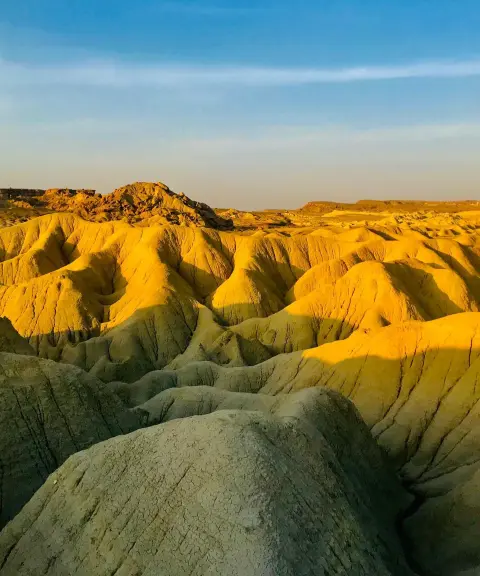
Korkora Kuh, Qeshm
Province Hormozgan
- Walking
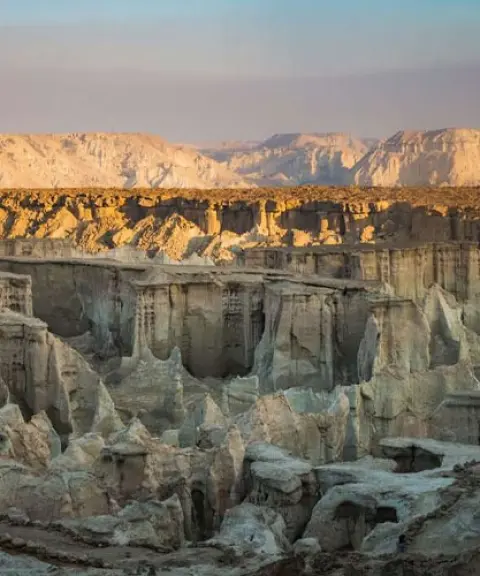
A historic village with pristine nature and Mars-like mountains on Qeshm Island
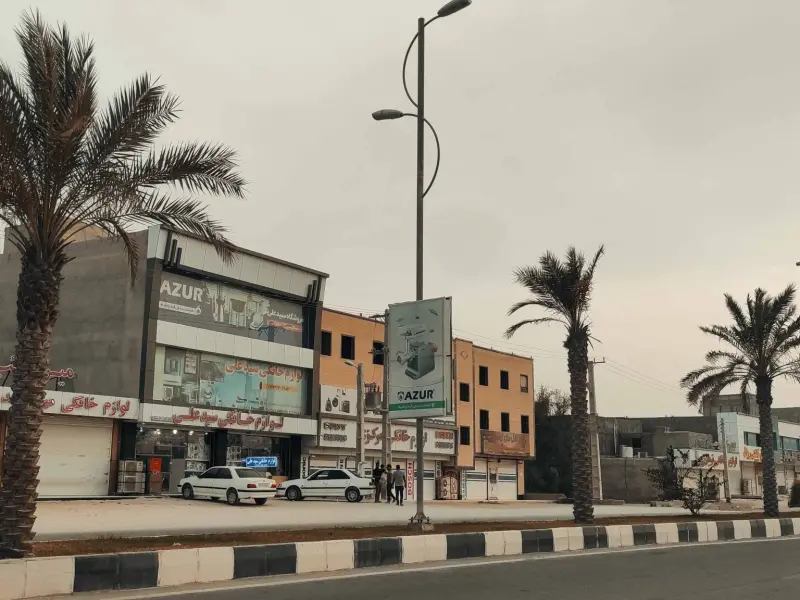
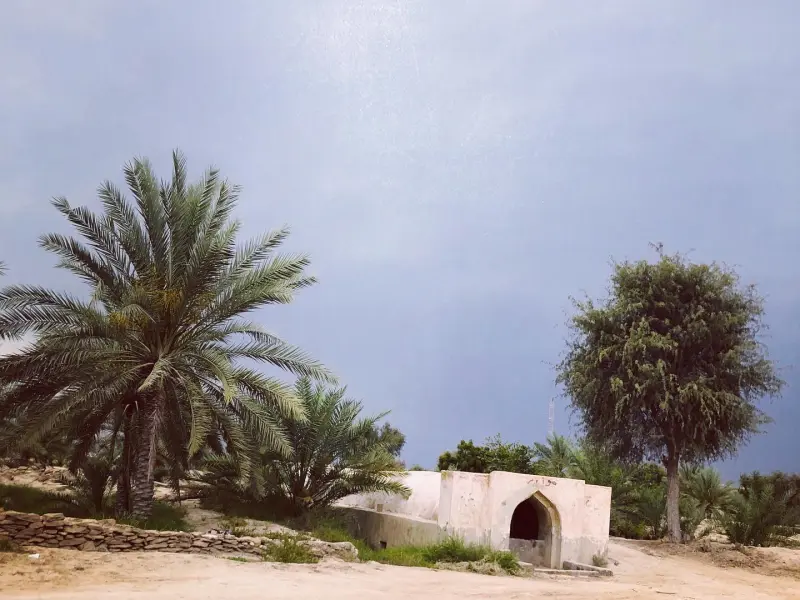
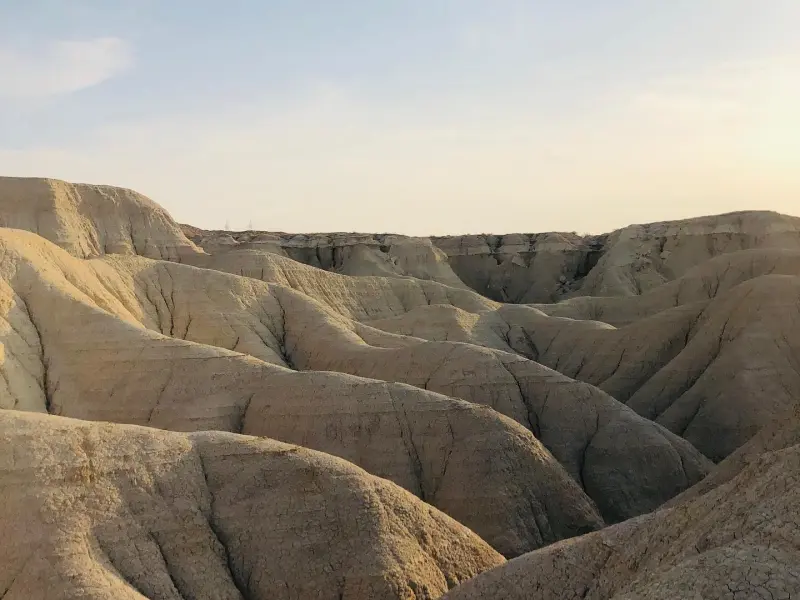
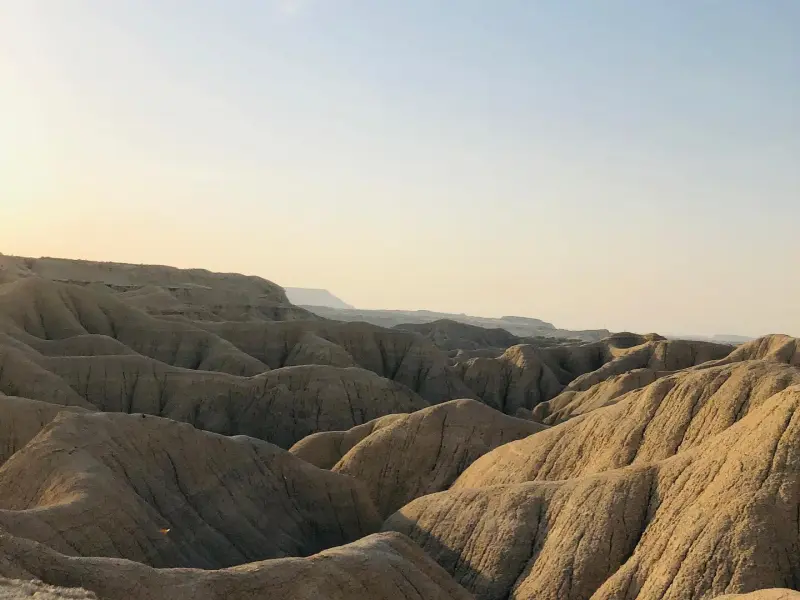
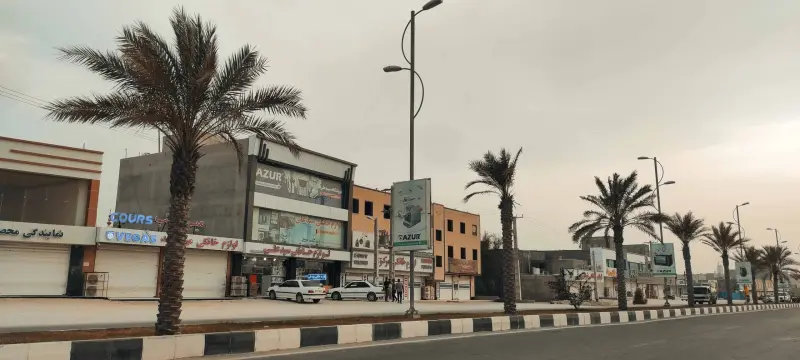
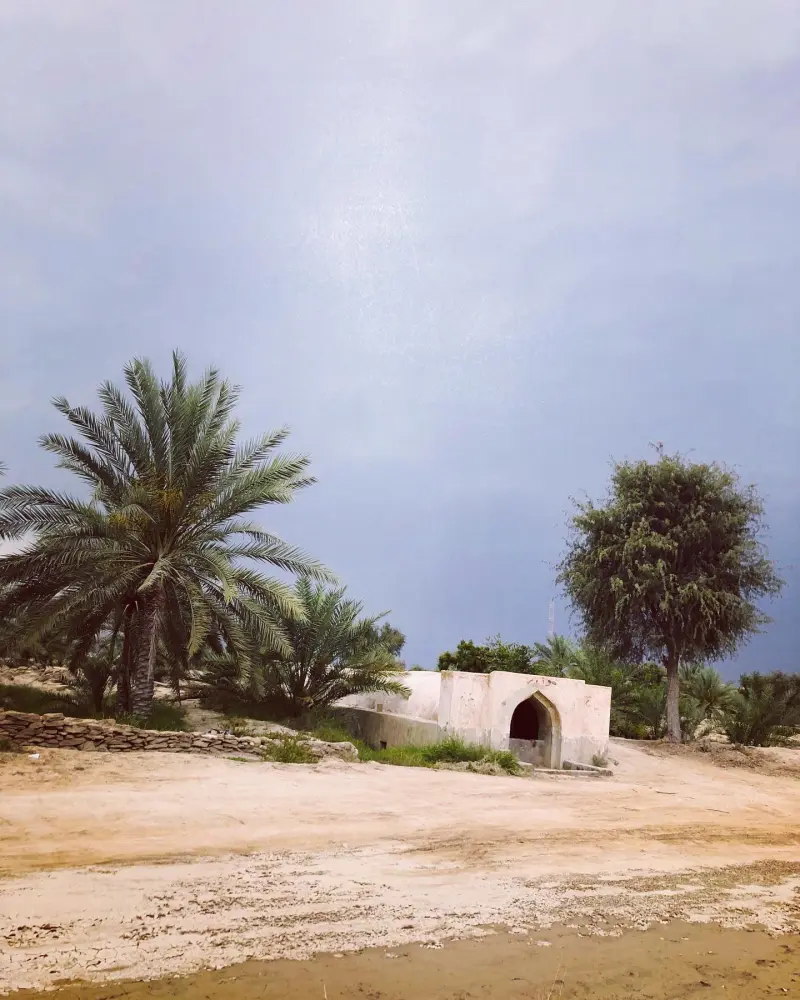
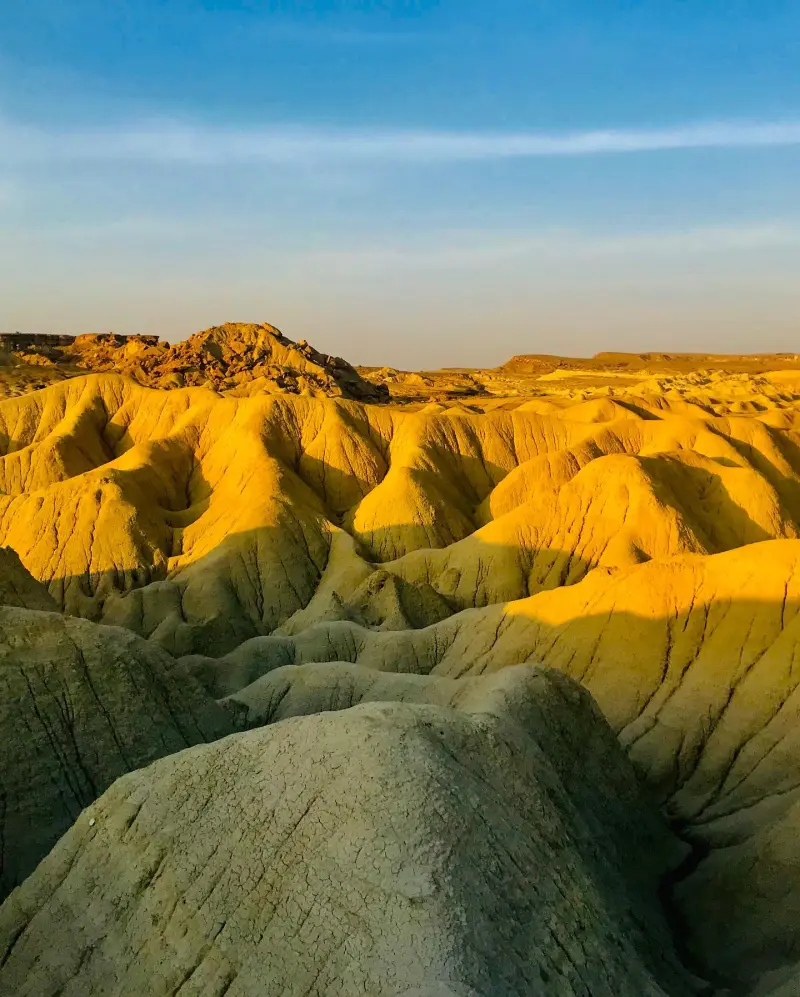
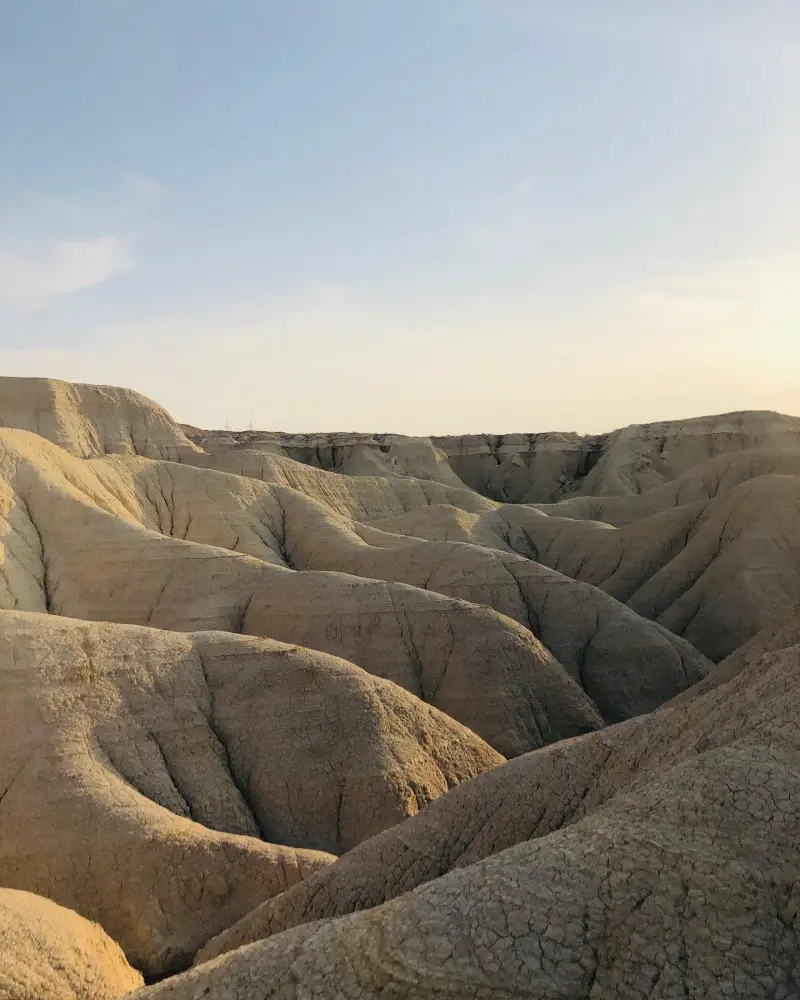
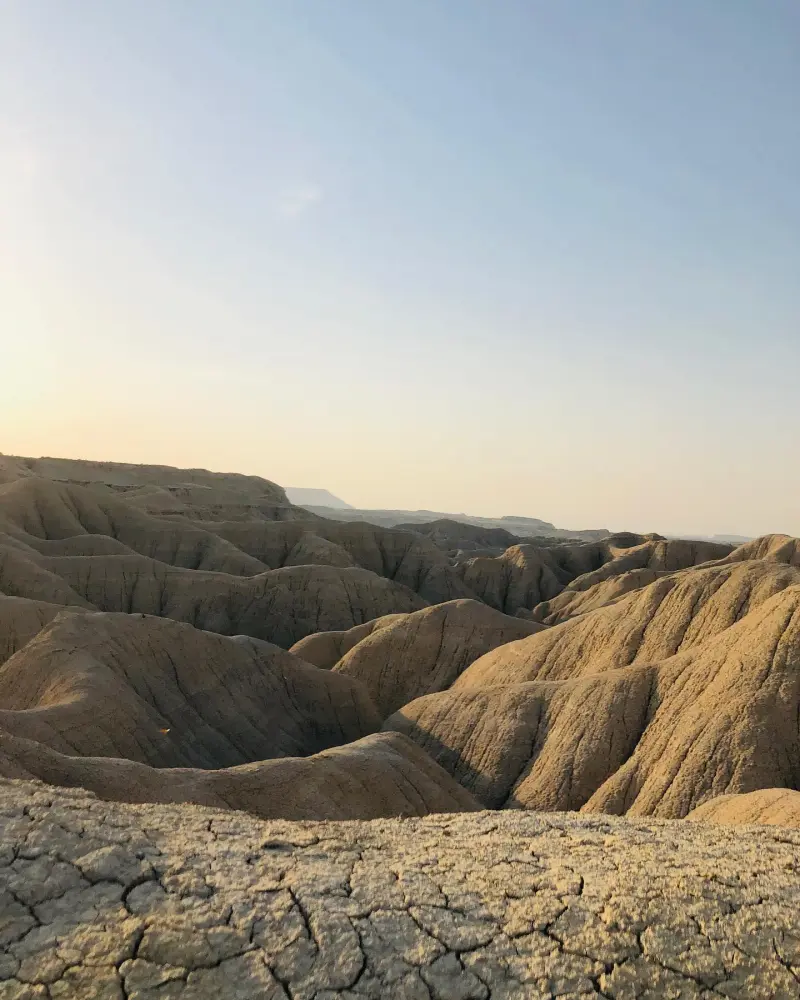
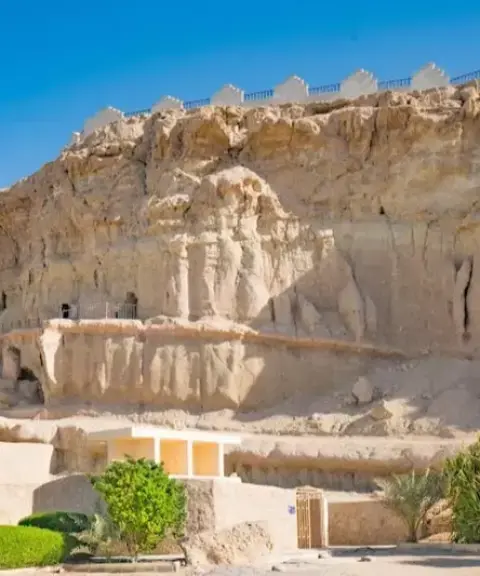
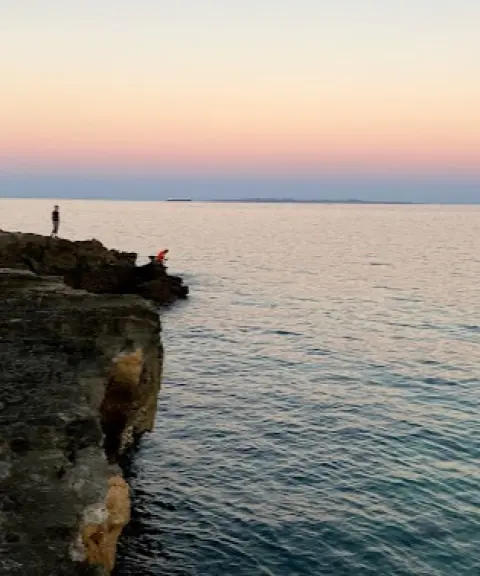
Giyahdan Village belongs to the Central District of Qeshm County in Hormozgan Province and lies in Houmeh Rural District. It is located about 25 to 30 kilometres from the city of Qeshm, beyond Dargahan, and is one of the well-known villages of Qeshm Island. Although Giyahdan is known among islanders and tourists mainly as a place to buy household and electrical appliances, it also has valuable historical and natural attractions. Unlike many parts of Qeshm Island, the village has no direct access to the coast or sea. Thanks to its historical background and its natural and historical sites, it is a worthwhile destination for those interested in cultural tourism and nature travel.
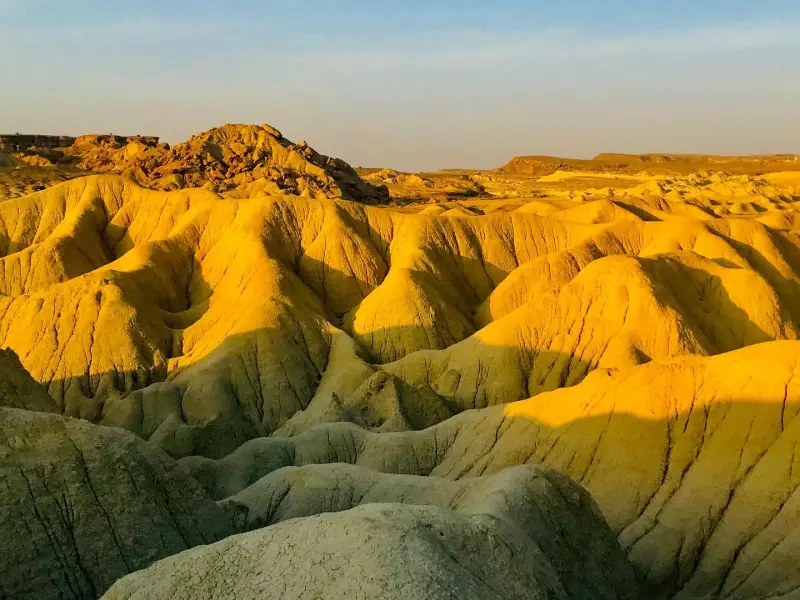
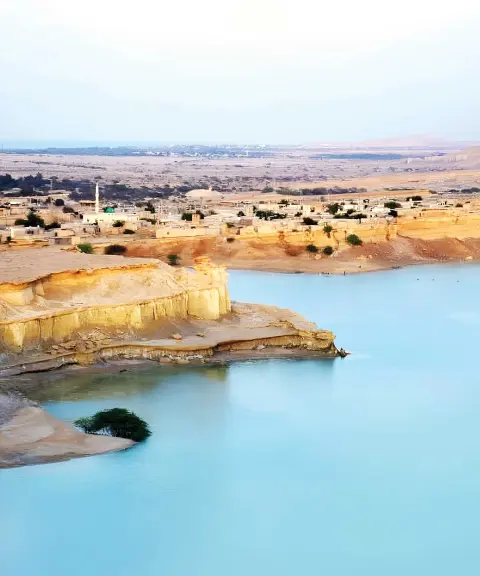
One of Giyahdan's most important historical attractions is the Darhash Dam, whose surviving remains are attributed to the Median period. When rain falls and water collects behind it, the dam creates a different and striking landscape, which is why it has drawn the attention of tourists. Giyahdan also has many old cisterns (ab-anbar), and the information available mentions 22 old cisterns in the village. Among the area's other natural attractions are the Mars-like mountains of Kurkura Kuh, also known as Korkorkon, which lie to the east of the village. They consist mainly of hills of marl, where erosion from surface runoff has carved valleys and gorges. The hand-dug Portuguese Channel (Nahr-e Dast-kand-e Portoghali-ha) lies at the start of the route and is another highlight of the visit. Besides the historical and natural attractions, local customs such as the Qebleh Doa ceremony (rain prayer, or Namaz-e Baran) and traditional wedding rituals such as "Sarhoo" and "Ezba" are also part of Giyahdan's culture and social identity.
To reach the Darhash Dam and the surrounding scenery, you need to drive about 10 minutes along a dirt road from the village. Once you get near the dam, it is about a 15-minute walk to reach the pristine landscapes and the surrounding mountains. The best time to visit the Darhash Dam is after rainfall, when water has collected behind it, as this creates an especially beautiful natural view. According to the available information, if you visit after rain you should expect mosquitoes and bring the necessary protection. Because the nature here is unspoiled and the area contains erosional formations, protecting these natural landscapes is very important. Visitors should not leave litter, damage the natural vegetation or disturb the terrain, and should stay on existing paths to minimise their impact on the natural environment.
Written by زهرا لنگری Last updated
What you can do here, and what it takes
کفش پیادهروی به همراه داشته باشید..
Province Hormozgan
Province Hormozgan
Province Hormozgan



Unfortunately, no comments have been registered.