
 Caves
- Ability level Beginner
Ability level:
Beginner
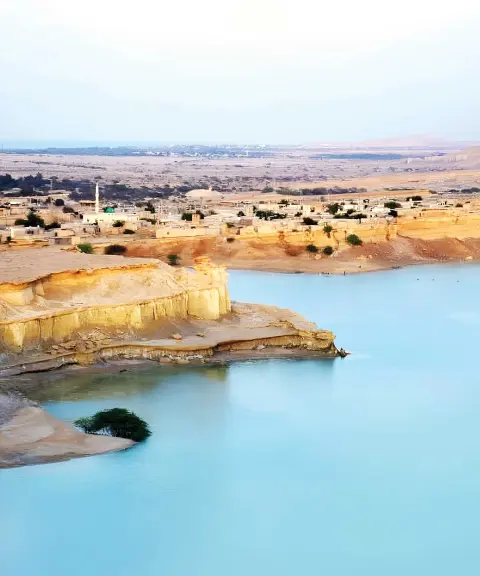
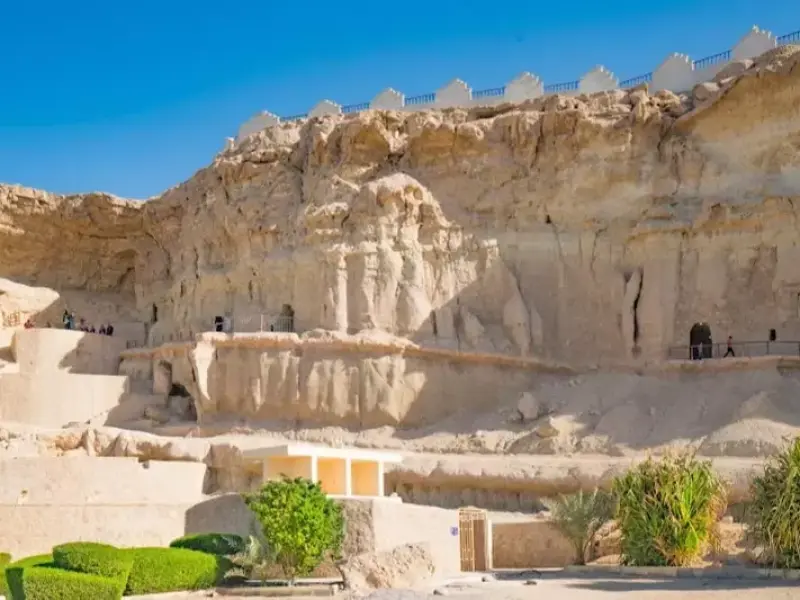
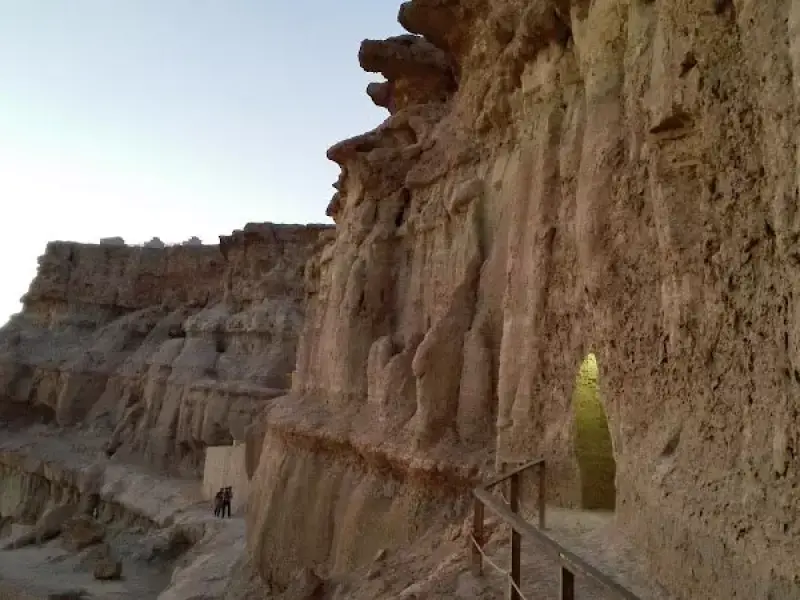
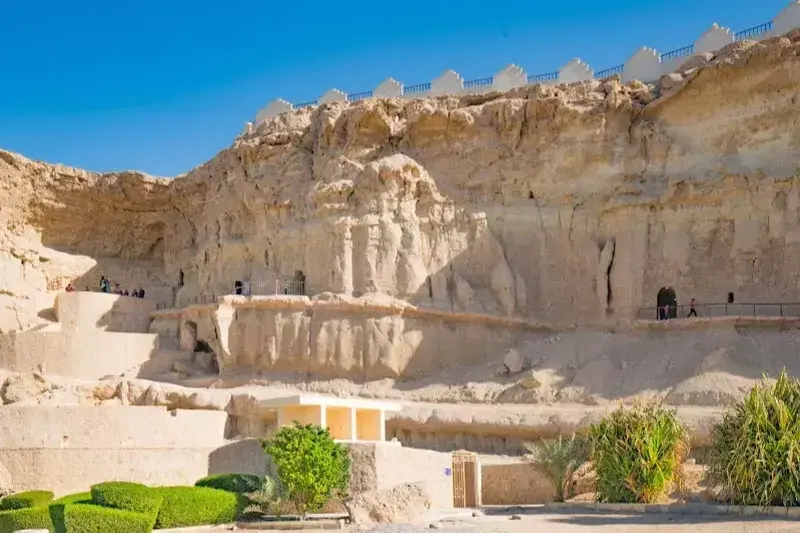
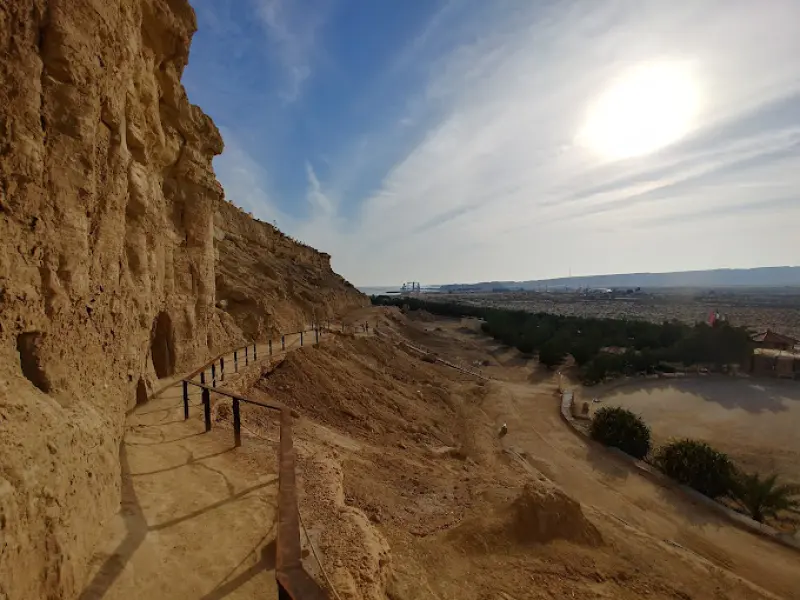
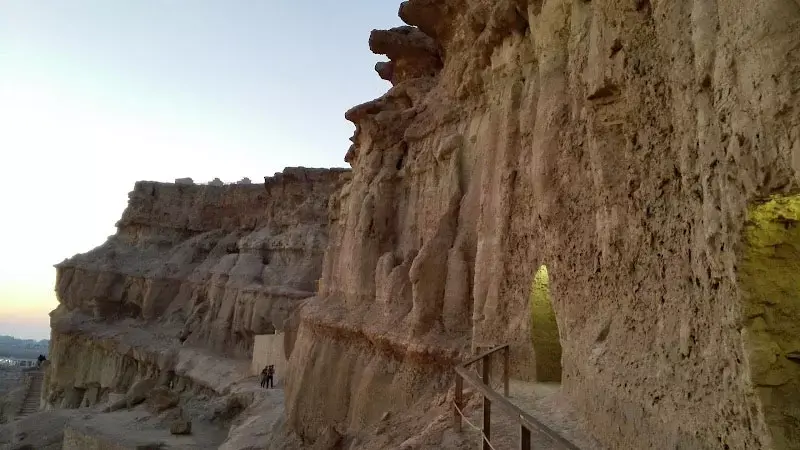
Kharbas Cave is a natural wonder located fifteen kilometres from the town of Qeshm, on Qeshm Island in southern Iran. In the highlands above the village of Kharbas you will see remains that some researchers believe were a place of worship for followers of Mithraism, or a temple of Anahita, the goddess of water. Kharbas Cave is one of the island's beautiful sights, and its rock-cut architecture captivates visitors.
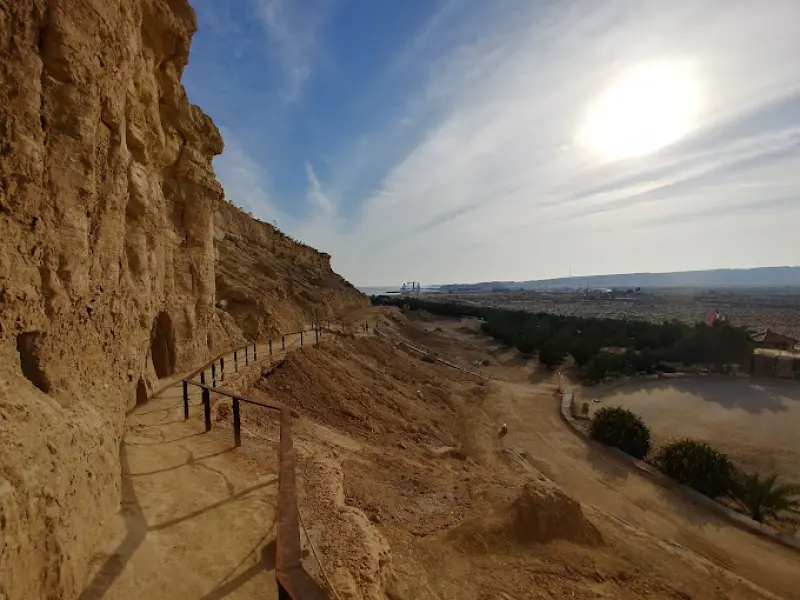
The Kharbas Caves lie on the face of a mountain overlooking the southern coast of Qeshm Island. Four interconnected cave openings can be seen at a height of 20 to 30 metres, and they are known as the Kharbas Caves. These caves are considered ancient geological formations. Together with the other formations and mountains and the island of Qeshm itself, they are a continuation of the folds of the Zagros Mountains, which rose out of the water thousands of years ago.
In its facade construction, Kharbas Cave closely resembles the rock-cut temple or tomb of Kalat-e Khormuj on the slopes of Mount Mand in Bushehr. Its proximity to the ancient city of Kharbaz points to a great and advanced civilization in the Median period. These caves can be compared with the rock-cut tombs of Azerbaijan, Kurdistan, Lorestan, Bushehr, Ahvaz and Shushtar. The interiors of the Kharbas Caves in particular have kept their original shape and layout and remain as they were in ancient times. Some consider these caves a Mithraic temple, while others regard them as ossuaries (astudan). The most likely conjecture is that, even if these hollows in the rock were not pre-Islamic ossuaries, they were most probably designed as refuges for defenceless people who once lived on the flat plain of Kharbaz and faced raids by pirates. For this reason, they created these connected chambers so that, in times of danger, they could shelter children, women and the elderly inside.
Kharbas Cave on Qeshm Island can be visited every day from 8 am to 6 pm, and you will need about 2 hours to see all of its beauty. Because of the island's hot climate, the best time to visit the cave is autumn and winter. However, according to some travellers, the air inside the cave is cool, which makes a visit possible in summer as well.
Written by زهرا لنگری Last updated
Activities
What you can do here, and what it takes
-
Walking
بازدید از این غار بیشتر برای افرادی که توانایی بالارفتن از پله های زیاد را دارند، مناسب است.
Specifications
Introduction of the location and specifications of Kharbas Cave
Construction Period:
Median period
Location:
Hormozgan, Qeshm
Coordinates:
26.91430199, 56.17113233
Open in maps
Height above mean sea:
21 meter
Faunas:
Presence of Herbivorous Animals, Presence of Predatory Animals
Transports:
Private car
Tourist Attractions in Qeshm
Attractions that are nearby

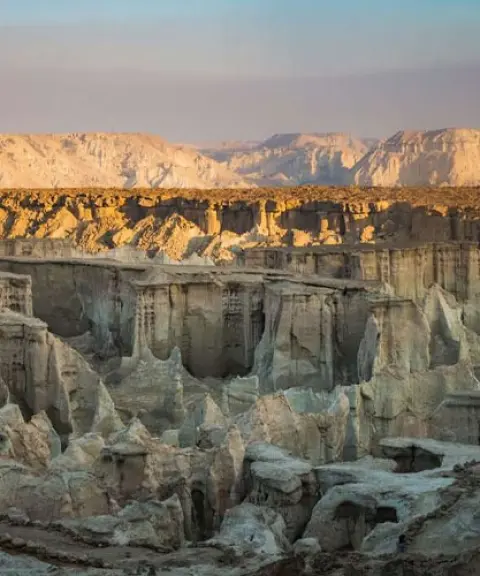

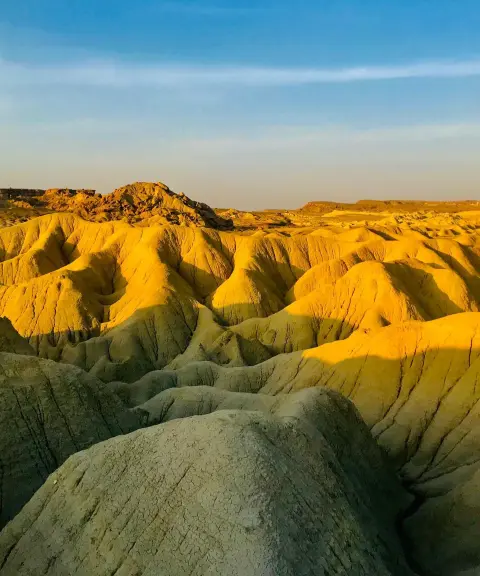
Korkora Kuh, Qeshm
Province Hormozgan
- Walking
The Most Spectacular Marl Hills in the Heart of the Geopark
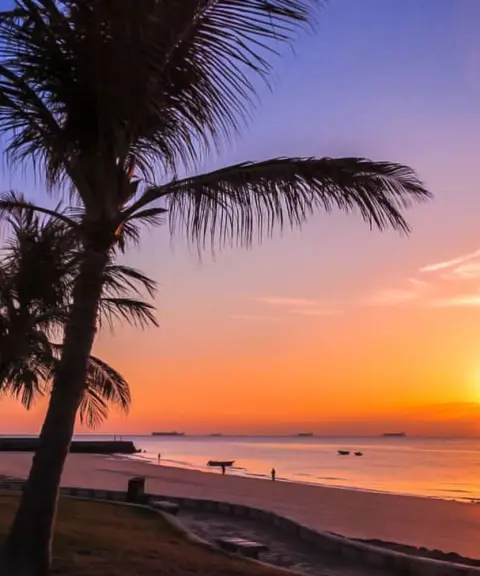

Zeytoon Coastal Park
Province Hormozgan
- Walking
- Rowing
- Swimming
- Diving
- Cycling
A Charming Retreat on the Persian Gulf
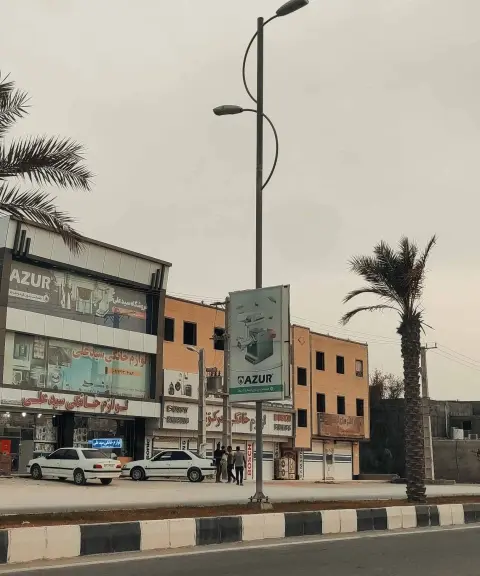
Giyahdan Village
Province Hormozgan
- Walking
A historic village with pristine nature and Mars-like mountains on Qeshm Island
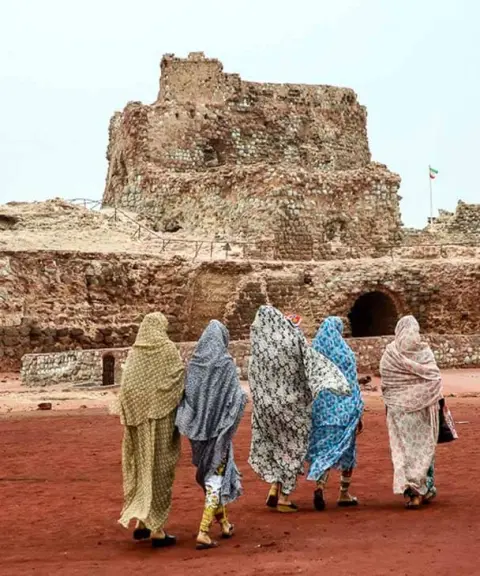
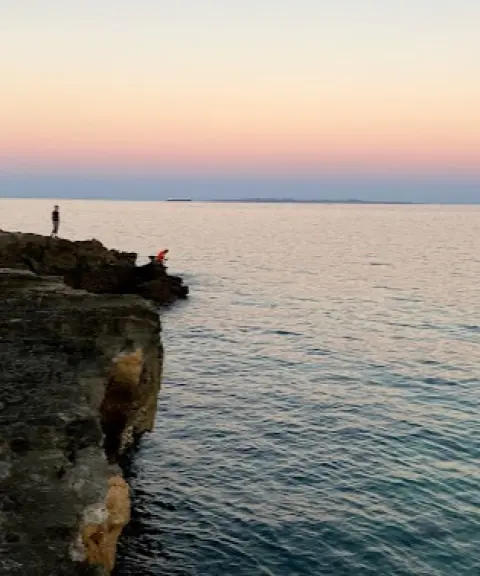

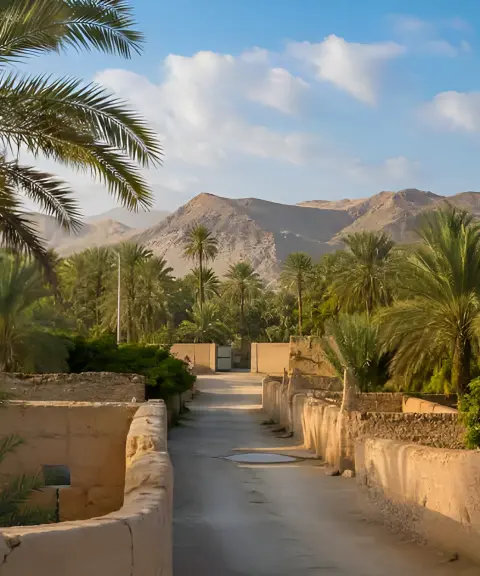
Turian Village
Province Hormozgan
- Walking
A blend of historic fabric, palm groves and sunflower fields on Qeshm
Related tags:
Unfortunately, no comments have been registered.