
 Historic Castle


Zeytoon Coastal Park
Province Hormozgan
- Walking
- Rowing
- Swimming
- Diving
- Cycling
A relic of the colonial era
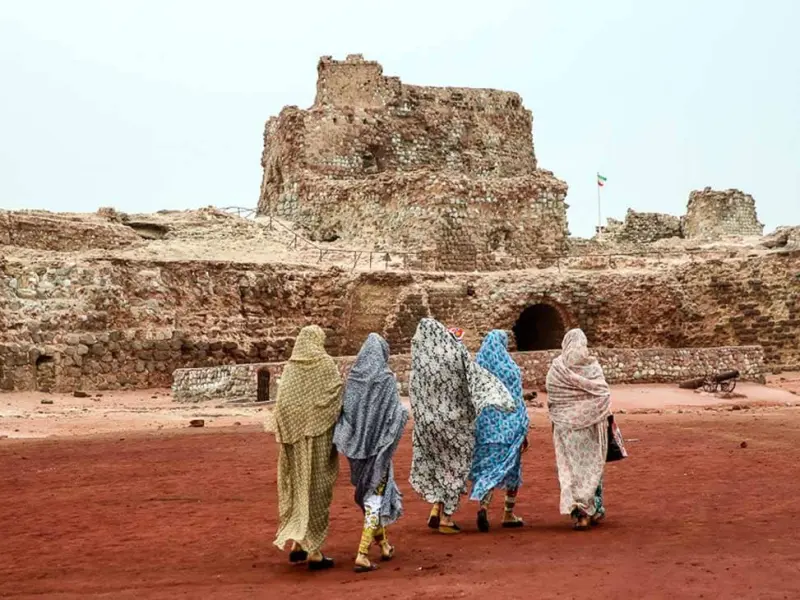
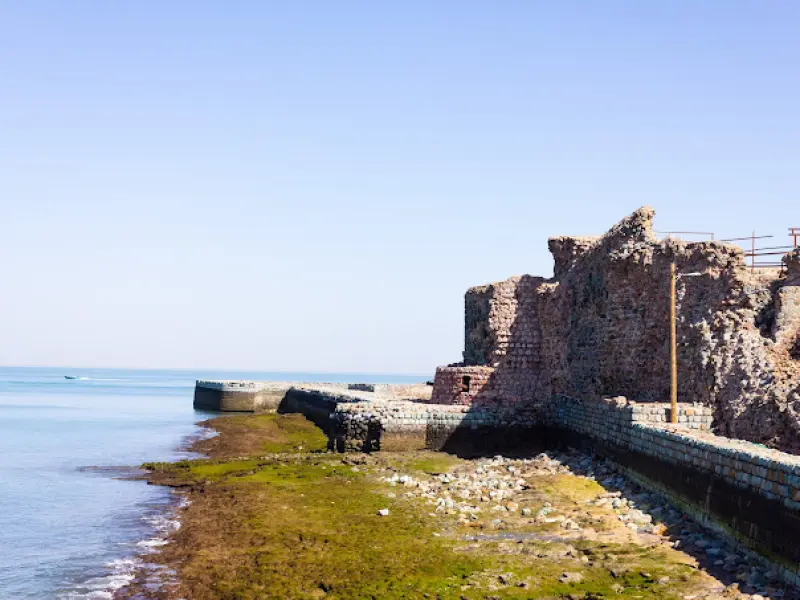
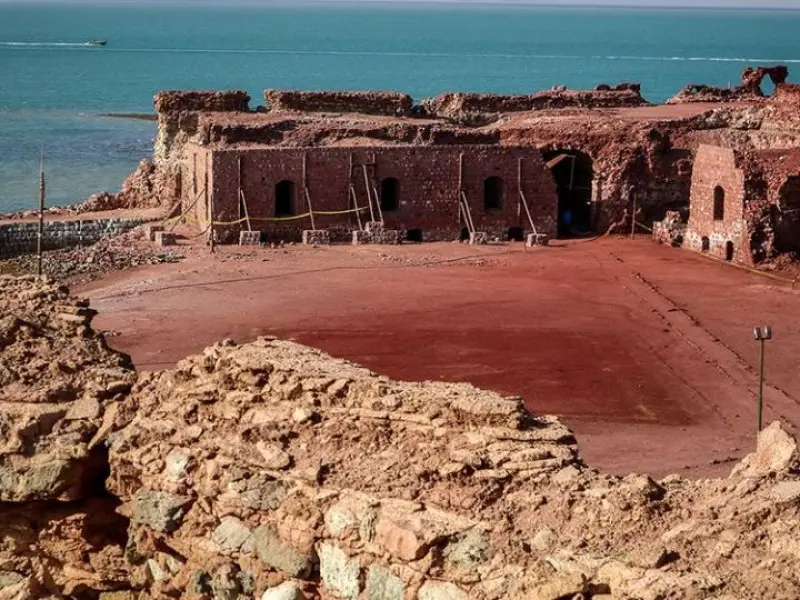
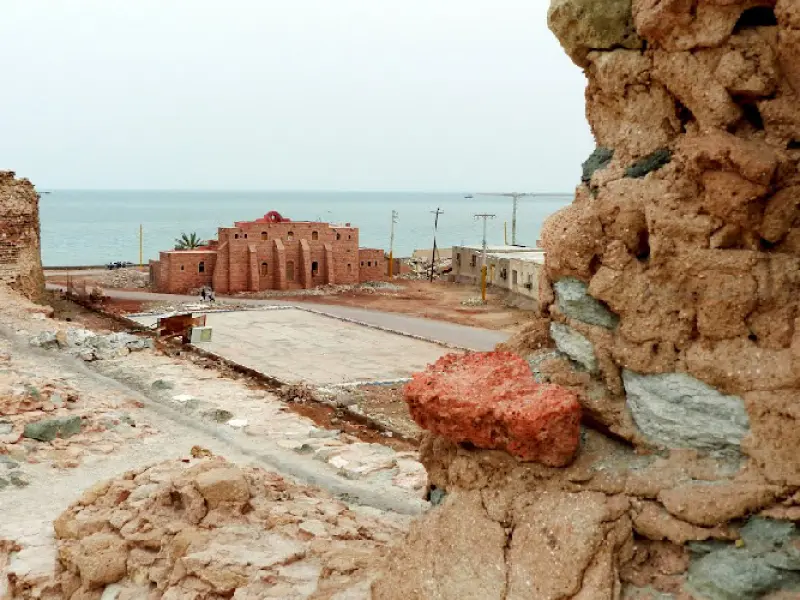
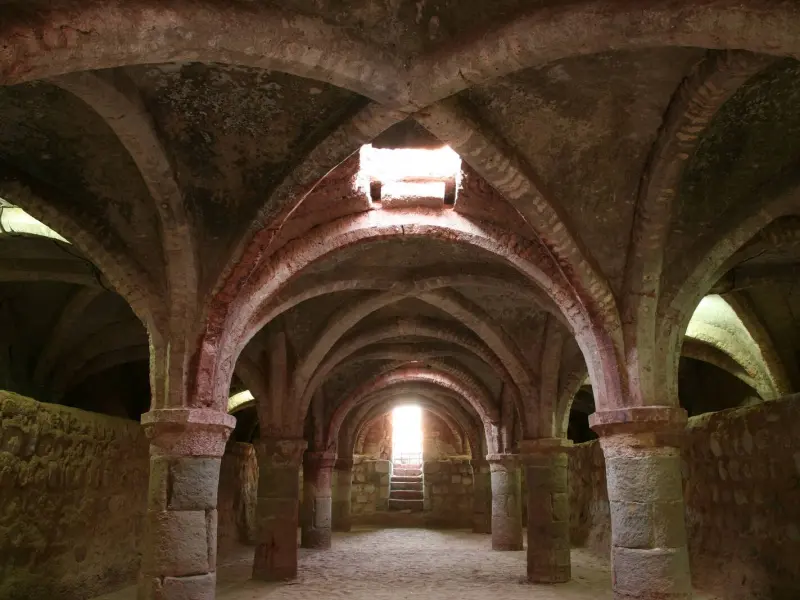
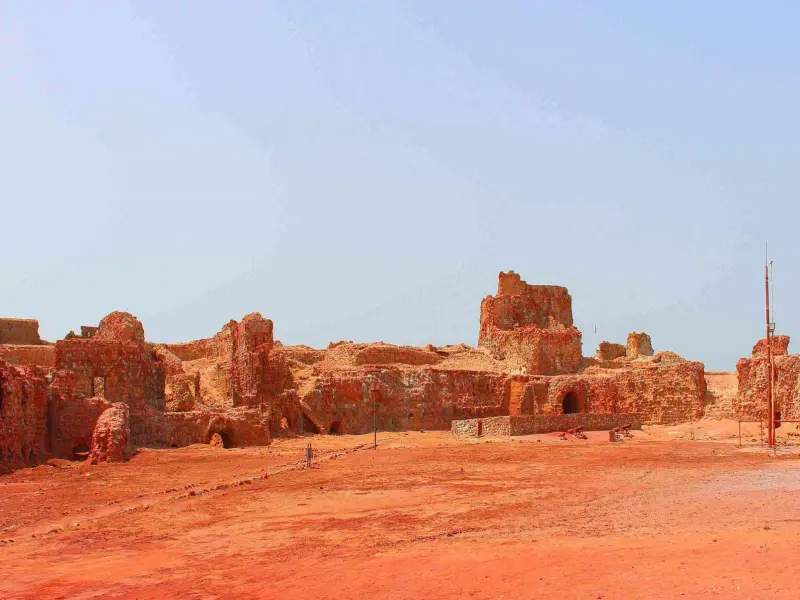
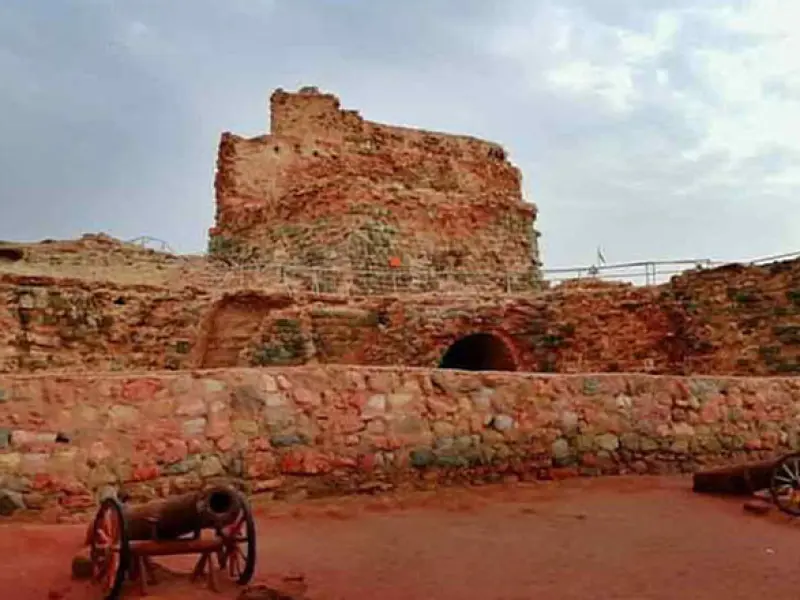
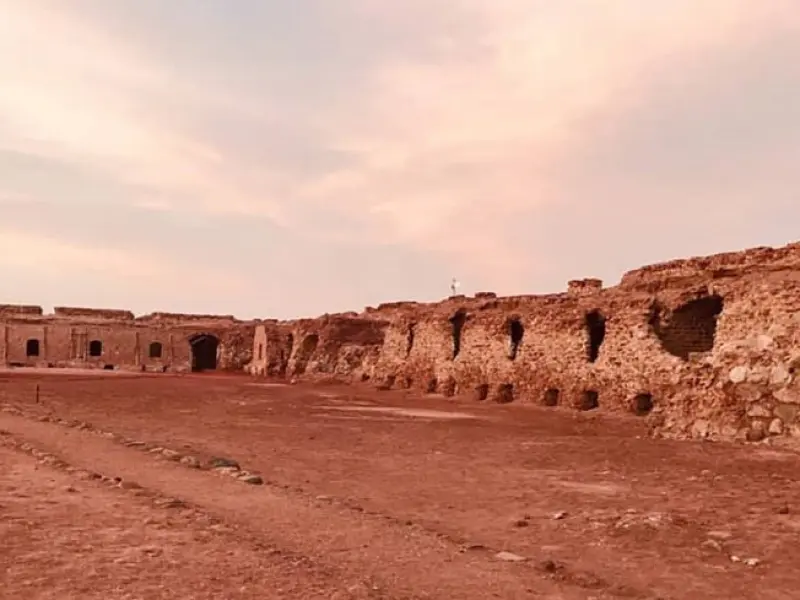
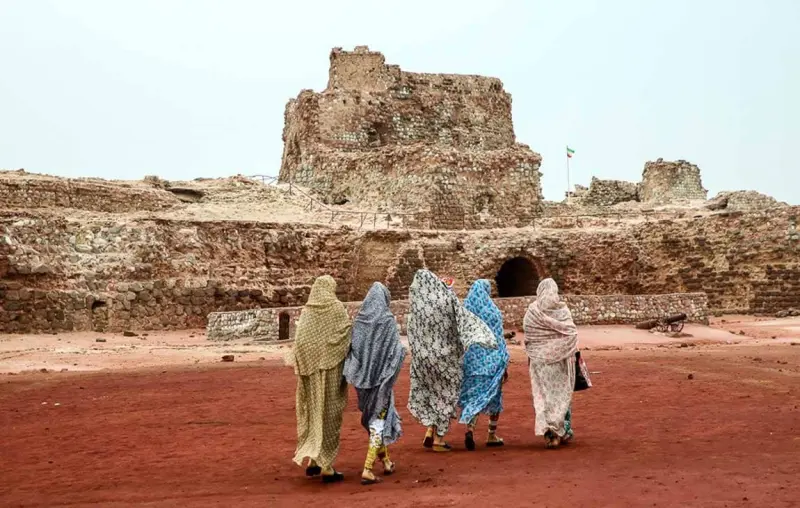
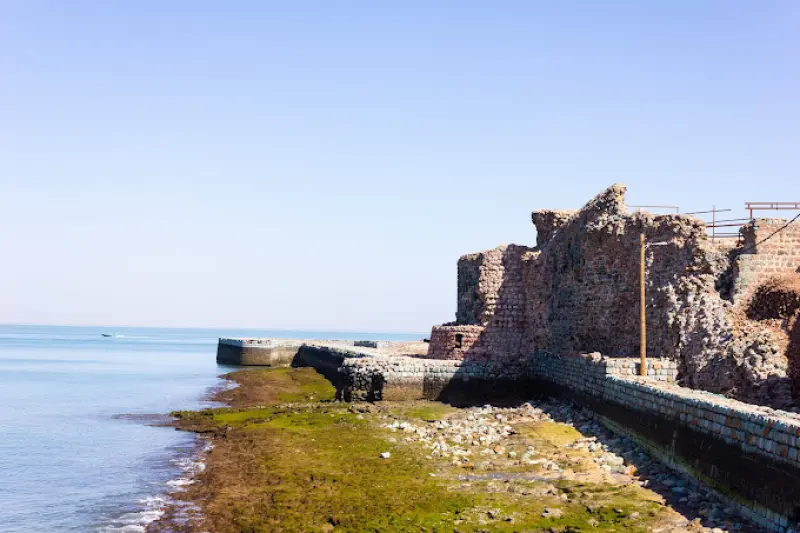
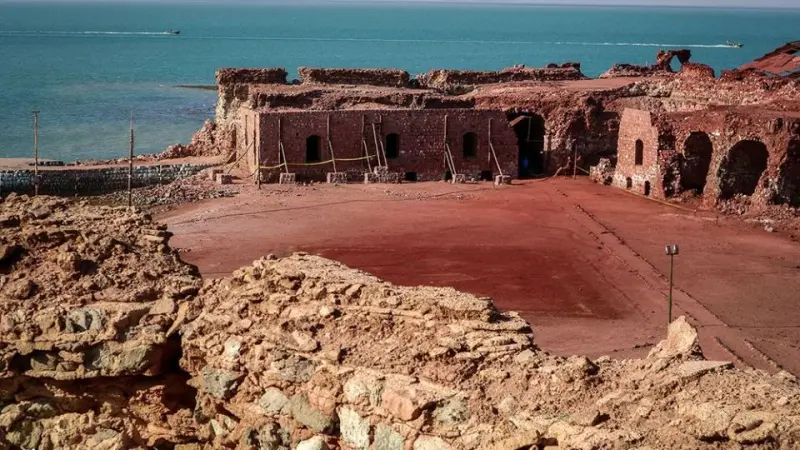
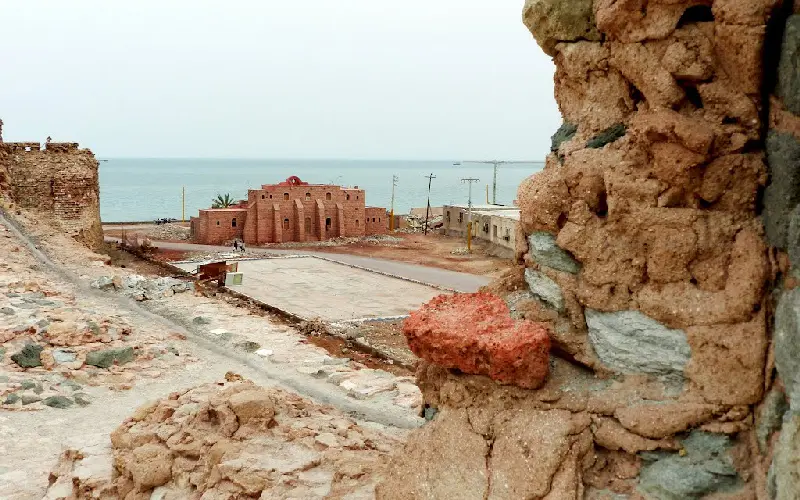
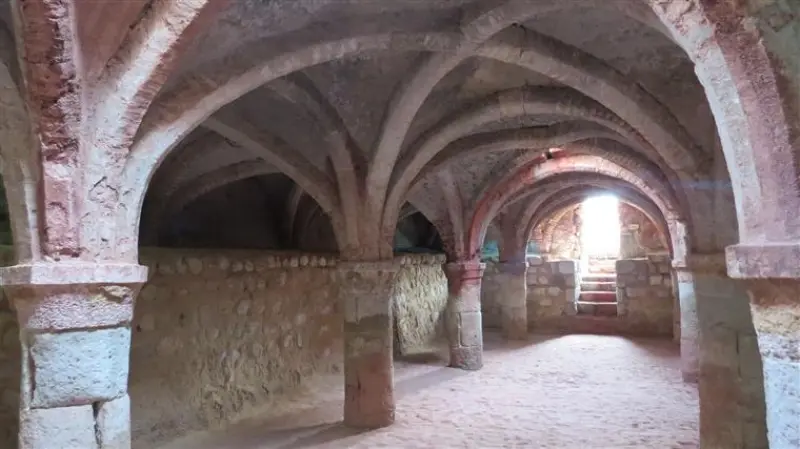
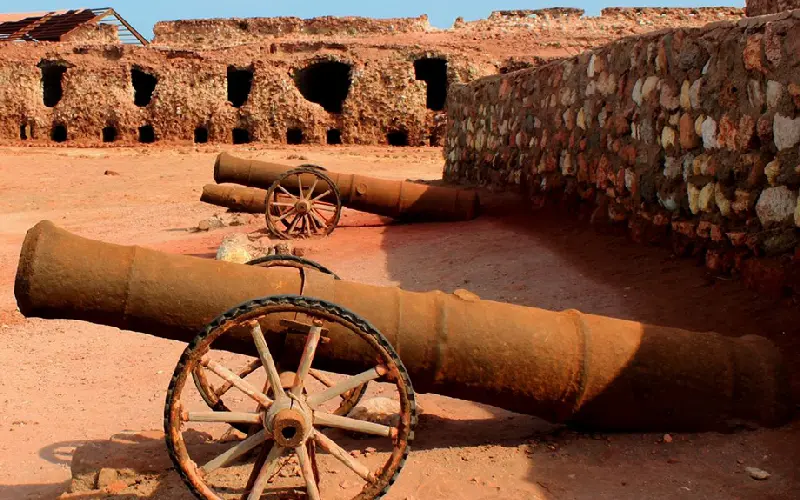
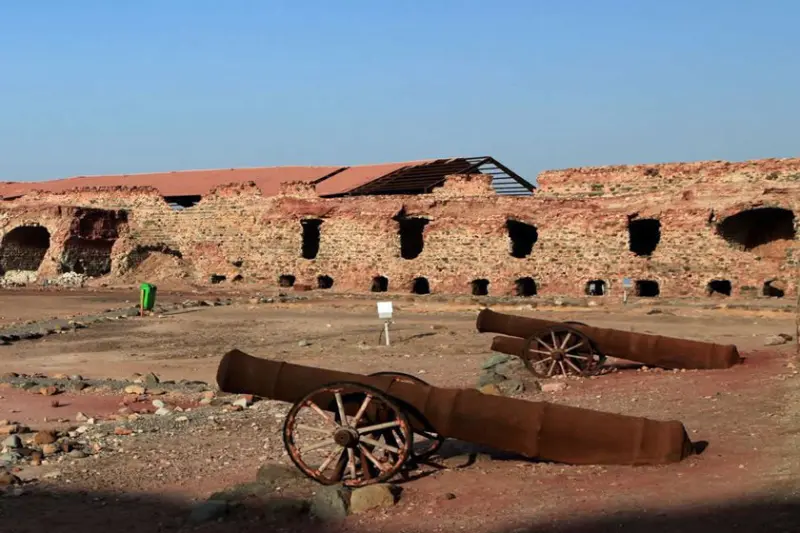
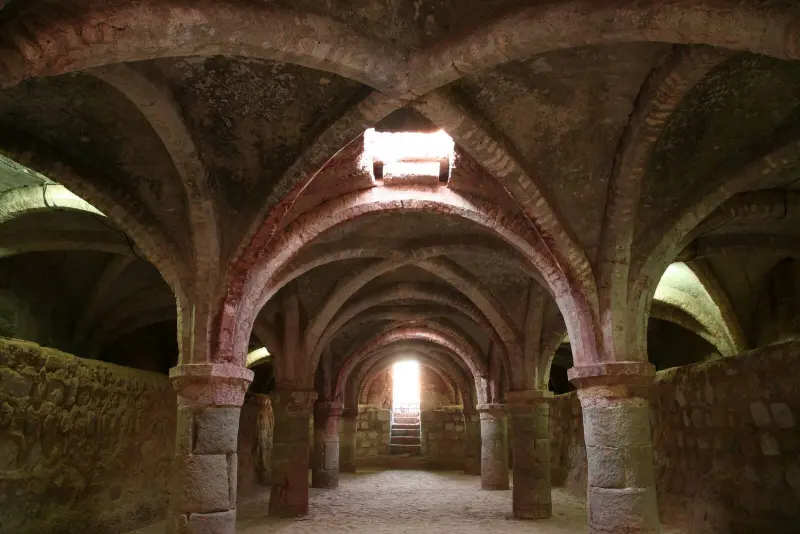
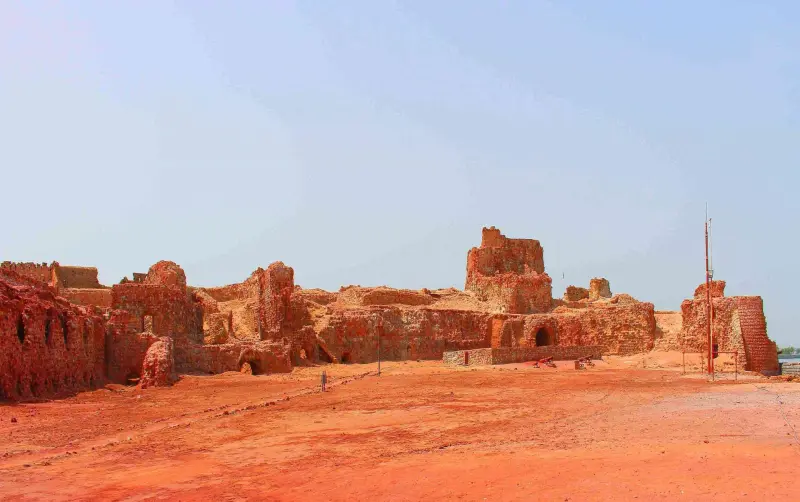
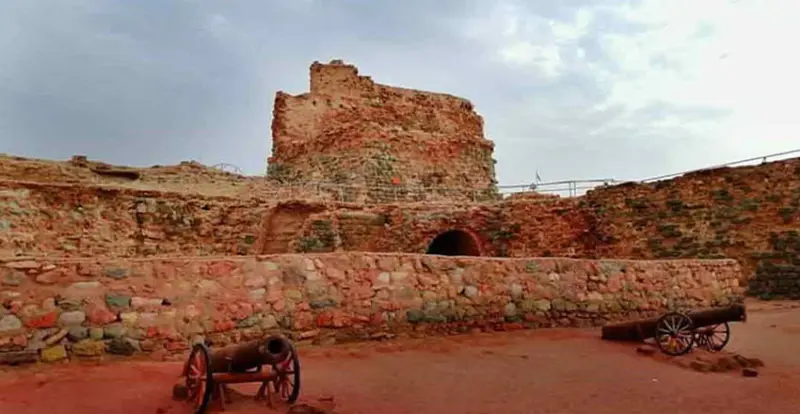
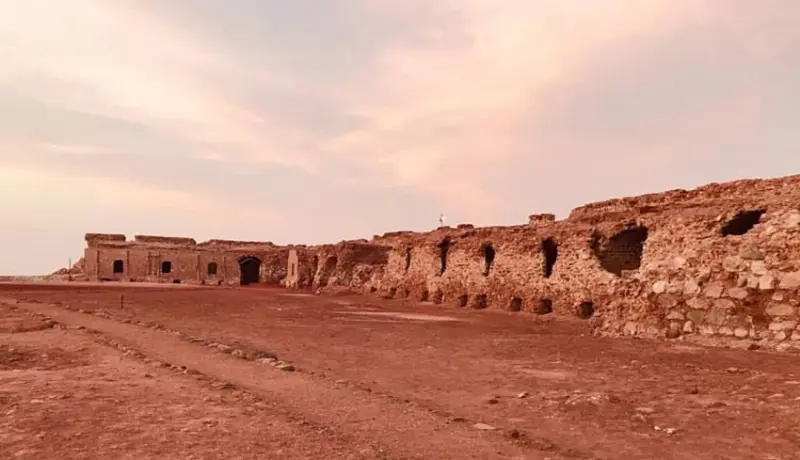
The Portuguese Castle, also known as Hormuz Castle, is one of the historical attractions of Hormozgan Province and the beautiful island of Hormuz. It stands on the northern side of the island, overlooking the deep blue waters of the Persian Gulf. The castle is said to date to the Safavid era and is regarded as one of the most important and best-preserved forts of that period. Hormuz Castle was built by Afonso de Albuquerque, the Portuguese navigator, to protect and secure Portuguese holdings in the Indian Ocean and the Persian Gulf. Besides its military function, it was also used as a residence for Portuguese families. It is said that between three and five thousand people lived in the castle. In 1622 CE, after 115 years of Portuguese presence, Hormuz Castle was finally captured by Imam-Quli Khan, a commander of Shah Abbas I. The castle is a symbol of colonialism and of the courage of the Iranian soldiers who liberated Hormuz Island. In 1998 (1377 SH) it was added to Iran's National Heritage list under registration number 1998.
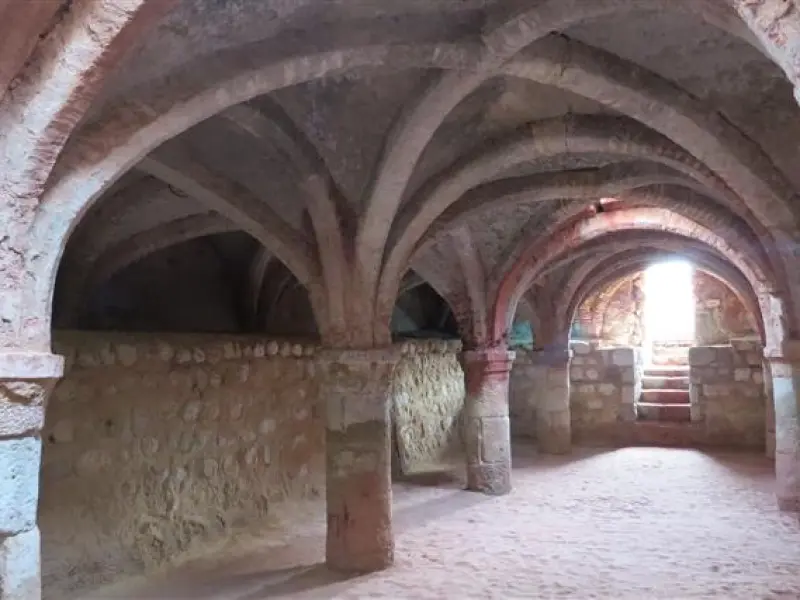
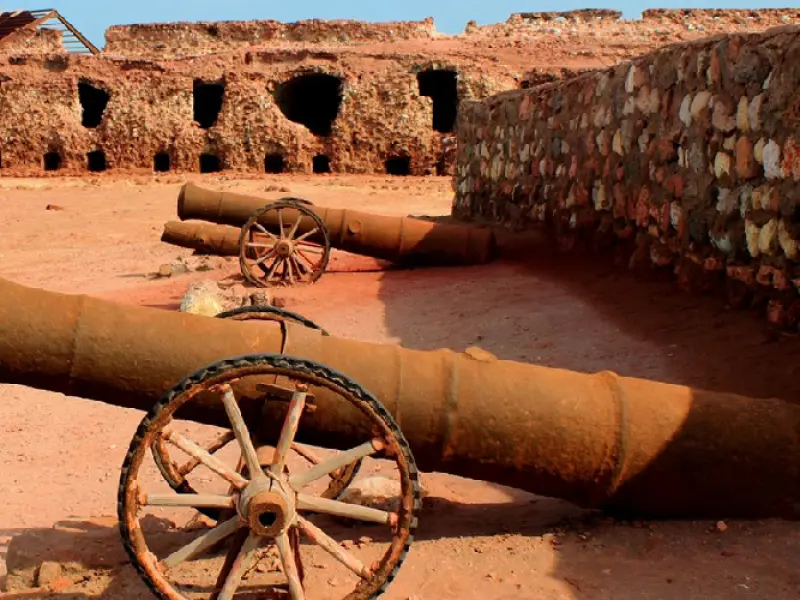
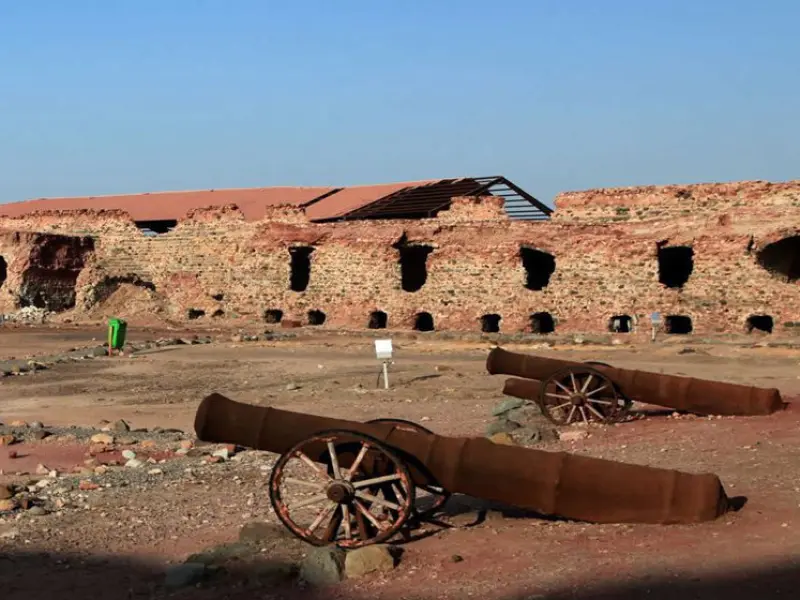
The Portuguese Castle of Hormuz originally covered 20,000 square metres, of which 15,000 square metres remain today; the other 5,000 square metres have been lost over time. Its architectural style draws on medieval European castles and fortresses as well as Iranian architecture. The plan of the castle is an irregular polygon, with thick walls 3.5 metres wide and 14 metres high. The towers reach a height of 12 metres. The castle was built with sponge-like stones of good quality and strength. These stones were used in the castle's buildings, water reservoirs and water ponds. This type of stone helps purify water, so the Portuguese were able to store water in the reservoirs for a whole year. The castle consists of several parts, including multiple entrances, towers, weapons depots, a large water reservoir, barracks, a prison, a church, a command headquarters, a hall, living quarters with vaulted ceilings, a dungeon and a storeroom. It has a semicircular courtyard in which two large cannons left over from the Portuguese period can be seen. Outside the building there are also muzzle-loading cannons known as Naderi cannons. The castle's roof offers a beautiful, spectacular view of the deep blue waters of the Persian Gulf. At the centre of the courtyard lies an underground church. It has two rows of round stone columns with graceful arches, built from coral stone. These columns, inspired by the palm trees of southern Iran, show a combination of Portuguese and Iranian architecture. Some time after the church was built, rainwater seeped in, and the building was converted into a water reservoir; religious ceremonies and gatherings were then held in the corridors.
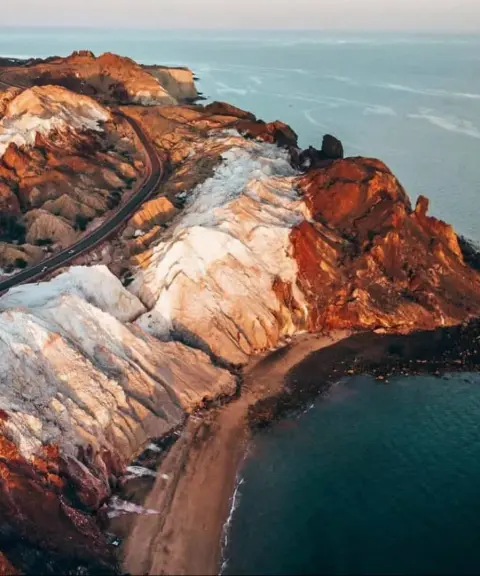
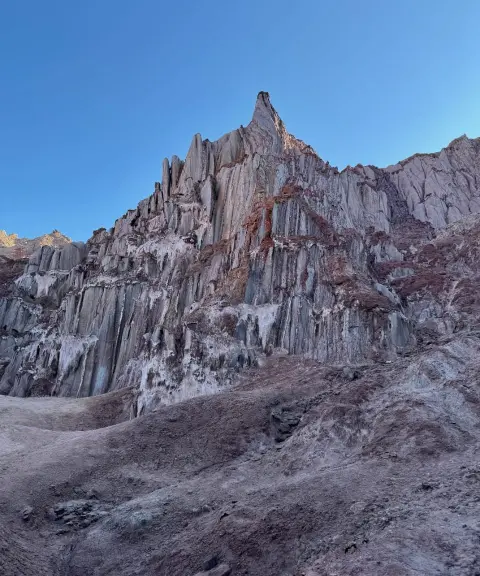
Hormuz Island is an amazing destination for travellers in its own right. Besides visiting the Portuguese Castle, you can see the island's other natural and historical attractions. The Valley of Statues is one of the island's strange and beautiful spots, where rocks of odd and fantastic shapes amaze visitors. The Goddess Cave and the Tabarzan Salt Valley, with its colourful hills and mountains and its unique tranquillity, are also among the island's sights. Because Hormuz Island is hot and sunny, we recommend bringing items such as sunglasses, sunscreen and a peaked hat when you visit the island and the castle. The best time to visit Hormuz Island and the Portuguese Castle is autumn and winter, so if you plan to travel to this region, go at that time.
Written by زهرا لنگری Last updated
What you can do here, and what it takes
کفش پیادهروی به همراه داشته باشید..
Province Hormozgan

Province Hormozgan


Unfortunately, no comments have been registered.