
 Attractions
Ali Qapu Palace
The Safavid Royal Gateway in the Heart of Naqsh-e Jahan
- Attractions
- Isfahan, Isfahan
- Altitude 1,572 m
- Ability level Beginner
Ability level:
Beginner
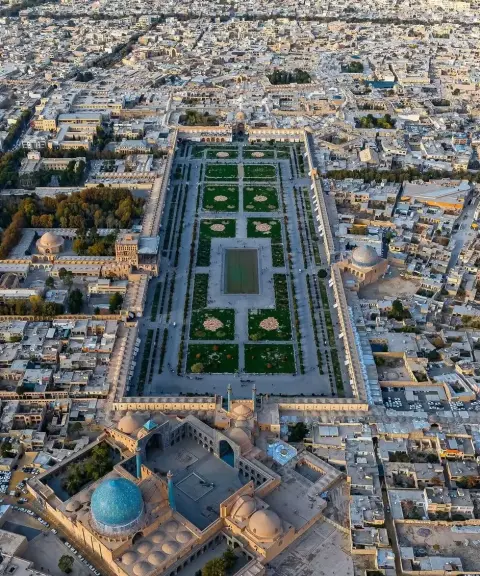
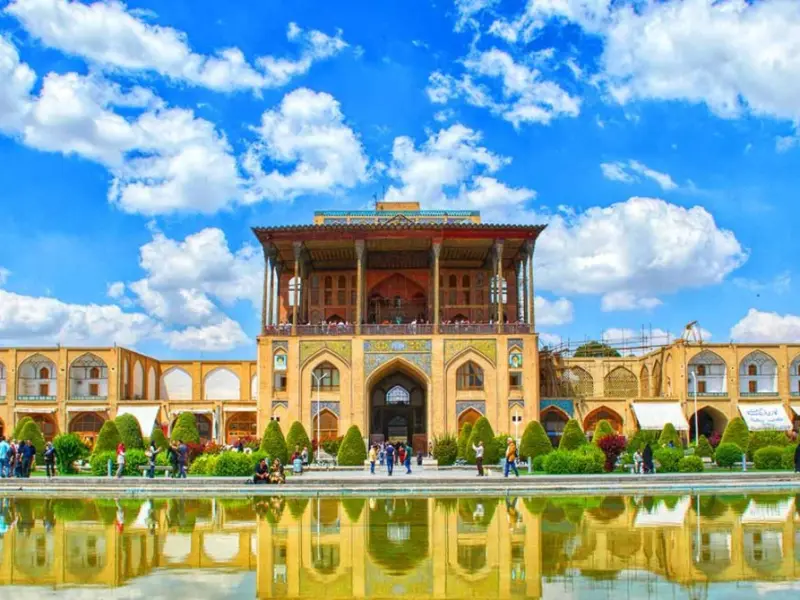
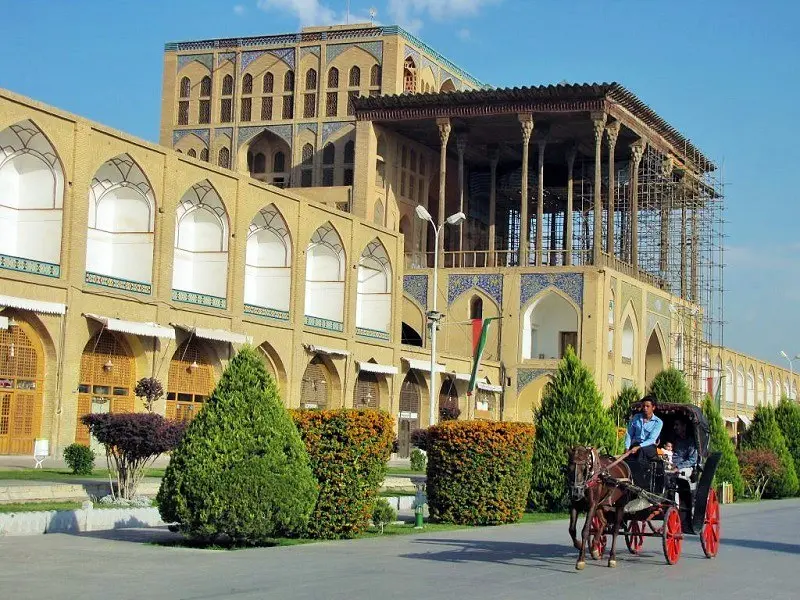
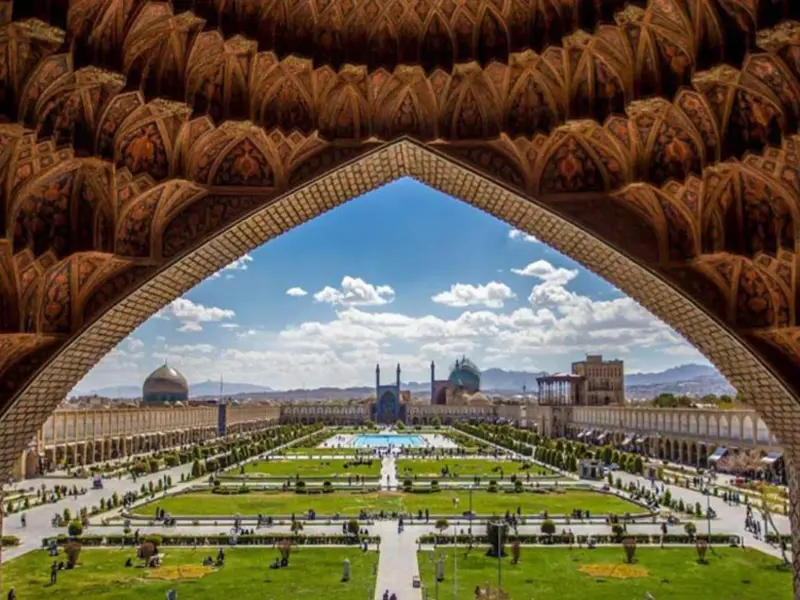
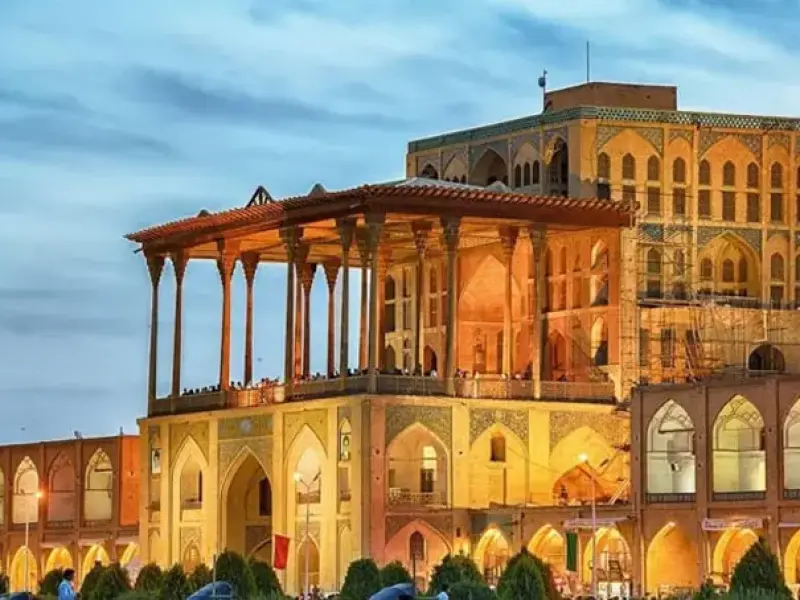
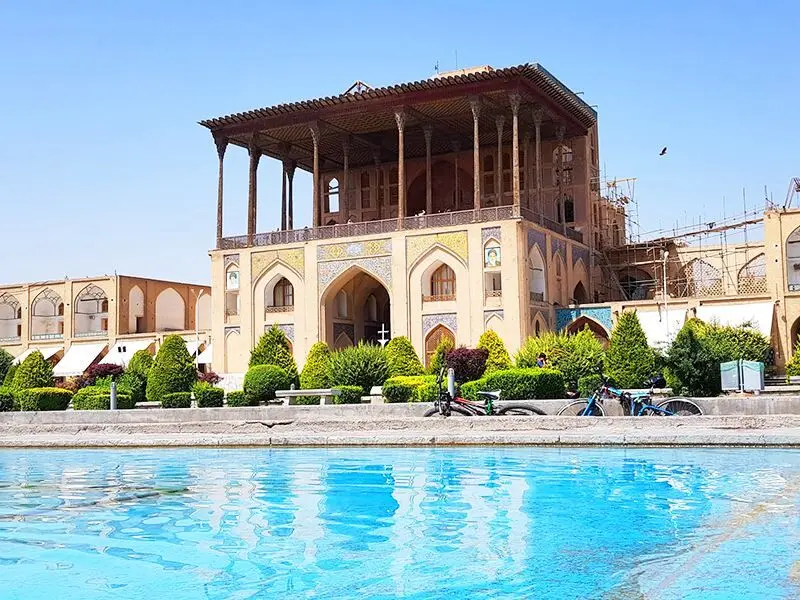
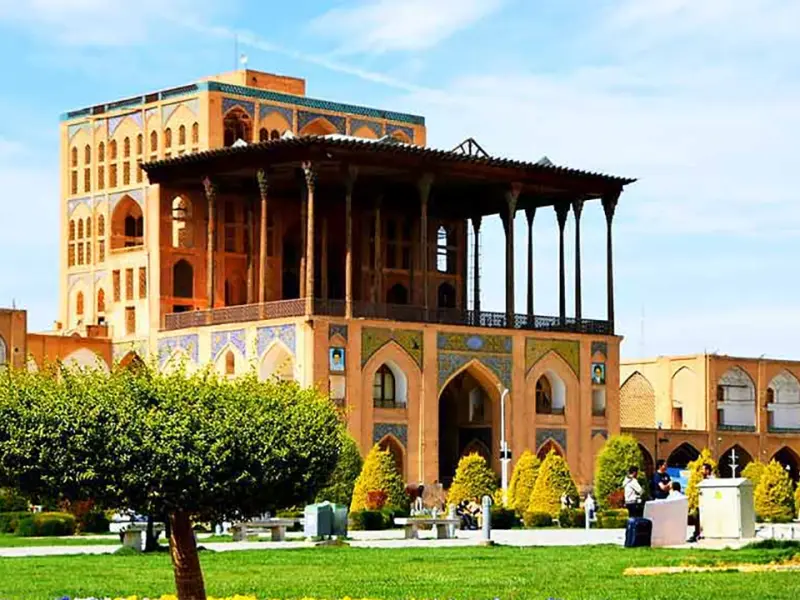
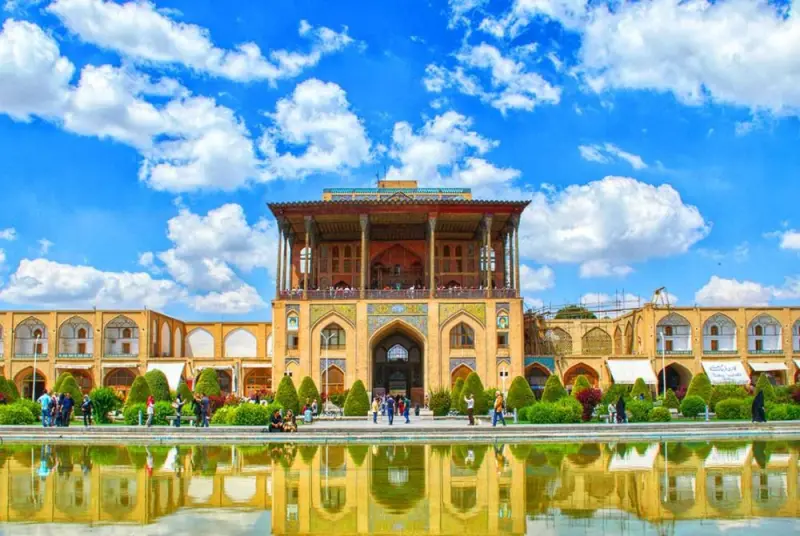
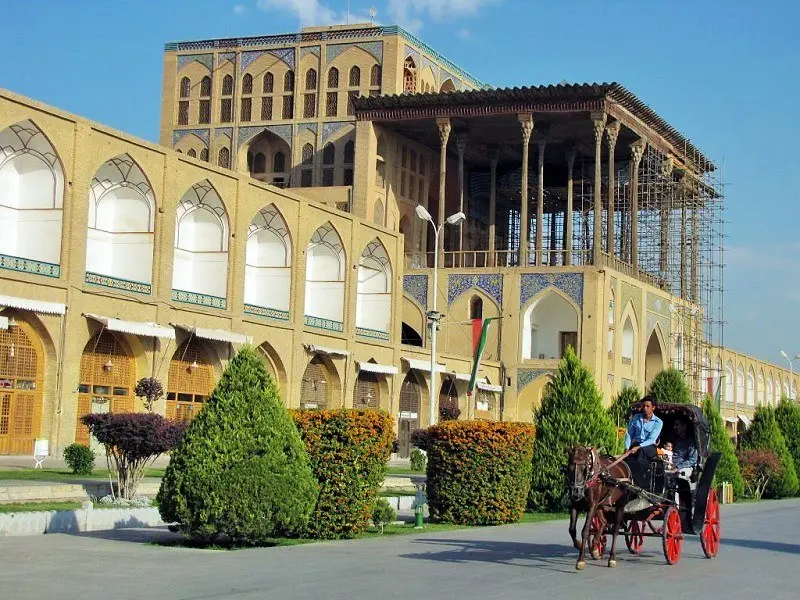
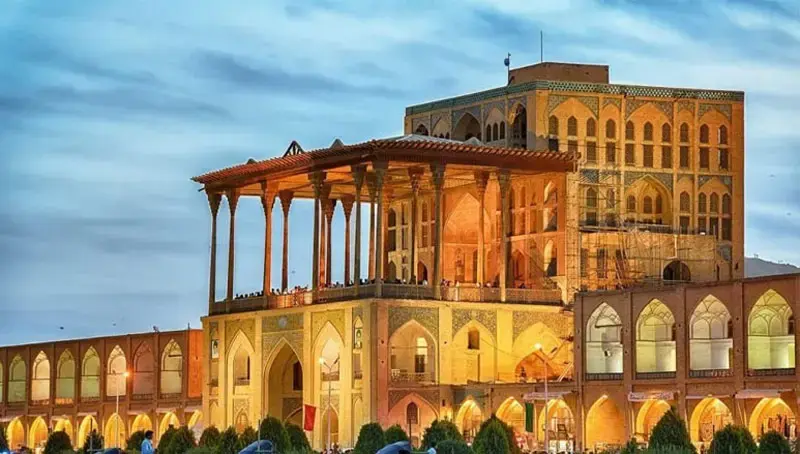
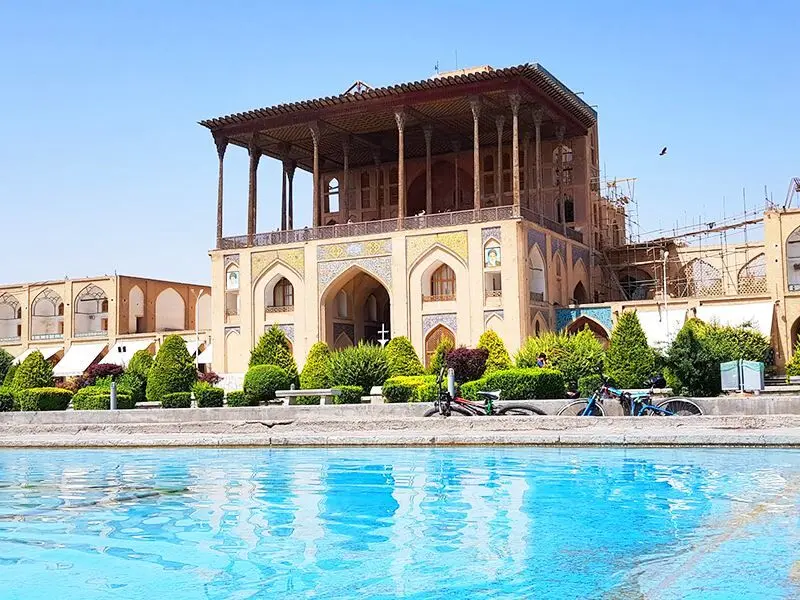
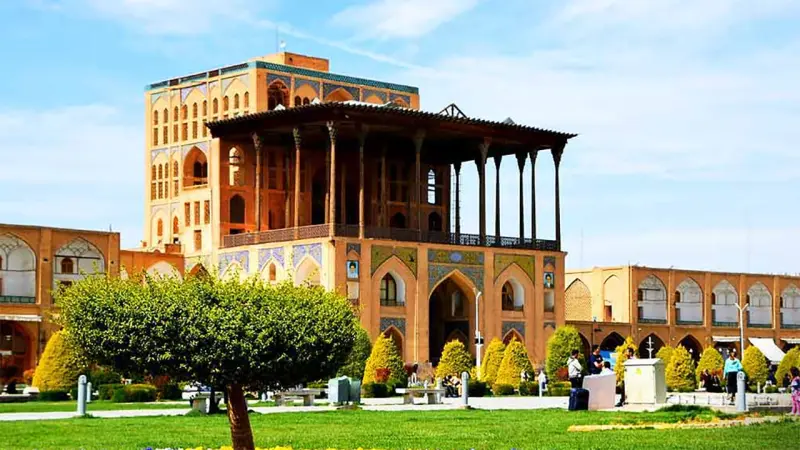
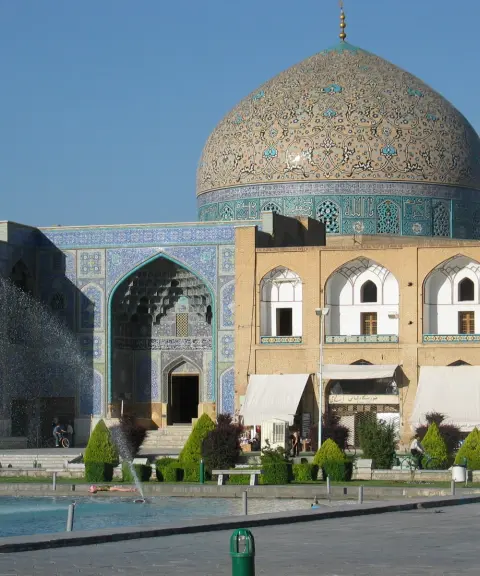
Ali Qapu Palace is one of the most important and magnificent historical buildings in Isfahan. It stands on the western side of Naqsh-e Jahan Square, directly opposite the Sheikh Lotfollah Mosque. The palace was built during the Safavid era, in the reign of Shah Abbas I, between 973 and 977 (Solar Hijri), as the grand entrance to the Safavid royal precinct. In Turkish, the name means "Lofty Gate," which reflects the grandeur and importance of the building. The palace is registered as number 104 on Iran's National Heritage list and has been under the protection of the country's cultural heritage authorities since 1310 (Solar Hijri). The original building was much simpler than it is today, but over time, especially under Shah Abbas I and Shah Abbas II, it was expanded and additional floors were added. In the time of Shah Abbas II, the beautiful columned porch (iwan) was added, giving the building the form we see today.
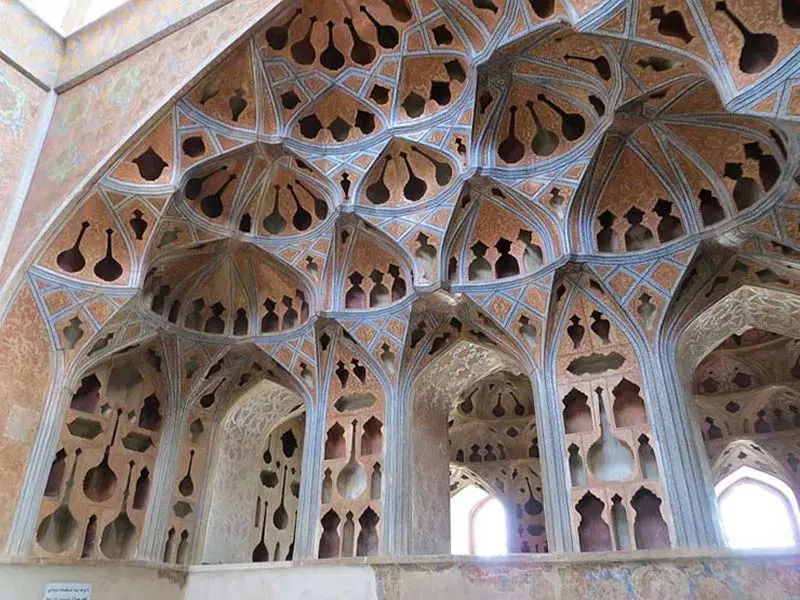
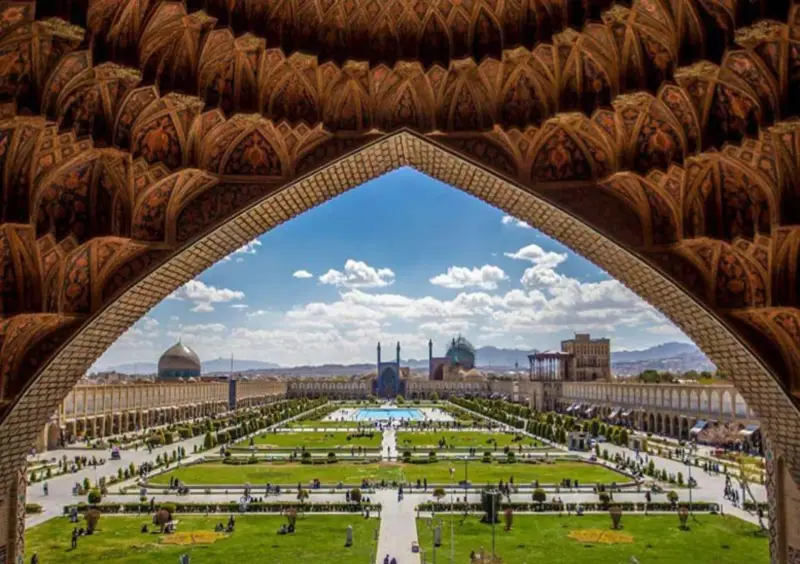
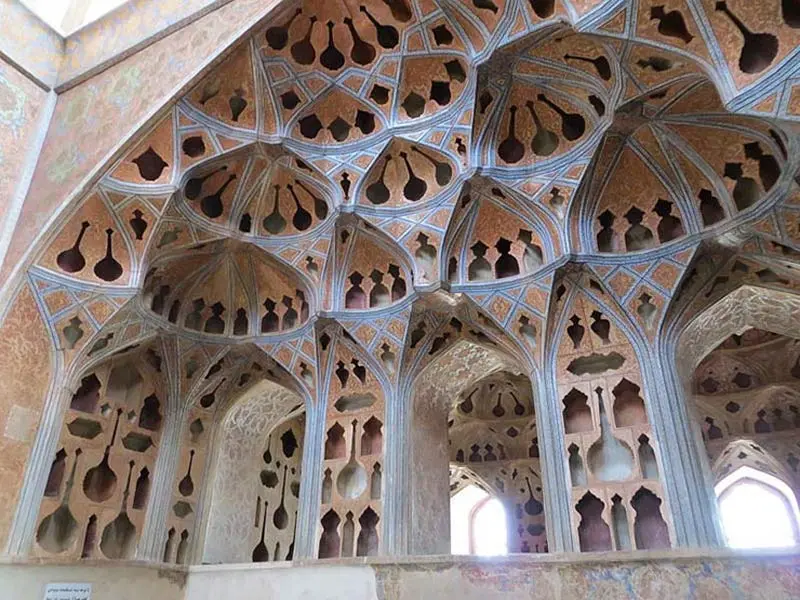
The architecture of Ali Qapu is astonishing and inspiring. From Naqsh-e Jahan Square it looks like a two-storey building, but it actually has six floors and, at a height of nearly 48 metres, dominates the square. The lofty porch on the third floor, with its plane-wood columns, muqarnas ceiling and beautiful marble pool fed by an ingenious water system, is among the palace's most distinctive features. The Music Hall on the sixth floor is also a unique masterpiece of "tang-bori" (cut-out stucco work) and "gach-bori" (stucco carving). Its distinctive acoustic design eliminated echo entirely, so that music could be heard in a pure form without any reverberation. In addition, delicate stucco work, miniature paintings by the master Reza Abbasi, and arabesque tilework with hunting-ground scenes give this historic building a unique artistic character. Ali Qapu was not only the seat of government and the place where royal decrees were issued, but also a venue for ceremonies and official receptions of domestic and foreign guests. From the palace's high porch, Shah Abbas used to watch the polo matches and public performances held in Naqsh-e Jahan Square.
Today Ali Qapu Palace is regarded as one of the unrivalled architectural, artistic and historical treasures of Iran, and a visit offers a rare opportunity to experience the splendour of the Safavid era and the refinement of Iranian art. In terms of access, the palace is located in the historic centre of Isfahan and is easy to reach by private car or taxi. Its position on Naqsh-e Jahan Square makes it possible to visit other historic masterpieces at the same time, such as the Imam Mosque and the Sheikh Lotfollah Mosque. The best time to visit is from spring to early autumn, when the weather is pleasant and the light is good for sightseeing and photography. During your visit, please practise responsible tourism: do not touch or damage the artworks, stay on the marked routes, and never leave litter behind.
Written by زهرا لنگری Last updated
Activities
What you can do here, and what it takes
-
Walking
بازدید از طبقات مختلف کاخ و تماشای معماری و هنرهای داخلی، فرصت مناسبی برای درک هنر اسلامی-صفوی محسوب میشود.
Specifications
Introduction of the location and specifications of Ali Qapu Palace
Oldness:
400 years
Construction Period:
Safavid
Location:
Isfahan, Isfahan
Coordinates:
32.65713731, 51.67661771
Open in maps
Height above mean sea:
1572 meter
Faunas:
Presence of Allergenic Insects
Transports:
Private car, Walking
Tourist Attractions in Isfahan
Attractions that are nearby
Sheikh Lotfollah Mosque
Province Isfahan
- Walking
The Splendor of Safavid Architecture in the Heart of Isfahan's Historic Square
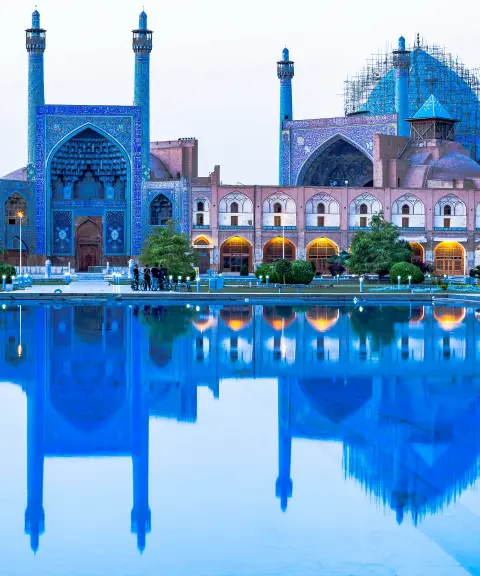
Shah Mosque
Province Isfahan
- Walking
A Masterpiece of Safavid Architecture in the Heart of Naqsh-e Jahan Square
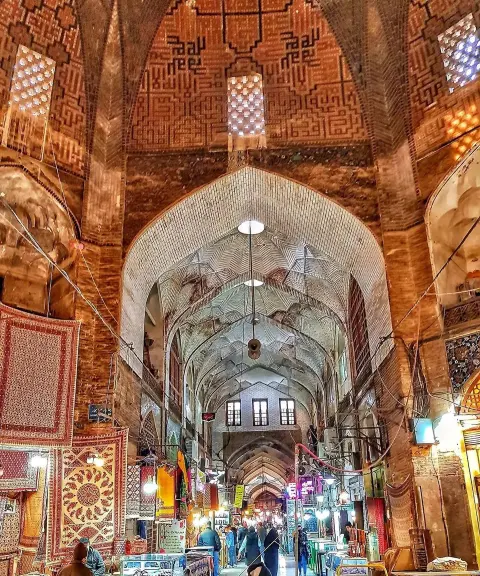
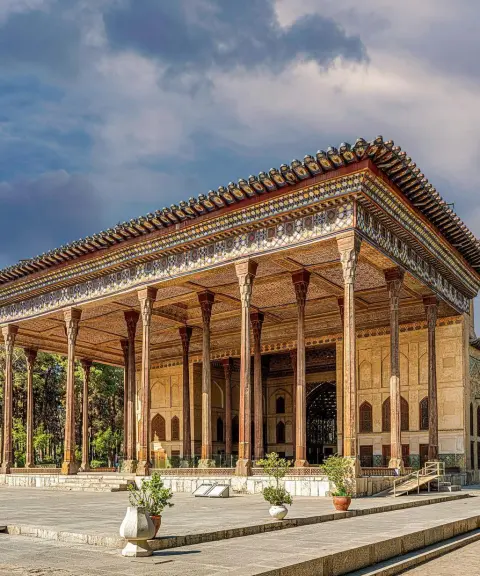
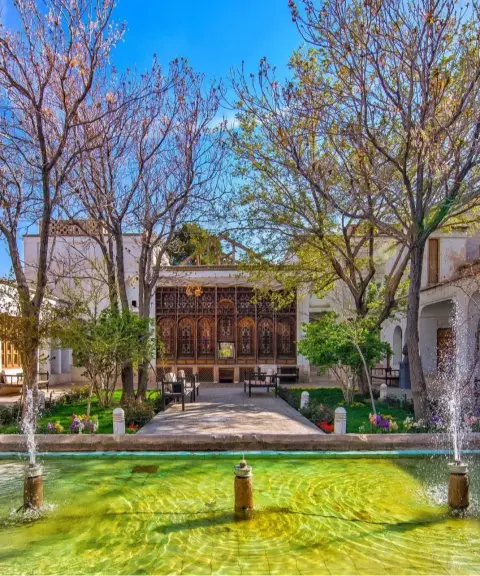
Constitution House (Khaneh-ye Mashrutiyat)
Province Isfahan
- Walking
A house from the heart of Constitutional Revolution history in the center of Isfahan
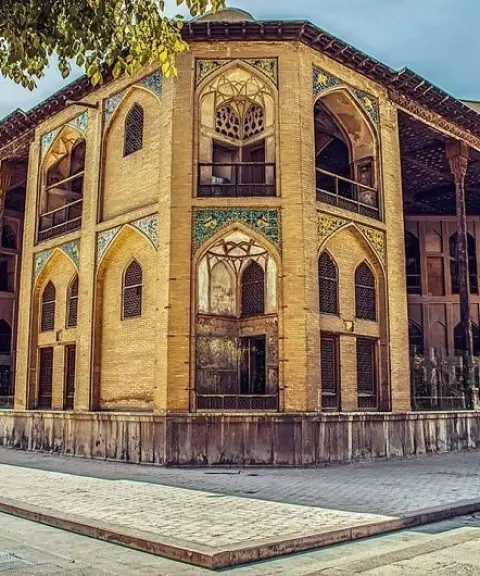
Hasht Behesht Palace
Province Isfahan
- Walking
A masterpiece of Safavid architecture in the heart of Isfahan's Chahar Bagh
Related tags:
Unfortunately, no comments have been registered.