
 Attractions
Naqsh-e Jahan Square
The beating heart of Isfahan's history and art
- Attractions
- Isfahan, Isfahan
- Altitude 1,572 m
- Ability level Beginner
Ability level:
Beginner
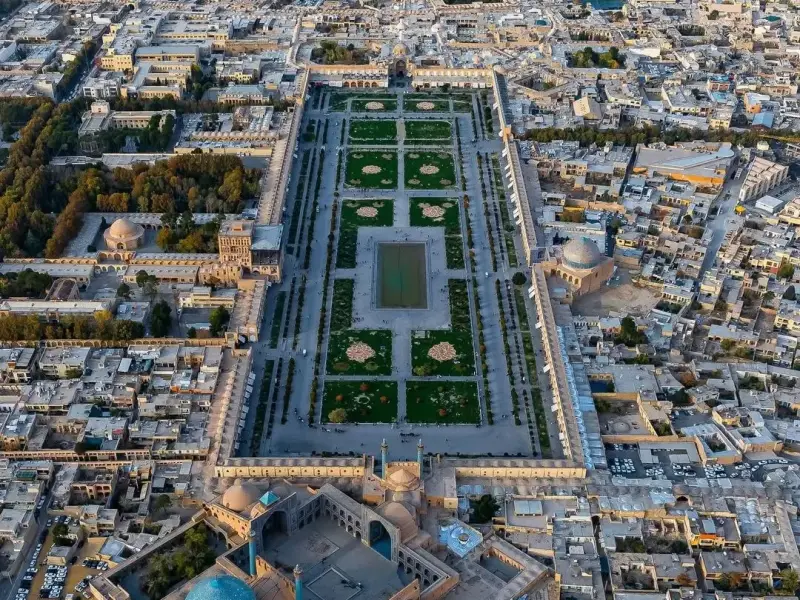
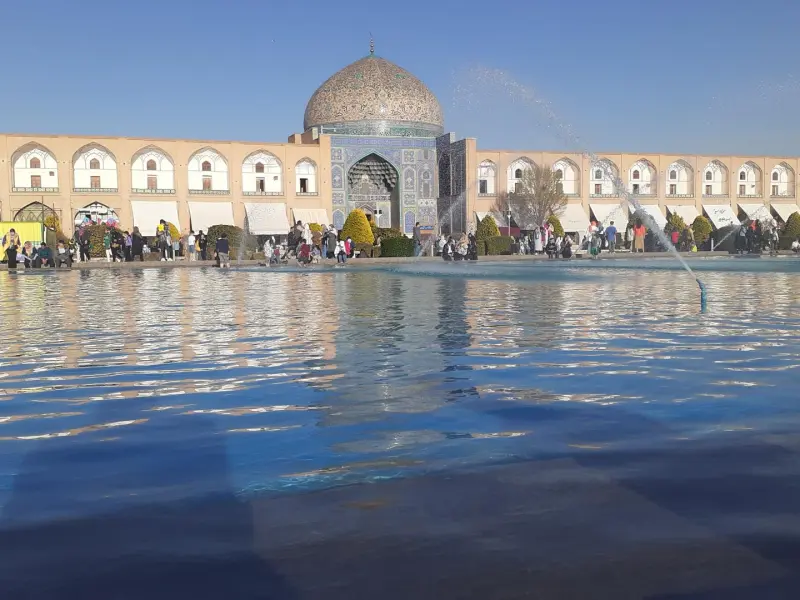
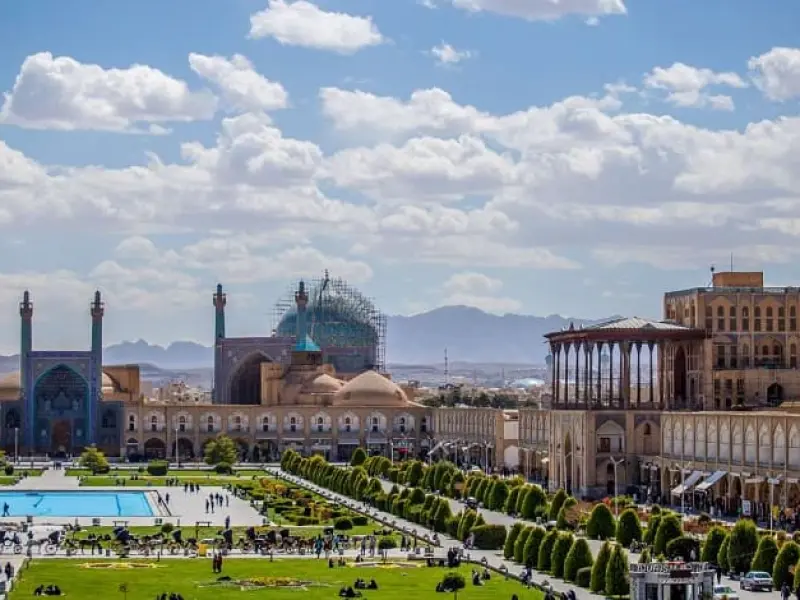
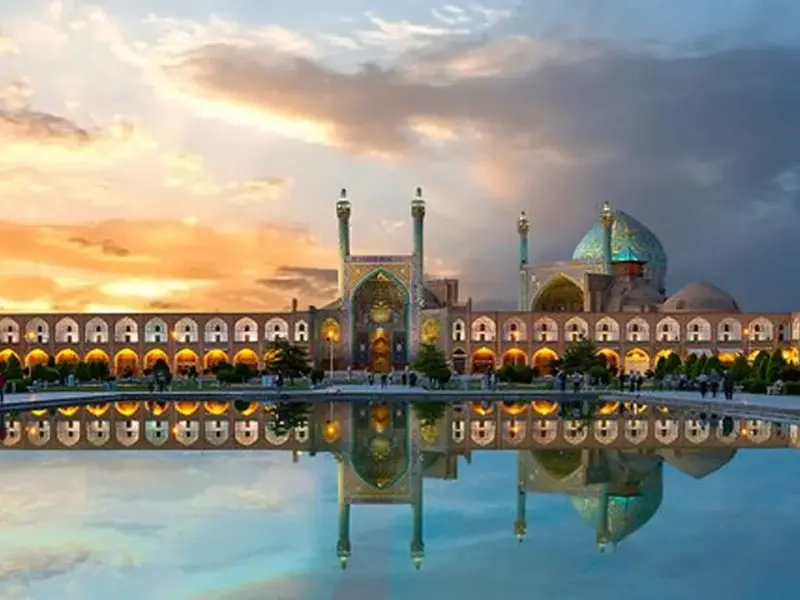
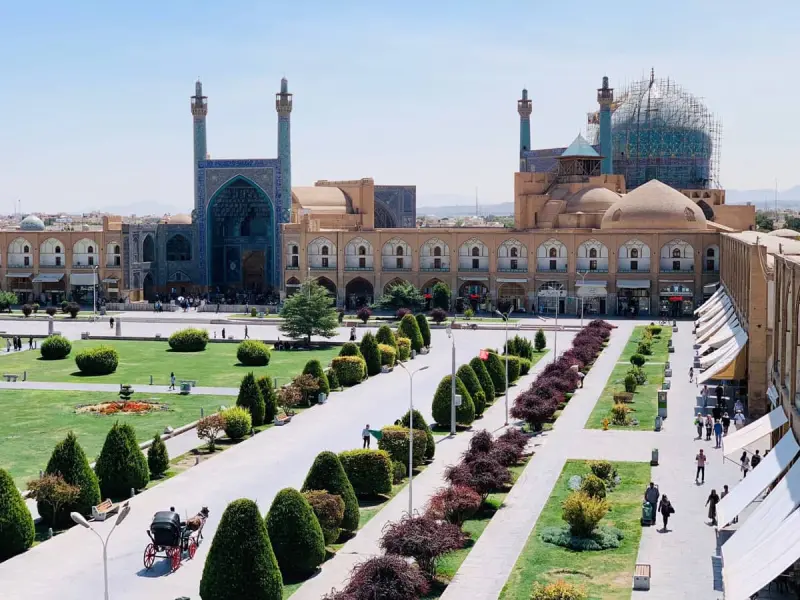
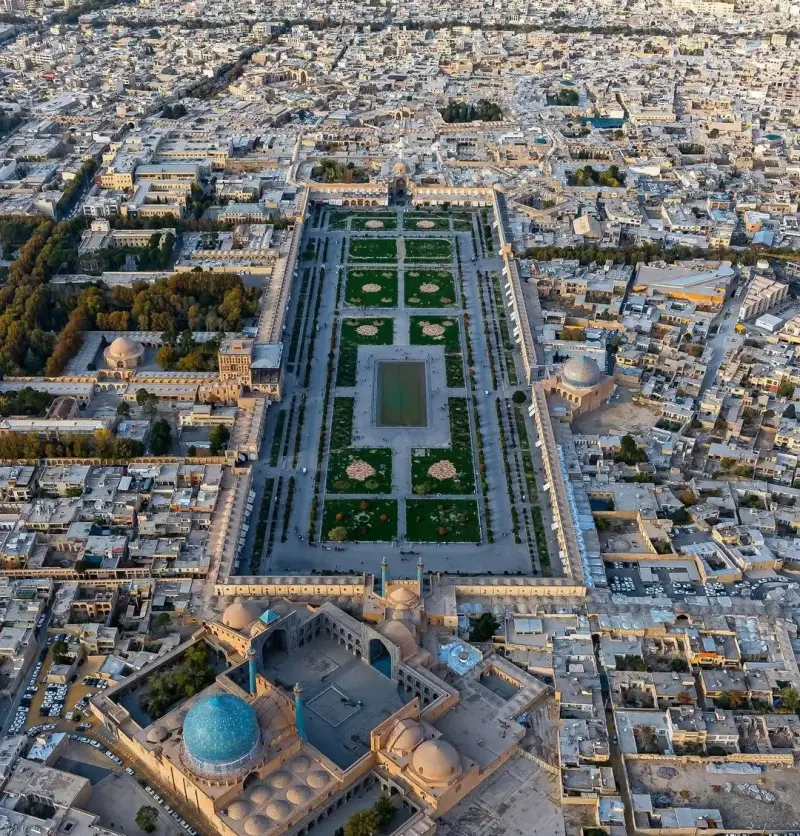
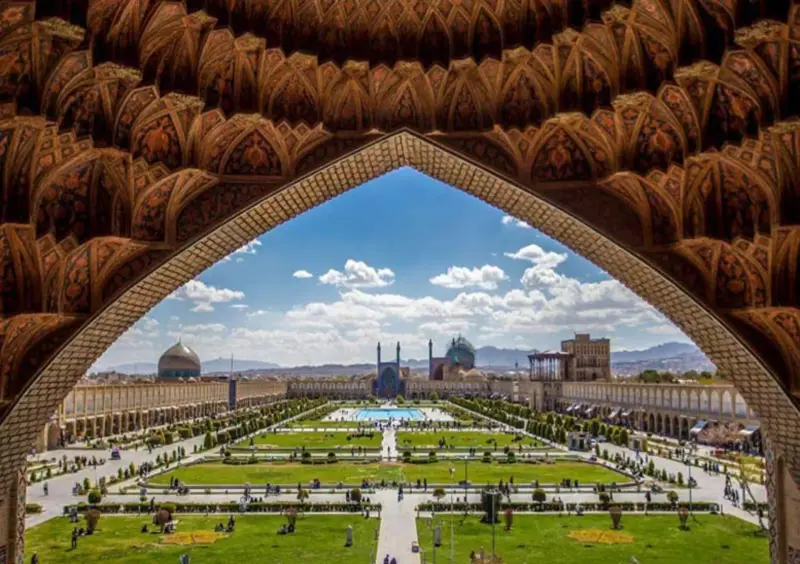
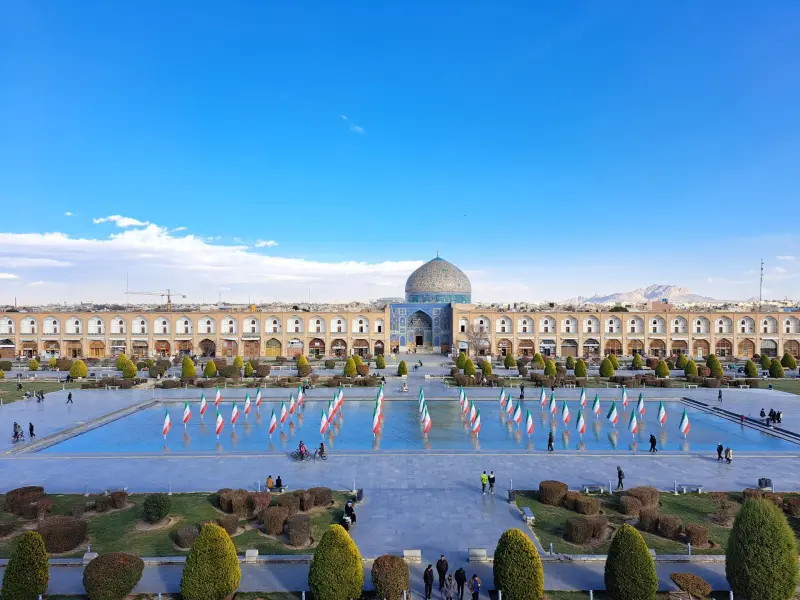
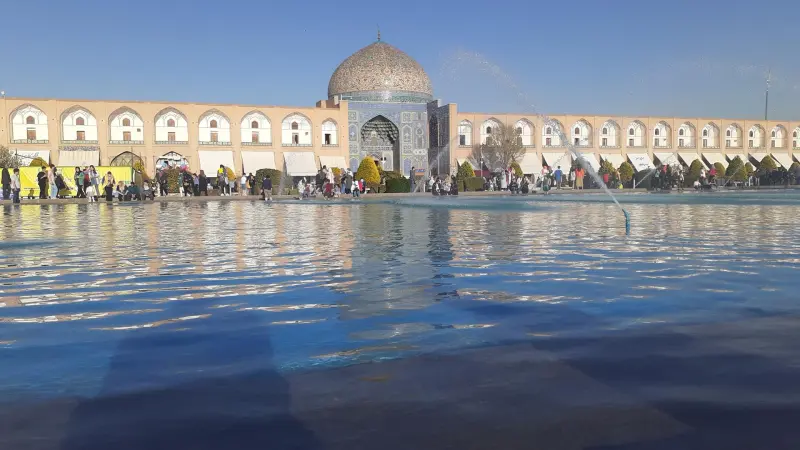
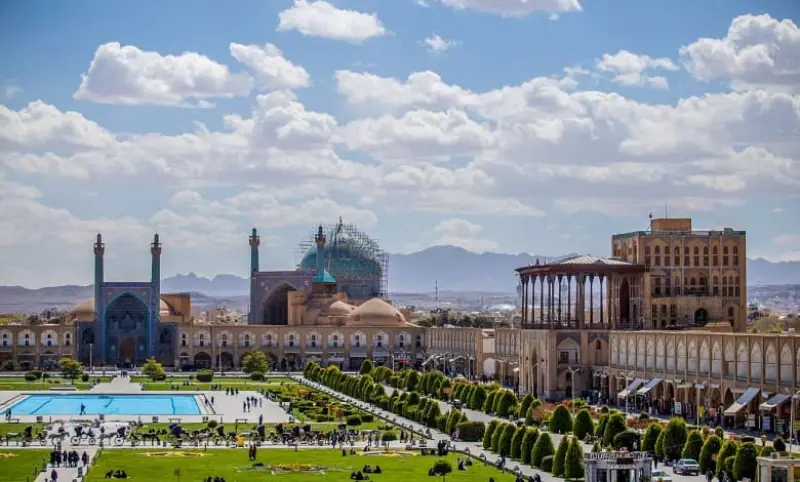
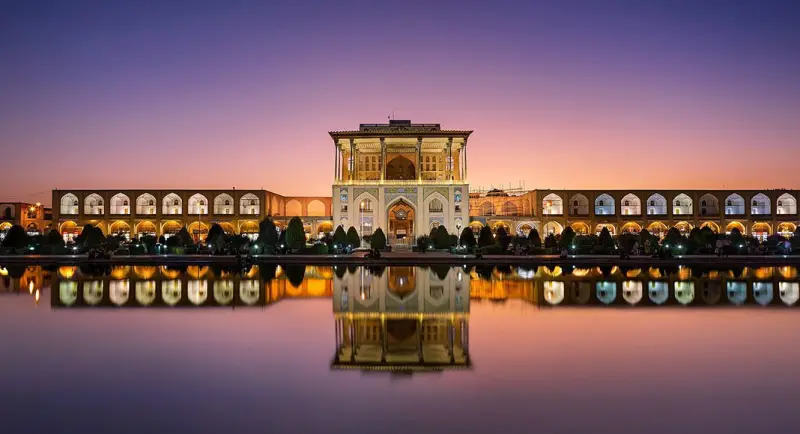
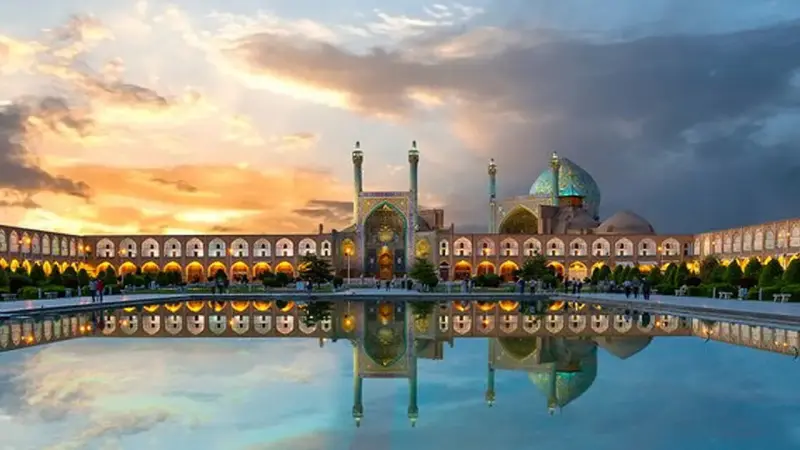
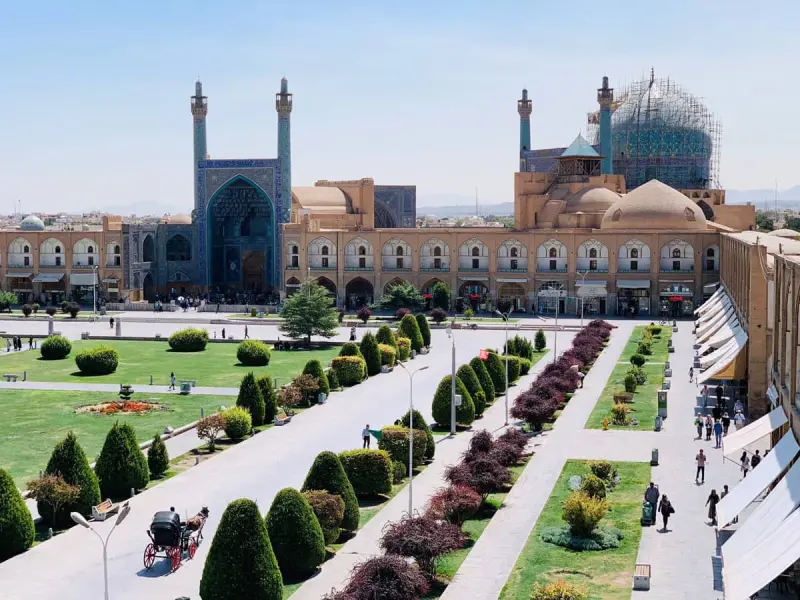
Naqsh-e Jahan Square, formerly known as Shah Square, lies in the center of Isfahan. As one of the most magnificent legacies of the Safavid era, it holds a distinguished place in the history and architecture of Iran. The square was built during the reign of Shah Abbas I of the Safavid dynasty, between 1598 and 1629 CE, with the aim of turning Isfahan into an orderly, splendid capital based on Islamic urban models. With an impressive length of about 560 meters and a width of nearly 160 meters, it ranks among the largest historic squares in the world, and because of the complete harmony of its design and construction, it has been inscribed on the UNESCO World Heritage List.
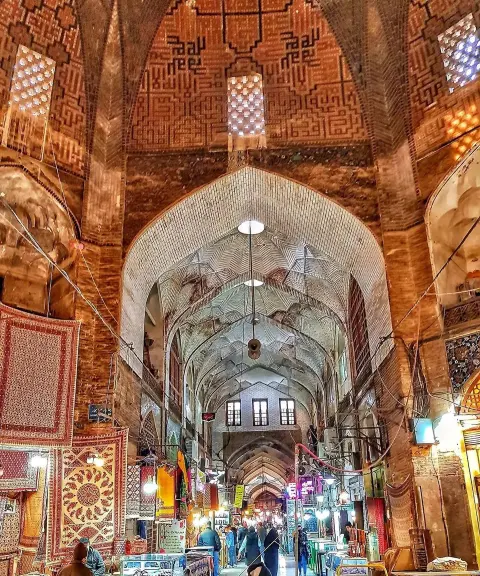
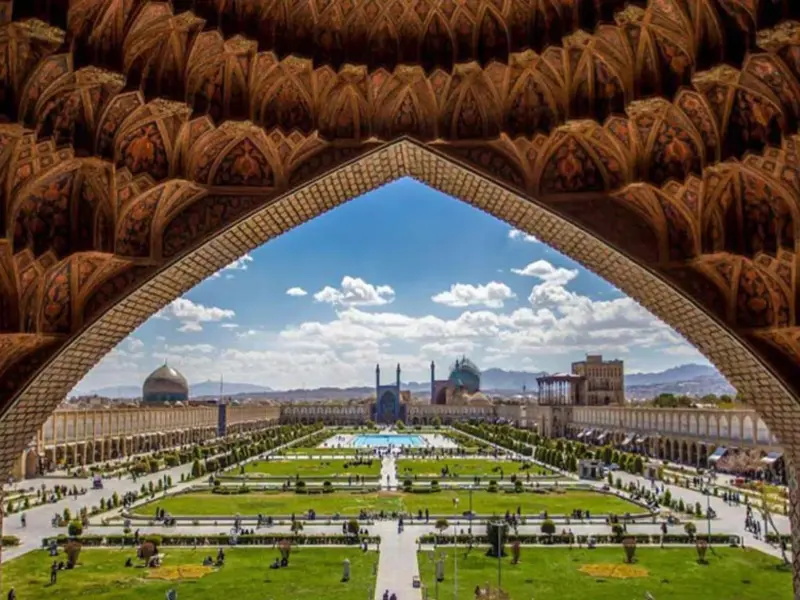
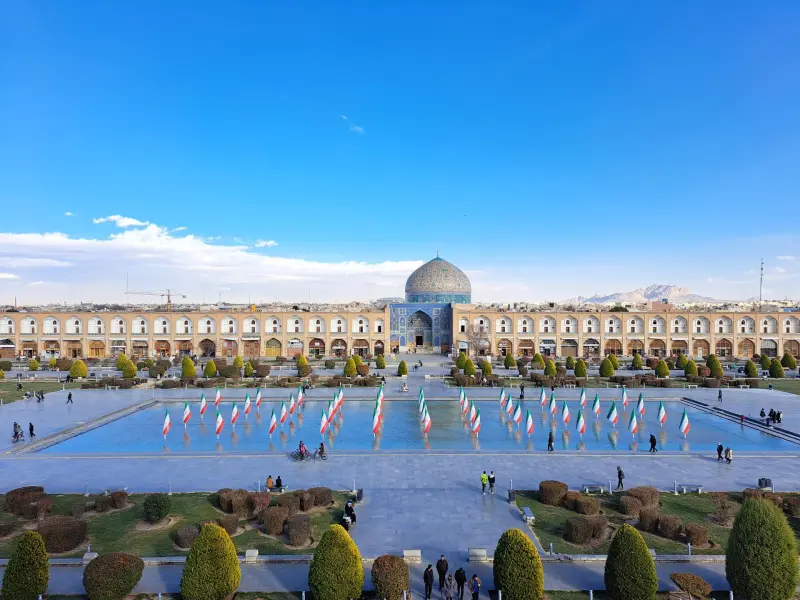
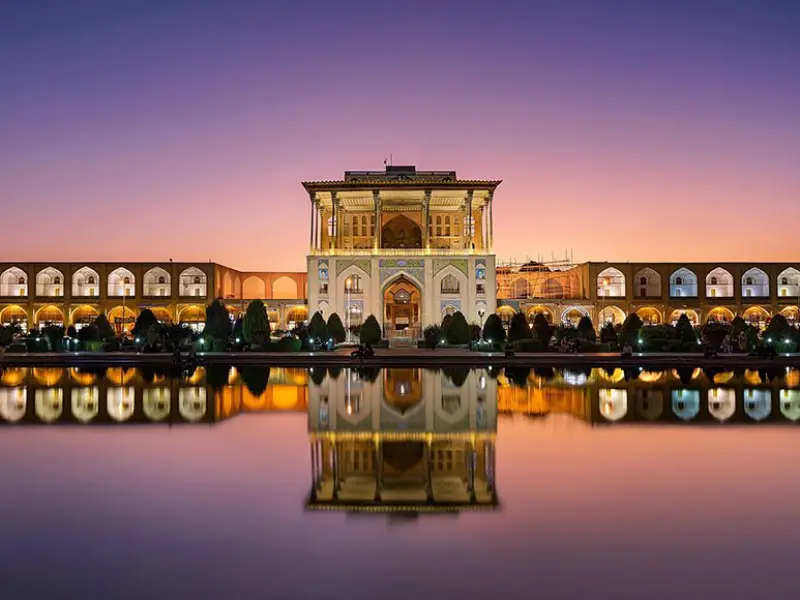
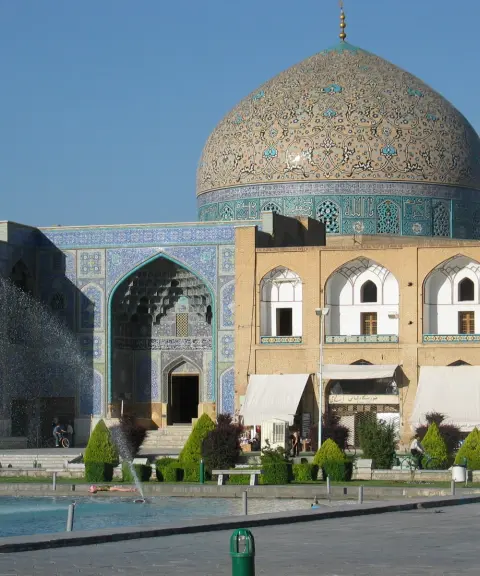
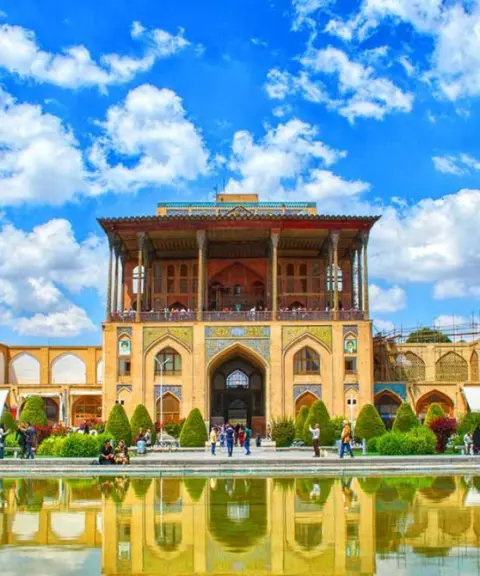
Four magnificent buildings surround Naqsh-e Jahan Square, each symbolizing an aspect of the culture and splendor of the Safavid era: the Imam Mosque, with its gleaming turquoise dome and majestic architecture; the Sheikh Lotfollah Mosque, with its unique designs and no minarets; the Ali Qapu Palace, with its high terrace and wooden columns; and the Qeysarieh Gate, which leads to Isfahan's Grand Bazaar. This unparalleled combination of religious, governmental and commercial buildings has turned the square into a living stage where art, religion and social life met during the golden age of the Safavids. Naqsh-e Jahan Square is of great historical and cultural importance: on 8 Bahman 1313 (Solar Hijri) it was added to Iran's National Heritage List as number 102, and in Ordibehesht 1358 (Solar Hijri) it was inscribed as number 115 on the UNESCO World Heritage List, the first Iranian site to be included.
To reach Naqsh-e Jahan Square, simply head to the center of Isfahan's historic district. The square is easy to reach by public transport or taxi, or even on foot from Sepah Street and Chahar Bagh. The best time to visit this magnificent square is from spring to early autumn, when the weather is pleasant and the sunlight is ideal for photography. Responsible nature and tourism practices here include respecting the historic buildings, not touching or damaging the tilework, keeping the area clean, and staying quiet in religious spaces, so that this precious heritage endures for future generations.
Written by زهرا لنگری Last updated
Activities
What you can do here, and what it takes
-
Walking
مسیر سنگفرششده اطراف میدان و فضای وسیع داخلی، بهترین مکان برای قدمزدن آرام و تماشای شکوه بناهای تاریخی است.
Specifications
Introduction of the location and specifications of Naqsh-e Jahan Square
Oldness:
393 years
Location:
Isfahan, Isfahan
Coordinates:
32.65897000, 51.67714000
Open in maps
Height above mean sea:
1572 meter
Transports:
Private car, Walking, Minibus, Bus
Tourist Attractions in Isfahan
Attractions that are nearby
Sheikh Lotfollah Mosque
Province Isfahan
- Walking
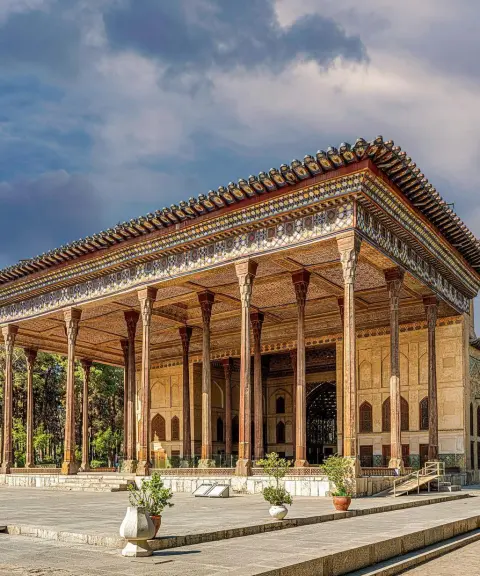
The Splendor of Safavid Architecture in the Heart of Isfahan's Historic Square
Shah Mosque
Province Isfahan
- Walking
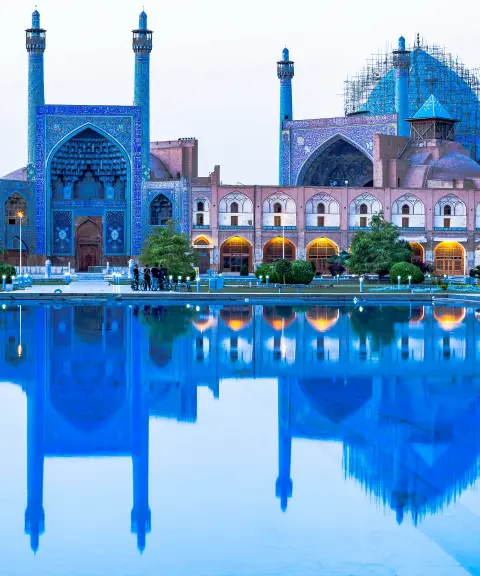
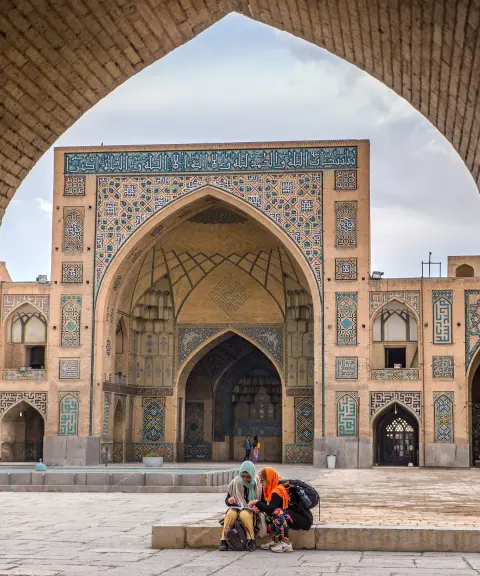
A Masterpiece of Safavid Architecture in the Heart of Naqsh-e Jahan Square
Moshir al-Molk Ansari House
Province Isfahan
- Walking
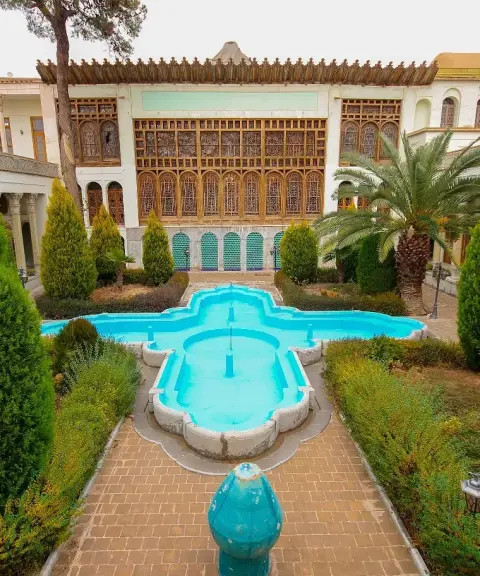
The splendor of Safavid aristocratic architecture in the heart of Isfahan
Related tags:
Unfortunately, no comments have been registered.