
 Attractions
Moshir al-Molk Ansari House
The splendor of Safavid aristocratic architecture in the heart of Isfahan
- Attractions
- Isfahan, Isfahan
- Altitude 1,567 m
- Ability level Beginner
Ability level:
Beginner
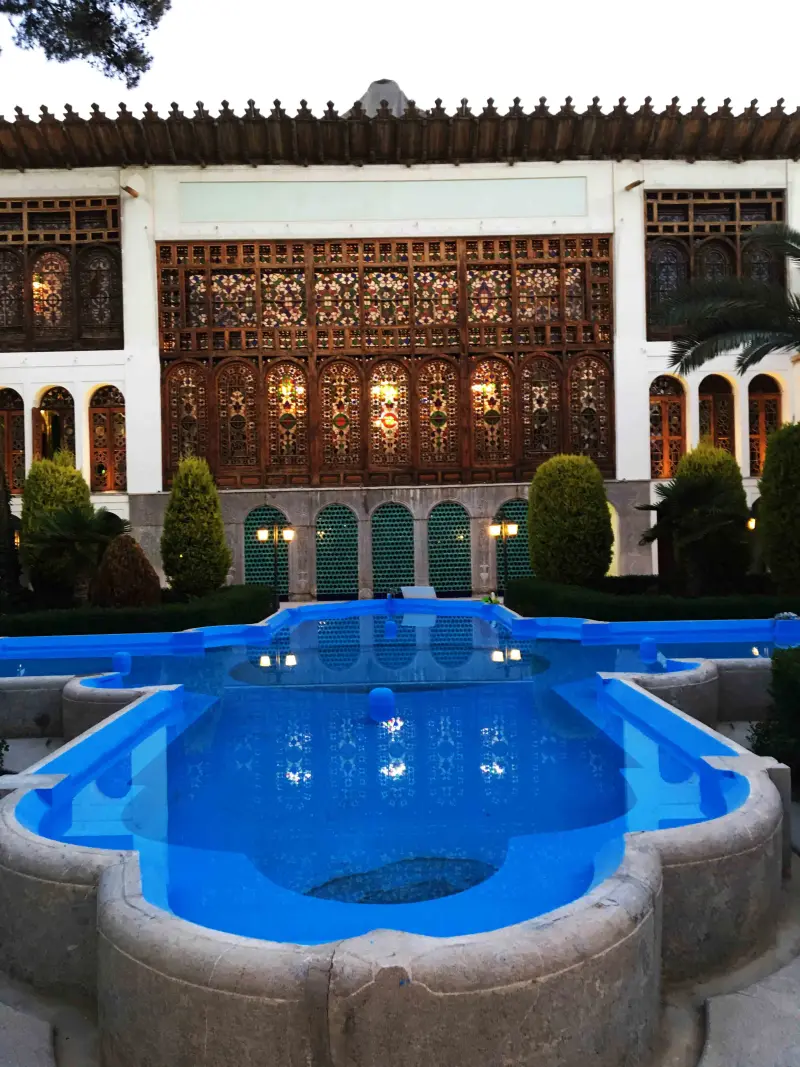
The Moshir al-Molk Ansari House is one of the historic aristocratic houses of Isfahan, in Isfahan Province. It stands in the historic quarter near Naqsh-e Jahan Square, along the streets leading to the Hatef neighborhood. This valuable building has its roots in the Safavid era and belonged to the Moshir al-Molk Ansari family, a family of accountants and bureaucrats at the Safavid court who migrated from Shiraz to Isfahan. In later periods the house served various purposes, including a political residence, a consulate and even temporary lodgings, which has made it one of Isfahan's most important and multilayered historic buildings. Its location close to the city's central core, its easy access and its connection to the historic axes of the city double its appeal for visitors.
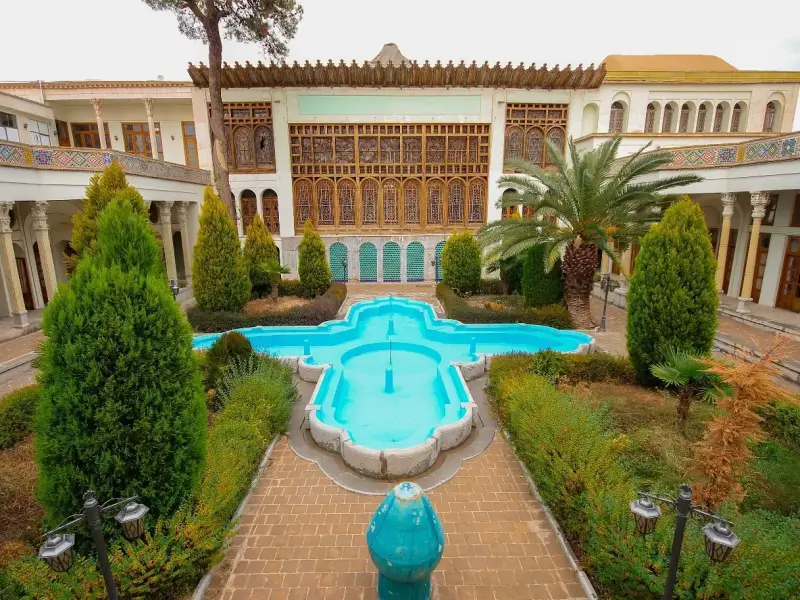
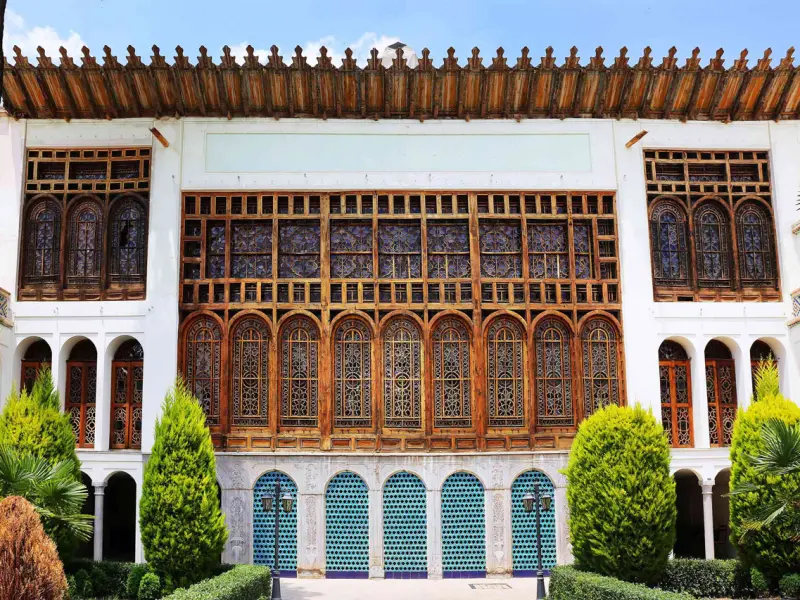
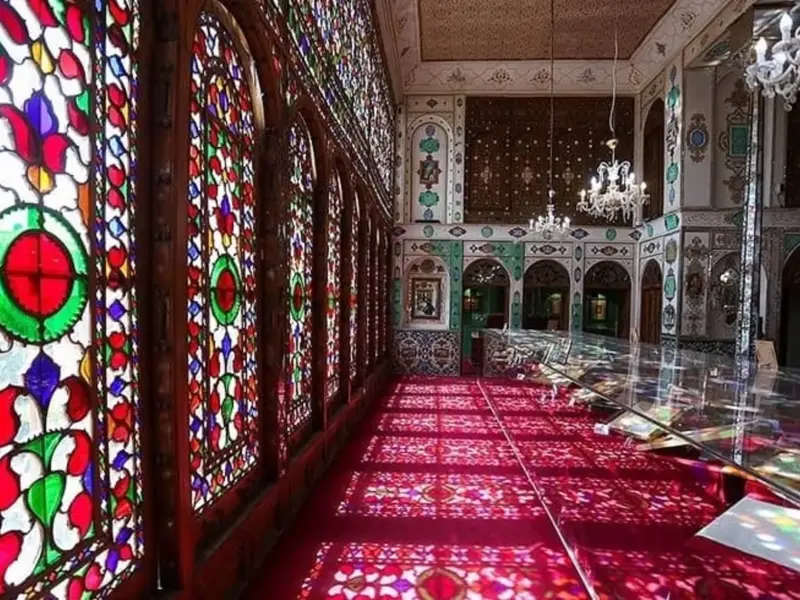
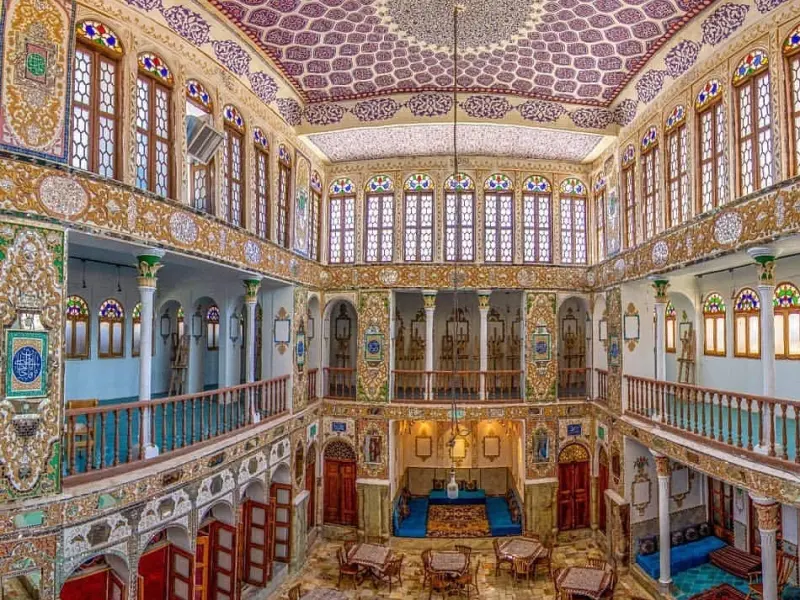
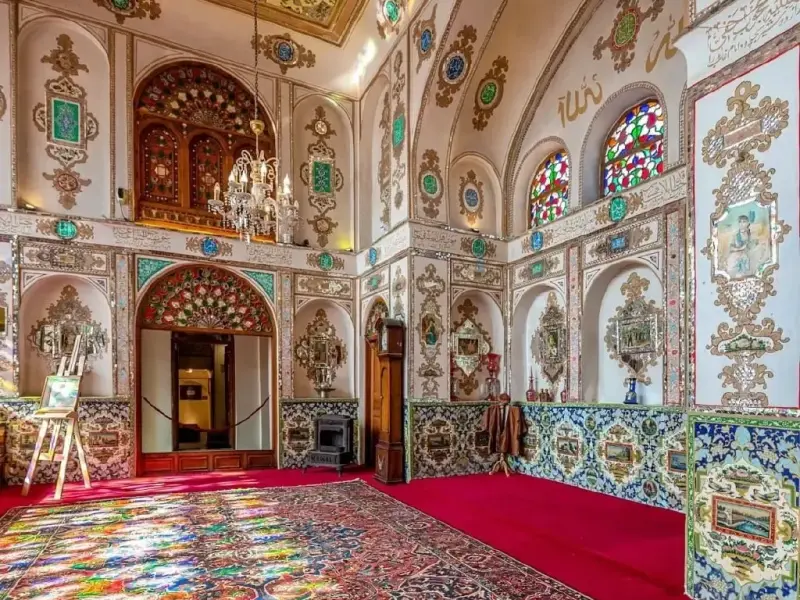
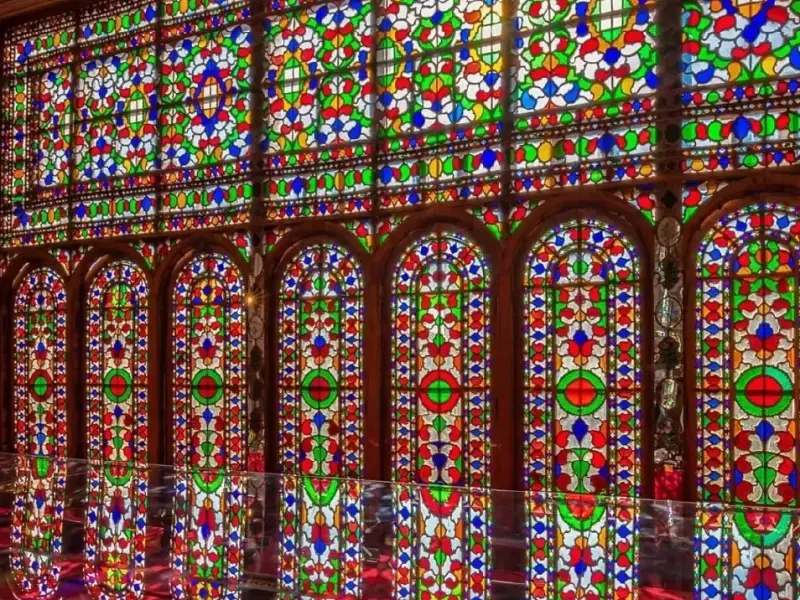
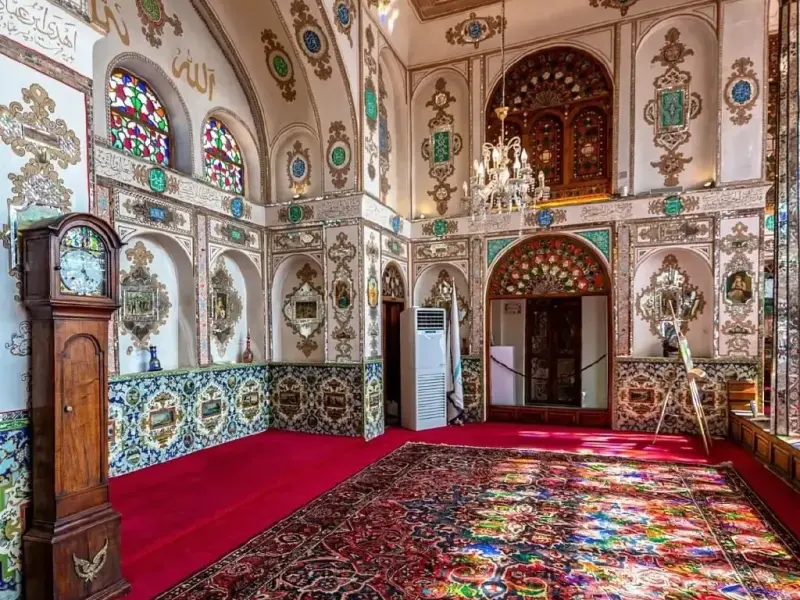
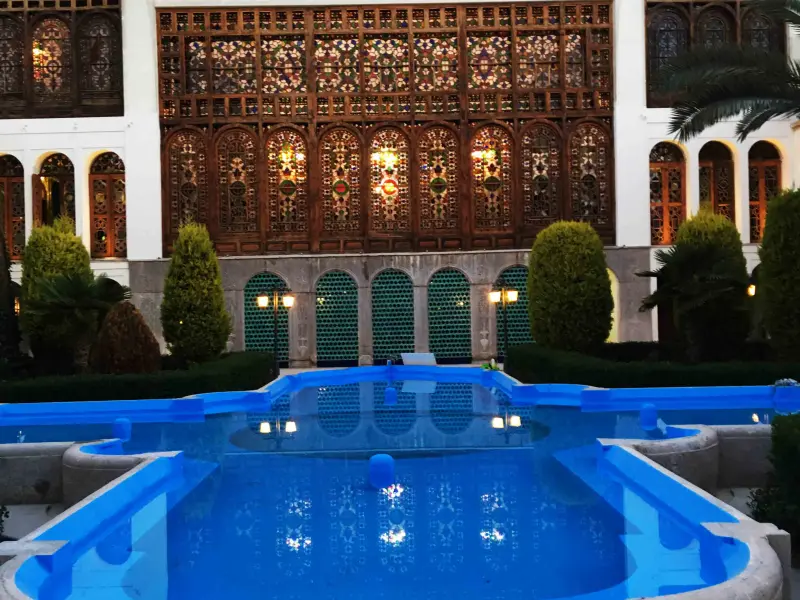
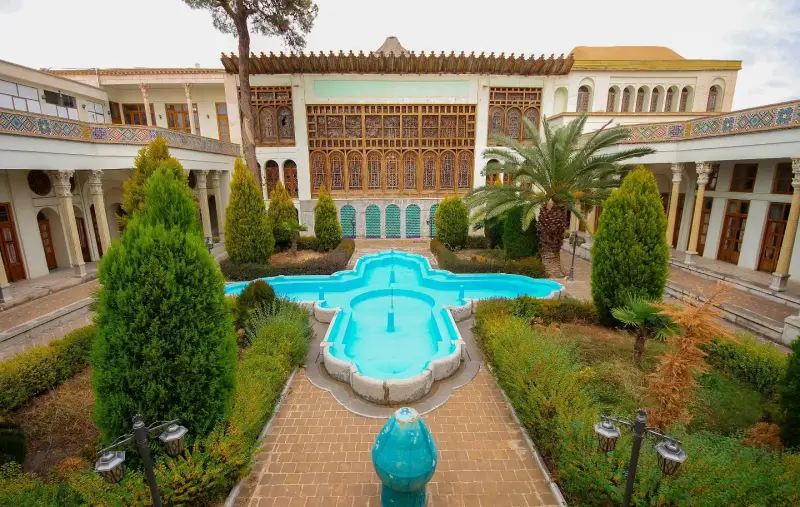
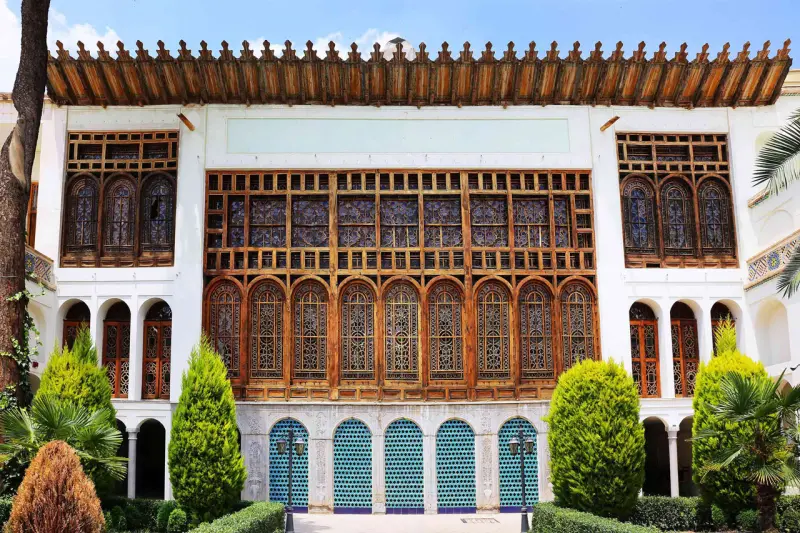
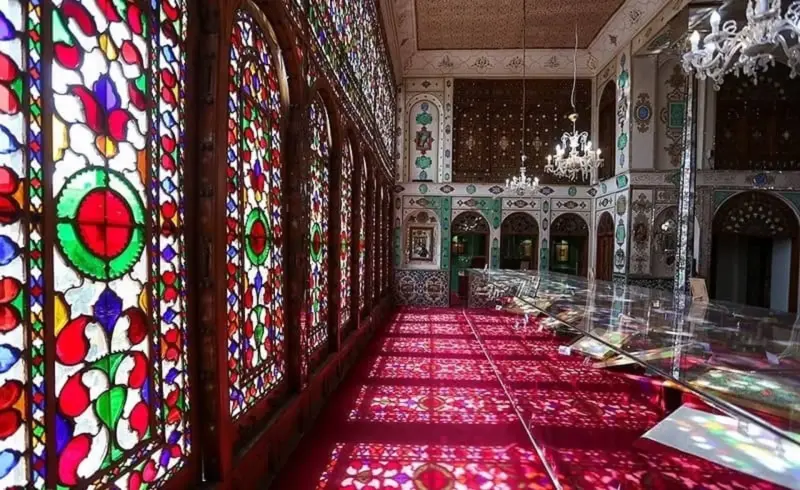
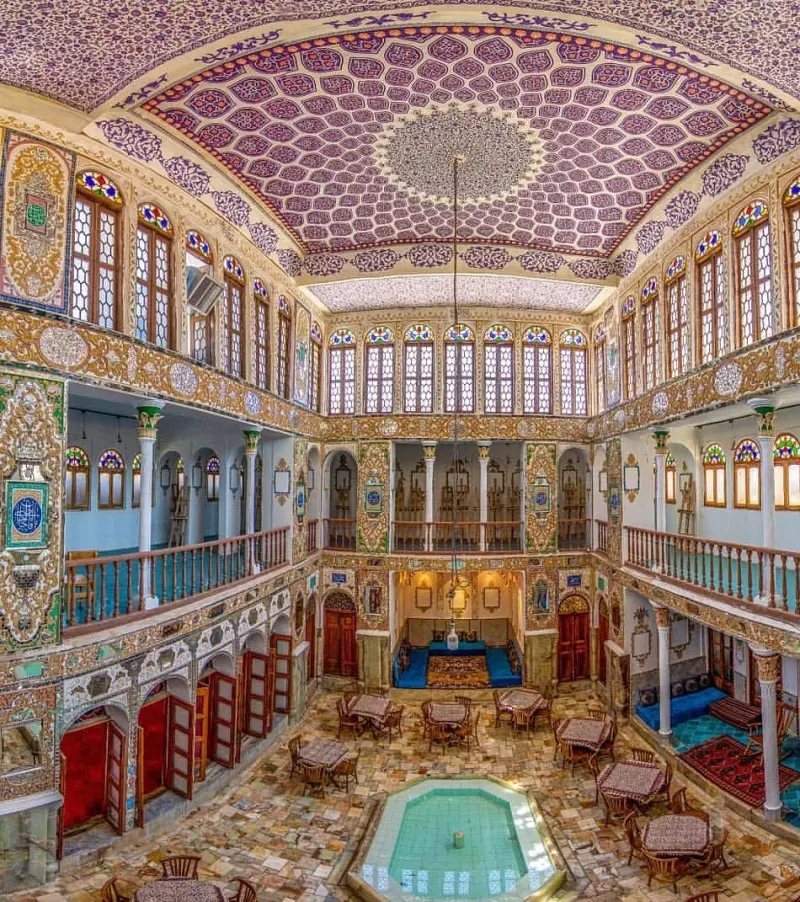
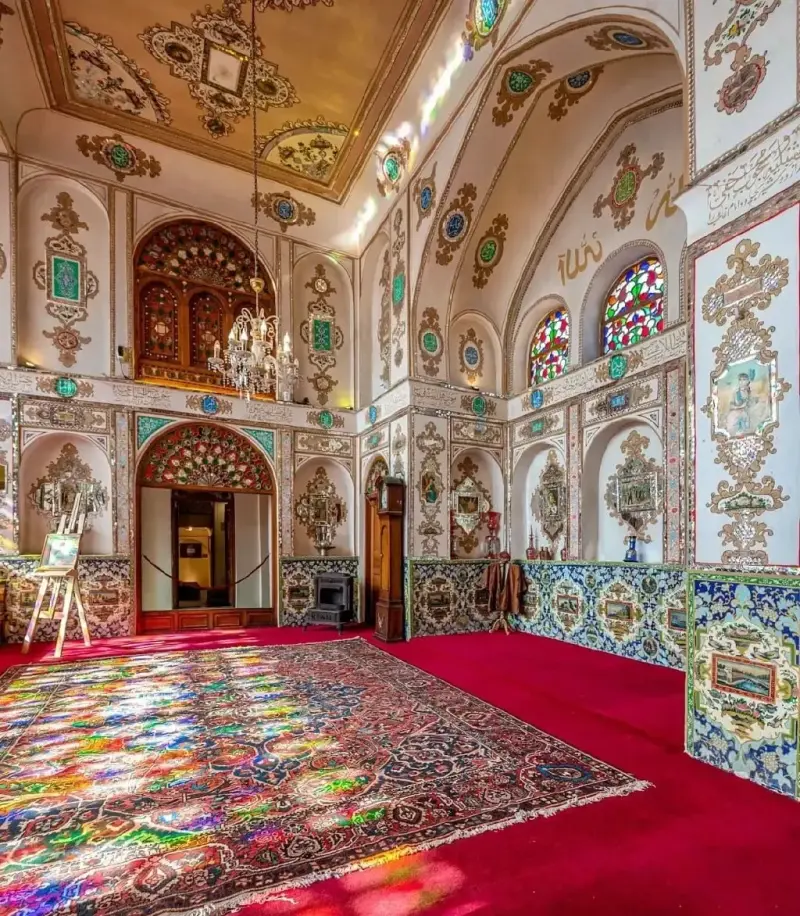
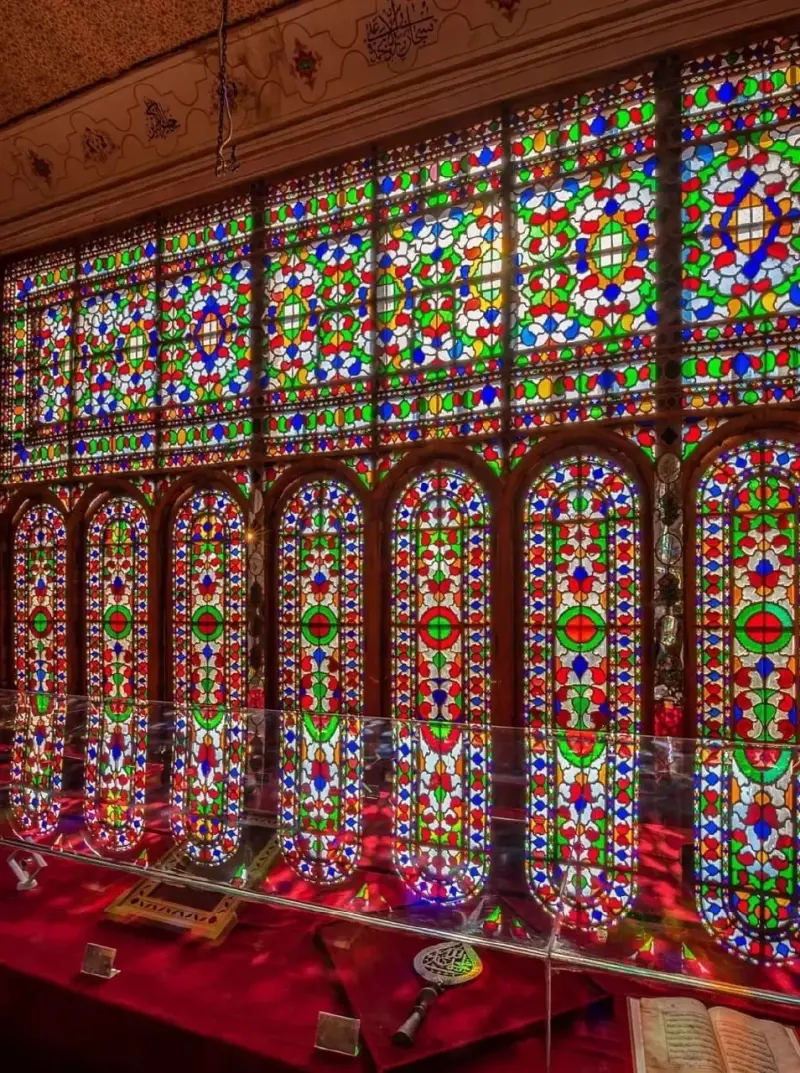
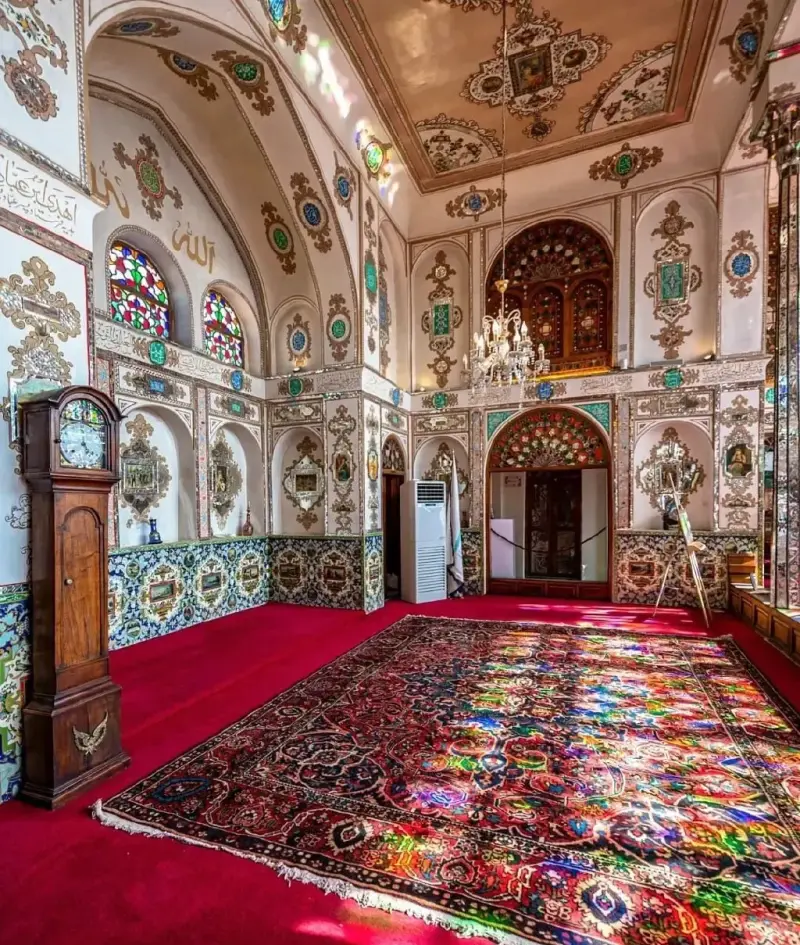
Architecturally, the Moshir al-Molk Ansari House is regarded as one of the most distinctive examples of aristocratic architecture in Iran, with artistic decoration executed with great precision and delicacy. The house has a rectangular central courtyard with a cross-shaped pool and surrounding garden beds, which create a thoroughly centralized layout. The north side, the most important part of the building, includes a magnificent hall with a royal alcove (shahneshin) and several three-door rooms linked by large sash windows (orosi) and wooden lattice work (gereh-chini). The largest nine-panel orosi in Iran, with its stained glass, together with plasterwork, mirror work and Persian-European style paintings, makes this house one of the finest examples of historic architectural art.
The Moshir al-Molk Ansari House is easily reached via central Isfahan's streets and the routes leading to Naqsh-e Jahan Square and Hatef Street. The best time to visit is spring, especially the month of Ordibehesht (late April to May), when the atmosphere of the garden beds and the natural light lend the sash windows and interior decoration a special glow. Today the house is used for cultural and tourism purposes, and parts of it have been turned into a museum and gallery. Responsible tourism, such as not damaging the decorations, keeping the surroundings quiet and respecting the building's historic atmosphere, is essential to protect this valuable monument.
Written by زهرا لنگری Last updated
Activities
What you can do here, and what it takes
-
Walking
در بخشهای داخلی خانه، امکان بازدید از آثار هنری، گچبریها و فضاهای نمایشگاهی مرتبط با تاریخ و هنر اصفهان وجود دارد.
Specifications
Introduction of the location and specifications of Moshir al-Molk Ansari House
Construction Period:
Qajar
Location:
Isfahan, Isfahan
Coordinates:
32.66313838, 51.68164623
Open in maps
Height above mean sea:
1567 meter
Transports:
Private car, Walking, Minibus, Bus
Tourist Attractions in Isfahan
Attractions that are nearby
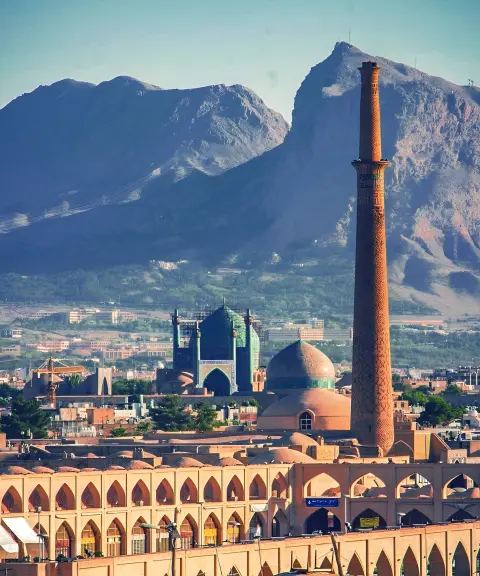
Ali Minaret
Province Isfahan
- Walking
A magnificent masterpiece of Seljuk architecture in the heart of Isfahan's historic quarter
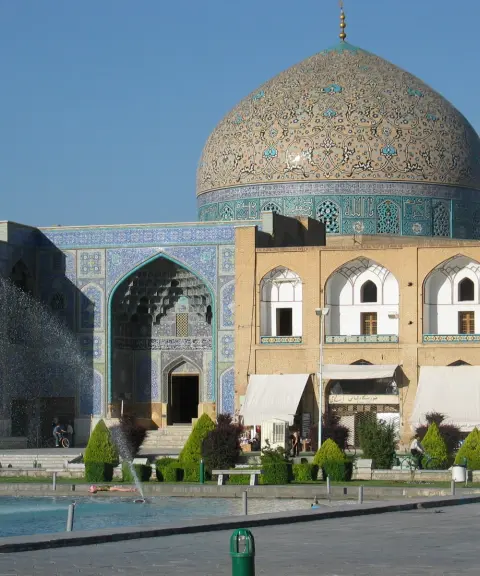
Sheikh Lotfollah Mosque
Province Isfahan
- Walking
The Splendor of Safavid Architecture in the Heart of Isfahan's Historic Square
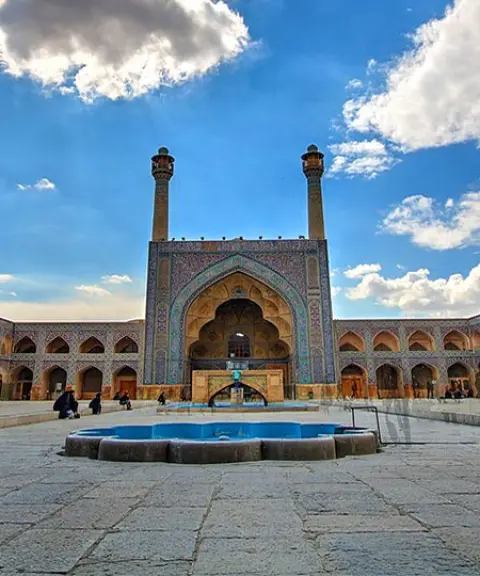
Jameh Mosque of Isfahan (Atiq)
Province Isfahan
- Walking
A Treasure of Islamic History and Architecture
Related tags:
Unfortunately, no comments have been registered.