
 Attractions
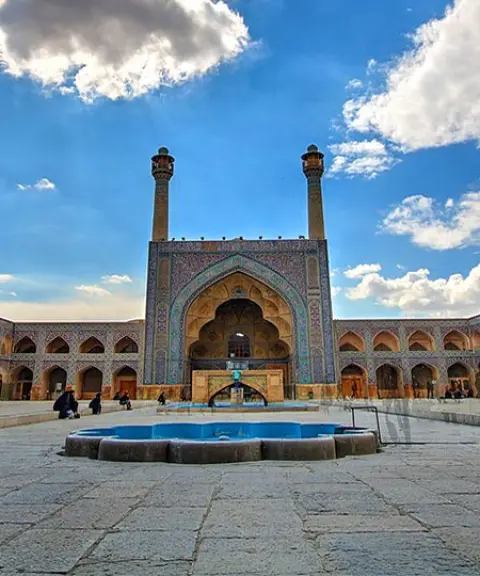
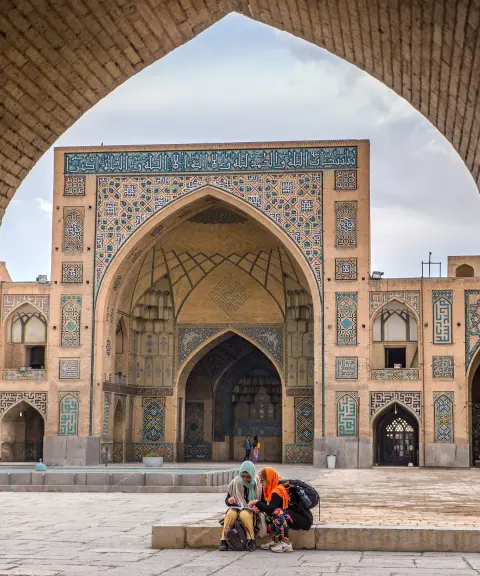
Jameh Mosque of Isfahan (Atiq)
Province Isfahan
- Walking
A magnificent Ilkhanid monument in the heart of Isfahan
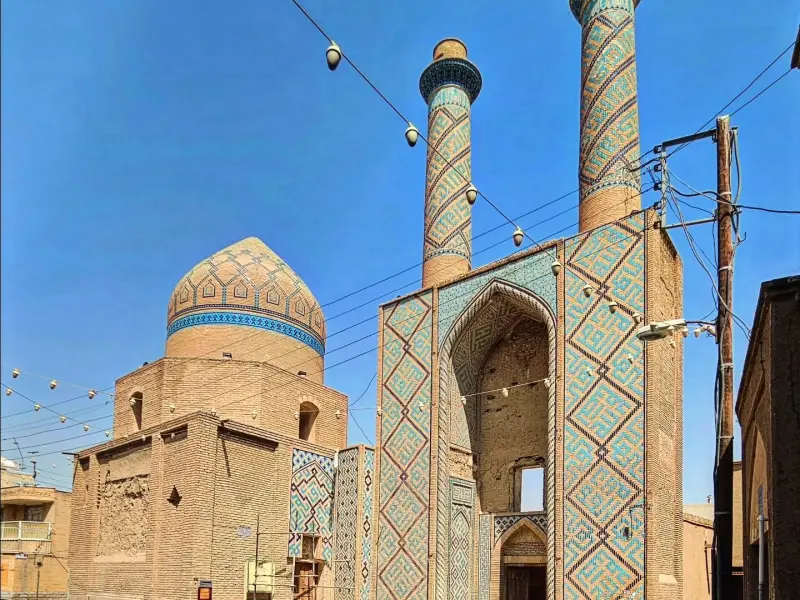
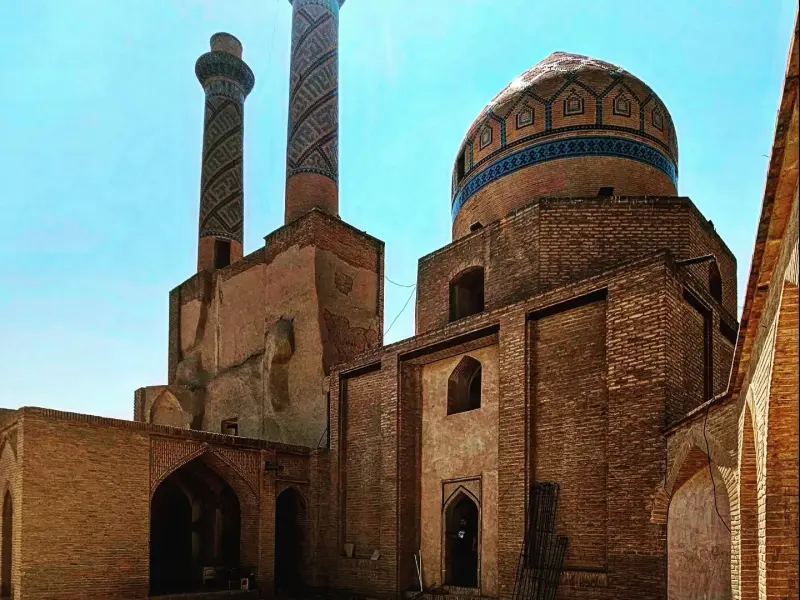
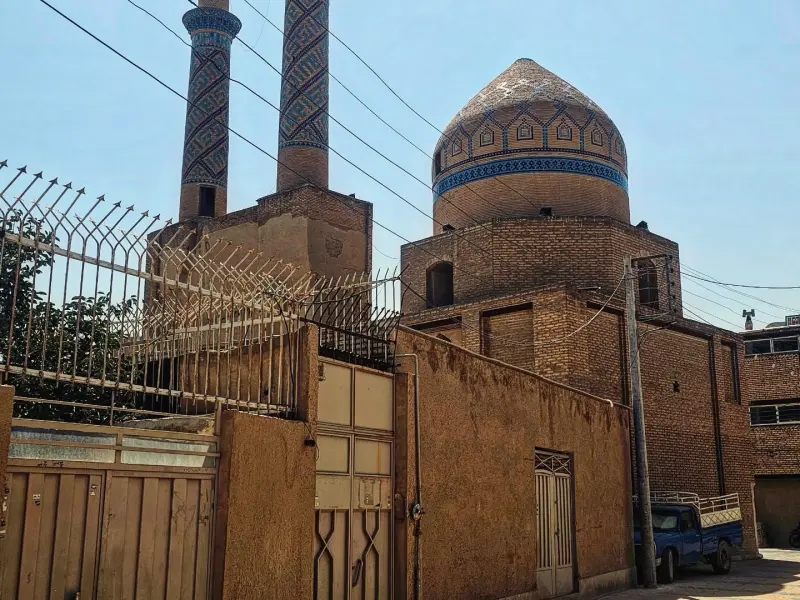
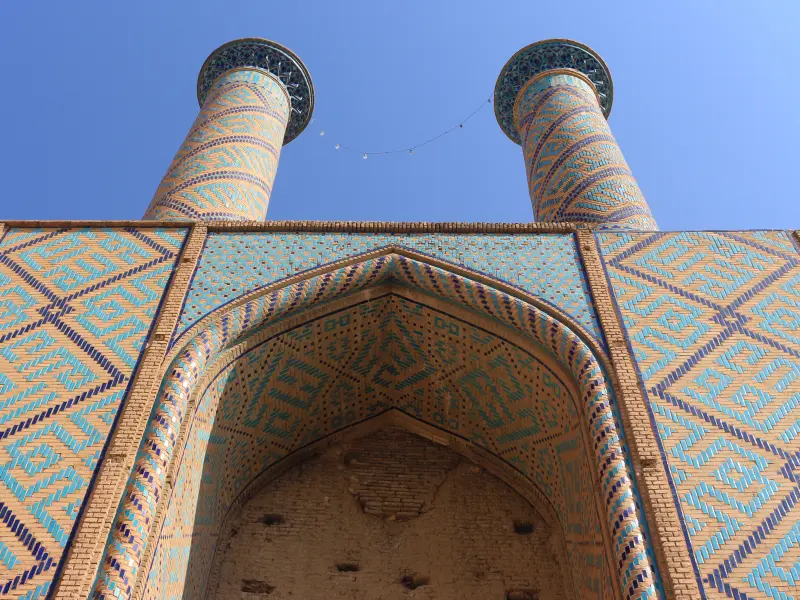
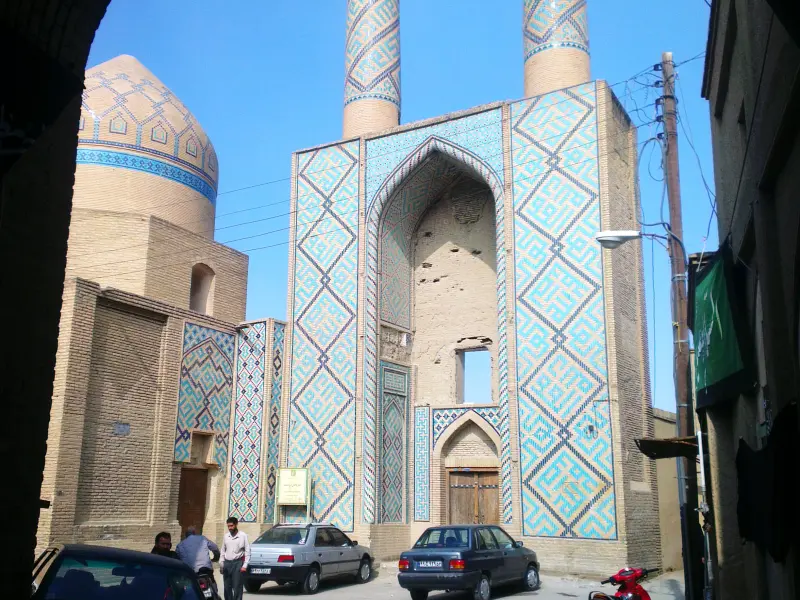
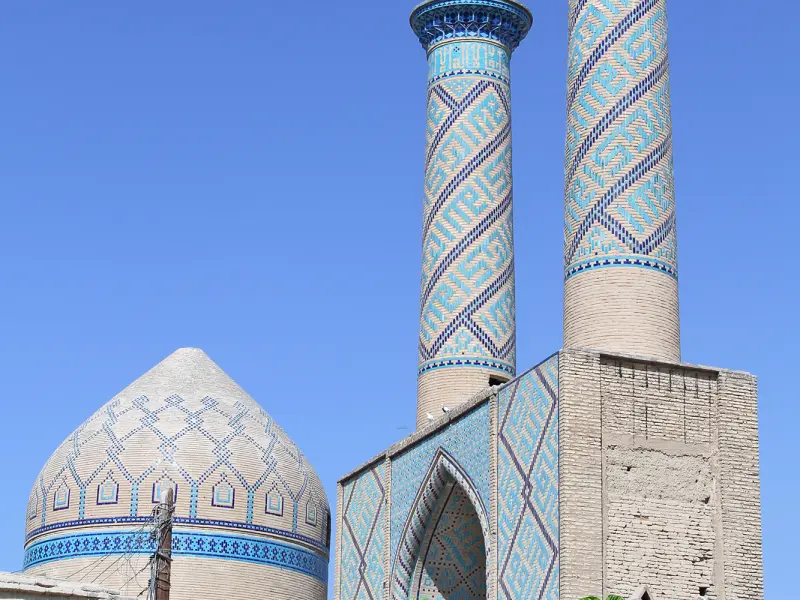
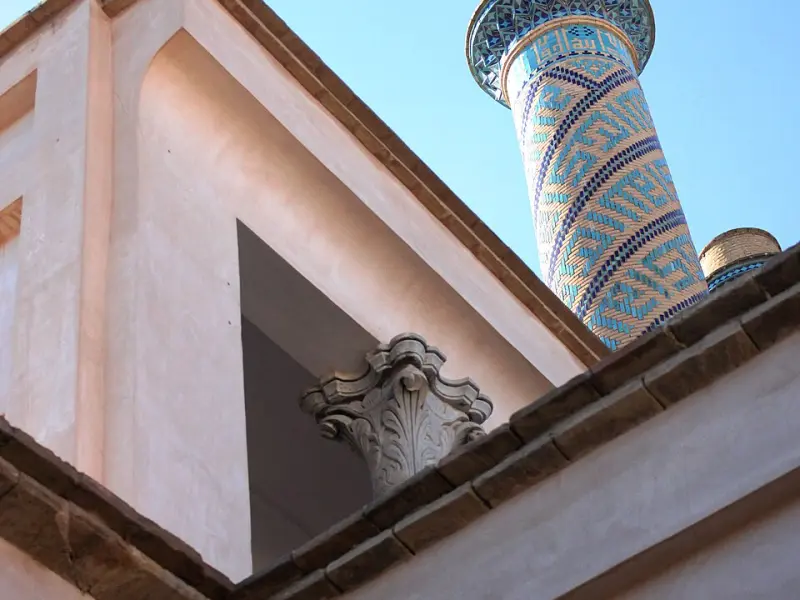
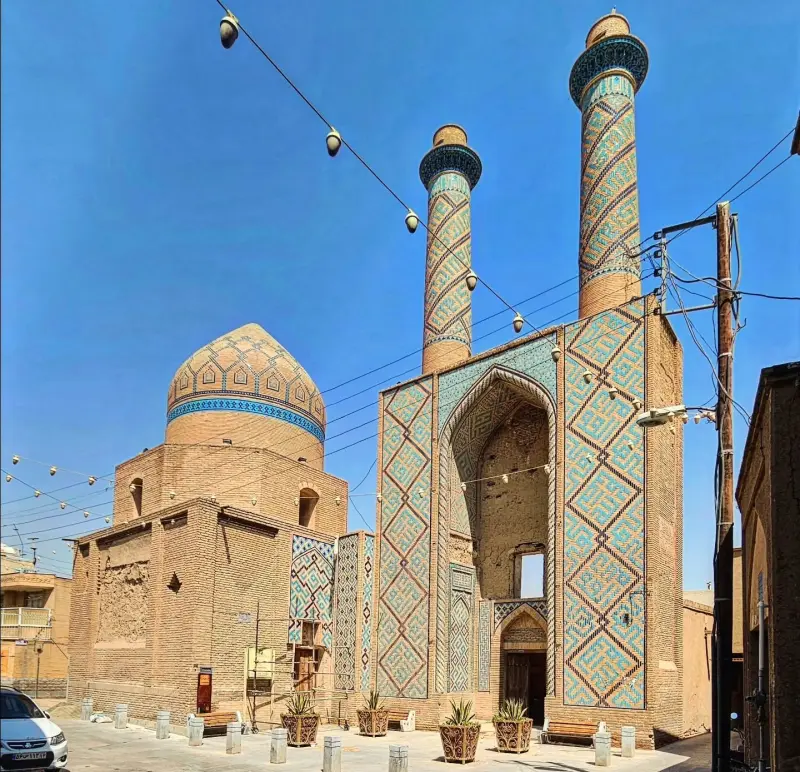
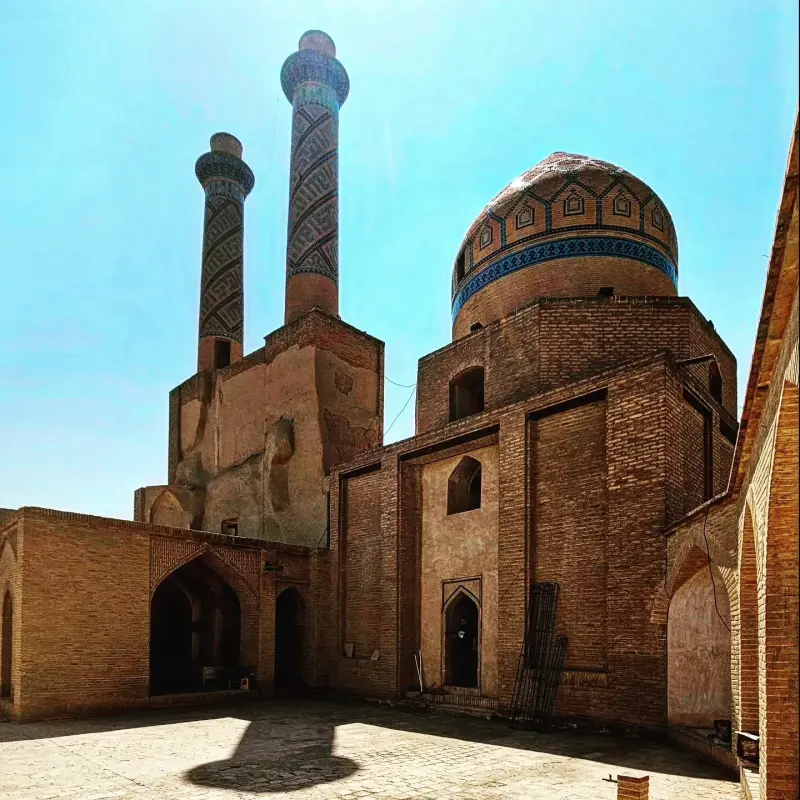
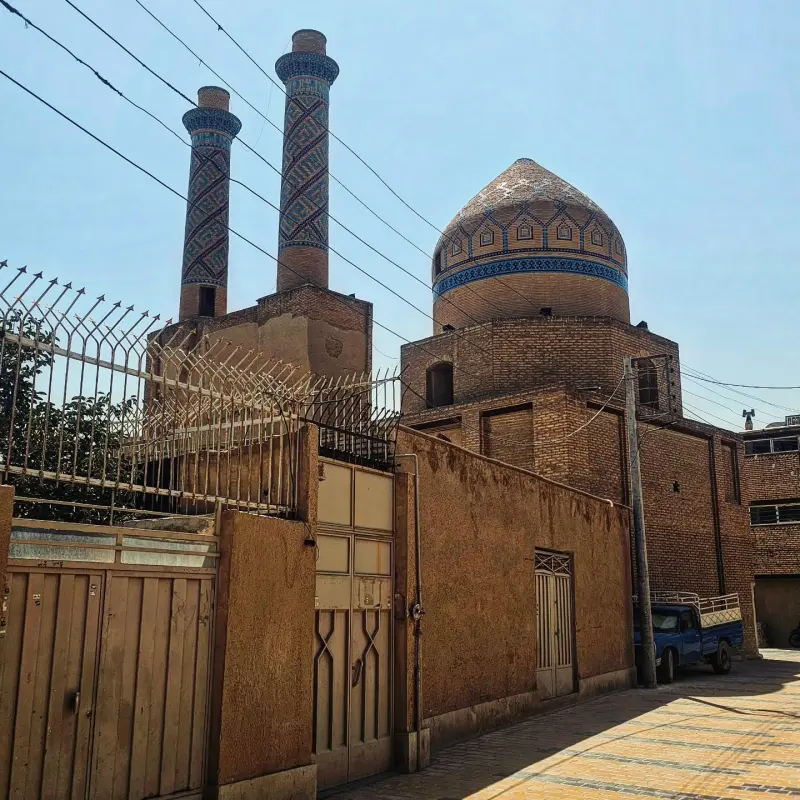
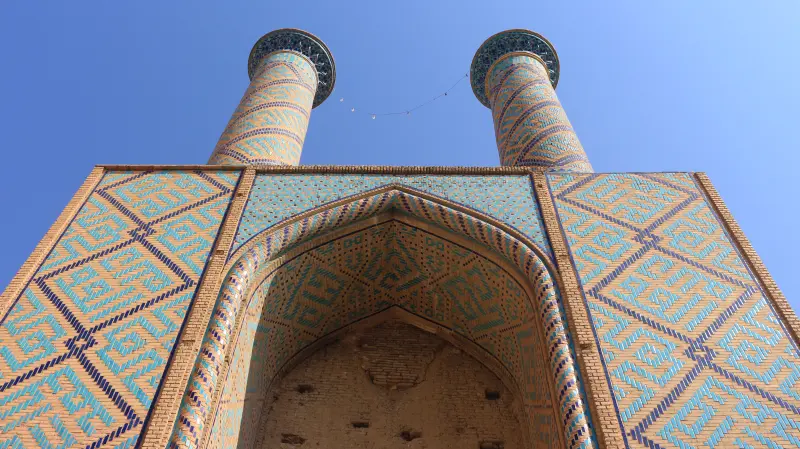
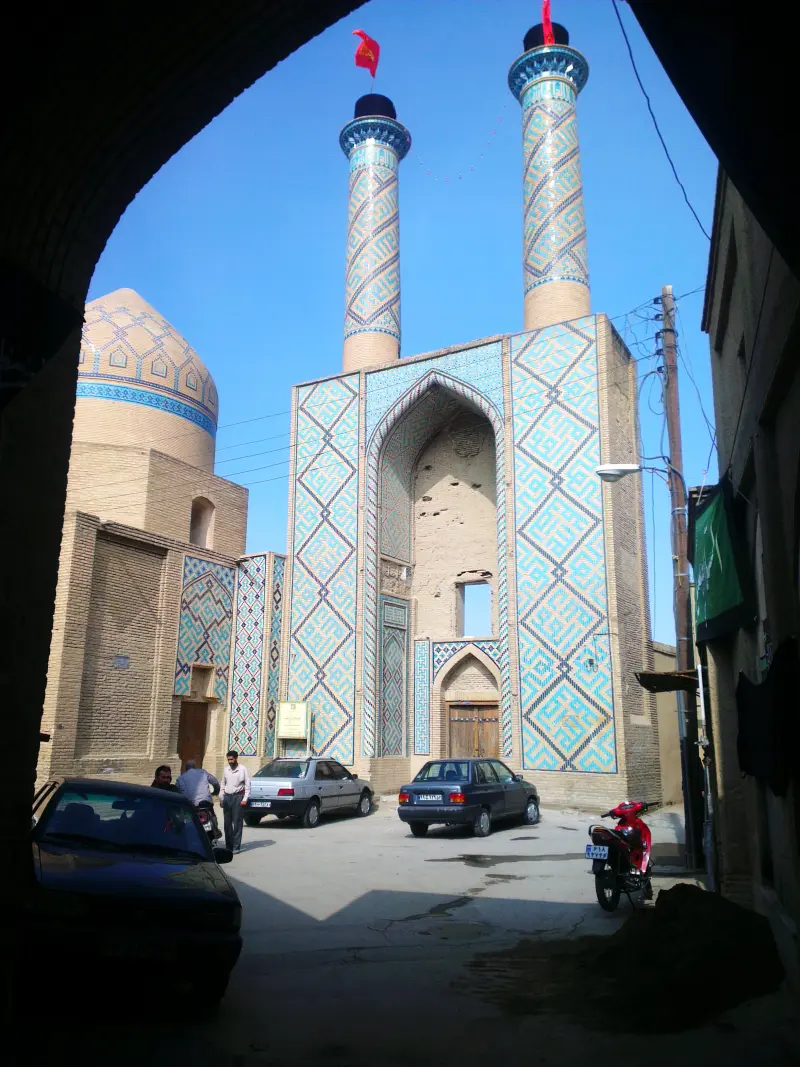
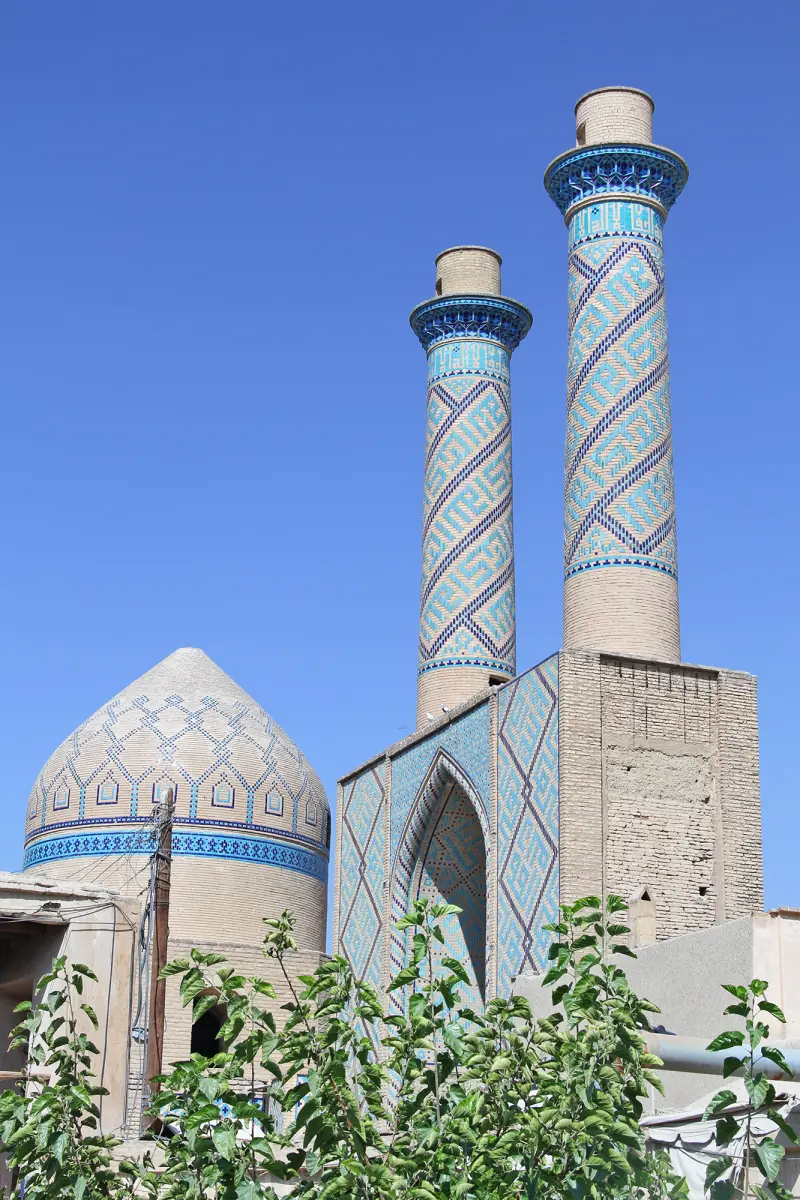
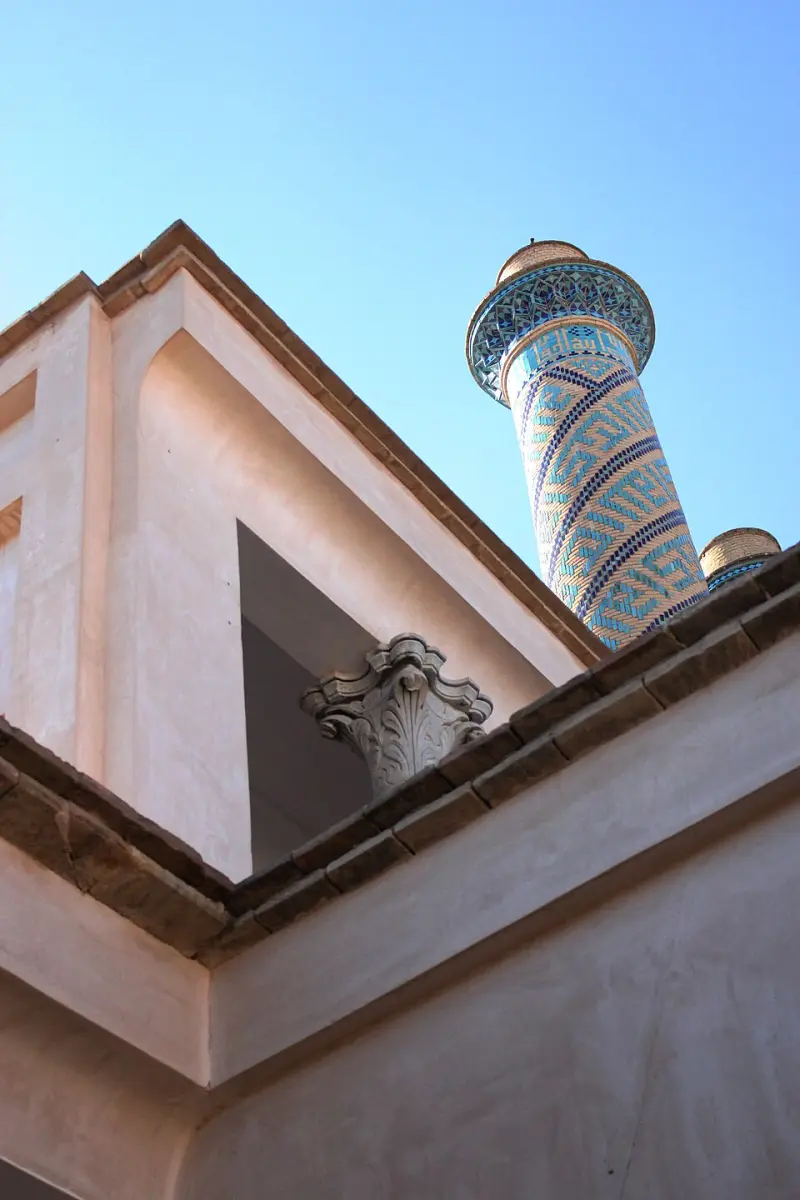
The Dardasht Minarets are one of the valuable historical monuments of the city of Isfahan, in Isfahan Province. They stand in the historic fabric of the city, in the area around Ibn Sina Street, the Dardasht Bazaarcheh (small bazaar) and the Dardasht neighbourhood. This landmark dates from the 7th and 8th centuries AH (Hijri lunar) and the Ilkhanid period. It was built over the remains of the tomb of Sultan Bakht Agha, an important historical figure of the Muzaffarid era. In the past, the complex was part of a large school and religious-educational building, of which only two minarets and parts of the tomb survive today. As a symbol of the splendour of Isfahan's historical architecture, the minarets still stand out in the heart of the old city and play an important role in defining the historical identity of the area. On 15 Dey 1310 (Solar Hijri), the monument was inscribed as one of Iran's national monuments under registration number 115.
Historically and culturally, the Dardasht Minarets are especially significant because they are linked to the story of Sultan Bakht Agha, an influential figure of the Muzaffarid period. His tomb lies next to the minarets, and many historical accounts have been told about his life and fate, including his relationship with the court and the political events of his time. Although much of the original complex has been lost or changed in use over time, the surviving remains still have great architectural and historical value. The brick decoration and the turquoise and lapis-blue tilework that once adorned the façade reflect the refinement of Iranian architecture in the Ilkhanid period and further increase the importance of this monument in the history of Iranian art.
The Dardasht Minarets are easy to visit in the old part of Isfahan, as they stand in one of the city's accessible historic districts. The best times to visit are spring and autumn, when Isfahan's weather is milder and a walk through the historic quarter is more pleasant. When visiting this historical site, it is important to follow the principles of responsible nature and heritage tourism, including keeping the surroundings clean, not damaging the historic fabric, and respecting the quiet and cultural atmosphere of the area.
Written by زهرا لنگری Last updated
What you can do here, and what it takes
کفش مناسب پیادهروی به همراه داشته باشید.
Province Isfahan
Province Isfahan
Province Isfahan
Province Isfahan
Province Isfahan
Unfortunately, no comments have been registered.