
 Attractions
Jameh Mosque of Isfahan (Atiq)
Province Isfahan
- Walking
A showcase of Qajar-era architectural elegance and art in Isfahan
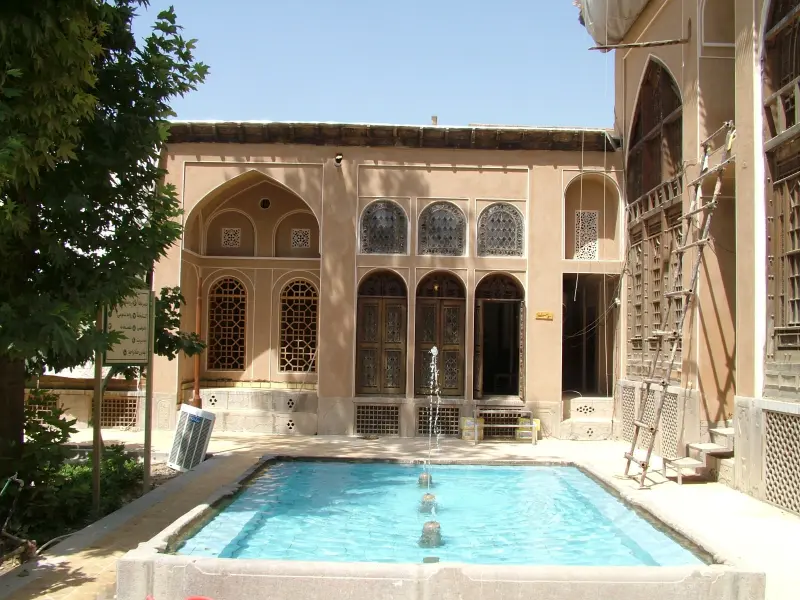


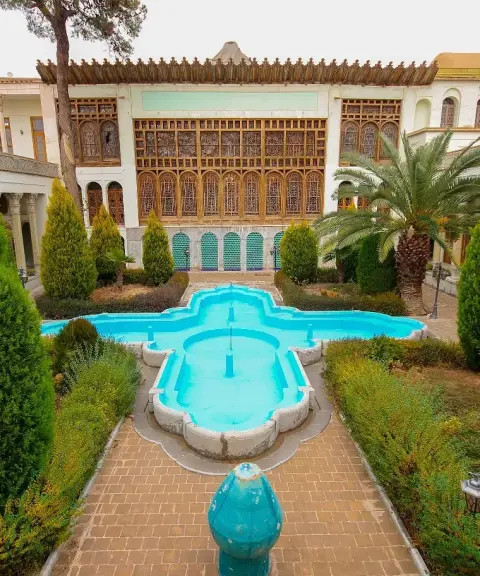
The Ghazvini House, also known as the Haj Hassan Ghafouri House, is one of the historic houses of Isfahan in Isfahan Province. It stands on Ibn Sina Street, at the Baba Ghasem intersection, on the southern side of Shahshahan Square. This valuable building dates to the Qajar period, back to the reigns of Mohammad Shah and Naser al-Din Shah Qajar. The house takes its name from its owner, a merchant named Haj Hassan Ghafouri, who was known as "Ghazvini" because of his trade with the city of Qazvin. The house remained a residence until the early 1350s (Solar Hijri; early 1970s). After it was purchased by the government and restored, it began operating in 1360 (Solar Hijri) as the technical office of the National Organization for the Protection of Antiquities in Isfahan Province. The Ghazvini House was added to Iran's National Heritage List in 1354 (Solar Hijri), and thanks to its authentic architecture and artistic decoration, it is considered part of the valuable heritage of Isfahan's historic houses.
The architecture of the Ghazvini House follows the pattern of traditional Iranian houses, organized around a central courtyard. The interior spaces lie along three sides of the courtyard, and the private quarters (andaruni), numerous rooms and reception halls make up the building's spatial structure. The north side of the house has a hall in the middle with a three-door room on each side, while the east side has one five-door room and two three-door rooms. Among the most outstanding artistic features of the mansion are the royal alcoves (shahneshin) decorated with muqarnas, fine stucco work, the mirror work of the halls, carved wooden doors, and sash windows (orosi) with stained glass. The courtyard, with its octagonal pool and traditional connecting spaces, shows how architecture was harmonized with the needs of daily life in historic houses. The vestibule (hashti), the entrance corridor, the winding passageways and the upper-floor courtyard are also notable features of the complex. The Ghazvini House stands next to the Kahkeshani House and, historically and architecturally, is a valuable example for understanding how houses were built in Qajar-era Isfahan. Because the building's use has changed in recent years, public access may vary, and you should check before visiting.
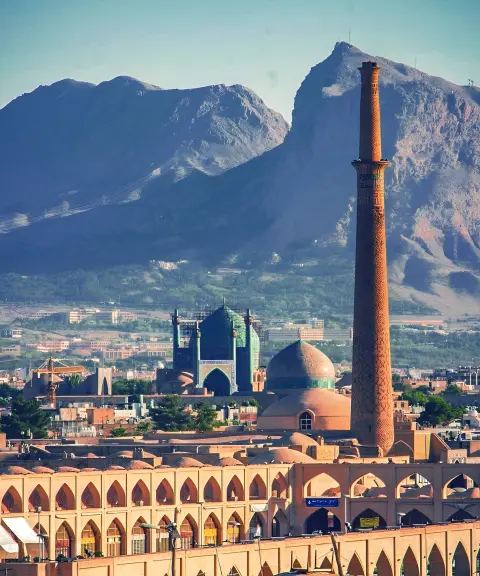
To reach the Ghazvini House, head to Isfahan and the Ibn Sina Street area, then find the building by going through Shahshahan Square and the lane leading to the mansion. The historic main entrance of the house is on Imam Jom'eh Alley. However, according to available information, the entrance used while the building served as an office was from the Shahshahan Square side, through a covered passageway, so it is best to check which entrance is currently open before you go. Spring and early autumn, given Isfahan's usual weather, are good times for walking through the historic fabric of the city and visiting its old buildings. You can combine a visit to this house with a stroll around the Shahshahan neighbourhood and other nearby historic sites; however, entry to the interior sections depends on the building's current status and permission from its officials. To help protect this architectural heritage, avoid touching the decorations and historic glass, do not write on the walls, do not disturb residents or active establishments nearby, and do not leave any litter behind.
Written by زهرا لنگری Last updated
What you can do here, and what it takes
در گذرهای اطراف میدان شهشهان و خیابان ابنسینا میتوانید پیادهروی کنید و با بافت قدیمی اصفهان آشنا شوید.
Province Isfahan
Province Isfahan
Province Isfahan
Province Isfahan
Unfortunately, no comments have been registered.