
 Wetlands
- Ability level Intermediate
Ability level:
Intermediate
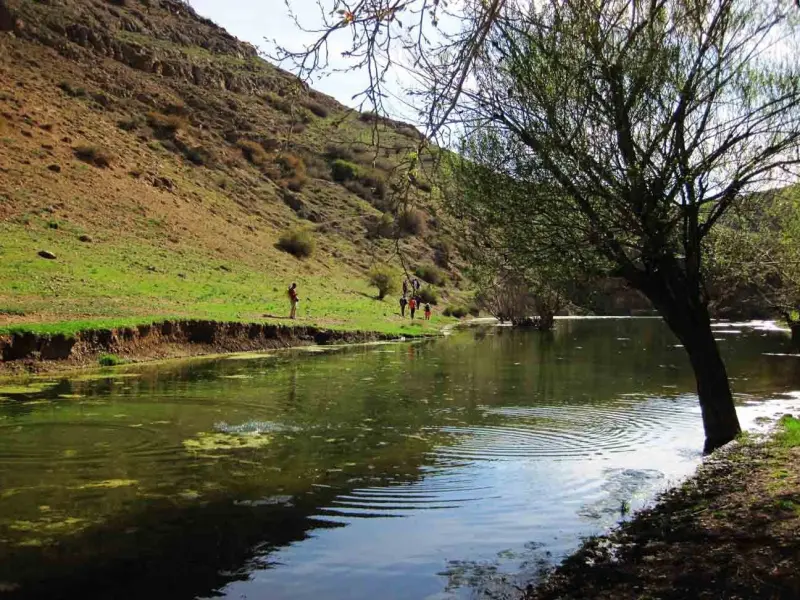
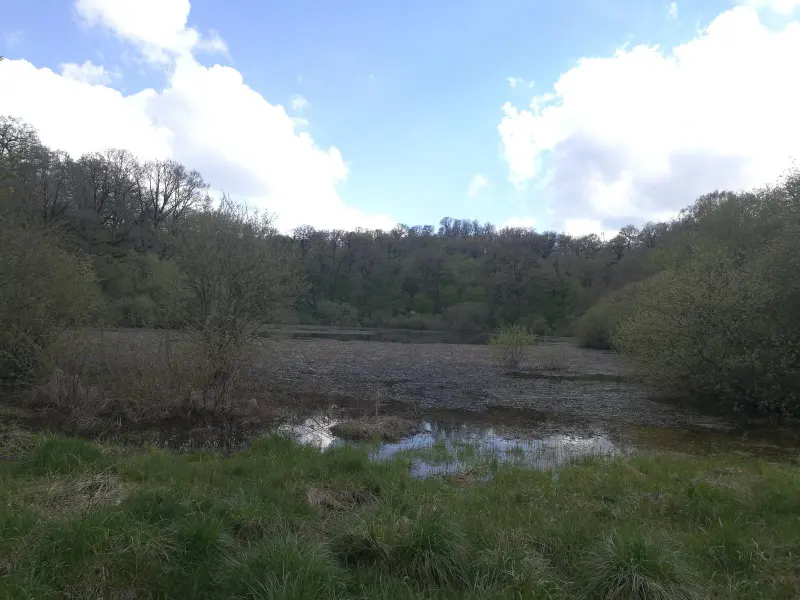
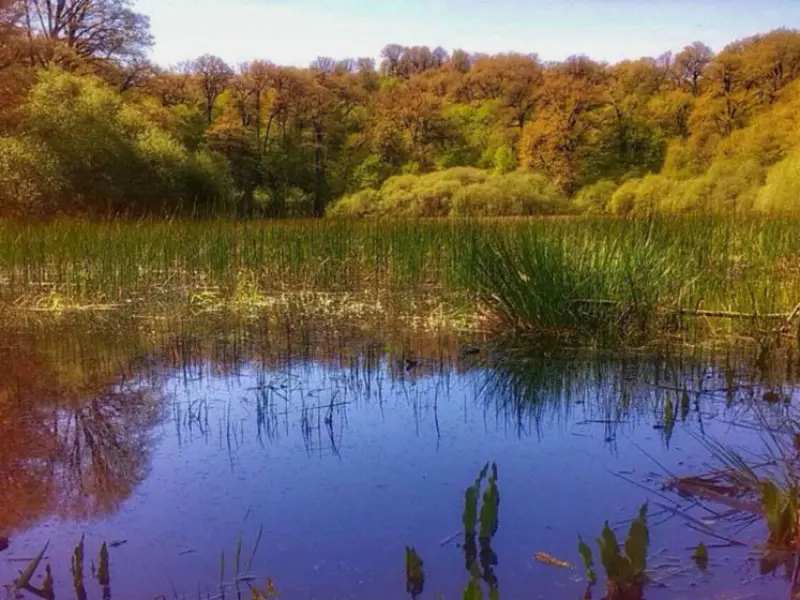
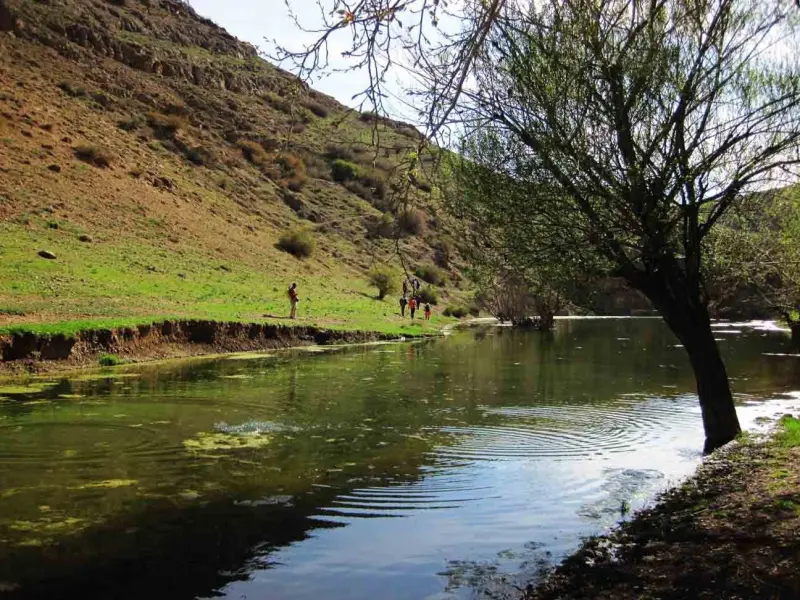
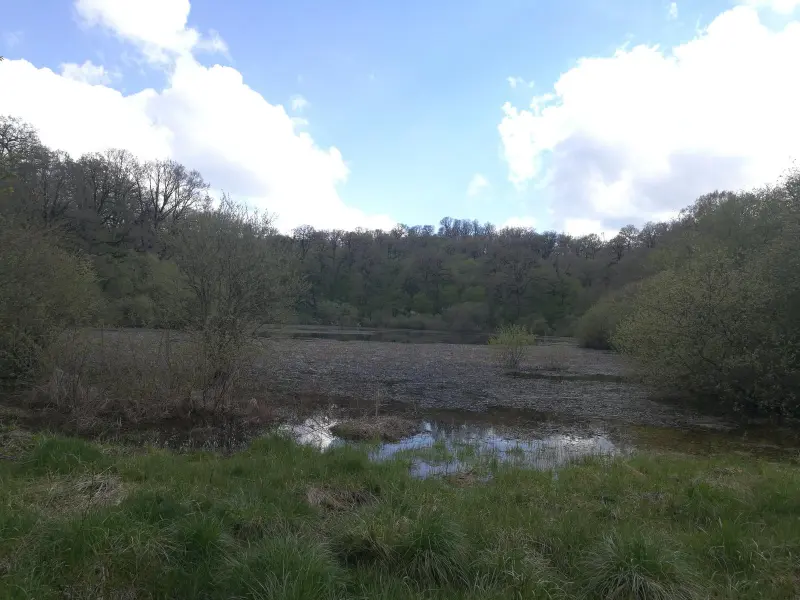
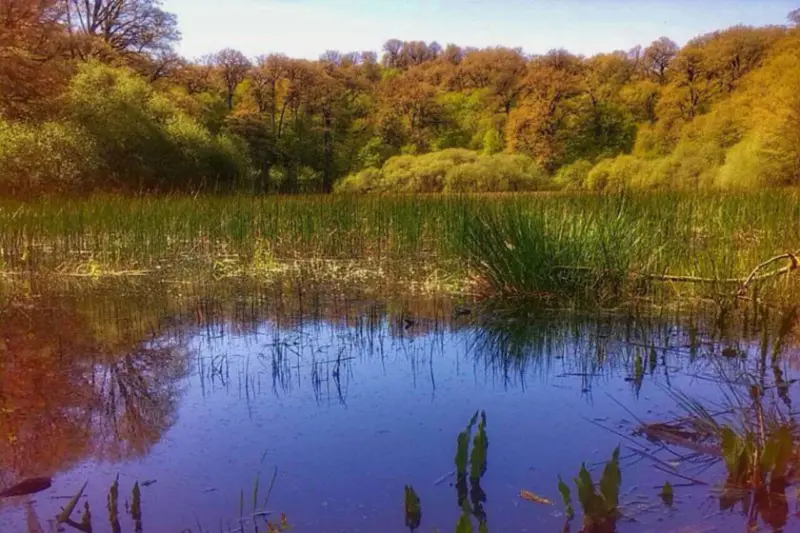
Solokli Wetland lies in the north of Golestan National Park, which in the past was one of the main habitats of the Caspian (Mazandaran) tiger. In the Turkmen language, "soluk" means "leech" and "li" means "place", so Solokli literally means "habitat of leeches". Locals say that the leeches of this wetland are among the best available, which is why they collect leeches here in spring. The wetland is fed by springs within the park. In wet seasons these springs create a large aquatic environment in the park, which is very important for its ecosystem diversity.
Solokli Wetland is a natural, seasonal wetland and the only one of its kind in this region. It is said that reduced pressure from human activity, or a major climate change, led to the expansion of the forests around the wetland. The wetland is home to 76 species of aquatic plants, 6 of which are not found anywhere else in Iran. A new species of freshwater shrimp also lives here, with a lifespan of only 2 months. Because the wetland dries out in summer, the shrimp leave their eggs, or cysts, in the mud. Solokli Wetland is fed by a freshwater spring and seasonal rainfall, and its maximum depth reaches one metre. One remarkable fact about this wetland is that the world's only aquatic spider also lives here. This spider originates in northern Europe, and Solokli Wetland is the only place in Iran where it is found, marking the farthest limit of its range.
Summers in this area are hot and winters are cold, and average precipitation varies between 22 and 58 millimetres. Solokli Wetland covers an area of 4 hectares and lies in the deep forested heights of Mount Bili. Since the wetland is within Golestan National Park, a protected area, you need a permit to enter if you want to visit. You also cannot camp here; you may only look around and then leave.
Written by زهرا لنگری Last updated
Activities
What you can do here, and what it takes
-
Walking
کفش پیادهروی به همراه داشته باشید..
Specifications
Introduction of the location and specifications of Solokli Wetland
Location:
Golestan, Galikesh
Coordinates:
37.65740000, 55.78320000
Open in maps
Height above mean sea:
678 meter
Floras:
Temperate Broadleaf and Mixed Forests
Faunas:
Presence of Allergenic Insects, Presence of Herbivorous Animals
Transports:
Private car
Tourist Attractions in Golestan
Attractions that are nearby

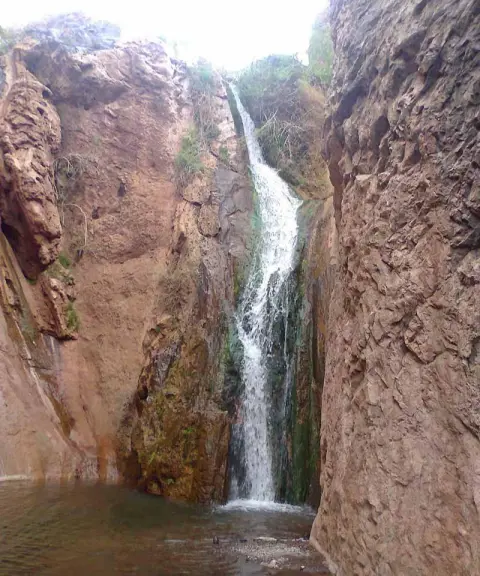

Bali Ghaye Waterfall
Province Golestan
- Walking
A beautiful waterfall in the heart of a pristine gorge
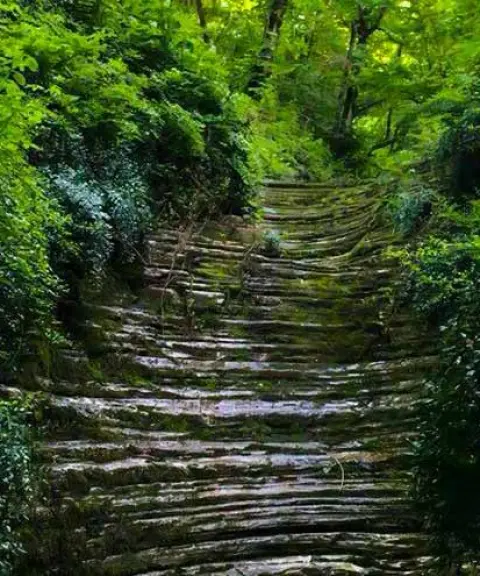

Kalaleh Terraced Forest
Province Golestan
- Walking
- Cycling
- Mountaineering
Stone steps in the heart of Golestan's nature
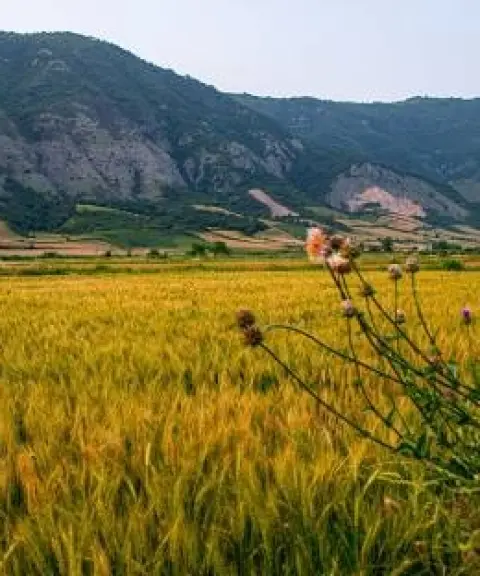
Golestan National Park
Province Golestan
- Walking
- Rowing
- Cycling
- Fishing
The Largest Natural Park in Iran
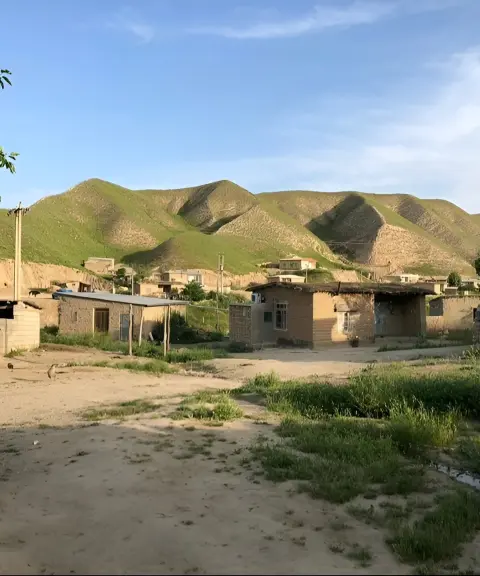

Gachi Su Bala Village
Province Golestan
- Walking
- Mountaineering
High-altitude landscapes near the legendary land of Khaled Nabi
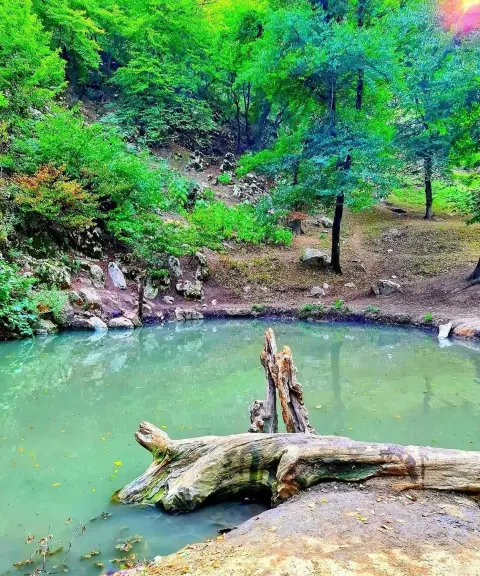

Lal Spring
Province Golestan
- Walking
- Cycling
- Swimming
A silent spring in the heart of Galikash's pristine forests
Makhtumqoli Fraghi Mausoleum
Province Golestan
- Walking
A symbol of the culture and literature of Turkmen Sahra
Related tags:
Unfortunately, no comments have been registered.