
 Forest
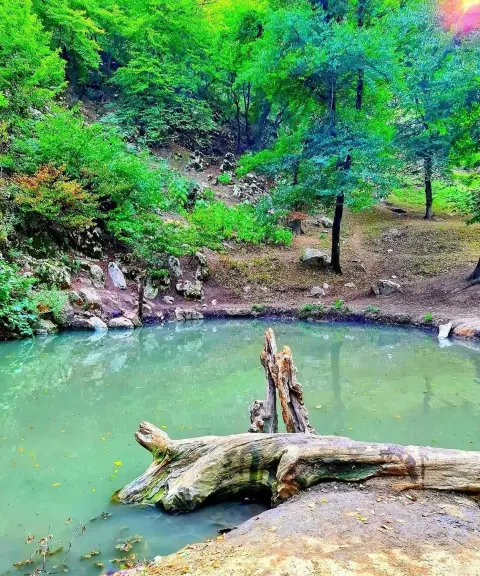

Lal Spring
Province Golestan
- Walking
- Cycling
- Swimming
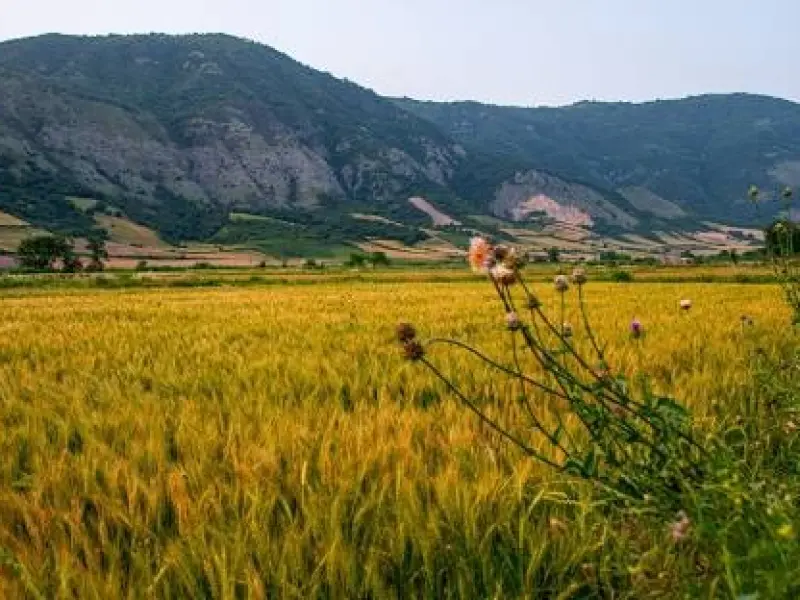
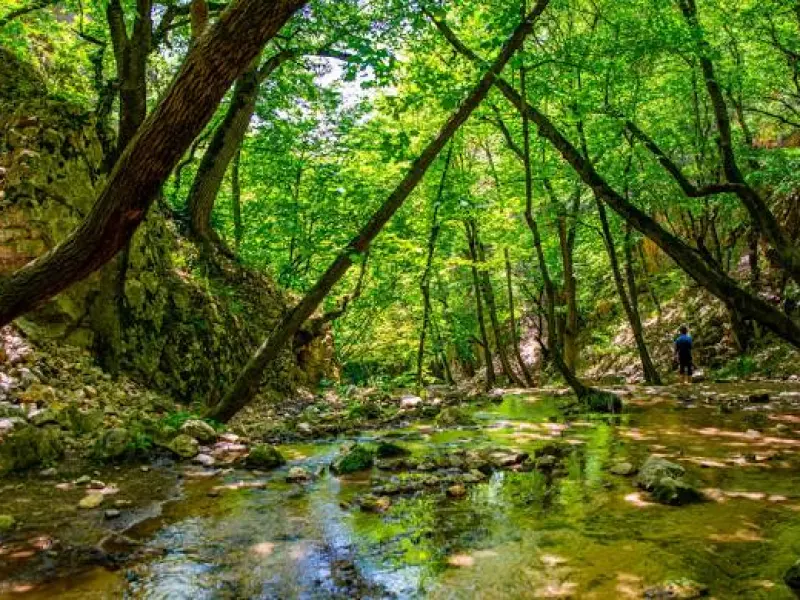
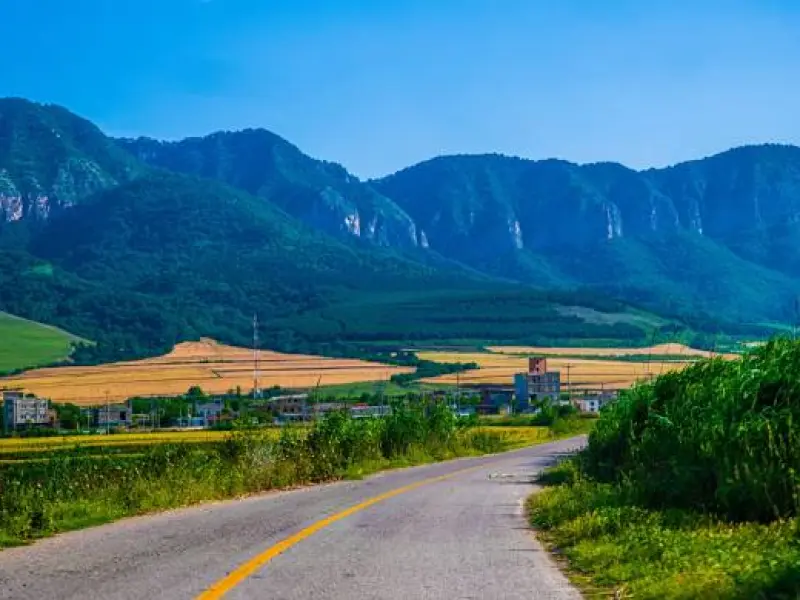
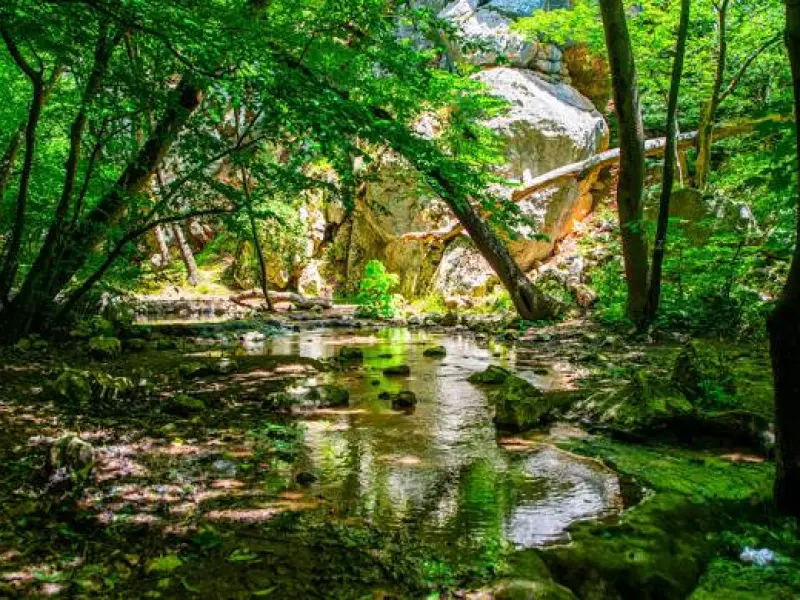
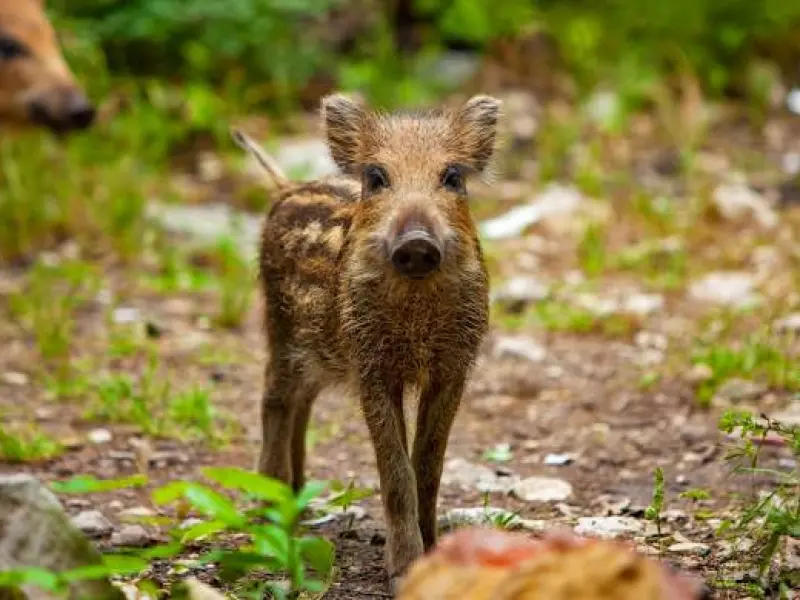
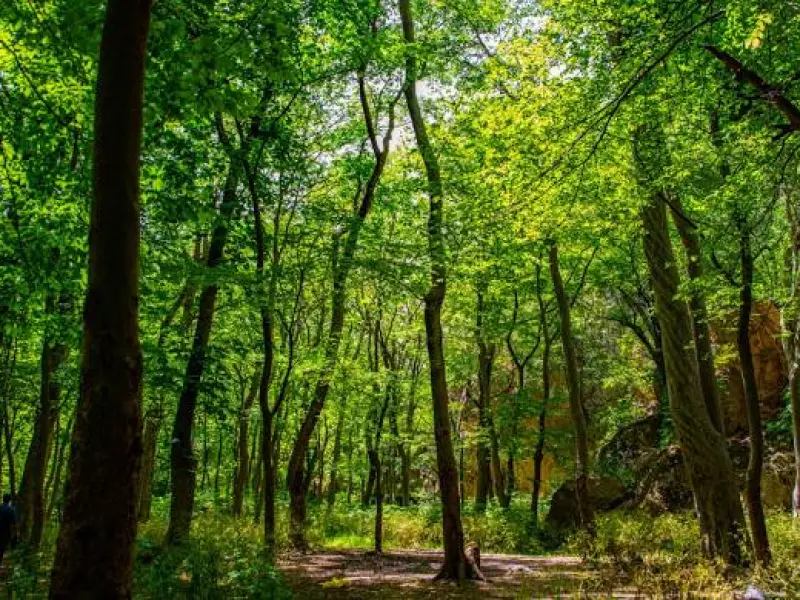
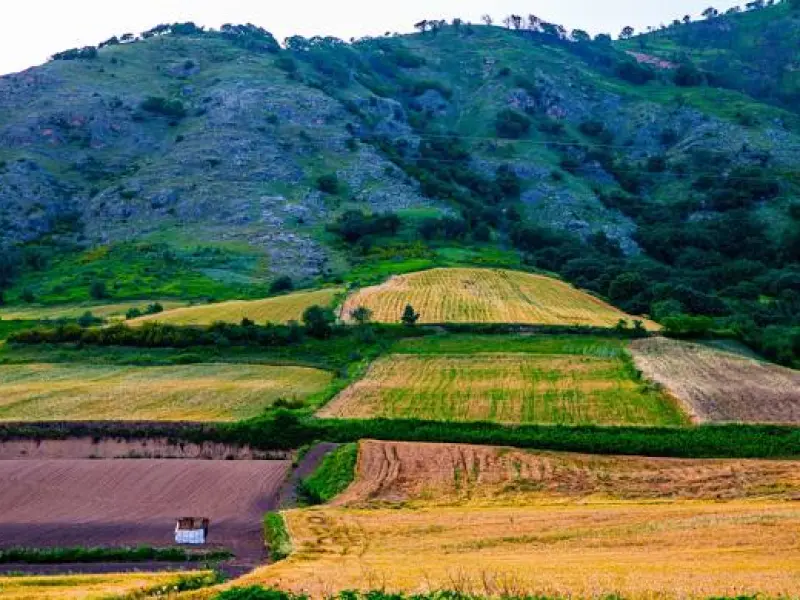
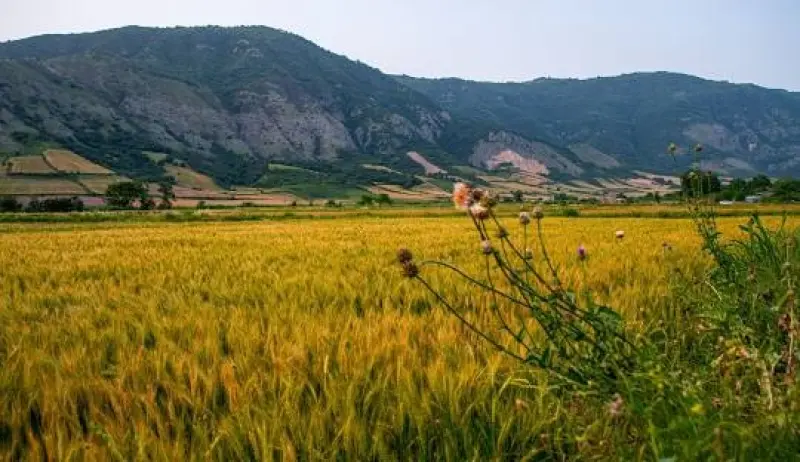
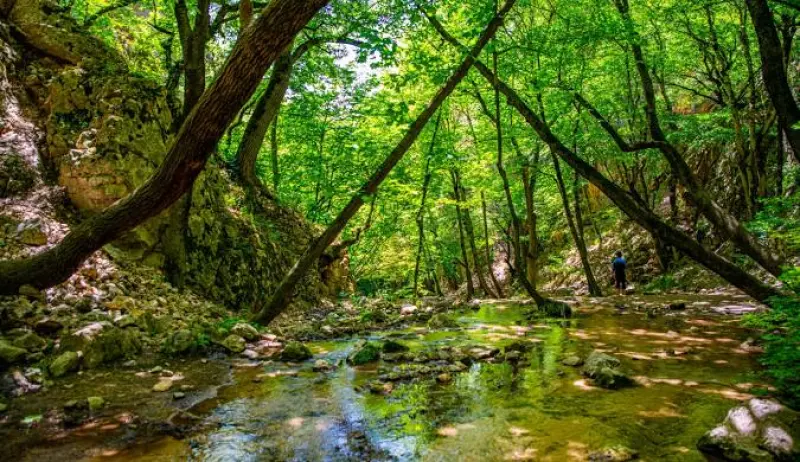
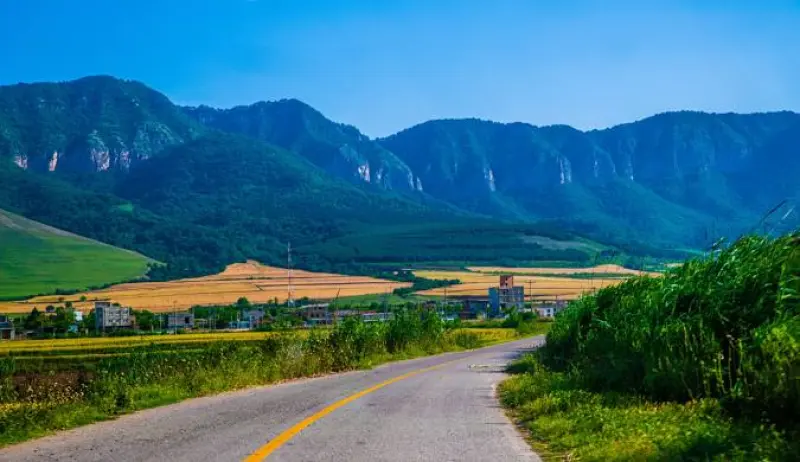
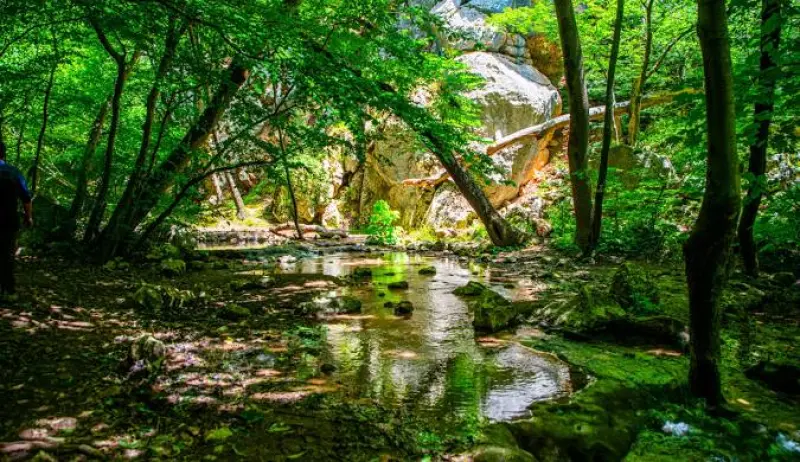
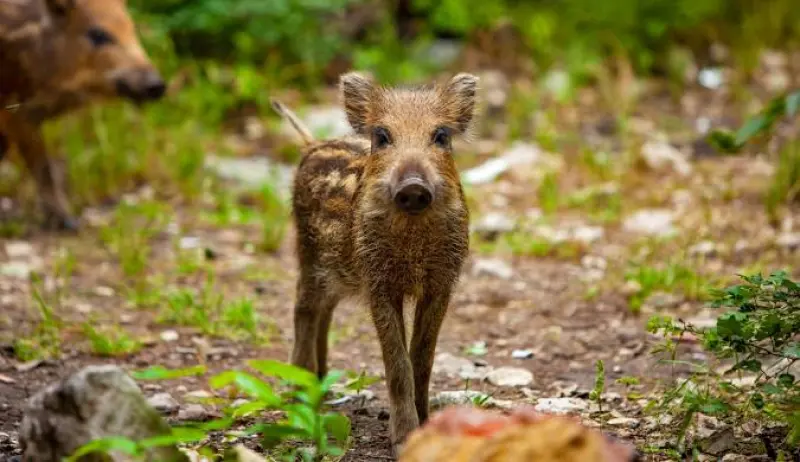
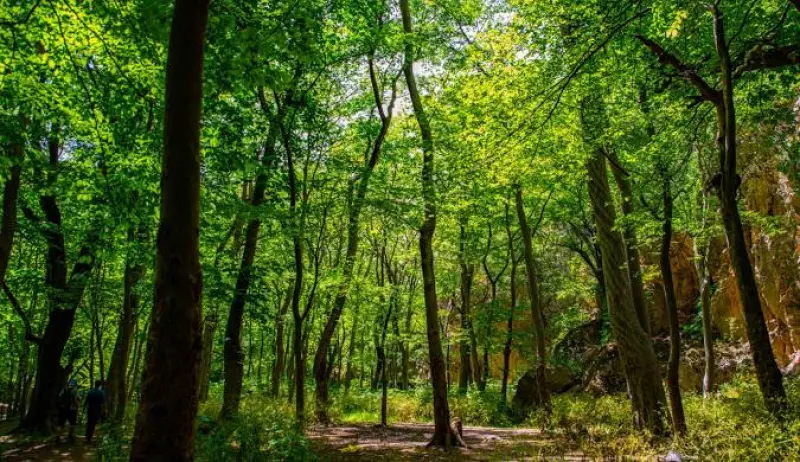
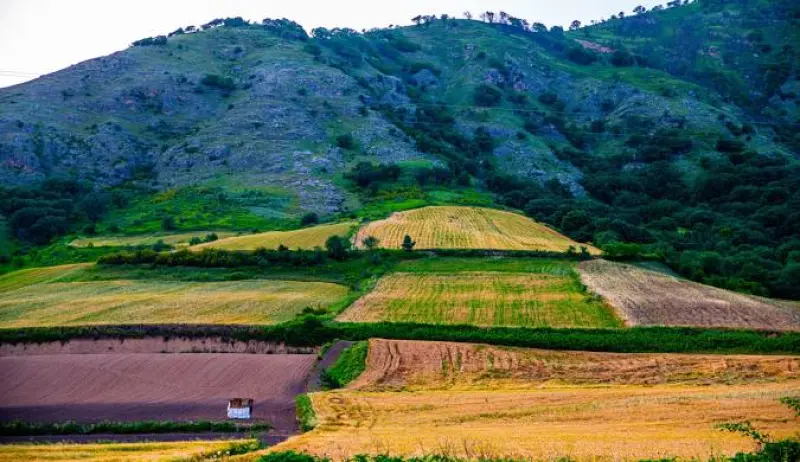
Golestan National Park, also known as Golestan Forest, is a protected area in the east of Golestan Province. It is a unique wildlife refuge covering about 900 square kilometres, home to 1,350 plant species and 302 animal species, including half of Iran's mammal species. For this reason, UNESCO has designated Golestan National Park a Biosphere Reserve. The elevation difference within the park is about 2,000 metres, from 2,411 metres down to 400 metres above sea level, and this range of altitudes has created numerous habitats and microecosystems.
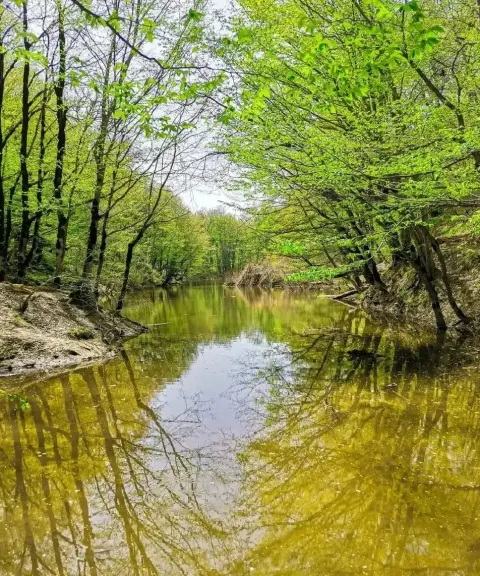
Golestan National Park has a very rich variety of plant life. More than 3,000 plant species have been identified in the park, of which 138 are endemic to Iran. The dense Hyrcanian forests, which stretch from the northwest to the southeast of the park, form its most important type of vegetation. These forests include a variety of trees such as oak, beech, zelkova, alder, linden and Persian ironwood. Besides forests, Golestan National Park also has rangelands, plains, meadows and marshland. In these areas you can see a variety of plants such as wildflowers, medicinal plants and forage plants. Thanks to its exceptional biodiversity, the park is home to more than 300 animal species. Its most important mammals include the leopard, brown bear, wolf, wild boar, maral, roe deer, fallow deer, wild sheep (urial) and goitered gazelle. A variety of birds also live in Golestan National Park. Among the most notable are the golden eagle, falcon, stork, starling, pigeon, nightingale and pheasant. The park is also home to many kinds of reptiles, amphibians and fish.
The Doushan, Sardarkhaneh, Janu, Golestan and Golshan springs, along with the Karkuli spring, are among the most important springs in this forest. There are more than 21 springs in the park. Deep, beautiful valleys can be seen in different parts of Golestan Forest, the most important of which are the Qezqaleh, Jamshidabad, Adens, Ali-Dali, Qarghun, Aq-Su and Khoshk valleys. Because of its geographical position, Golestan National Park has a varied climate. It lies on the northern slopes of the Alborz mountain range, which brings snowfall in winter and cool, pleasant weather in summer. The best time to visit Golestan National Park is from mid-Farvardin (early April) to mid-Aban (early November). The park has several camping areas and ecolodges equipped with facilities such as toilets, drinking water and gazebos.
Written by ستایش عرب Last updated
What you can do here, and what it takes
مسیرهای متعددی برای پیادهروی وجود دارد.
در برخی از رودخانهها و دریاچههای پارک امکان قایقسواری وجود دارد.
مسیرهای دوچرخهسواری متعددی وجود دارد.
در برخی از رودخانهها و دریاچههای پارک امکان ماهیگیری وجود دارد.
Province Golestan
Province Golestan
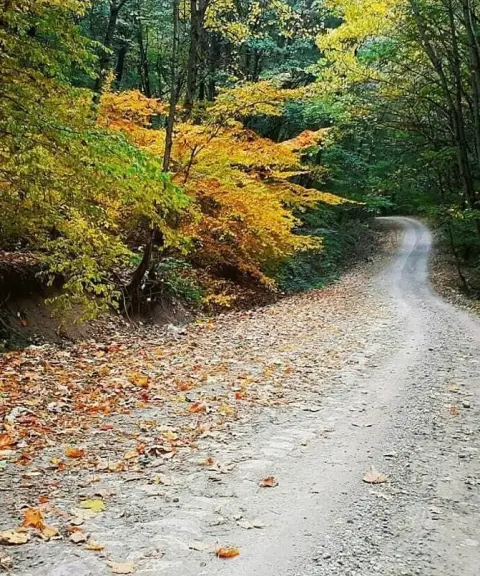
Province Semnan
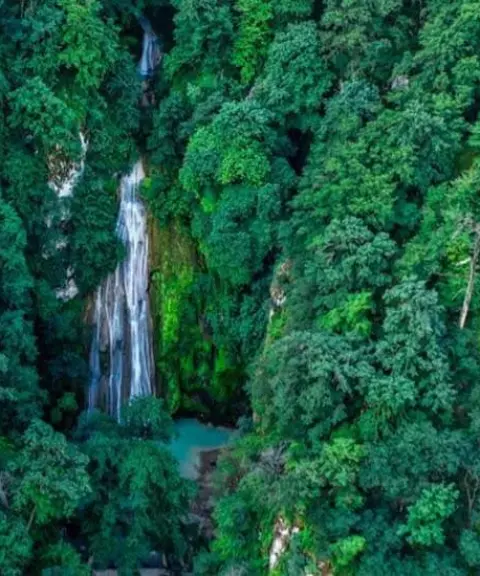
Province Golestan
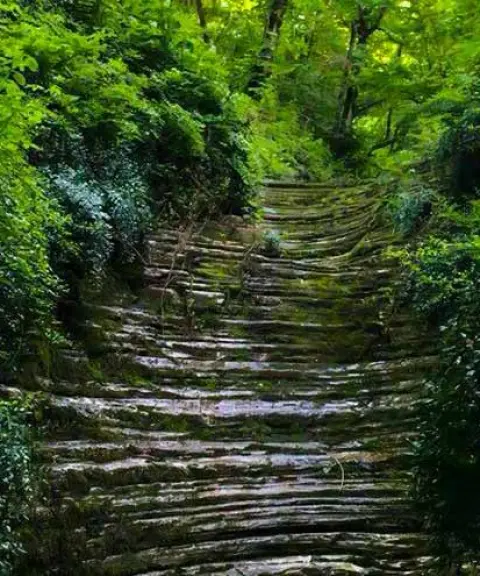
Province Golestan
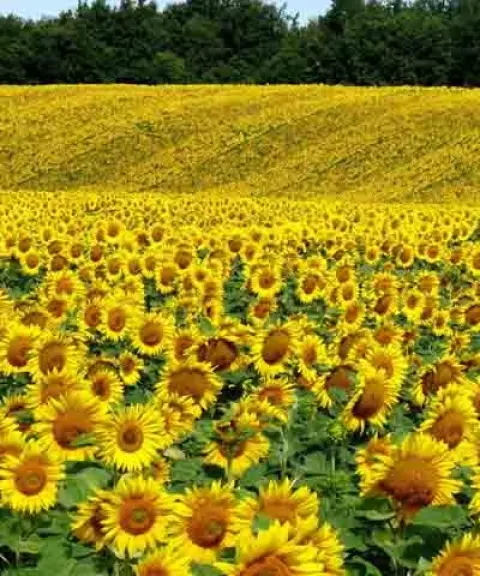
Province Golestan


Unfortunately, no comments have been registered.