
 Desert (Kavir)
- Ability level Beginner

Ability level:
Beginner
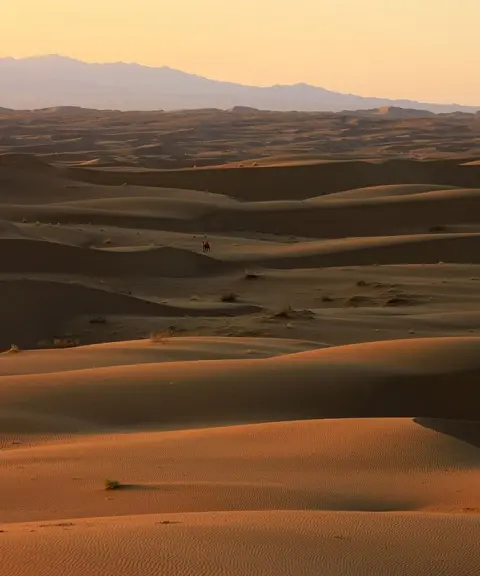
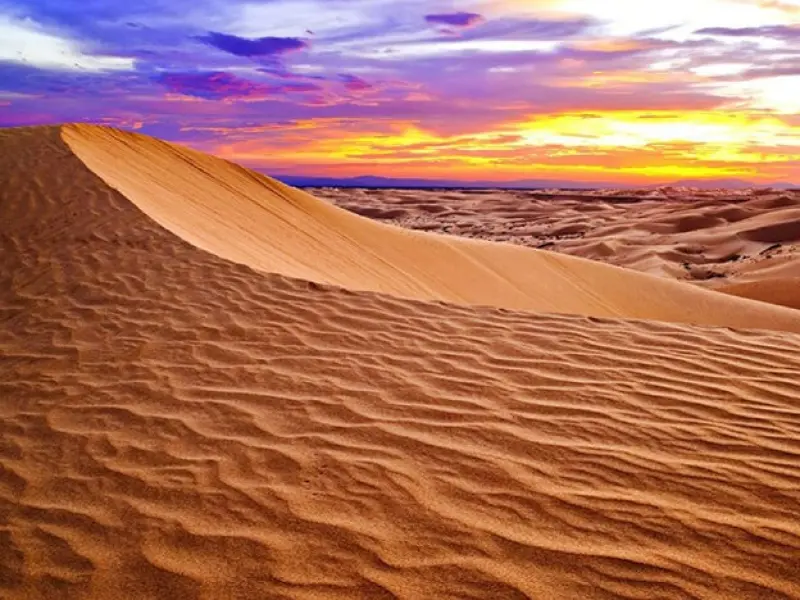
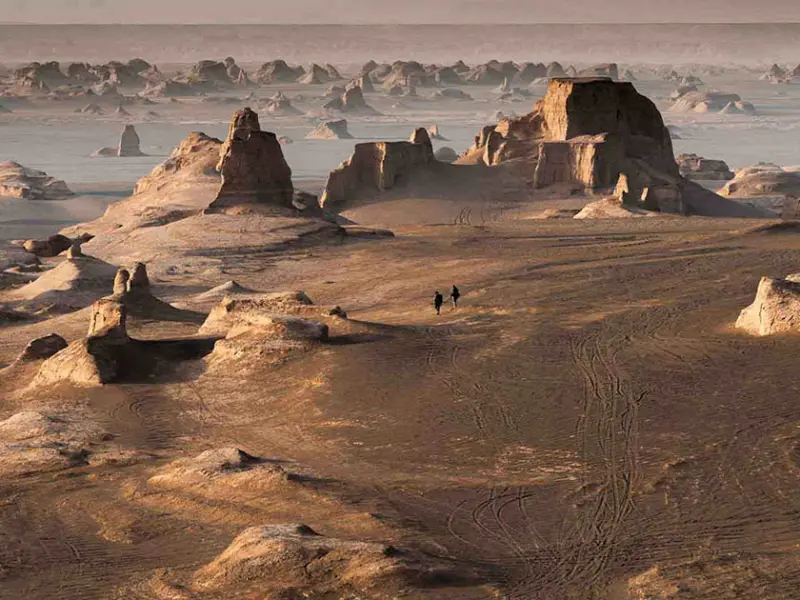
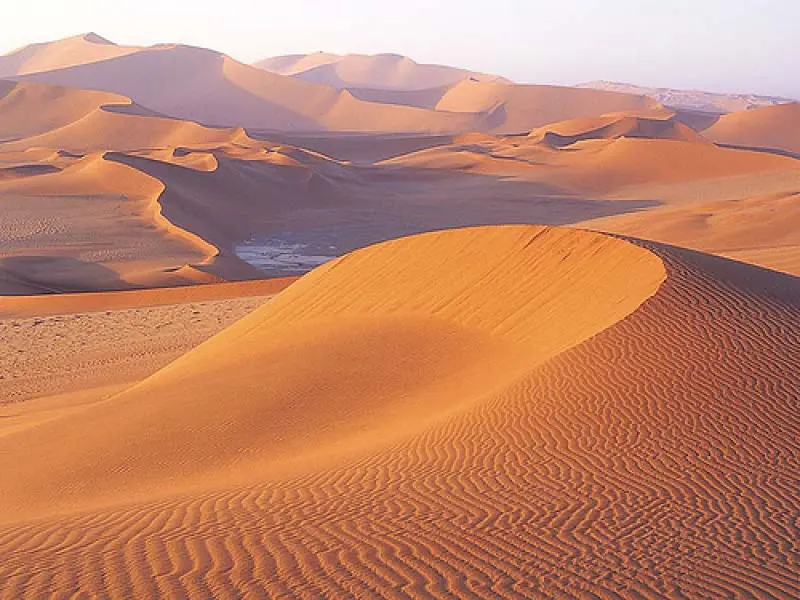
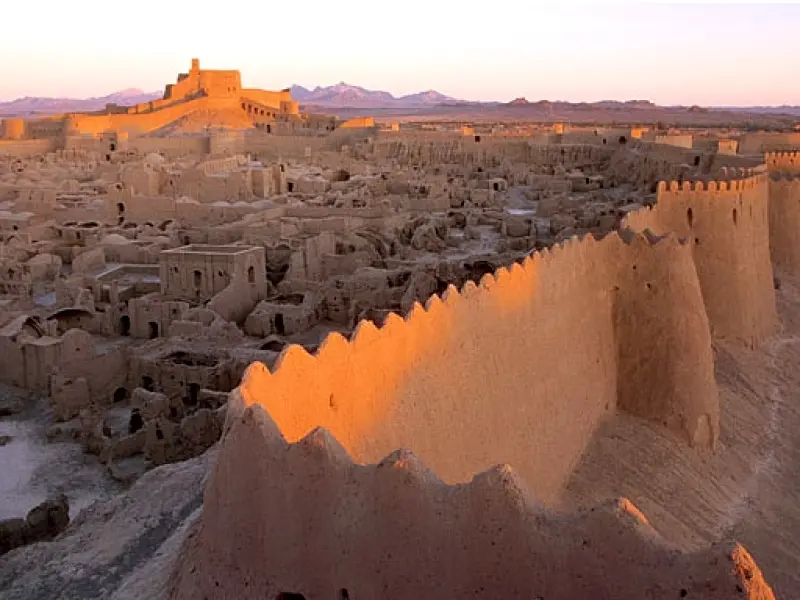
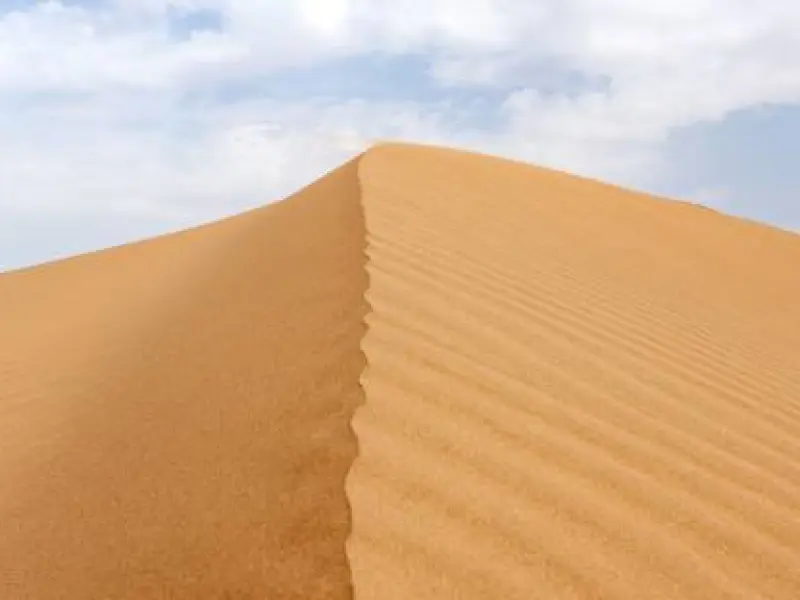
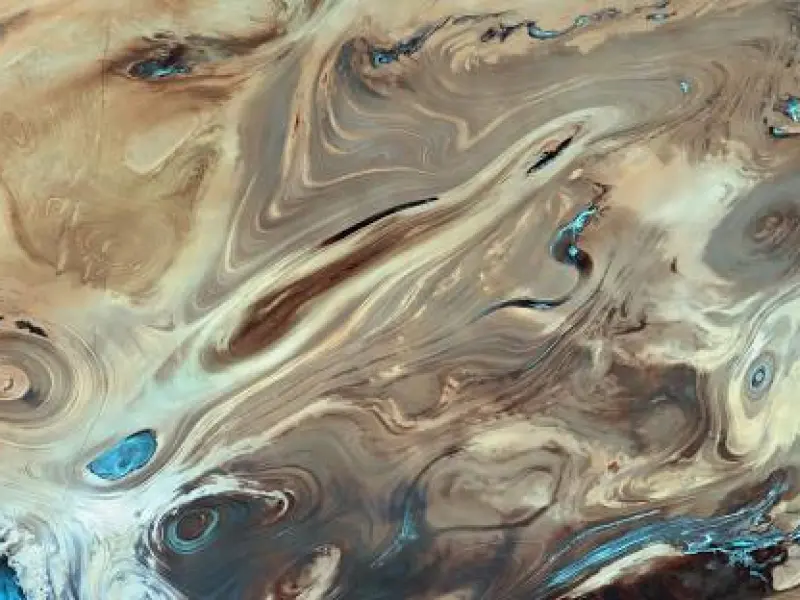
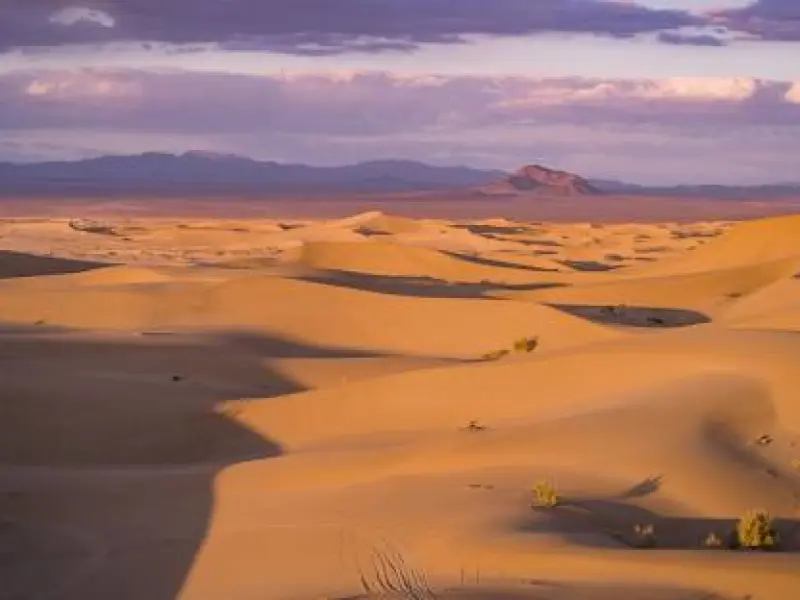
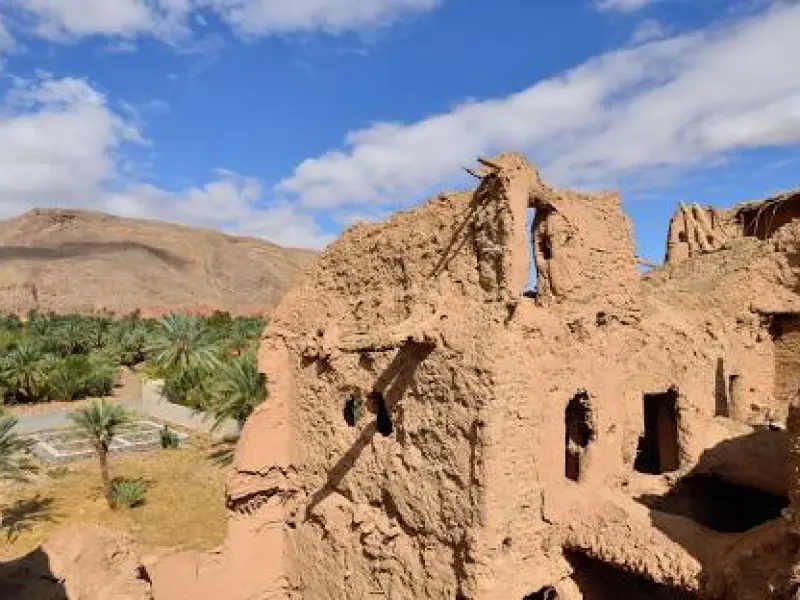
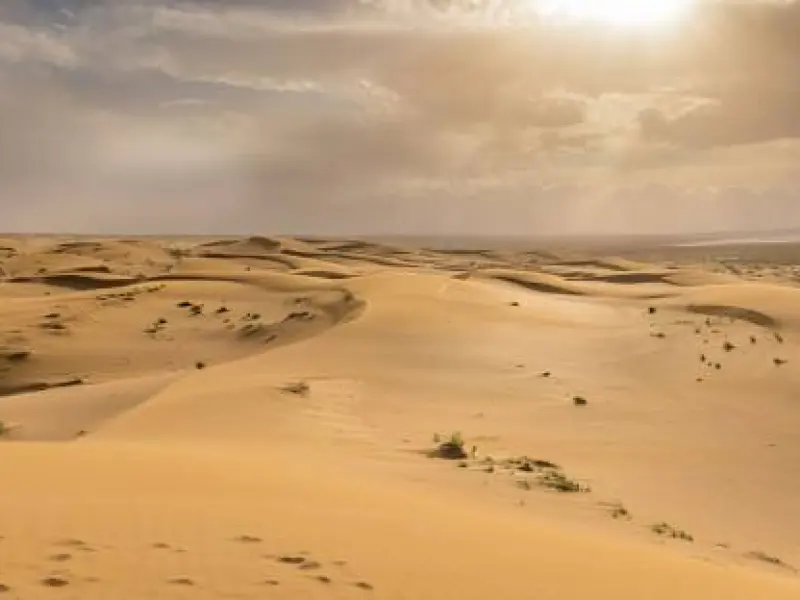
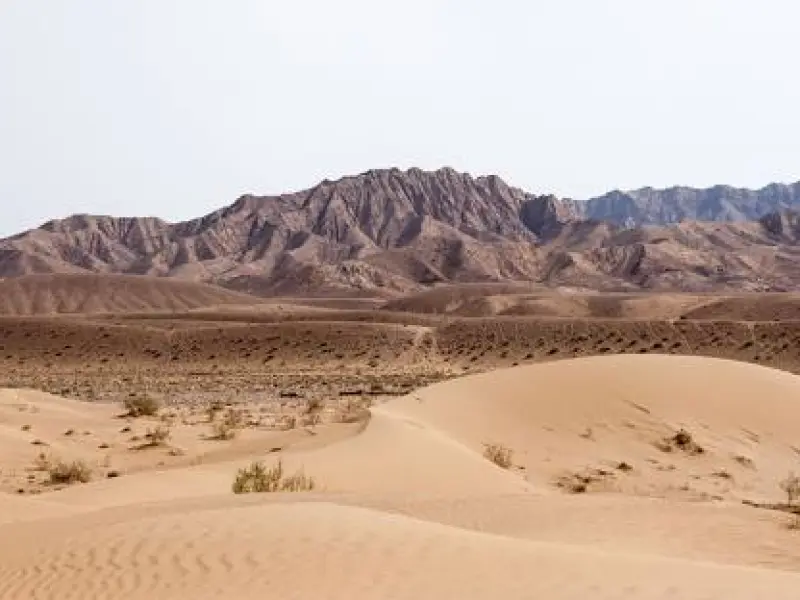
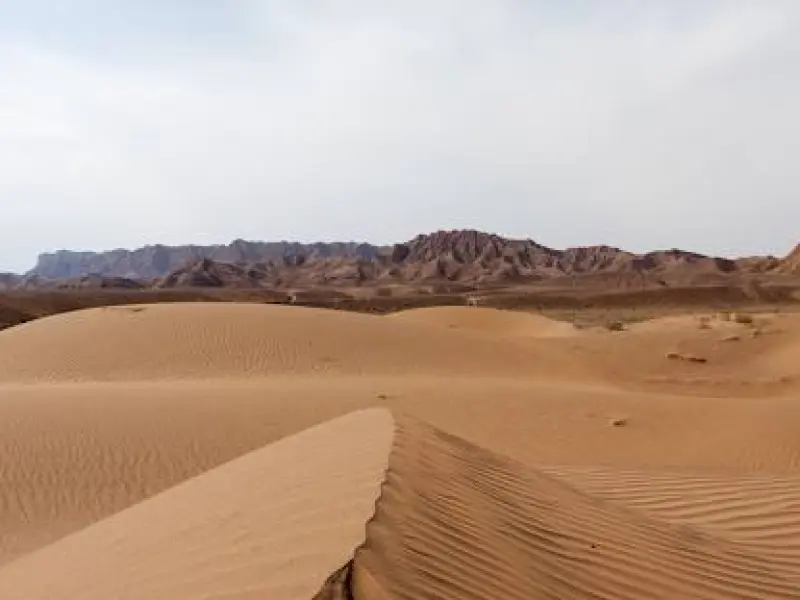
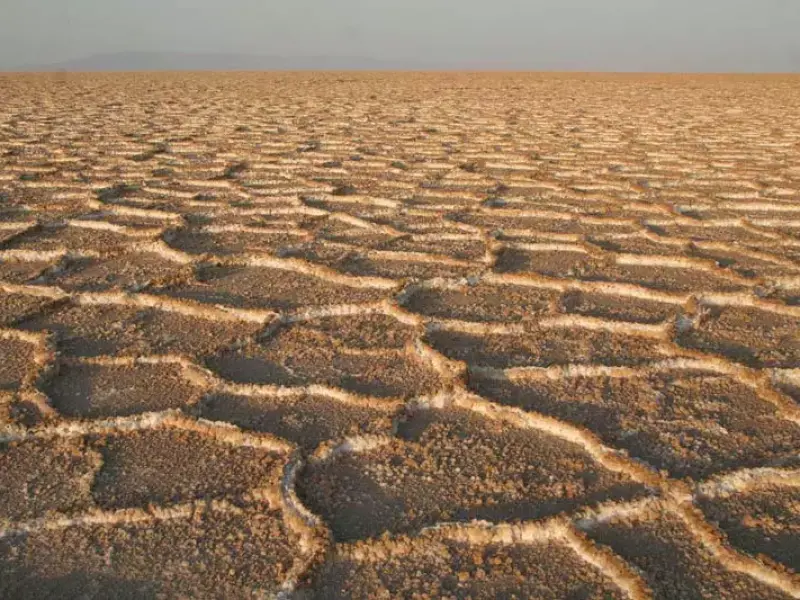
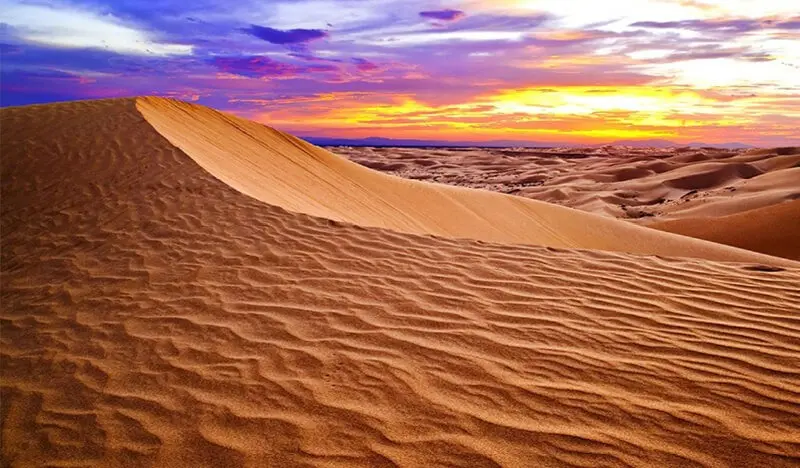
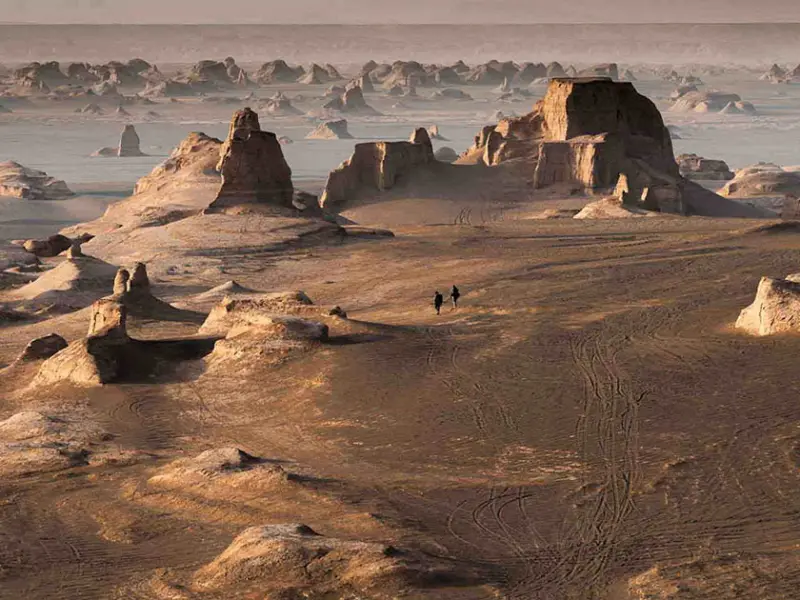
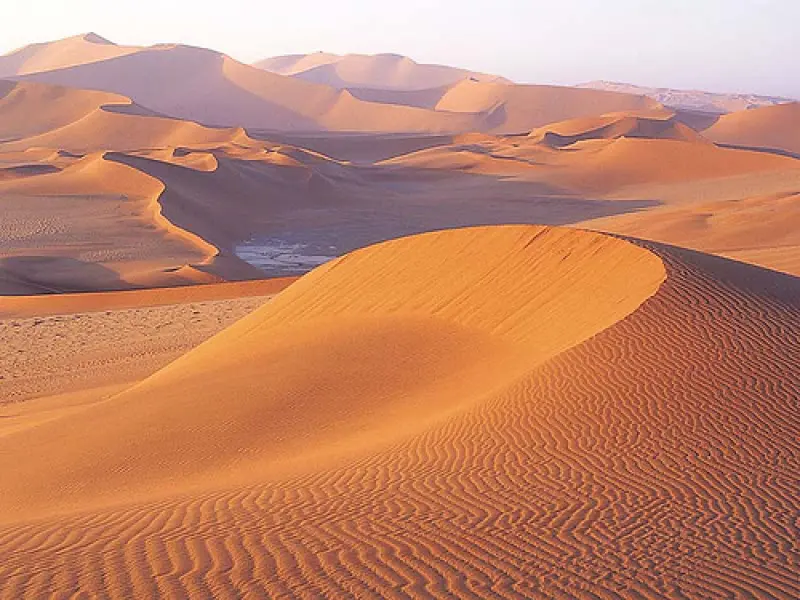
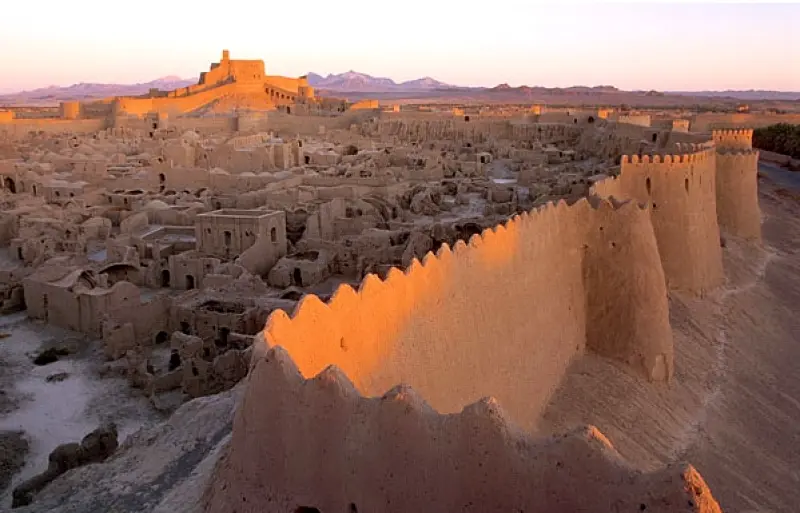
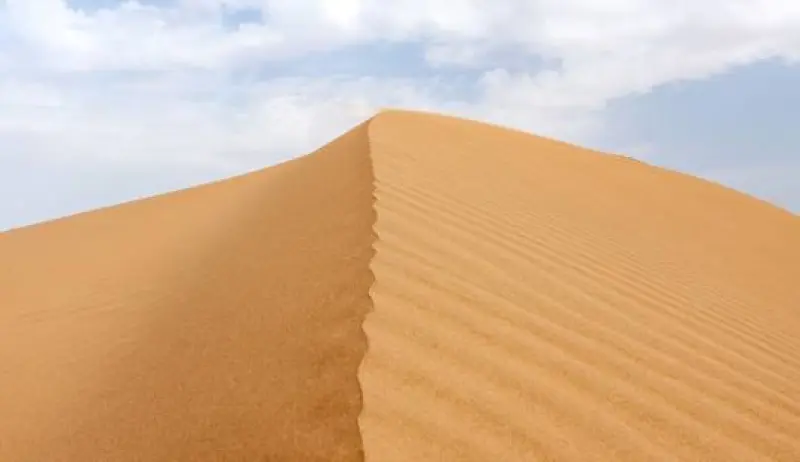
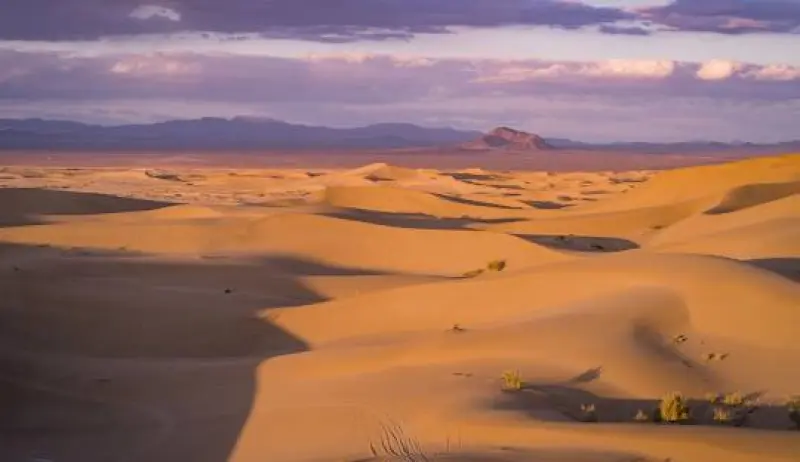
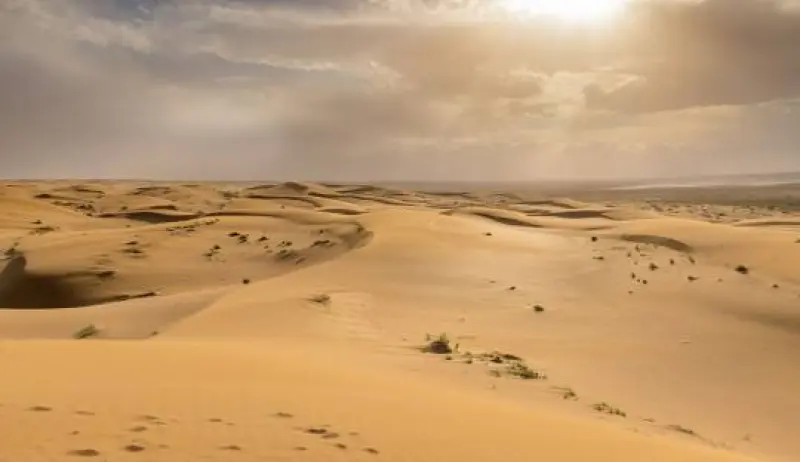
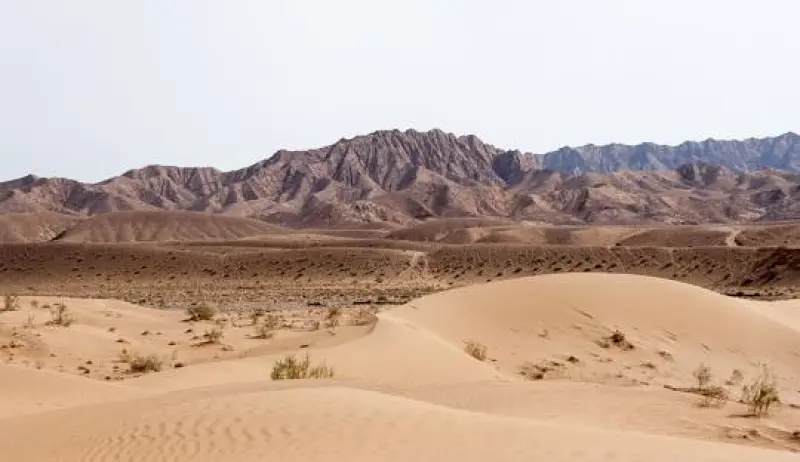
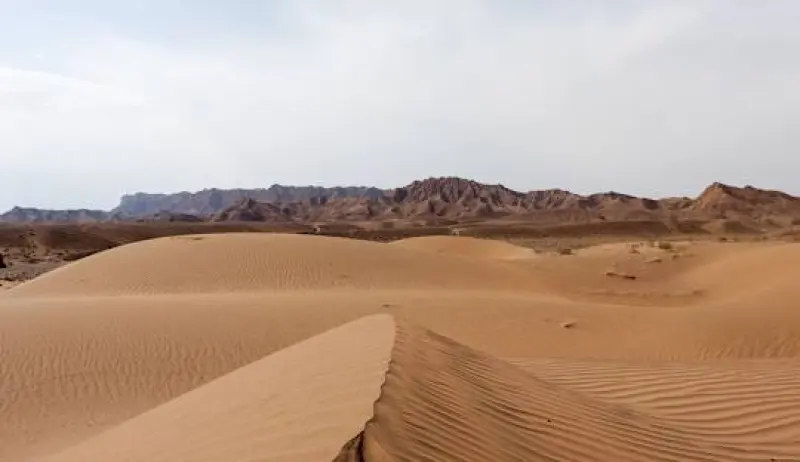
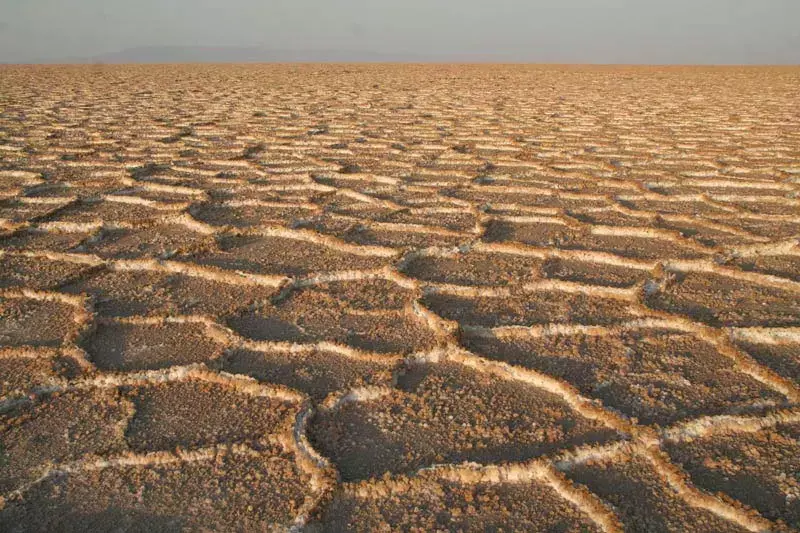
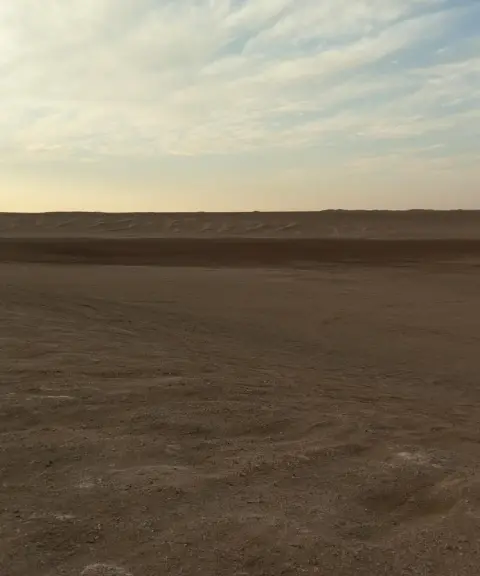
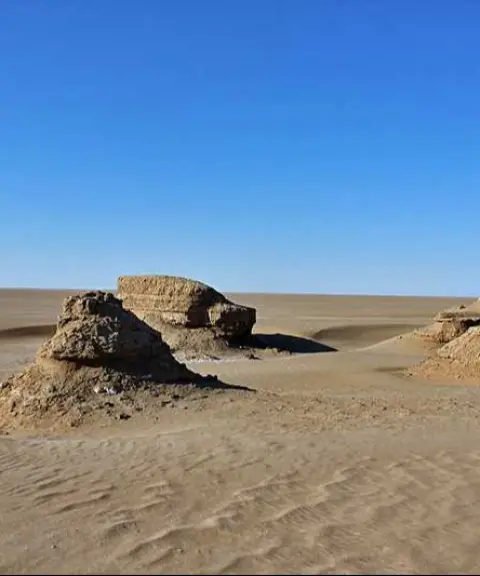
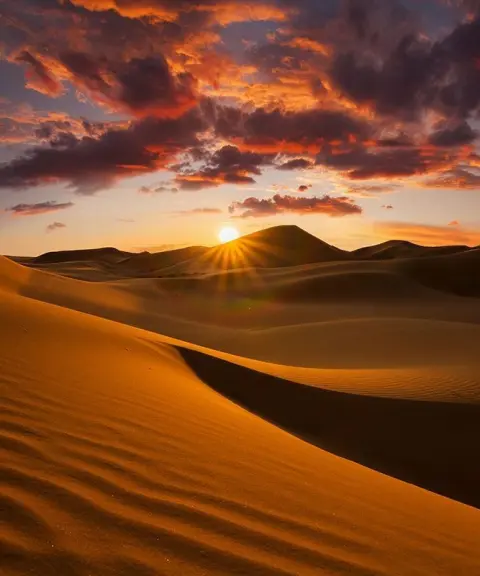
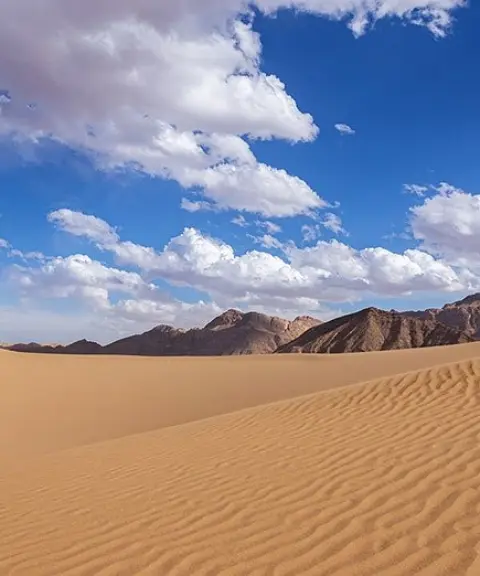
Dasht-e Kavir is one of Iran's two famous deserts, which together make up a large part of the country's desert region. It lies between the provinces of Semnan, Isfahan, Yazd, South Khorasan and Razavi Khorasan. Dasht-e Kavir is about 800 kilometers long and 320 kilometers wide. Mud and salt marshes cover much of the desert's 77,600 square kilometers. The region begins at the southern slopes of the Alborz and extends to the center of Iran. Dasht-e Kavir consists of two basins, eastern and western, each with its own distinctive features. As Iran's largest desert, it is known among the world's renowned geologists by names such as the "Great Desert" and the "Salt Desert." Alfons Gabriel, a prominent geologist, described Dasht-e Kavir as the largest salt marsh in the world.
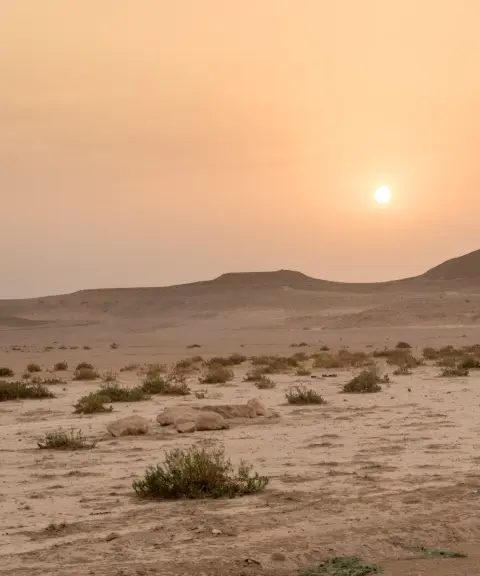
The difference between night and day temperatures in Dasht-e Kavir makes life difficult. Badgers, camels, desert foxes, eagles, falcons, native sheep and goats, desert snakes, spiders and a number of other reptiles are able to survive here. In the surrounding mountainous areas, several species of wildlife such as the Persian leopard and wild goat also live. The high level of salt in Dasht-e Kavir, together with the lack of water, does not allow plants to grow. Only a few species of salt-tolerant plants can be seen in this vast plain. If you want to travel to the desert in the hot seasons of the year, you should expect a scorching sun. Accordingly, the best season for traveling to the desert is from autumn to early spring.
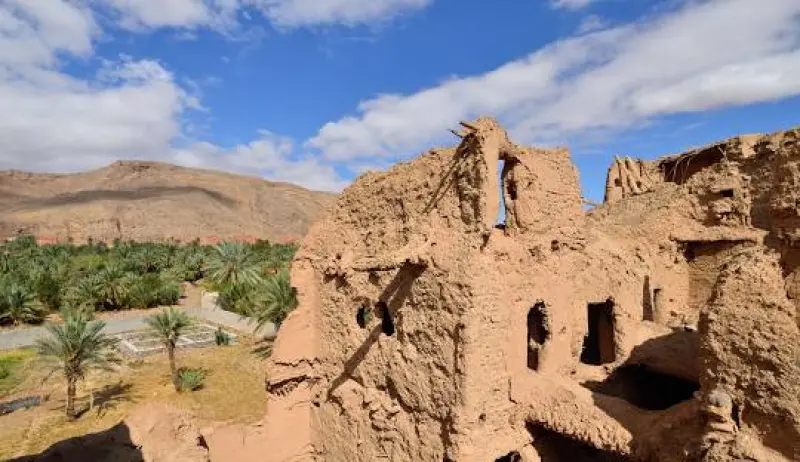
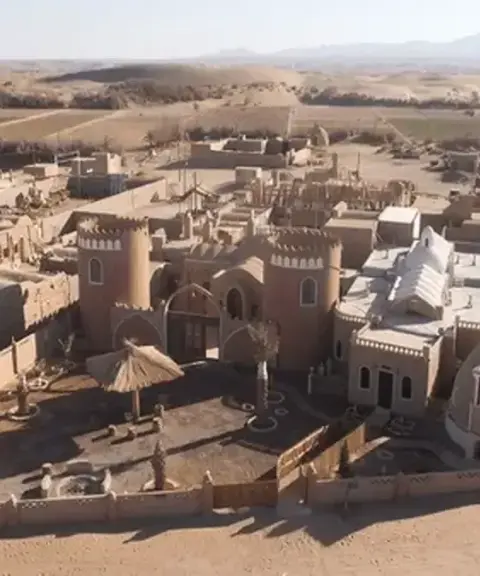
In the past, one of the challenges for tourists traveling to Dasht-e Kavir was finding a place to stay overnight. It was only possible by covering long distances to reach the nearest hotel or guesthouse. Today, however, many homestays and eco-lodges in the villages and towns around the desert welcome tourists. In addition, in recent years desert camps have been set up in Dasht-e Kavir, allowing visitors to stay in the heart of this vast region.
Written by ستایش عرب Last updated
Activities
What you can do here, and what it takes
-
Walking
از کفش و لباس مناسب استفاده کنید.
Specifications
Introduction of the location and specifications of Dasht-e Kavir, Iran
Location:
South Khorasan, Tabas
Coordinates:
34.73824013, 54.82732110
Open in maps
Height above mean sea:
700 meter
Floras:
Deserts and Dry Shrublands
Faunas:
Presence of Predatory Animals, Presence of Allergenic Insects, Presence of Herbivorous Animals
Transports:
Private car, Walking, Minibus, Bus
Tourist Attractions in South Khorasan
Attractions that are nearby

Related tags:
Unfortunately, no comments have been registered.