
 Forest
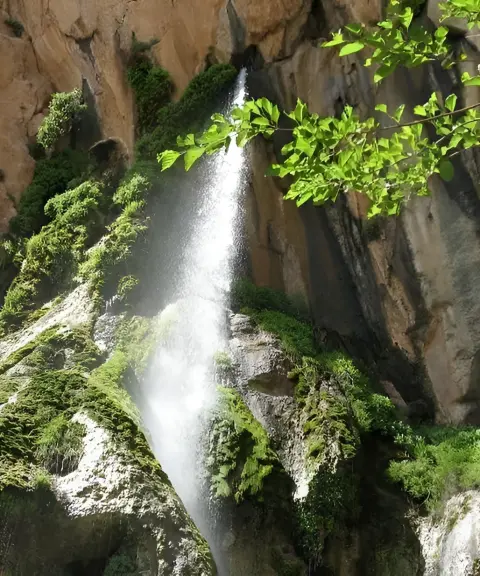

Shah Lolak Waterfall
Province Isfahan
- Walking
- Mountaineering
The Most Diverse Wildlife in Iran
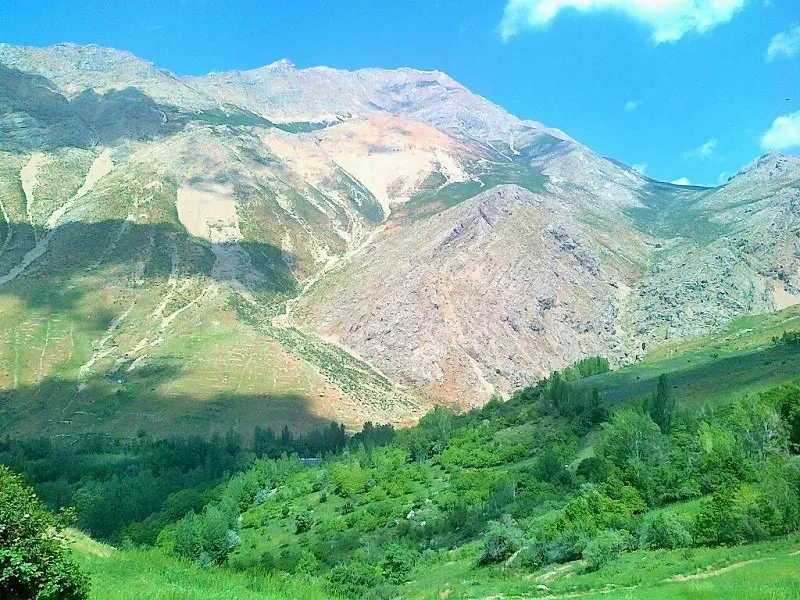
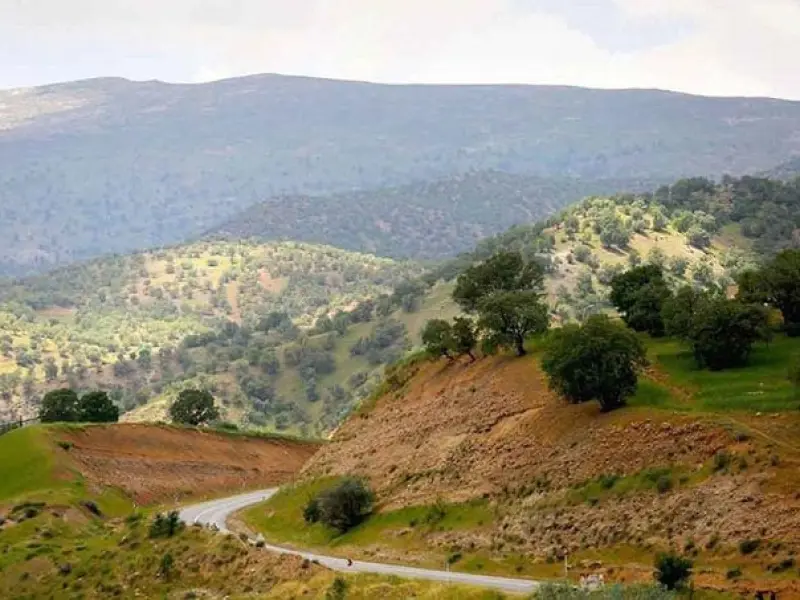
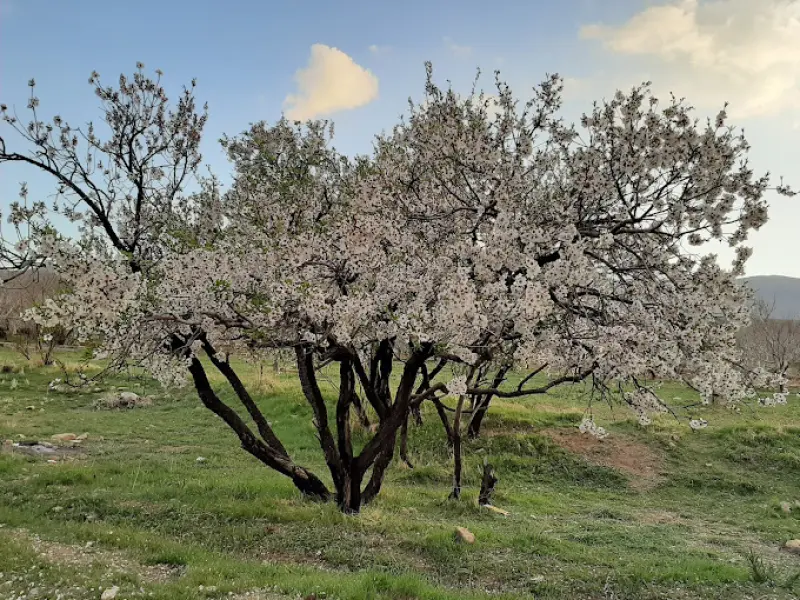
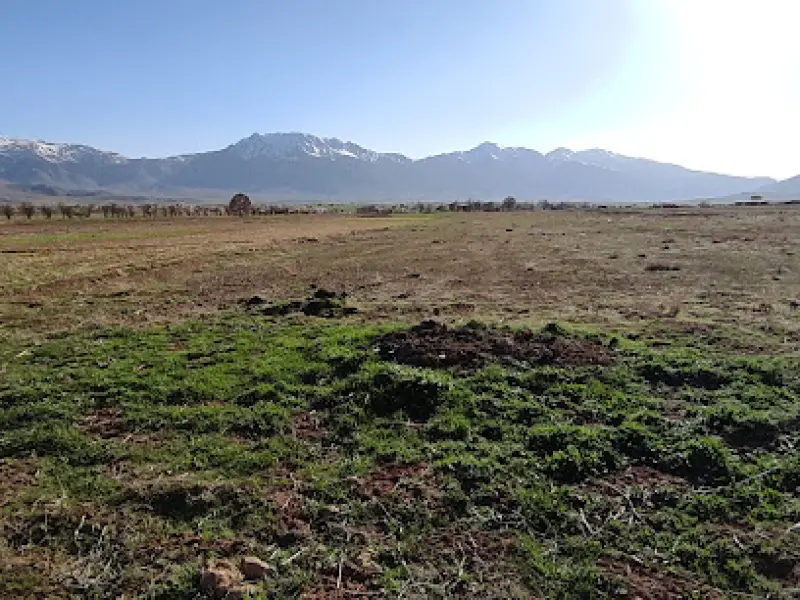
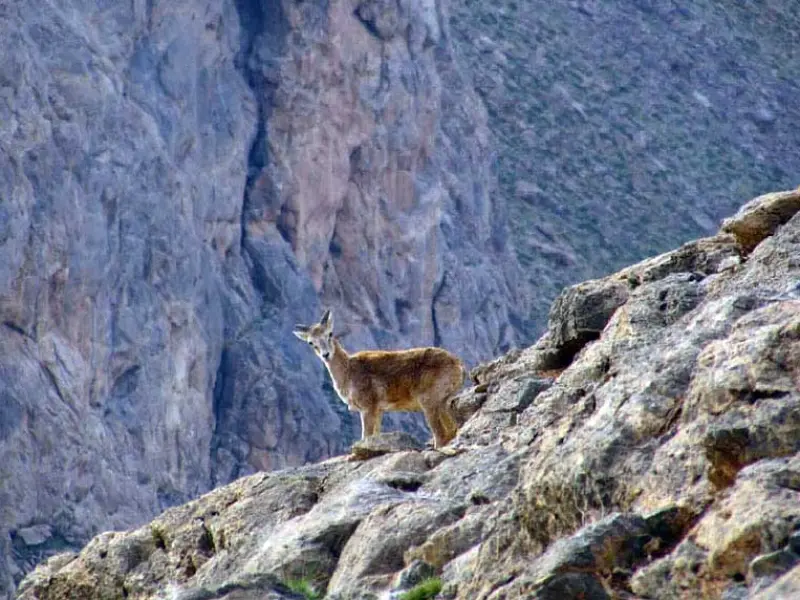
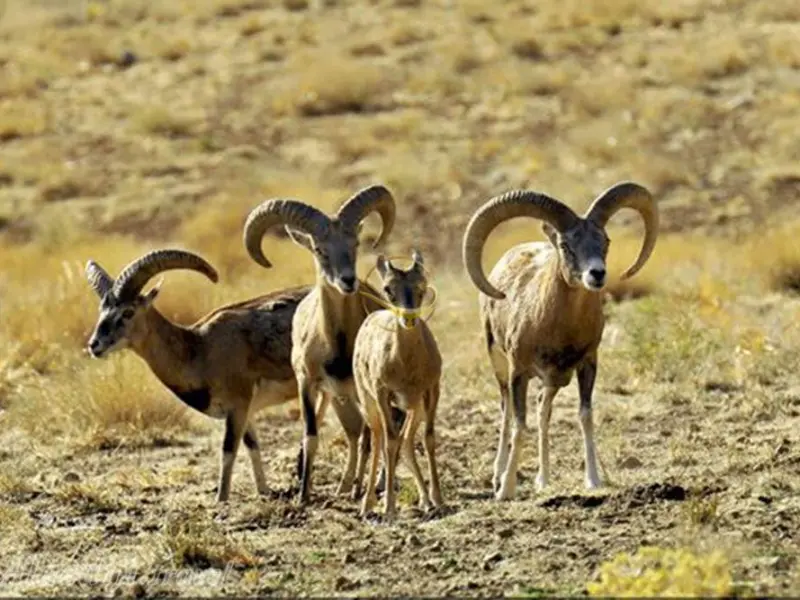
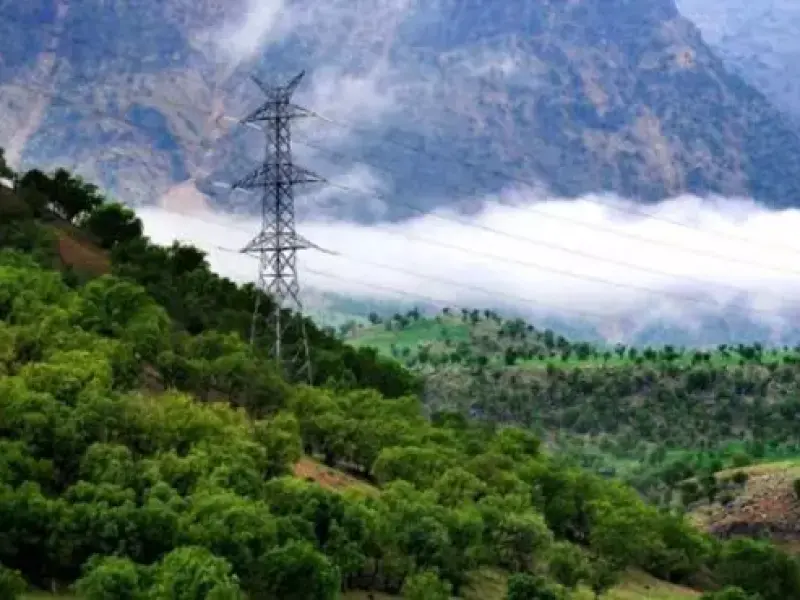
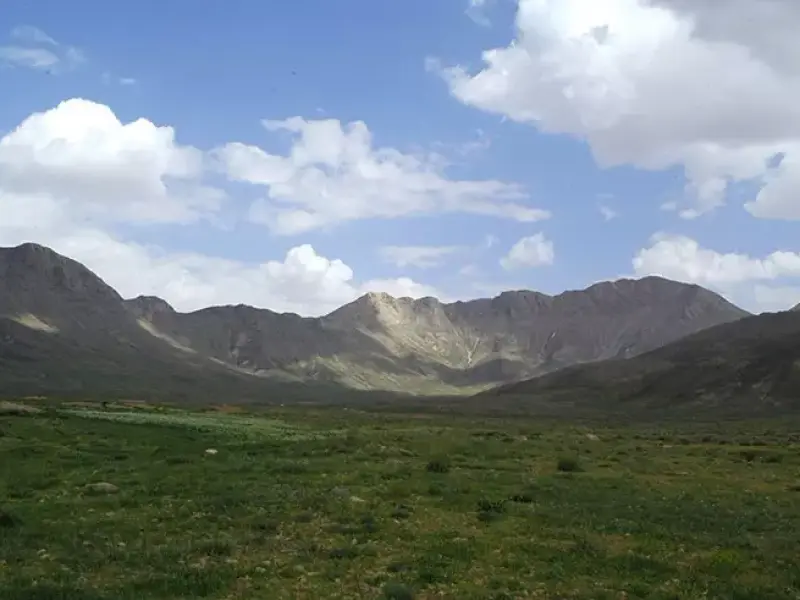
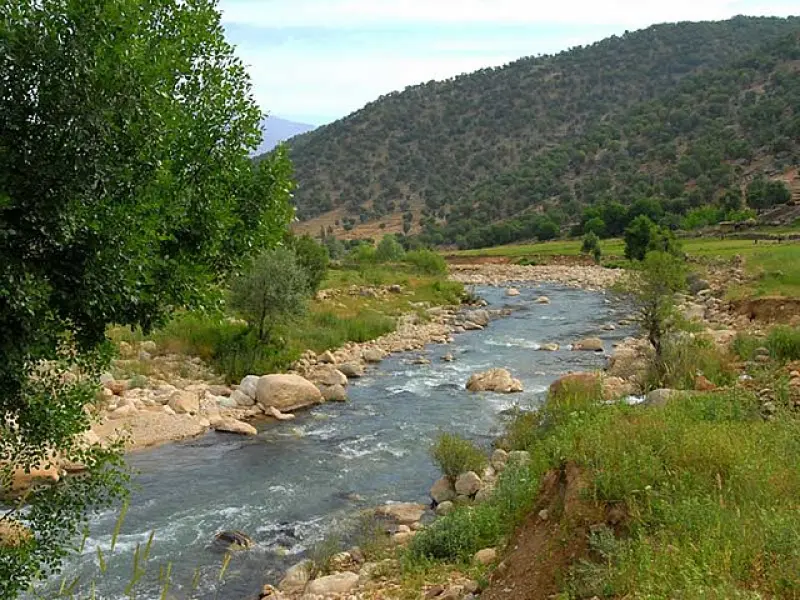
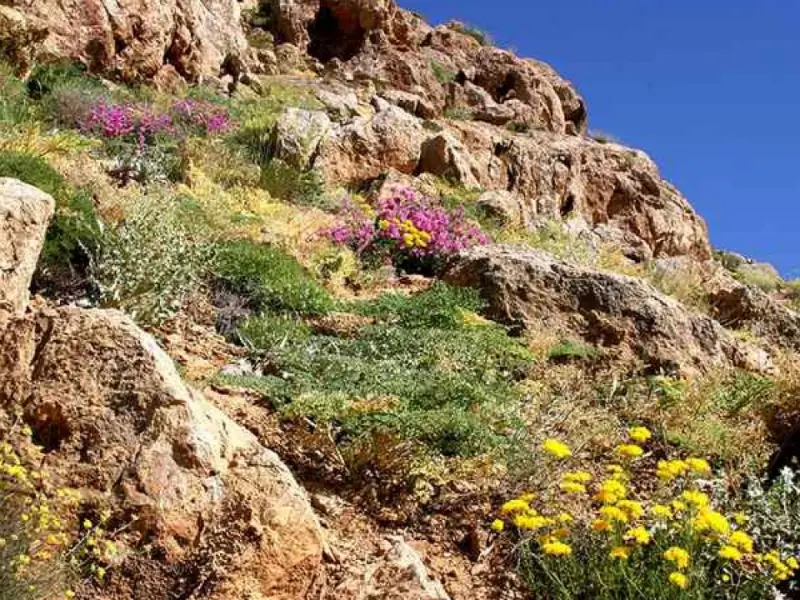
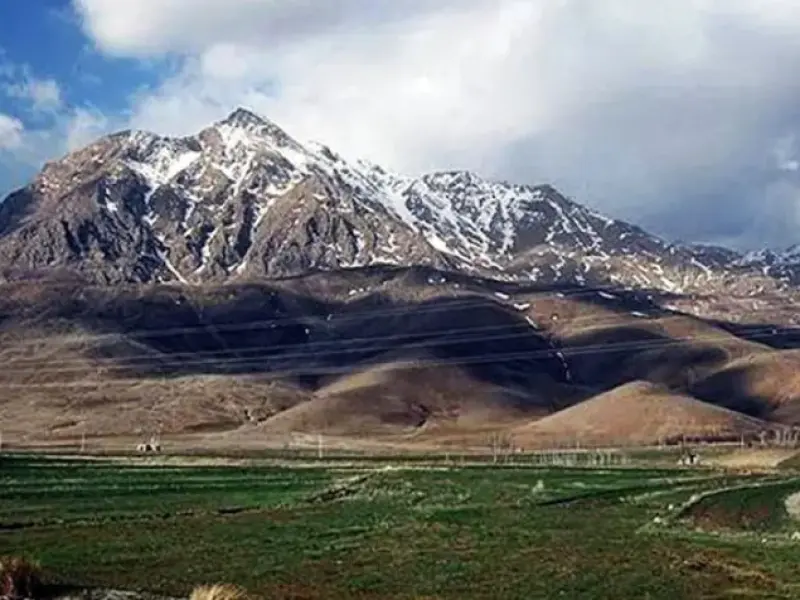
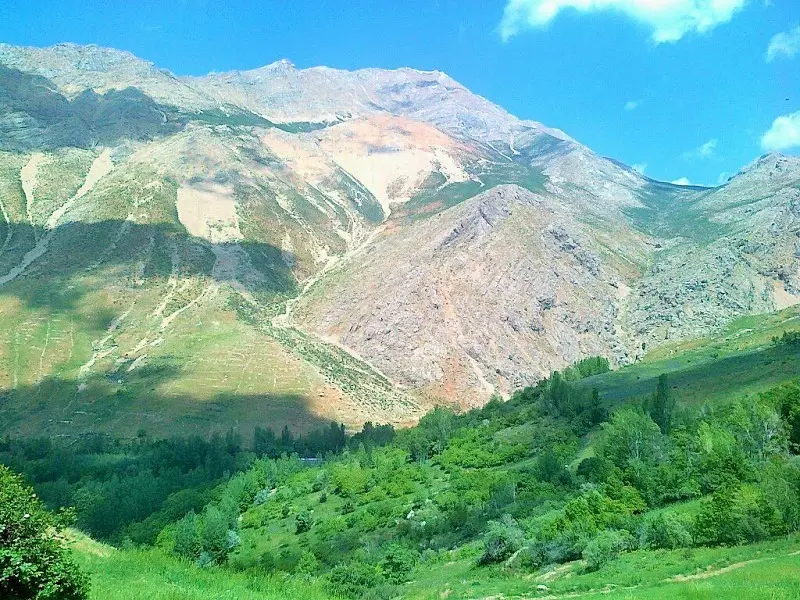
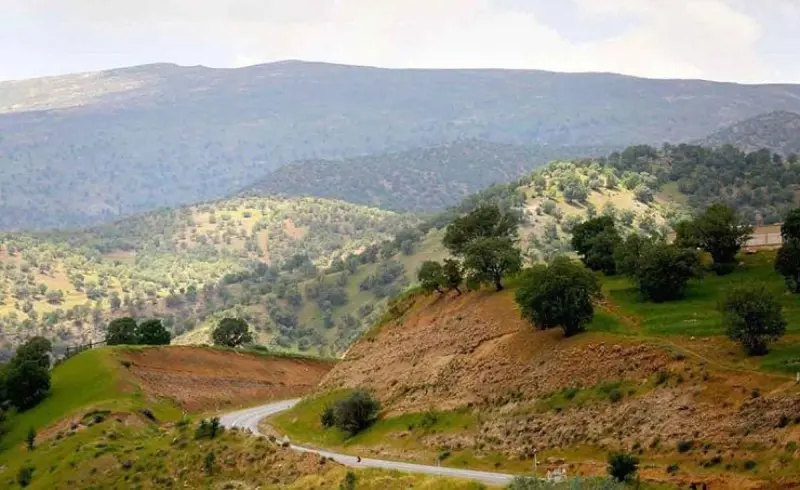
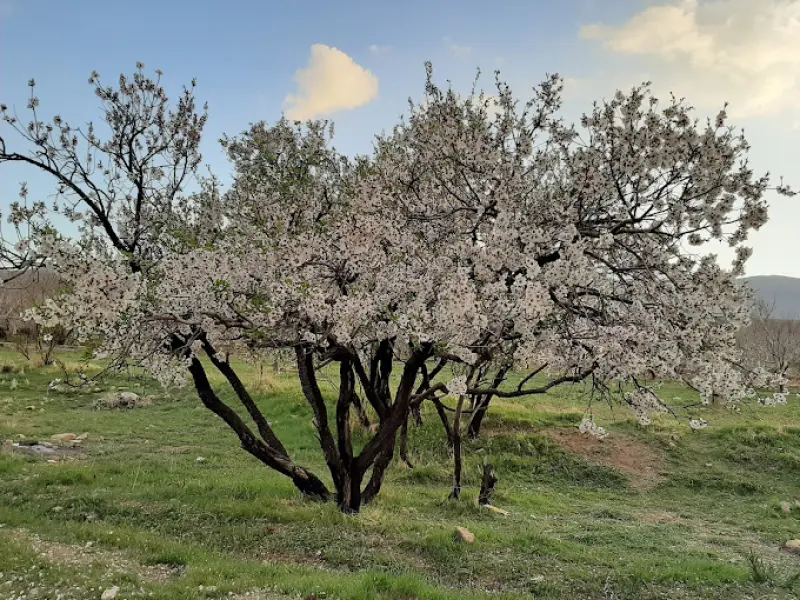
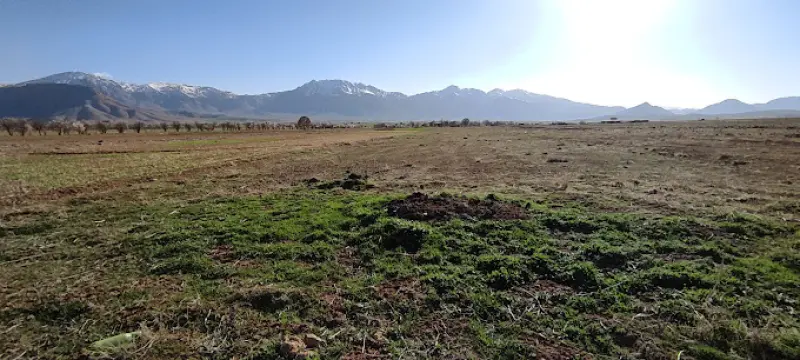
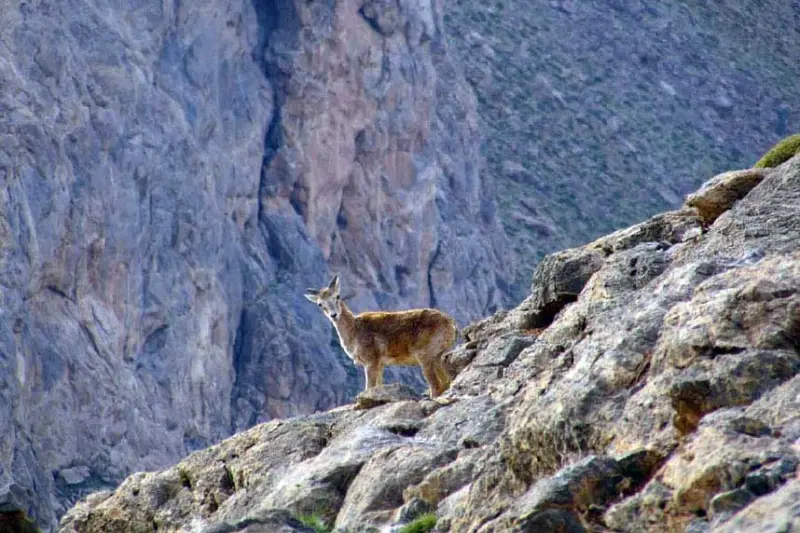
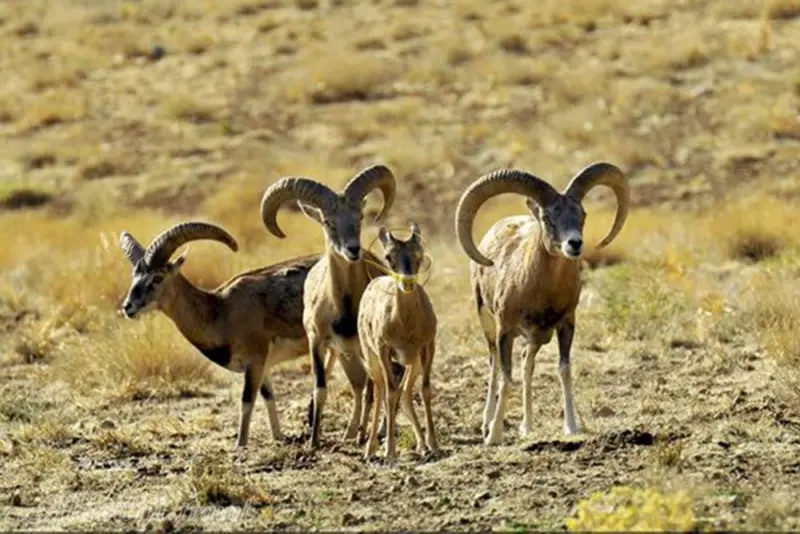
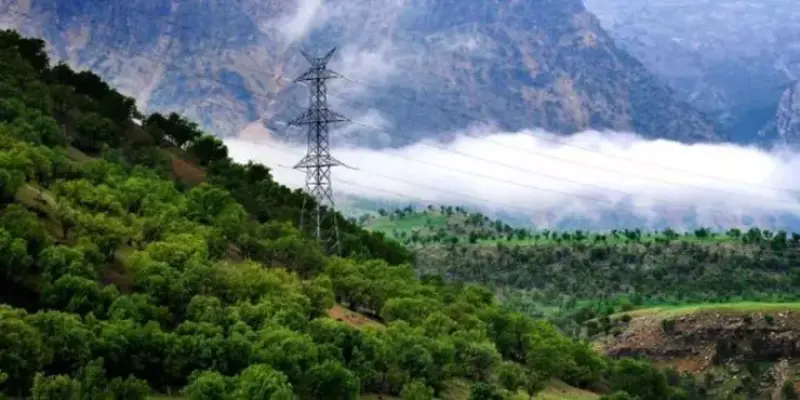
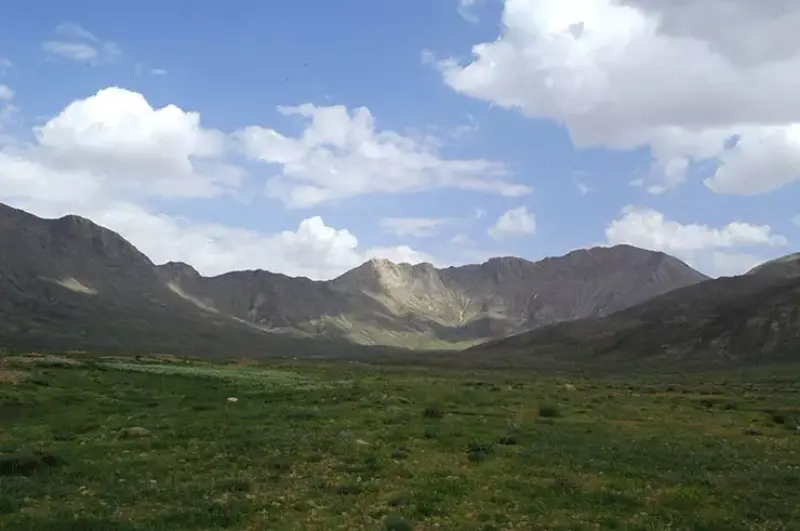
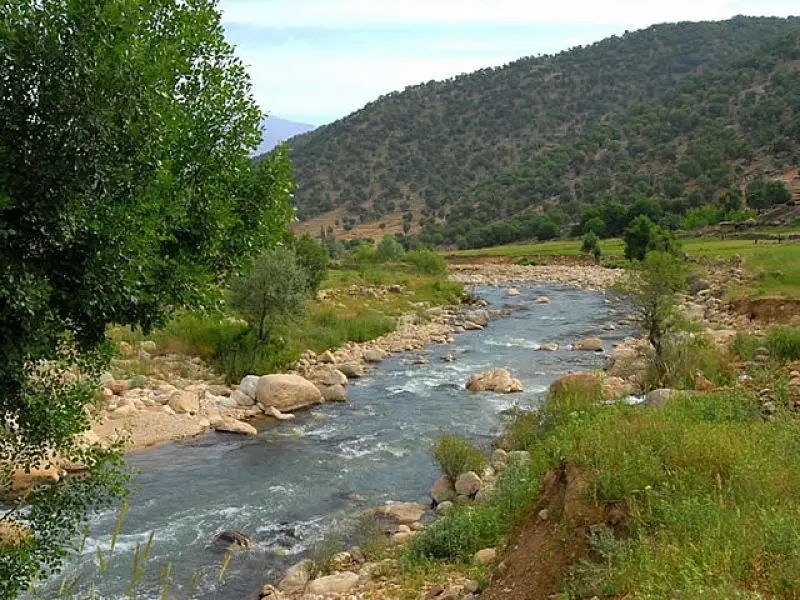
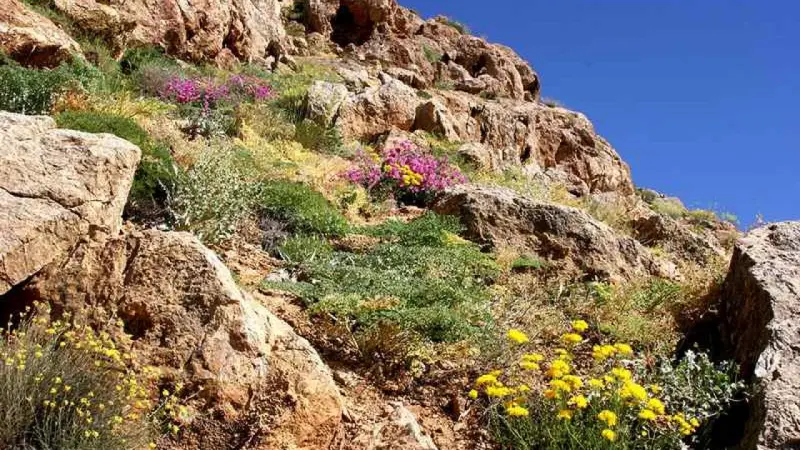
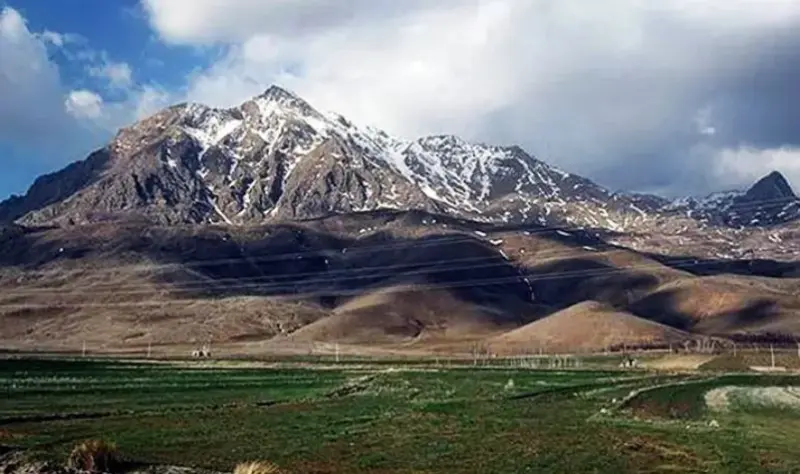
The Tang-e Sayad area is a high mountainous region in Chaharmahal and Bakhtiari Province. Jilon Peak, in the Farrokhshahr mountains, rises 3,141 metres above sea level and is the highest point in the area. With its many rolling hills, Tang-e Sayad provides a suitable habitat for wild sheep (mouflon and urial). The mountains in the south of the area have rugged, hard-to-cross cliffs that are home to a significant population of leopards, wild goats and ibex. Besides its wildlife and mild climate, beautiful valleys such as Pachaft and Bostan-e Shir are a refuge for travellers who want to spend a few hours in peace, away from the bustle of the city.
Tang-e Sayad includes both a protected area and a national park. In 1970 (1349 SH) the Supreme Council for Game Wardening and Supervision of Hunting and Fishing declared it a no-hunting and no-shooting area. In 1973 (1352 SH), with the approval of the Supreme Council of the Environment, it was declared a protected area. In this area, 20 plant types and 252 plant species belonging to 52 families have been identified, about 30 of them endemic to Iran, which shows the importance of this genetic reserve. The most characteristic plant species of Tang-e Sayad include milkvetch (gavan), kork and jaz. Mammals of the area include ibex and wild goat, wild sheep, leopard, fox and wild cat, and among the birds of Tang-e Sayad, the see-see partridge, golden eagle and chukar partridge can be mentioned.
There are no residential areas inside Tang-e Sayad, but there are towns and villages along its edges and surroundings. According to the Emberger and De Martonne climate classifications, the area lies in an arid and semi-arid climate zone, while according to the classification made by the University of Isfahan, it has a semi-humid, temperate climate with cold winters. The diversity of plant species, the varied and unique landscapes that result from the mountain ecosystem, active outdoor recreation, permanent springs, wildlife viewing, easy access to a paved road, and proximity to the capital of Chaharmahal and Bakhtiari Province and to Isfahan Province are all strengths of this area for tourism.
Written by زهرا لنگری Last updated
What you can do here, and what it takes
کفش پیادهروی به همراه داشته باشید.
به دلیل کوهستانی بودن این منطقه امکان کوهنوردی در آن وجود دارد.
به دلیل کوهستانی بودن و وجود درهها امکان صخرهنوردی در این منطقه وجود دارد.
Province Isfahan
Province Chaharmahal and Bakhtiari
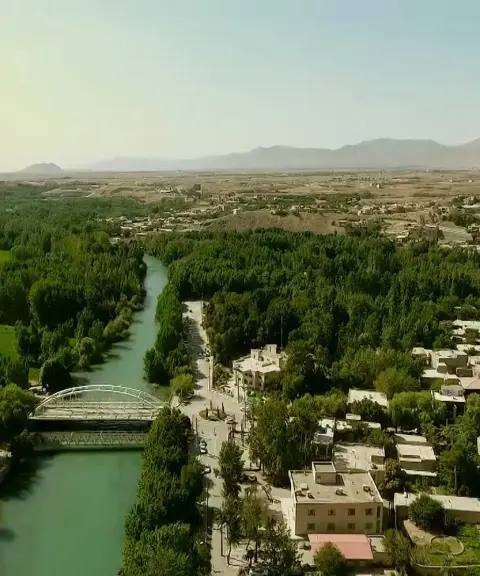
Province Isfahan
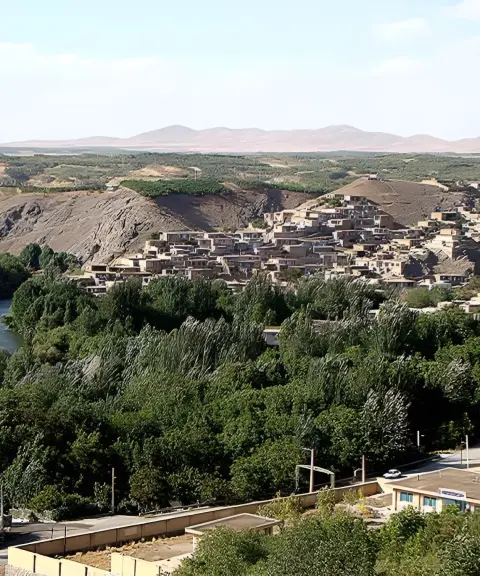
Province Chaharmahal and Bakhtiari
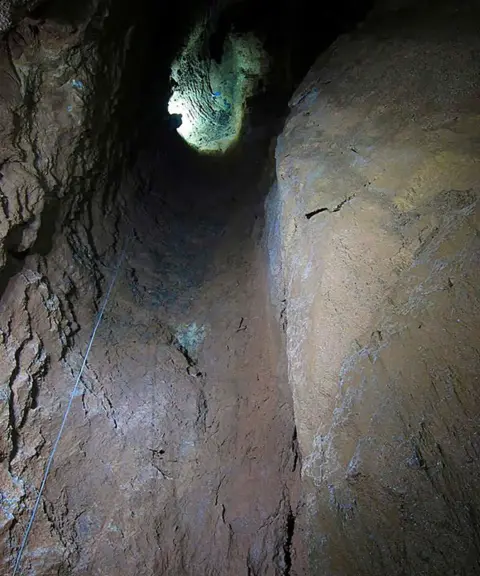
Province Chaharmahal and Bakhtiari
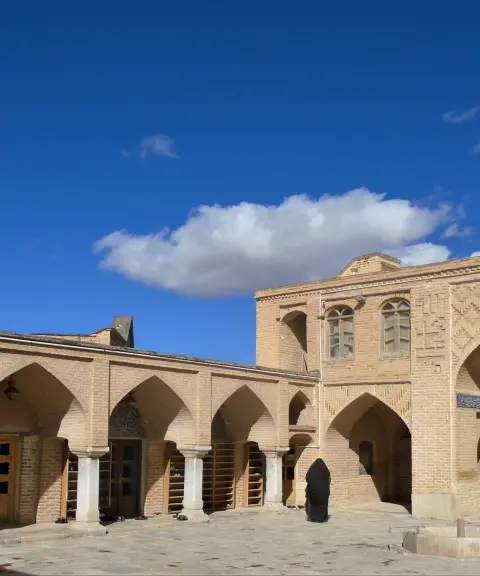
Province Chaharmahal and Bakhtiari
Province Chaharmahal and Bakhtiari



Unfortunately, no comments have been registered.