
 Attractions
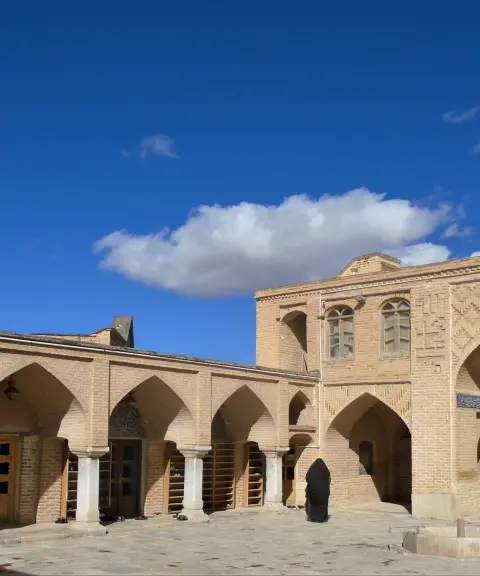
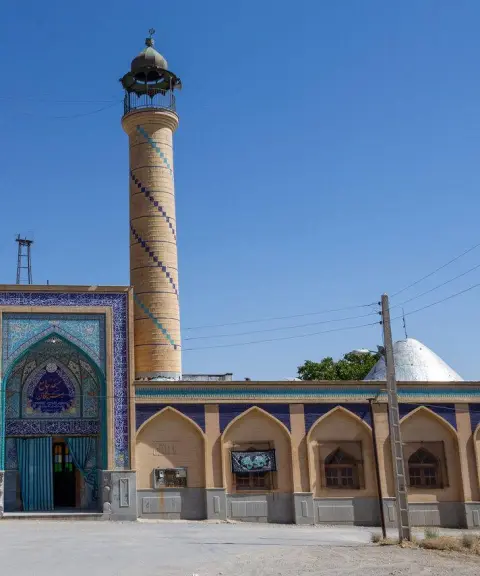
Jame Mosque of Chaleshtar
Province Chaharmahal and Bakhtiari
- Walking
A Qajar-era mosque in the city's historic quarter
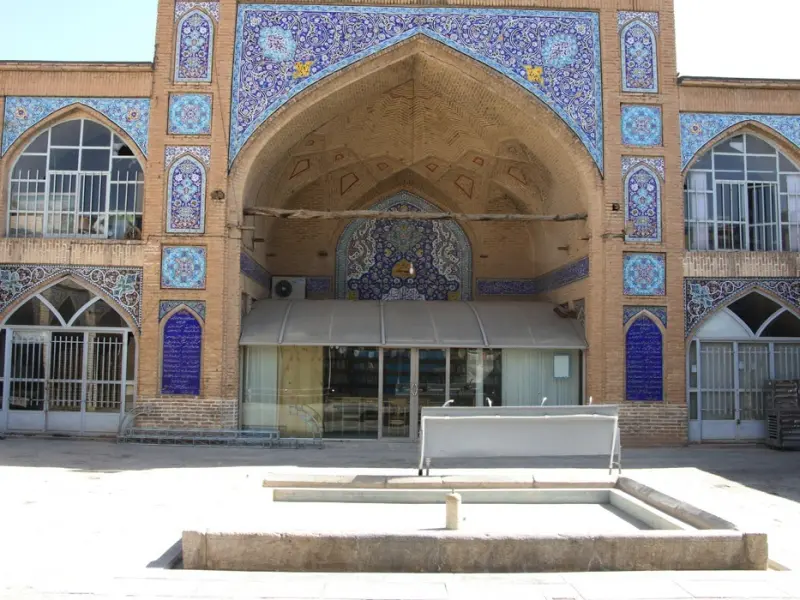
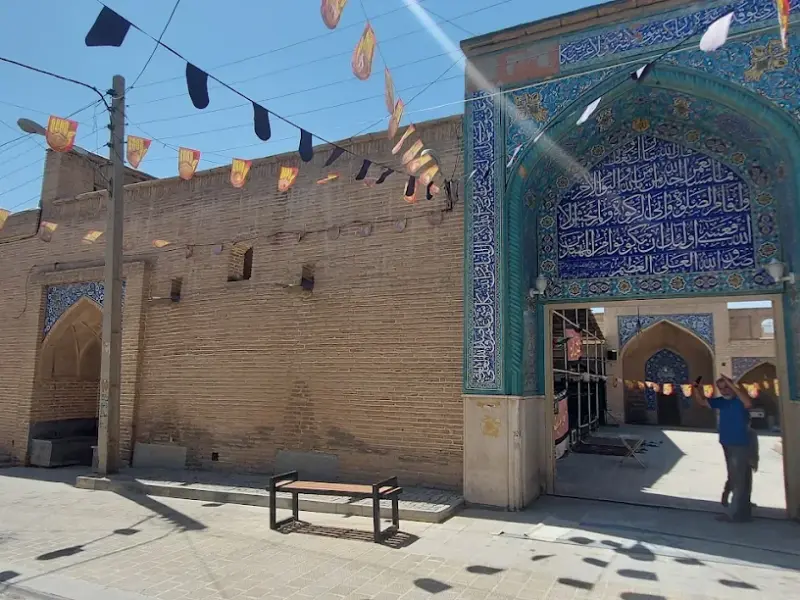
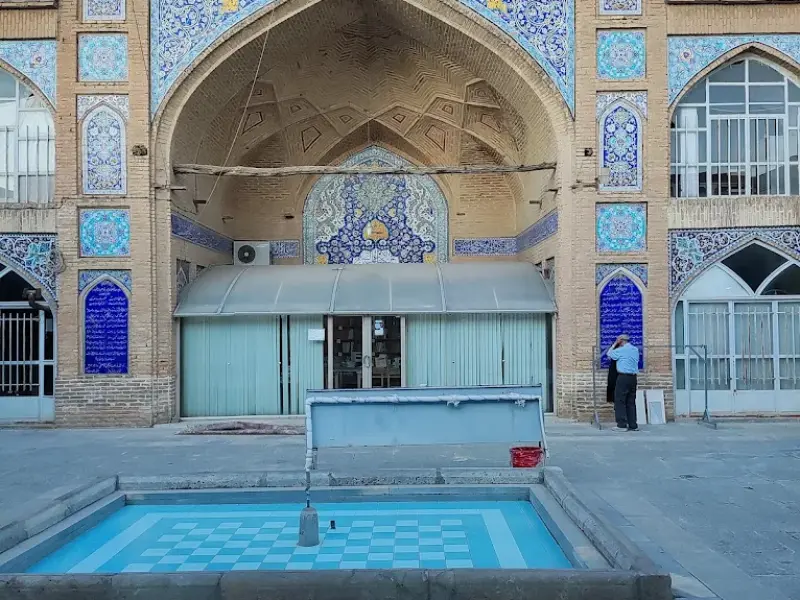
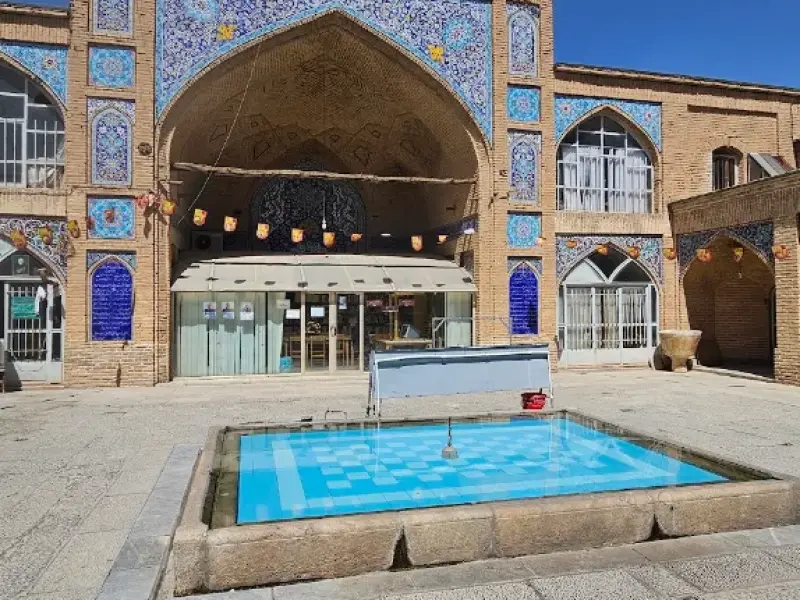
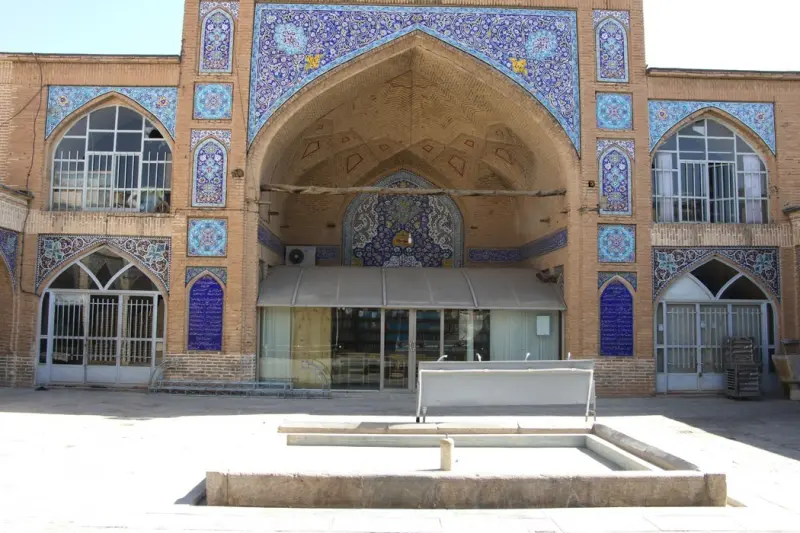
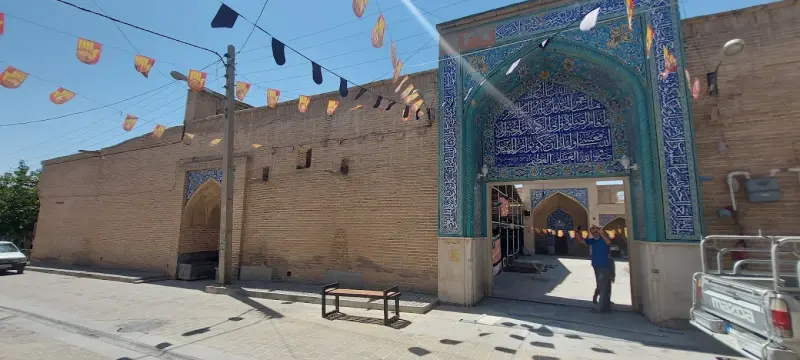
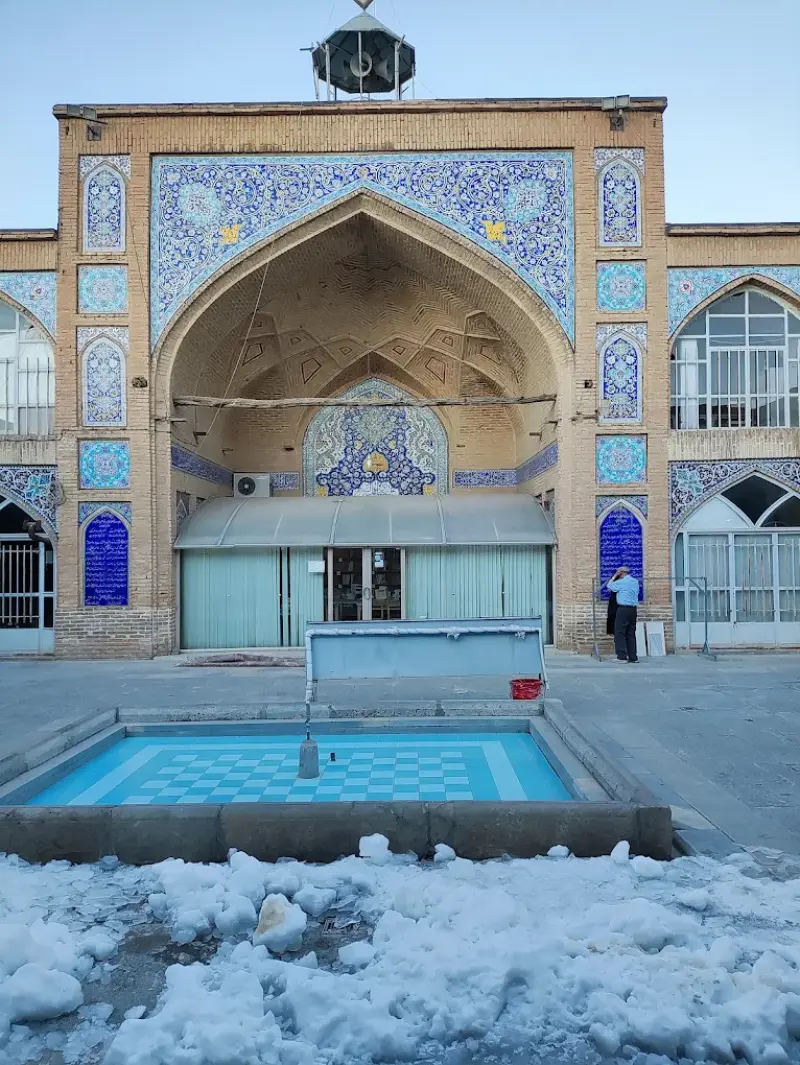
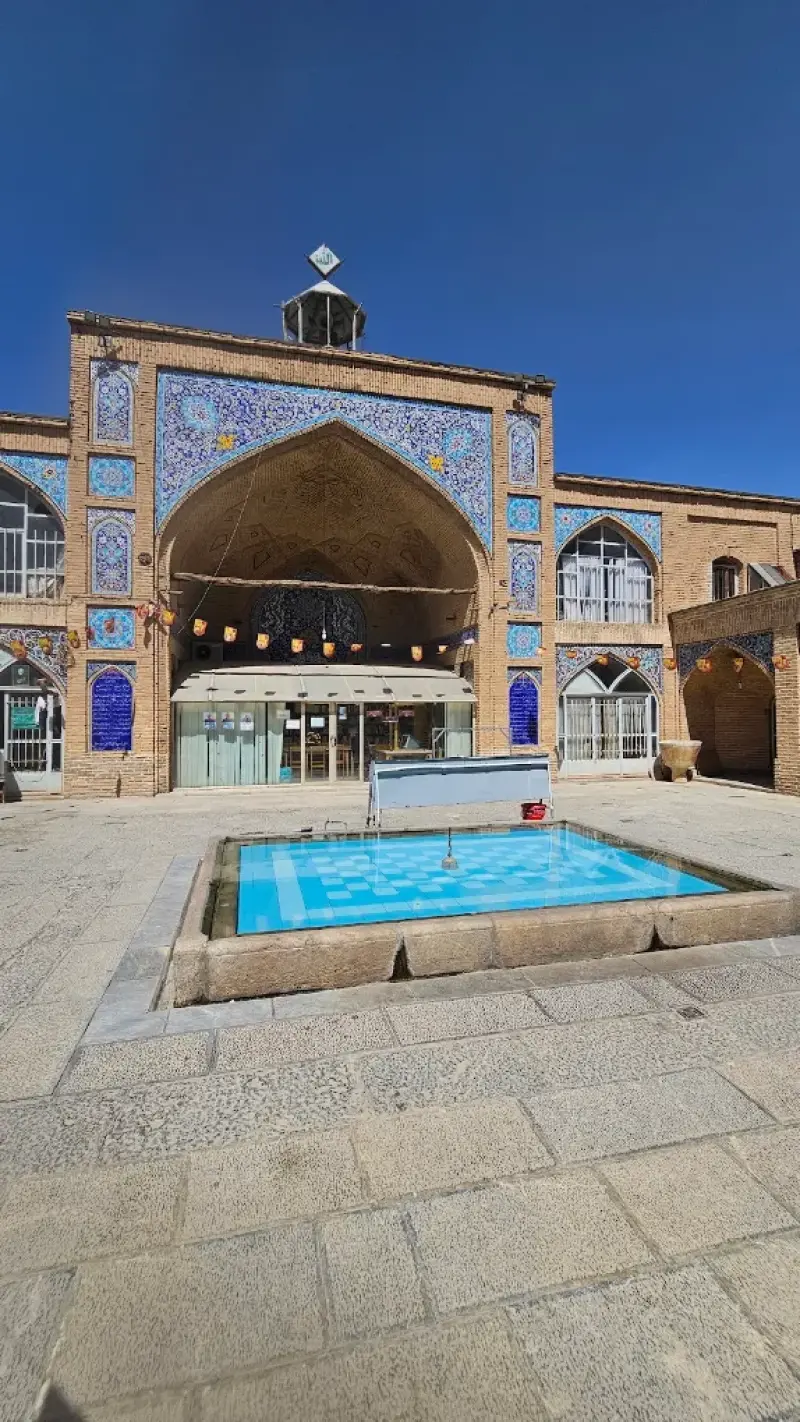
The Jame Mosque of Shahrekord, also known as the Khan Jame Mosque, is a historic Qajar-era building in Shahrekord, the capital of Chaharmahal and Bakhtiari Province. It stands on Mellat Street, in Moshref al-Molk Alley. The mosque was built in 1270 AH (lunar Hijri) on the orders of Haj Mohammad-Reza Khan Chaleshtari, then governor of Chaharmahal, and on 5 Dey 1356 it was added to Iran's National Heritage List under registration number 1543. Covering about 2,500 square meters, the mosque is one of Shahrekord's most prominent historic buildings. Its architecture, especially its four-iwan plan and its prayer halls, bears similarities to the Hakim Mosque in Isfahan.
The Jame Mosque of Shahrekord has a rectangular courtyard, surrounding porticoes, two prayer halls (one for winter and one for summer), and a range of architectural and decorative elements. The courtyard covers about 700 square meters, and a stone pool built in 1335 sits in its northern part. The winter prayer hall is on the western side, below the level of the courtyard, and has eight stone columns, pointed arches, small domes and round skylights. The summer prayer hall lies on the southern side, in line with the main iwan, and its mihrab is decorated with seven-color tiles and a turquoise border. Other artistic and architectural features of the building include seven-color tilework, lapis-blue and turquoise tiles, arabesque motifs, brickwork, geometric girih patterns, wooden doors and a carved wooden minbar. Parts of the tilework also display Quranic verses and poetry by Mohtasham Kashani.
To visit the Jame Mosque of Shahrekord, head to Mellat Street and Moshref al-Molk Alley in the city's historic quarter. It can be reached by private car or by public city transport. Because Shahrekord has cold winters, the first six months of the year, especially spring and summer, are the better time to travel and visit this historic building. When visiting, dress modestly and respect the religious setting, and avoid touching or damaging the tilework, inscriptions and other historic elements. If worshippers are present, please keep quiet and respect the privacy of the prayer space.
Written by زهرا لنگری Last updated
What you can do here, and what it takes
خیابان ملت و بافت تاریخی اطراف مسجد برای پیادهروی و گشتوگذار شهری پس از بازدید از بنا مناسب است.
Province Chaharmahal and Bakhtiari
Province Chaharmahal and Bakhtiari
Province Chaharmahal and Bakhtiari
Province Chaharmahal and Bakhtiari
Province Chaharmahal and Bakhtiari
Province Chaharmahal and Bakhtiari
Province Chaharmahal and Bakhtiari



Unfortunately, no comments have been registered.