
 Attractions
Hamgin Village
An ancient village on the slopes of the Zagros
- Attractions
- Isfahan, Dehaqan
- Altitude 2,240 m
- Ability level Beginner
Ability level:
Beginner
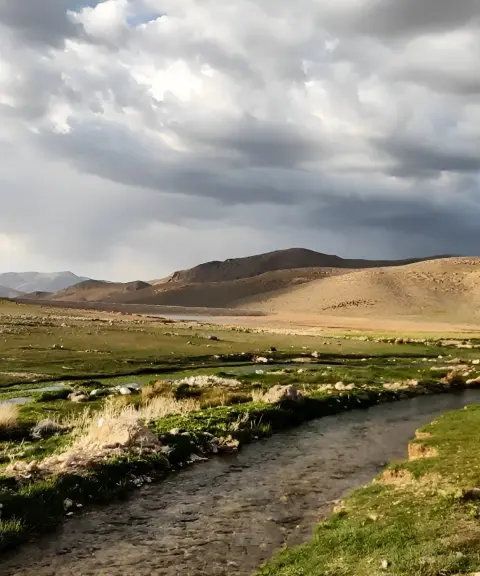
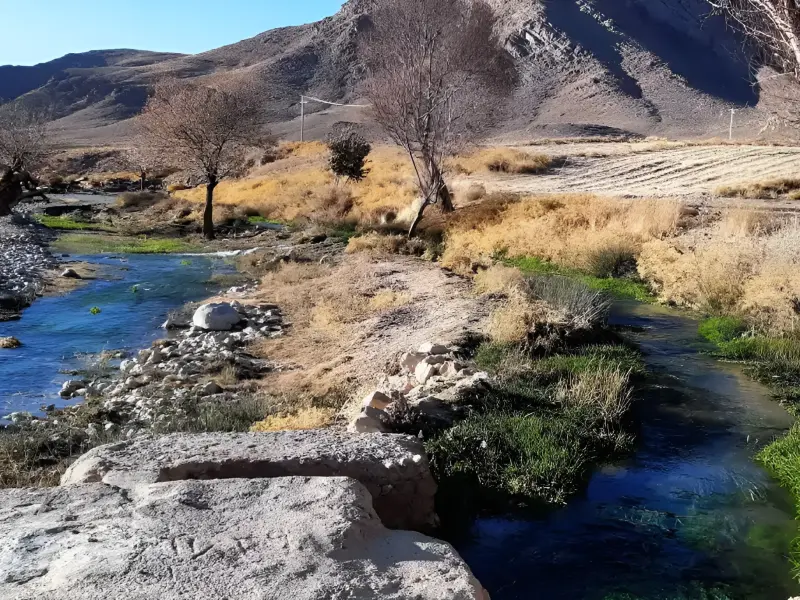
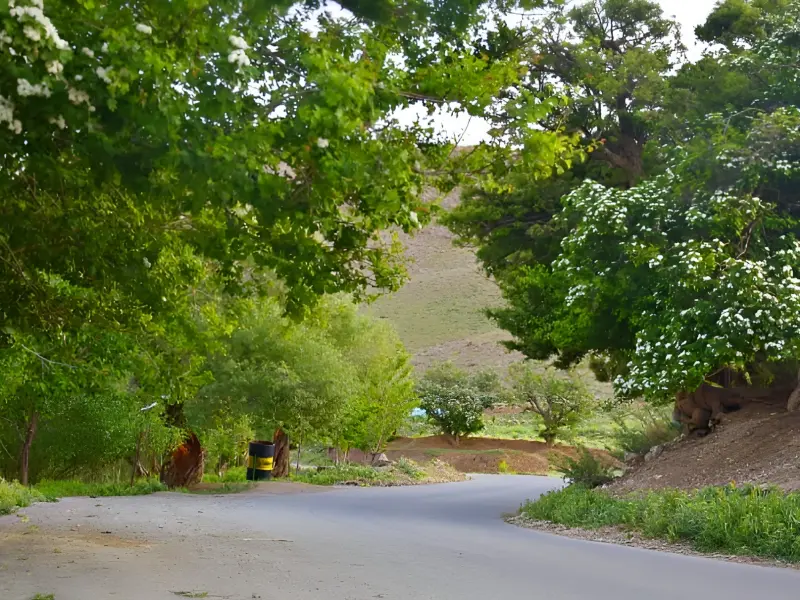
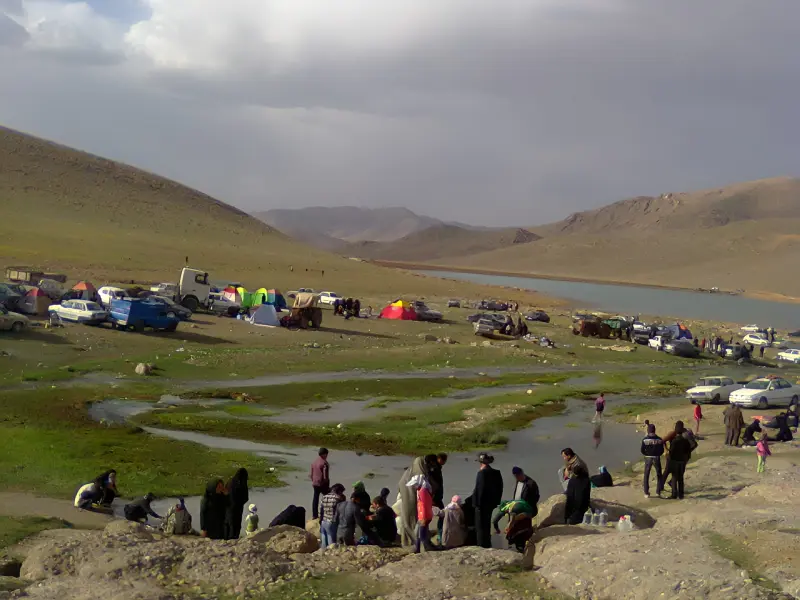
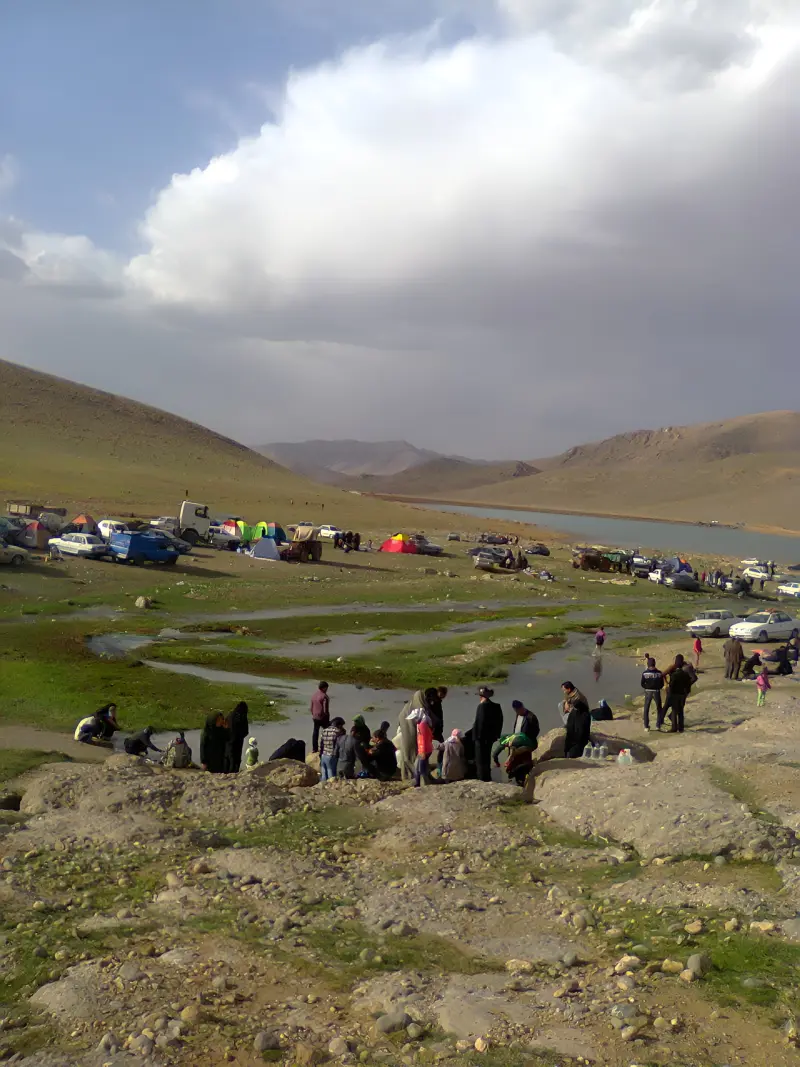
Hamgin is an ancient village in the Central District of Dehaghan County in Isfahan Province, and the capital of Hamgin Rural District. It lies on the road from Dehaghan to Borujen. The village is about 15 to 18 kilometres from the town of Dehaghan, about 35 kilometres west of Shahreza and about 120 kilometres from the city of Isfahan, on the slopes of the Zagros Mountains. Hamgin is considered one of the oldest settlements in the region, and some sources put its age at more than 2,500 to 2,700 years. Its mountain setting, together with numerous springs, fruit orchards, green fields and natural scenery, makes for a pleasant place with a fine climate for visitors. Apple and apricot orchards and fields of wheat, barley, pinto beans and corn are among the natural and economic features of the area, and most villagers work in farming and animal husbandry. Hamgin also has its own cultural character, shaped by a blend of several ethnic groups and peoples.
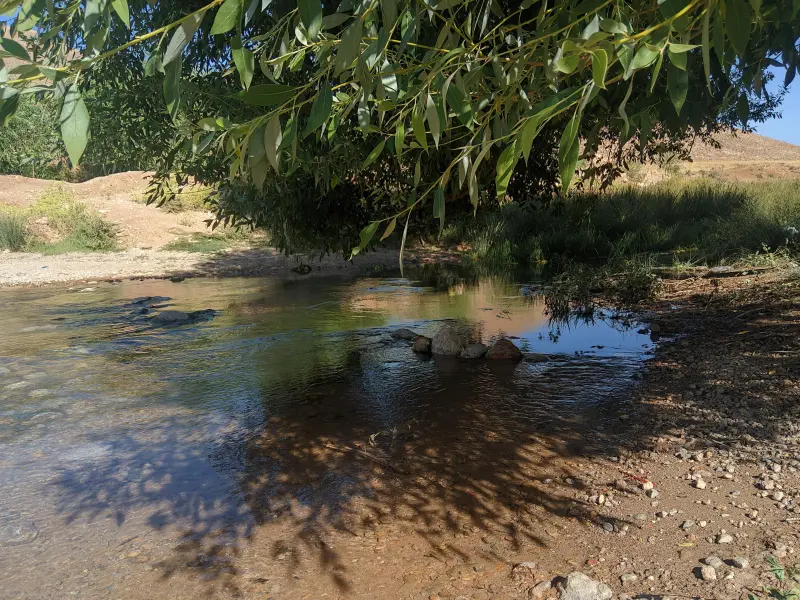
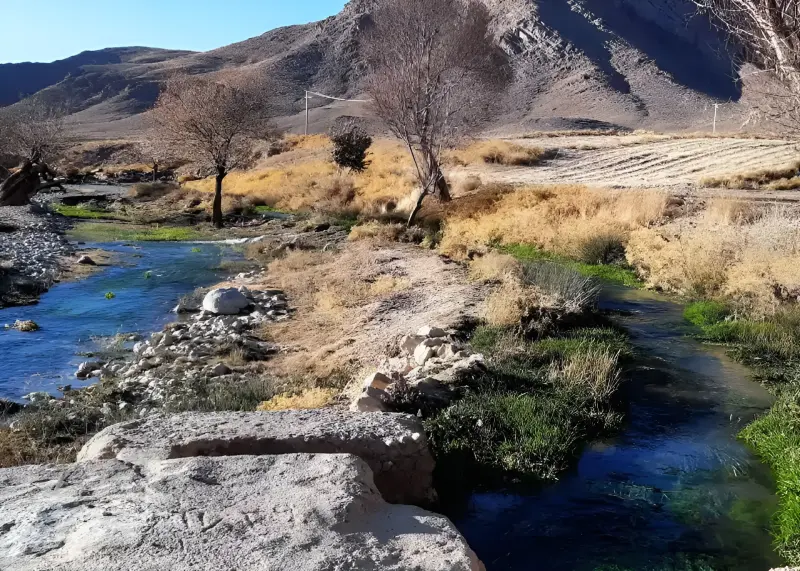
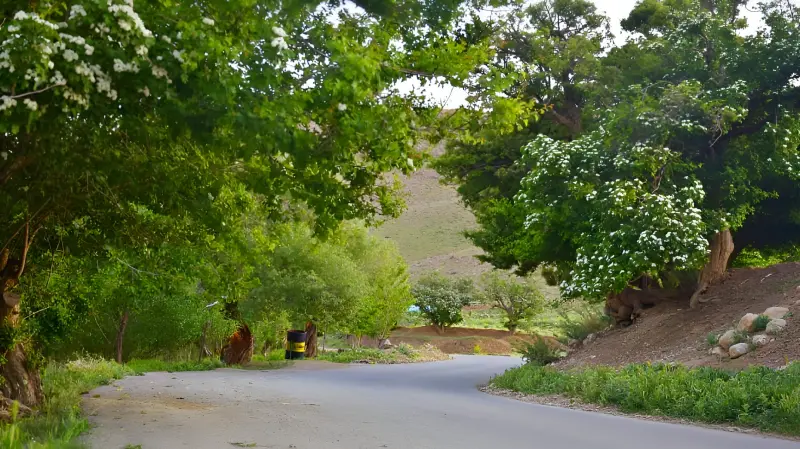
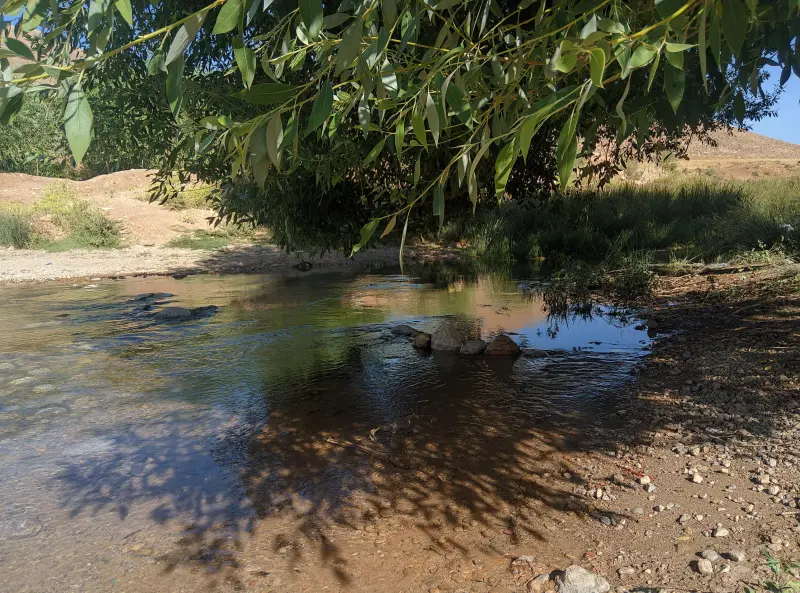
Hamgin's mountain scenery and springs, along with its historical monuments, have made the village one of the tourist destinations of the region. Cheshmeh Ali, Cheshmeh Heydar, Cheshmeh Mardang, Cheshmeh Hamzar Baravadeh and Cheshmeh Igdar are among the well-known springs in and around the village. Cheshmeh Ali, about five kilometres south of the village, sits among the mountains beside large old trees. The area around this spring has been prepared for travellers to camp and rest, and it has sanitary facilities. The Hamgin Wetland is another natural attraction of the area, with willow and elm trees and natural springs around it. Alongside the natural attractions, the historical sites of the village include the Gabri Dam, described as an earthen dam on the Shur River dating from the Sasanian period, the Gabri houses, pigeon towers, the Lower Water Mill (Asiab-e Abi-ye Paein), the Khan's House and a Pahlavi-era pavilion. Hamgin's handicrafts include Yalmeh carpets, kilim weaving, giveh (traditional woven shoe) making, cloth weaving and lock making. Local dishes such as dengu, koofteh, gandi, wheat pilaf, kabab-e abi, mogholi, various kinds of ash (thick soup), nan-e jush, shir barg, kachi shir and sesame halva are also part of the village's local culture.
Hamgin can be reached via Dehaghan and the Dehaghan–Borujen road, and local paths lead to the attractions around the village. Spring and early summer are the best times to visit Hamgin: the mountain air is cool and pleasant, and the nature and springs of the area are at their best. Ordibehesht (the Persian month roughly covering late April to May) is also one of the most beautiful times to see the village's scenery, as the apple and apricot orchards are in blossom. When visiting the springs, wetland, orchards and natural areas, avoid damaging vegetation, polluting water sources or leaving litter, and respect the boundaries of the villagers' orchards and farmland. Keeping the environment peaceful and respecting local beliefs and customs are also part of responsible tourism in Hamgin.
Written by زهرا لنگری Last updated
Activities
What you can do here, and what it takes
-
Walking
مسیرهای اطراف چشمه علی، چشمه حیدر و چمنزارهای پیرامون روستا برای پیادهروی و گشتوگذار در طبیعت مناسب هستند.
Specifications
Introduction of the location and specifications of Hamgin Village
Location:
Isfahan, Dehaqan
Coordinates:
31.91025099, 51.46764309
Open in maps
Height above mean sea:
2240 meter
Faunas:
Presence of Predatory Animals, Presence of Allergenic Insects, Presence of Herbivorous Animals
Transports:
Private car, Minibus, Bus
Tourist Attractions in Dehaqan
Attractions that are nearby

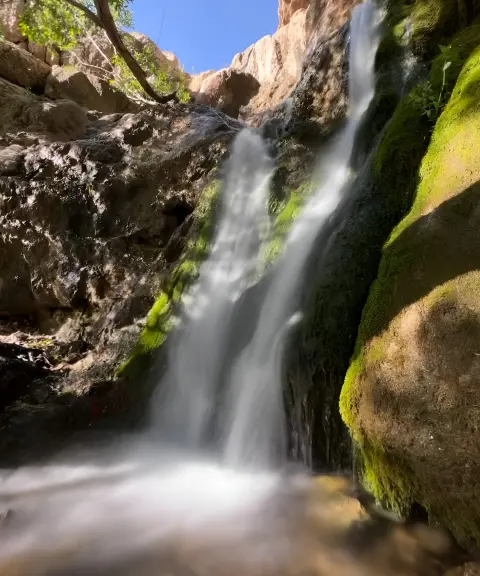

Darreh Shah Waterfall
Province Isfahan
- Walking
Pristine nature, crystal-clear springs and a lush valley in the Zagros foothills
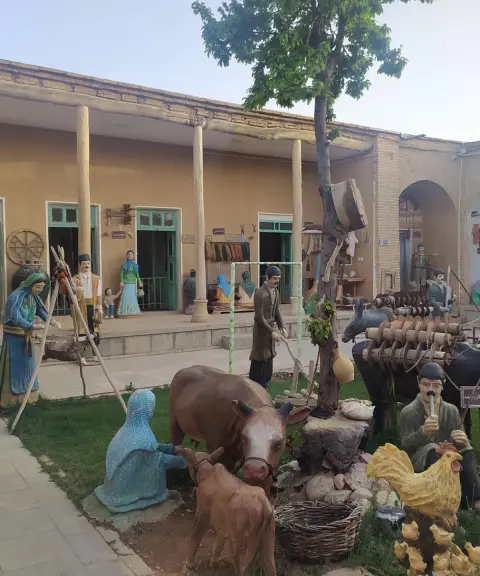
Borujen Anthropology Museum
Province Chaharmahal and Bakhtiari
- Walking
A living account of the culture and way of life of past generations

Historical Mosalla Bridge
Province Chaharmahal and Bakhtiari
- Walking
A Qajar-era landmark in the heart of Borujen
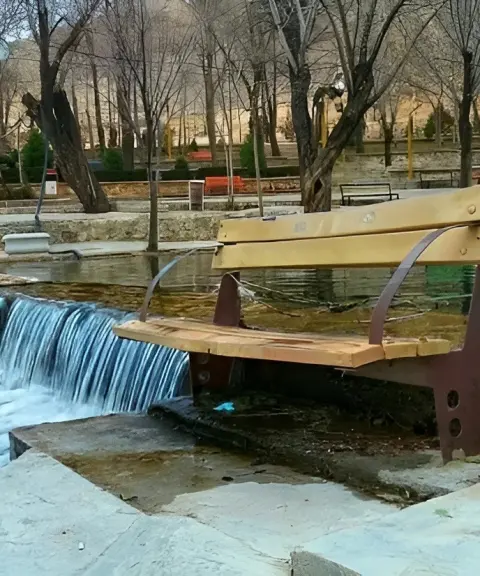
Siyasard Recreation Area and Spring
Province Chaharmahal and Bakhtiari
- Walking
- Cycling
- Skiing
- Mountaineering
A lush retreat near Borujen
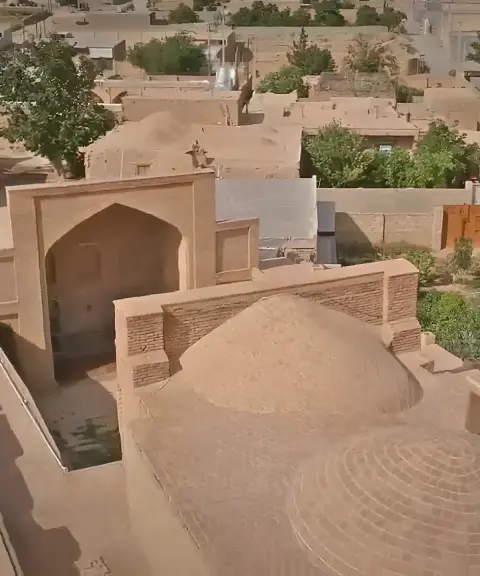
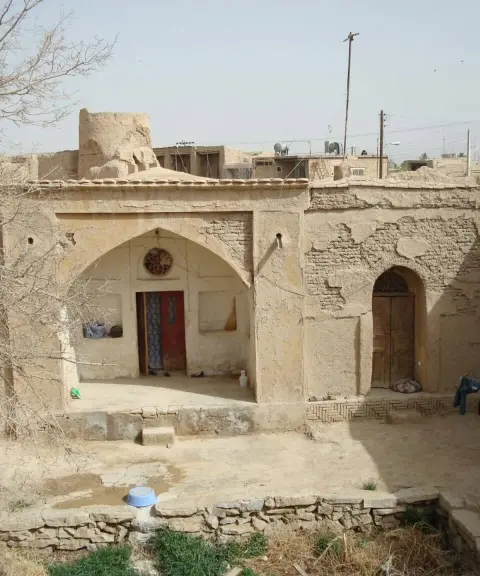
Qambavan Village
Province Isfahan
- Walking
- Mountaineering
An ancient village in Dehaqan with towers, qanats and historic buildings
Related tags:
Unfortunately, no comments have been registered.