
 Attractions
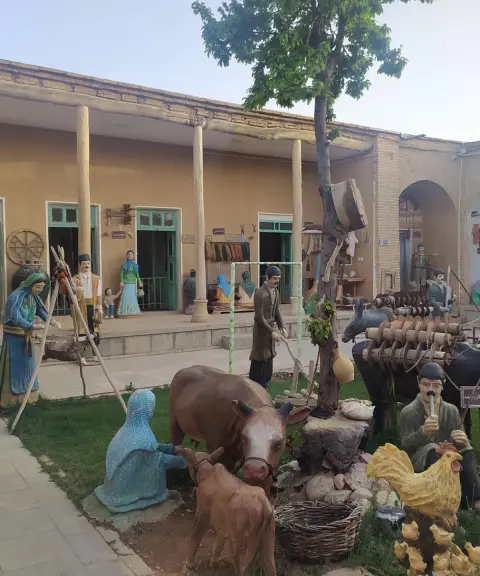
Borujen Anthropology Museum
Province Chaharmahal and Bakhtiari
- Walking
A Qajar-era landmark in the heart of Borujen
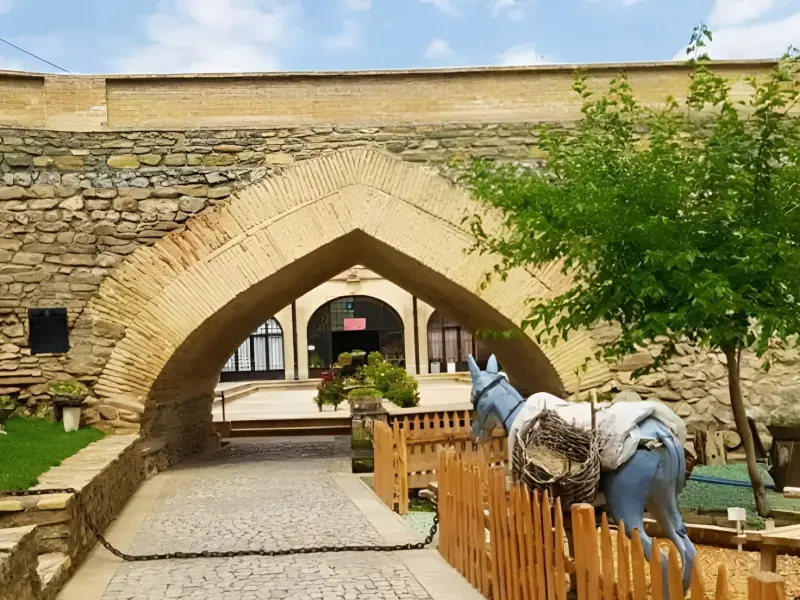
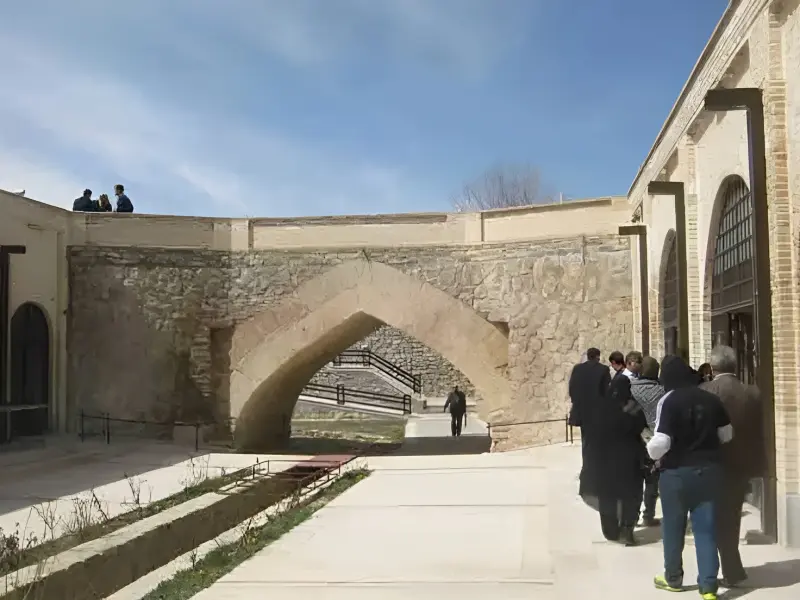
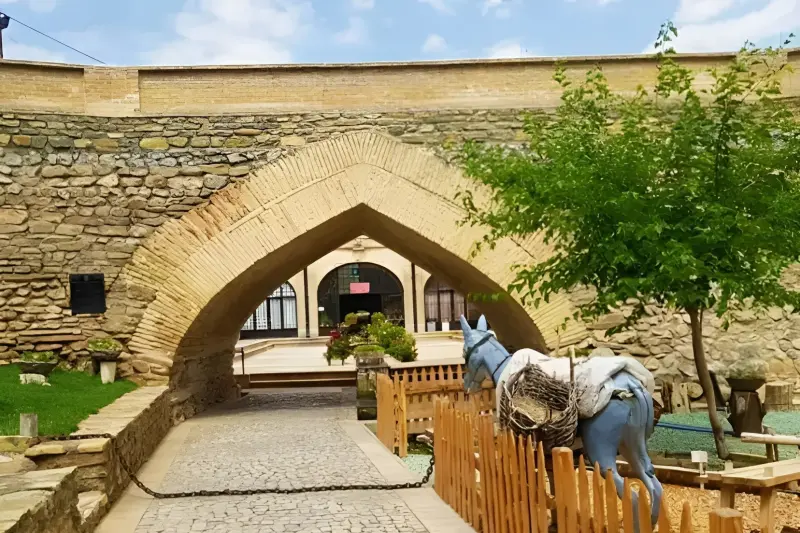
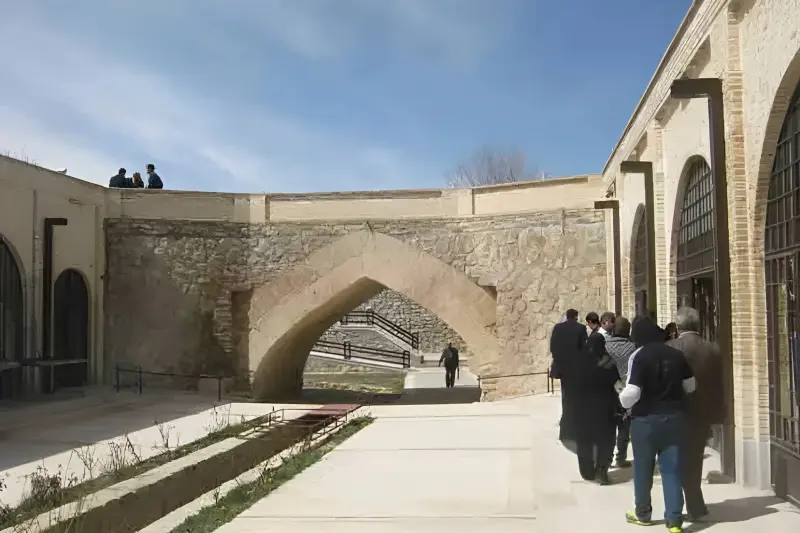
The historical Mosalla Bridge stands on Sahel Boulevard in the city of Borujen, in Chaharmahal and Bakhtiari Province, and is one of the city's most prominent historical monuments. A relic of the Qajar period, the bridge was built in 1319 AH (lunar Hijri) and was added to Iran's National Heritage list in 1380 SH (solar Hijri) under registration number 4205. Thanks to its striking architecture and the solidity of its construction, locals call it the "Bride of Borujen's Bridges." The use of sarooj mortar in its construction is one of the monument's notable features. An inscription on the bridge wall also gives information about when it was built, who built it and the master craftsmen involved, clearly showing that the structure is more than a hundred years old.
In the past, the historical Mosalla Bridge was the only bridge in Borujen that could carry vehicles, and it was built using the khofteh-rasteh (stretcher-and-header) brickwork technique. The structure was so sturdy that it survived the flood of 1330 SH undamaged, while a bathhouse and two windmills nearby were destroyed by the floodwaters. After the bridge was added to the National Heritage list, the surrounding area was tidied up and landscaped, and a handicrafts bazaar took shape next to it; for this reason, locals also call it the "Handicrafts Bridge." Visiting the bridge itself and admiring the details of its brick architecture, along with strolling through the handicrafts bazaar, are the main attractions of this area for tourists.
Because the Mosalla Bridge lies within Borujen's urban fabric, it is easy to reach: you can drive to the Sahel Boulevard area and then explore the surroundings of the bridge and the bazaar. Given Borujen's climate, the first half of the year, especially spring and early summer, is the best time to visit and walk around the bridge; even so, the monument can be visited in other seasons as well. When visiting, please avoid damaging the bricks and historical parts of the bridge, writing on the structure, or leaving litter in the area, so that this valuable Qajar-era relic is preserved for years to come.
Written by زهرا لنگری Last updated
What you can do here, and what it takes
در محوطه اطراف پل و بلوار ساحلی میتوانید قدم بزنید.
Province Chaharmahal and Bakhtiari
Province Chaharmahal and Bakhtiari
Province Chaharmahal and Bakhtiari
Province Chaharmahal and Bakhtiari
Province Chaharmahal and Bakhtiari
Province Chaharmahal and Bakhtiari


Unfortunately, no comments have been registered.