
 Attractions
- Ability level Beginner
Ability level:
Beginner
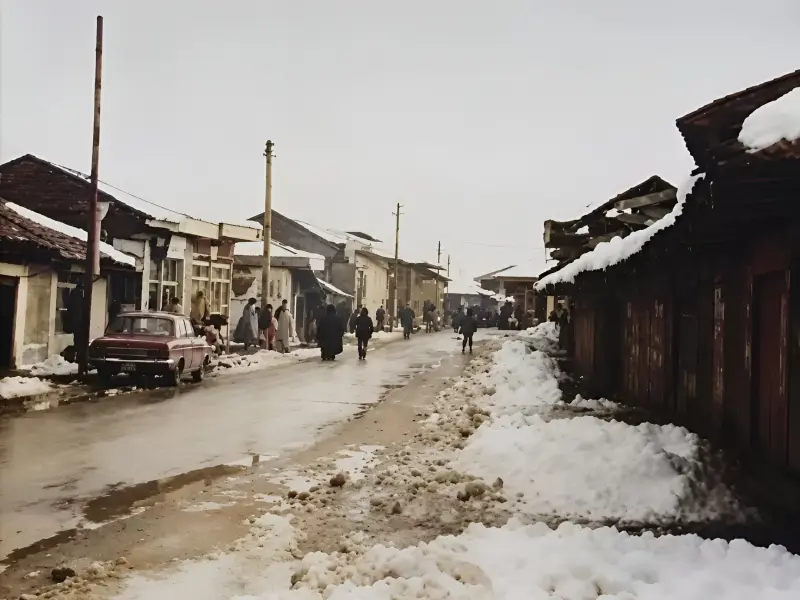
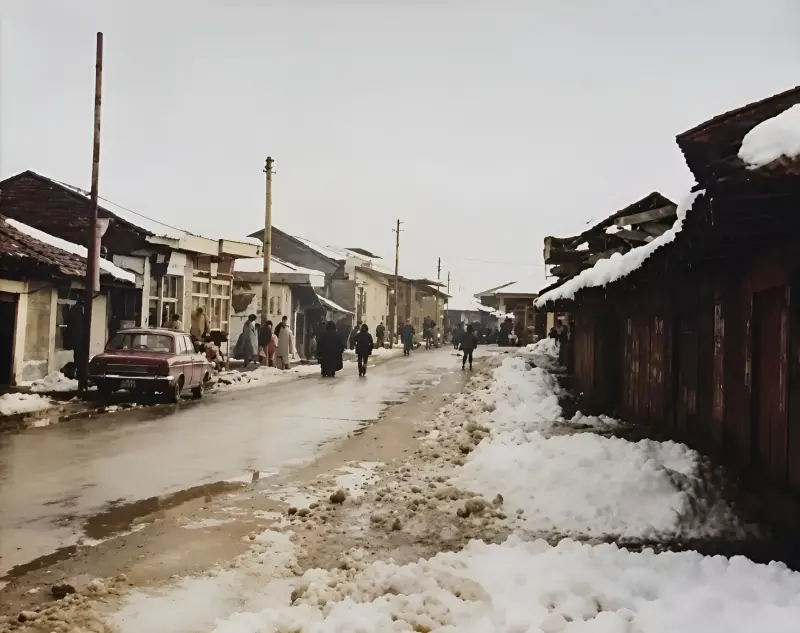
Kasma is a village in the Central District of Sowme'eh Sara County in Gilan Province. It lies on a plain about 3 kilometres from the town of Sowme'eh Sara. Located in Kasma Rural District, the village holds a notable place in the region's history and culture, and its name appears in the historical sources of Gilan. In the past, Kasma was one of the important and prosperous settlements of the region, and it enjoyed great fame and prestige in the 9th and 10th centuries AH. According to the 2006 census (1385 SH), the village had a population of 1,785 people in 499 households. According to some sources, the name Kasma derives from the word "Kas", which refers to the peoples who lived along the shores of the Caspian Sea.
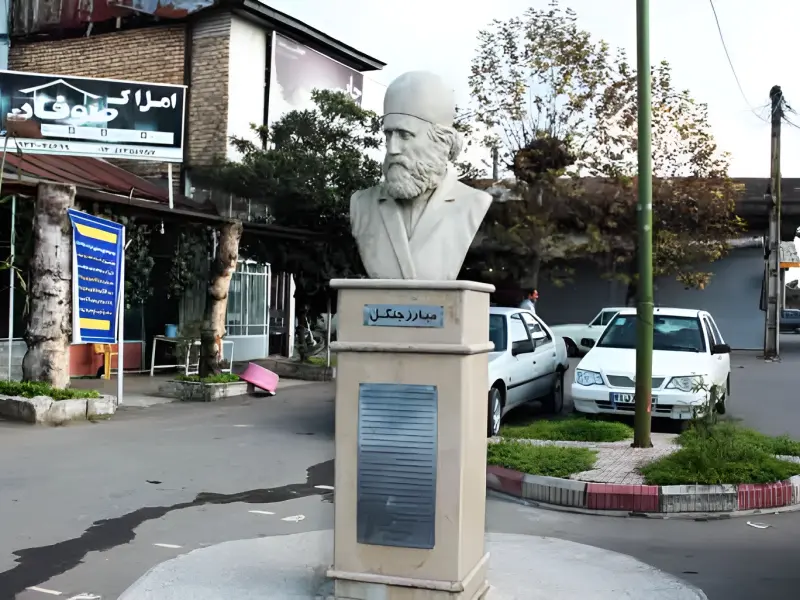
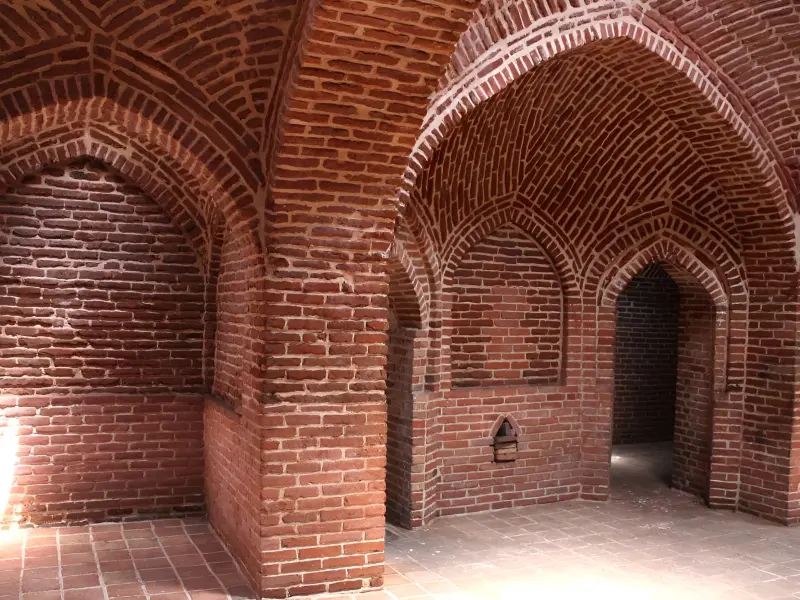
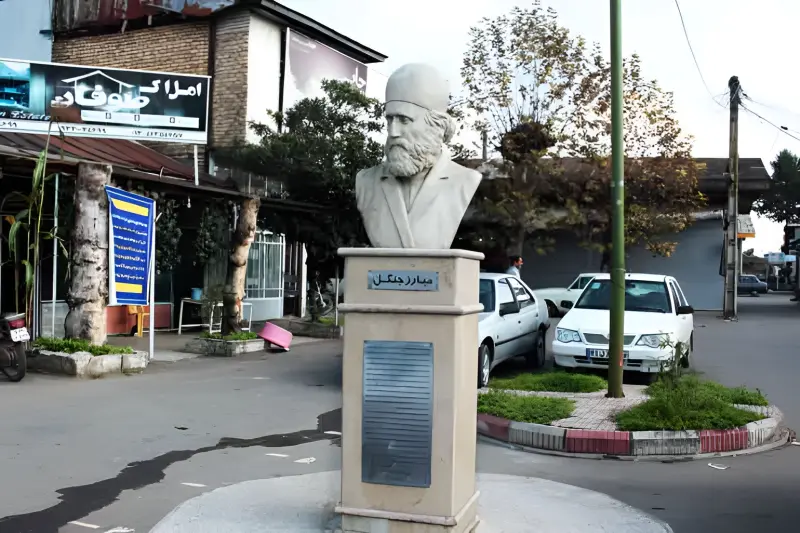
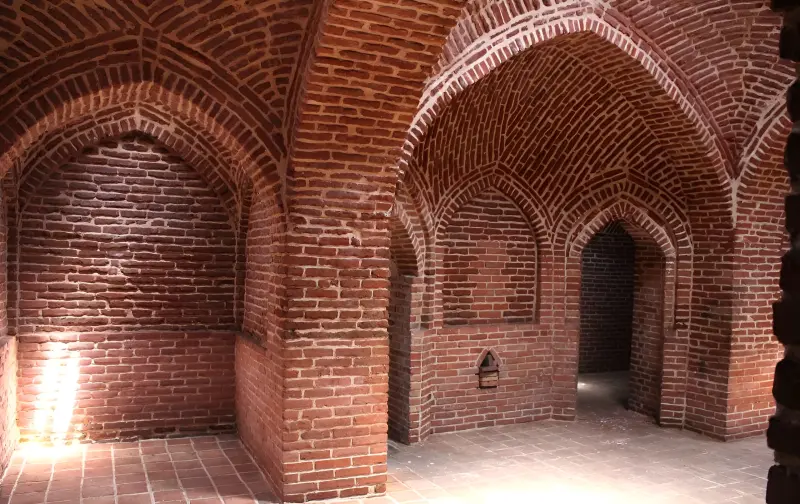
Kasma's importance is not limited to its history: its lush greenery, old trees and natural landscapes are also part of the village's appeal. Kasma played an important role in the Jungle Movement (Nehzat-e Jangal) and the activities of Mirza Kuchak Khan Jangali, and it was one of the early centres of the Jangalis' administrative and military activities. Part of their organisation was based in the village, and the Jangal newspaper was published in Kasma using lithographic printing. Among the village's most important historical sights are the historic Kasma Bath, the historic Kasma Bridge and the bust of Ebrahim Kasmaei, known as Kebrit Khan. The Kasma Bath dates from the Qajar period and has sections such as the entrance vestibule (sarbineh), the corridor (miyan-dar), the main hall, the central pool (khazineh) and washing areas; its roof once had 9 domes. The building was registered on Iran's National Heritage list in 2003 (1382 SH) under number 9941. The Kasma Wednesday Market is another of the village's cultural attractions, where food and farm products, fruit and vegetables, livestock products, clothing and everyday goods are sold.
To reach Kasma, first travel to Sowme'eh Sara County in Gilan Province, then drive about 3 kilometres north from Sowme'eh Sara to reach the village. Given the region's humid climate and lush nature, spring and autumn are good times to visit Kasma, combining a stroll through the village with the surrounding scenery; on rainy days in autumn and winter, however, you should also take road conditions into account. When visiting the historic buildings, the local market and the village's natural surroundings, please avoid damaging historic structures, tampering with the surviving parts of the buildings, leaving litter or harming vegetation. If you want to visit farmland or private spaces, arrange it with local residents, so that tourism in Kasma respects the village's historical heritage, its nature and the lives of its people.
Written by زهرا لنگری Last updated
Activities
What you can do here, and what it takes
-
Walking
کوچهها و مسیرهای روستایی کسما و محدودههای سرسبز اطراف آن برای پیادهروی تفریحی و گشتوگذار مناسب هستند.
Specifications
Introduction of the location and specifications of Kasma Village
Location:
Gilan, Somaesara
Coordinates:
37.32812664, 49.30149106
Open in maps
Faunas:
Presence of Predatory Animals, Presence of Allergenic Insects, Presence of Herbivorous Animals
Transports:
Private car, Minibus, Bus
Tourist Attractions in Somaesara
Attractions that are nearby

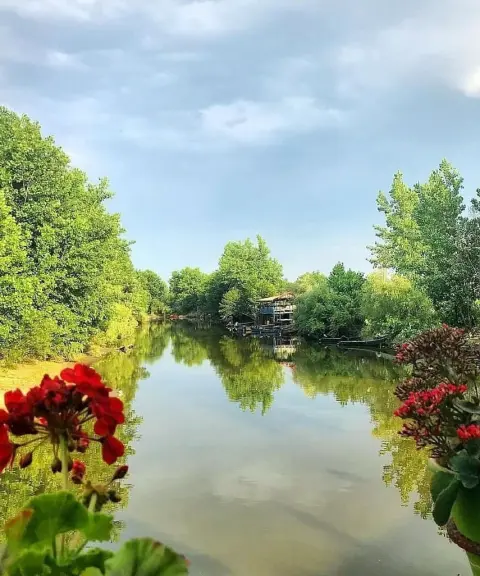
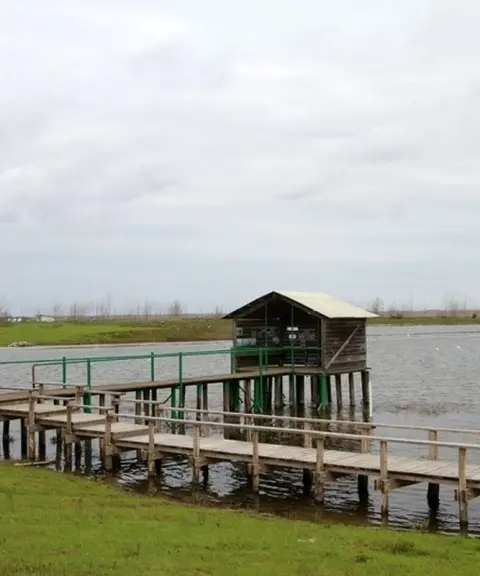
Siah Darvishan Wetland
Province Gilan
- Walking
- Rowing
- Fishing
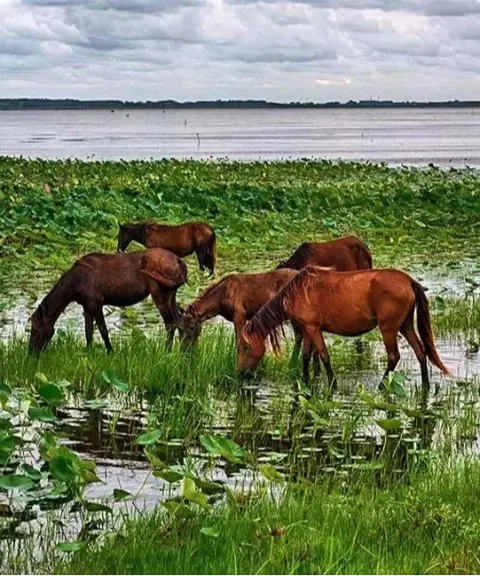
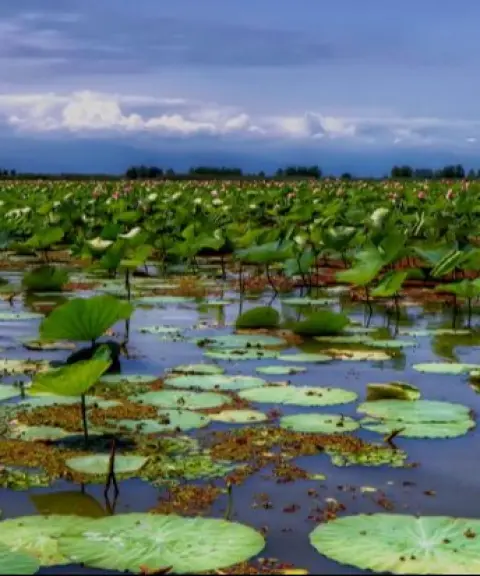
A natural gem of Sowme'eh Sara in the heart of Gilan
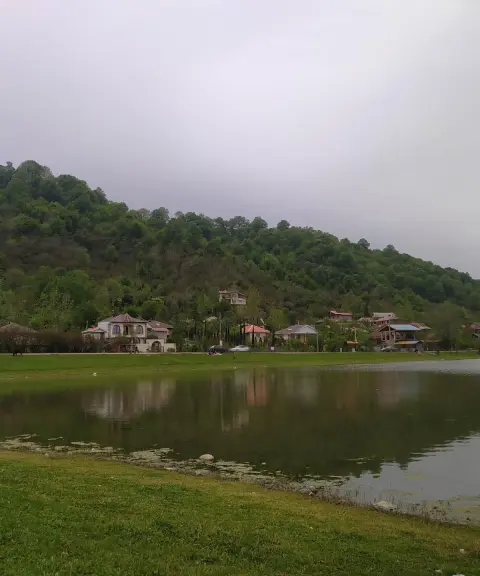

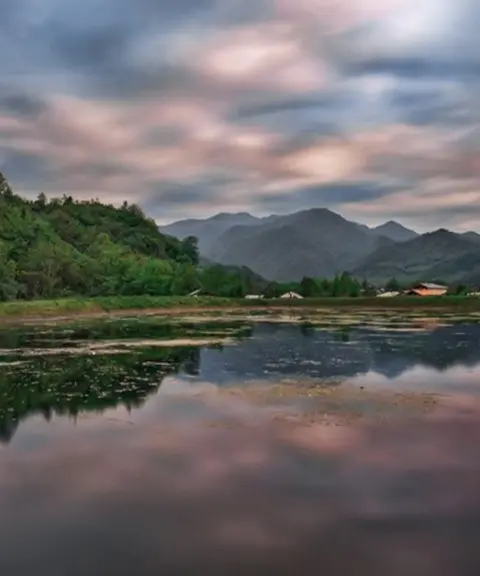
Sehsar Twin Lakes
Province Gilan
- Walking
- Fishing
- Rowing
- Swimming
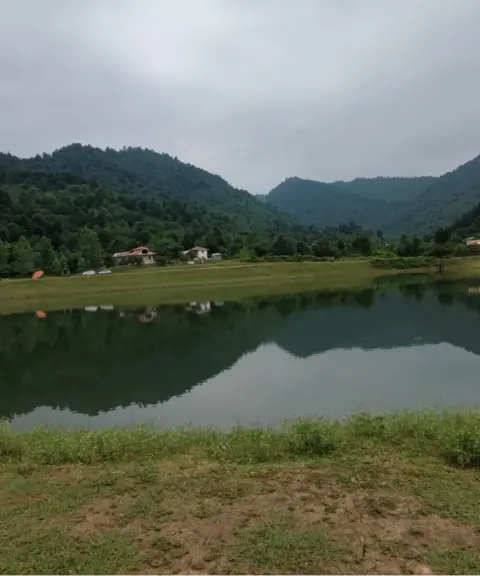
A tranquil jewel in the lush highlands of Sehsar

Related tags:
Unfortunately, no comments have been registered.