
 Attractions
Surt Garapet Church
Province Khuzestan
- Walking
A masterpiece of Indian subcontinent architecture in southern Iran
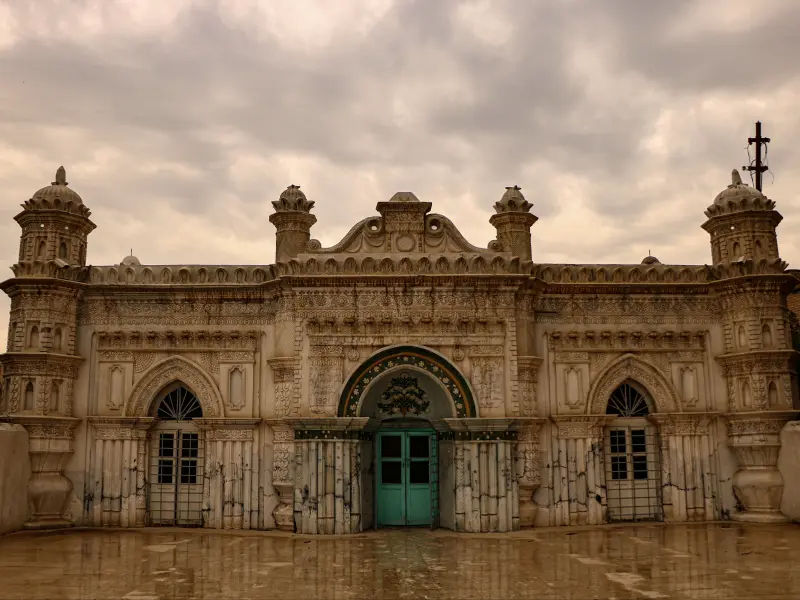
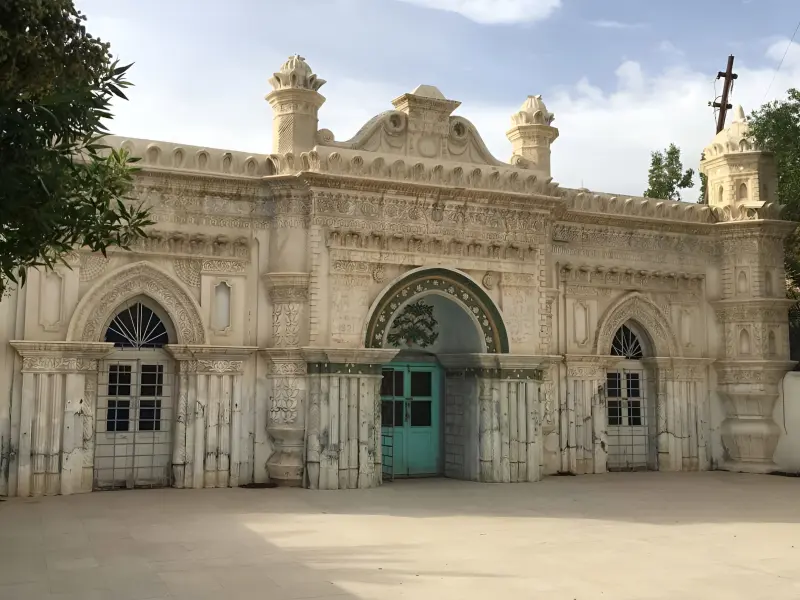
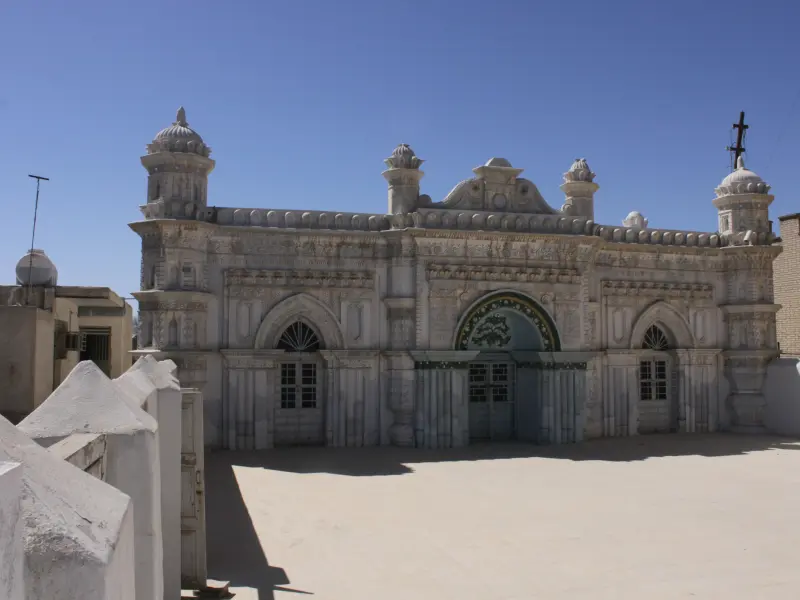
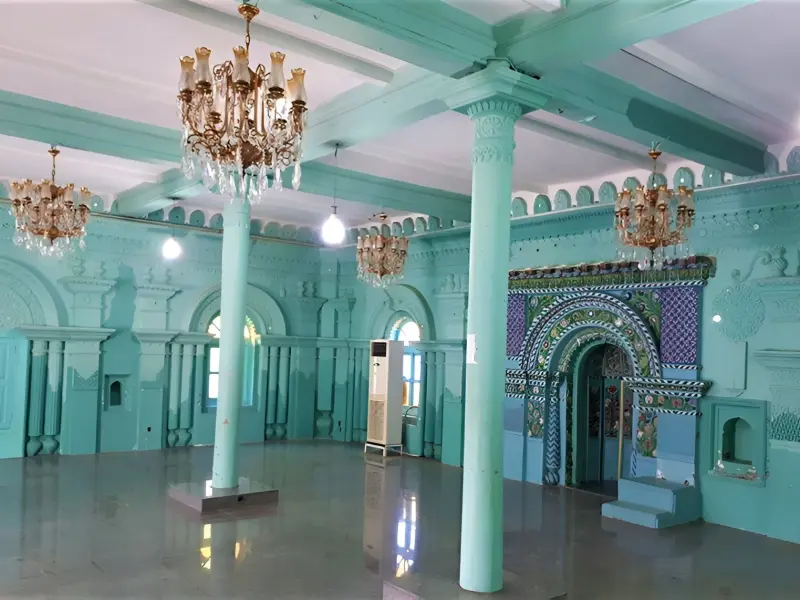
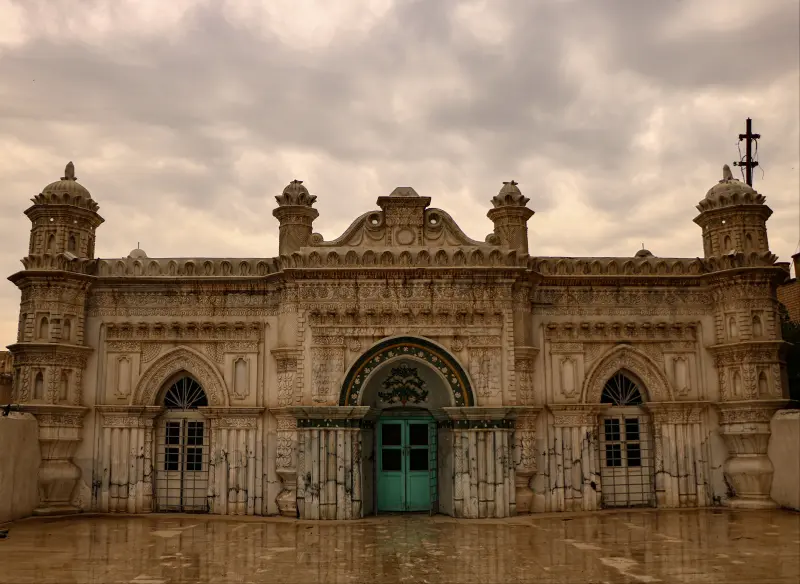
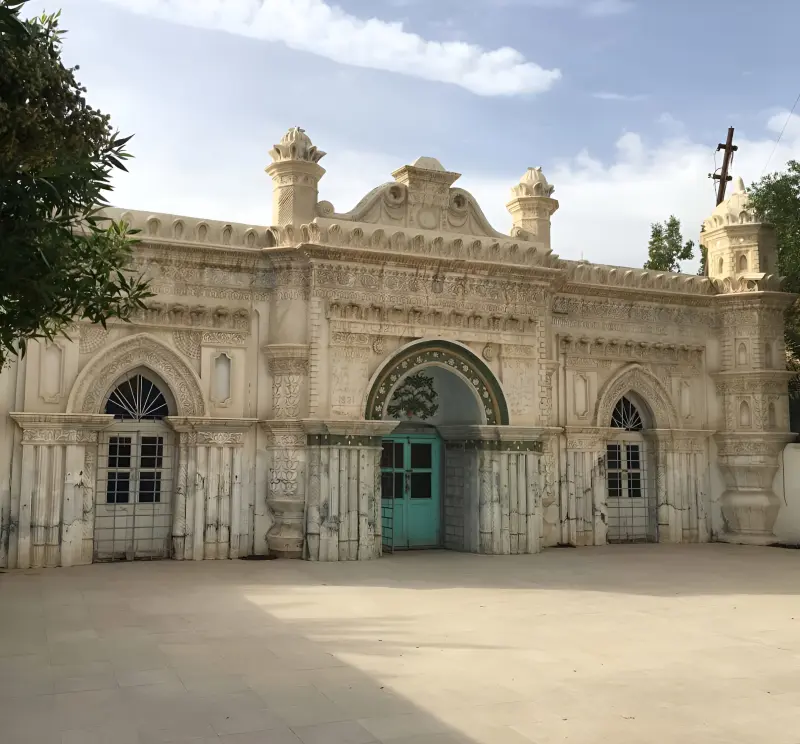
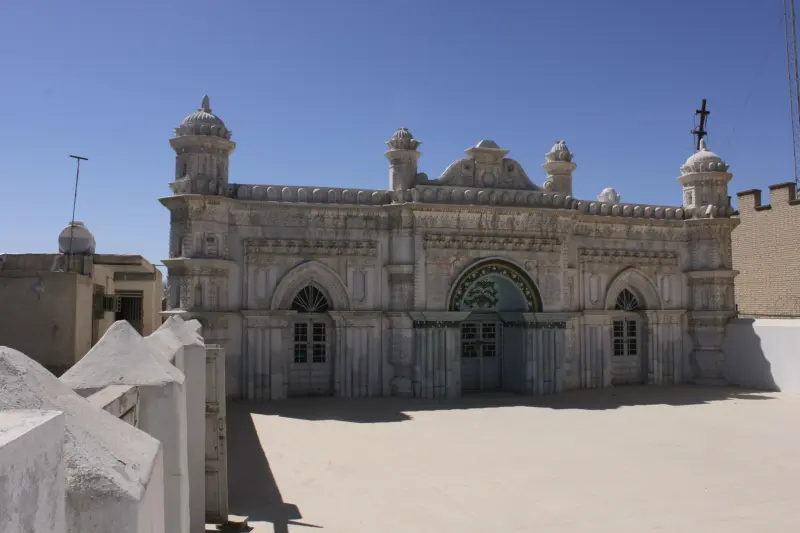
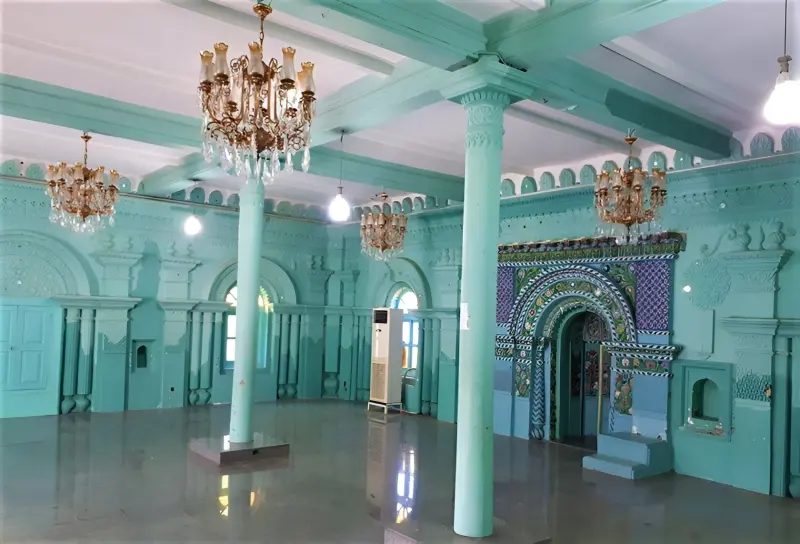
Rangooniha Mosque is one of the most unique historical buildings in the city of Abadan, in Khuzestan Province, located near the Abadan Refinery and the bank of the Arvand River. The mosque was built in the late Qajar period, alongside the development of Iran's oil industry, between 1291 and 1299 SH (Solar Hijri) by Burmese, Indian and Pakistani Muslim workers and builders employed at the Abadan Refinery. The name of the mosque comes from the Rangooni Muslims, immigrants from the city of Rangoon (present-day Yangon) in Burma. Rangooniha Mosque was inscribed on Iran's National Heritage list on 9 Farvardin 1378 SH under registration number 2289, and today it is regarded as one of the most prominent historical and cultural attractions of Abadan.
The most important feature of Rangooniha Mosque is its distinctive architecture, which draws inspiration from the architectural style of the Indian subcontinent and differs markedly from other mosques in Iran. The white facade with raised cement stucco work, slender minarets, small domes, arabesque motifs, decorative capitals and a colourfully painted mihrab give the mosque a special appearance. The phrase "Bismillah al-Rahman al-Rahim" is inscribed on the front of the building, and the interior is adorned with skilful stucco work, relief designs and colourful ornamentation. Besides its architectural value, the mosque is a symbol of the presence of migrant Muslim workers in Iran's oil industry and of cultural coexistence in Abadan. In 1388 SH, Rangooniha Mosque was also turned into a museum of historical documents and manuscripts, and a selection of documents, handwritten Qurans and items related to the history of the oil industry and the region's cultural ties are displayed there.
To visit Rangooniha Mosque, you can head from the centre of Abadan toward Tehlanjiha Street and the refinery area. The mosque stands next to the Arvand River, opposite the refinery's pharmaceutical warehouse, and it is easily reached by private car or taxi. Because of Abadan's hot climate, autumn, winter and early spring are the best times to visit this historical site. When visiting, please respect the sanctity of the religious space, avoid damaging the historical decorations, keep the surroundings clean and follow the rules of the complex, all of which help preserve this valuable building.
Written by زهرا لنگری Last updated
What you can do here, and what it takes
موقعیت مسجد در نزدیکی اروندرود و دیگر جاذبههای تاریخی آبادان، امکان پیادهروی و بازدید از سایر دیدنیهای شهر را فراهم میکند.
Province Khuzestan
Province Khuzestan
Province Khuzestan
Province Khuzestan


Unfortunately, no comments have been registered.