
 Wetlands

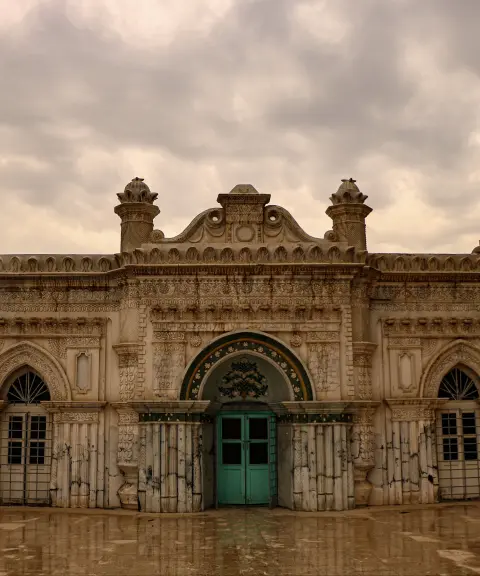
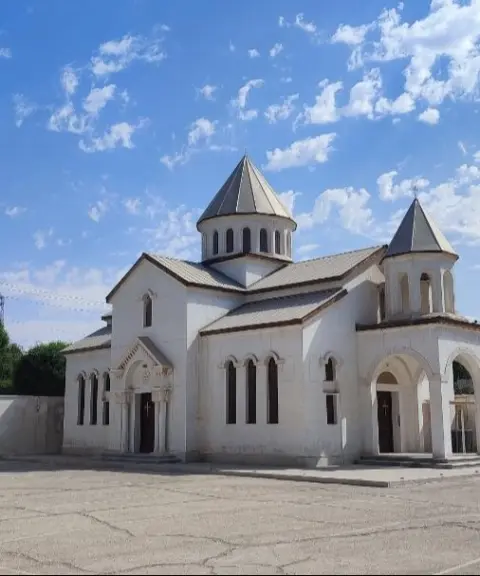
Vali-e Asr Mosque
Province Khuzestan
- Walking
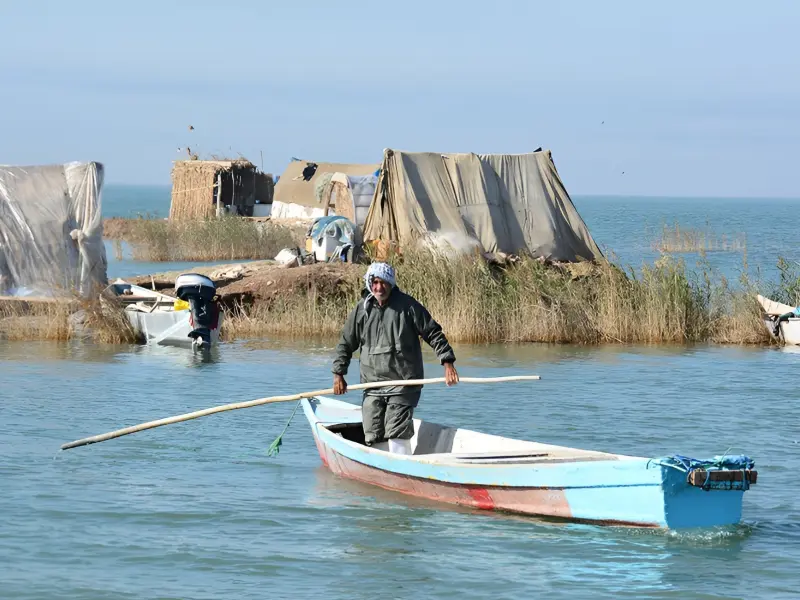


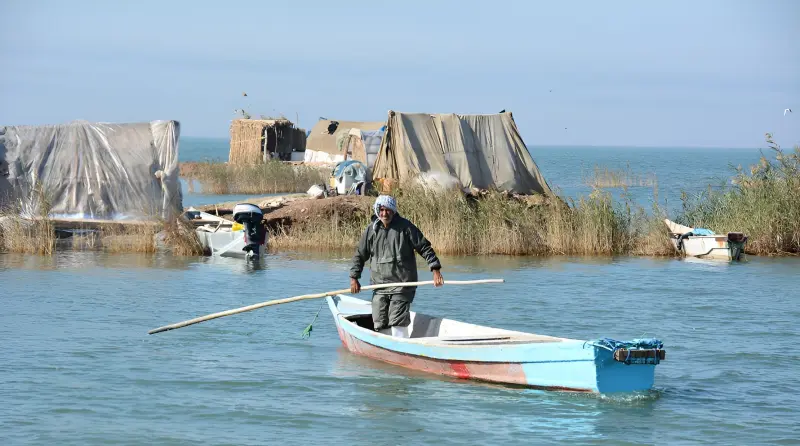
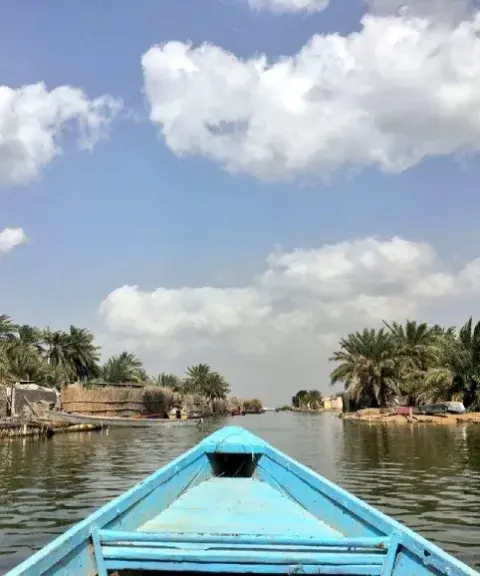
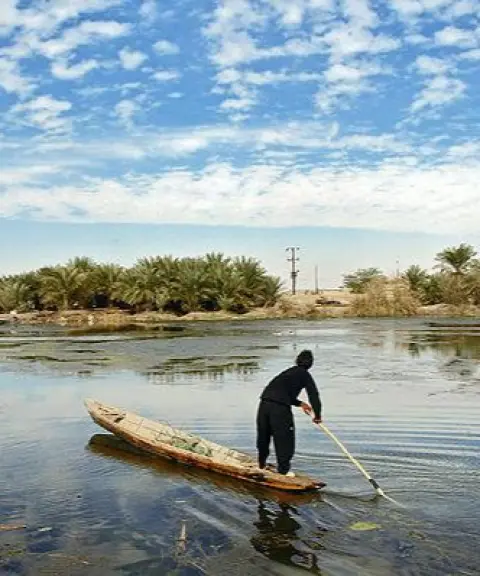
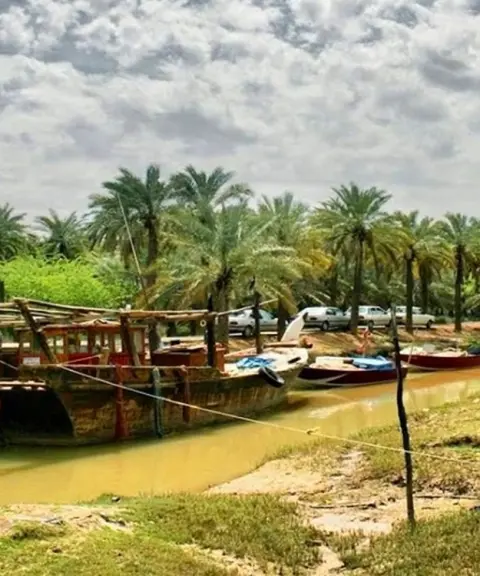
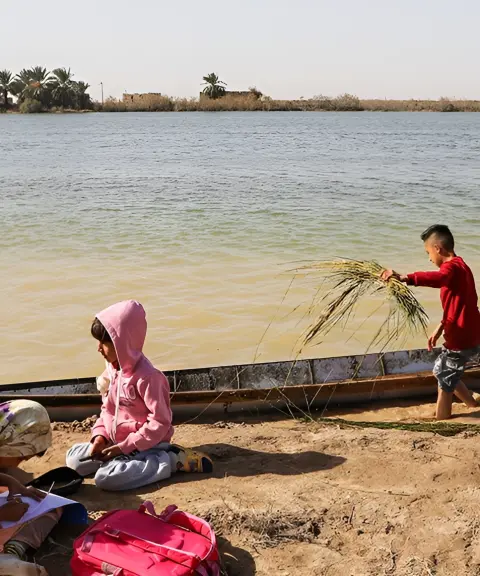
Naseri Wetland is also known as Neyshekar (Sugarcane) Wetland and Khorramshahr Wetland. It is one of the man-made wetlands of Khuzestan Province, about 16 km north of Khorramshahr, on the northern stretch of the Khorramshahr–Ahvaz transit road, on land west of the railway. The wetland formed in 1378 SH (Solar Hijri) when agricultural drainage water from two sugarcane agro-industry units, Amirkabir and Mirza Kuchak Khan, was discharged into the area. Over time it became one of the region's important habitats for aquatic and shore birds. The name "Naseri" comes from Abdoali Naseri, a faculty member of the Faculty of Water Sciences at Shahid Chamran University of Ahvaz, who proposed the idea of creating this wetland.
Naseri Wetland covers about 10,000 hectares and reaches a depth of about 2 metres. Its brackish and saline water provides a suitable environment for many species of birds and aquatic life. So far about 41 species of aquatic and shore birds have been recorded here, including flamingo, pelican, squacco heron, cormorant, Eurasian spoonbill, slender-billed gull, pied avocet, common redshank, avest, tanjeh, gilar, filoosh and various kinds of ducks. Fish such as biyah (mullet), shanak (seabream), shalaj and booshlambu, as well as freshwater shrimp and crabs, can also be found in and around the wetland. Plants such as tamarisk and saltwort grow along its edges and form part of the habitat of the area's wildlife. Activities you can enjoy here include watching the birds and the scenery, boating and fishing. Fishing and any kind of catching must, however, comply with the relevant laws and regulations.
To reach Naseri Wetland, take the Khorramshahr–Ahvaz transit road towards the northern part of Khorramshahr, then continue from the area west of the railway towards the wetland. Because of Khuzestan's intense heat, autumn, winter and early spring are better times to visit, and the cold seasons are especially attractive for watching migratory birds. From 15 Esfand, which coincides with the start of the birds' egg-laying and chick-rearing period, hunting and catching birds is banned for six months. At other times, any hunting in open areas is possible only with a permit and in compliance with environmental regulations. When visiting, do not approach or disturb the birds, damage the vegetation, drop litter or pollute the water, and help preserve the peace of the habitat.
Written by زهرا لنگری Last updated
What you can do here, and what it takes
کفش پیادهروی به همراه داشته باشید..
Province Khuzestan
Province Khuzestan
Province Khuzestan
Province Khuzestan
Province Khuzestan

Unfortunately, no comments have been registered.