
 Attractions
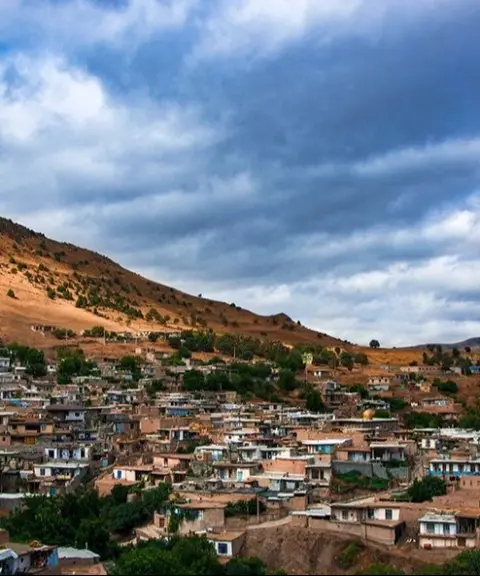
Shams-Abad Historical Cemetery
A mysterious cemetery with ancient inscriptions in the heart of Khalkhal's nature
- Attractions
- Ardabil, Khalkhal
- Altitude 1,342 m
- Ability level Beginner
Ability level:
Beginner
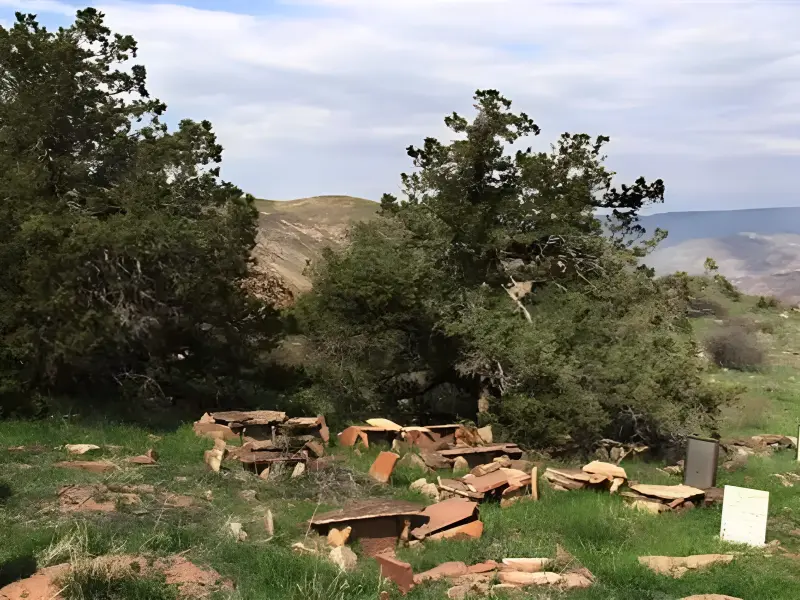
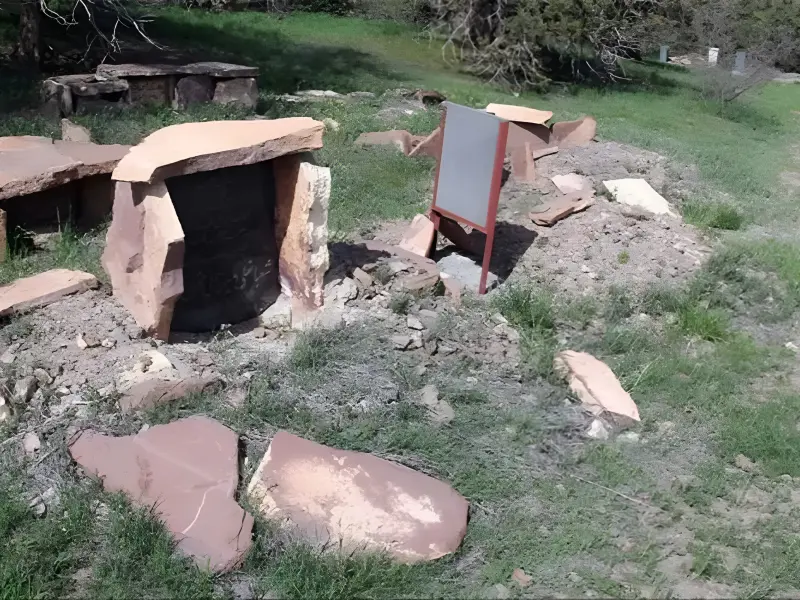
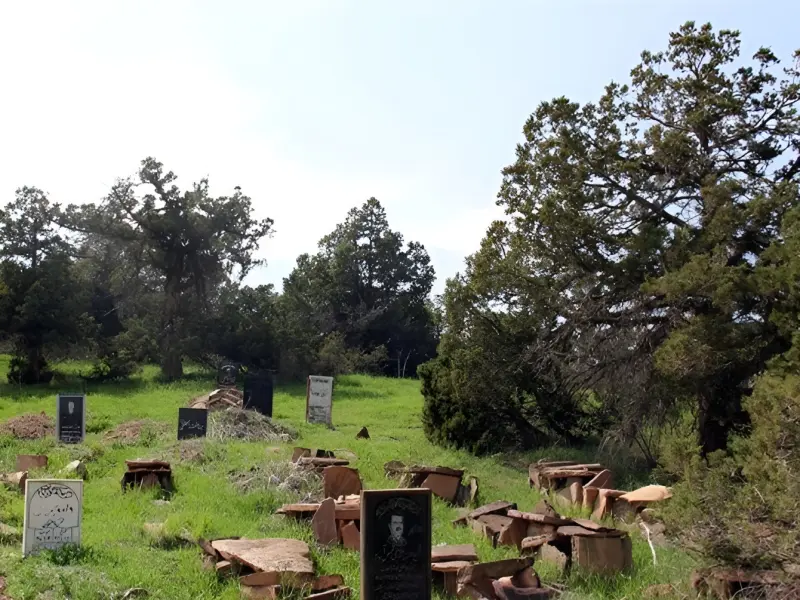
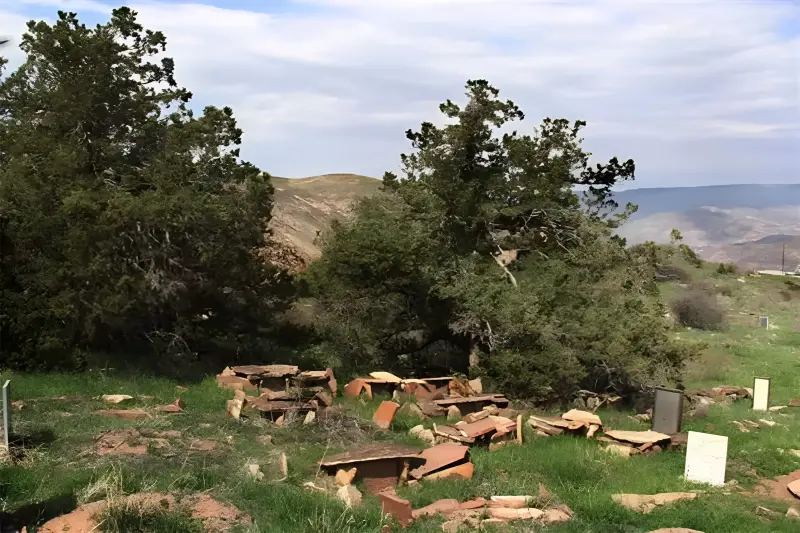
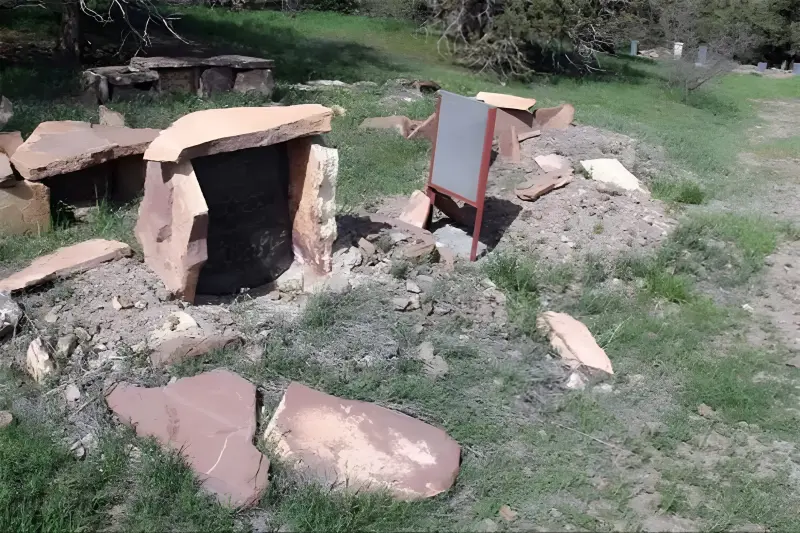
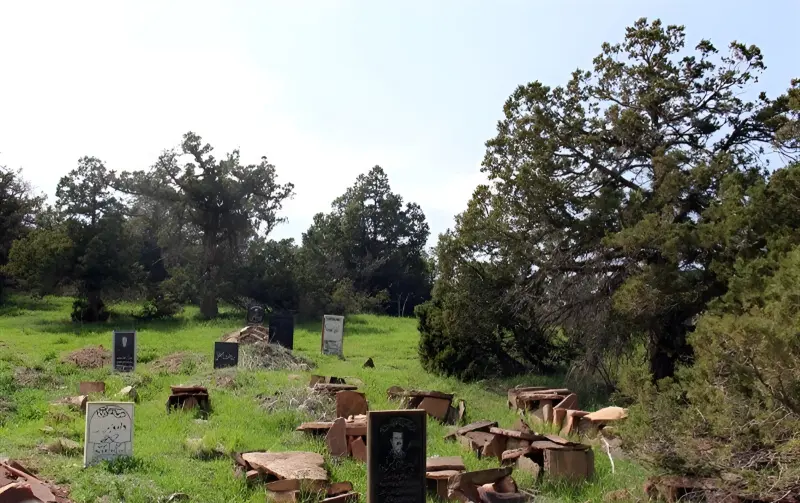
The Shams-Abad Historical Cemetery is one of the oldest historical sites in Khalkhal County, Ardabil Province. It lies in the village of Shams-Abad, in Khorash Rostam-e Shomali District, close to the Qezel Ozan River. With a history of more than 1,300 years, the cemetery sits amid mountain scenery and the region's unspoiled landscapes. Its old gravestones, Kufic inscriptions and local legends give it great historical and cultural value. The village of Shams-Abad also has a long history. It is built on stepped slabs of rock between two well-known valleys, "Khaneh-Darreh" and "Deh-Darreh", and has long been home to people who have preserved the historical and religious identity of the region. The site is registered on Iran's National Heritage List and is now regarded as one of Khalkhal's most important historical and cultural attractions.
The Shams-Abad cemetery contains three very old tombs carved with Kufic inscriptions, which point to the great age of the site. Alongside its historical value, local beliefs and oral traditions add to the cemetery's appeal. The villagers believe that if the head of the ram statue that once stood on one of the tombs is washed in the river water, rain will fall. This stone statue was stolen in the past, but it was returned to the village through the villagers' efforts and is still considered part of the region's cultural identity. The centuries-old trees around the village also create a distinctive natural and historical landscape, giving the cemetery a mysterious and unique atmosphere. The village's position facing the beautiful views of the villages of Dayi-Kandi and Kazaj adds to the area's appeal for visitors.
To reach the Shams-Abad Historical Cemetery, travel from Khalkhal toward Khorash Rostam-e Shomali District. After arriving in the village of Shams-Abad, a short walk leads to the site. The best time to visit is spring and summer, when the area around the Qezel Ozan River is green and the weather is mild and pleasant. Visitors should remember that, besides its historical value, the cemetery has religious and cultural significance for local people. Respecting the graves, not damaging the gravestones and not leaving litter behind are important parts of nature tourism and responsible travel in this region.
Written by زهرا لنگری Last updated
Activities
What you can do here, and what it takes
-
Walking
مسیرهای روستایی و طبیعت اطراف گورستان و رودخانه قزلاوزن فضای مناسبی برای پیادهروی سبک و گشتوگذار فراهم کرده است.
Specifications
Introduction of the location and specifications of Shams-Abad Historical Cemetery
Construction Period:
1,300 years
Location:
Ardabil, Khalkhal
Coordinates:
37.40769887, 48.22520950
Open in maps
Height above mean sea:
1342 meter
Floras:
Rangeland-Steppe
Faunas:
Presence of Allergenic Insects, Presence of Herbivorous Animals
Transports:
Private car, Minibus, Bus
Native Languages:
Turkey
Tourist Attractions in Khalkhal
Attractions that are nearby

Zenab Village
Province Ardabil
- Walking
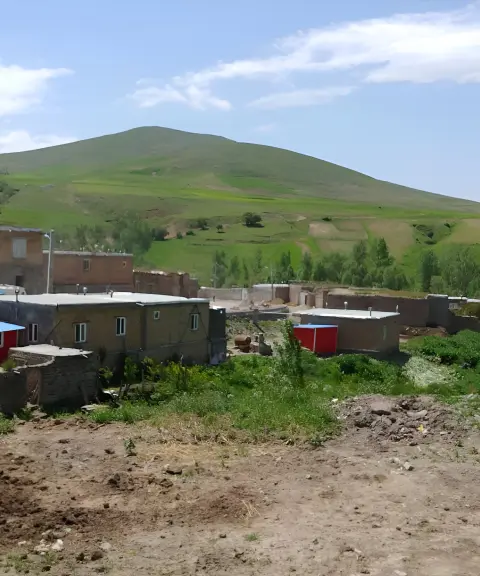
A quiet village amid the mountain landscapes of Kowsar County

Nowdeh Waterfall
Province Ardabil
- Walking
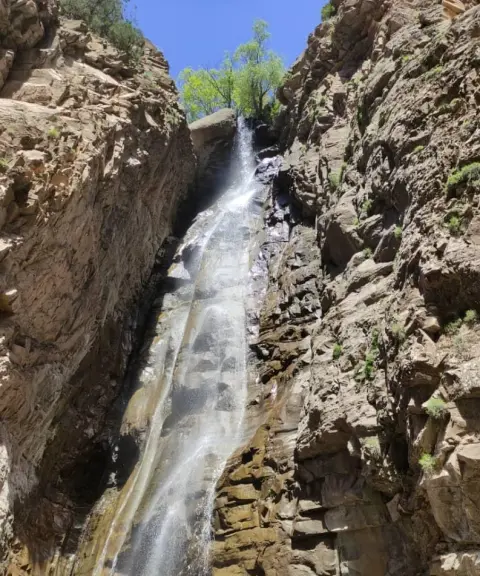
A pristine natural attraction in the heart of the Khalkhal mountains

Likovan Dam Lake
Province Ardabil
- Walking
- Swimming
- Fishing
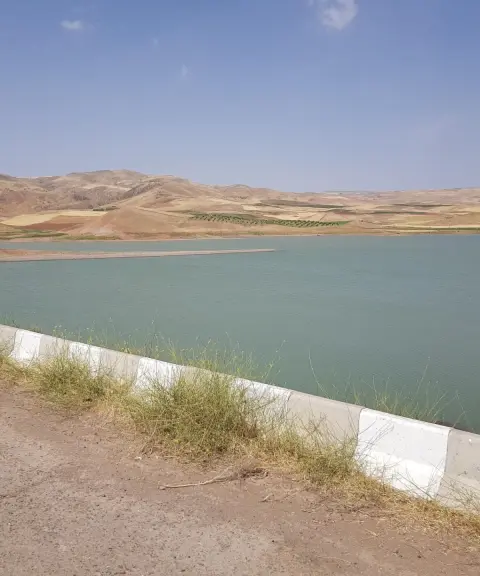
A natural attraction in the heart of the Ardabil mountains
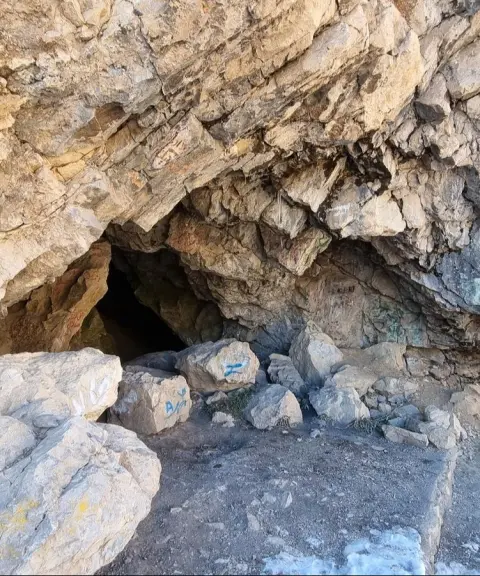

Haft Khaneh Cave
Province Ardabil
- Caving
Seven mysterious chambers from the Neolithic era in Khalkhal
Related tags:
Unfortunately, no comments have been registered.