
 Attractions
- Ability level Beginner
Ability level:
Beginner
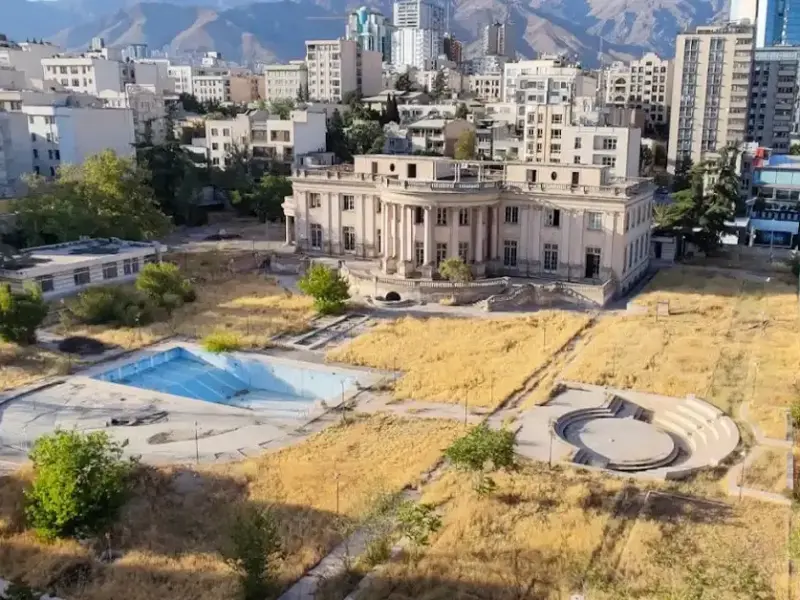
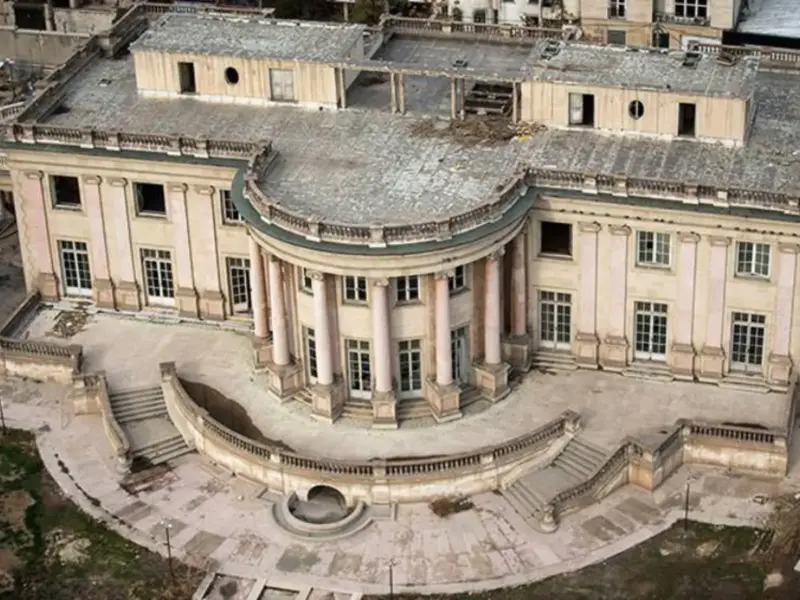
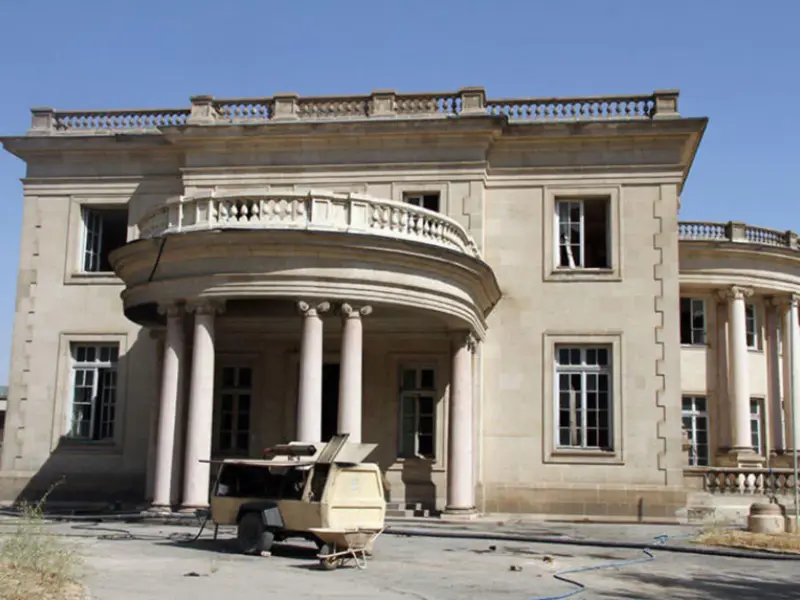
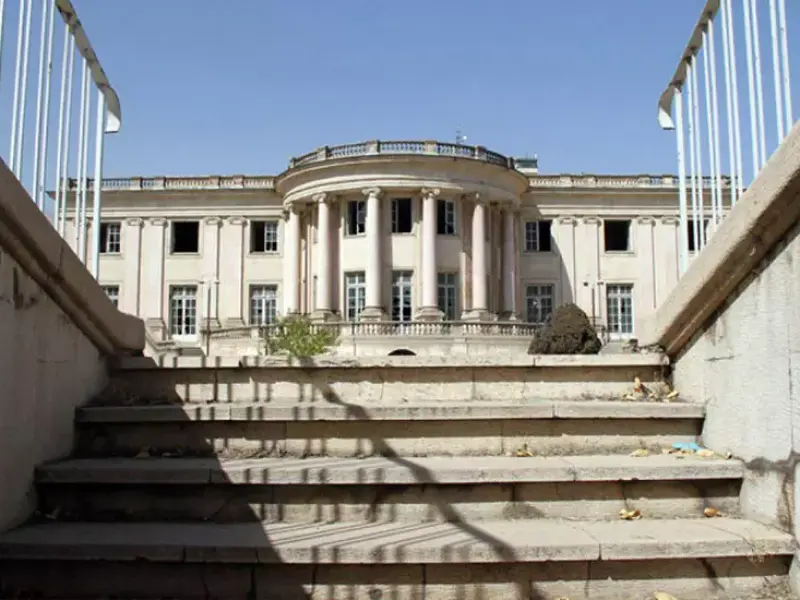
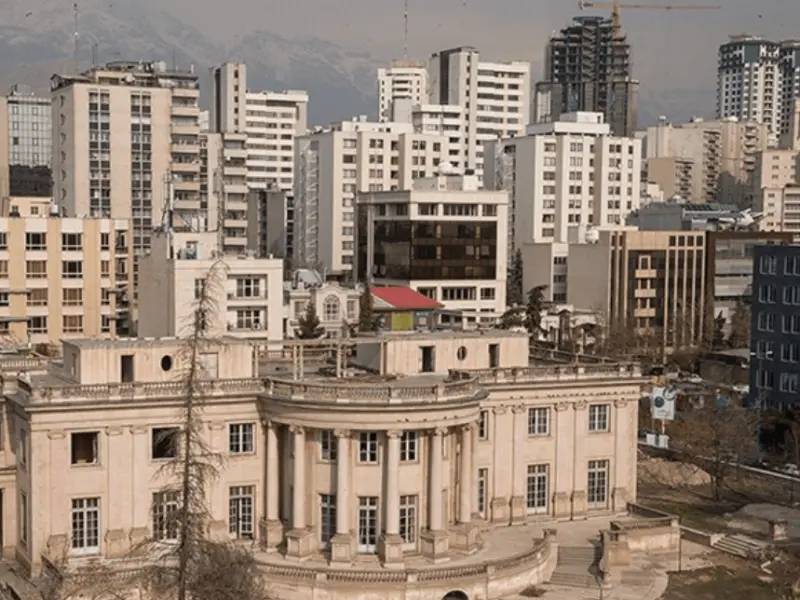
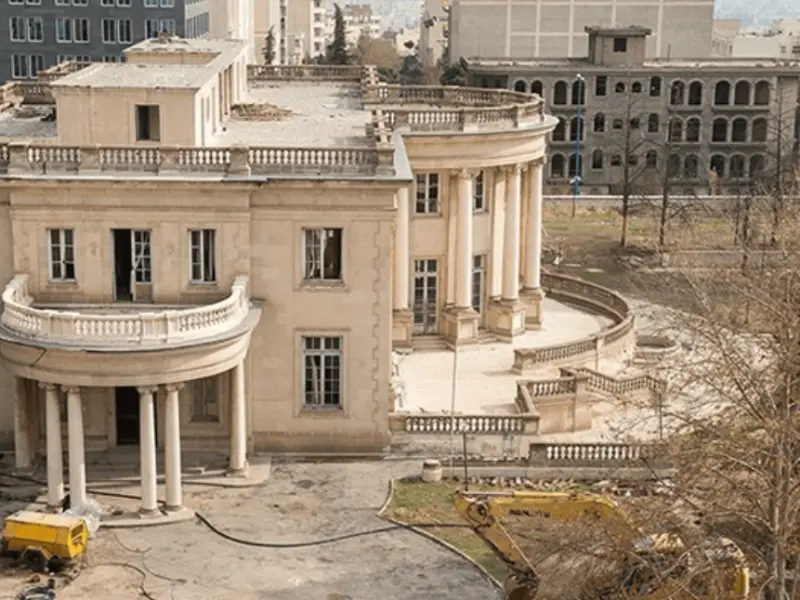
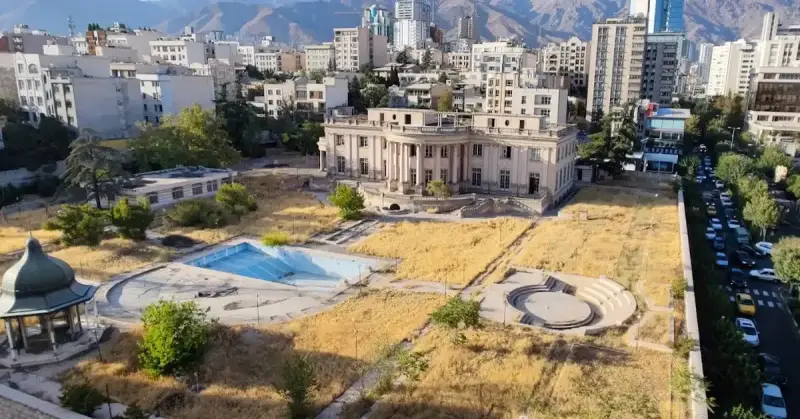
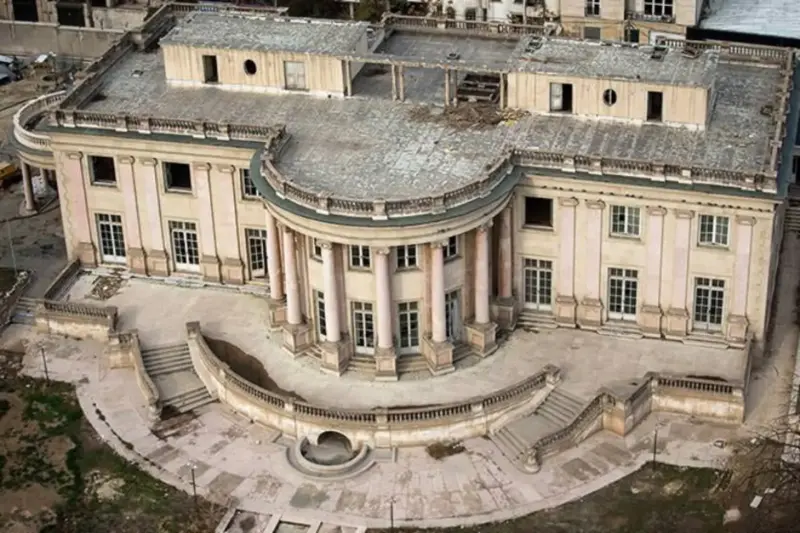
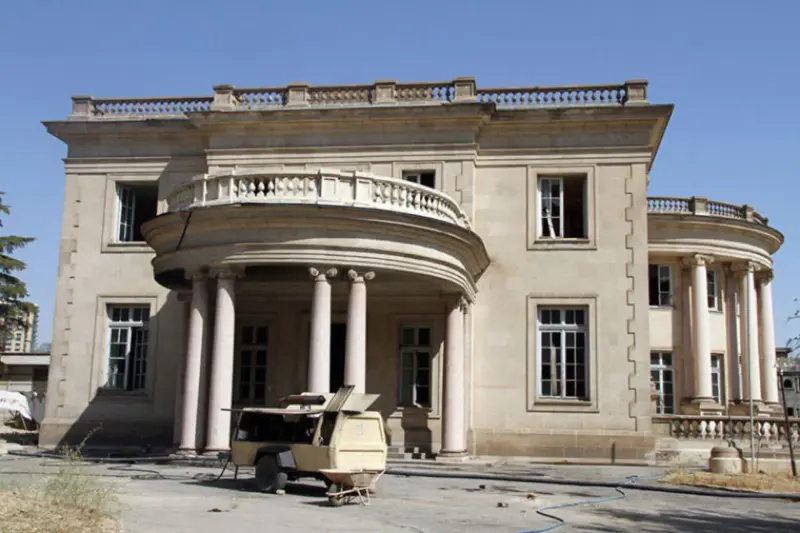
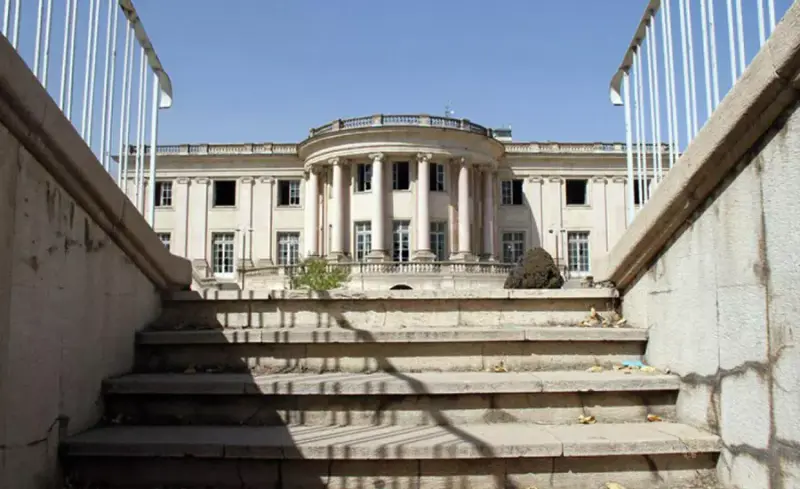
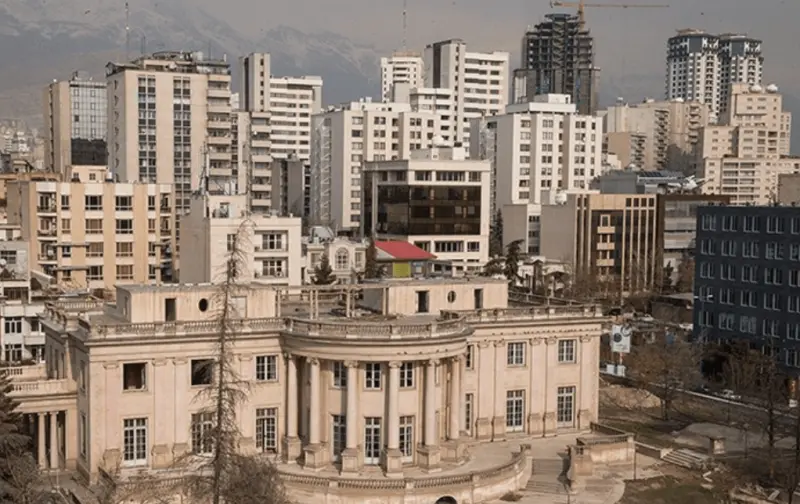
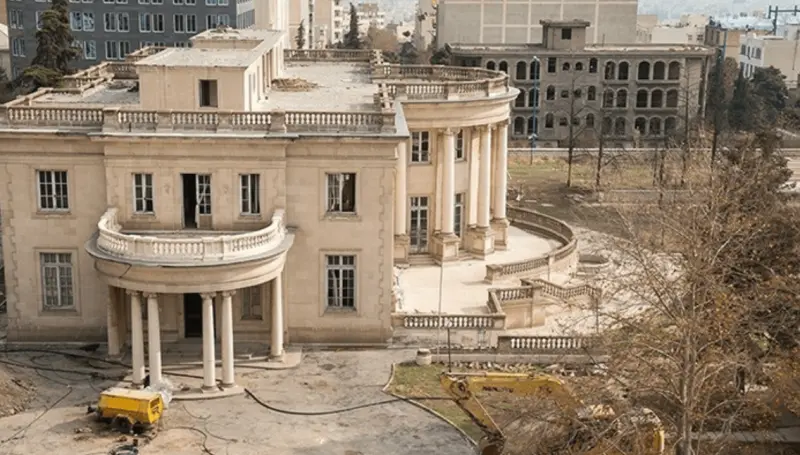
Sabet Pasal Palace, also known as the "Versailles of Iran" or the "Stone Palace", was one of the largest and most magnificent houses in Tehran before the 1979 (1357) Revolution. It belonged to Habibollah Sabet Pasal, a prominent Iranian industrialist and follower of the Baha'i faith, and was confiscated after the Revolution. The palace stands in the Amaniyeh area of Tehran, at the northern end of Jordan Street, and covers more than 11,500 square metres. Its design is modelled on the Petit Trianon in the Palace of Versailles complex in France, and in scale and architecture it recalls the great palaces of Europe.
Unlike the prevailing modern architectural trends of 1960s (1340s) Iran, the architecture of Sabet Pasal Palace is Neoclassical, inspired by grand European buildings. With its white marble façade, tall columns and lavish interior decoration, it is regarded as a symbol of the luxury and splendour of the Pahlavi era. The grand residence has a large pool, with a stream of water running beneath the building in the manner of traditional Iranian architecture. The garden also contains a small open-air theatre, and a large car park was planned for evening parties. The main floor area of the house is about 2,000 square metres, spread over two main floors and an extensive basement.
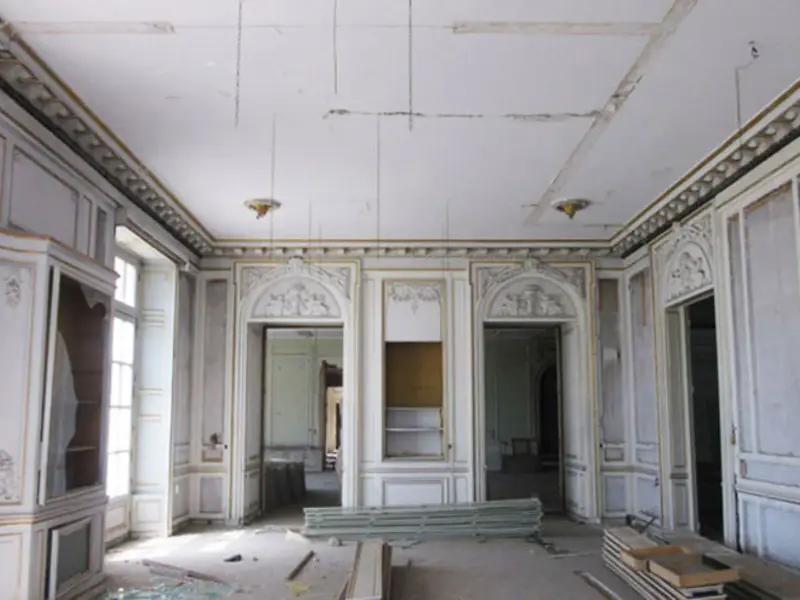
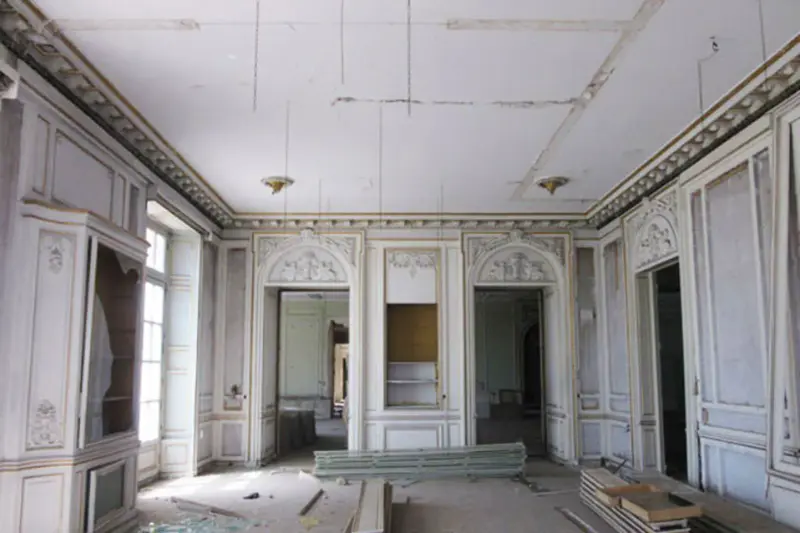
The interior decoration was carried out by the French firm Maison Jansen, which in the 19th century was renowned for designing for royal families. The interior includes thick, dark curtains from Belgium, simple classical plasterwork, wallpapers in coordinated colours, and large fireplaces framed in marble. The palace's heavy wooden doors were brought to Amaniyeh from a French chateau, and their surrounds are decorated with floral plasterwork. This combination of architecture and interior décor shows off the grandeur of the palace and has made it one of the most outstanding works of modern architecture in Tehran. After the Islamic Revolution, Sabet Pasal Palace was confiscated and used as a residential centre and hotel. In 2017 (1396), the building was inscribed on the Iran National Heritage List under number 31744.
Written by ستایش عرب Last updated
Activities
What you can do here, and what it takes
-
Walking
مسیرهای اطراف عمارت برای پیادهروی و گشتوگذار مناسب هستند.
Specifications
Introduction of the location and specifications of Sabet Pasal Palace
Location:
Tehran, Tehran
Coordinates:
35.78063448, 51.42216593
Open in maps
Height above mean sea:
1543 meter
Transports:
Private car, Minibus, Bus
Tourist Attractions in Tehran
Attractions that are nearby
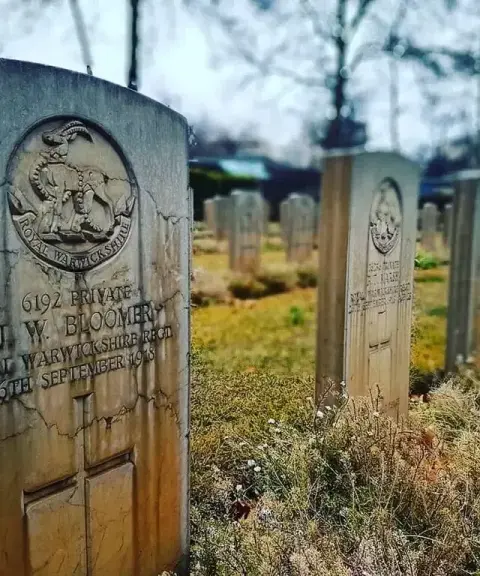
Allied Cemetery (Tehran War Cemetery)
Province Tehran
- Walking
An international World War–era burial ground
Baghe Ferdows, Tehran
Province Tehran
- Walking
A glimpse of history, art and tranquility in the heart of the capital
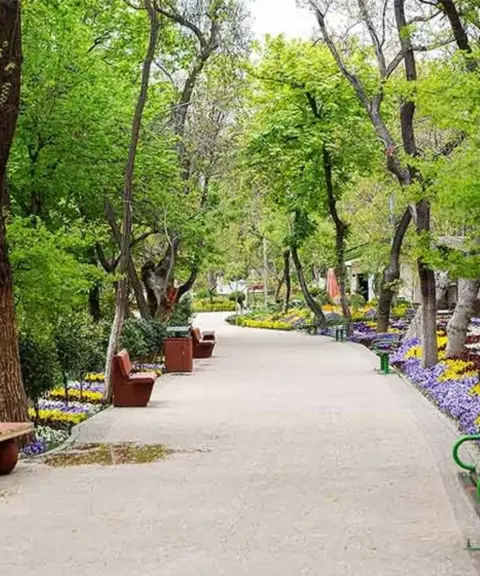
Ghitarieh Park
Province Tehran
- Walking
A historic recreation area with modern facilities in northern Tehran
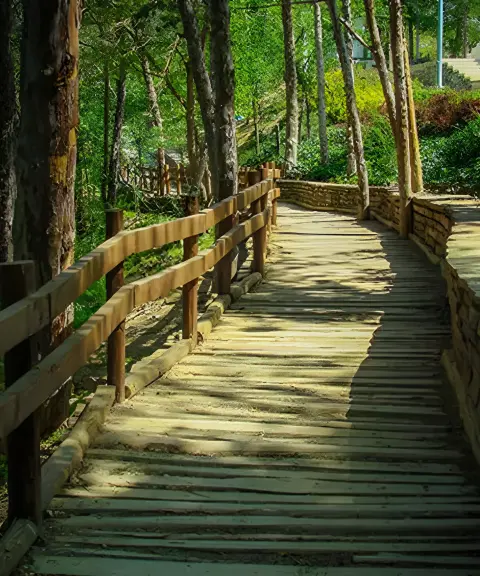

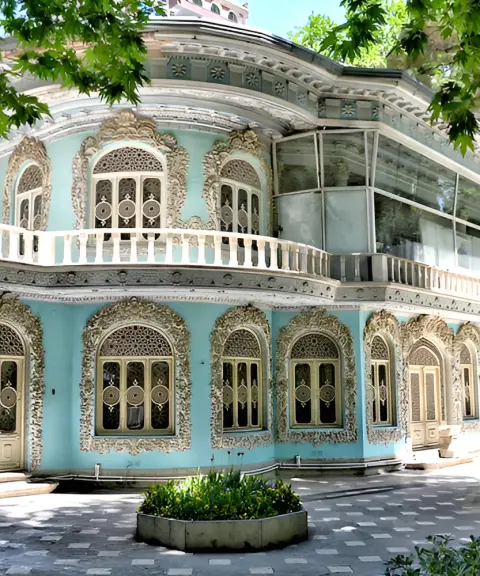
Zaman Museum
Province Tehran
- Walking
A journey into the world of time in one of Tehran's most beautiful historic mansions
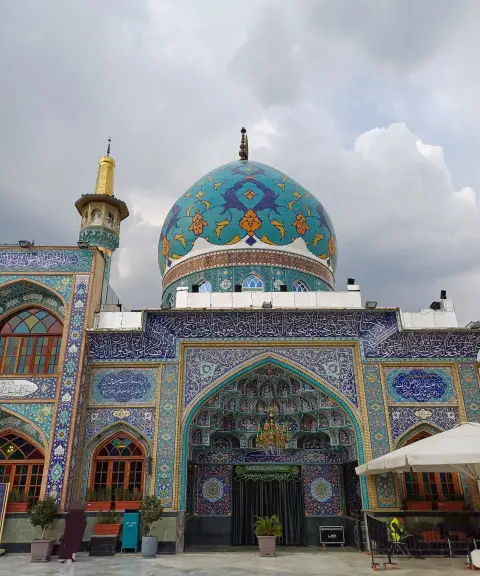
Imamzadeh Saleh
Province Tehran
- Walking
A historic shrine with ancient architecture in the heart of Tajrish
Related tags:
Unfortunately, no comments have been registered.