
 Attractions
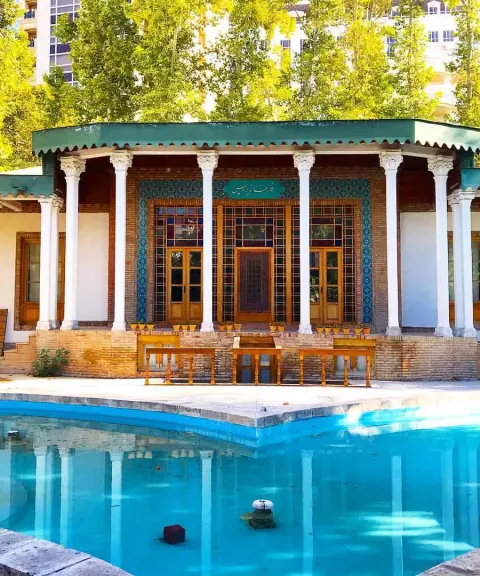
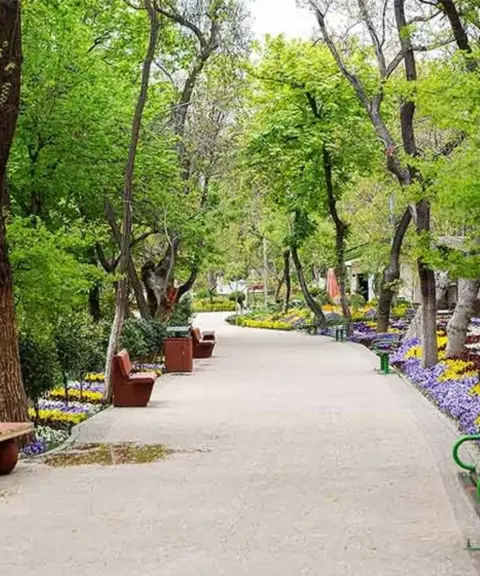
Baghe Ferdows, Tehran
Province Tehran
- Walking
A historic shrine with ancient architecture in the heart of Tajrish
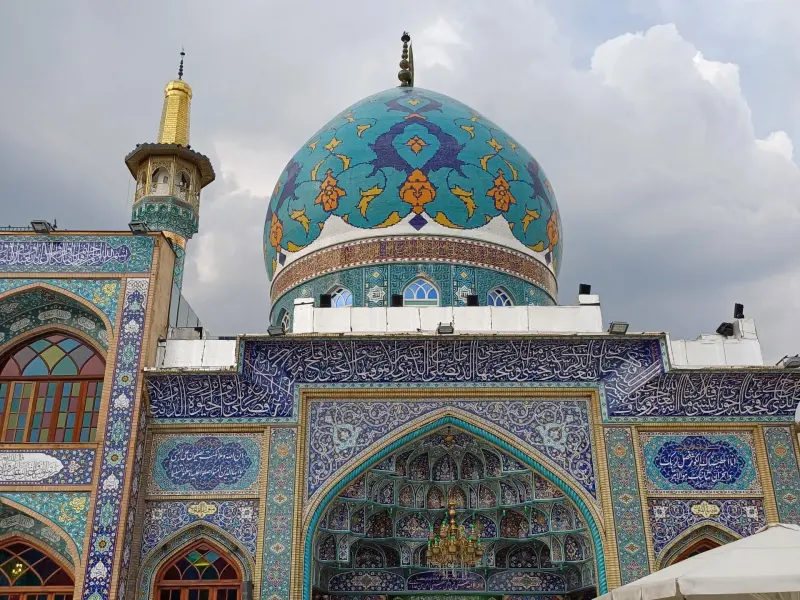
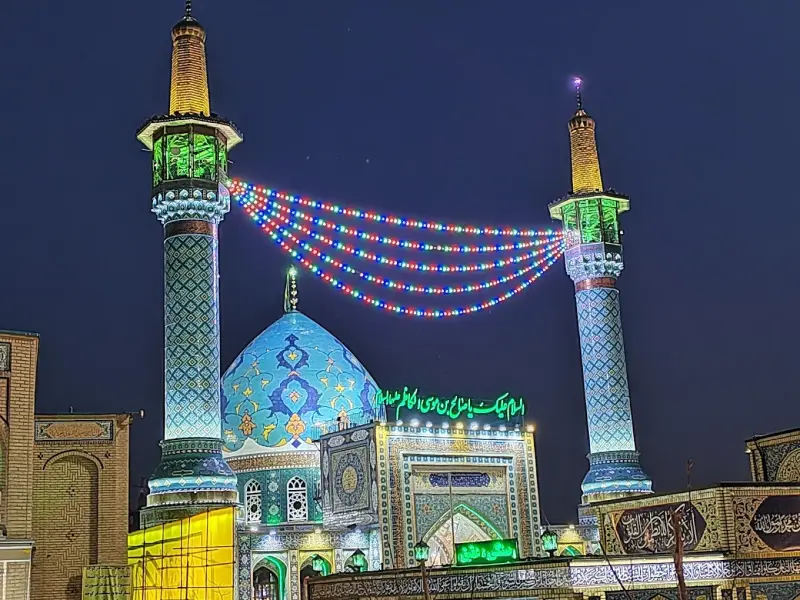
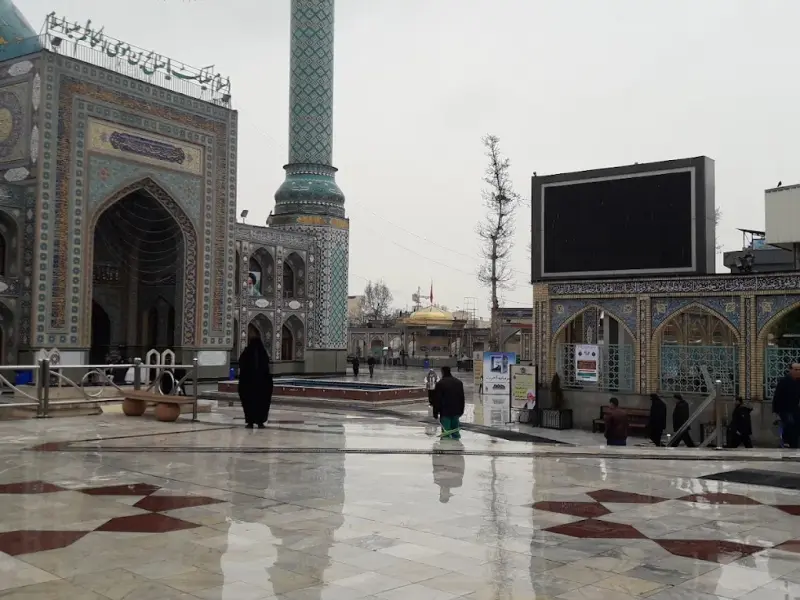
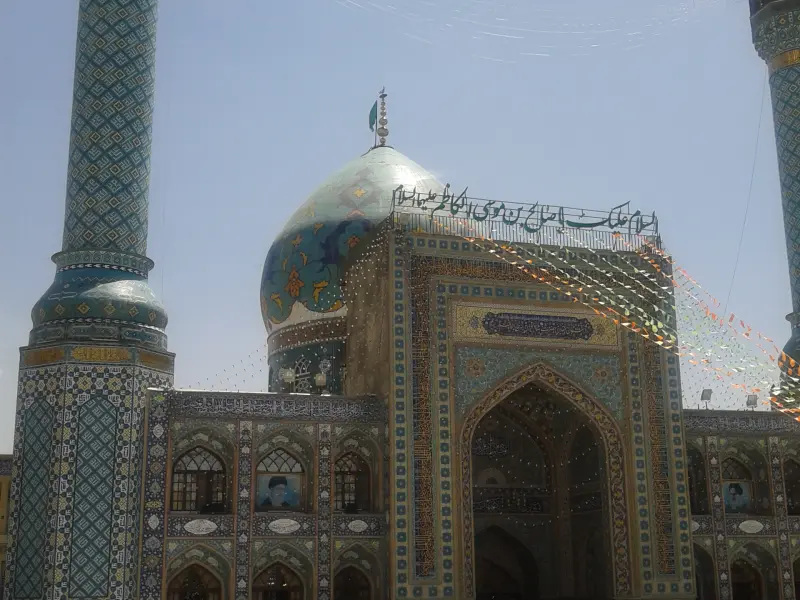
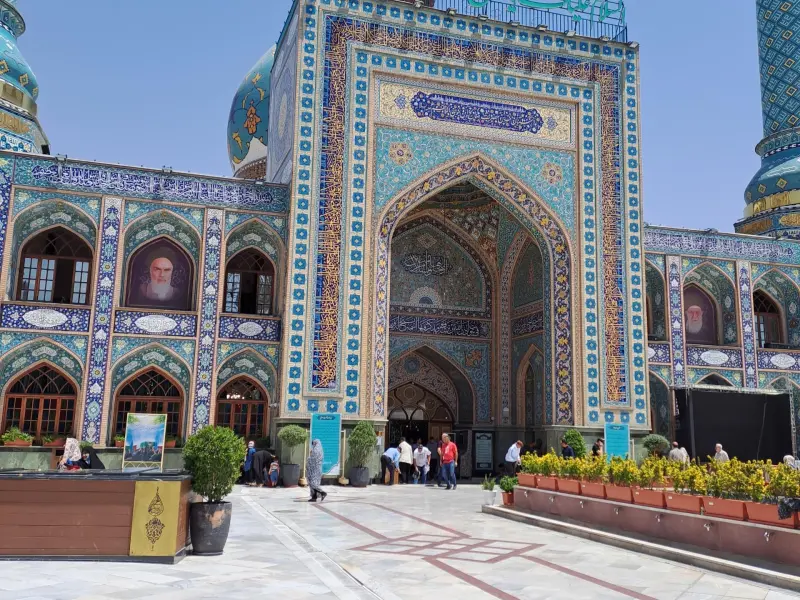
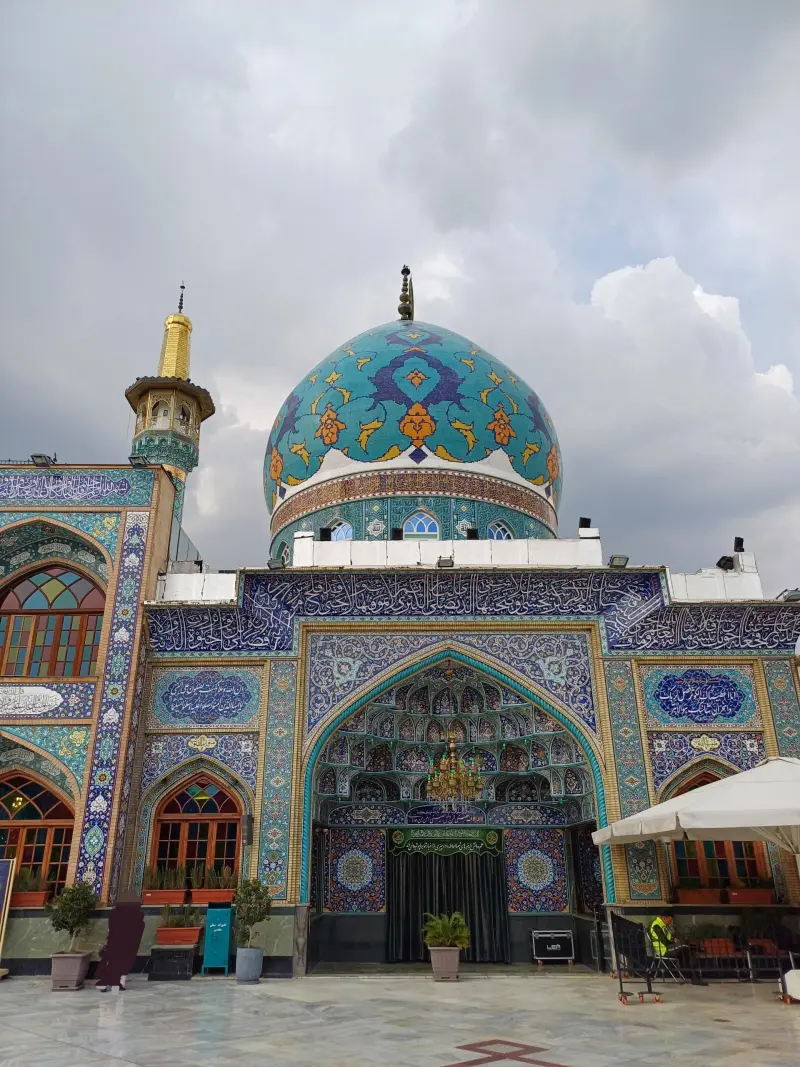
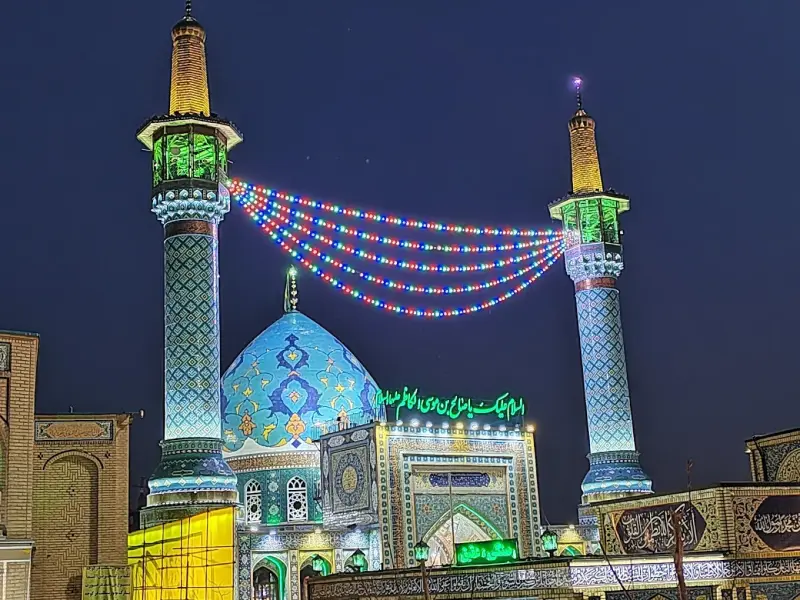
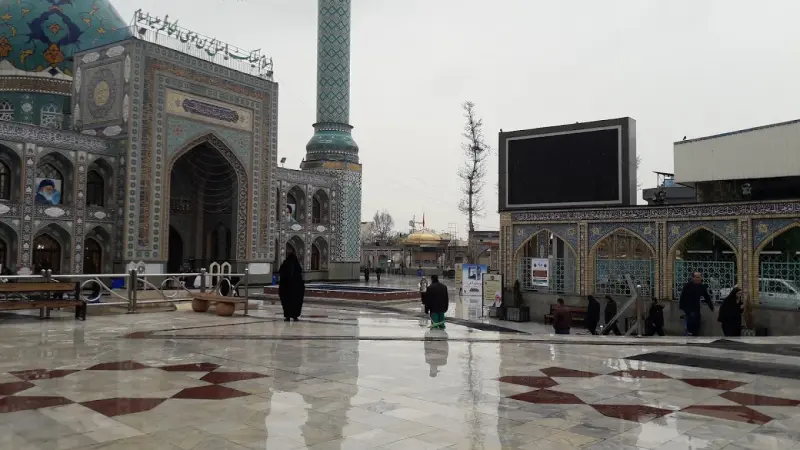
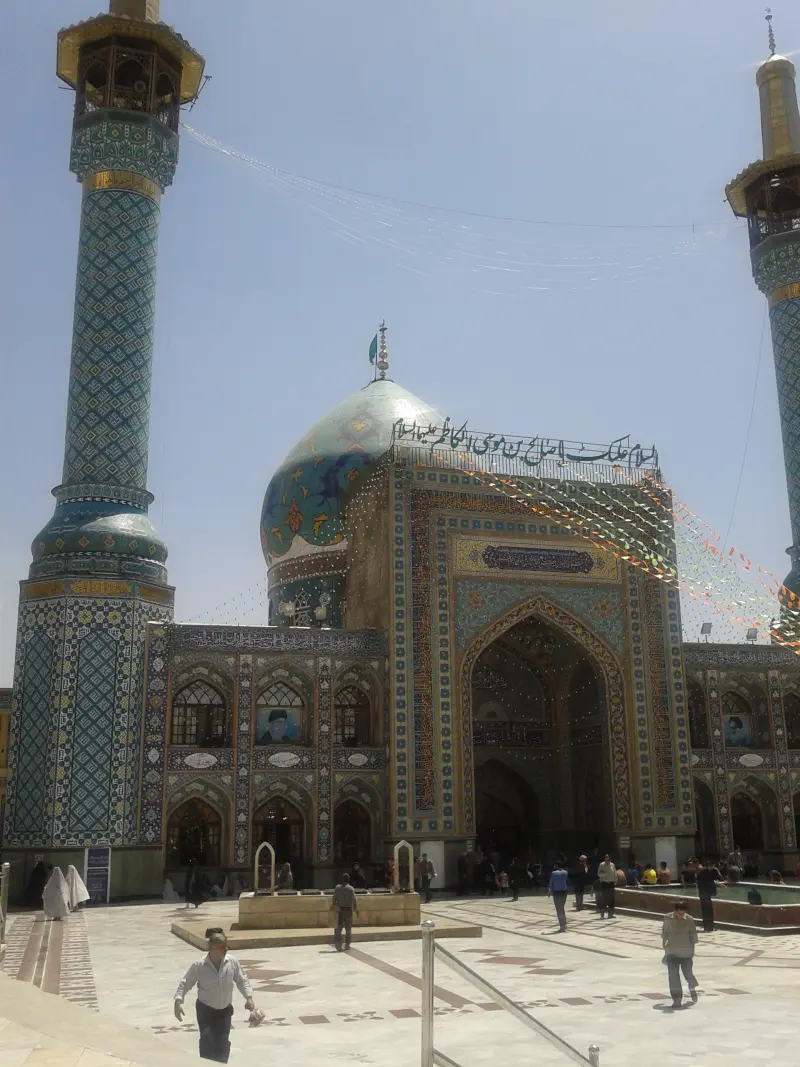
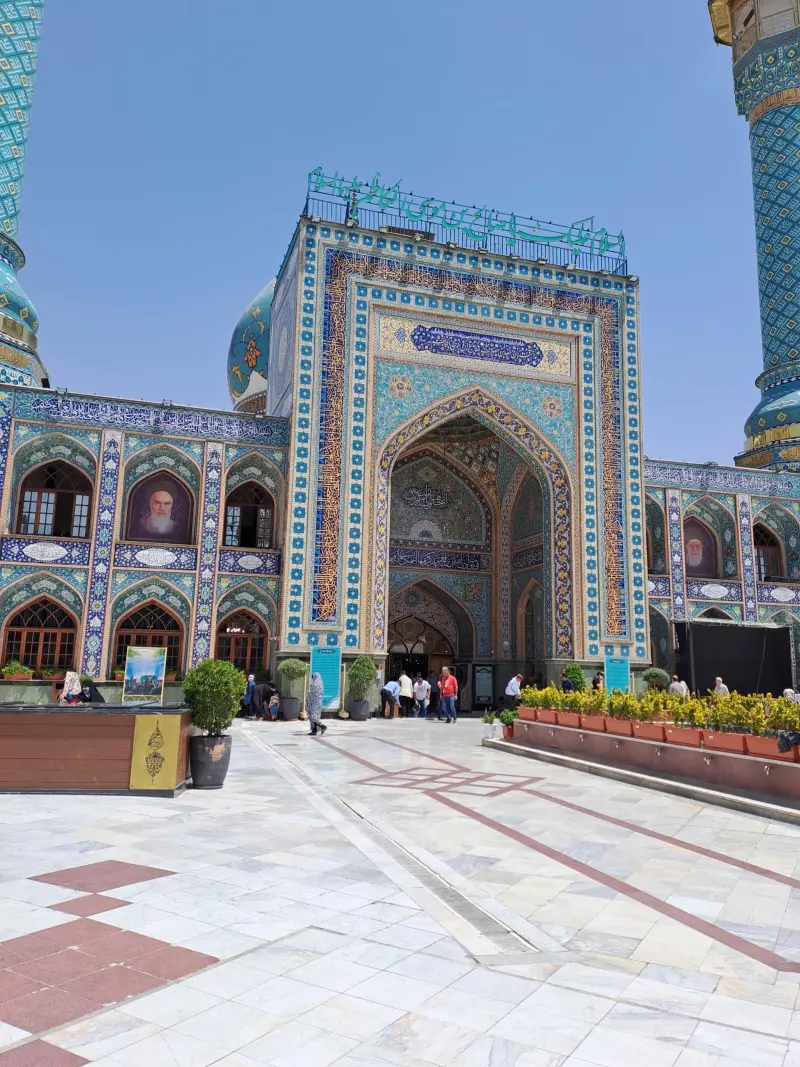
Imamzadeh Saleh is one of the best-known religious and historic sites in Tehran. It stands in the Tajrish neighbourhood, in District 1 of Tehran Municipality, in the north of the capital. The shrine is attributed to Saleh ibn Musa al-Kazim, a son of Imam Musa al-Kazim (AS) and a brother of Imam Reza (AS), and has long held a special place among the people of Tehran and pilgrims from other cities. According to historical and religious accounts, Imamzadeh Saleh travelled to Iran in the late 2nd century AH and was martyred in the Tajrish area. Over the centuries his shrine has become one of the most important pilgrimage centres in Tehran. Today, besides its religious standing, it is also regarded as one of the capital's historical and cultural attractions. The building was registered on Iran's National Heritage list in 1972 (1351 SH).
One of the shrine's most notable features is its historical age and valuable architecture. Architectural evidence dates the original construction of the shrine to the 7th and 8th centuries AH, and historical sources also mention an inscription dated 700 AH (lunar). The main building was constructed with a square plan, thick walls and old arched niches, and its various parts were expanded in later periods, especially under the Qajars. The tiled dome was restored in 1338 SH (1959), and numerous further renovations and expansions have been carried out in the complex in the years since. The silver and wooden shrine enclosure, the mirror-work porticoes, the entrance iwan and the spacious courtyard are other sights worth seeing in the complex. The grounds also contain the tomb of five unknown martyrs. The site was once famous for an ancient plane tree at least 800 years old, a tree mentioned in the writings of travellers, but it was cut down in 1379 SH (2000). Offering salt and giving wheat for the shrine's pigeons are well-known customs among the shrine's pilgrims.
To visit Imamzadeh Saleh, you can reach Tajrish Square by several routes. Taking Tehran Metro Line 1 and getting off at Tajrish Station is one of the easiest ways to get to the complex; after leaving the station and heading towards Tajrish Square, you reach the shrine after a few minutes' walk. BRT buses on the Rah Ahan to Tajrish route and taxis from Tajrish Square also provide access. The shrine can be visited all year round, but spring and autumn, thanks to the milder weather of northern Tehran, are better for wandering around the Tajrish neighbourhood and its nearby attractions. Alongside the pilgrimage, visitors can also see the traditional Tajrish Bazaar and other nearby sights. Dressing appropriately for a religious setting, respecting the peace of pilgrims, avoiding any damage to the building and keeping the grounds clean are important points for a responsible visit.
Written by زهرا لنگری Last updated
What you can do here, and what it takes
خیابانهای اطراف امامزاده و مسیرهای منتهی به میدان تجریش و بازار سنتی برای پیادهروی و گشتوگذار شهری مناسب هستند.
Province Tehran
Province Tehran
Province Tehran
Province Tehran
Province Tehran
Unfortunately, no comments have been registered.