
 Attractions
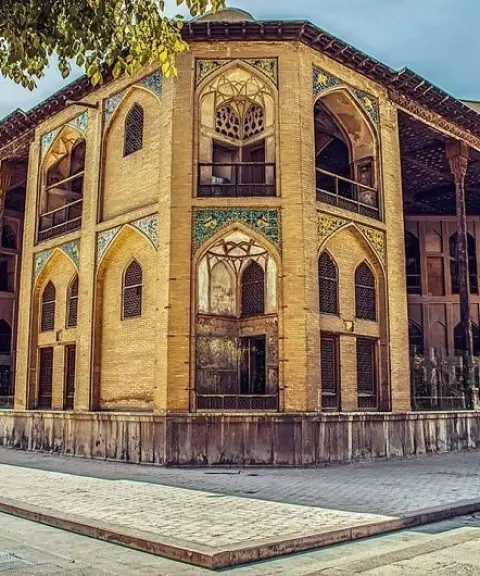
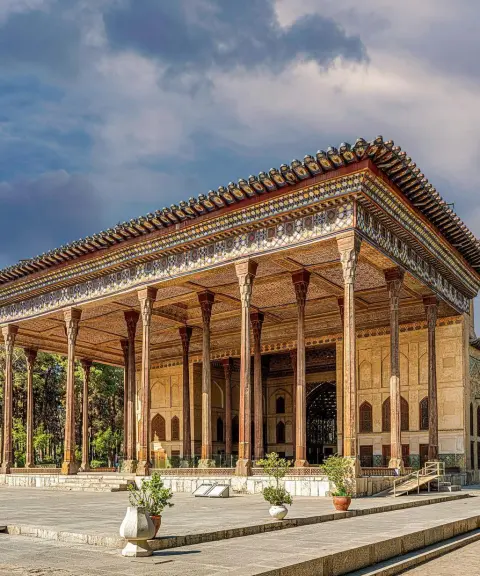
Hasht Behesht Palace
Province Isfahan
- Walking
The timeless splendour of the Safavids in the heart of Isfahan
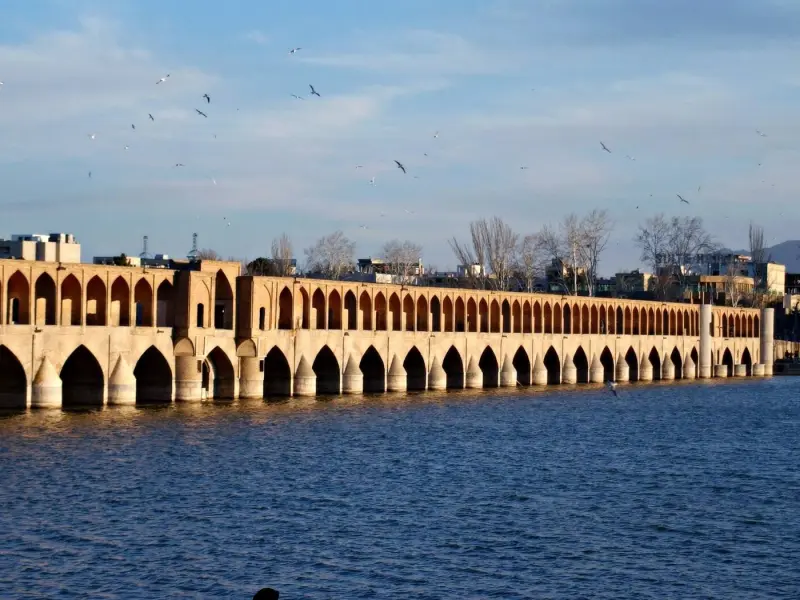
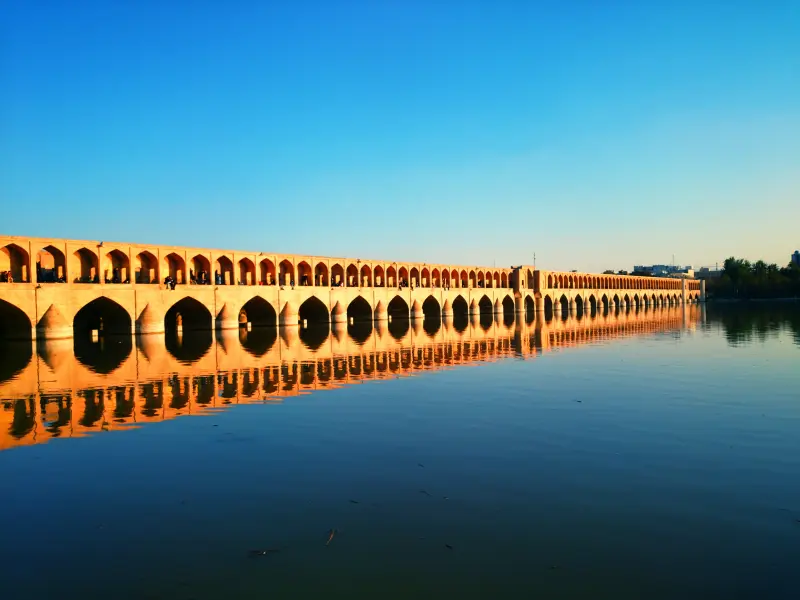
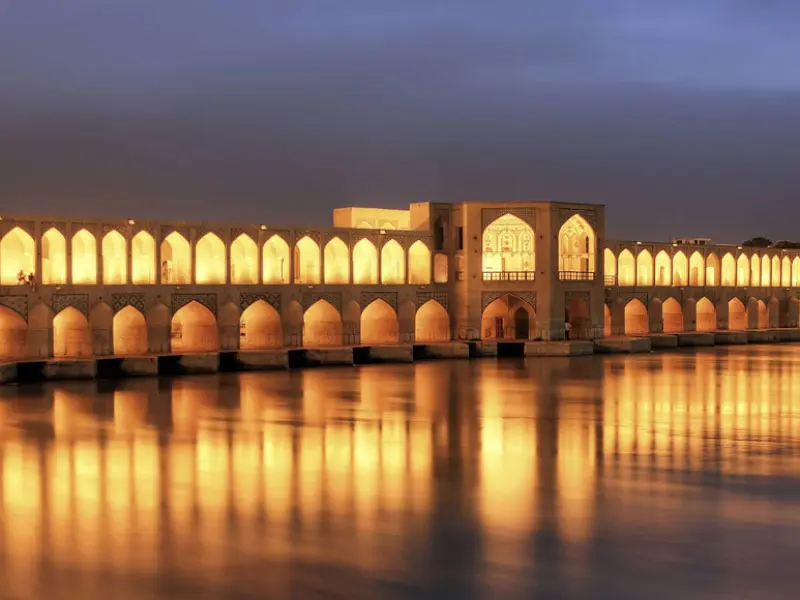
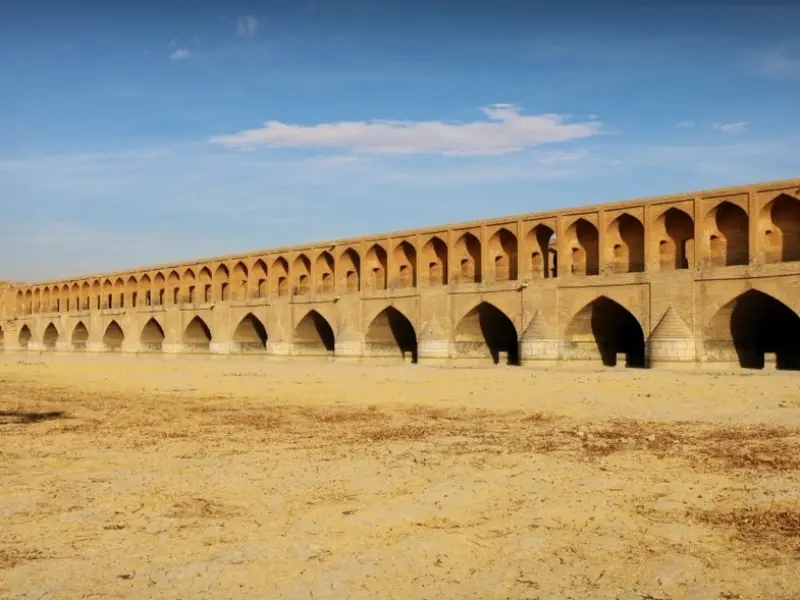
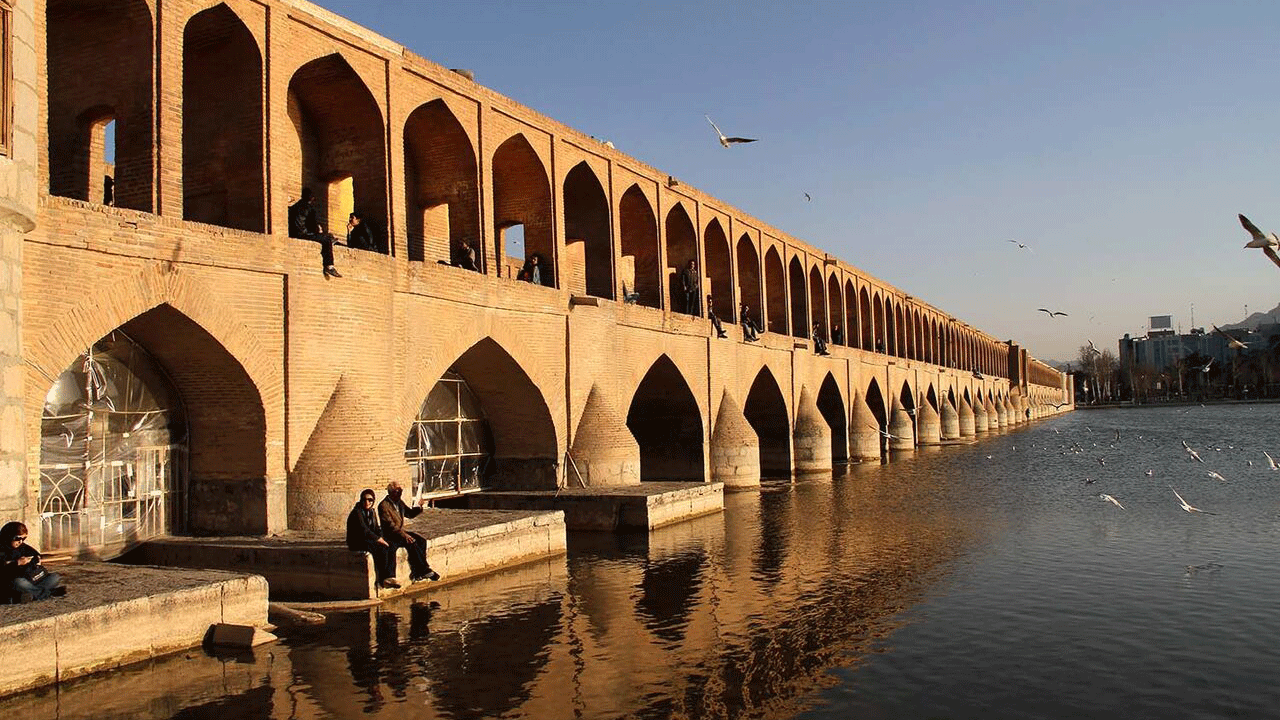
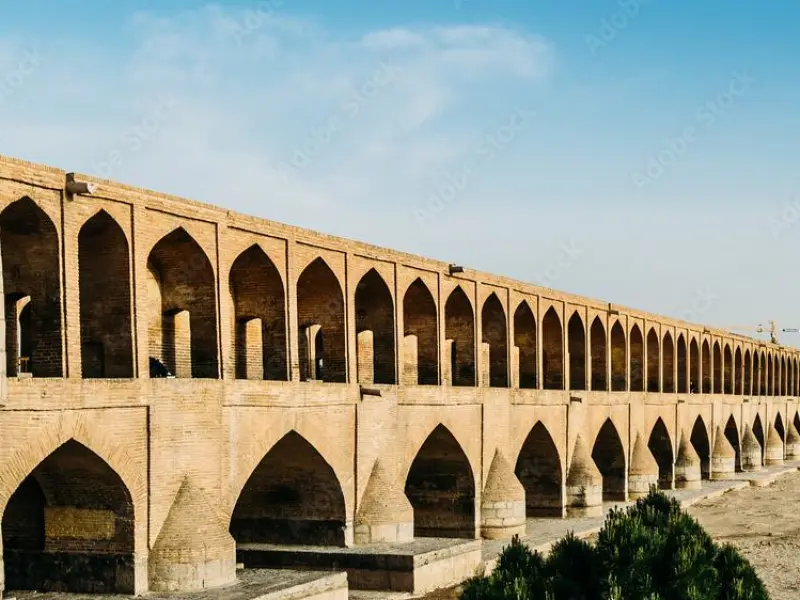
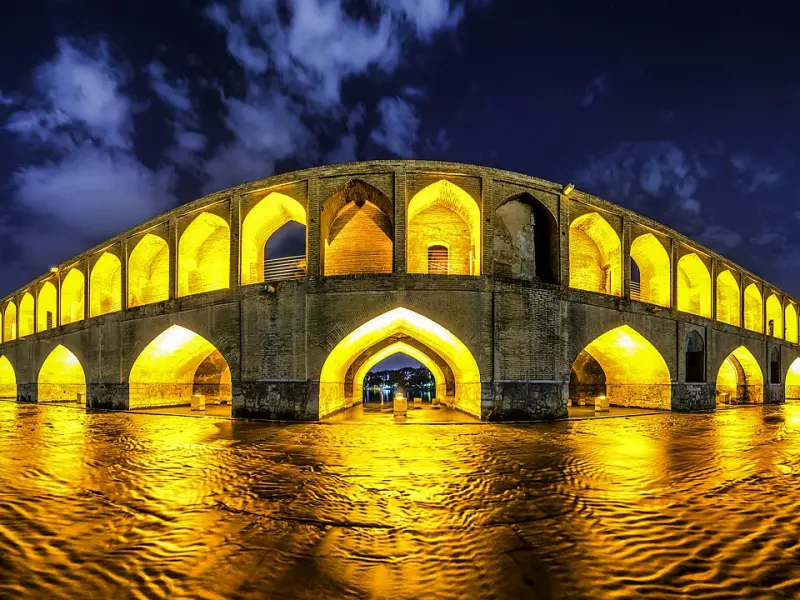
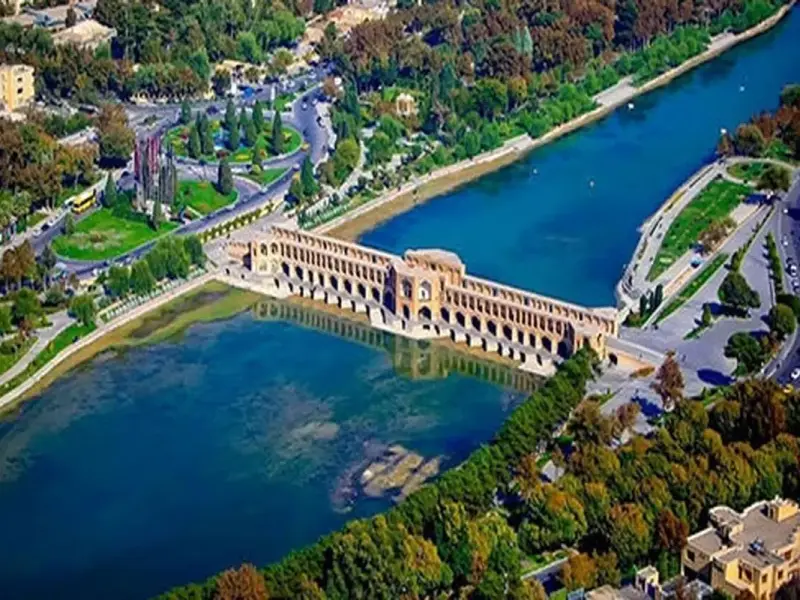
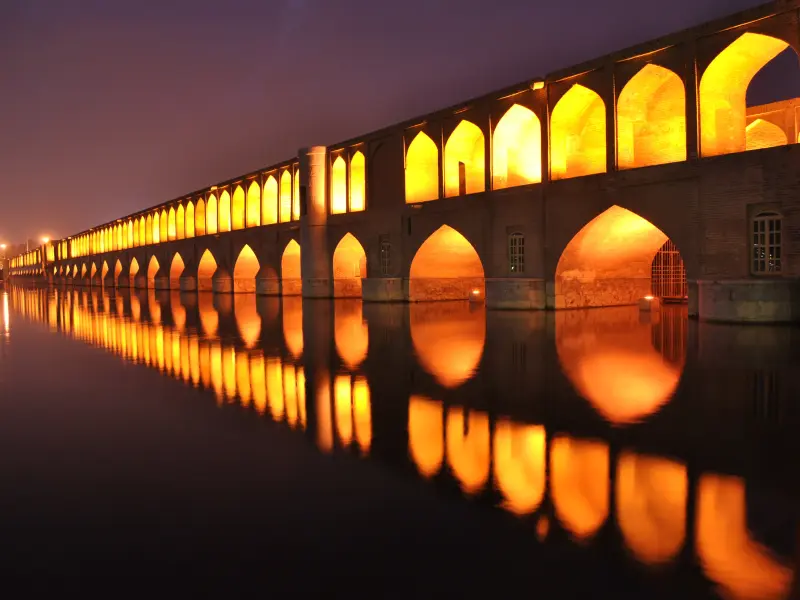
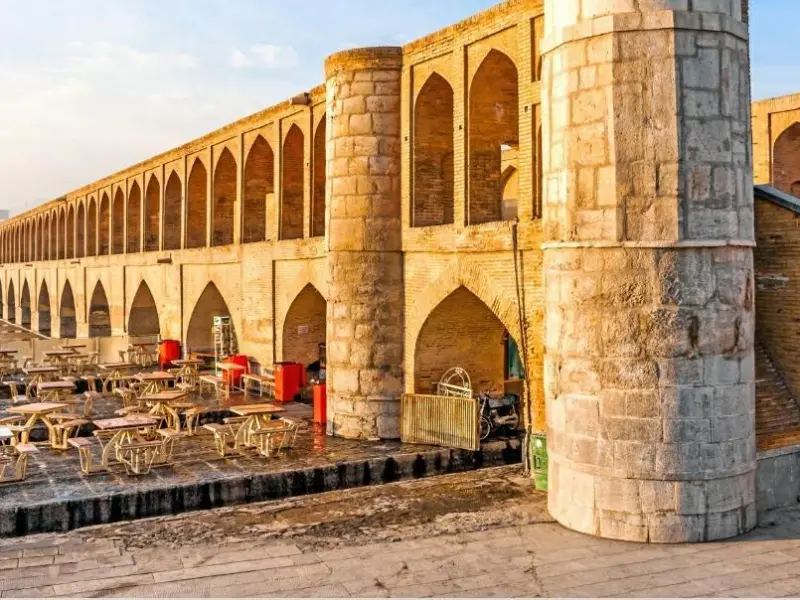
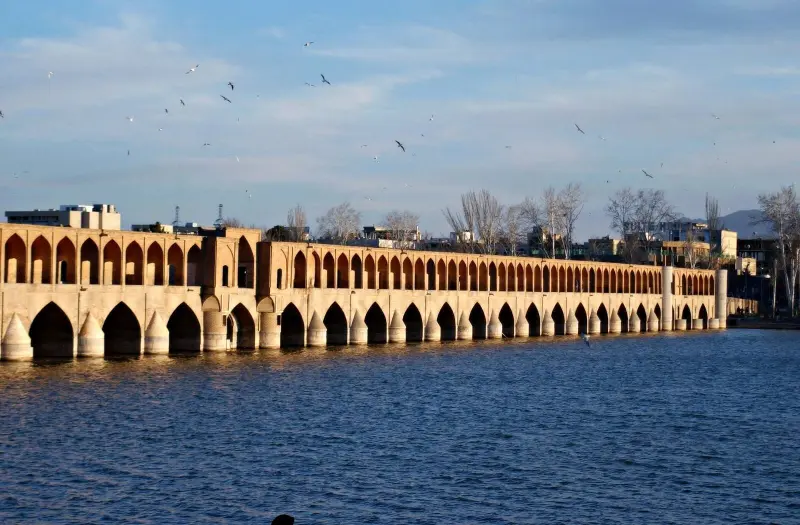
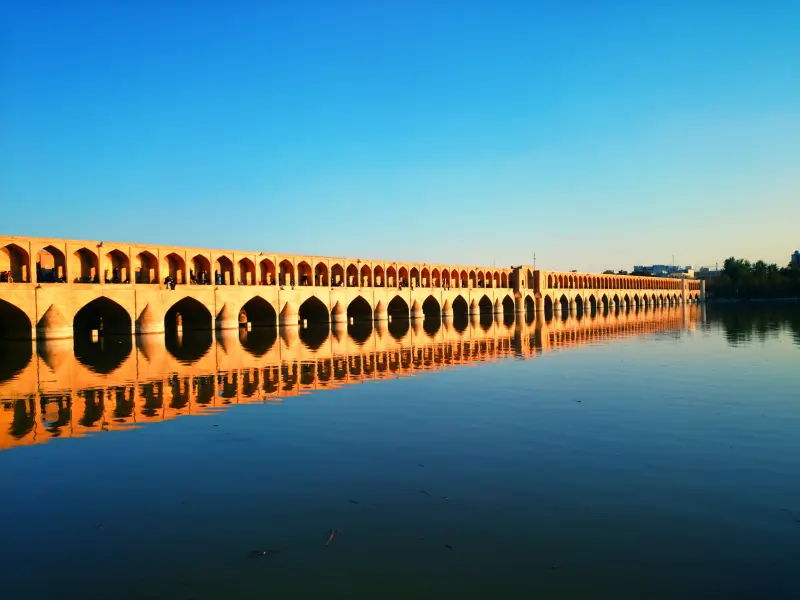
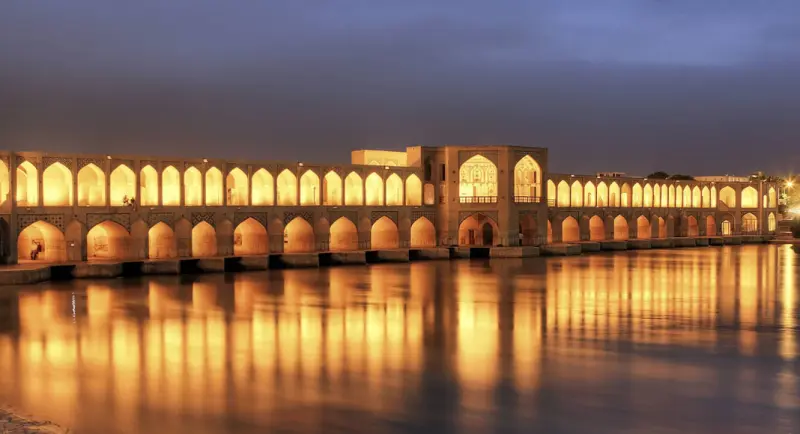
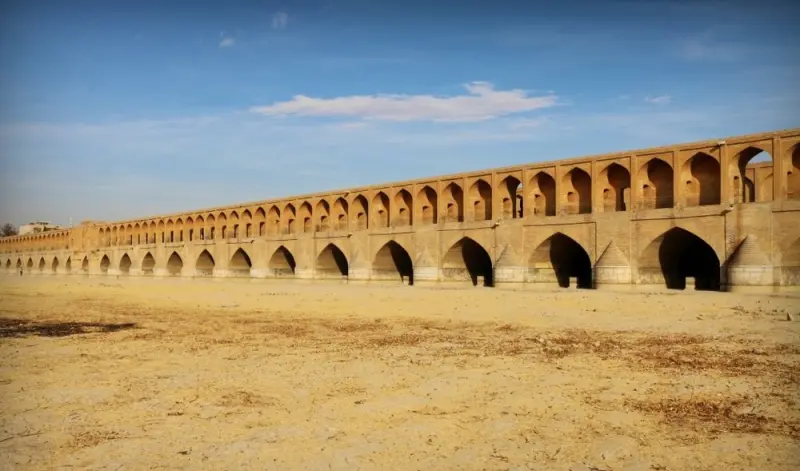
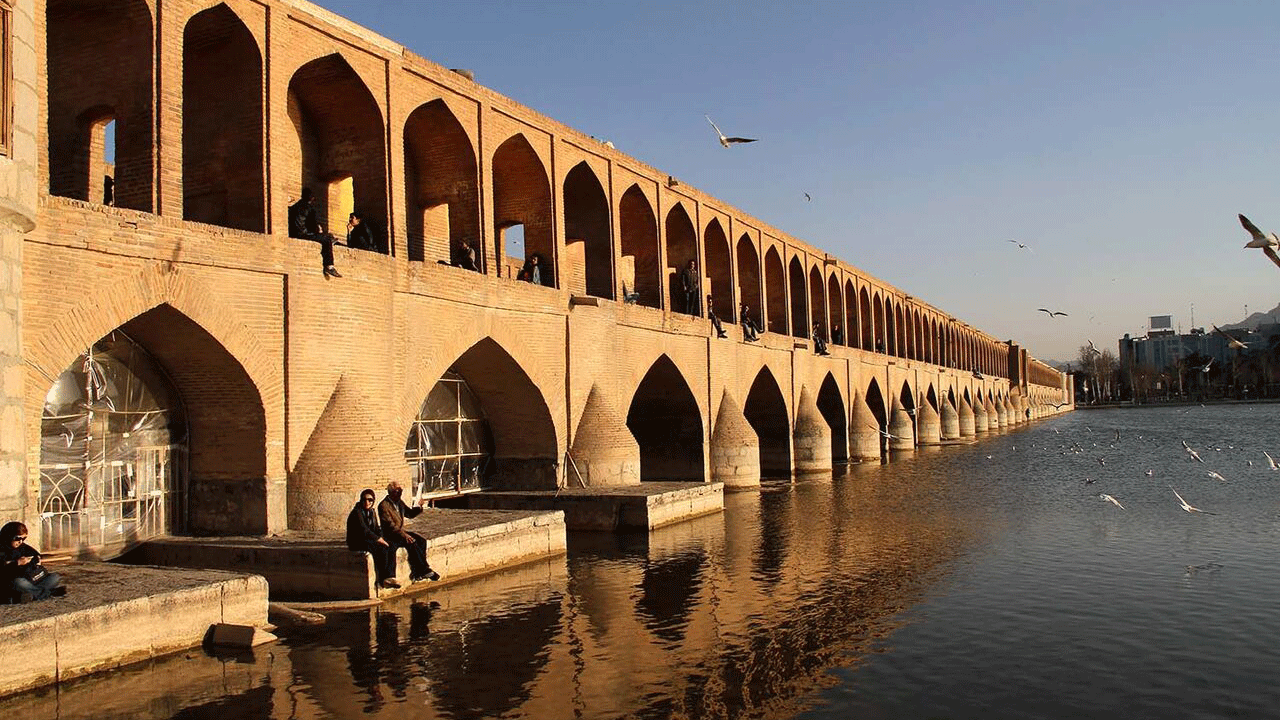
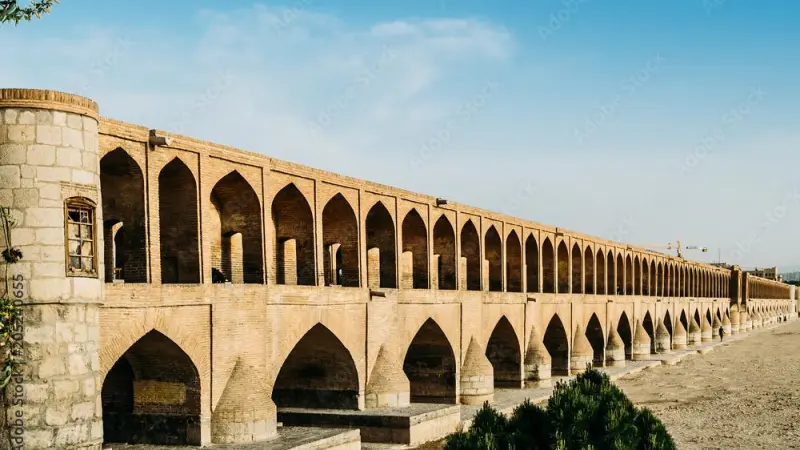
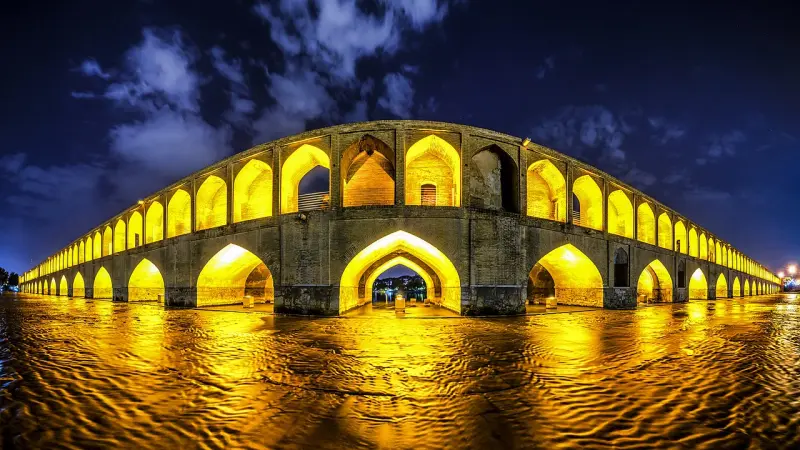
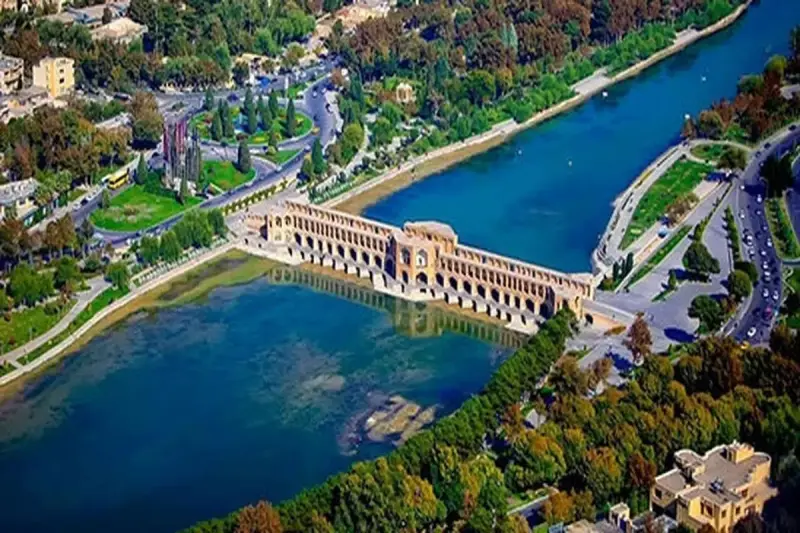
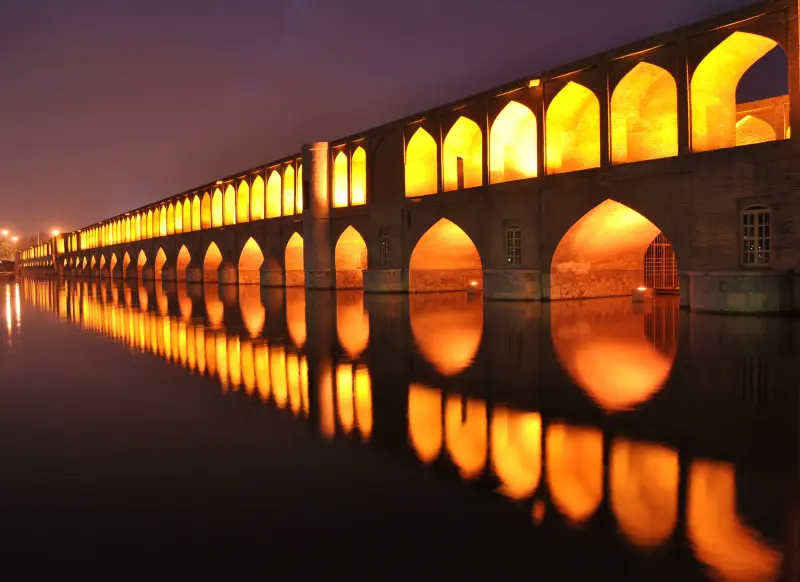
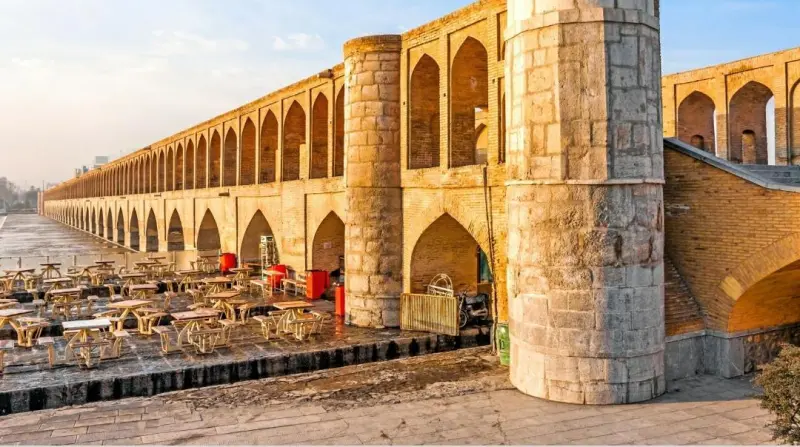
Si-o-se-pol ("the Bridge of 33 Arches"), also known as the "Allahverdi Khan Bridge", is an unrivalled masterpiece of Safavid architecture, built over the Zayandeh Rud in Isfahan. The bridge is about 295 metres long and 14 metres wide, with 33 spans. Construction began in 1008 AH (lunar Hijri) by order of Shah Abbas I and was completed in 1011 AH under the supervision of the commander Allahverdi Khan, with Master Hossein Banna Esfahani as architect. Beyond its practical role, especially linking Chahar Bagh Abbasi Avenue to Chahar Bagh Bala and the Jolfa district, Si-o-se-pol is regarded as an enduring symbol of the grandeur of Iranian architecture.
The bridge has always held a special place in the culture and social life of Isfahan and has attracted the attention of many foreign travellers; Chardin, the French traveller, called it an architectural masterpiece. In the Safavid era, celebrations such as Nowruz, the Abrizan (water-splashing) ritual and the Armenian Khach-shuyan (cross-washing) ceremony were held beside it. The materials used in the structure include brick, sarooj (a traditional waterproof mortar), gypsum plaster and a special mortar that has ensured the bridge's durability against changes in the river's flow, although the prolonged drying up of the river is considered a serious threat to it.
Si-o-se-pol was added to Iran's National Heritage list on 15 Dey 1310 (Solar Hijri) under registration number 110, and since then it has been regarded as one of the most important cultural and historical symbols of Isfahan and Iran. Because it is located in the city centre, it is easy to reach: you can walk along Chahar Bagh Avenue, or take the metro (Si-o-se-pol station) or a bus. The best time to visit is in the evening, and especially at night, when the bridge's beautiful lighting is reflected on the water, creating a poetic setting for strolling, photography and relaxing. Responsible visiting means keeping quiet and calm, avoiding any damage to the structure, and not writing graffiti on it.
Written by زهرا لنگری Last updated
What you can do here, and what it takes
خیابان چهارباغ و فضای اطراف پل، مسیرهای دلپذیر و فرهنگی برای پیادهروی و مشاهده معماری تاریخی فراهم میآورند.
Province Isfahan
Province Isfahan
Province Isfahan
Province Isfahan
Unfortunately, no comments have been registered.