
 Caves
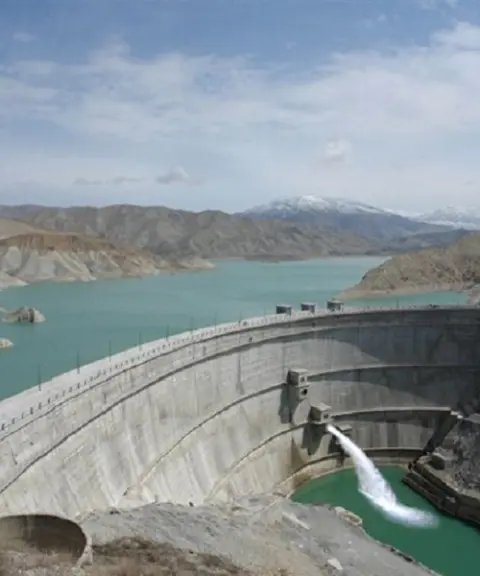

Shirvan Dam
Province North Khorasan
- Walking
- Rowing
A Shelter Carved into the Cliffs of North Khorasan
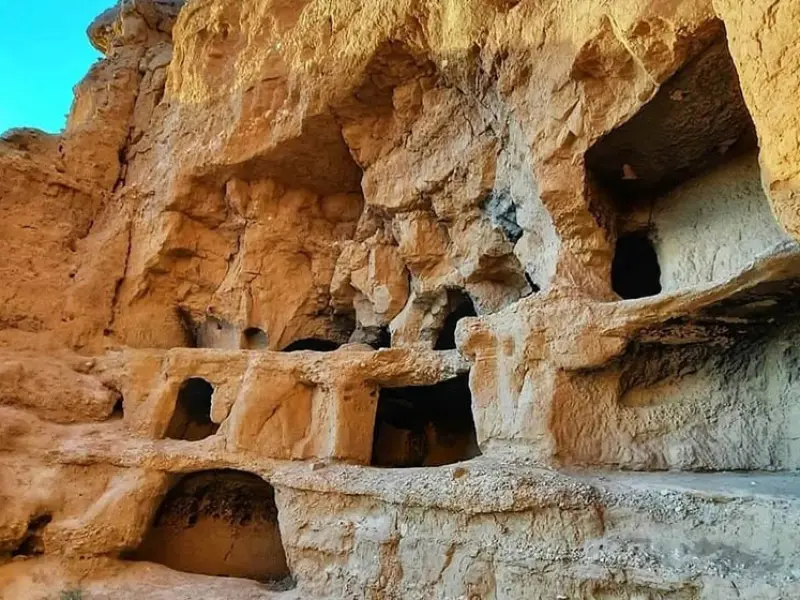
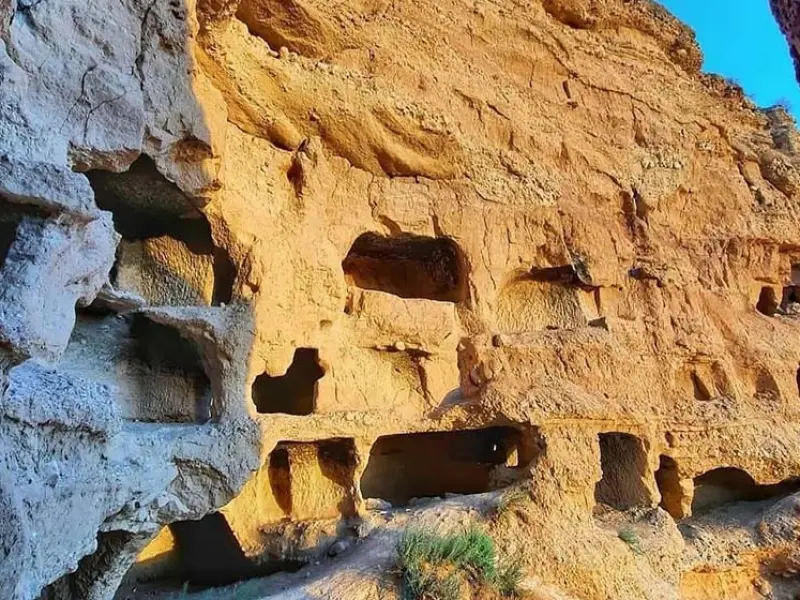
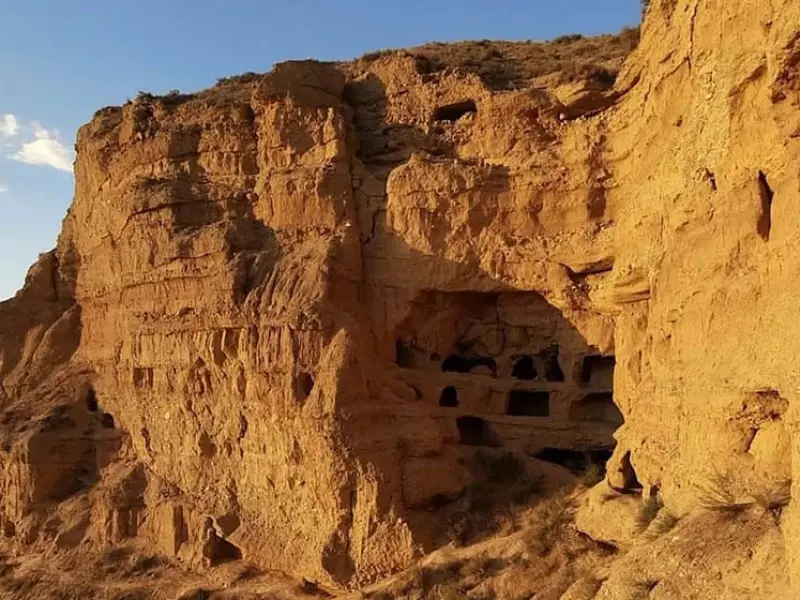
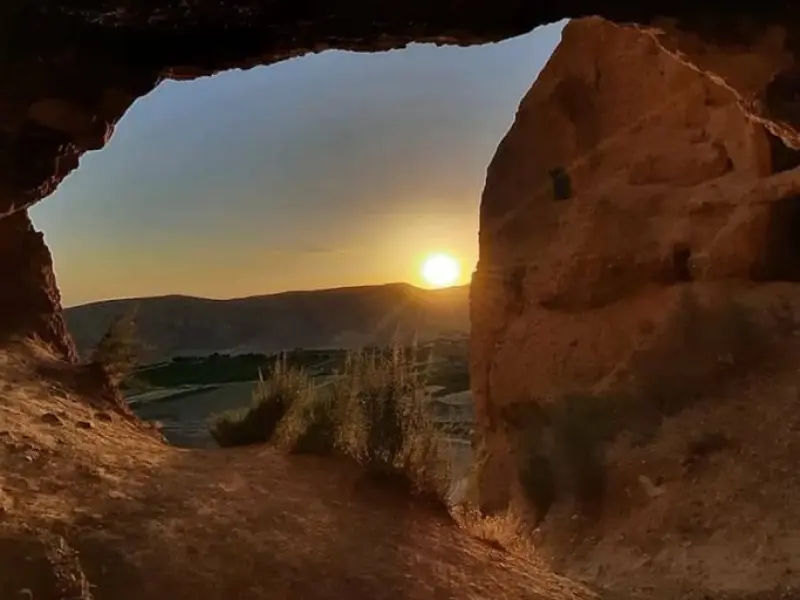
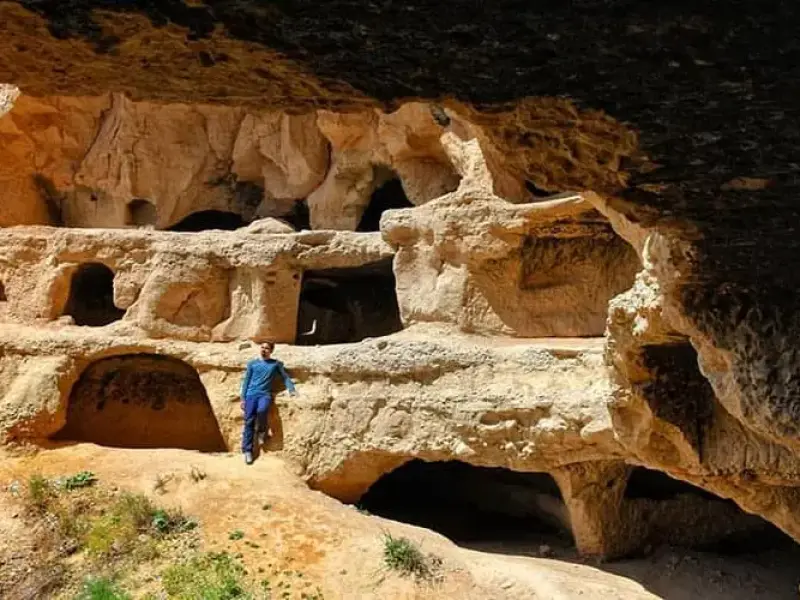
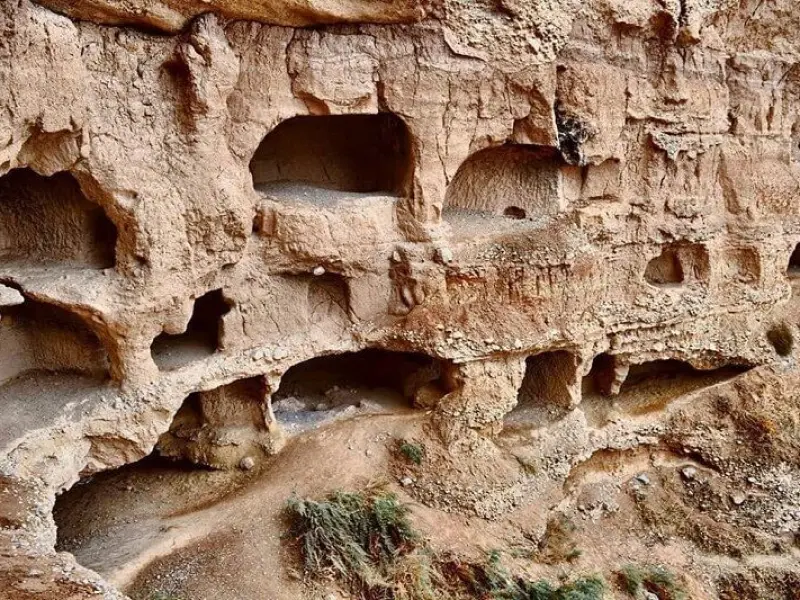
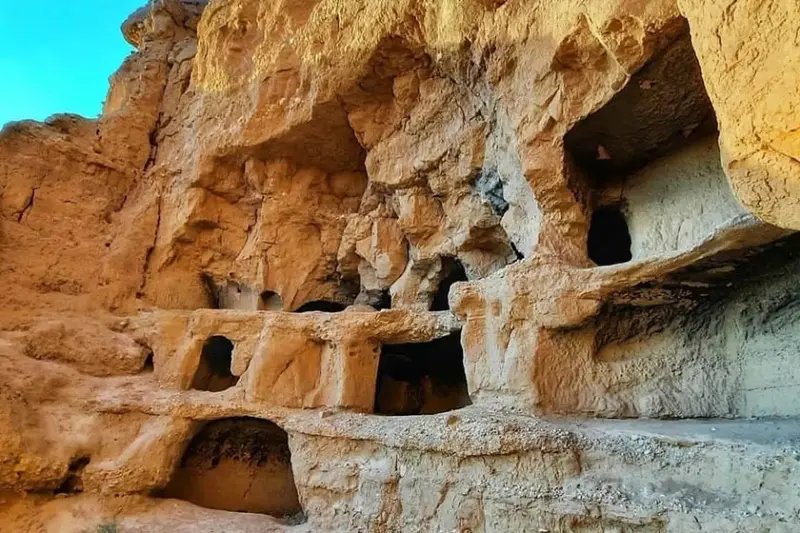
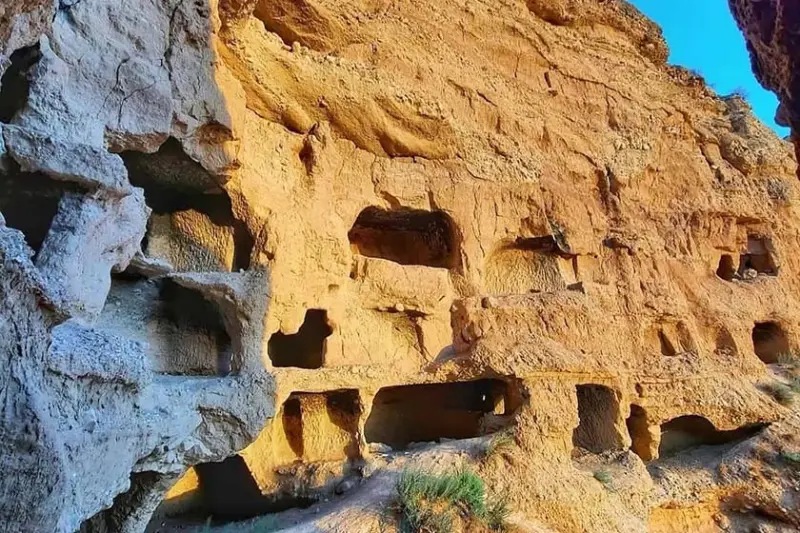
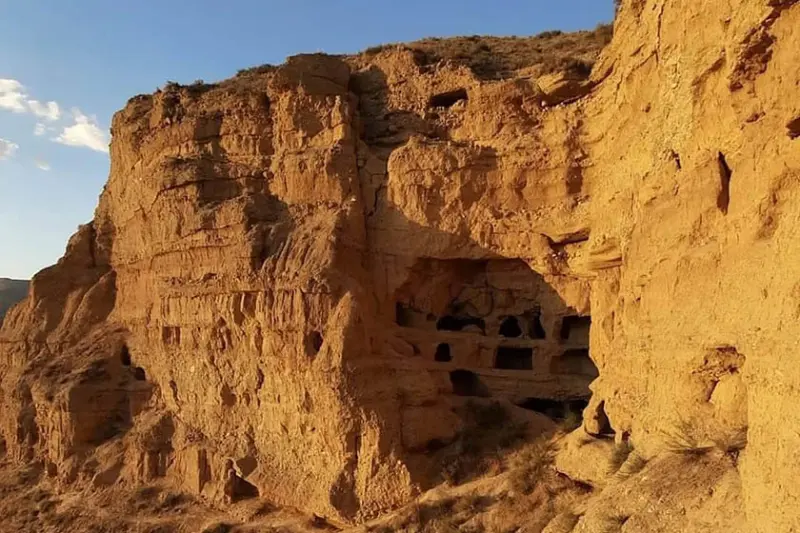
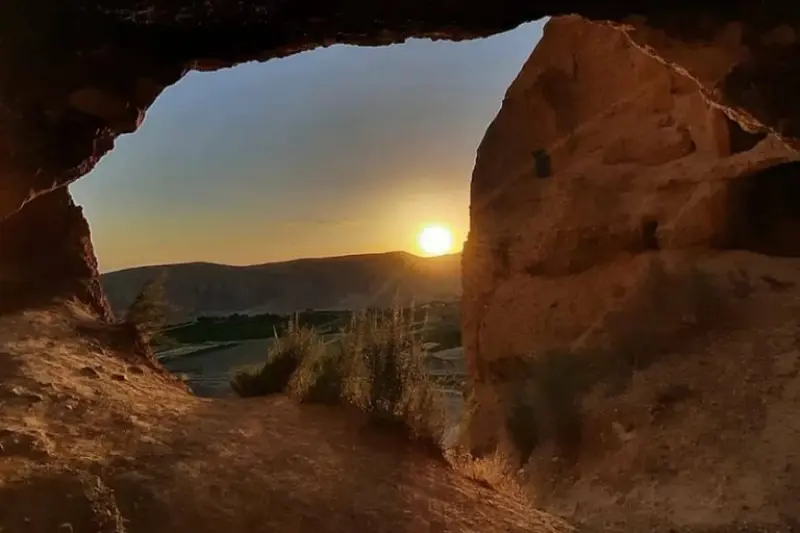
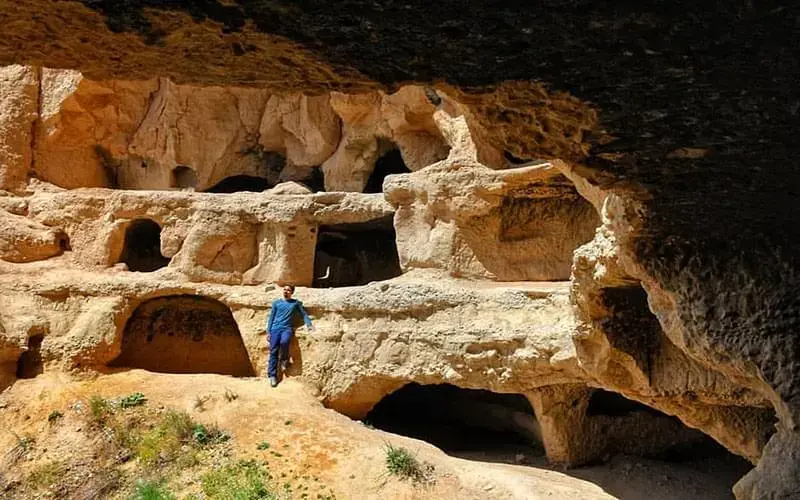
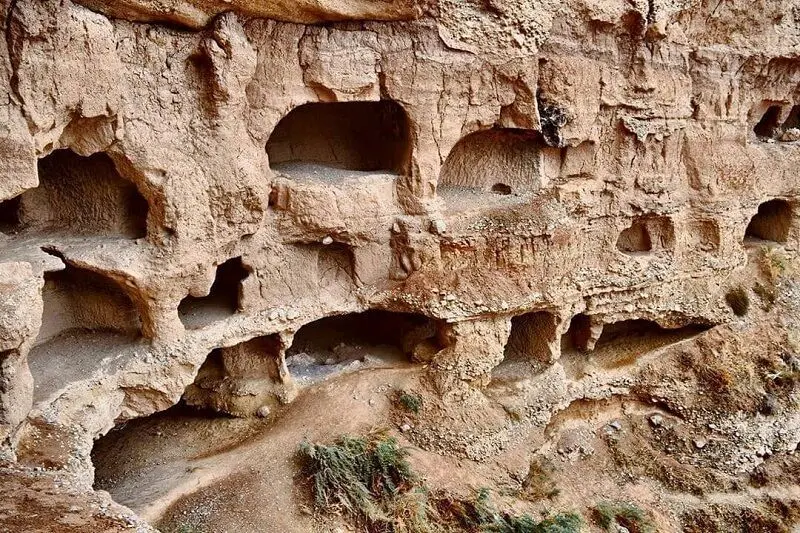
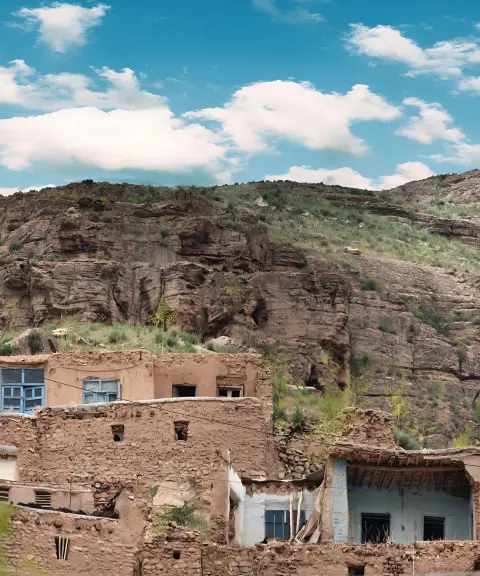
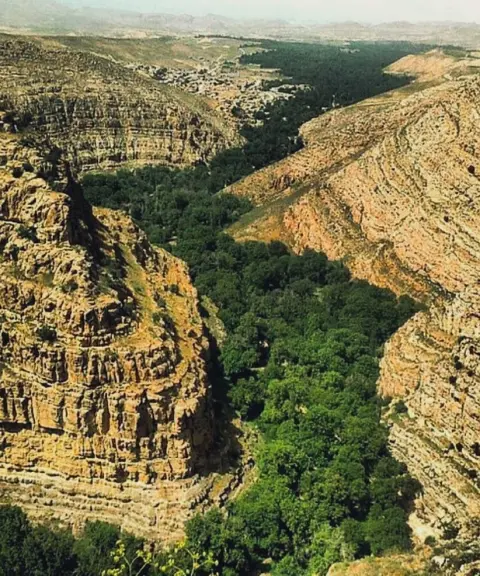
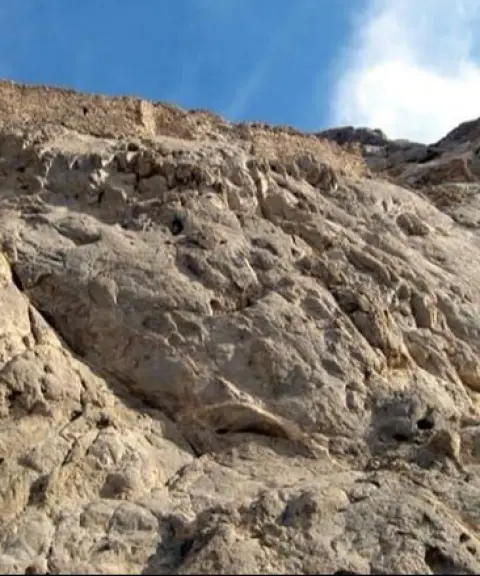
The Hanameh Caves, one of the most remarkable examples of rock-cut architecture in Iran, lie inside a mountain called "Garmeh Darreh", south of the village of Hanameh in Siukanlu Rural District, Shirvan County, North Khorasan Province. The complex is carved into the cliffs about 100 metres above the valley floor and consists of three neatly arranged levels of caves built one above the other. The structure of the complex suggests that a considerable population once lived here, and traces of that habitation can still be seen inside the caves.
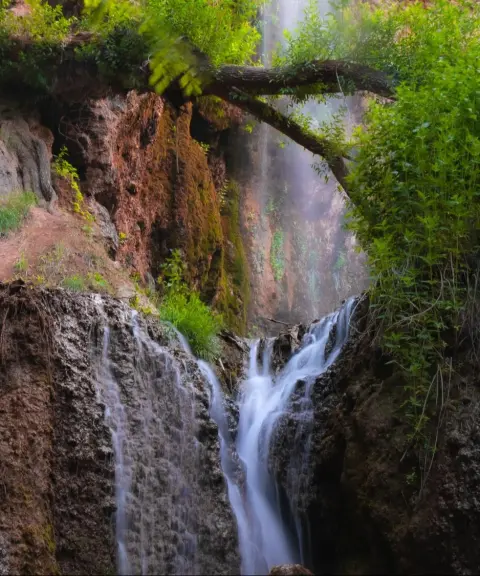
The caves were created on three levels on the vertical face of the mountain, with the ceiling of each level forming the floor of the level above. The ceiling or floor of the rooms is a dense layer of sandy conglomerate, 50 to 100 centimetres thick, which occurs naturally in the mountain and was put to good use. The third level has fewer but relatively large rooms, which were probably used as storerooms. All the architectural elements inside these spaces, such as mangers and hearths, were carved by hand out of the rock itself. Today about 20 rooms of this rock-cut complex survive intact, while a large part of the spaces has been destroyed by collapses of the cliff face. Access to these rooms from the top of the mountain is impossible, and the seasonal river at the foot of the mountain (below the caves) played a key role in supplying water to the cave dwellers.
The route to the complex starts from Shirvan towards the village of Khanlogh Aghi. After about 18 kilometres heading north, you turn onto a dirt side road that leads to the Hanameh Caves. Crossing a seasonal watercourse and hiking up a fairly steep slope brings visitors to this historic site. Besides providing natural camouflage, the position of the caves within the cliffs offered resistance against environmental hazards and human threats, a feature also seen in many other rock-cut architectural sites in Iran.
There are similarities between the Hanameh Caves and other examples of rock architecture in the country, such as the Kharbas Cave on Qeshm Island and the rock-hewn village of Meymand in Kerman. These similarities show that using the mountain as a safe and durable shelter was common in different parts of Iran, under varying geographical and cultural conditions. Even so, thanks to their distinctive location, their great height above the valley floor and their three-level structure, the Hanameh Caves have unique features that make them one of the country's lesser-visited but highly valuable historical attractions.
Written by زهرا لنگری Last updated
What you can do here, and what it takes
کفش پیادهروی به همراه داشته باشید..
بدون مهارت غارنوردی نمیتوان به این غار رفت.
Province North Khorasan
Province North Khorasan
Province North Khorasan
Province North Khorasan
Province North Khorasan
Province North Khorasan
Province North Khorasan


Unfortunately, no comments have been registered.