
 Forest
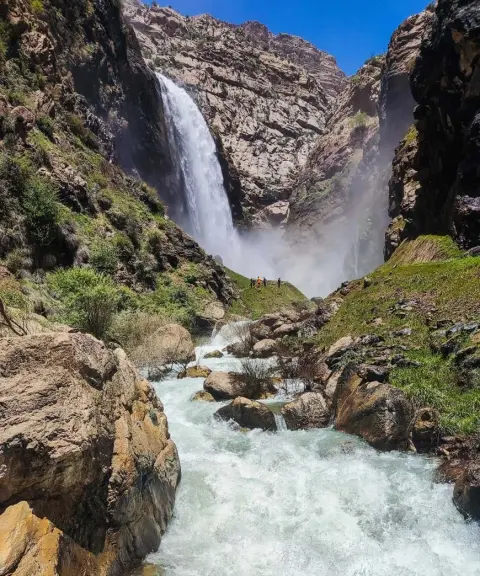

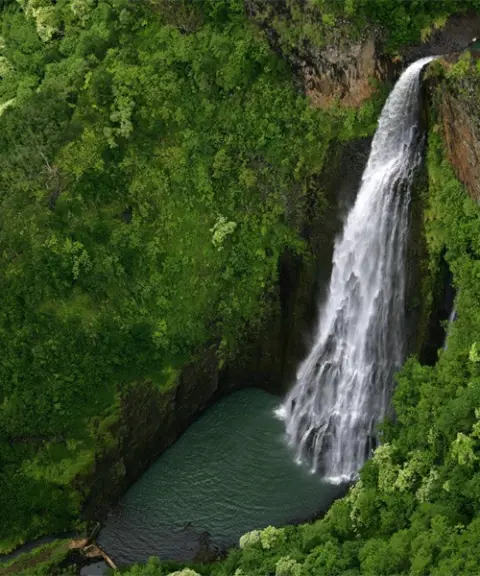
Tang-e Zendan Waterfall
Province Chaharmahal and Bakhtiari
- Walking
- Mountaineering
- Canyoning
A pristine ecosystem in the heart of the Zagros with exceptional plant and animal diversity
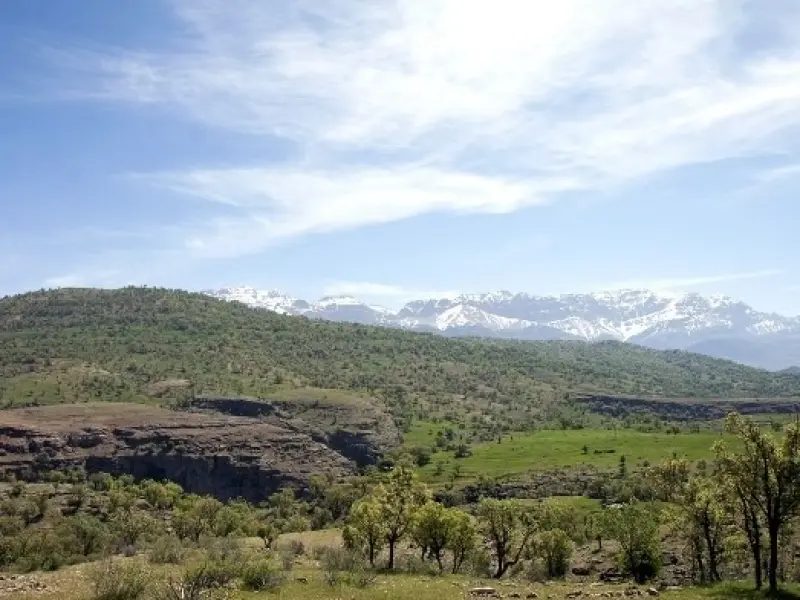
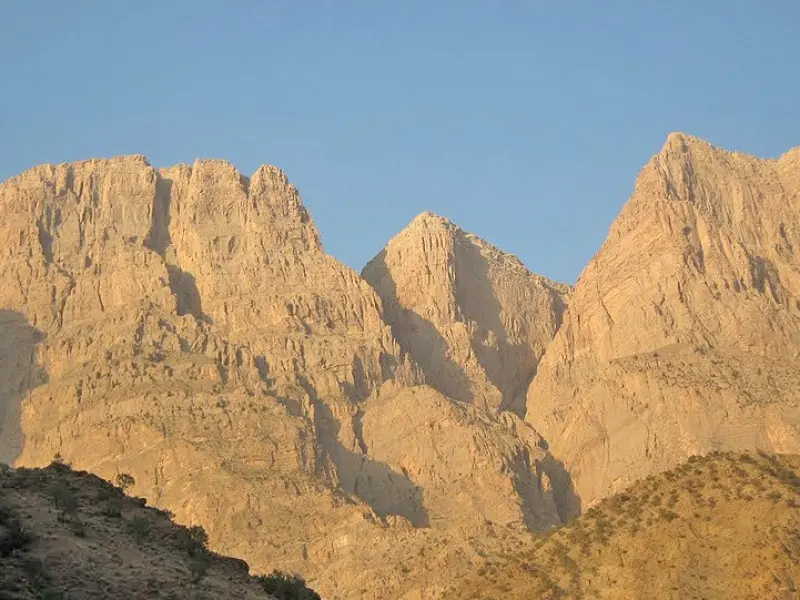
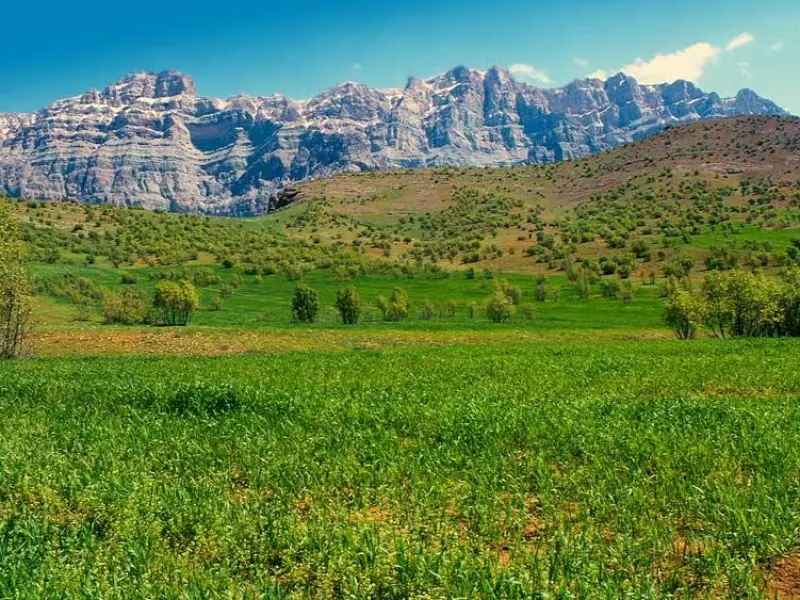
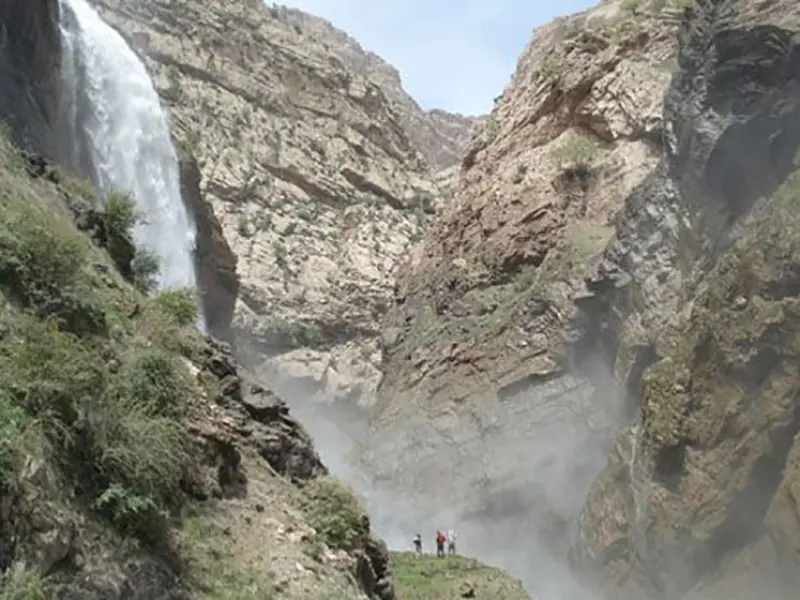
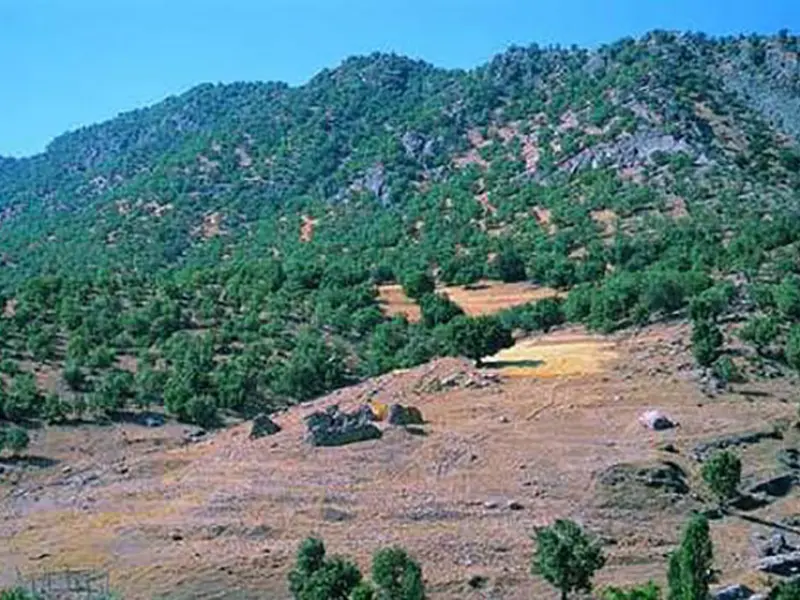
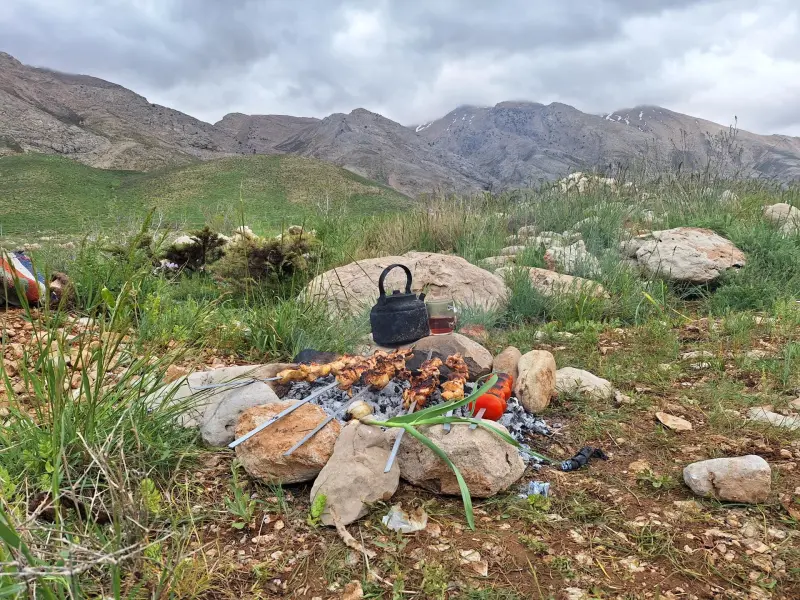
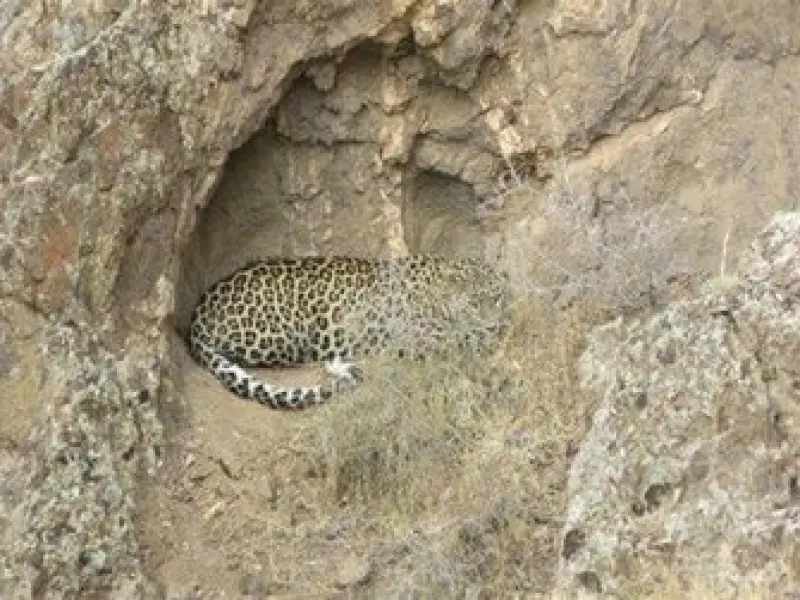
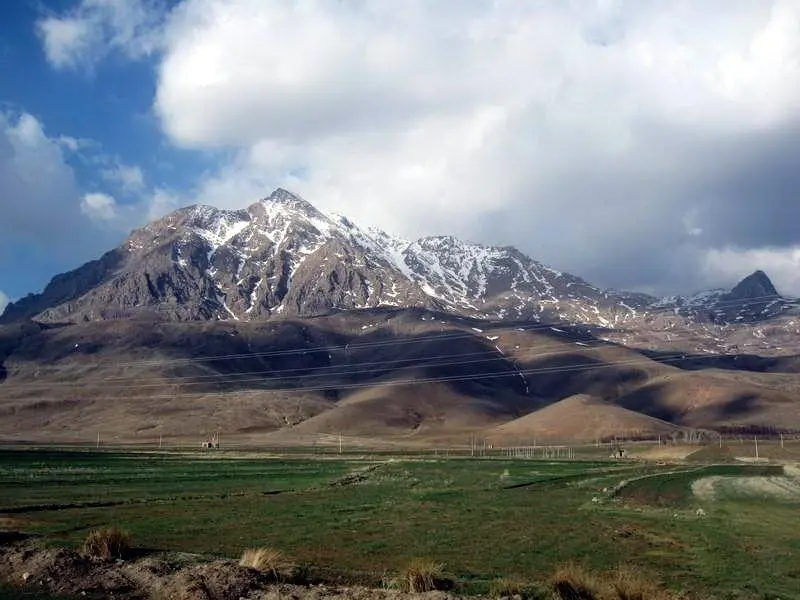
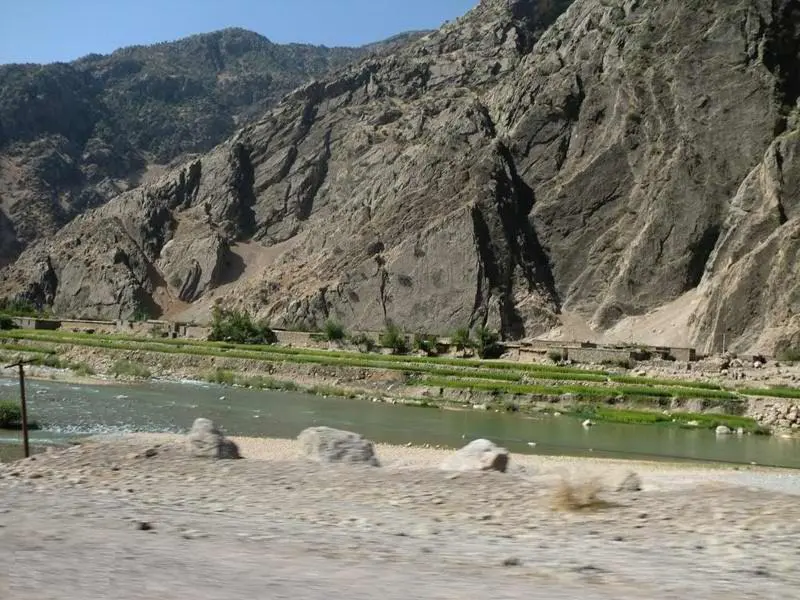
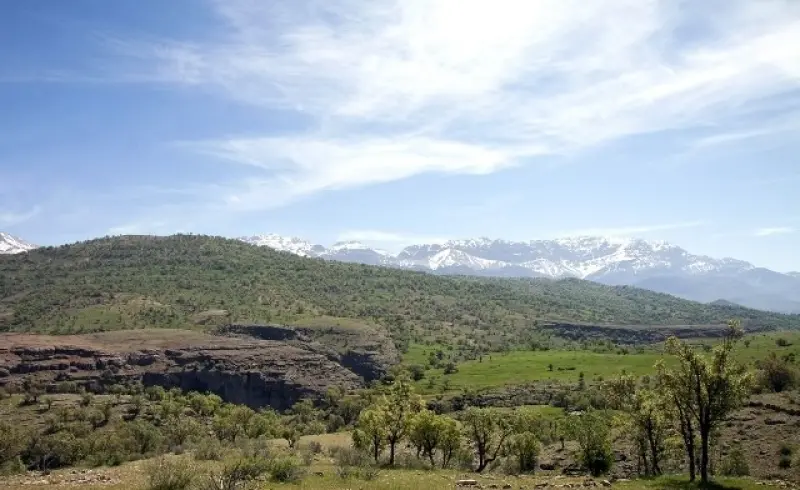
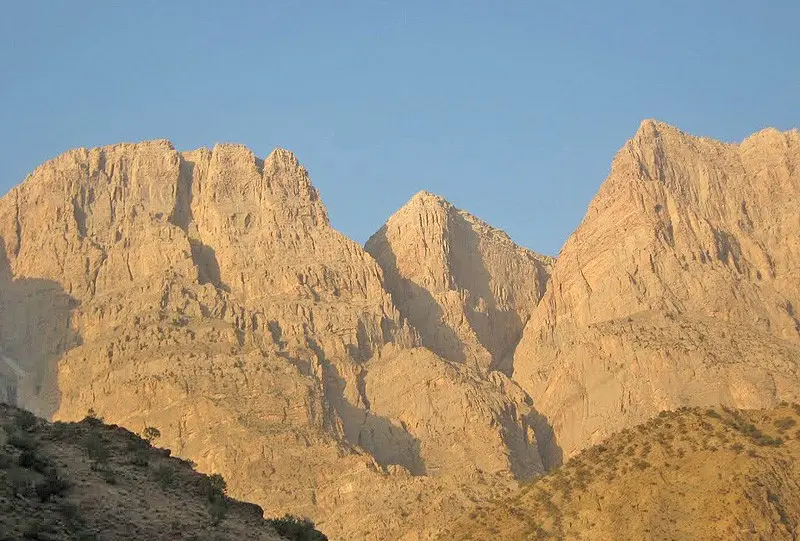
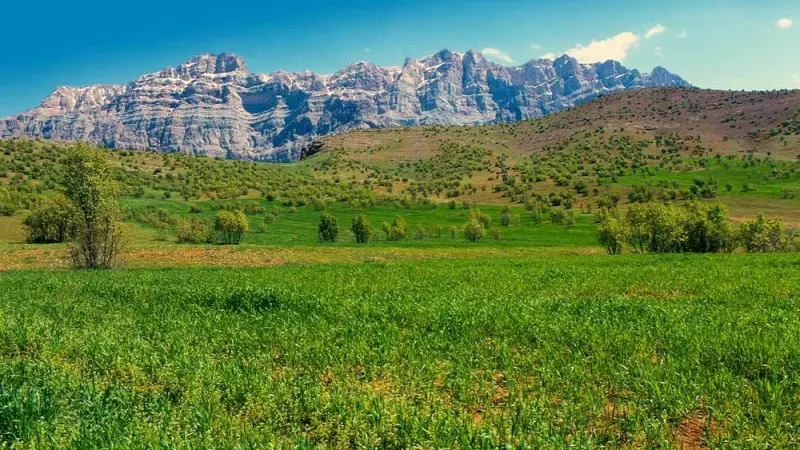
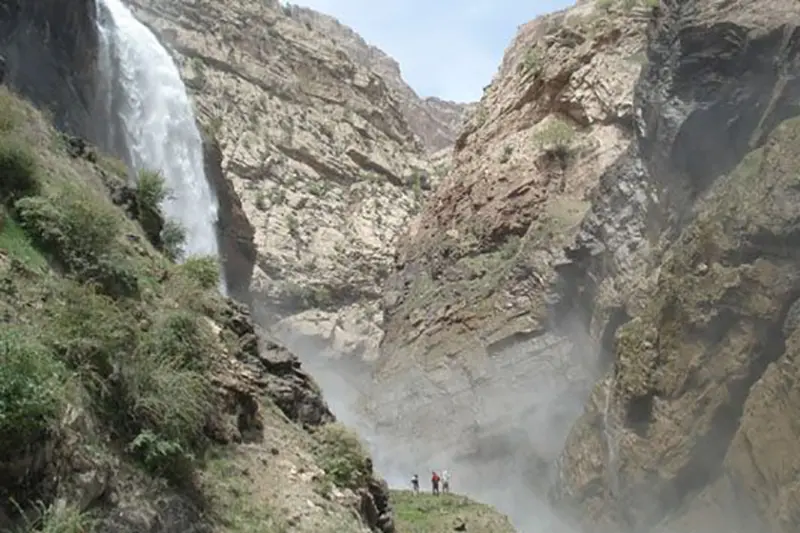
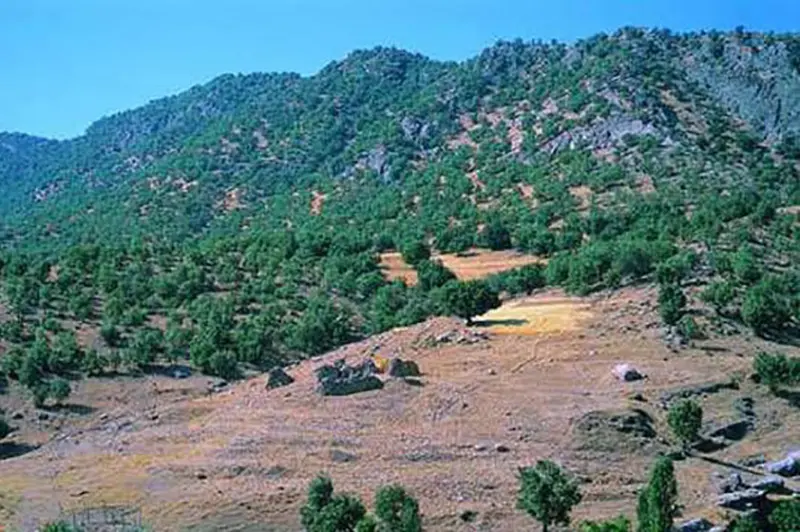
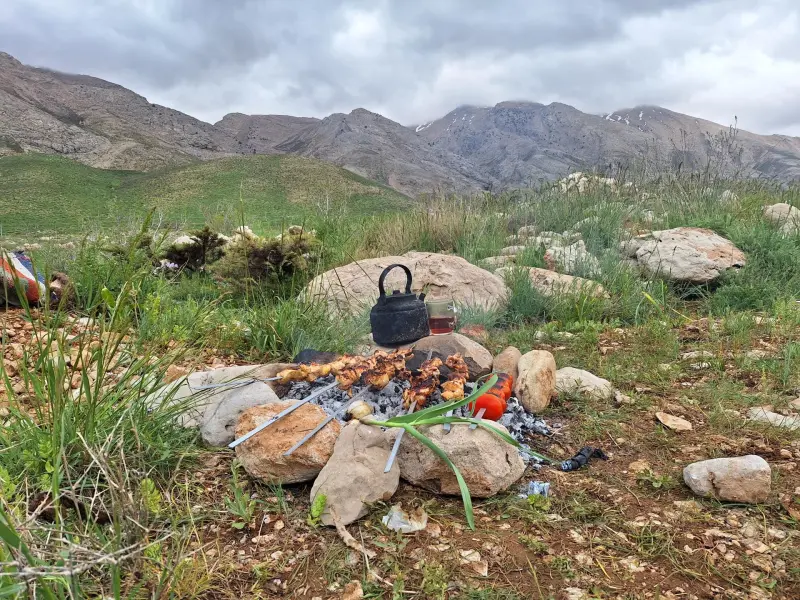
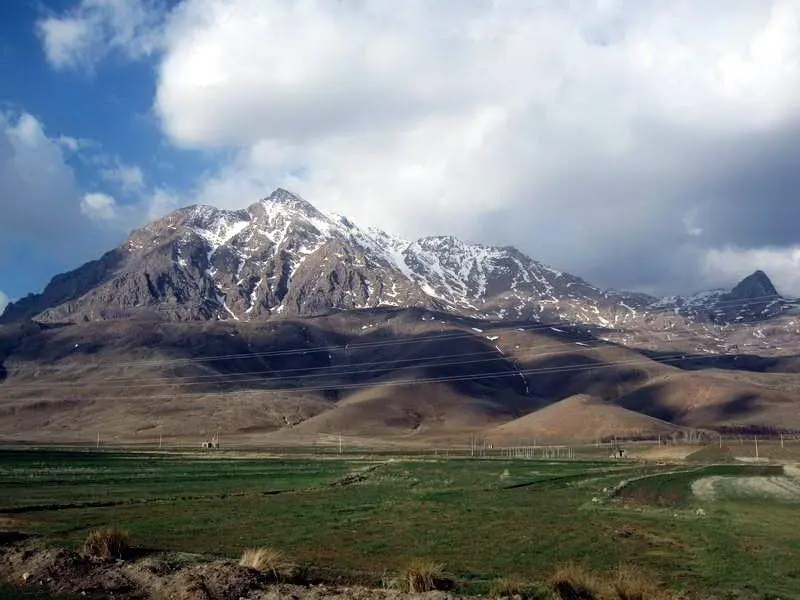
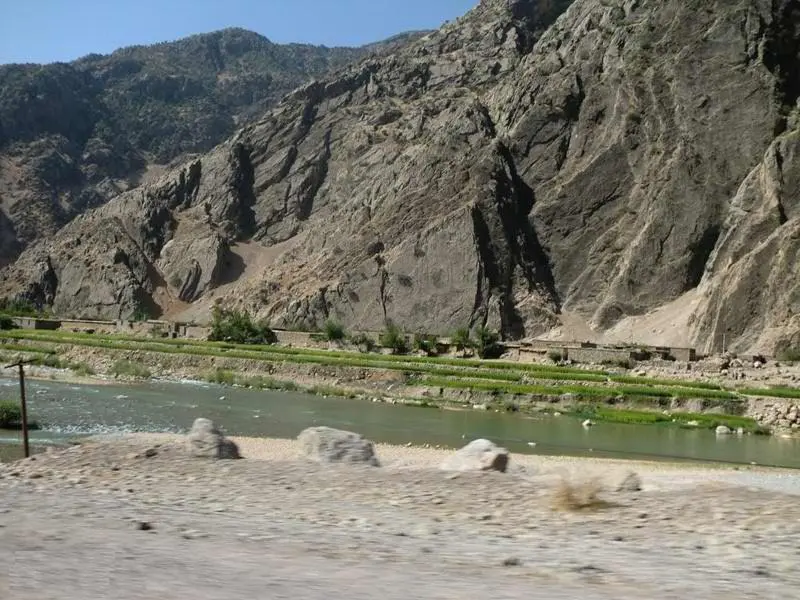
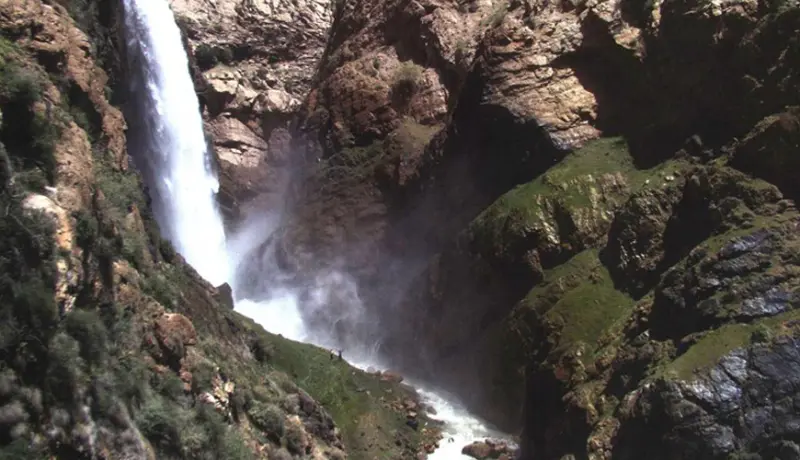
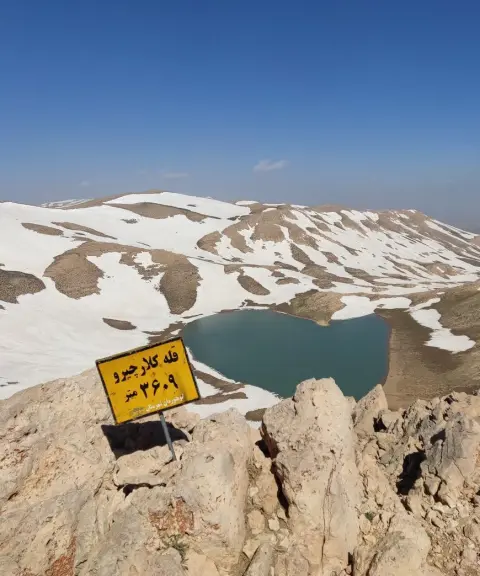
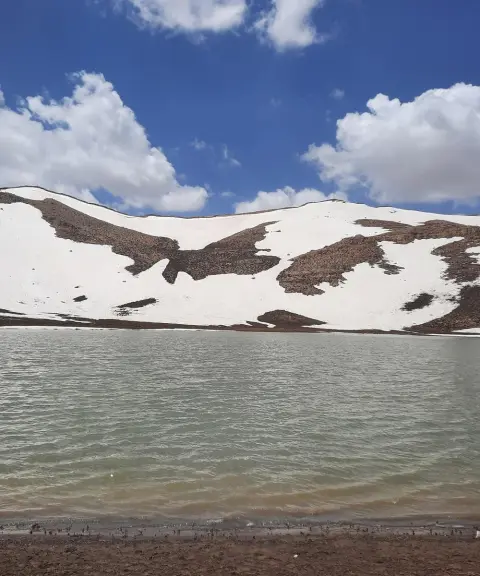
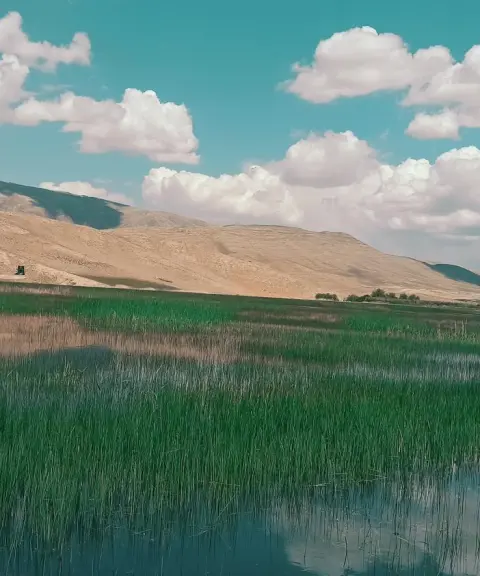
Sabzkuh Protected Area lies in Chaharmahal and Bakhtiari Province, in the central Zagros. Thanks to its vast, unspoiled nature, it plays an important role in conserving biodiversity. Covering more than 54,000 hectares, the area sits at elevations between 1,120 and 3,870 metres above sea level, and the Karebas and Vanak rivers flow through it. Sabzkuh was designated a protected area in 1369 (1990) and, in 1394 (2015), was inscribed on the UNESCO list together with Tang-e Sayyad as Iran's eleventh biosphere reserve. Because of its distinctive biological and ecological features, it is an important destination for research, education and nature tourism.
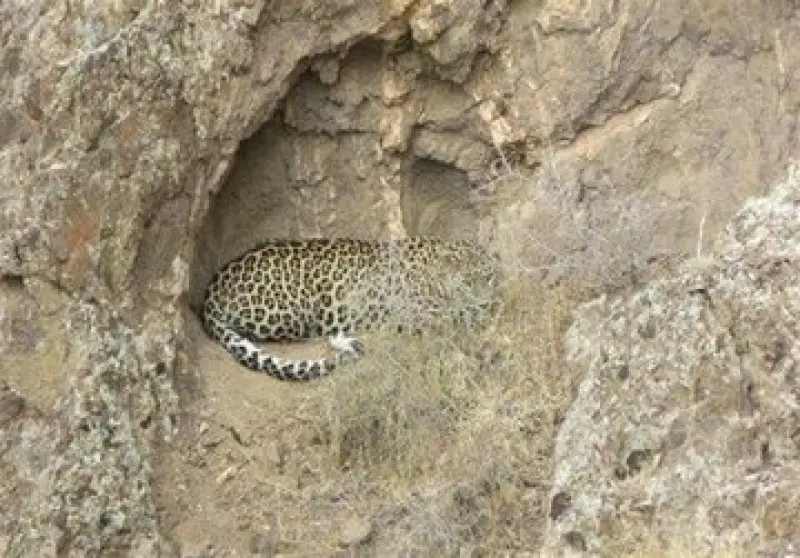
Sabzkuh's vegetation is remarkably diverse, including Zagros oak forests along with Persian turpentine (baneh), wild almond, juniper, hawthorn, ash and wild pear trees. A total of 433 plant species have been identified in the area, classified into 285 genera and 73 families. The area's wildlife is also very rich, home to species such as leopard, brown bear, wolf, fox, jackal, wild goat, ibex, mouflon, wild boar, hare and porcupine. A variety of birds, such as the chukar partridge, golden eagle, see-see partridge, lammergeier and Eurasian magpie, can also be seen here, a sign of favourable living conditions and the area's great conservation value.
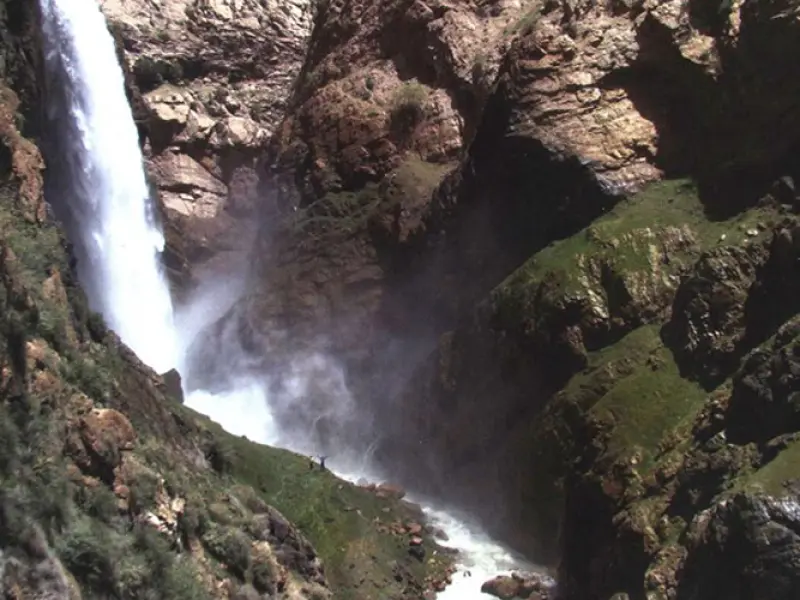
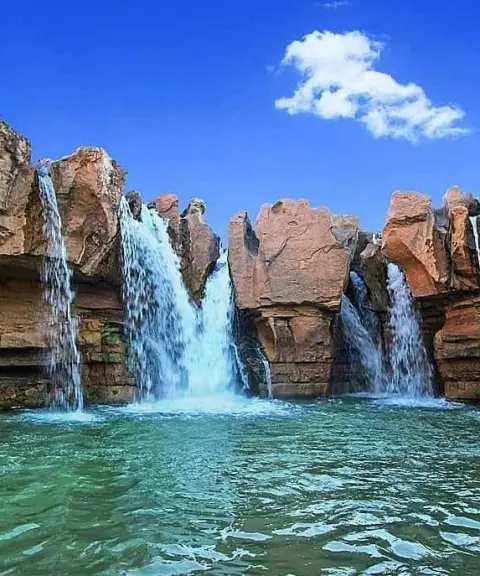
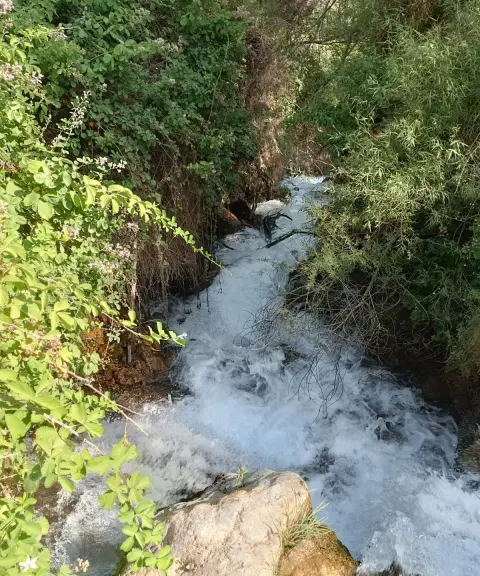
Sabzkuh has a semi-humid climate, with annual rainfall of 400 to 800 millimetres. Springs and waterfalls such as Tang-e Zendan and the Ab-e Sefid spring create beautiful natural scenery here. The best time to visit is from late spring to early autumn, when the weather is mild and the natural trails are easier to reach. The area is accessible by roads leading to the towns of Borujen, Lordegan and Kiar. When visiting, it is advisable to follow the principles of responsible nature tourism and to coordinate with the Department of Environment.
Written by زهرا لنگری Last updated
What you can do here, and what it takes
کفش پیادهروی به همراه داشته باشید..
تجهیزات لازم کوهنوردی را به همراه داشته باشید.
Province Chaharmahal and Bakhtiari
Province Chaharmahal and Bakhtiari
Province Chaharmahal and Bakhtiari
Province Chaharmahal and Bakhtiari
Province Chaharmahal and Bakhtiari
Province Chaharmahal and Bakhtiari
Province Chaharmahal and Bakhtiari
Province Chaharmahal and Bakhtiari


Unfortunately, no comments have been registered.