
 Attractions
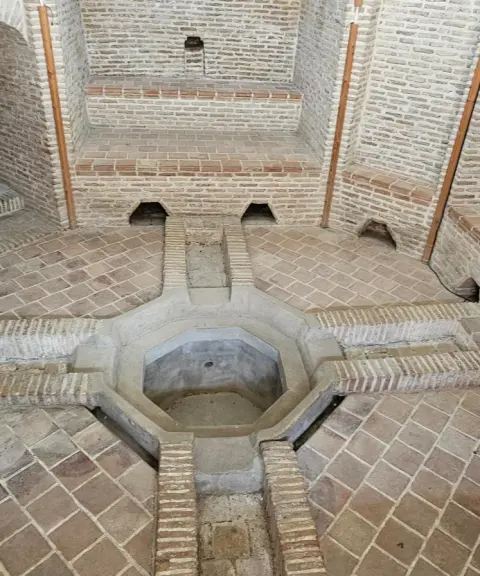
Vaziri Bathhouse
Province Mazandaran
- Walking
A magnificent example of Qajar architecture in the heart of Sari
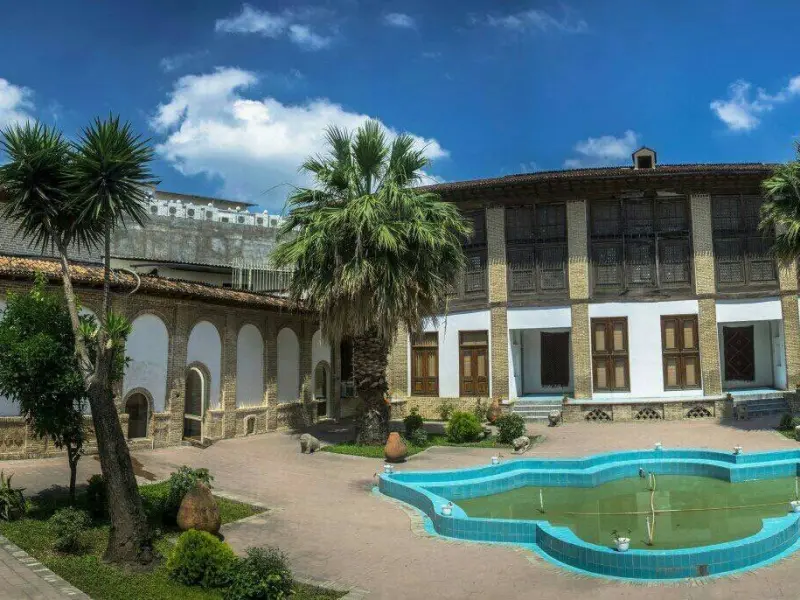
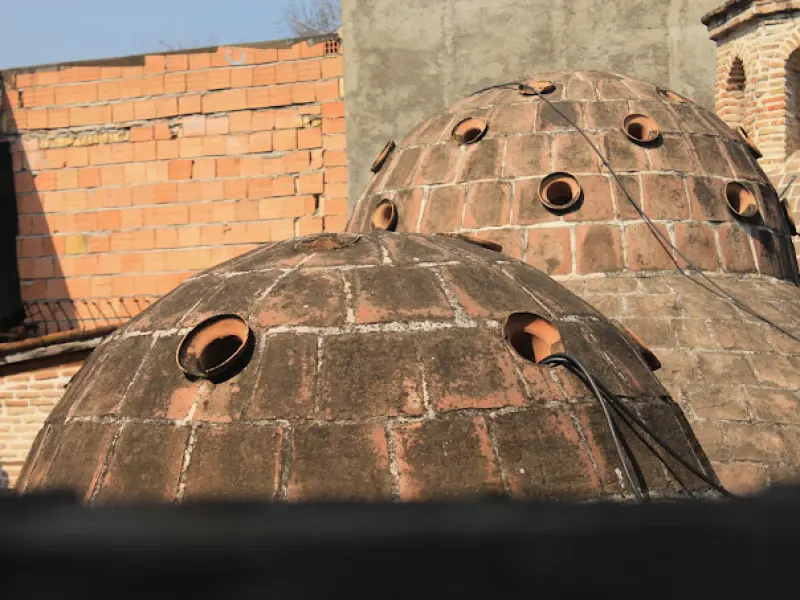
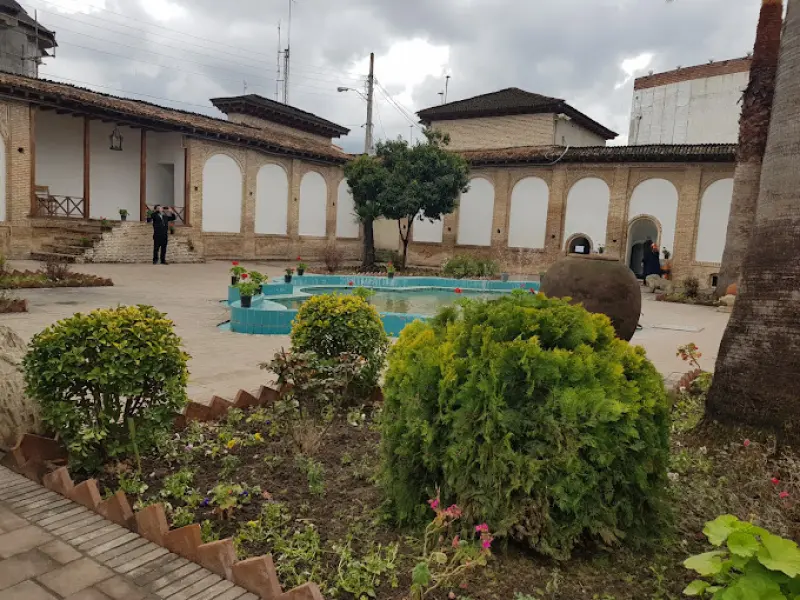
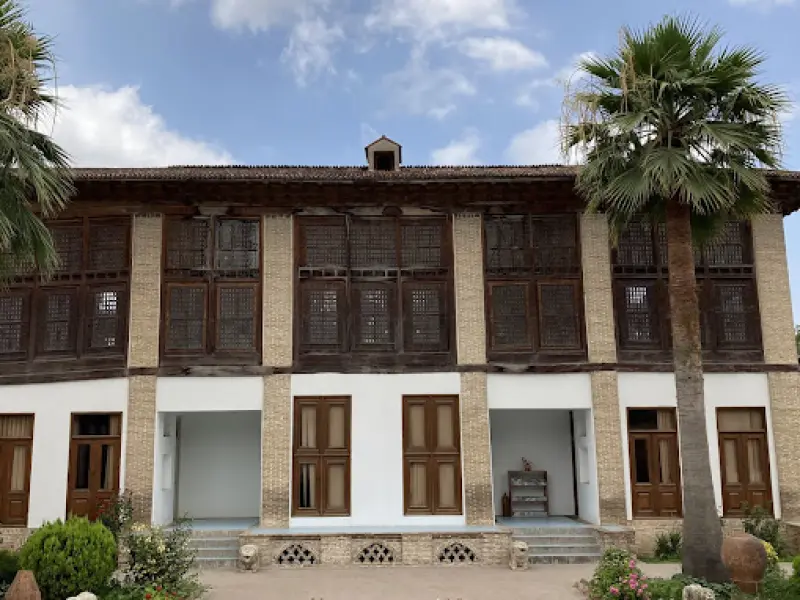
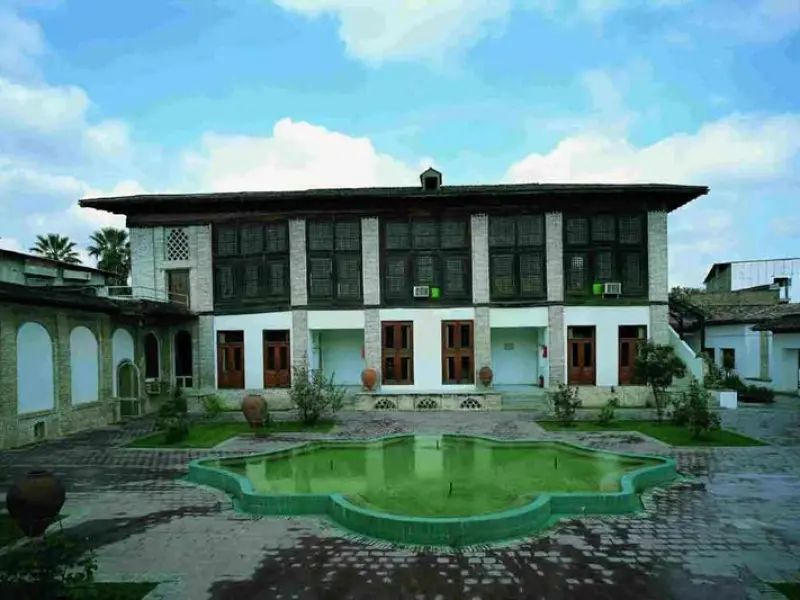
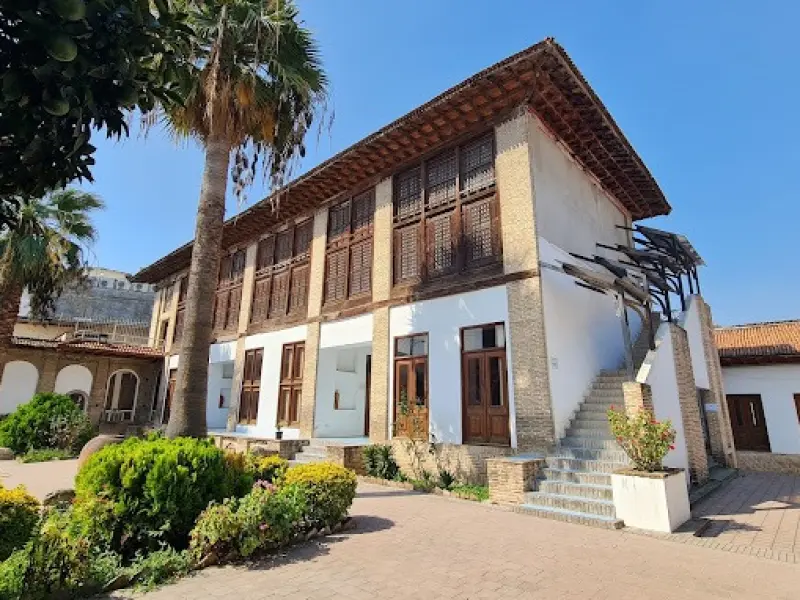
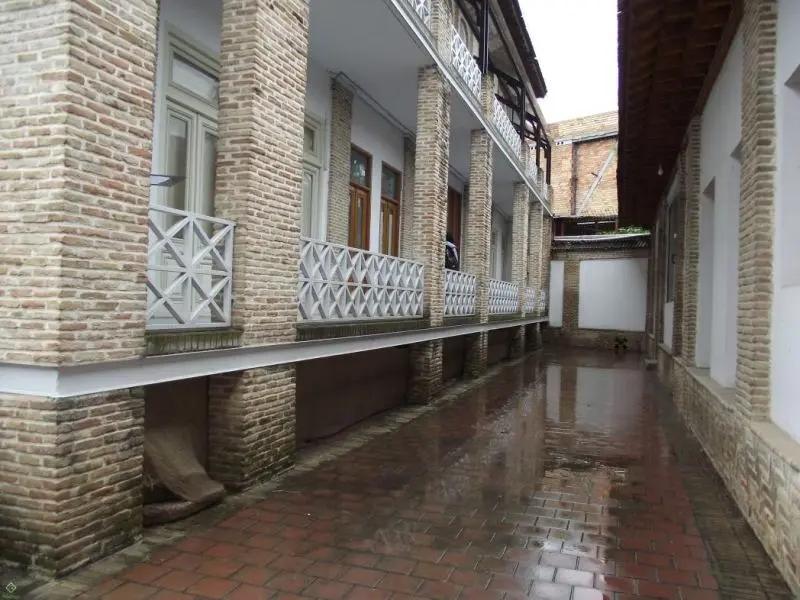
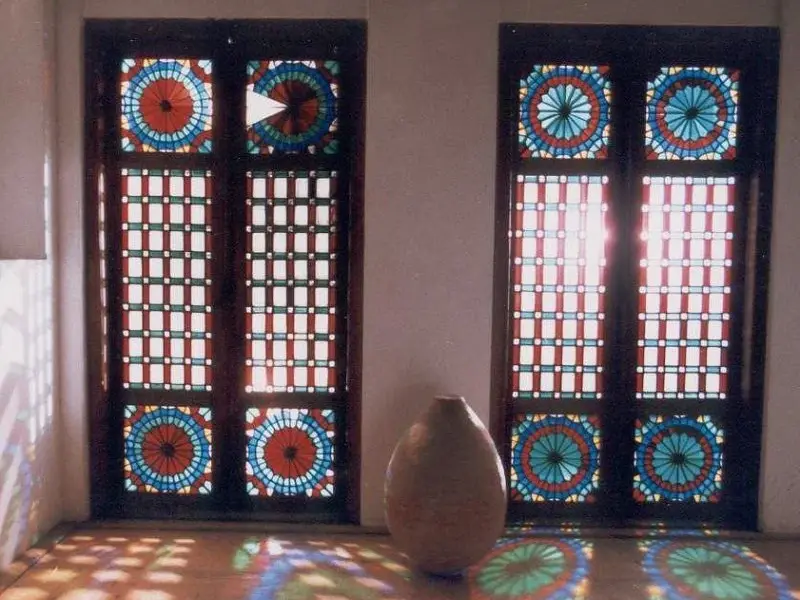
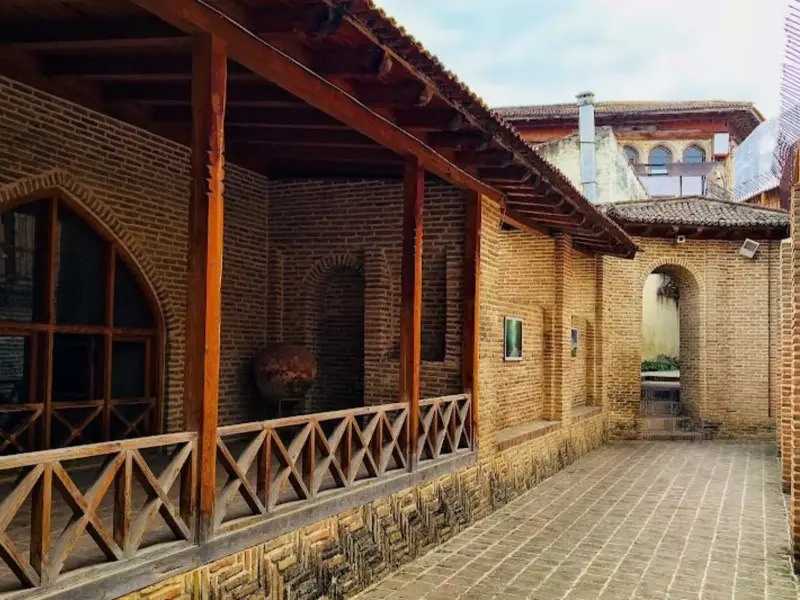
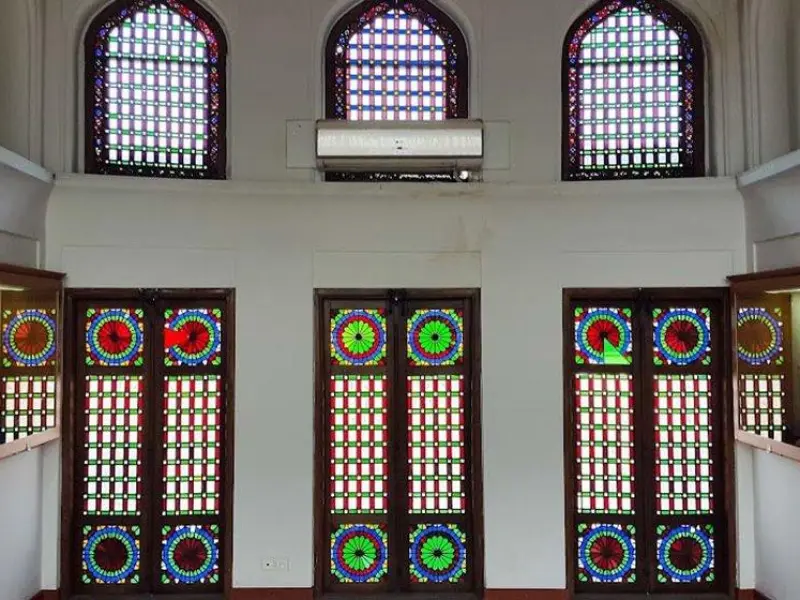
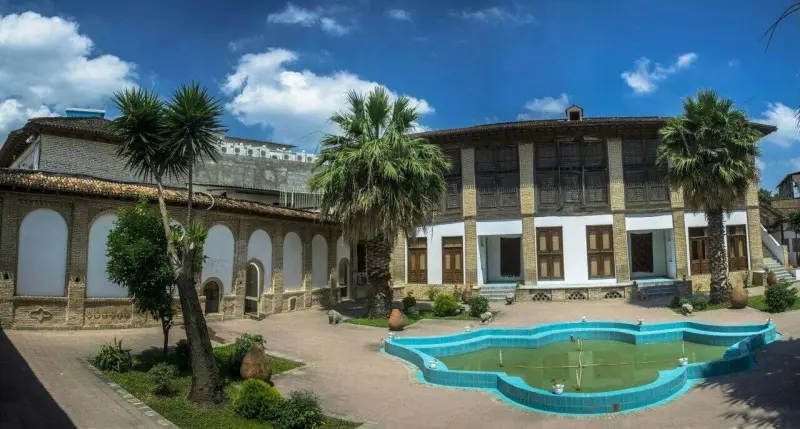
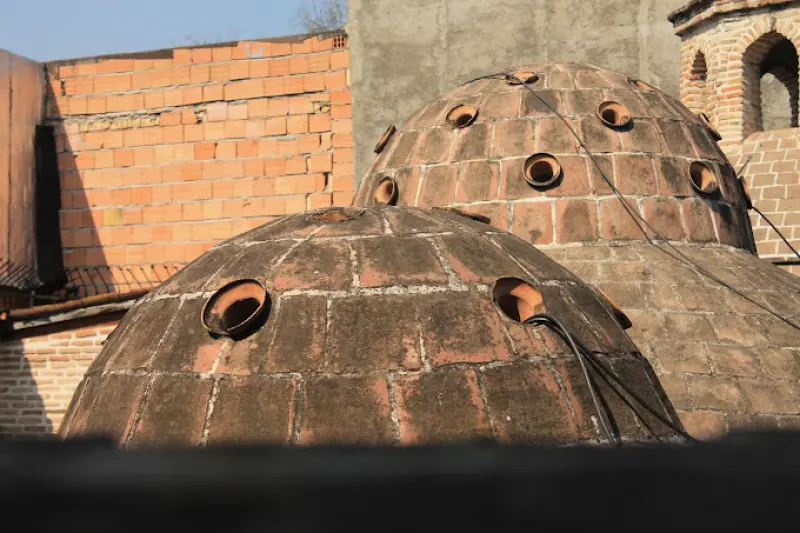
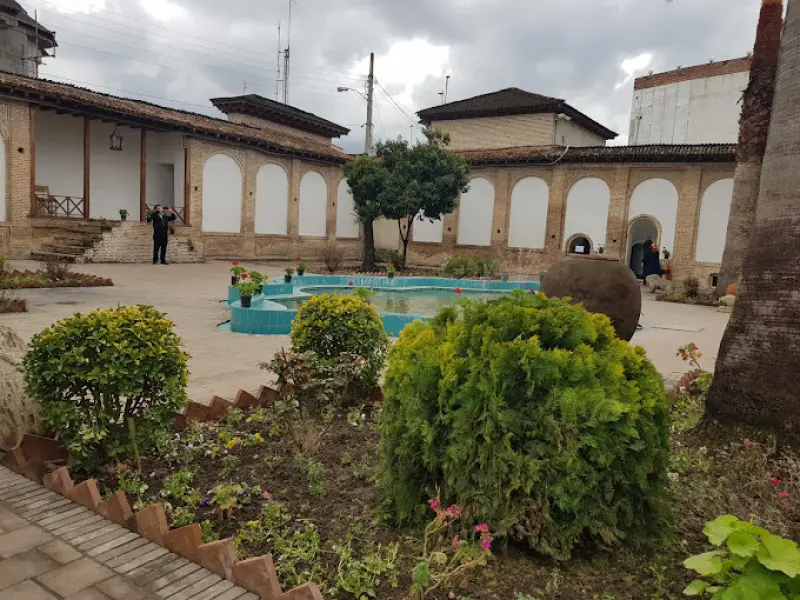
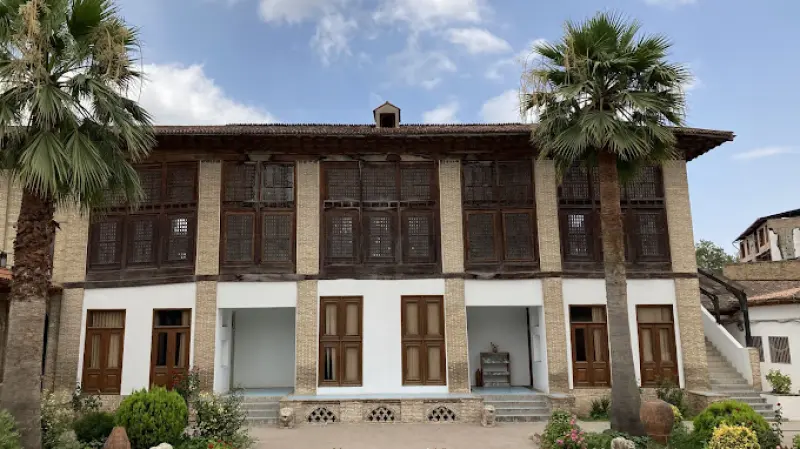
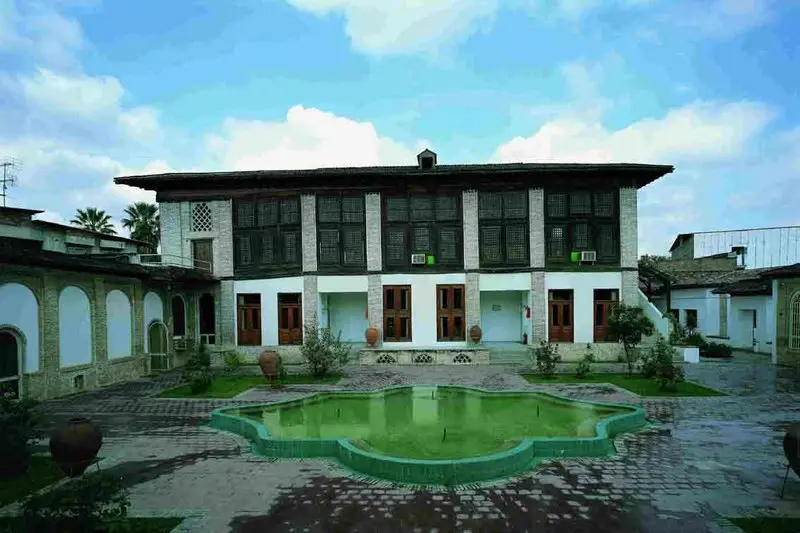
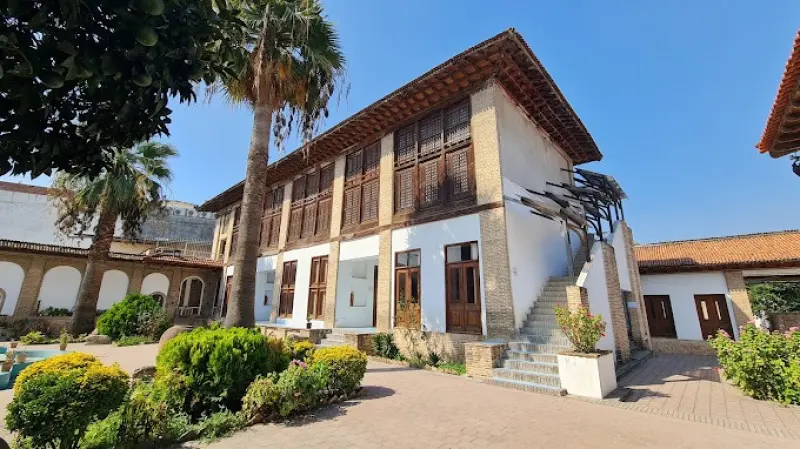
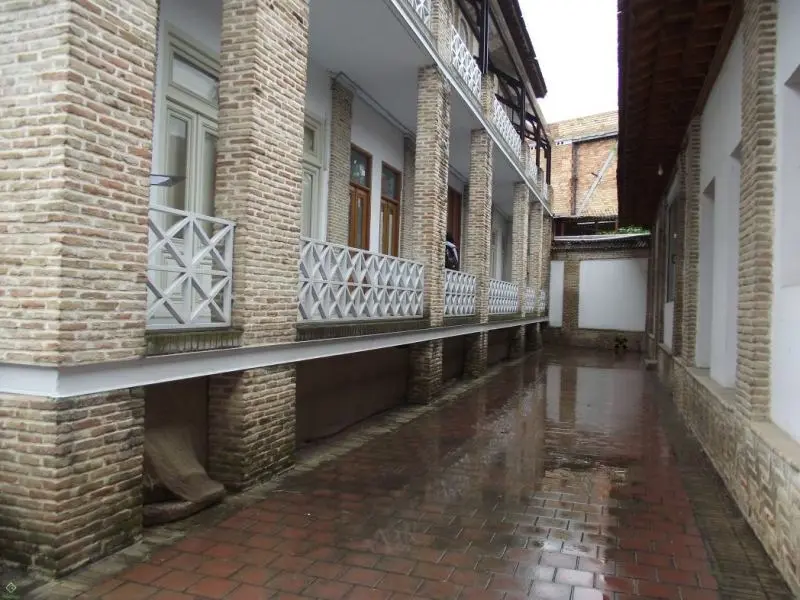
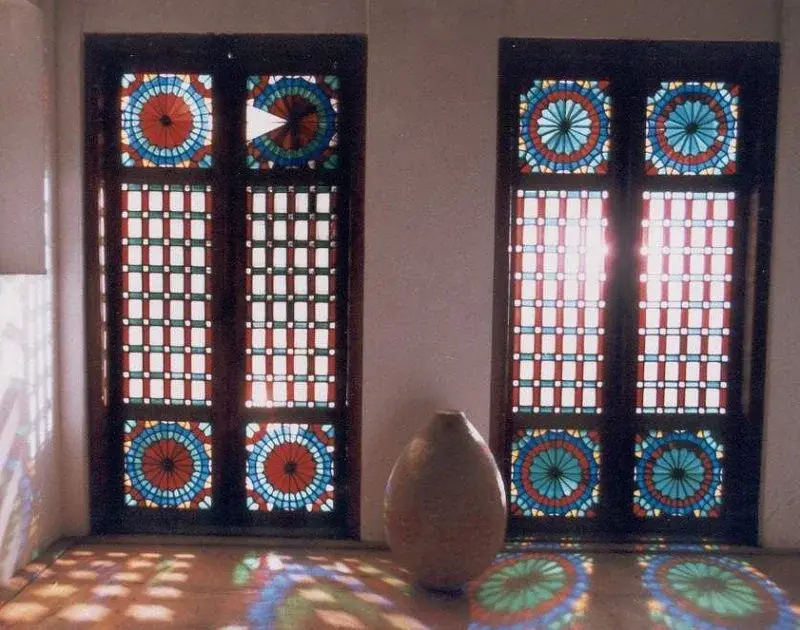
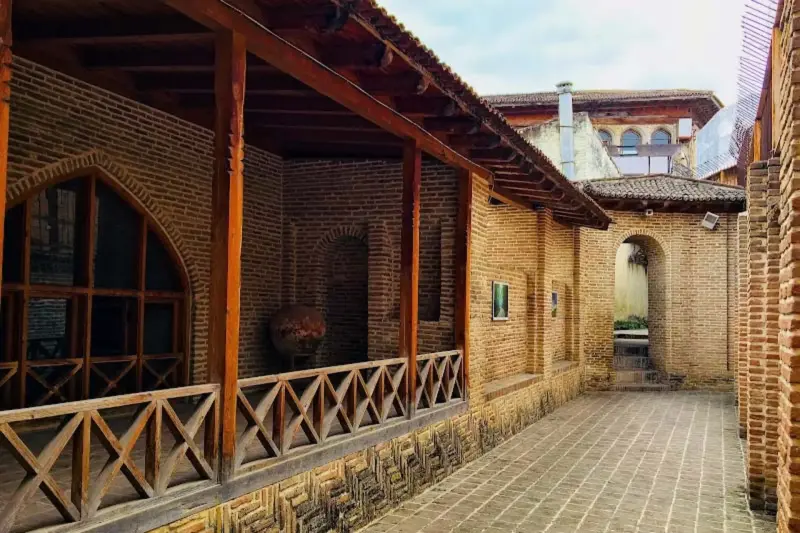
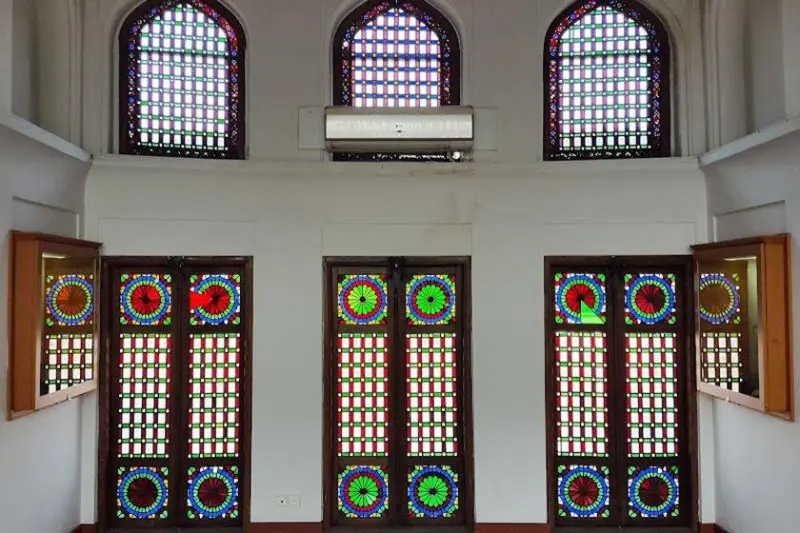
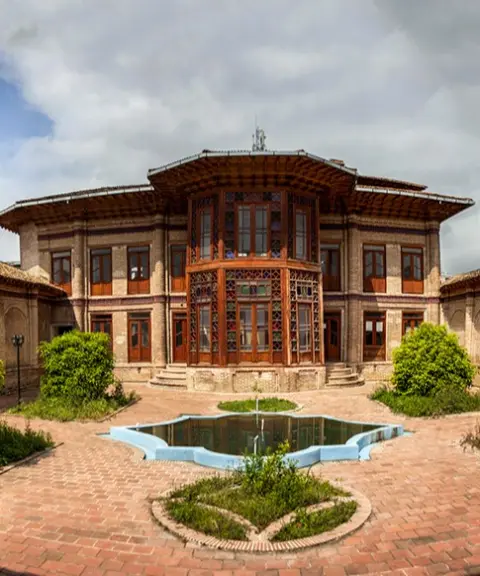
The Kolbadi House is one of the most beautiful and valuable historic buildings in Mazandaran Province, located in the centre of the city of Sari. Built during the Qajar era, the house belonged to the Kolbadi family, a prominent aristocratic family who held considerable political and social influence in the region at the time. The architecture of this historic building combines the Iranian architectural style with European influences of the Qajar period, and it is famous for its wooden decorations, stucco work, beautiful orosi (sash windows) and charming courtyard. On 9 Aban 1377 (Solar Hijri), it was registered as one of Iran's national monuments under registration number 2148.
The architectural style of the Kolbadi House is derived from the takiyas (traditional ceremonial buildings) of the Qajar period. The historic house has two main sections, the andaruni (inner quarters) and the biruni (outer quarters), along with porches (iwans) and rooms with latticed wooden windows. The wooden ceilings, murals and stained glass used in the building give the space a distinctive character. The inner quarters were built on two floors with a basement, and each floor has a shahneshin (a raised alcove-style reception area) and rooms on both sides. The shahneshin on the second floor is considered one of the most beautiful parts of the mansion and is adorned with decorative arts typical of the Qajar period. The building materials are wood and brick, and the roof is gabled and covered with clay tiles. Today, after restoration and renovation, this beautiful building serves as the Sari Anthropology Museum, displaying a collection of traditional objects, clothing, old household items and the work tools of the people of Mazandaran. The mansion of Manouchehr Khan Kolbadi was built about one hundred and thirty years ago on the orders of Sardar Jalil, one of the army commanders of the time, and became known as "Amiriyeh" after his eldest son, Amir Nosrat Shokouh Nezam. After Amir Nosrat died young, Sardar Jalil gave the building to his other son, Manouchehr Khan Kolbadi. Manouchehr Khan, who later became a landowner in the region and the representative of the people of Sari in the National Consultative Assembly (parliament), died in 1362 (Solar Hijri), and in 1370 the building was handed over to the Cultural Heritage Organization.
The Kolbadi House is not only an outstanding example of vernacular architecture from the Qajar period, but also offers an opportunity to learn about the history, culture and lifestyle of the people of this region over past centuries. A visit to this historic site is highly recommended for those interested in cultural heritage, traditional architecture and cultural tourism. The historic Kolbadi House welcomes visitors every day from 8 a.m. to 1 p.m., and the suggested time for visiting the complex is about one to two hours. The entrance ticket was announced at about 4,000 tomans in 1400 (Solar Hijri), but it is recommended that you obtain up-to-date information from official sources or by contacting the museum before your visit.
Written by زهرا لنگری Last updated
What you can do here, and what it takes
کفش پیادهروی به همراه داشته باشید..
Province Mazandaran

Province Mazandaran
Province Mazandaran
Province Mazandaran


Unfortunately, no comments have been registered.