
 Desert (Kavir)
- Ability level Intermediate
Ability level:
Intermediate
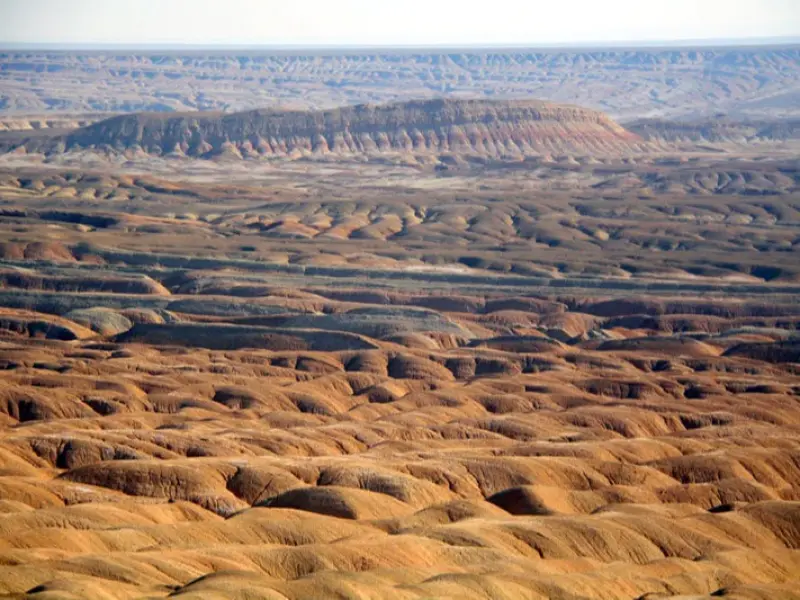
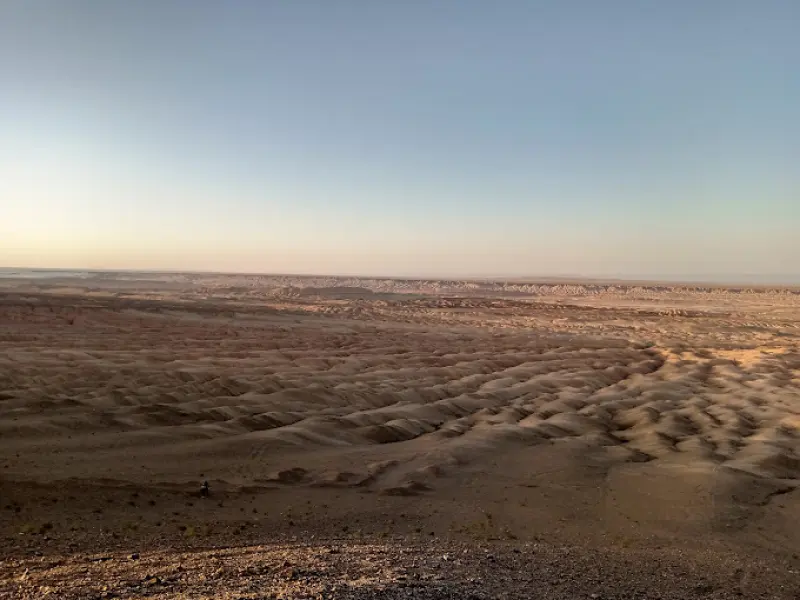
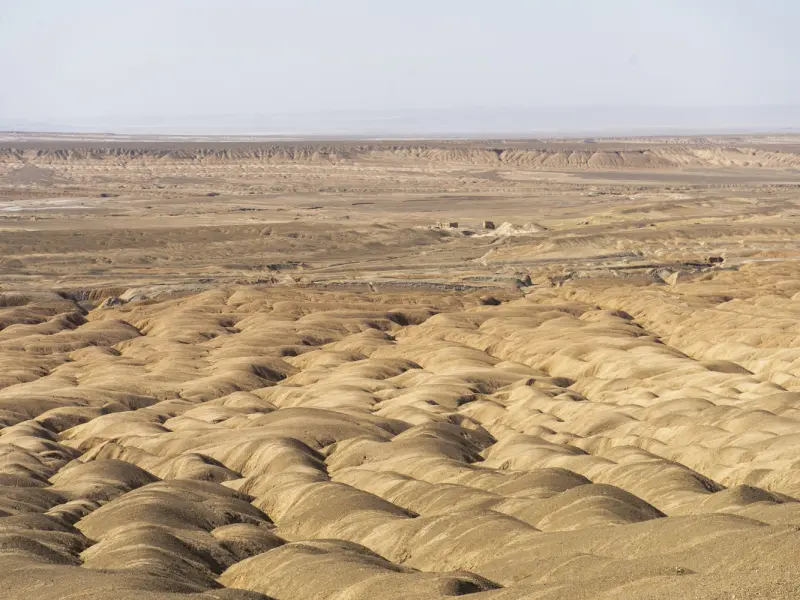
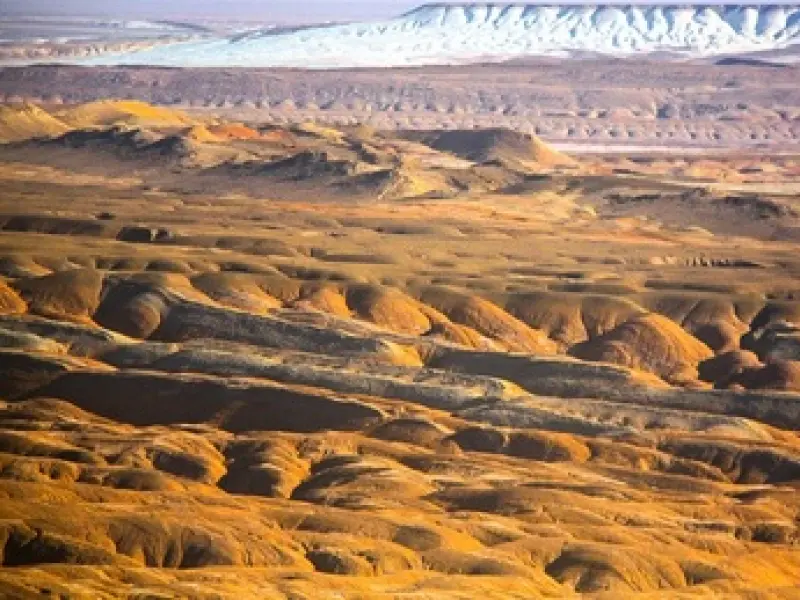
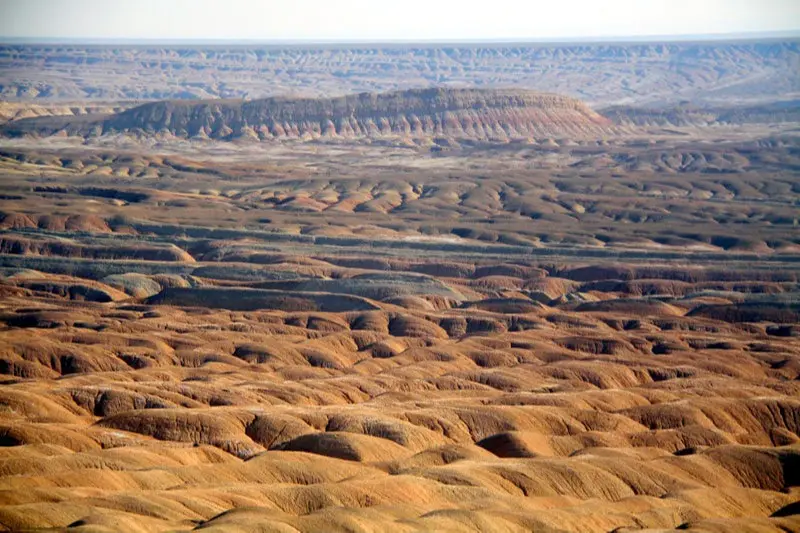
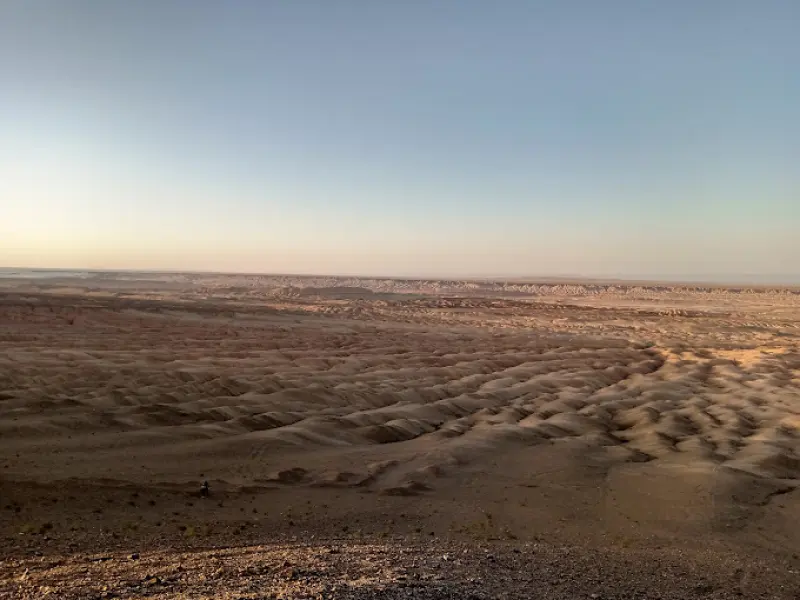
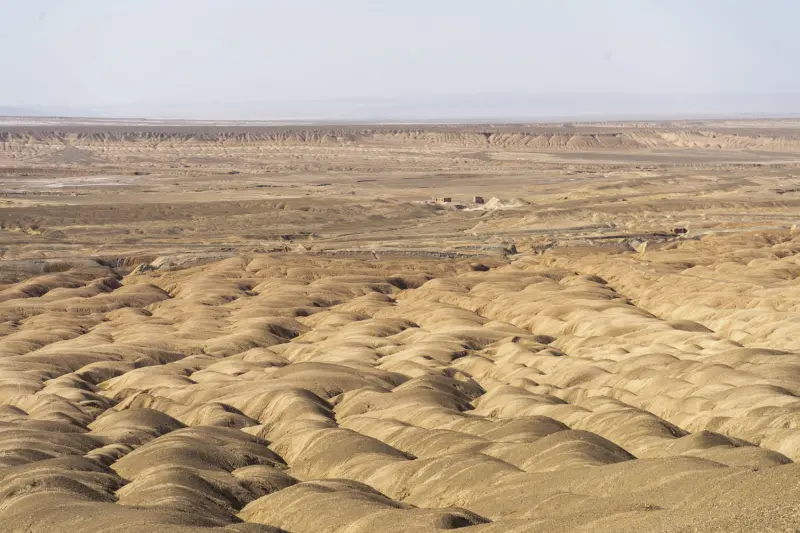
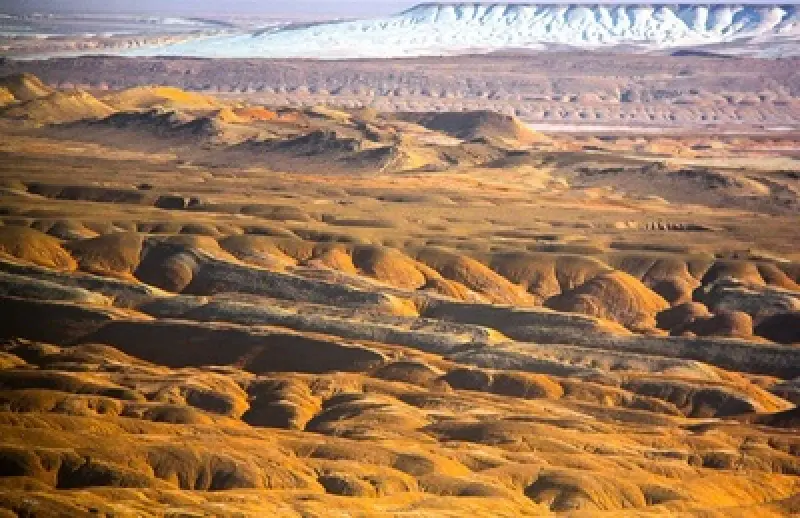
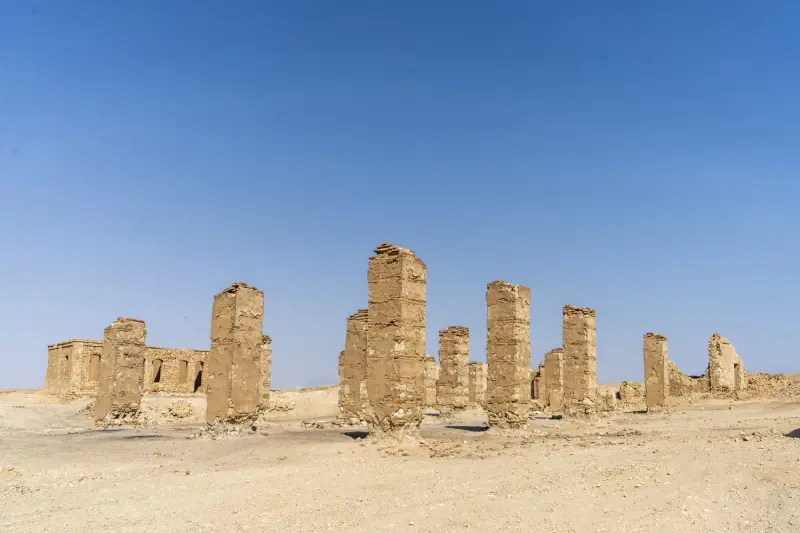
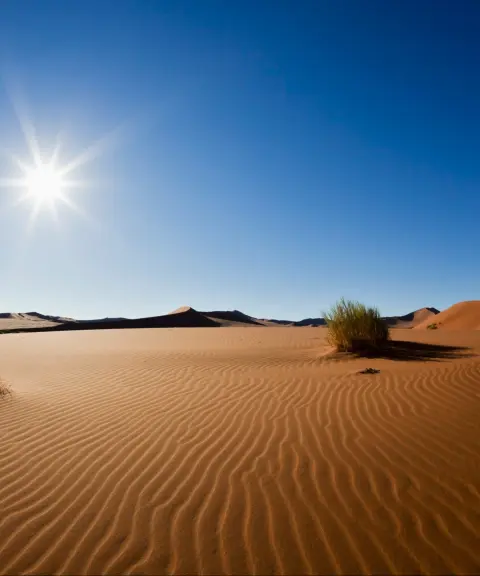
The beautiful Khorian Desert in Semnan is one of those landscapes well worth a visit. To the east it is bounded by the Semnan Salt Desert, and to the west by the Ginab River and the Delazian Desert. Most of the desert is covered with salt domes. In the south there is a plain which, under the influence of the Ginab River, turns into alkaline puffy ground and muddy clay marshes. The vegetation in the northern areas is steppe, while in the center and south it consists mainly of halophytes and other salt-tolerant plants.
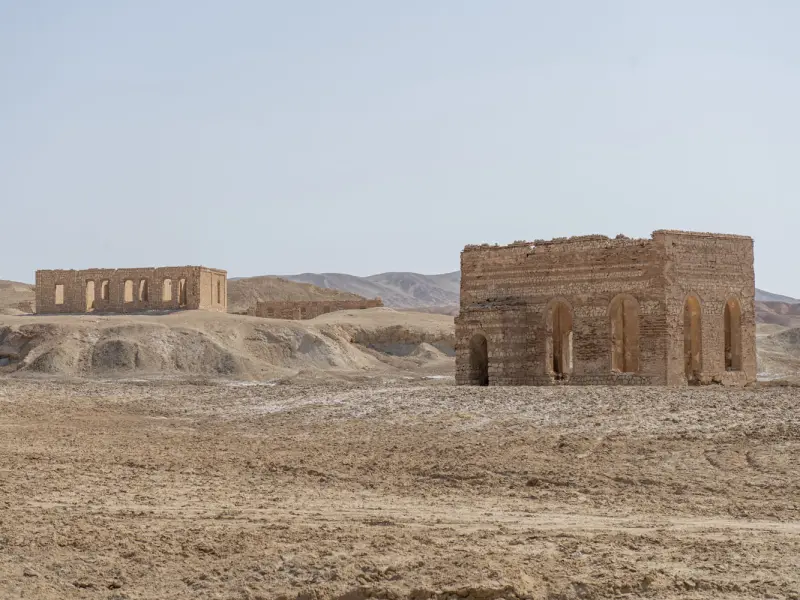
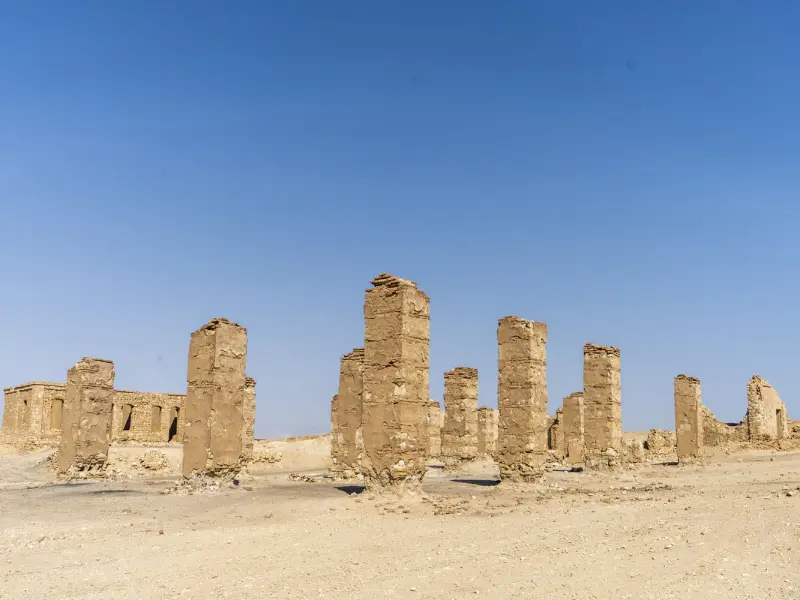
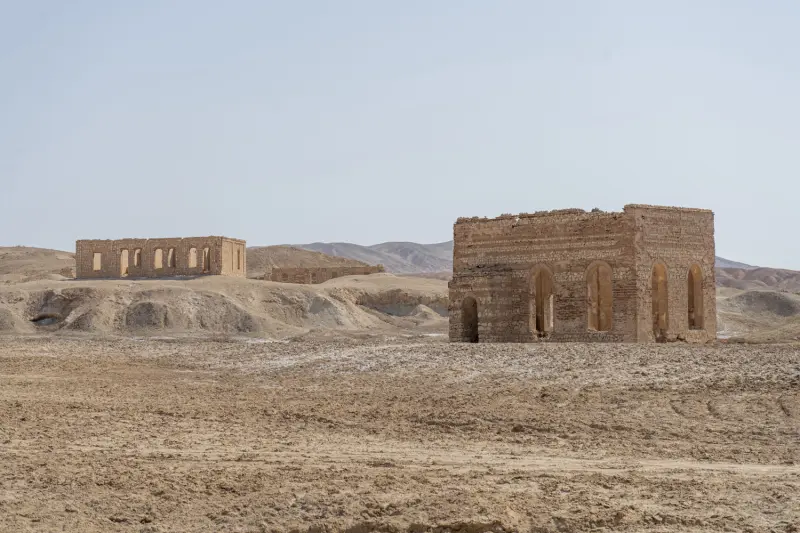
During the Qajar era, because oil seeped out onto the surface of the ground, this region took on special strategic importance and repeatedly passed back and forth between Britain and Russia over ownership and extraction of the oil. In the southern part of the desert, traces of the equipment the Russians used to extract oil can still be seen. A connecting bridge built by the Russians 80 years ago is also still in use. In 1304 (Solar Hijri), the Khorian Oil Company was founded with Iranian and Russian membership, and drilling began. Then in 1306, through exploration and well digging, they struck oil for the first time. However, due to disputes between the two sides, drilling was halted in 1308, and no operational activity has been carried out in the area since.
Among the historical remains of this area is the citadel of Ala Village. The buildings around the oil well, which were built in the Qajar era, and the Russians' Bridge are also among the other surviving relics in the area. Another attraction of the region is a memorial structure known as "Khajeh", built in memory of an unknown person.
Written by زهرا لنگری Last updated
Activities
What you can do here, and what it takes
-
Skiing
شنهای کویر خوریان شراطی خوبی برای اسکی روی شن دارد.
-
Walking
کفش مناسب پیادهروی برای گشتوگذار از وسایل ضروری است.
Specifications
Introduction of the location and specifications of Khorian Desert
Location:
Semnan, Semnan
Coordinates:
35.49332262, 53.52146023
Open in maps
Height above mean sea:
1122 meter
Floras:
Deserts and Dry Shrublands
Faunas:
Presence of Predatory Animals, Presence of Allergenic Insects, Presence of Herbivorous Animals
Transports:
Private car
Tourist Attractions in Semnan
Attractions that are nearby

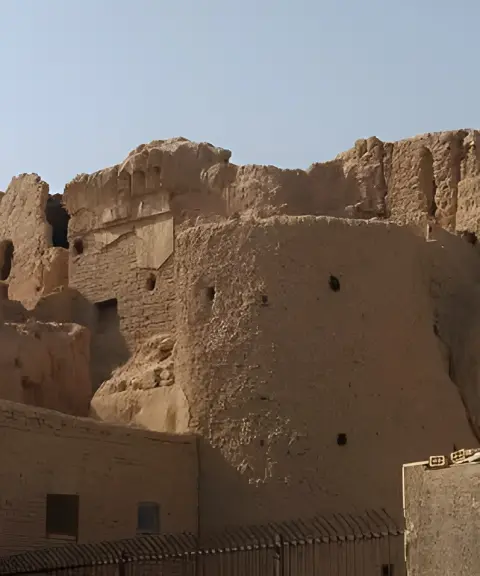

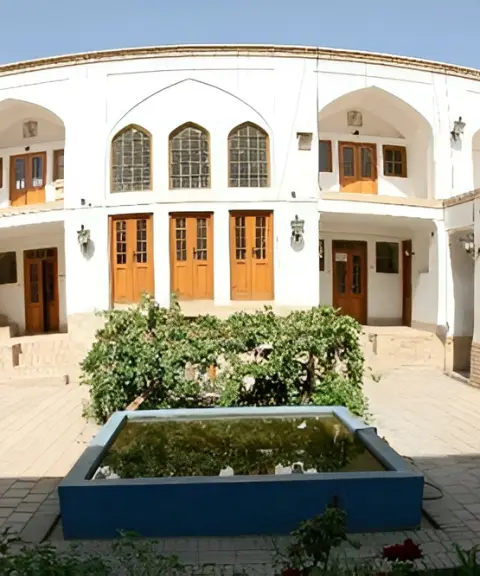

Tadayon House
Province Semnan
- Walking
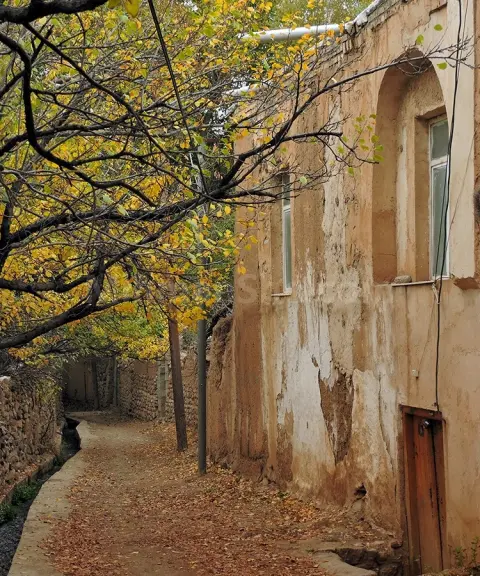
A Qajar-era mansion with a magnificent wind tower in the heart of Semnan's historic quarter
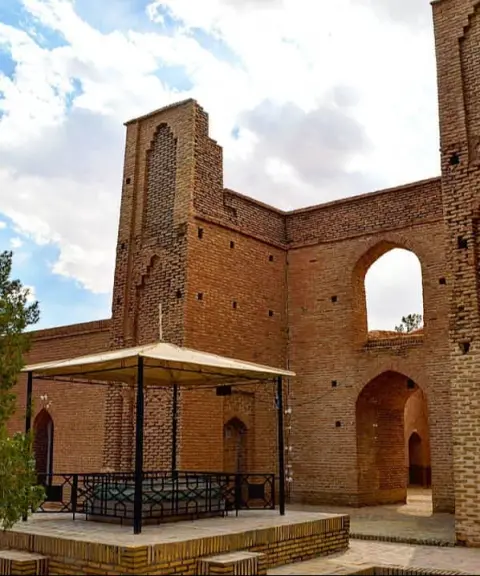
Tomb of Sheikh Ala al-Dawla Semnani
Province Semnan
- Walking
A mystical legacy of Ilkhanid architecture in Sufiabad
Shahmirzad
Province Semnan
- Cycling
- Mountaineering
- Walking
- Skiing
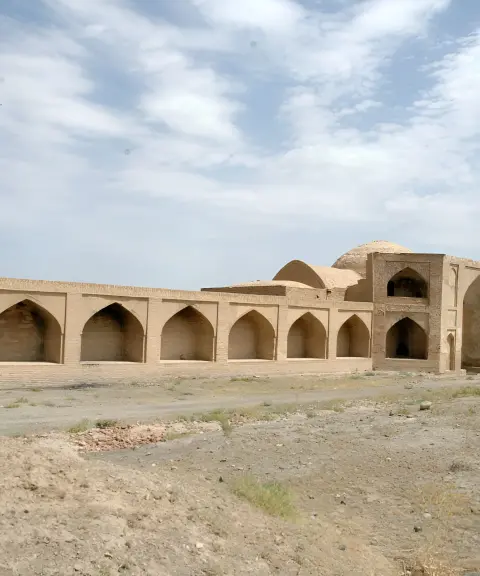
Home of the World's Largest Walnut Orchard
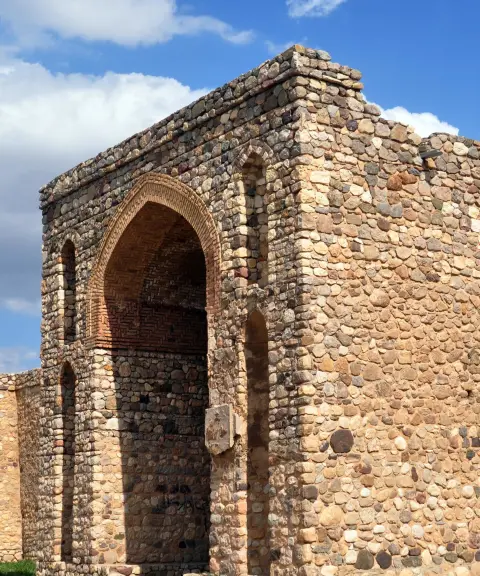
Ahovan Stone Caravanserai
Province Semnan
- Walking
An ancient relic of the historic Semnan–Damghan route
Related tags:
Unfortunately, no comments have been registered.