
 Forest
- Ability level Beginner
Ability level:
Beginner
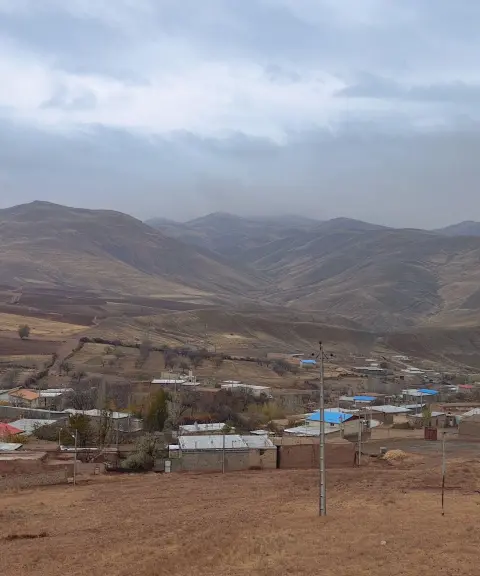
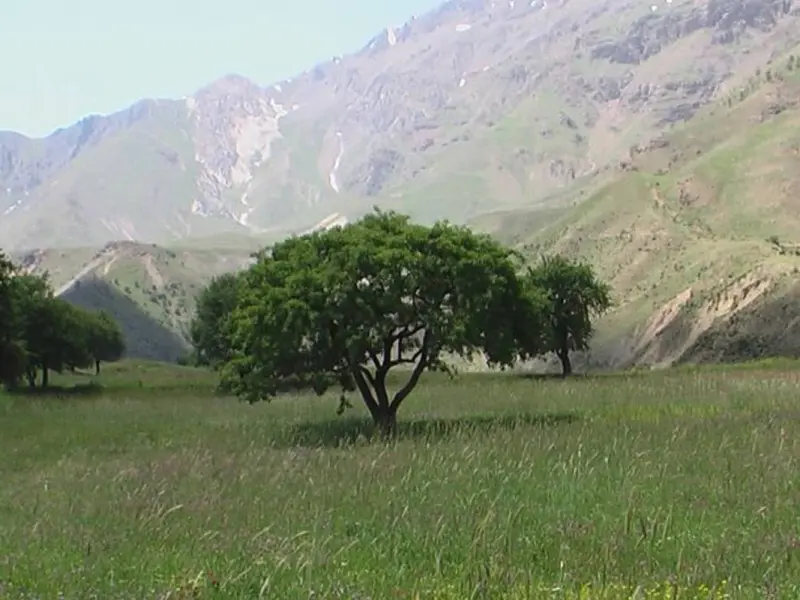
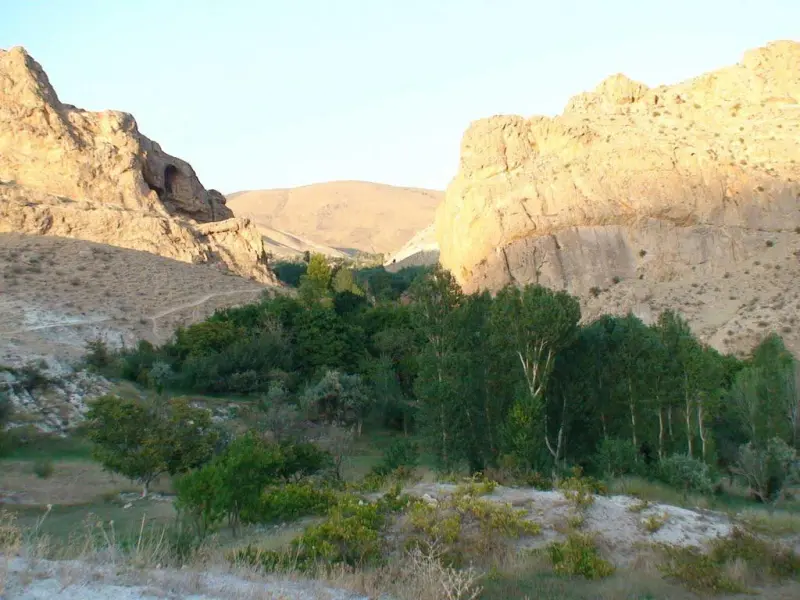
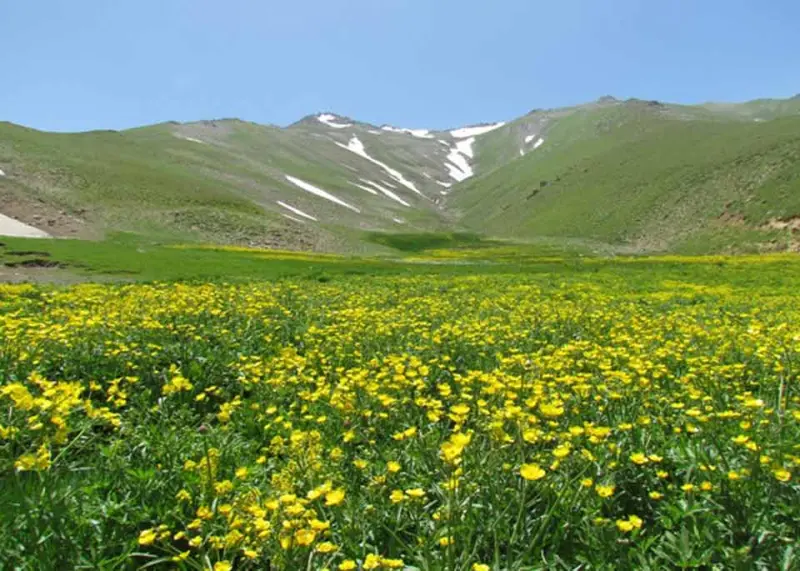
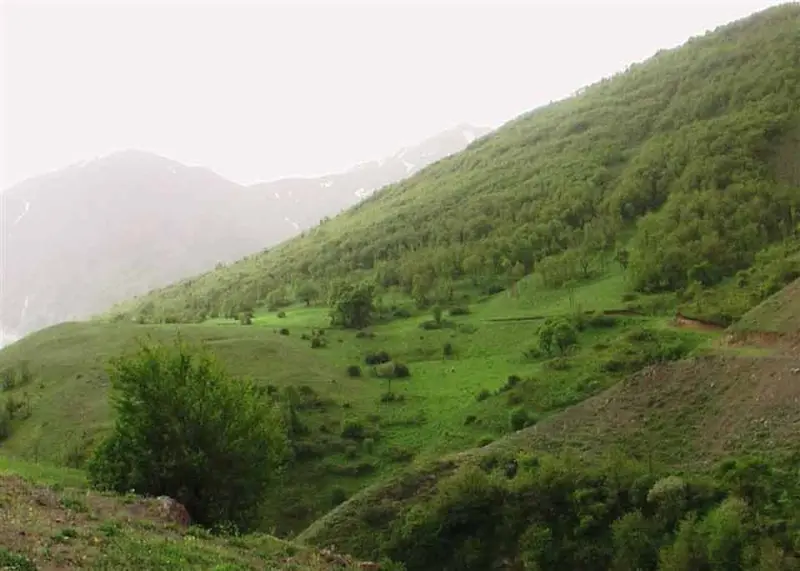
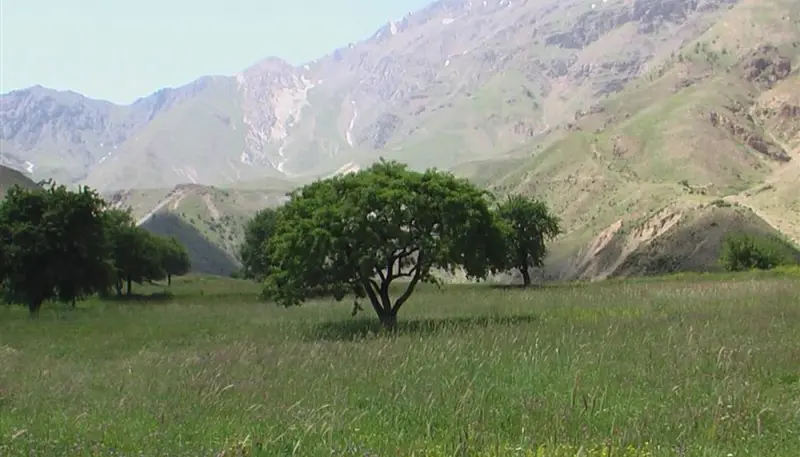
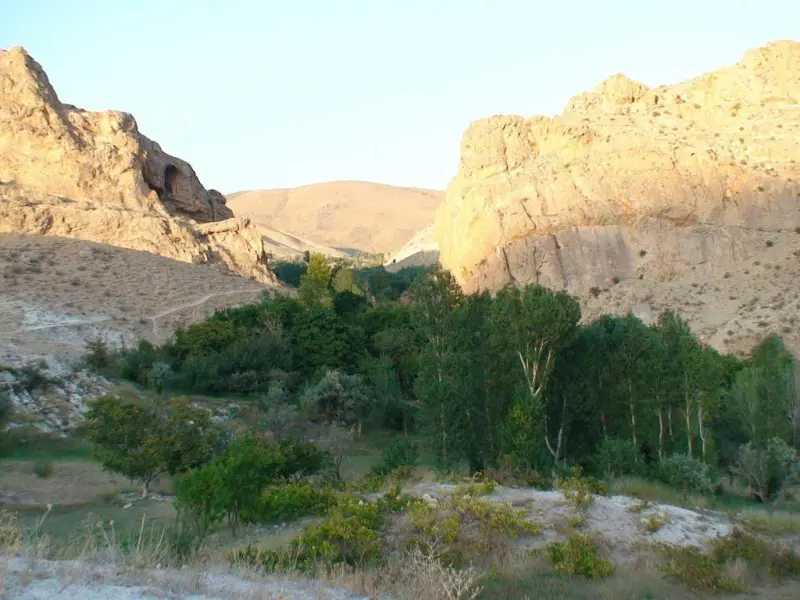
Angouran Protected Area is one of the oldest protected areas in Iran, located where the three provinces of Zanjan, West Azerbaijan and Kurdistan meet. The Angouran area covers about 125,000 hectares, of which nearly 30,000 hectares are designated as the Angouran Wildlife Refuge and the rest as a protected area. Protection of this area began in 1349 (1970). Angouran is a mountainous region with cold winters and cool summers. In terms of administrative divisions, it lies in Mahneshan County, in the western part of Zanjan Province.
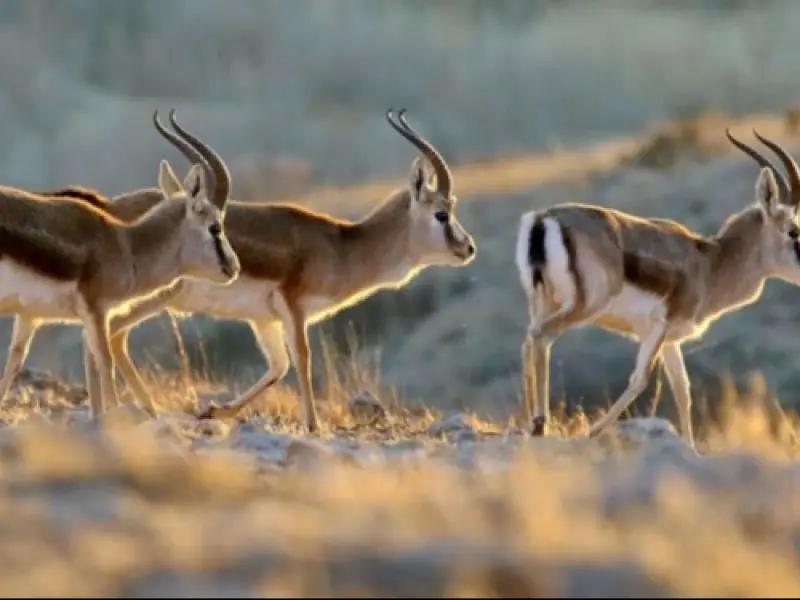
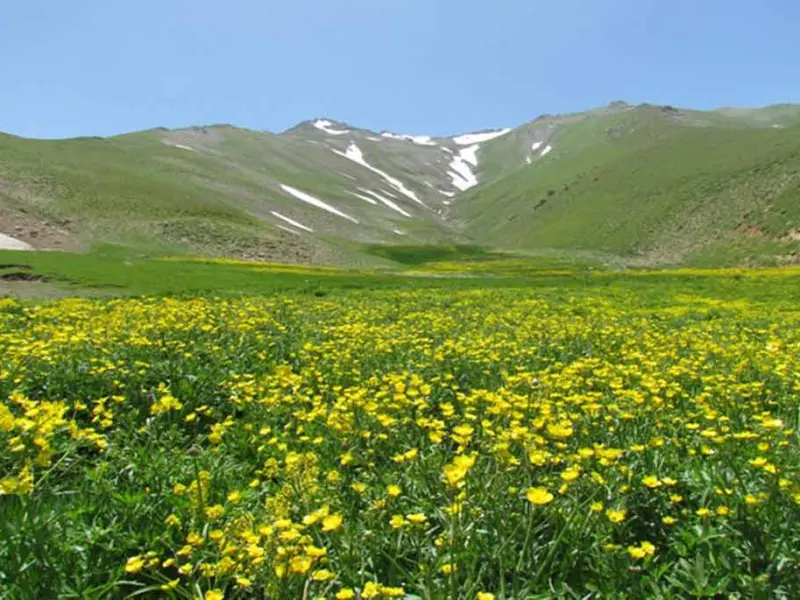
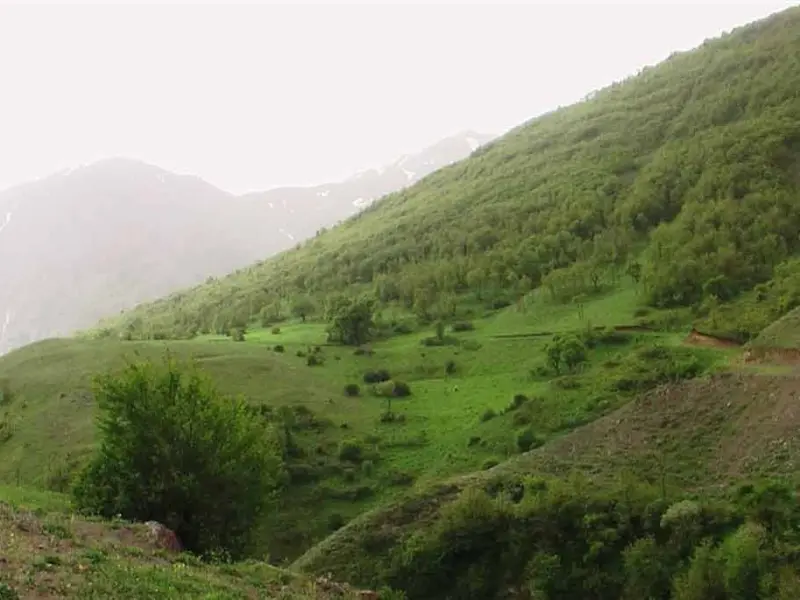
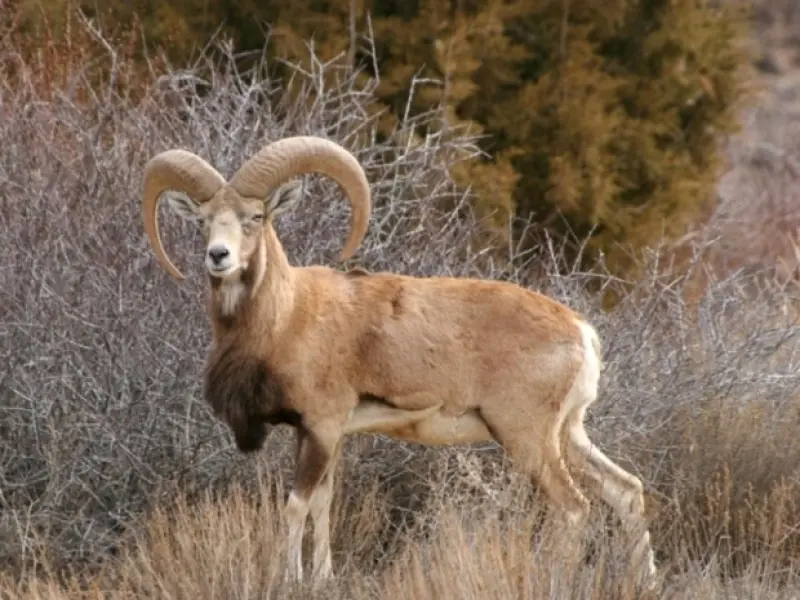
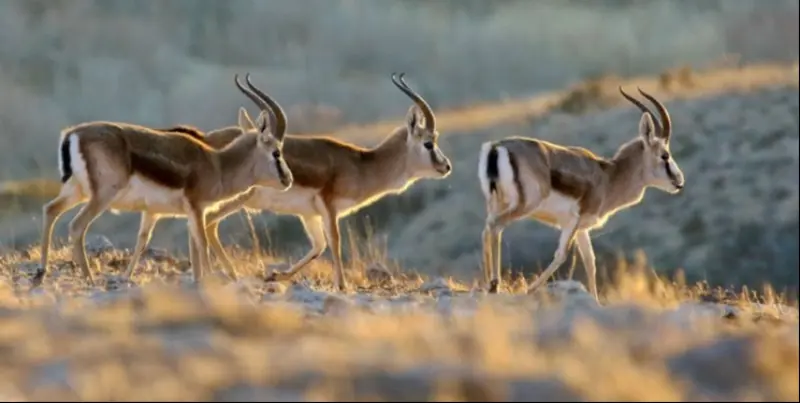
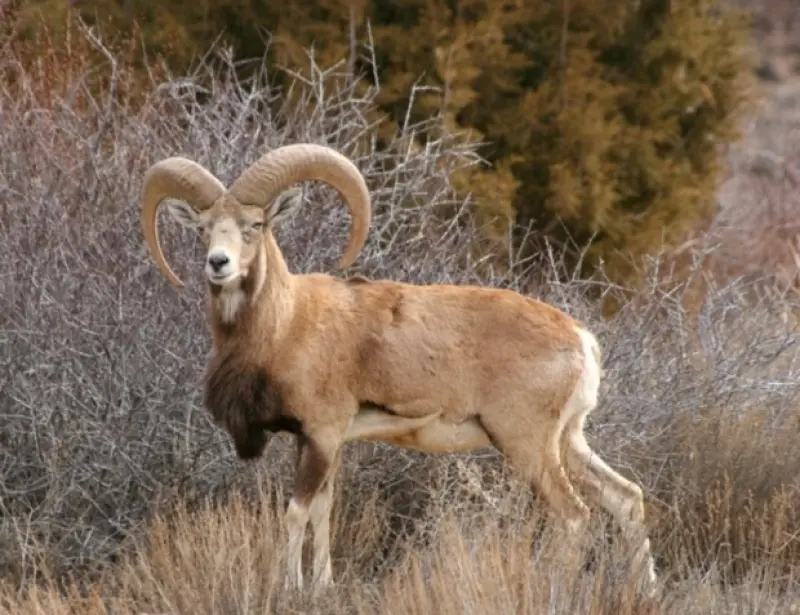
The Qezel Ozan and Angouran-Rud rivers flow through the Angouran area. The Qezel Ozan is one of the country's high-volume rivers, and after joining the Shahrud it forms the Sefidrud. The river is a habitat for dozens of species of waterbirds, 7 species of amphibians, along with turtles, water snakes and otters, and 8 species of fish. Many of Iran's native carnivorous mammals, such as the brown bear, Persian leopard, grey wolf, striped hyena, wildcat, jackal, badger and red fox, as well as the Eurasian lynx and the pine marten, which are among Iran's very rare animals, have been seen in this area. The wild sheep (ram and ewe), the wild goat (ibex), the Persian goitered gazelle and the wild boar are also among Angouran's most important native herbivores. About 200 plant species have been observed in Angouran. Trees and shrubs such as walnut, wild almond, barberry, blackberry, wild pistachio and oleaster, and plants such as yarrow, soapwort, barijeh, milkvetch, sage, thyme, chicory, spurge, poppy, wild vetchling, couch grass, thorn apple, mint, wormwood, wild barley, fluffy grass, wild thyme, thistle, shir-khesht, wild savory, artichoke thistle, sugar thistle, borage, hawthorn, sarsaparilla and gol-hasrat have made the Angouran area their home.
In research carried out in Angouran, 100 different bird species were observed in the area, 16 of which are endangered. One of them, a small bird called the brown flycatcher, was recorded for the first time in the Middle East. Birds of prey such as various eagles, falcons, vultures and hawks, together with waterbirds such as various ducks, pelicans, flamingos, swans, cranes, coots, cormorants, storks, herons and bitterns, and other birds such as various partridges, black francolins, woodpeckers, chukars, cuckoos, see-see partridges, greenfinches, larks, quails and doves are among the most important native birds of this area.
Highlands, foothills, plains, water landscapes, unspoiled areas, limited stretches of forest and rangeland are the main sights of the Angouran Wildlife Refuge and Protected Area for nature tourism. Alongside the natural landscapes, some aspects of human life in Angouran, including rural settlements with their distinctive architecture and way of life, alongside fields, orchards and farmland, and other features of village activity such as herding, have created one of the most beautiful tourist attractions in this area.
To reach the Angouran Wildlife Refuge, travel west from the city of Zanjan and cover 112 kilometres on the Zanjan–Mahneshan road to reach Mahneshan. From Mahneshan, take the road to Pari village and drive 36.5 kilometres to reach the Angouran Wildlife Refuge. The best time to visit the refuge is spring and summer. The refuge has no particular facilities, so for supplies or an overnight stay it is better to go to the many villages of the area. Camping and gathering medicinal plants and wild fruit are among the main activities at the Angouran Wildlife Refuge. The area is also worth visiting as one of Iran's bird-watching destinations. Please note that harming or hunting the animals of the Angouran Wildlife Refuge carries severe legal penalties.
Written by کیانا دهبندی Last updated
Activities
What you can do here, and what it takes
-
Mountaineering
به دلیل وجود کوهها در این منطقه، فضایی مناسب برای کوهپیمایی میباشد.
-
Cycling
مسیرهایی متنوع و مناسب برای دوچرخهسواری بخصوص دوچرخهسواری کوهستان دارد.
-
Walking
مسیرهایی مناسب پیادهروی برای تمام سنین دارد.
Specifications
Introduction of the location and specifications of Angouran Protected Area
Location:
Zanjan, Mahneshan
Coordinates:
36.66621584, 47.45331222
Open in maps
Height above mean sea:
2104 meter
Land Form:
Mountainous,
Floras:
Temperate Grasslands
Faunas:
Presence of Predatory Animals, Presence of Allergenic Insects, Presence of Herbivorous Animals
Transports:
Private car, Walking, Minibus
Native Languages:
Turkey
Tourist Attractions in Zanjan
Attractions that are nearby



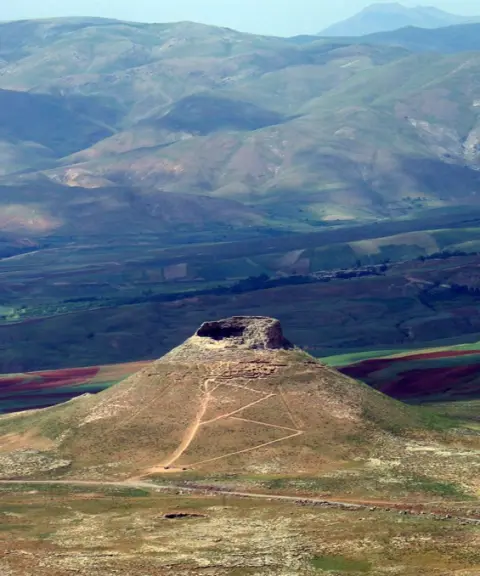
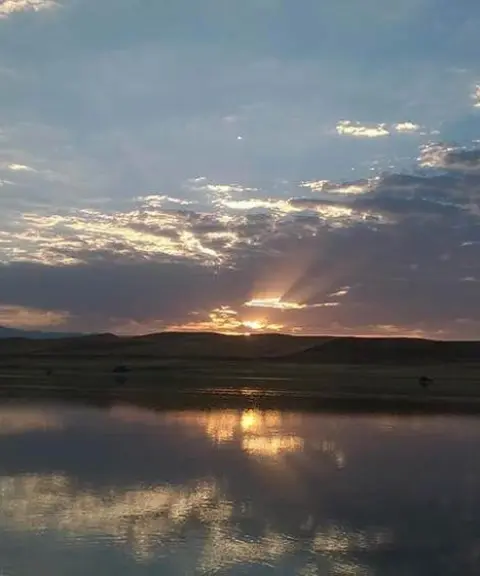
Takht-e Soleyman Lake
Province West Azerbaijan
- Walking
A Historical and Natural Gem of West Azerbaijan
Takht-e Soleyman
Province West Azerbaijan
- Walking
- Cycling
A historic treasure of fire and water in West Azerbaijan

Behestan Castle
Province Zanjan
- Mountaineering
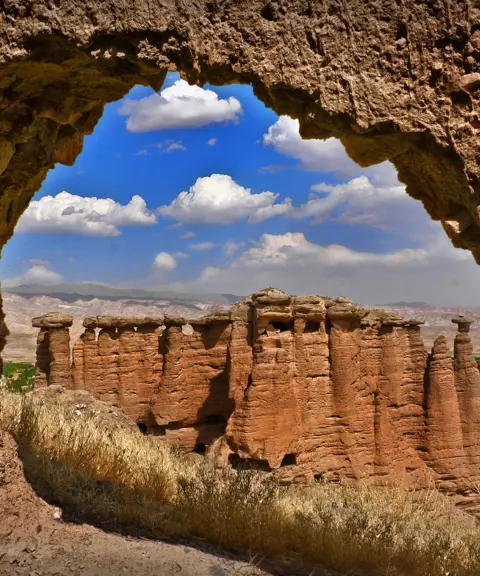
A mysterious rock-cut fortress beside the Qezel Ozan River
Berenjeh Prison
Province West Azerbaijan
- Mountaineering
- Rock Climbing
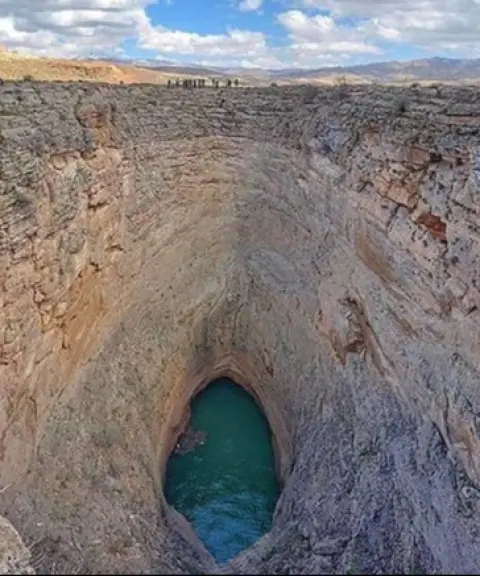
A Hidden Attraction in the Heart of the Mountains
Related tags:
Unfortunately, no comments have been registered.