
 Attractions
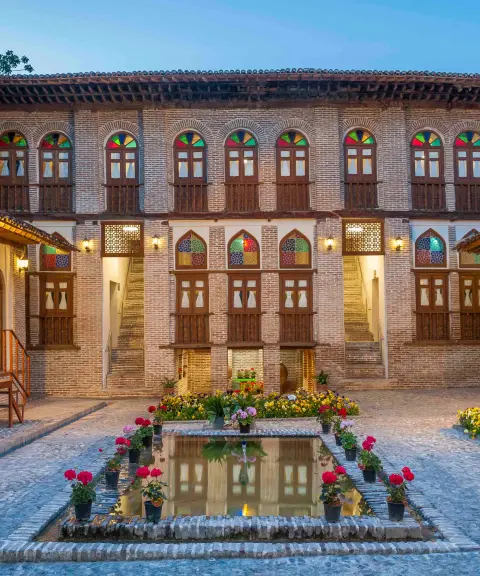
Golestan Palace Museum of Gorgan
A magnificent legacy of European architecture in the heart of Golestan
- Ability level Beginner
Ability level:
Beginner
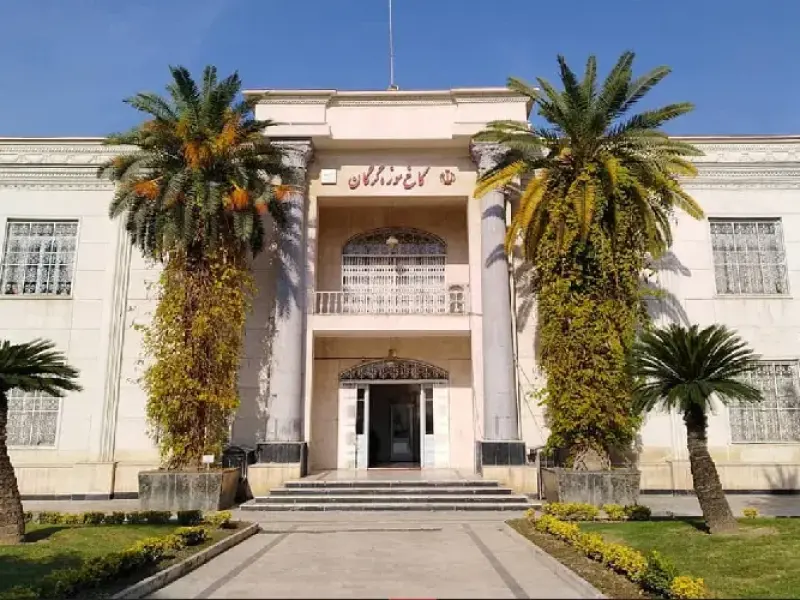
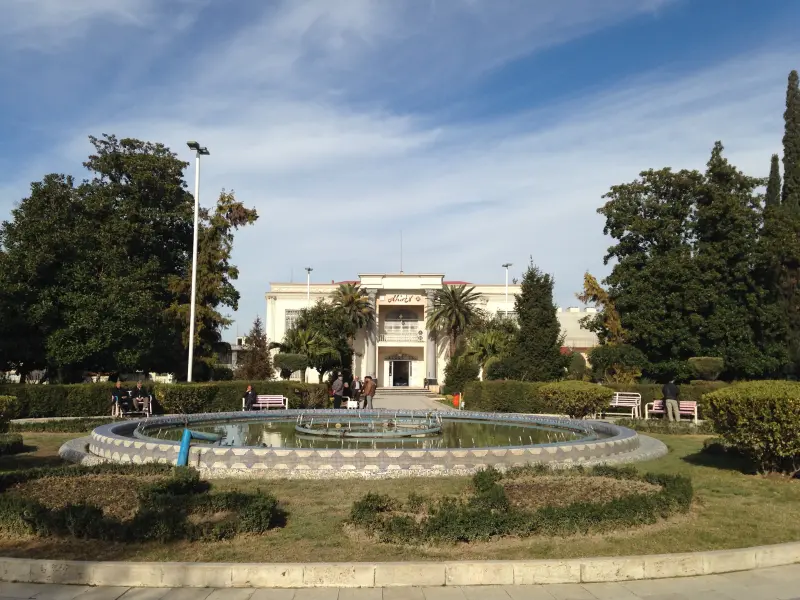
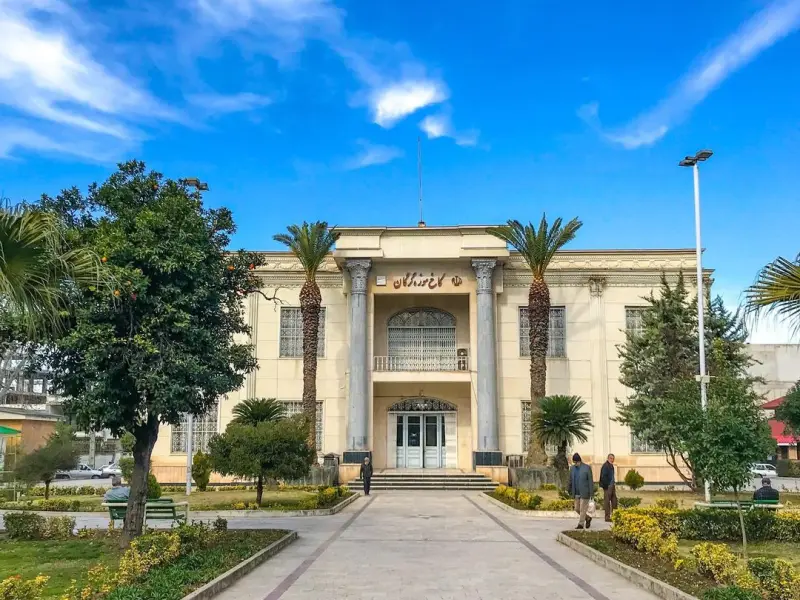
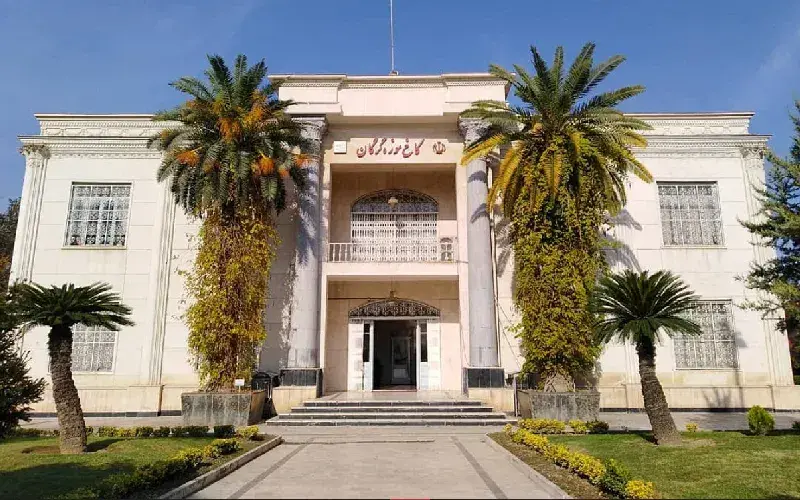
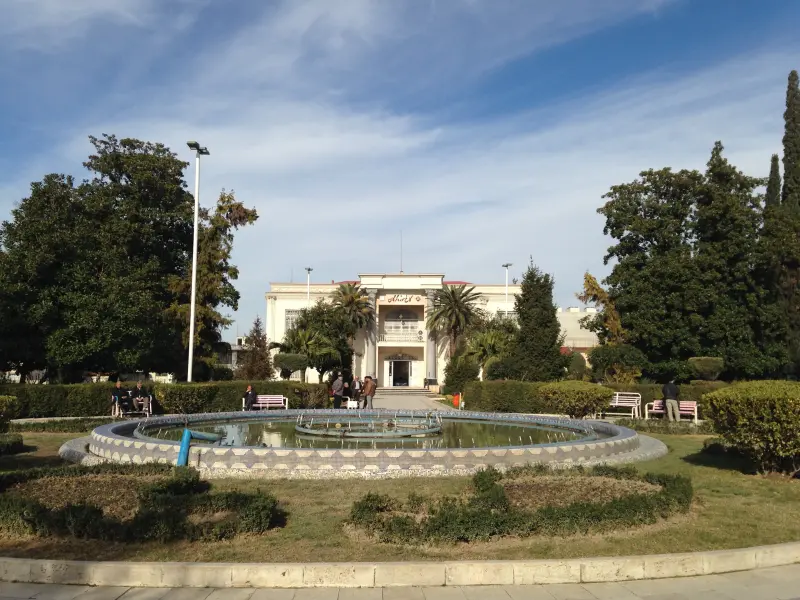
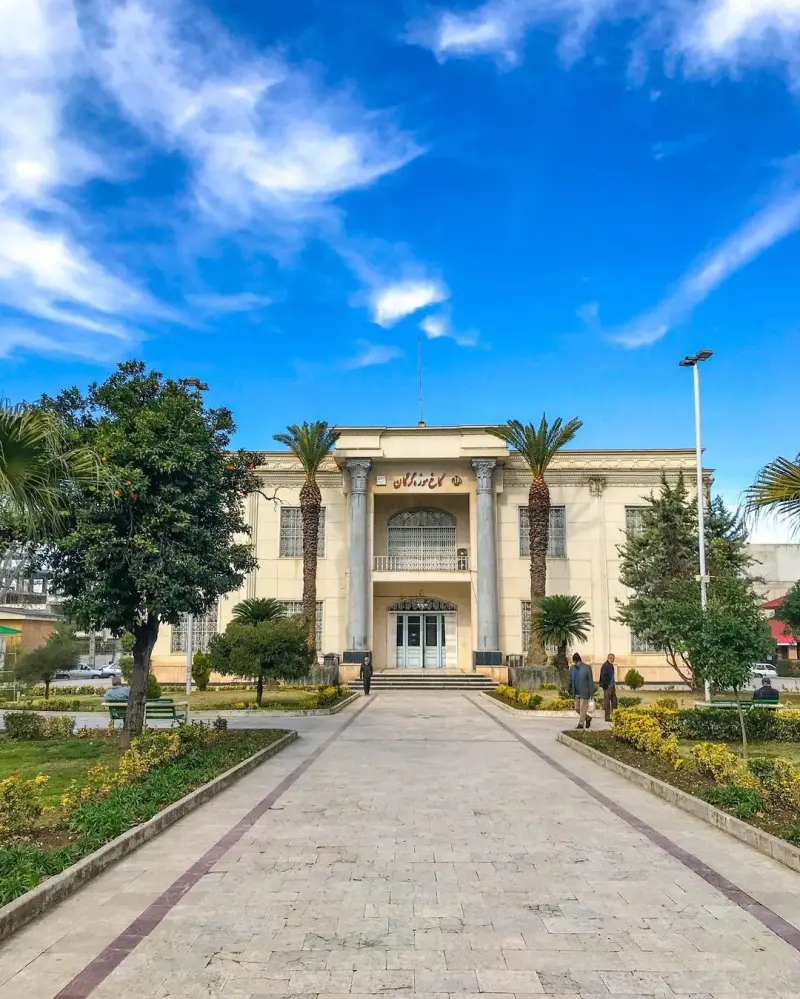
The Gorgan Palace Museum, also known as the Private Palace of Gorgan and the Royal Palace of Gorgan, is one of the most prominent historical buildings in the city of Gorgan, in Golestan Province, and dates to the reign of the first Pahlavi king. The palace was built in 1317 (Solar Hijri) by order of Reza Shah, and during the first and second Pahlavi eras it was used as one of the royal family's residences in the region. The palace stands in the western part of Gorgan City Park, in a lush area among tall palm trees, and its European-inspired architecture gives it a distinctive presence in the urban fabric of Gorgan. This two-storey building was erected on the foundations of a Safavid-era structure, and its architectural style is similar to that of the Miyan-Pushteh Palace in Bandar Anzali. The Gorgan Palace Museum was added to Iran's National Heritage List on 26 Azar 1336 under registration number 1538, and was turned into a museum in 1343. After a period of closure and restoration and reconstruction work, it reopened on 24 Ordibehesht 1388, and today it is regarded as one of Gorgan's major historical and cultural attractions.
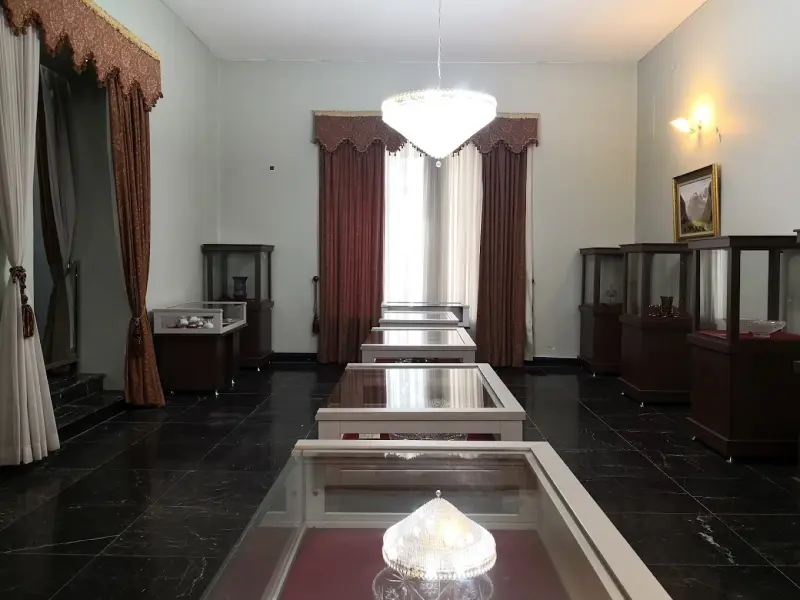
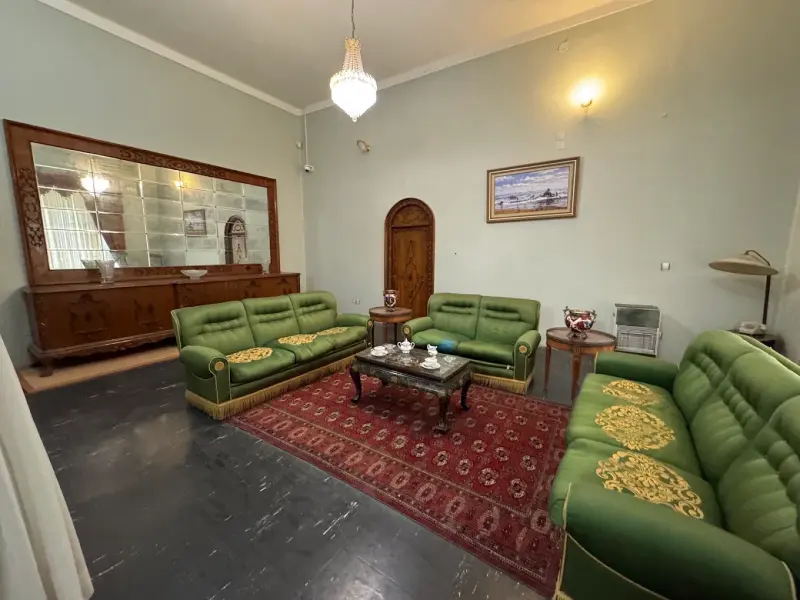
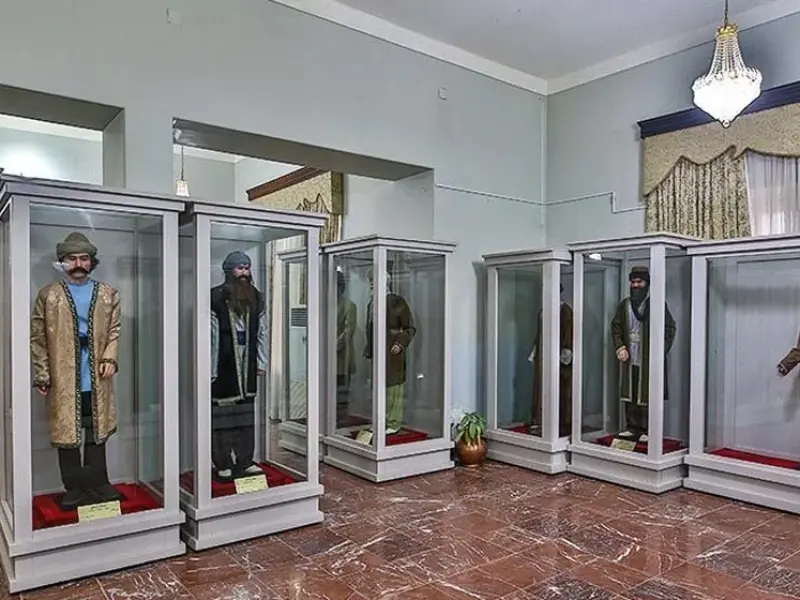
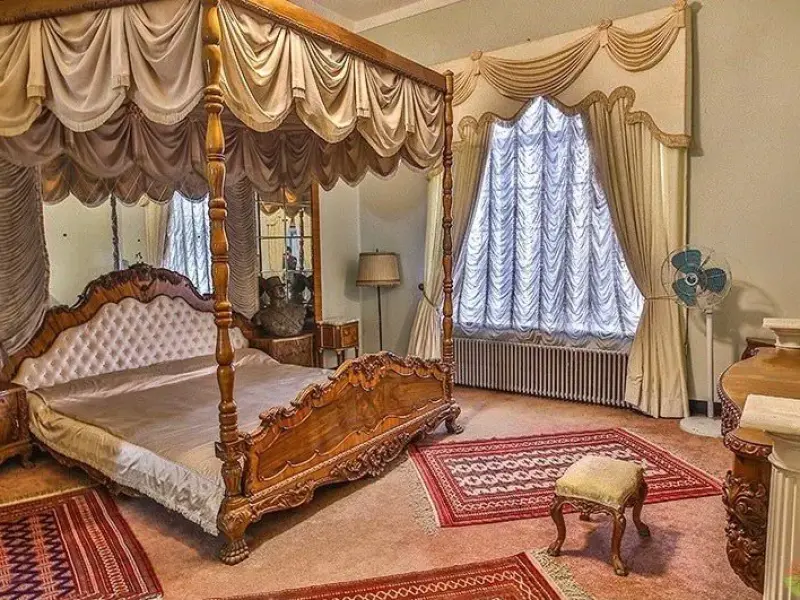
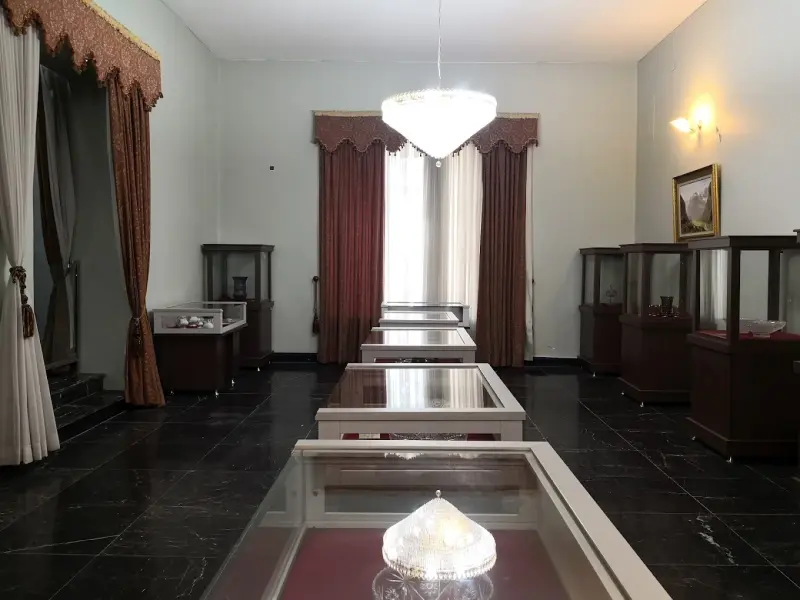
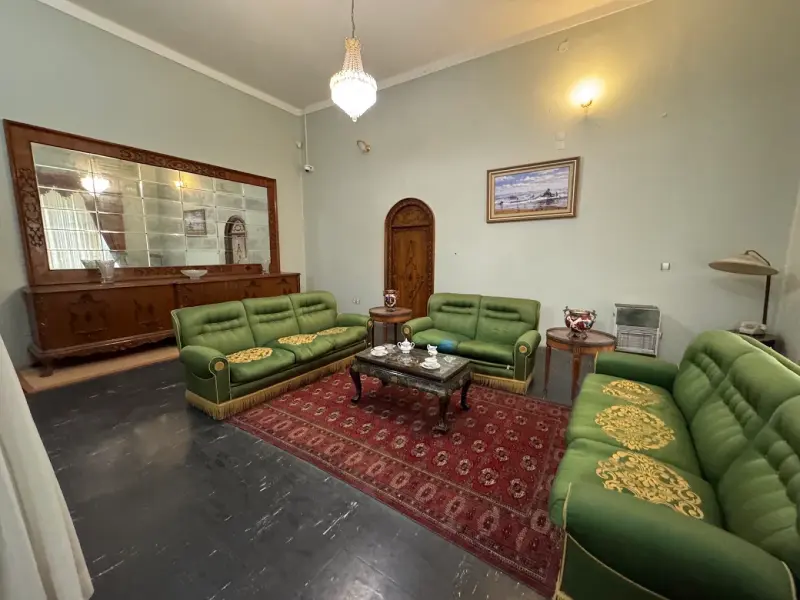
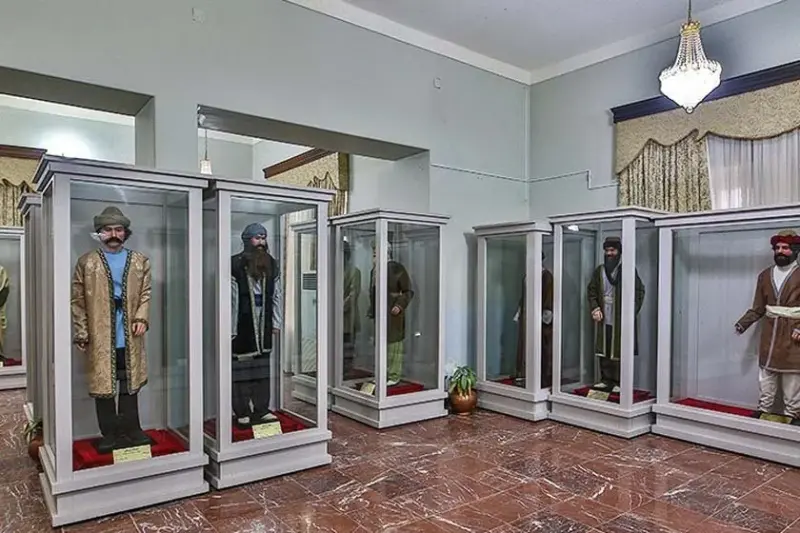
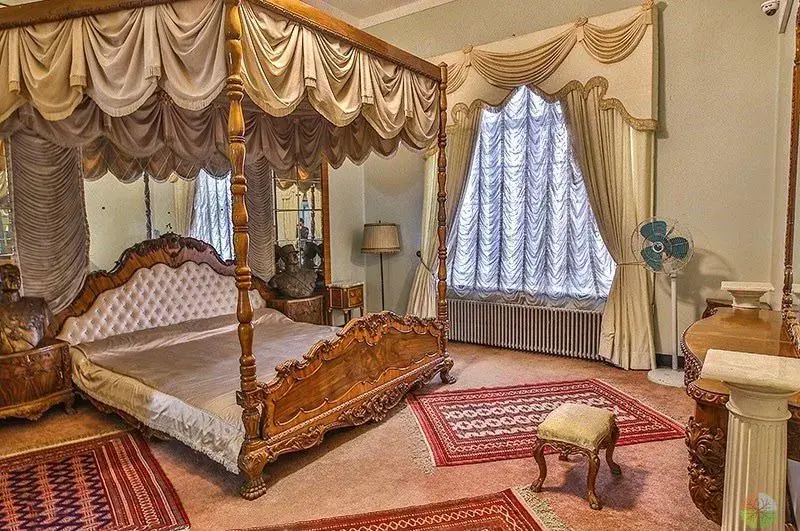
Besides its architectural and historical value, the Gorgan Palace Museum houses a collection of valuable artifacts and objects, and a visit offers a chance to learn about the history of the region and part of the life of the Pahlavi family. The museum consists of two main sections. On the ground floor is the Hall of Fame, where statues and models of about 30 prominent scientific, cultural and historical figures of Golestan Province and Astarabad, from the 3rd century AH to the contemporary period, are on display. Among these figures are Mir Damad Astarabadi, Mohammad-Reza Lotfi and Abolhasan Ali Jorjani. The upper floor of the palace is devoted to the display of about 100 items and objects from the Pahlavi period; dishes, gifts from Europeans, furniture, a bed, a wardrobe and other historical items are part of the collection on this floor, which, together with the palace's interior, give a picture of the lifestyle and ceremonial customs of that era. In the courtyard of the complex there are also historical gravestones dating from the 8th to the 14th centuries AH. In addition, in the archaeology section, which has been open on a temporary basis, artifacts related to the history of Gorgan and Astarabad, from about five thousand years ago to the late Qajar period, are displayed. The combination of historical architecture, the Hall of Fame and antique objects makes this complex a fine destination for those interested in history, culture and museum visits.
To visit the Gorgan Palace Museum, first go to Gorgan City Park near Vali-e Asr Square, then follow the path inside the park to the western part of the complex and the palace entrance. You can reach this attraction by private car, taxi or bus, and the Vahdat Square bus stop is also relatively close to the City Park. Spring and early autumn, thanks to the pleasant weather and the beauty of the greenery around the palace, are among the best times to visit, although in summer too you can enjoy the park grounds and the historic atmosphere of the complex. Allow about one hour to see the interior sections of the museum and its exhibits, and set aside more time if you also plan to stroll around the City Park. Since the palace museum is located within the city, you can combine your visit with other historical attractions in Gorgan, including the Handicrafts Museum and the historic Bagheri House (Sara-ye Bagheri-ha). While walking around the park and visiting the building, please avoid damaging the greenery, touching or moving historical objects, and leaving litter, so that this valuable heritage is preserved for future visitors too.
Written by زهرا لنگری Last updated
Activities
What you can do here, and what it takes
-
Walking
مسیرهای پیادهروی داخل پارک شهر و مسیر منتهی به کاخ، برای قدمزدن و گشتوگذار در فضای سبز مناسب هستند.
Specifications
Introduction of the location and specifications of Golestan Palace Museum of Gorgan
Construction Period:
Pahlavi
Location:
Golestan, Gorgan
Coordinates:
36.83863090, 54.43475600
Open in maps
Transports:
Private car, Minibus, Bus
Tourist Attractions in Gorgan
Attractions that are nearby

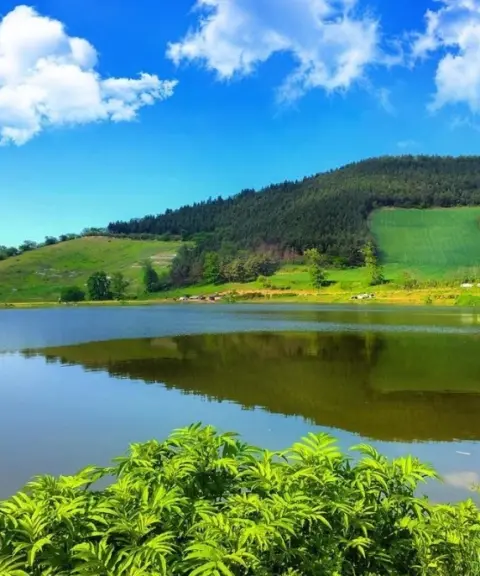

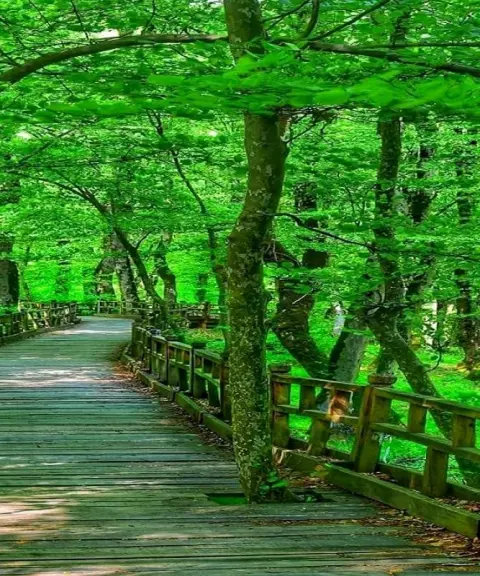

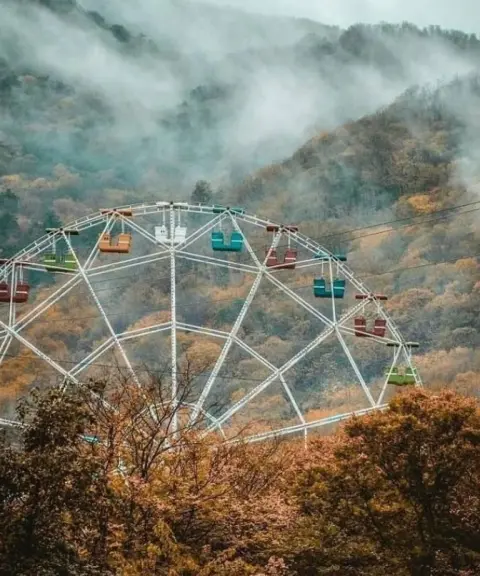
Naharkhoran Forest Park
Province Golestan
- Mountaineering
- Walking
- Cycling
A forest of Hyrcanian trees
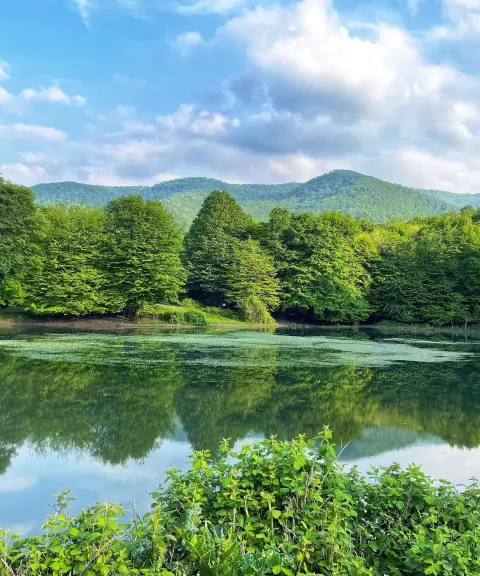
Abbandan Bagh Golbon
Province Golestan
- Walking
- Rowing
A Piece of Paradise in the Heart of the Gorgan Forests

Sefid Cheshmeh
Province Golestan
- Walking
- Cycling
- Mountaineering
A Crystal-Clear Spring in the Heart of the Hyrcanian Forests of Naharkhoran
Related tags:
Unfortunately, no comments have been registered.