
 Attractions
Imamzadeh Ghazi Saber
An ancient shrine in the heart of Tehran's old Deh-e Vanak neighbourhood
- Ability level Beginner
Ability level:
Beginner
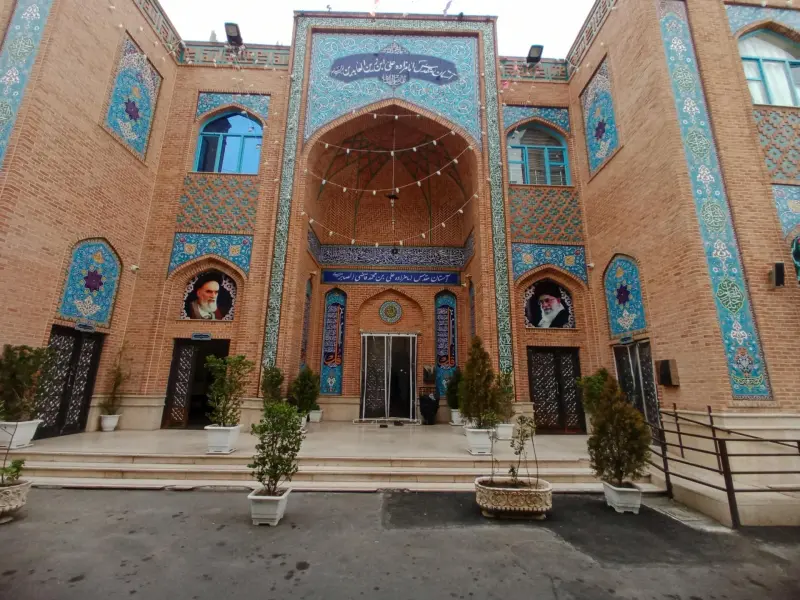
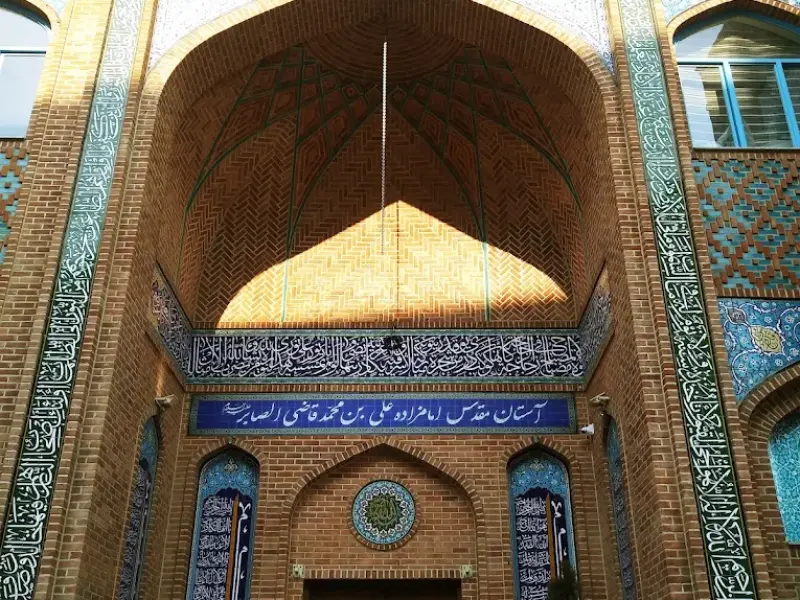
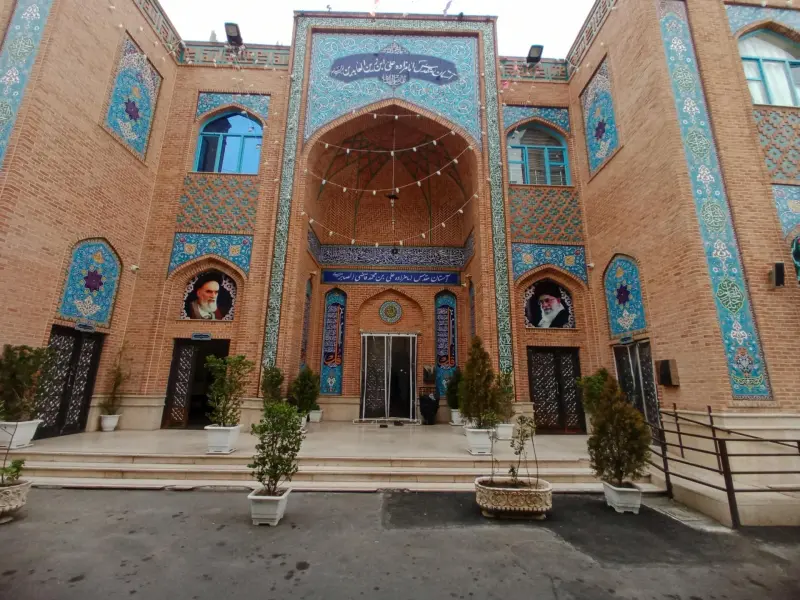
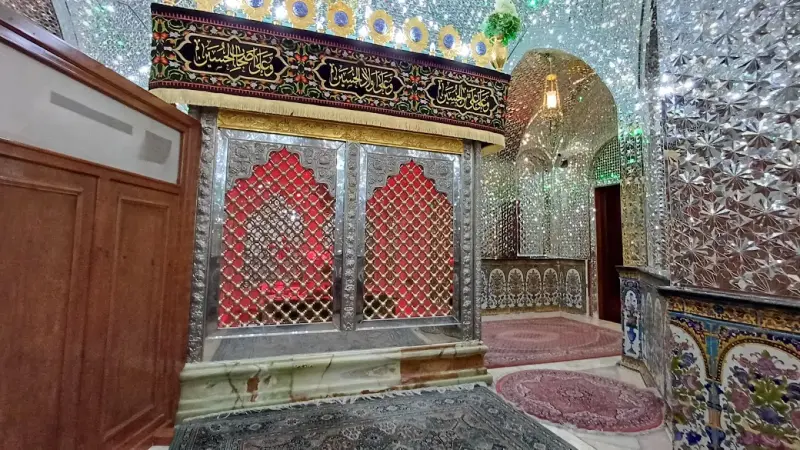
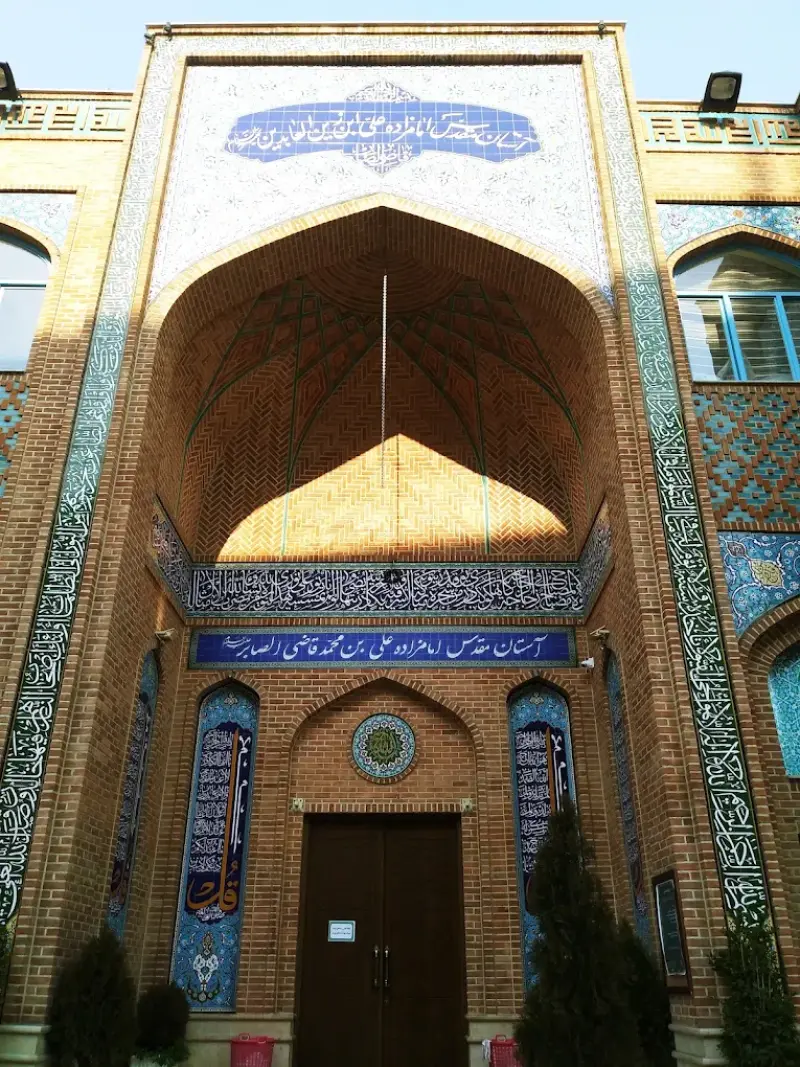
Imamzadeh Ghazi Saber is one of Tehran's historic shrines, located in the old neighbourhood of Deh-e Vanak, near Alzahra University, at the end of Shahid Majidpour Street, in Imamzadeh Alley. The shrine holds the tomb of Abolqasem Ali ibn Mohammad, known as Ghazi Saber, who, according to local accounts and the shrine's pilgrimage text, is counted among the descendants of Imam Zayn al-Abidin (peace be upon him). Ghazi Saber was a religious scholar and jurist of his time, and it is said that his residence in Deh-e Vanak served as a place for teaching religious sciences and answering people's scholarly questions. With a history of several centuries, the shrine was registered on Iran's National Heritage list on 11 Mordad 1384 under number 12539.
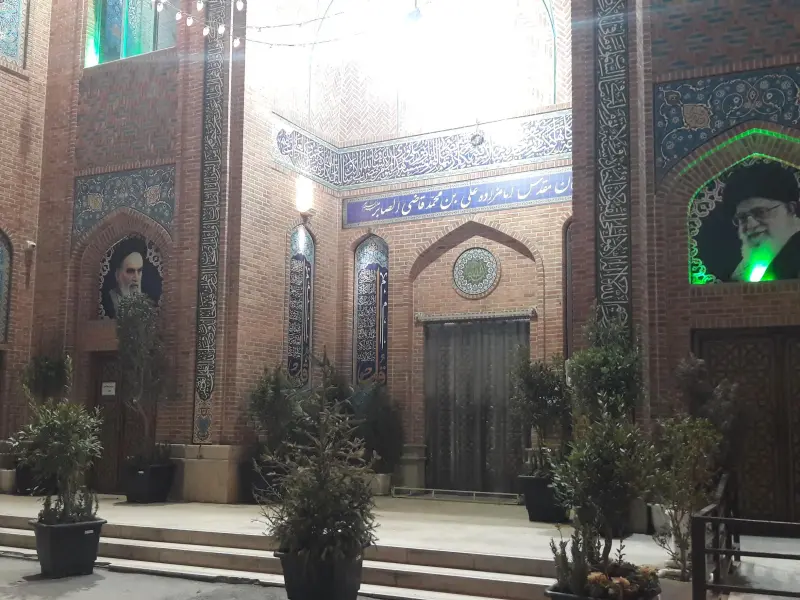
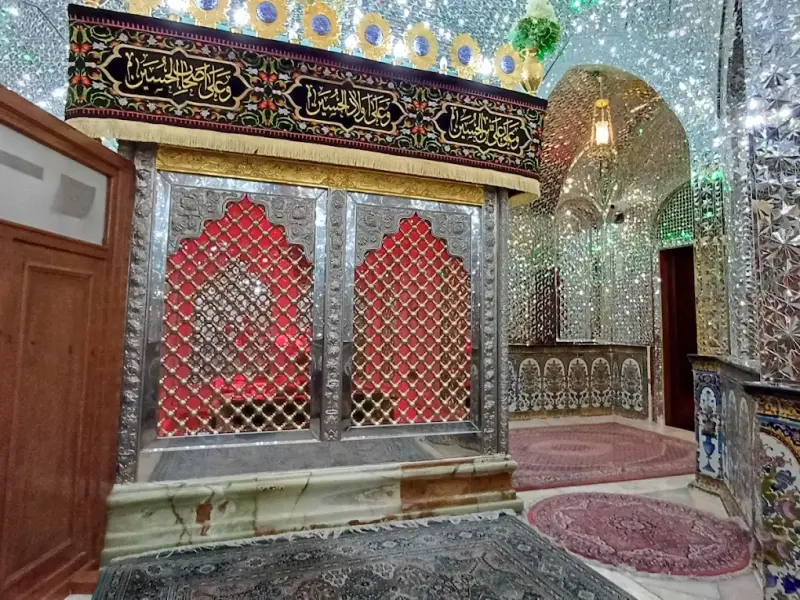
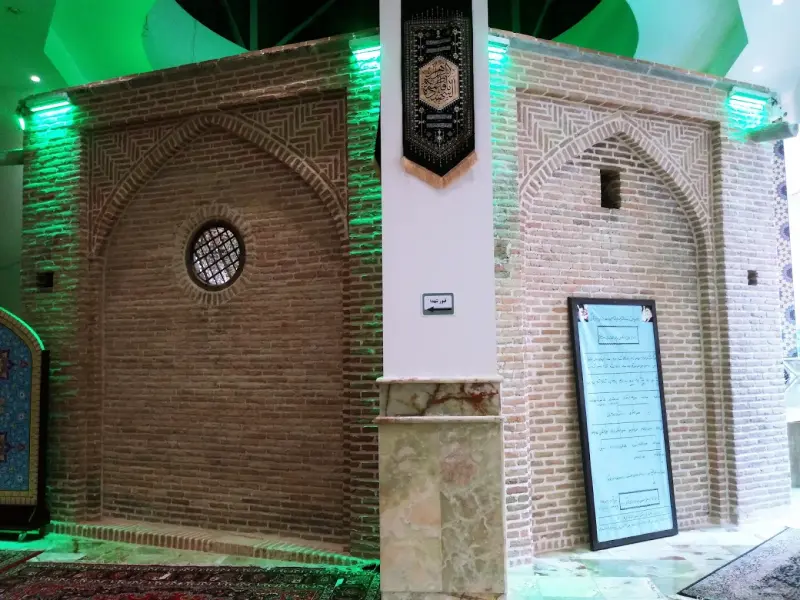
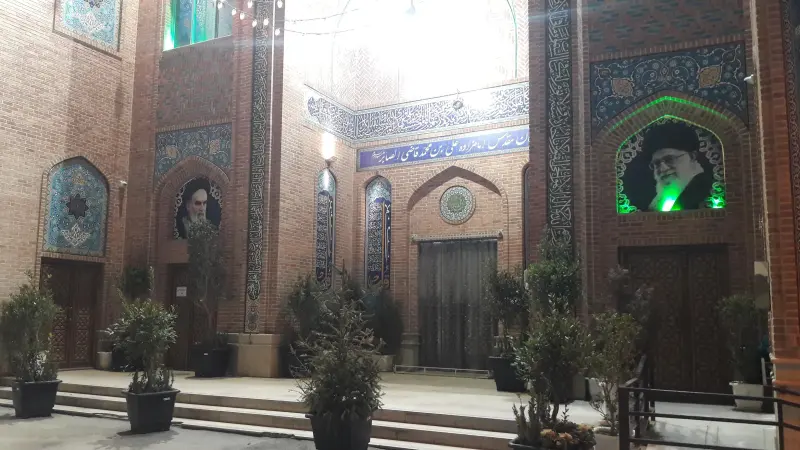
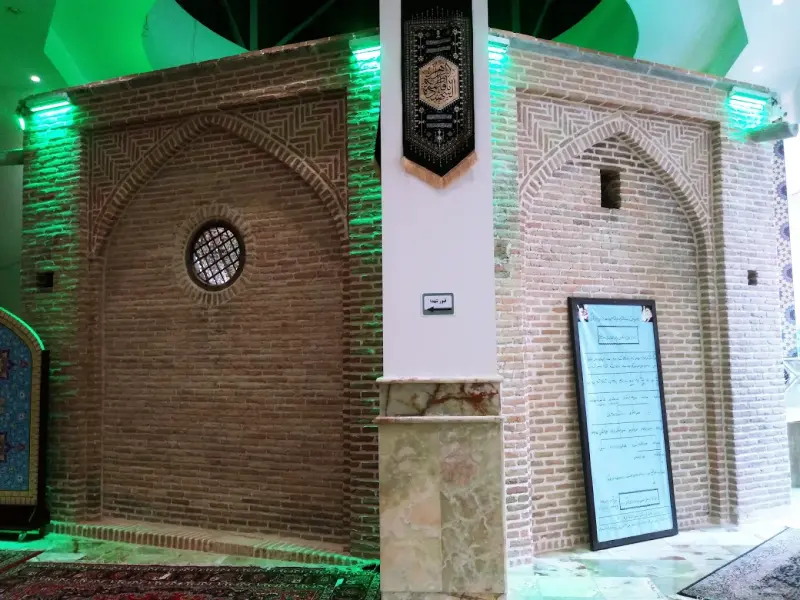
The building of Imamzadeh Ghazi Saber is an octagonal structure that has been damaged and restored many times throughout its history. The original building was made of mud brick and adobe, and during the Qajar period it was rebuilt around 1302 AH by order of Mirza Yusuf Mostowfi al-Mamalek, Grand Vizier of Naser al-Din Shah. In this period, parts of the building were constructed with brick, and decorations such as tilework, inscribed marble and a wooden shrine enclosure were added. The small courtyard, the cosy portico and the peaceful atmosphere of the shrine, together with the ancient tree in the courtyard and the graves in the grounds, are among its notable features. Today, in addition to its historical and architectural value, the shrine is a venue for religious ceremonies and a place of pilgrimage, and it preserves part of the historical identity of the Deh-e Vanak neighbourhood.
To visit Imamzadeh Ghazi Saber, you can head to Vanak Square and follow North Sheikh Bahaei Street, Sheikh Bahaei Square and Deh-e Vanak Street to Shahid Majidpour Street and Imamzadeh Alley. Since the shrine lies in an old urban fabric with narrow local lanes, it is best to cover the final stretch on foot and use public transport or a taxi to get there and back. Spring and autumn, thanks to Tehran's more pleasant weather, are good times to visit and stroll around the historic Deh-e Vanak neighbourhood; however, it is best to check the opening hours and religious programmes of the complex before you go. While there, it is important to observe the etiquette of pilgrimage, keep quiet, respect the worship space, and take care of the building and the ancient tree in the grounds.
Written by زهرا لنگری Last updated
Activities
What you can do here, and what it takes
-
Walking
میتوانید بازدید از امامزاده را با قدمزدن در کوچههای قدیمی و آشنایی با بافت محلی ده ونک همراه کنید.
Specifications
Introduction of the location and specifications of Imamzadeh Ghazi Saber
Location:
Tehran, Tehran
Coordinates:
35.76784100, 51.39200700
Open in maps
Transports:
Private car, Minibus, Bus
Tourist Attractions in Tehran
Attractions that are nearby

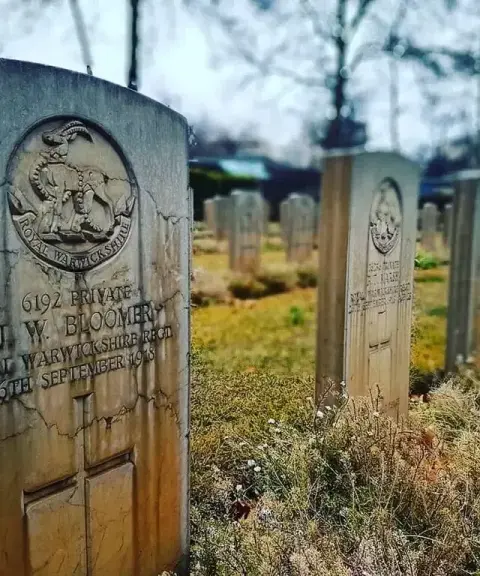
Allied Cemetery (Tehran War Cemetery)
Province Tehran
- Walking
An international World War–era burial ground
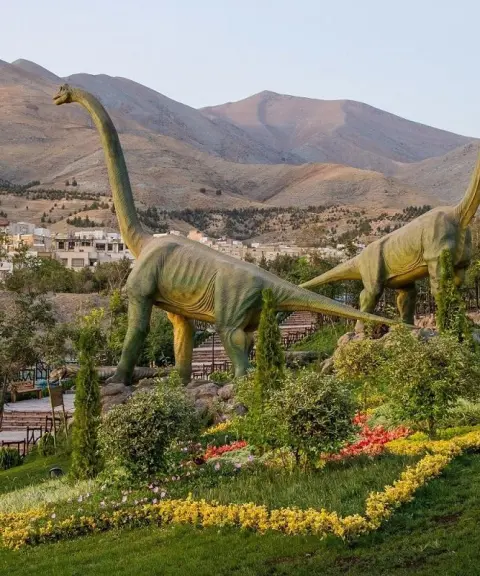
Jurassic Park Tehran
Province Tehran
- Walking
A journey into the world of dinosaurs in the heart of the capital
Related tags:
Unfortunately, no comments have been registered.