
 Attractions
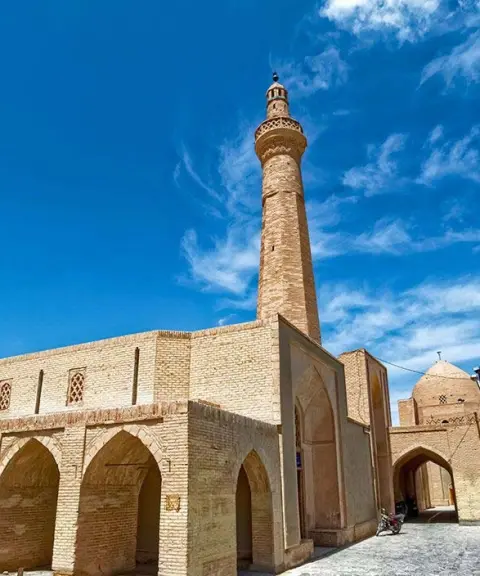
Jame Mosque of Nain
Province Isfahan
- Walking
A historic mosque in the old quarter of Bafran
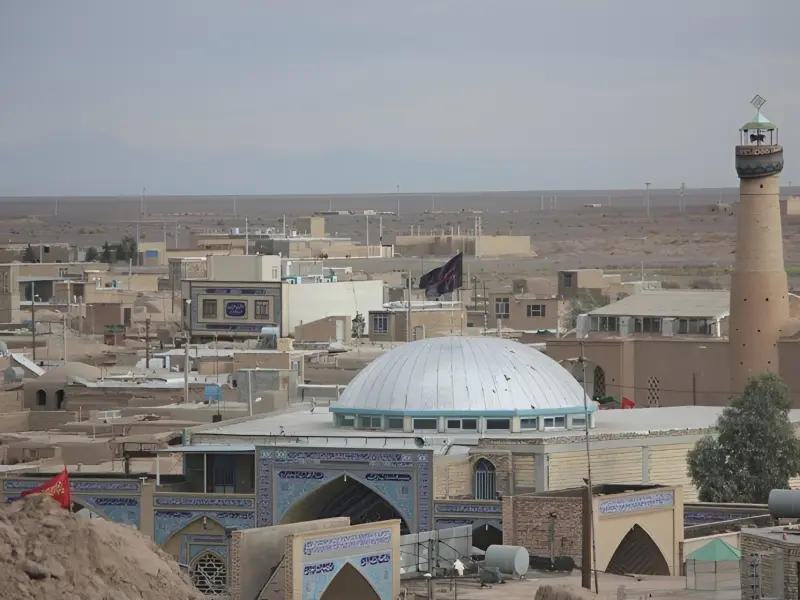
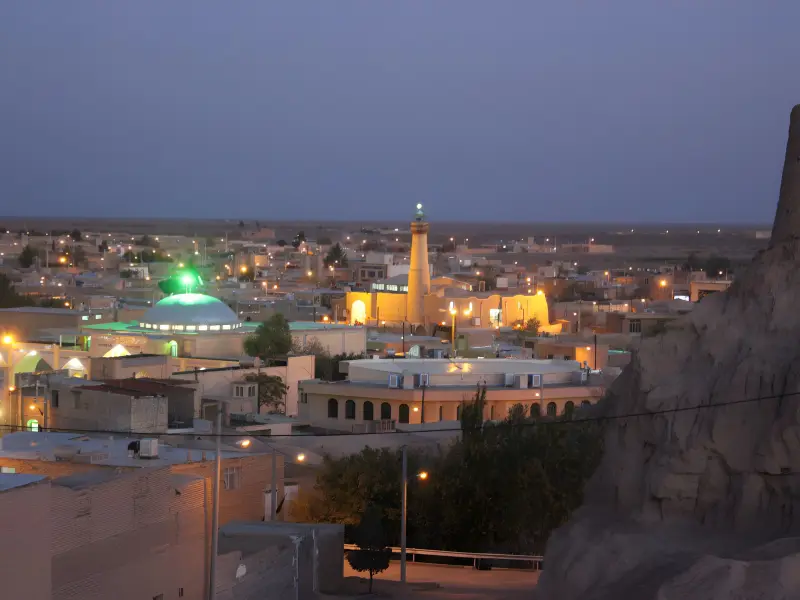
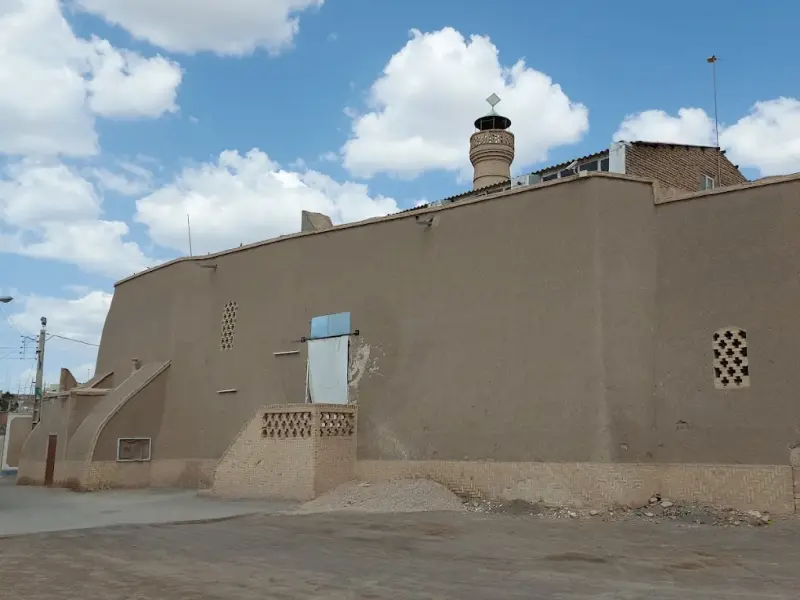
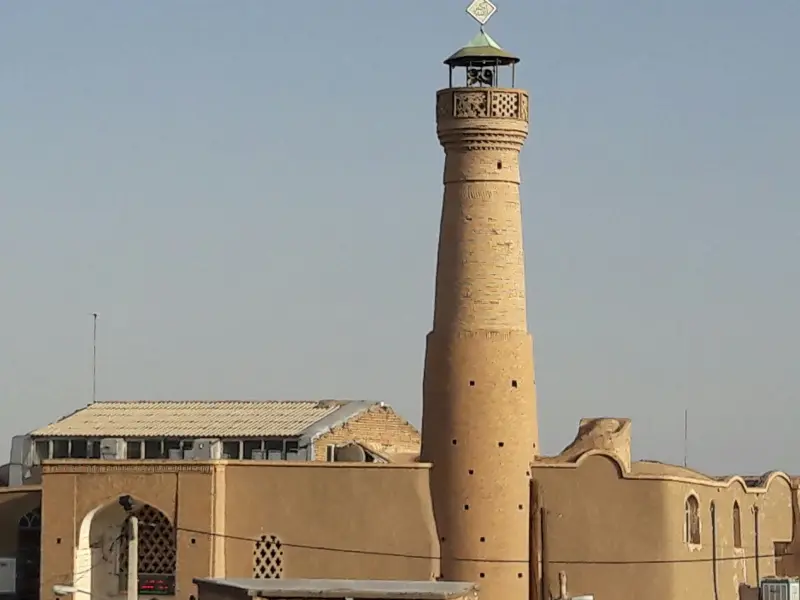
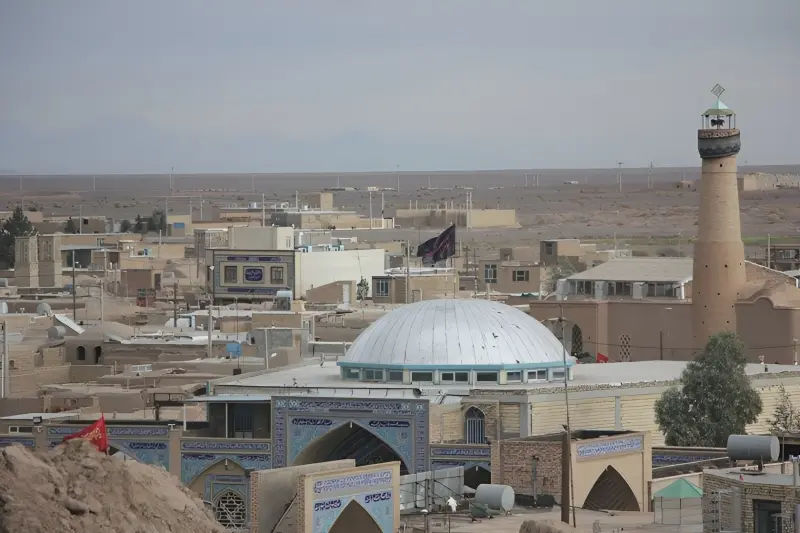
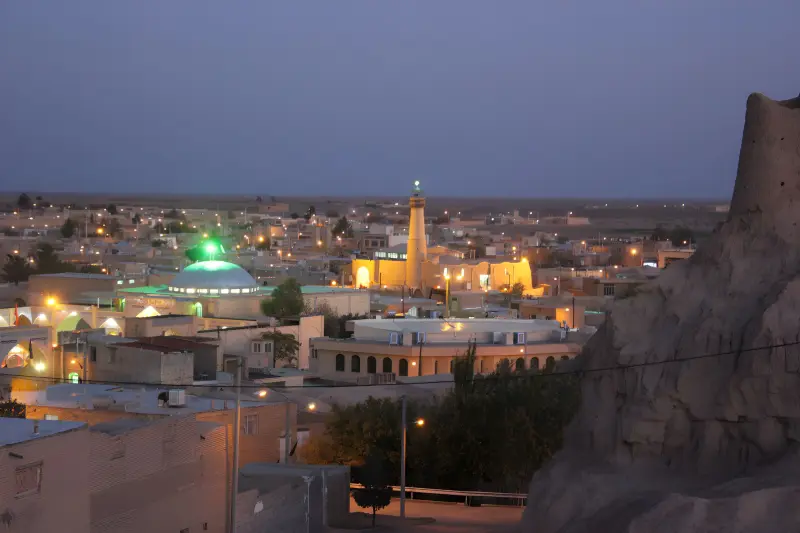
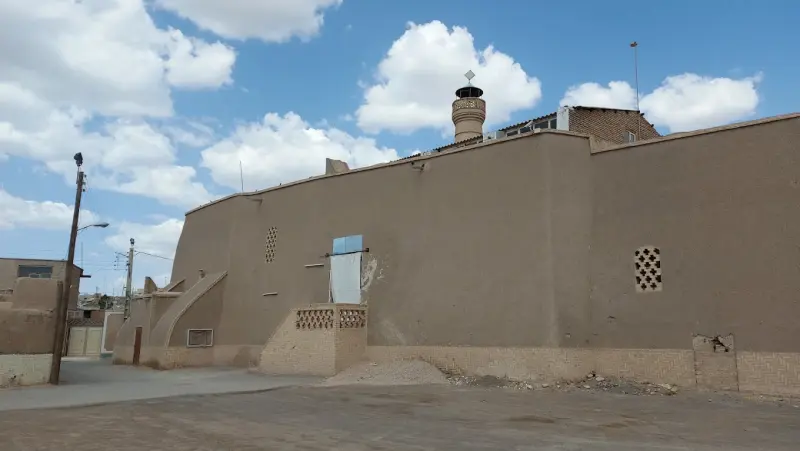
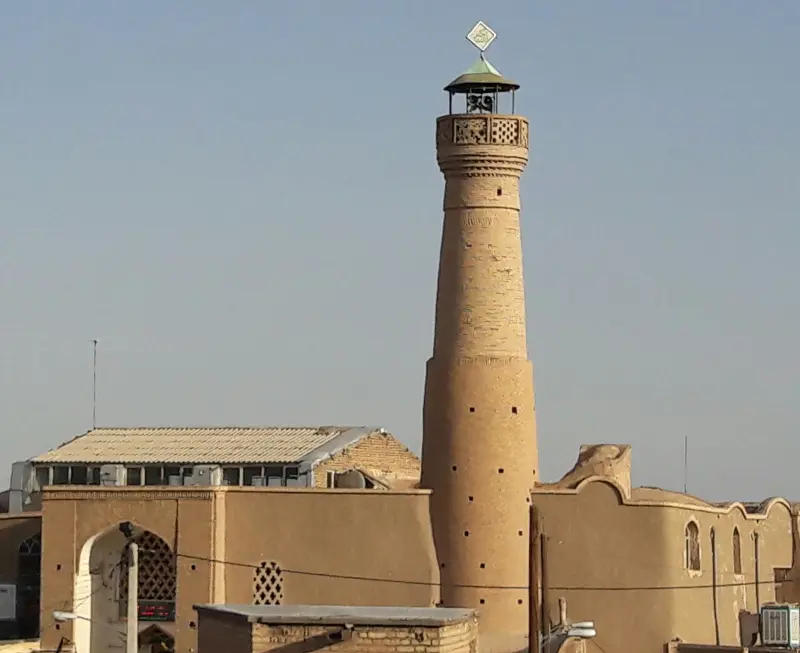
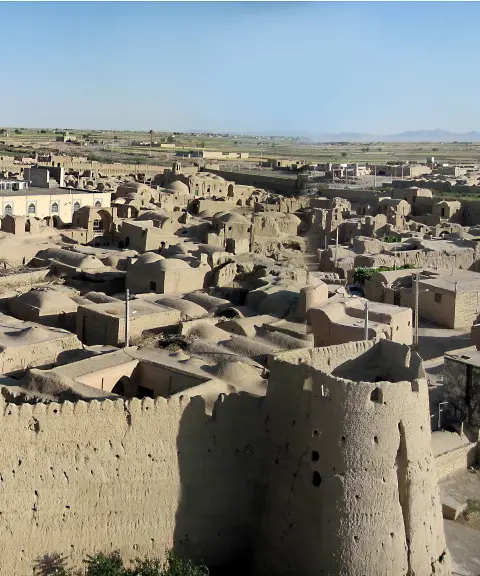
The Jame Mosque of Bafran stands in the village of Bafran, in Nain County, Isfahan Province, about eight kilometres southeast of Nain. It lies roughly at the centre of Bafran's old quarter and has been one of the village's most important buildings throughout its history. According to the available evidence, the original mosque probably dates to the 4th to 6th centuries AH (Hijri Qamari), although the present structure was altered and rebuilt in the Safavid period. Some scholars also suggest that, before becoming a mosque, the original building served as a fire temple, and that the mihrab was added in later periods; however, this is not certain. The only dated inscription in the building, located above the mihrab, bears religious phrases and the date 966 AH, which is generally taken to refer to a repair of the building. The Jame Mosque of Bafran was inscribed on the Iran National Heritage List on 25 Khordad 1381 under registration number 5887.
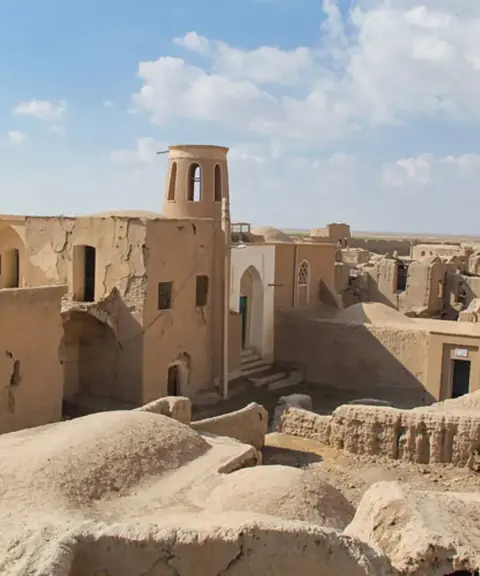
The mosque is built on the four-iwan plan and covers about 800 square metres. It includes a courtyard, a main prayer hall (shabestan), a portico, a cellar (sardab) and a round mud-brick minaret. The main entrance is on the west side; after a forecourt and a wide corridor, it leads into the courtyard. The main prayer hall on the south side has a high ceiling covered with arched vaults of the taq-o-chashmeh type, while the east and west sides of the building were built with two storeys and originally had compartments for women. The round mud-brick minaret is one of the mosque's most distinctive features. It is about 21 metres high and can be climbed by 58 spiral steps to the top; it has been attributed to the Seljuk period and was later covered with brick. The hexagonal cellar lies beside the main entrance, below the level of the courtyard, and receives light through an opening in its ceiling. Other architectural features of the building include the kar-bandi (decorative ribbed vaulting) of the entrance corridor ceiling, the sunburst medallion (shamseh) in the half-dome on the south side, and the brickwork of the entrance portal in the rasteh-and-khofteh style. The mosque has undergone changes over the centuries, and its old plaster minbar was lost in 1347 SH (1968).
To visit the Jame Mosque of Bafran, head southeast from Nain and take the road to the village of Bafran to reach the old quarter; the mosque stands among the village's historic lanes. Because the region has a hot, dry climate, spring and autumn are better times to visit and explore Bafran. As the mosque is still used for worship, visitors should observe the etiquette of religious sites while inside and avoid disturbing worshippers during prayers or religious ceremonies. Keeping the area clean, not touching or damaging the historic parts, and respecting the village's old fabric also help protect this valuable monument.
Written by زهرا لنگری Last updated
What you can do here, and what it takes
در کنار بازدید از این بنای تاریخی میتوانید در کوچههای قدیمی بافران و اطراف مسجد به پیادهروی بپردازید.
Province Isfahan
Province Isfahan
Province Isfahan
Province Yazd




Unfortunately, no comments have been registered.