
 Attractions
Lonban Mosque
A Safavid-era legacy in a historic neighbourhood of Isfahan
- Attractions
- Isfahan, Isfahan
- Altitude 1,578 m
- Ability level Beginner
Ability level:
Beginner
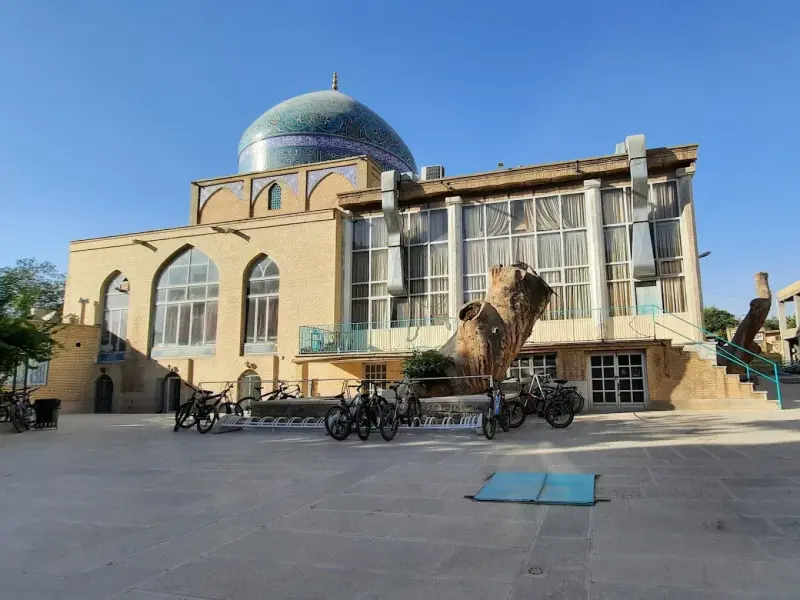
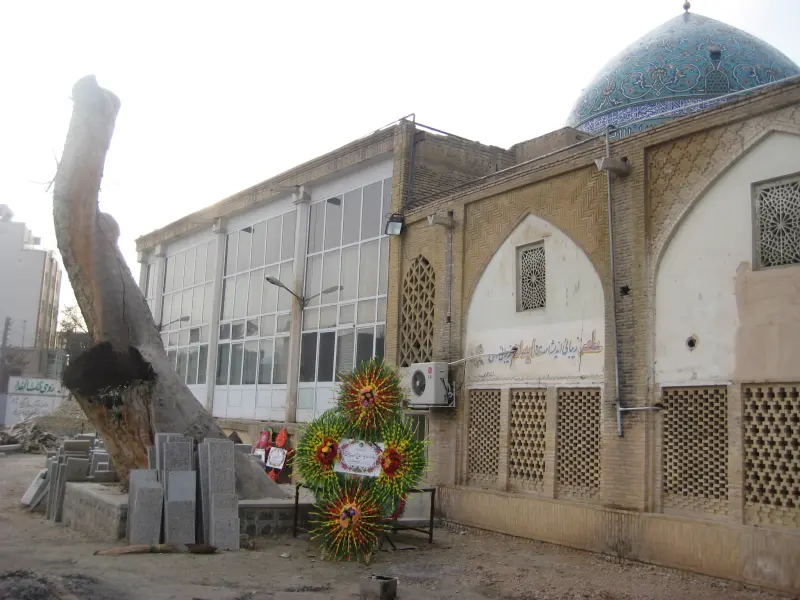
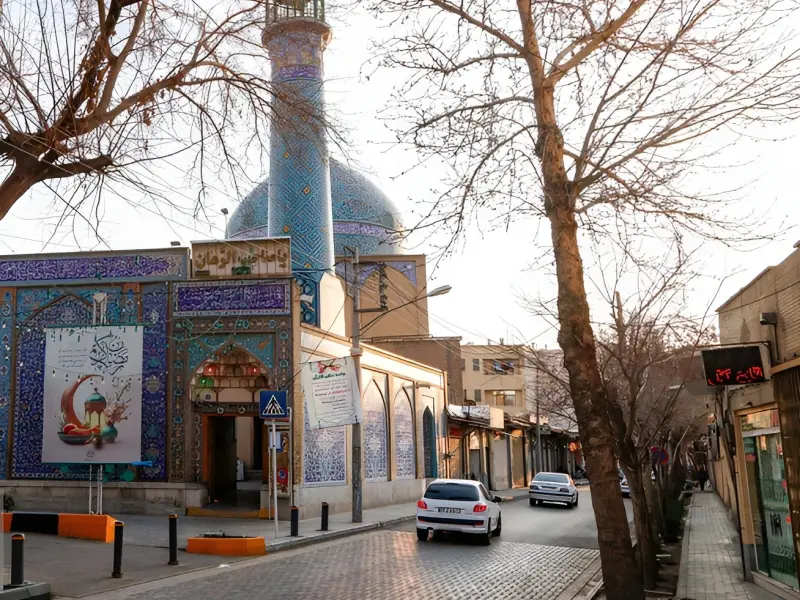
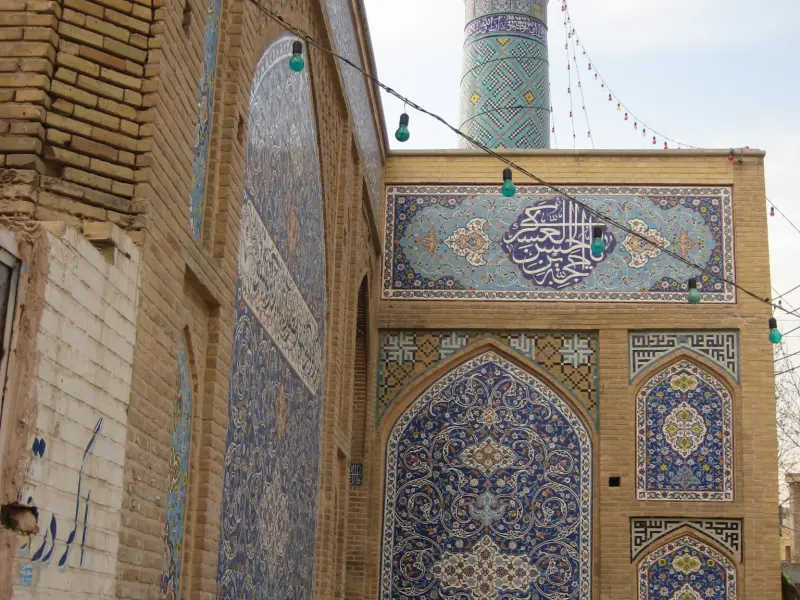
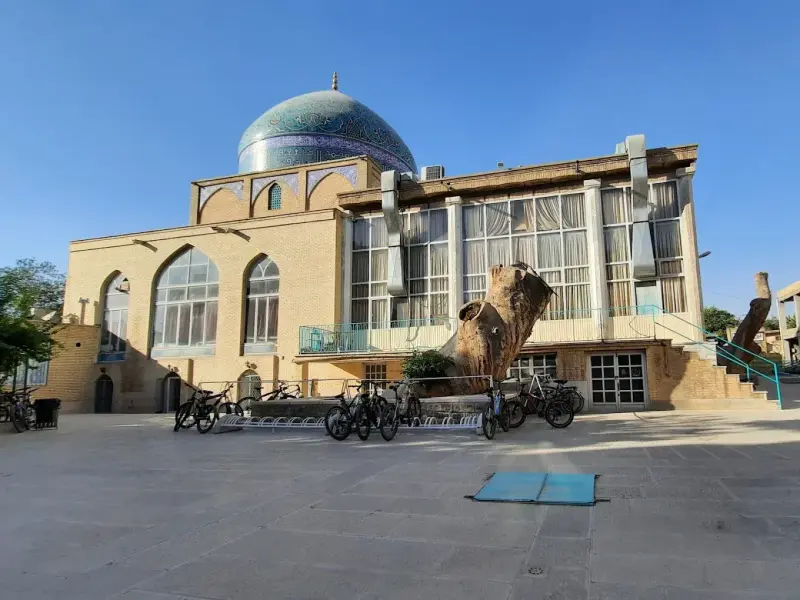
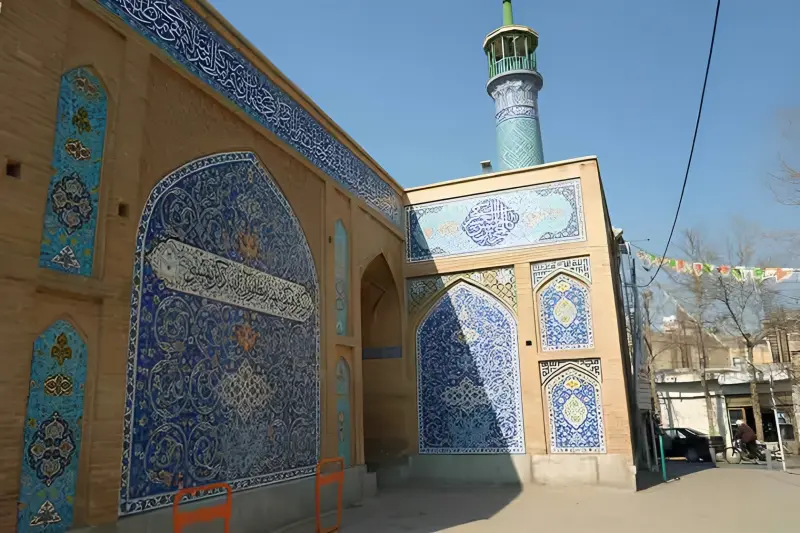
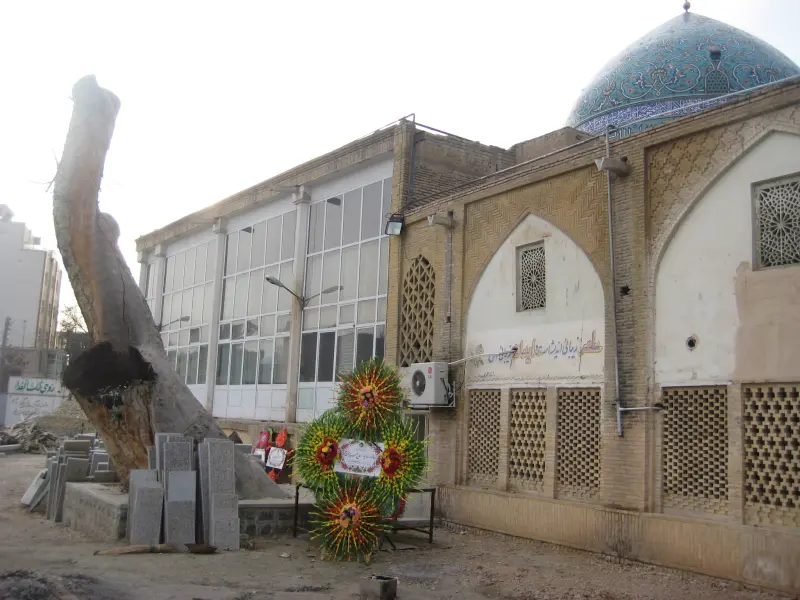
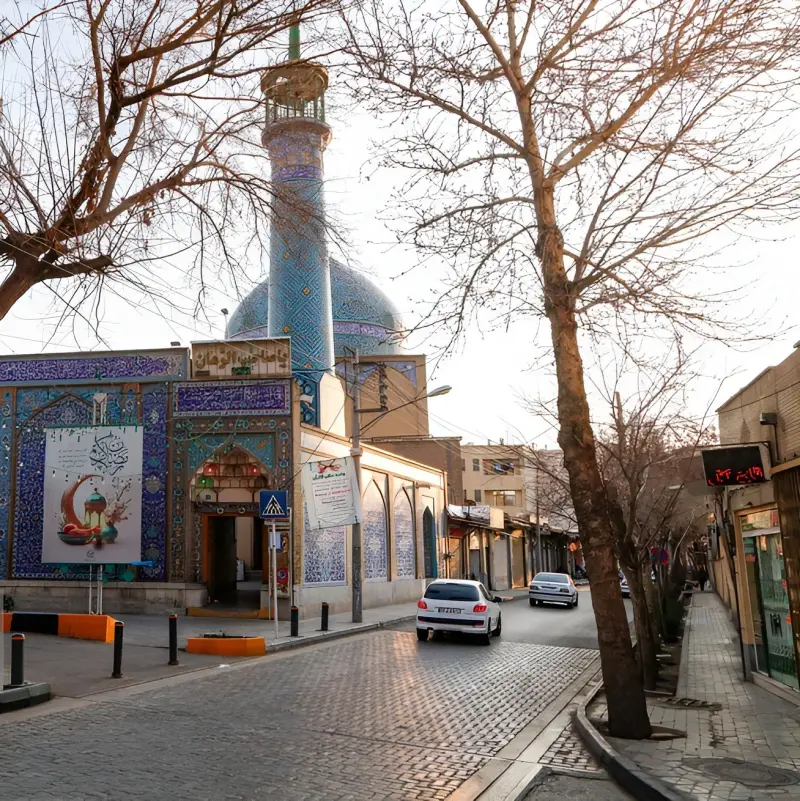
Lonban Mosque is one of the historic buildings of Isfahan, located in the old Lonban neighbourhood, on Dr. Beheshti Street and Masjed-e Lonban Street. The present building dates from the reign of the Safavid king Shah Suleiman and was built on the remains of an older mosque whose history goes back to the 8th century AH. In historical sources, Lonban Mosque is also referred to by its old name, "Bakrat", and some sources consider it one of the first mosques of Isfahan. The building was registered on the list of Iran's National Heritage on 29 Azar 1316 (Solar Hijri) under number 293 and has been repaired and restored in different periods. For this reason, the mosque today combines elements from the pre-Safavid, Safavid and later periods.
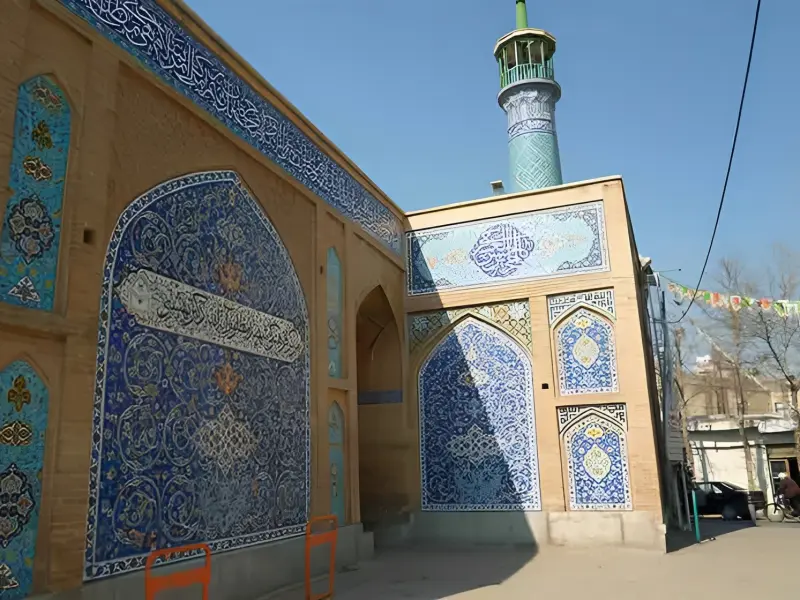
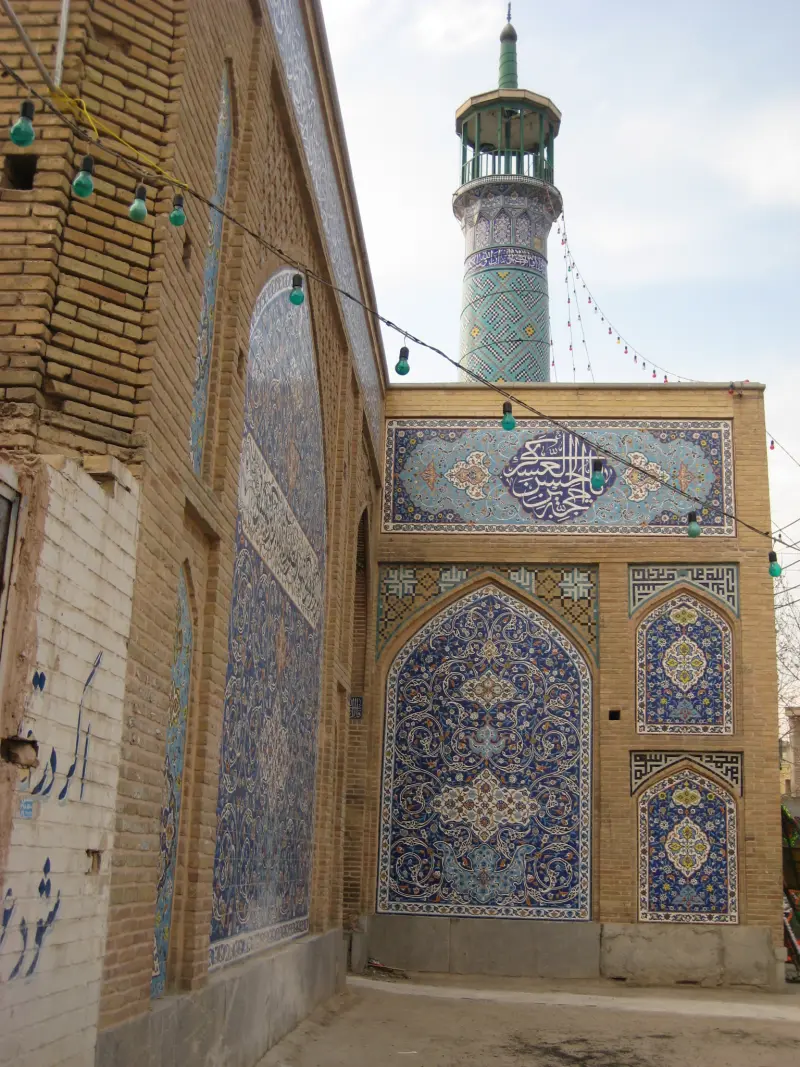
Among the mosque's valuable features are the stucco work surviving from the pre-Safavid period and the tile panels of the Safavid era, some of which bear the date 1080 AH (lunar Hijri). The inscriptions over the entrance are also important historical elements of the building. One inscription above the entrance, dated 1080 AH, records repairs made during the reign of Shah Suleiman, while another entrance inscription dates from 1256 AH. The wooden pulpit known as the "Sahib al-Zaman Minbar", dated 1114 AH, is regarded as one of the finest wooden works of the Safavid period. The mosque also has turquoise domes decorated with arabesque and floral designs, and a short minaret. In the past, a stream of water ran beneath its great hall, and a cellar (sardabeh) was also built there. The Lonban saqqakhaneh (public water shrine) and its historic stone basin are other notable elements of the complex.
To reach Lonban Mosque, head to the historic Lonban neighbourhood in the western part of Isfahan and turn from Dr. Beheshti Street into Masjed-e Lonban Street. The mosque's location within the city's historic fabric makes it easy to combine a visit with a stroll through the old neighbourhoods and other historic attractions of western Isfahan. Spring and autumn, when Isfahan's weather is more pleasant, are the best times for walking and exploring the historic part of the city. Because the mosque is a place of worship, choose a suitable time to visit, and avoid disturbing worshippers, touching the decorations or damaging the historic elements of the building.
Written by زهرا لنگری Last updated
Activities
What you can do here, and what it takes
-
Walking
بافت قدیمی محله لنبان و خیابانهای پیرامون مسجد برای پیادهروی و گشتوگذار فرهنگی مناسب است.
Specifications
Introduction of the location and specifications of Lonban Mosque
Construction Period:
Safavid
Location:
Isfahan, Isfahan
Coordinates:
32.65115065, 51.65221631
Open in maps
Height above mean sea:
1578 meter
Transports:
Private car, Minibus, Bus
Tourist Attractions in Isfahan
Attractions that are nearby
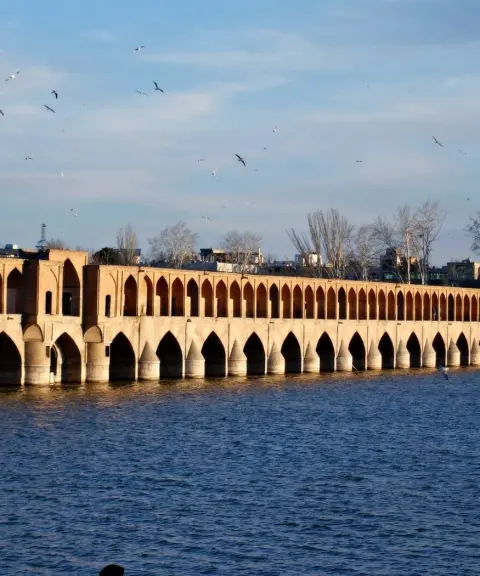
Si-o-se-pol (Siosepol)
Province Isfahan
- Walking
The timeless splendour of the Safavids in the heart of Isfahan
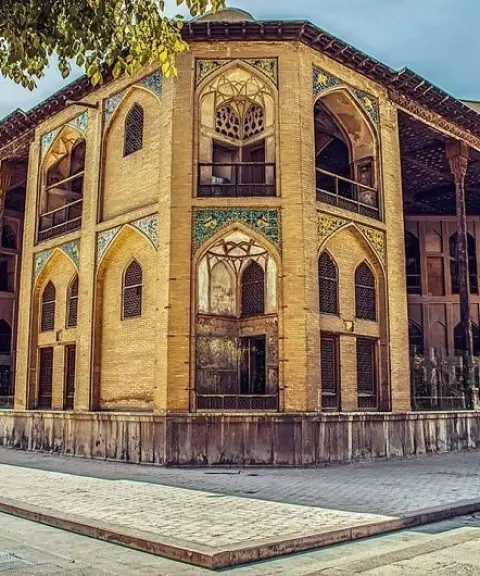
Hasht Behesht Palace
Province Isfahan
- Walking
A masterpiece of Safavid architecture in the heart of Isfahan's Chahar Bagh
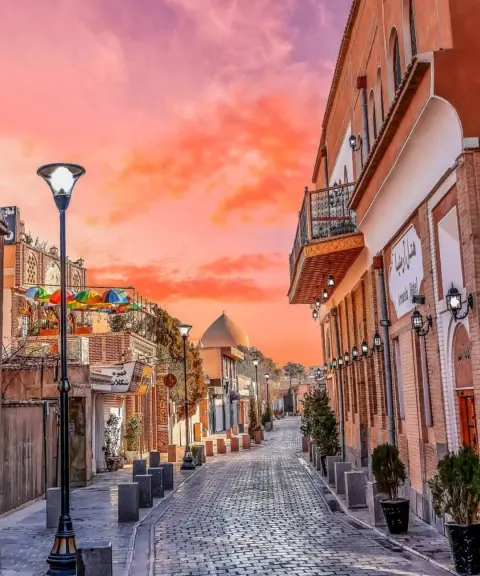
Jolfa Neighborhood
Province Isfahan
- Walking
A neighborhood between history and European culture in the heart of Isfahan
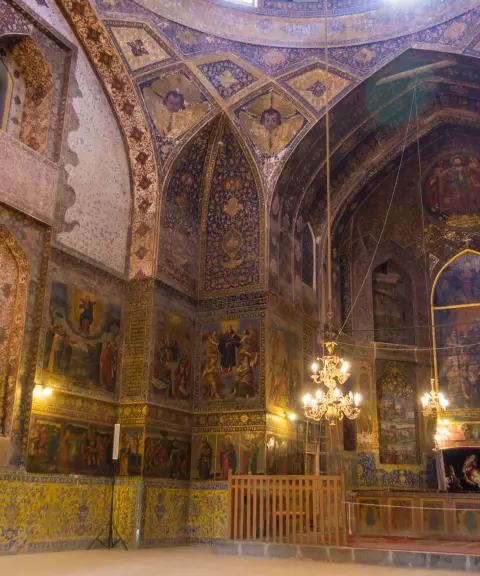
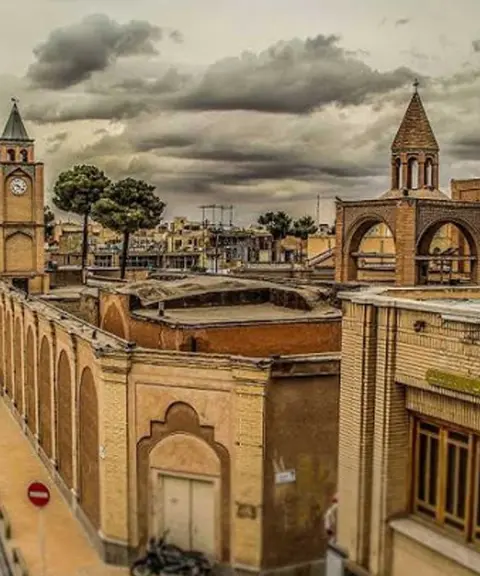
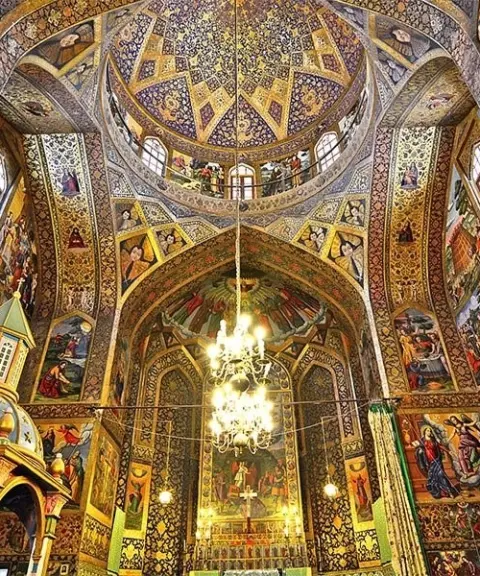
Holy Gregory the Illuminator Church (St. Gregory Lusavorich Church)
Province Isfahan
- Walking
An ancient light in New Julfa, Isfahan
Related tags:
Unfortunately, no comments have been registered.