
 Attractions
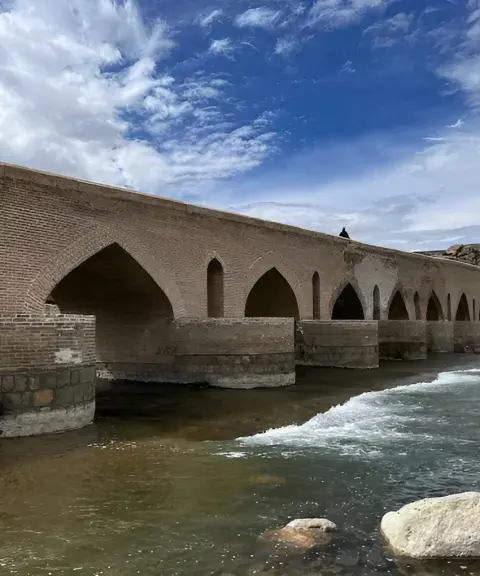
Salavat Abad Bridge
Province Kurdistan
- Walking
A showcase of the city's traditional architecture and trade
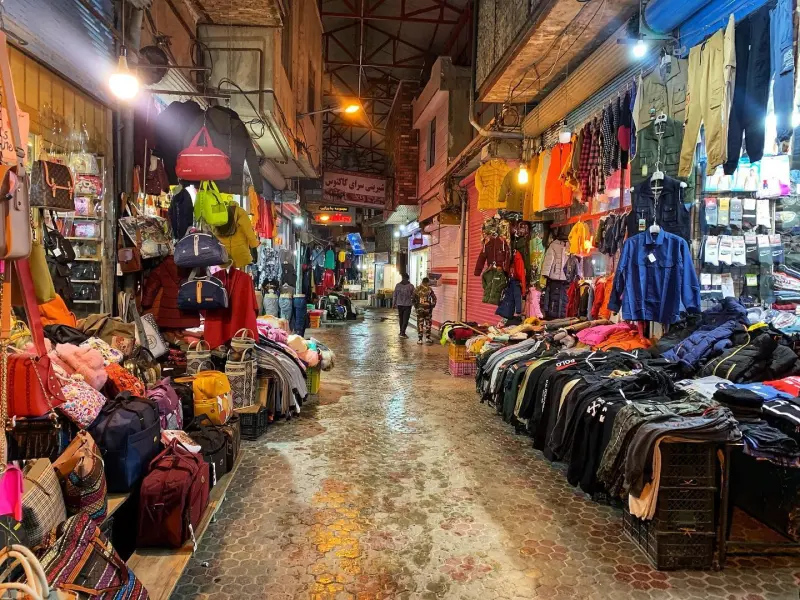
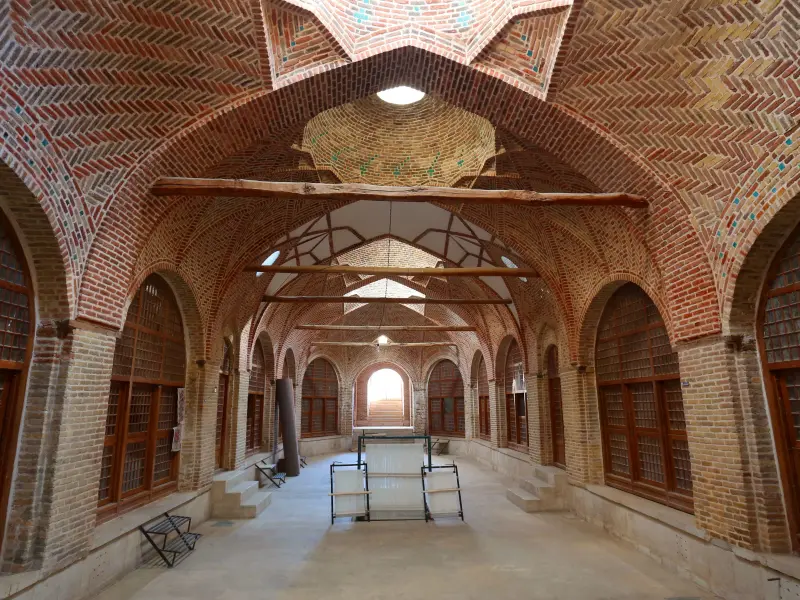
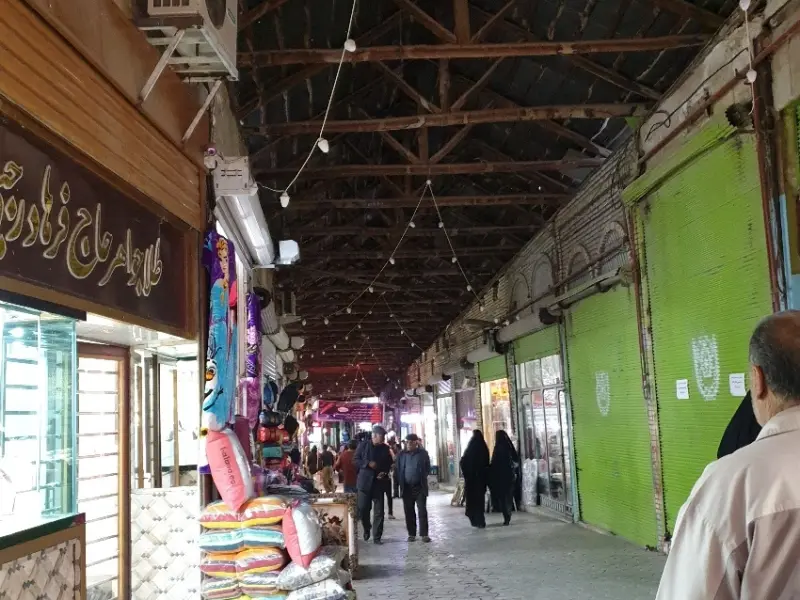
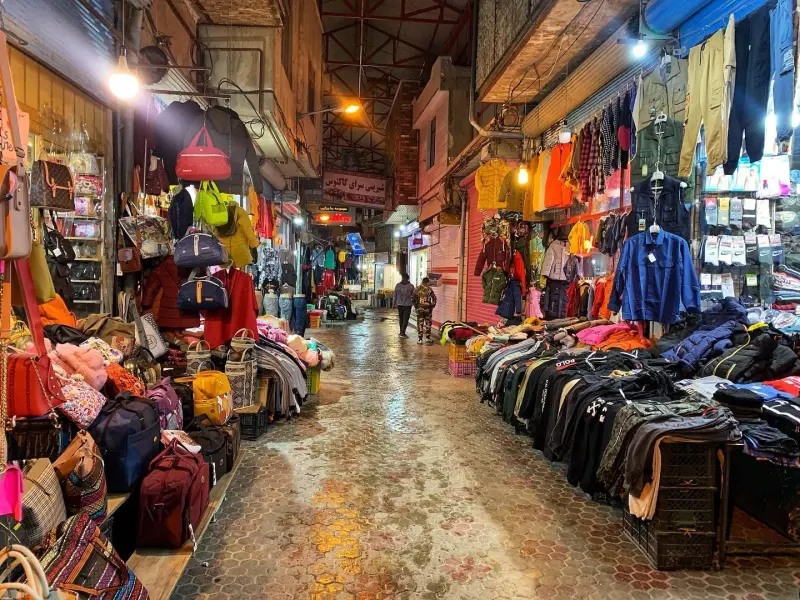
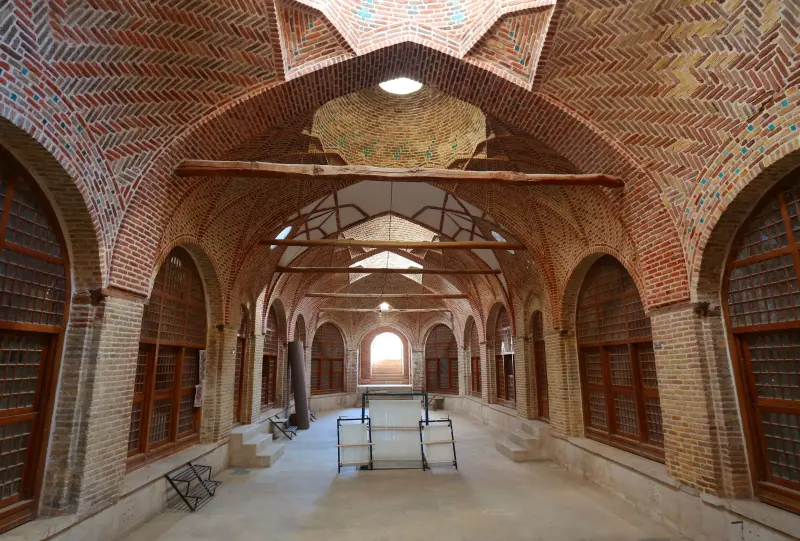
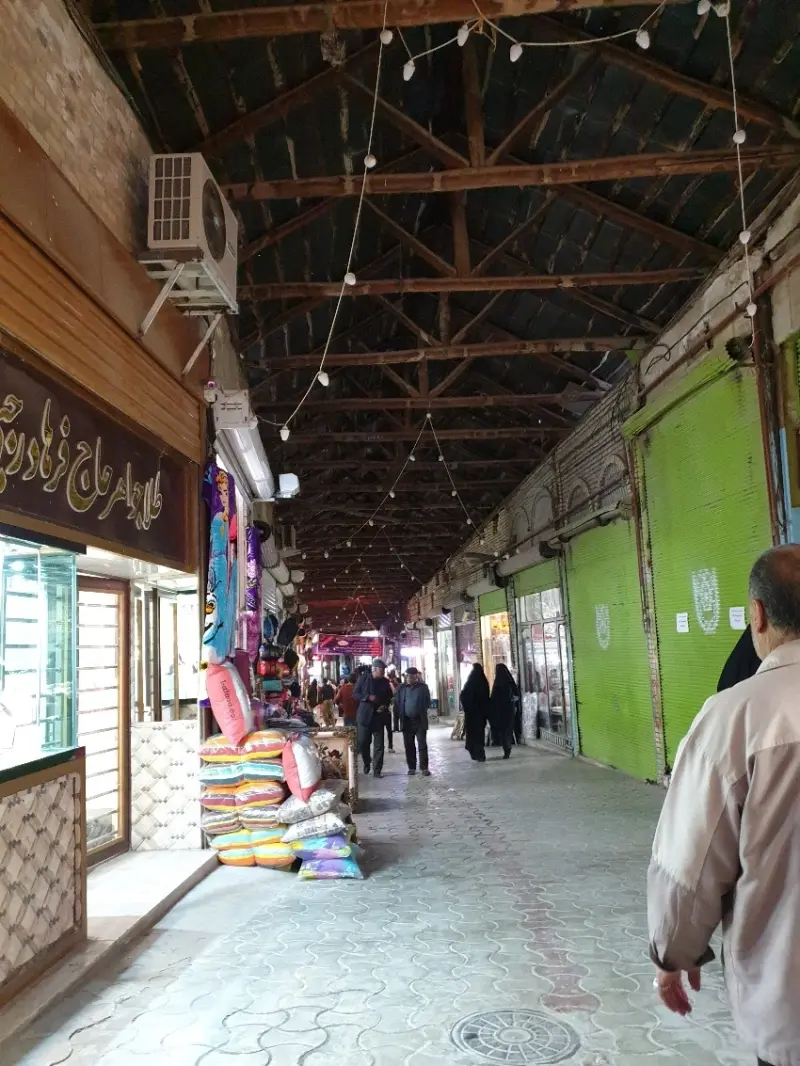
Bijar Bazaar stands in the centre of Bijar, in Kurdistan Province, around Shahid Ardalan Street, and is one of the most important surviving parts of the city's historic fabric. The bazaar complex lies on the historic route linking Kurdistan and Azerbaijan, which is why it once enjoyed considerable commercial prosperity. The bazaar is attributed to the Safavid period, and parts of it were rebuilt in later periods, including after the damage caused by the attack of Karim Khan Zand, the First World War and the presence of Russian forces. Bijar Bazaar was inscribed on the Iran National Heritage list on 27 Bahman 1378 (Solar Hijri), under registration number 2591. The historic structure of the bazaar includes a long north–south main passage (rasteh), the Timcheh of Haj Shahbaz and the Sarai of Amir Tuman, and some of the old shops still line both sides of the main passage.
The bazaar's most notable features include its traditional architecture, its covered passage and the commercial spaces attached to it. The Timcheh of Haj Shahbaz stands on the eastern side of the bazaar passage. Its covered central space, with surrounding shops, arches, decorative vaulting (karbandi) on the ceiling and skylights set into the roof, is one of the complex's most distinctive parts; the original timcheh is attributed to the Safavid period and was rebuilt in the Qajar period. The Sarai of Amir Tuman lies on the western side of the bazaar. It has a central courtyard, surrounding shops and a plan of octagonal and half-octagonal forms, and was built of adobe, brick and stone. In Bijar Bazaar you can also get to know part of the region's traditional art and economy: Bijar carpets and kilims, handicrafts, fabrics, herbal and spice products from traditional apothecaries (attari) and some traditional goods are among the items sold here. Hand-woven Garrus carpets are also among the region's best-known handicrafts, and the carpet shops in the bazaar reflect the link between traditional trade, local art and the economic life of the people of Bijar.
To reach Bijar Bazaar, head for the city centre and Shahid Ardalan Street, using city routes and public transport to get to the bazaar area; since the complex lies in the heart of the city, it can also be reached on foot from the surrounding streets. Visiting in spring and summer, when Bijar's weather is better suited to urban sightseeing, can make for a pleasant experience, and early autumn is also a good time to visit; winters in Bijar are cold, with significant frosts. During your visit, it is best to keep the bazaar's calm atmosphere and not block the way for shopkeepers and shoppers, to avoid entering private or dilapidated sections without permission, and to ask permission before photographing vendors and other people in the bazaar. Buying from local producers and sellers, especially those offering handicrafts and carpets, can also help preserve the bazaar's economic and cultural role in the city's historic fabric.
Written by زهرا لنگری Last updated
What you can do here, and what it takes
راسته بازار و معابر پیرامون آن امکان پیادهروی سبک و گشتوگذار در بافت تاریخی مرکز شهر بیجار را فراهم میکنند.
Province Kurdistan
Province Kurdistan
Province Kurdistan
Province Kurdistan
Province Zanjan
Province West Azerbaijan



Unfortunately, no comments have been registered.