
 Attractions
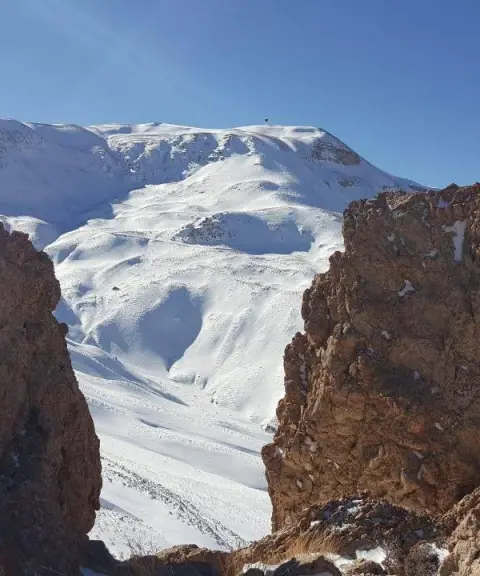

Shah Jahan Peak
Province North Khorasan
- Walking
- Mountaineering
A lush summer pasture village on the slopes of Shah-Jahan
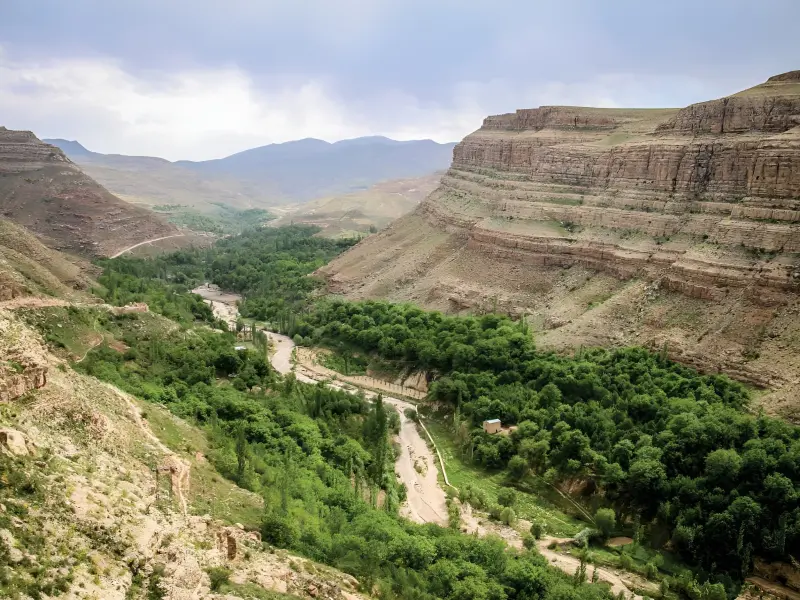
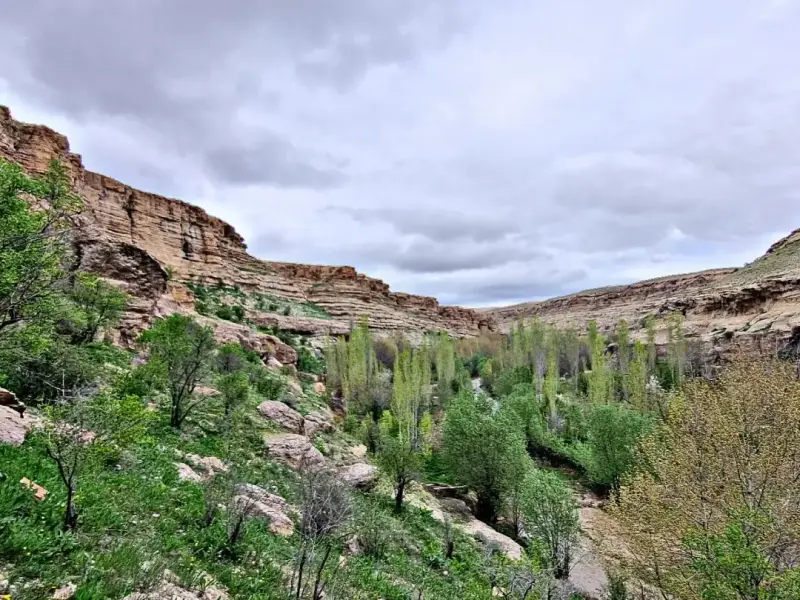
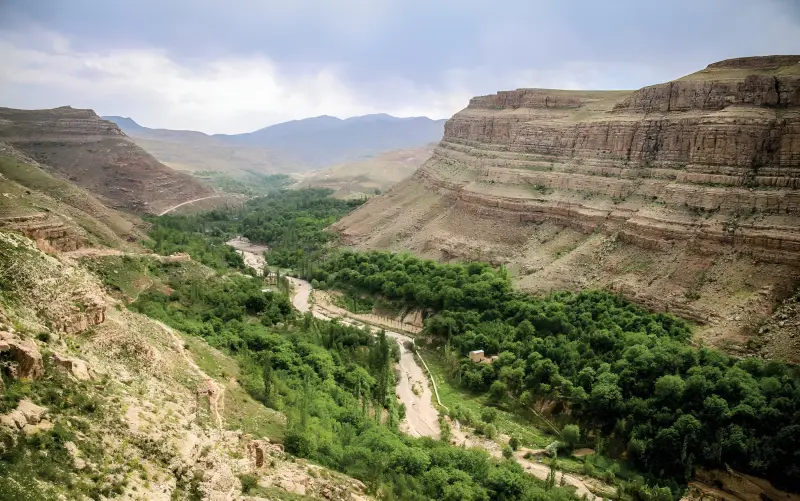
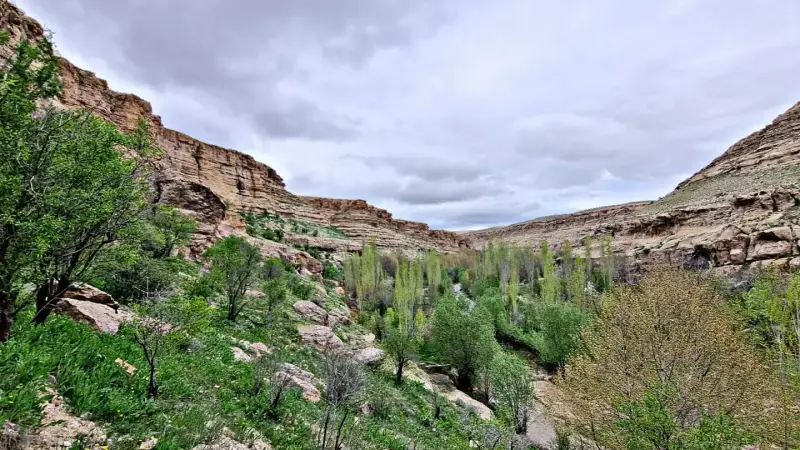
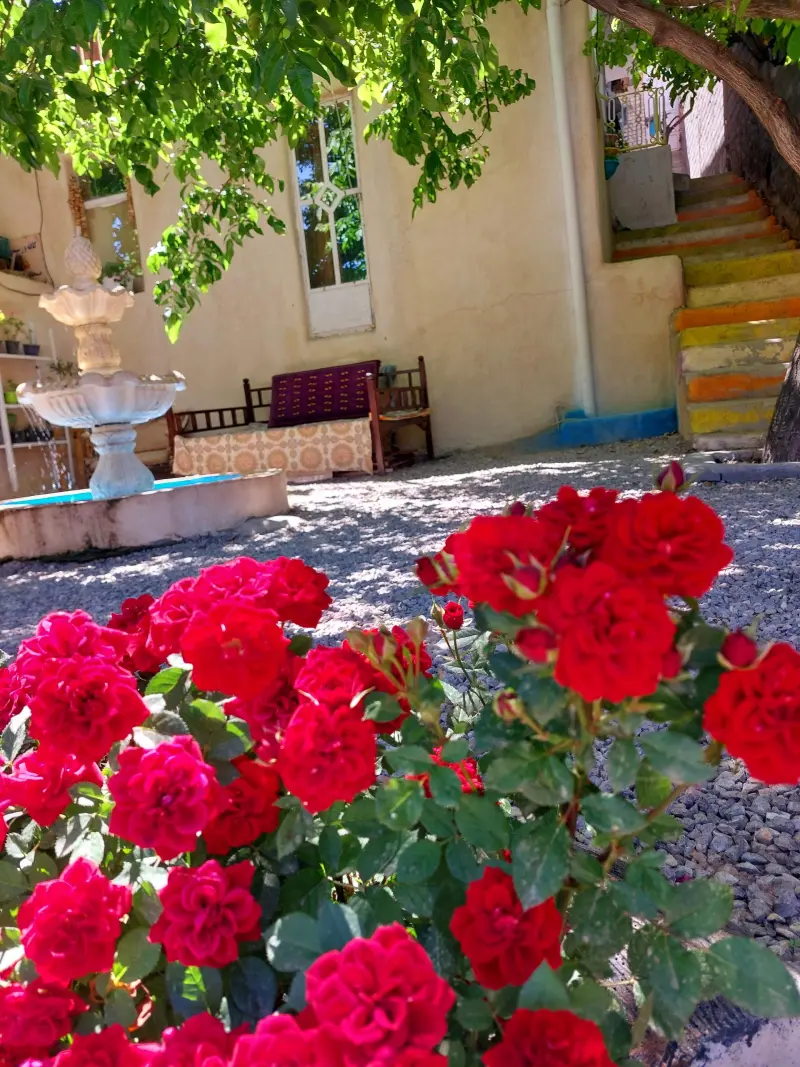
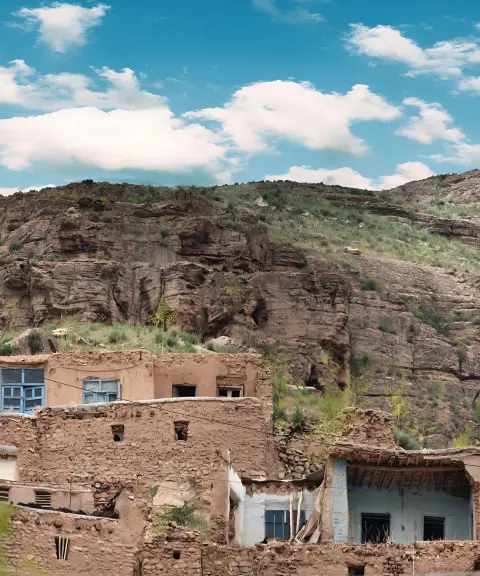
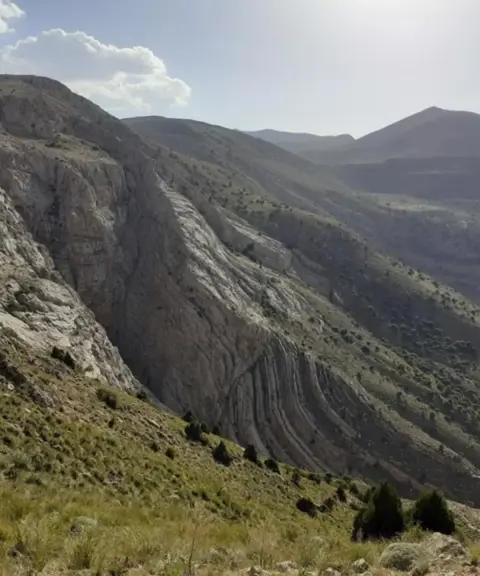
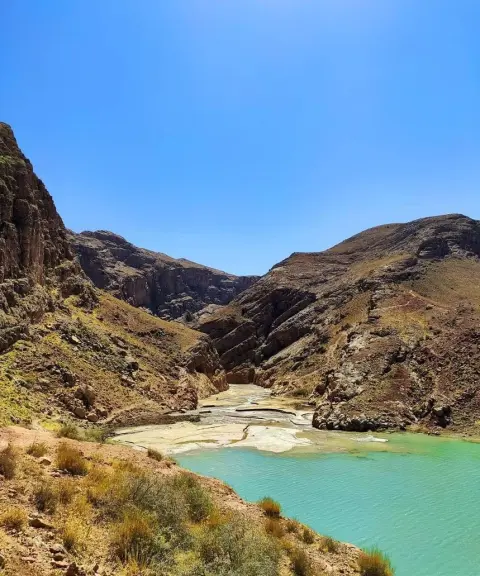
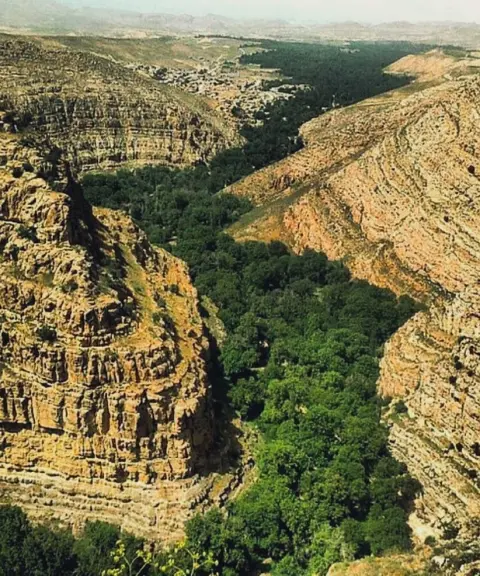
Khosrowiyeh is one of the tourist villages of Shah-Jahan Rural District, in the Central District of Faruj County, North Khorasan Province. It lies about 26 kilometers south of Faruj, in a lush mountain valley at the foot of the Shah-Jahan mountain range. Covering an area of about 51 square kilometers in the southern part of the Kopet Dag, the village is bordered by the villages of Rashvanlu and Ostad to the north and west, Kalateh Shamir and Qarehjaqeh to the east, and Hasht-Markh to the south. Khosrowiyeh sits at a fairly high altitude, so it has very cold winters and cool, pleasant summers. The region's relatively heavy rainfall in spring also causes floods along some routes. The village has grown up on both sides of the Shah-Jahan mountains. The permanent Kal-Khuni River, also known as the Ostad River, runs through it and divides it into eastern and western sections, forming one of the main features of its natural landscape. Walnut and cherry trees along the entrance road and orchards around the village add to Khosrowiyeh's greenery and natural charm.
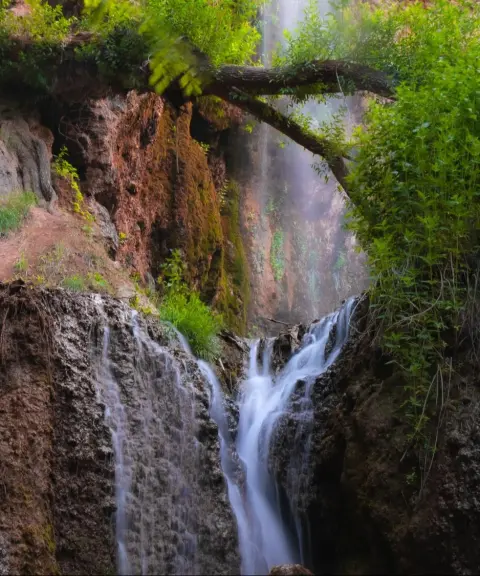
Besides its mountain scenery, Khosrowiyeh has considerable historical and cultural attractions. The Baba and Bibi Mausoleum, located within the village, is registered on the list of Iran's national heritage sites under number 5945. It dates from the Timurid period, and its carved wooden coffin is one of the building's notable features. The stone fortress, the gravestones of the old cemetery with Thuluth-script inscriptions more than 700 years old, and two carved wooden coffins of an imamzadeh (a shrine to a descendant of an imam) are further historical evidence found in the village. Khosrowiyeh is also known as the birthplace of Agha Najafali Quchani, the scholar and author of the book Siyahat-e Gharb ("Journey to the West"). One of the village's most important natural attractions is the natural ice chamber of the Karkan area, a fairly dark and deep cave where, on hot summer days, thanks to air circulation and humidity, water dripping in some parts freezes into ice and icicles. Orchards of cherry, pear, walnut, apple and apricot, springs, rainbow trout farming pools, and spring-blooming plants such as kakuti (wild thyme-like mountain herb) and thyme are among Khosrowiyeh's other natural features. Farming, orchard keeping and animal husbandry are the main activities of local people, and the pastures around the village are divided into summer and winter pastures.
Khosrowiyeh can be reached by an asphalt road, which passes through mountainous areas and villages such as Siyahdasht, Se-Gonbad, Khayrabad and Mayvan. In some sections, the winding road beside the river and lush trees makes for beautiful scenery. Spring and summer are the best times to visit Khosrowiyeh, because during this period the village's nature is greener, medicinal plants are more visible on the slopes, and the weather is better suited to exploring. Early autumn, when the orchards change color, can also be a good time for nature tourism, although the region's cold, snowy winters bring different conditions. When visiting the village, especially around the river, orchards and pastures, avoid littering, damaging vegetation, over-picking medicinal plants, entering private orchards without permission, and going near the riverbank during rainfall, so that nature and the residents' living environment are preserved for future visitors.
Written by زهرا لنگری Last updated
What you can do here, and what it takes
مسیرهای روستایی، حاشیه رودخانه کالخونی و مسیرهای میان باغهای اطراف برای پیادهروی و گشتوگذار مناسب هستند.
Province North Khorasan
Province North Khorasan
Province North Khorasan
Province North Khorasan
Province North Khorasan
Province North Khorasan
Province North Khorasan
Province North Khorasan


Unfortunately, no comments have been registered.