
 Attractions
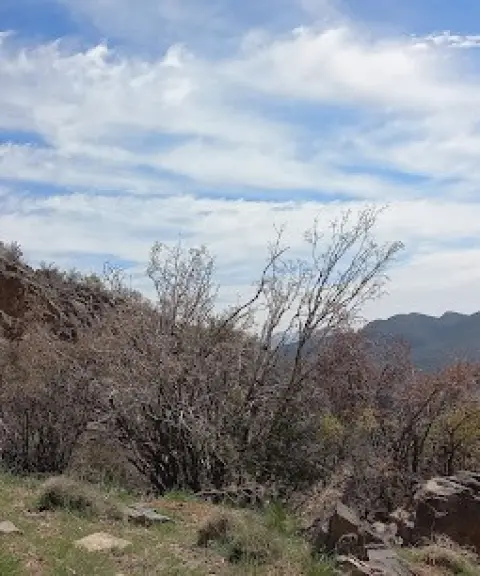

Tang-e Jazin
Province Fars
- Walking
- Mountaineering
- Rock Climbing
A mountain village with ancient plane trees and spectacular nature
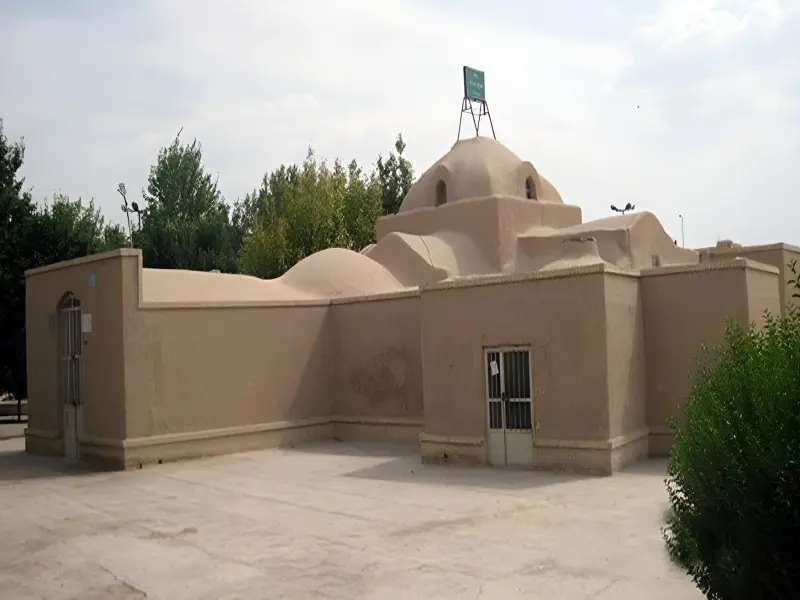
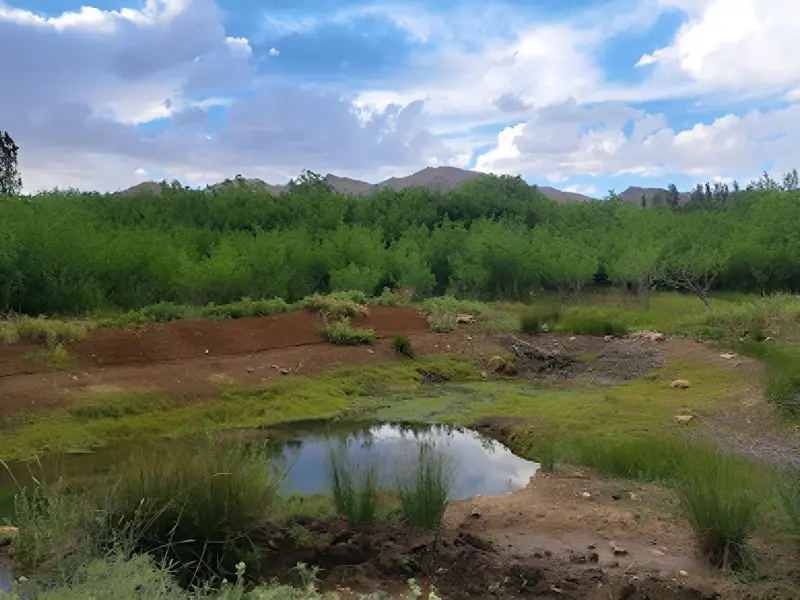
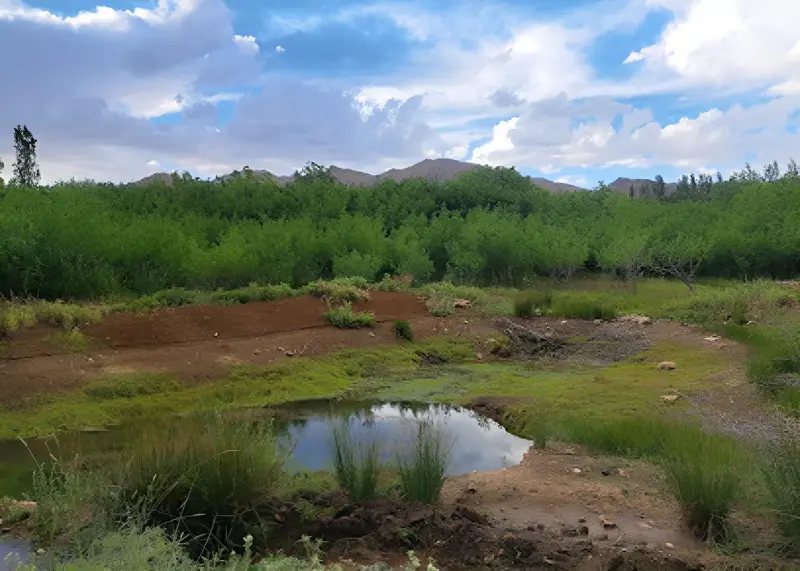
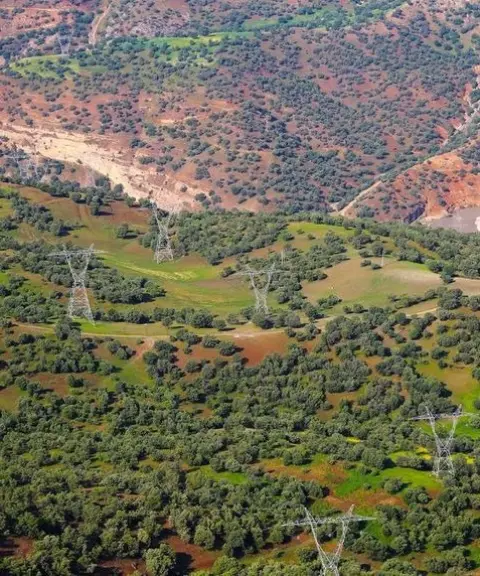
Karkhangan is a village in Isar District of Marvast County in Yazd Province, about 57 kilometres from Marvast and 252 kilometres from the city of Yazd. Because it lies close to Bavanat County in Fars Province and Shahr-e Babak County in Kerman Province, this mountain village enjoys a special geographical position. The name Karkhangan, which was once known as "Kalkhangun", gradually took its present form, and it is said to be linked to two large farms in the area, "Kor" and "Khongan". Farming and animal husbandry are the main occupations of the villagers. Wheat, barley, beans, lentils and walnuts, along with milk, yogurt, cheese and kashk, are among the local products. Its mountain setting, pastures, dense forests and natural landscapes give the village a look quite different from many of the arid parts of Yazd Province.
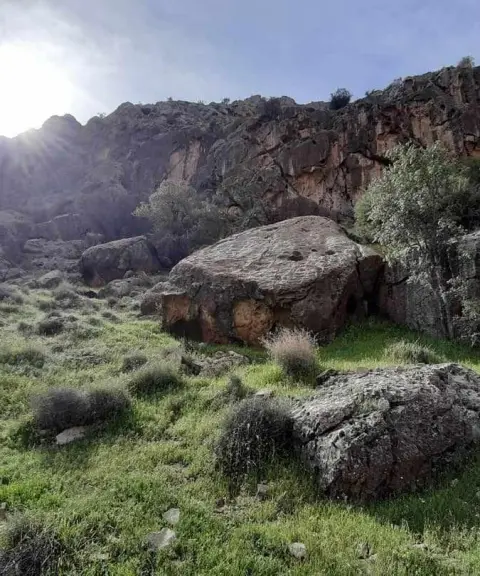
Karkhangan and its surroundings hold a range of natural and historical attractions, and its ancient plane trees are among the best-known sights in the area. The Kor plane tree stands in the Kor farm, and its trunk is divided into five parts. About 30 metres tall, it is one of the village's most distinctive natural features and is a registered natural monument of Iran. The dense and spectacular Lay-Jomeh forests, the rock-cut ossuary of Divboori, natural caves such as Baba Zahed Cave and Lay-Tarik Cave, the Upper Jarmaq plane tree, and the Bidpari and Mahjoghani areas are other natural and historical attractions in and around Karkhangan. The Upper Garmeh plane tree (Garmeh-e Bala) is another long-lived tree of the area. It is about 700 to 750 years old and has a collar diameter of about 685 centimetres, and its unusual structure and hollow trunk make it a striking sight. The combination of these ancient trees with the mountains, forest, caves, farmland and natural scenery makes Karkhangan a good destination for nature tourism and for visiting the region's natural heritage.
Spring and summer are the best seasons to visit Karkhangan. Despite the mountain climate, the weather in the warm months is pleasant and cooler than in many surrounding areas, while autumn and winter are usually cold and dry. The village can be reached from the Marvast area via the region's connecting roads, and its closeness to Bavanat and Shahr-e Babak gives it a prominent place in the road network between these areas. When visiting the ancient plane trees, forests, caves and other natural attractions, avoid damaging vegetation, breaking branches, lighting fires in sensitive spots and leaving litter, and leave the natural paths and habitats unchanged. When visiting caves and rock formations, it is also important to observe safety rules and avoid unstable sections, so that Karkhangan's pristine nature is preserved for future visitors.
Written by زهرا لنگری Last updated
What you can do here, and what it takes
مسیرهای طبیعی اطراف روستا، مزرعه کُر و نواحی جنگلی برای پیادهروی و گشتوگذار در طبیعت مناسب هستند.
نواحی کوهستانی پیرامون روستا برای کوهپیمایی سبک و پیمایش مسیرهای طبیعی مناسب هستند.
غارهای طبیعی منطقه برای علاقهمندان به غارنوردی جذاب هستند.
Province Fars
Province Yazd
Province Fars


Unfortunately, no comments have been registered.