
 Attractions
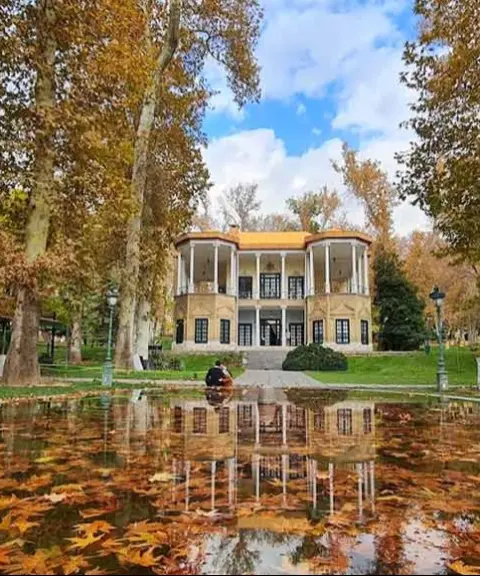
Niavaran Palace
Province Tehran
- Walking
The splendor of Qajar architecture in the heart of the Niavaran Historical Complex
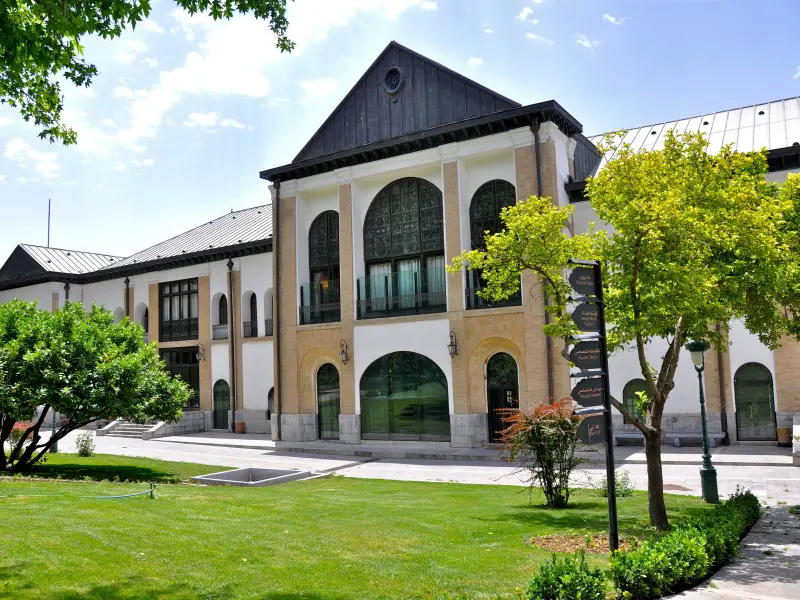
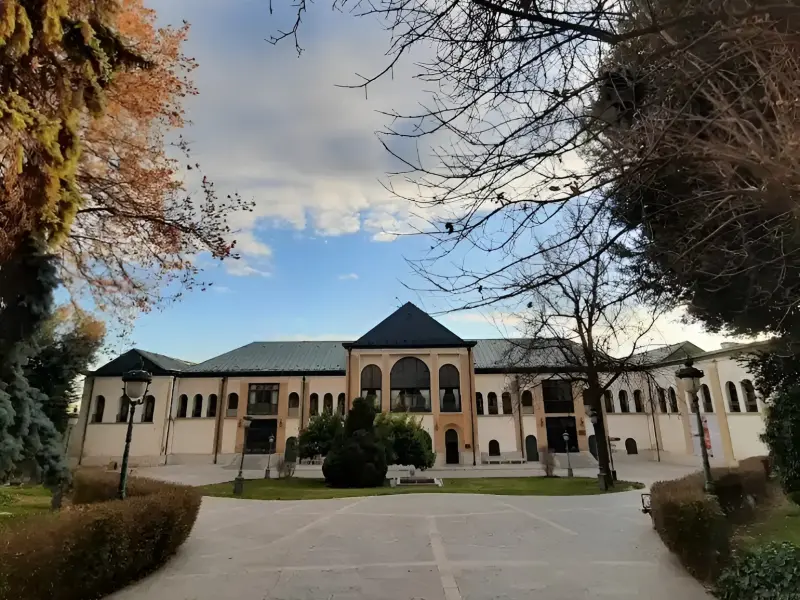
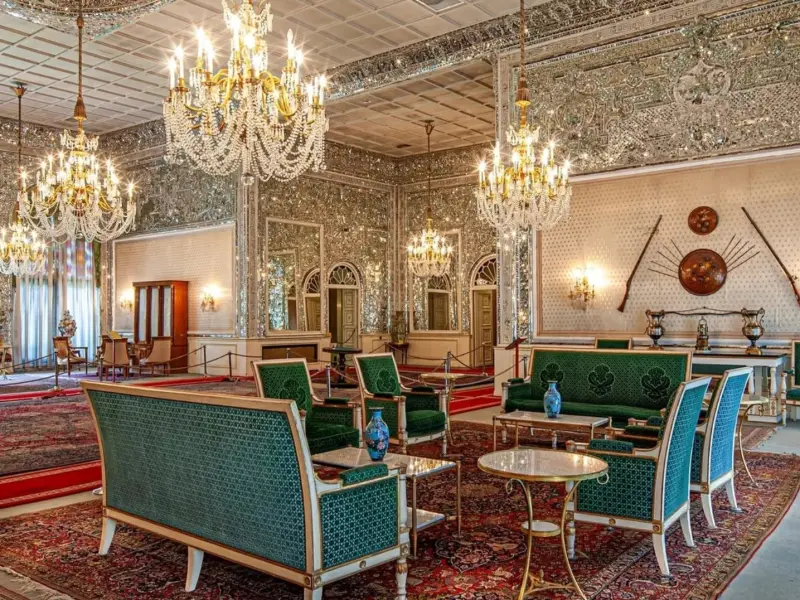
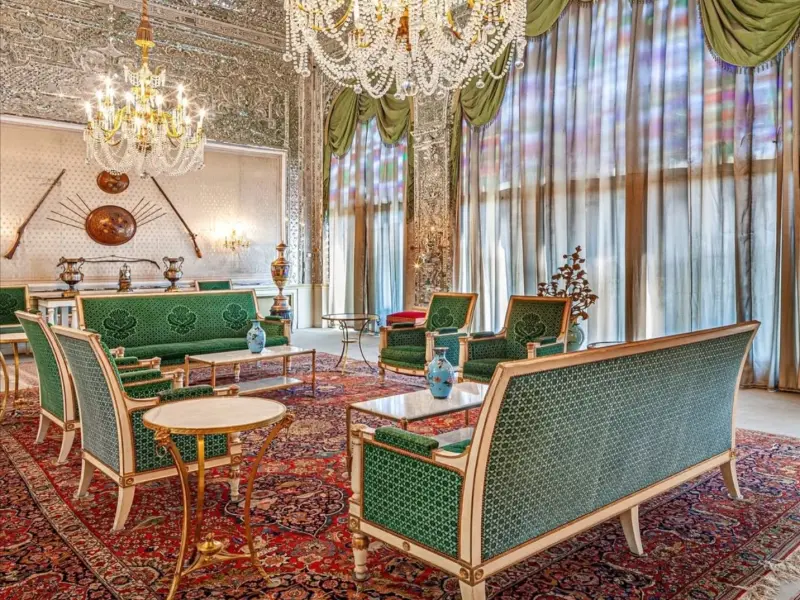
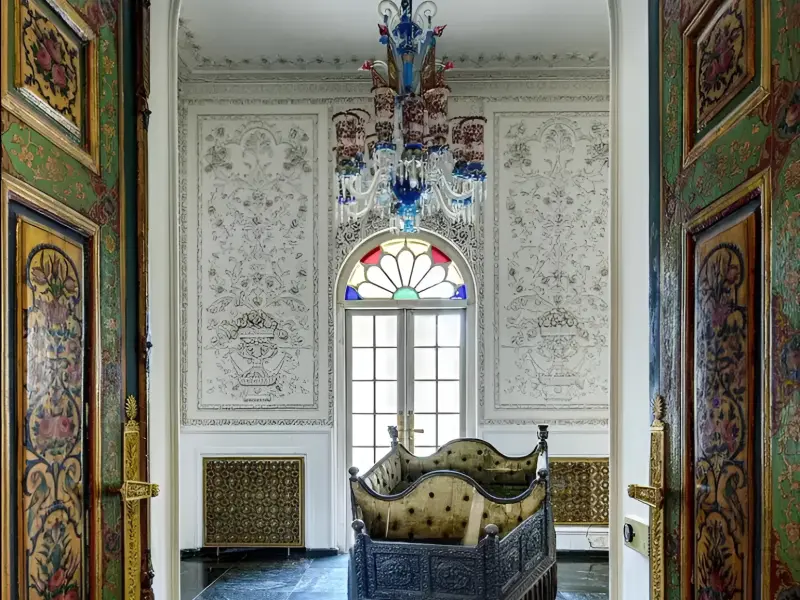
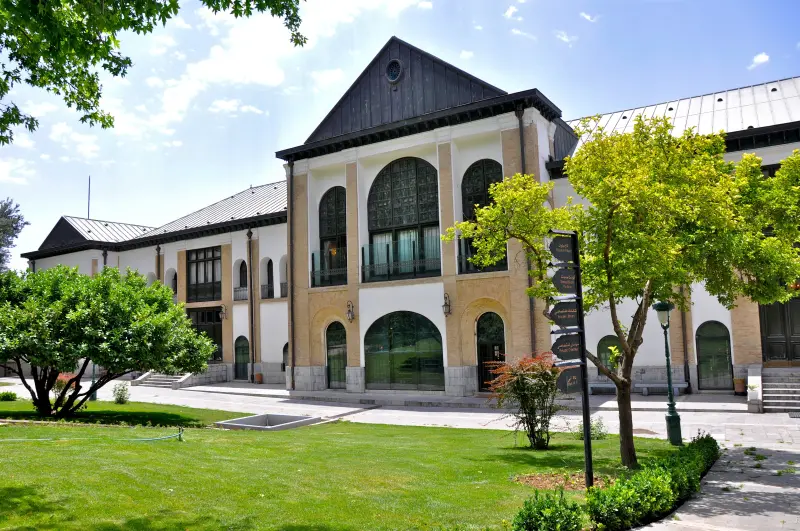
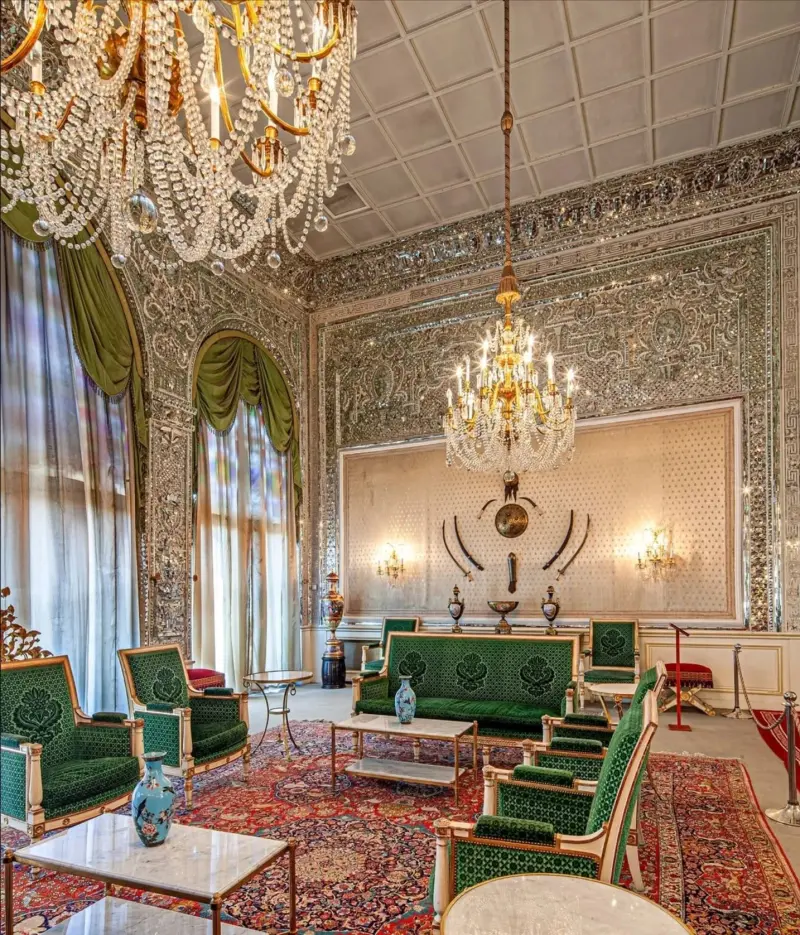
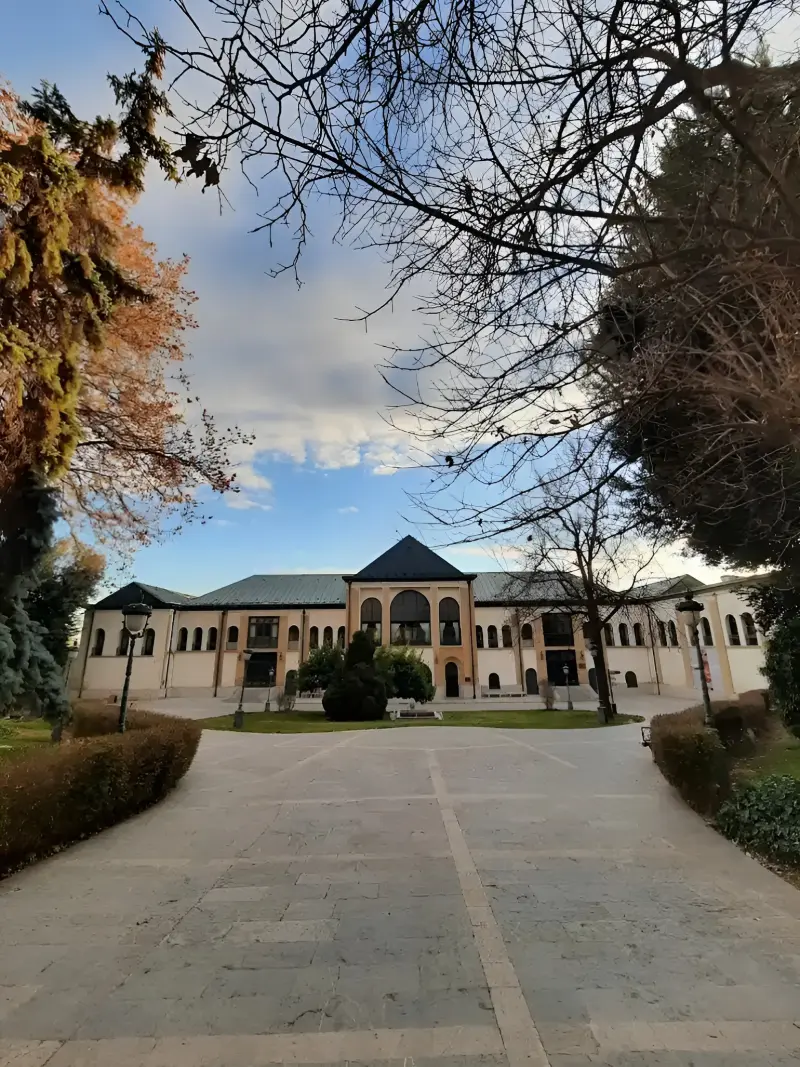
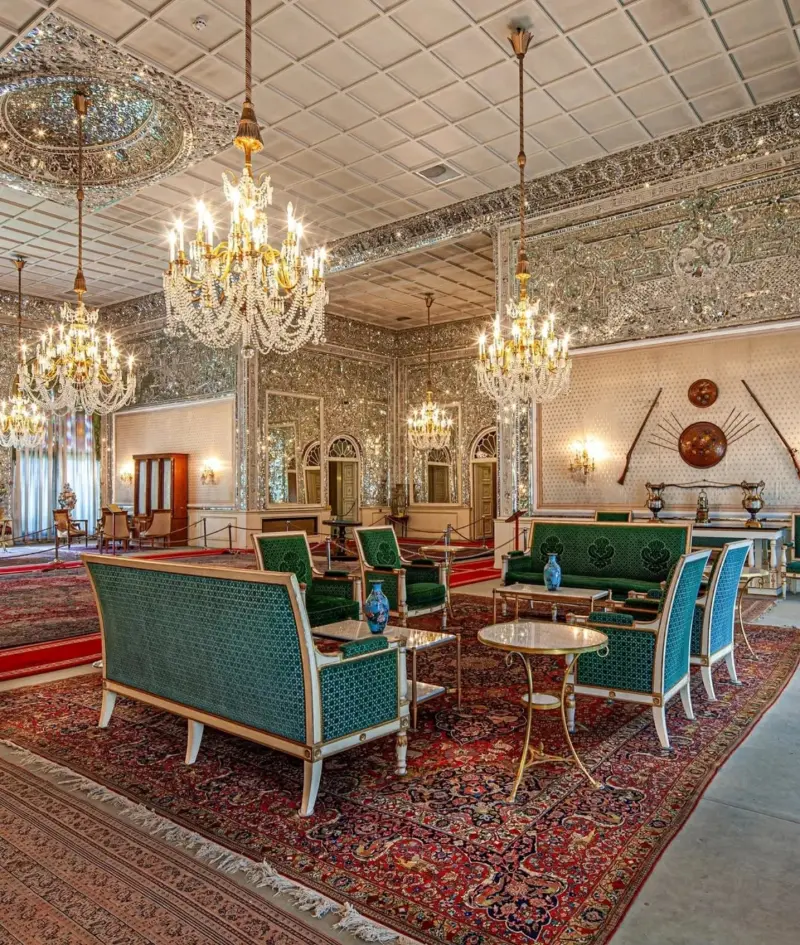
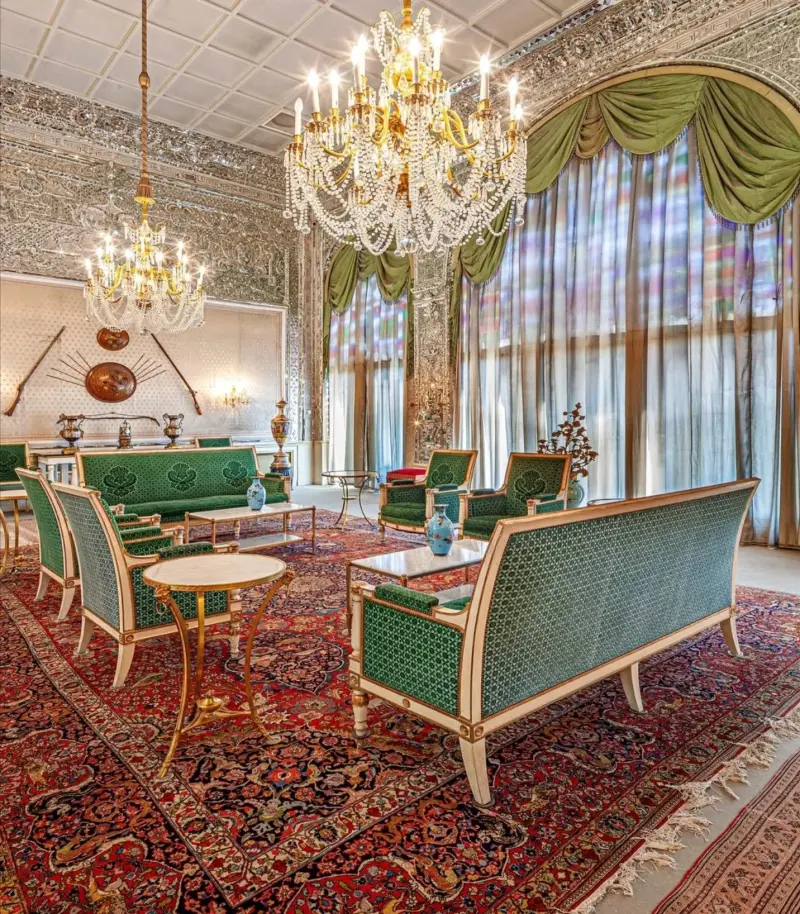
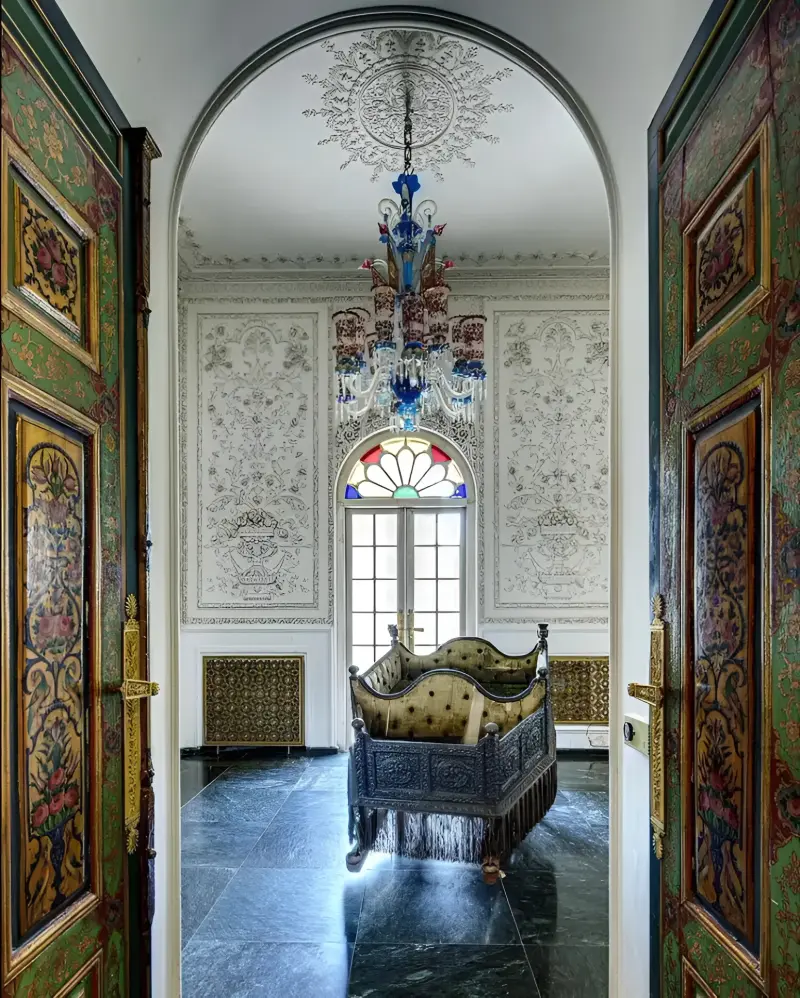
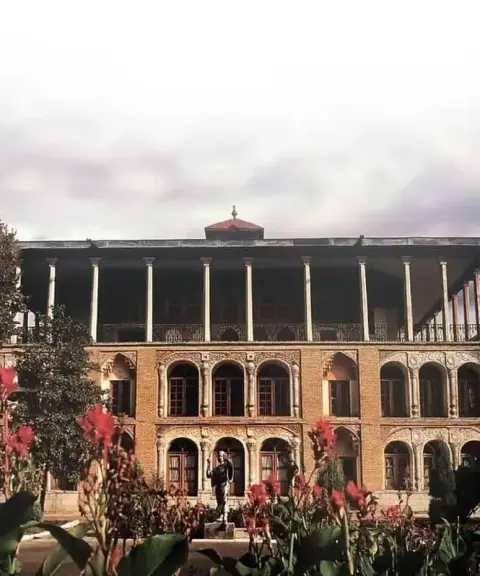
Sahebqaraniyeh Palace is one of the most valuable historical buildings in Tehran and one of the most prominent surviving works of the Qajar era. It stands within the Niavaran Cultural and Historical Complex, at Bahonar Square (Niavaran) in the north of the capital. The palace was built on the orders of Naser al-Din Shah Qajar in 1267 AH (1229 SH). Because of its location in the pleasant climate of Shemiran, he used it as a summer residence and later as his seat of government. Sahebqaraniyeh sits in a lush garden of about 11 hectares, and thanks to its magnificent architecture, its history and the important events that took place here, it is regarded as one of the most important historical and cultural attractions of Tehran.
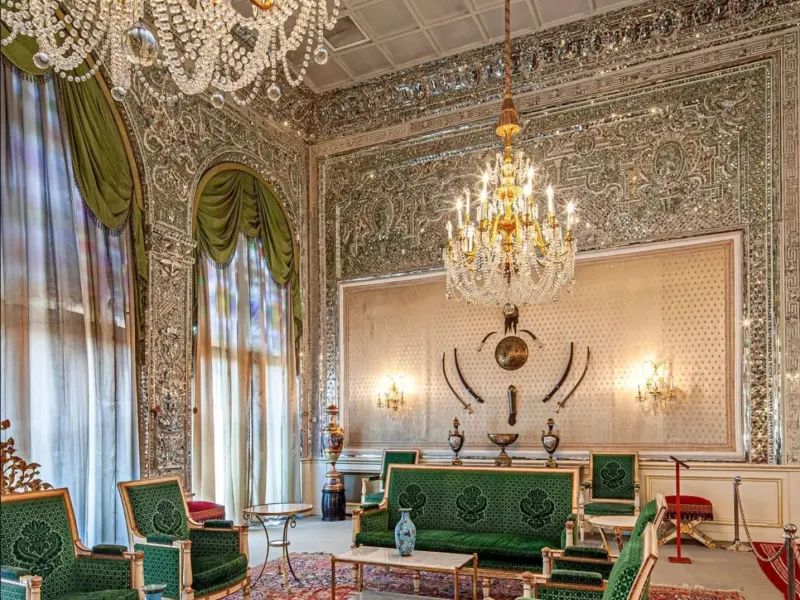
Although this two-storey palace has a simple exterior, its interior contains some of the finest examples of Iranian architectural art. The striking mirror work of the Jahan-Nama Hall, exquisite stucco work, wooden sash windows (orosi), painted ceilings, hand-woven Iranian carpets, French furniture, valuable European tableware and many other artworks give the interior a rare splendor. The historic Hoozkhaneh (pool room), the Mirror Hall, the negotiation room, the ambassadors' waiting room, the rest room and various administrative sections are among the most important parts of the complex. The Constitutional Decree was also signed by Mozaffar al-Din Shah in the courtyard of this palace, and in the Pahlavi era it was used as the office of Mohammad Reza Pahlavi. Today the building is considered one of the most important works in the Niavaran complex because of its historical and artistic value, although in recent years some parts of it have been temporarily closed to visitors for restoration and reinforcement.
To reach Sahebqaraniyeh Palace, you can enter the Niavaran Cultural and Historical Complex from Bahonar Street (Niavaran). The nearest metro station is Tajrish Station, and from there you can continue by taxi or by bus heading to Bahonar Square. Spring and autumn are the best times to visit the grounds of the complex, thanks to the pleasant weather and the beauty of the Niavaran garden. During your visit, following the complex's rules, not touching historical objects, keeping quiet, respecting the cultural atmosphere and avoiding damage to the green space all play an important part in preserving this valuable heritage for future generations.
Written by زهرا لنگری Last updated
What you can do here, and what it takes
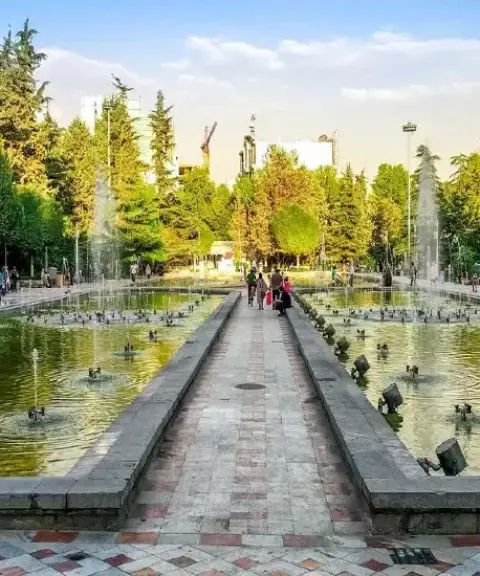
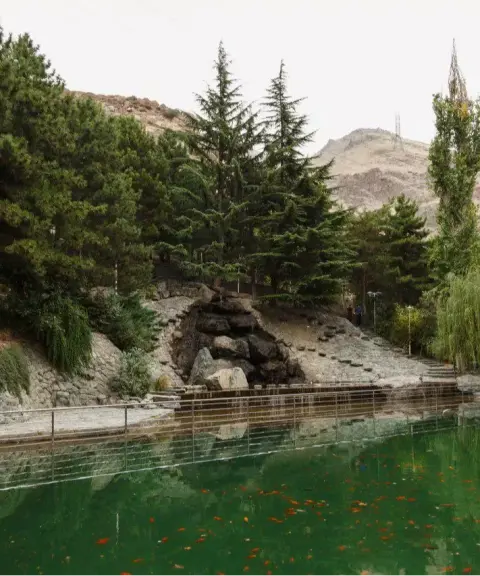
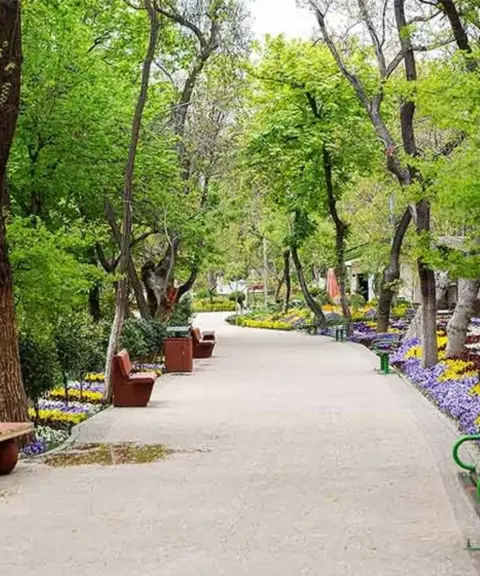
مسیرهای سنگفرش و فضای سبز مجموعه نیاوران، محیطی دلپذیر برای پیادهروی و گردش فراهم میکنند.
Province Tehran
Province Tehran
Province Tehran
Province Tehran


Unfortunately, no comments have been registered.