
 Attractions
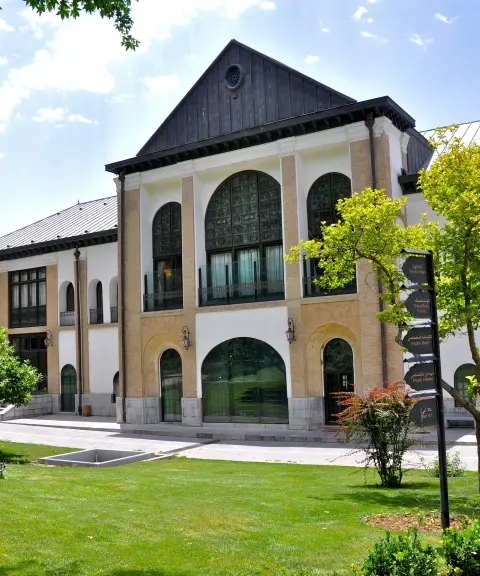
Sahebqaraniyeh Palace
Province Tehran
- Walking
A masterpiece of modern architecture in the heart of Iran's history
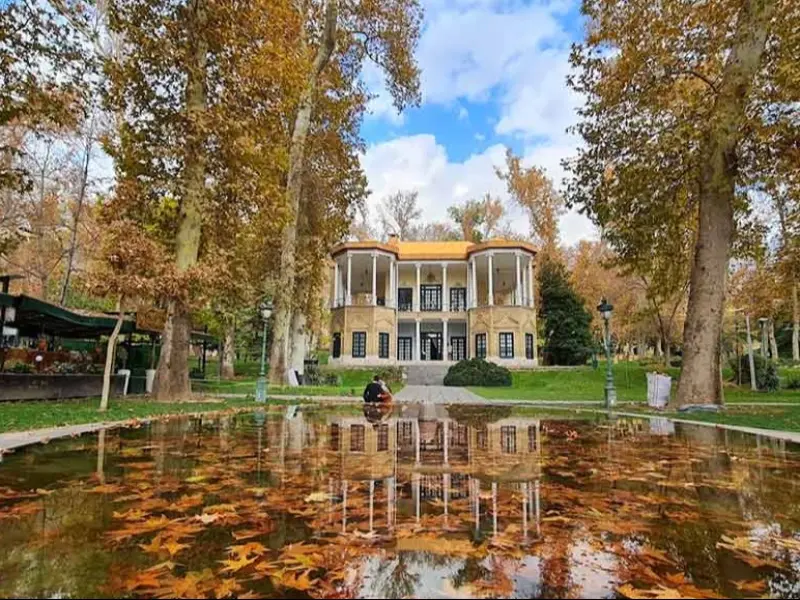
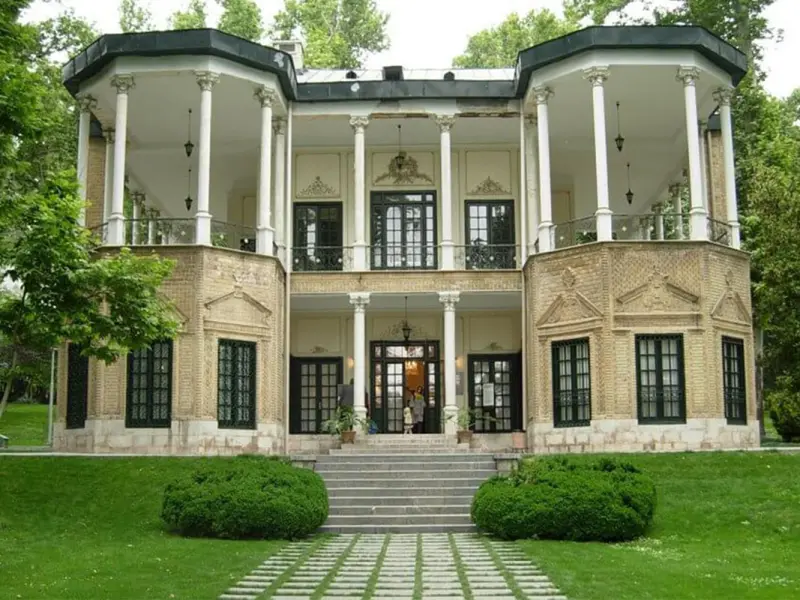
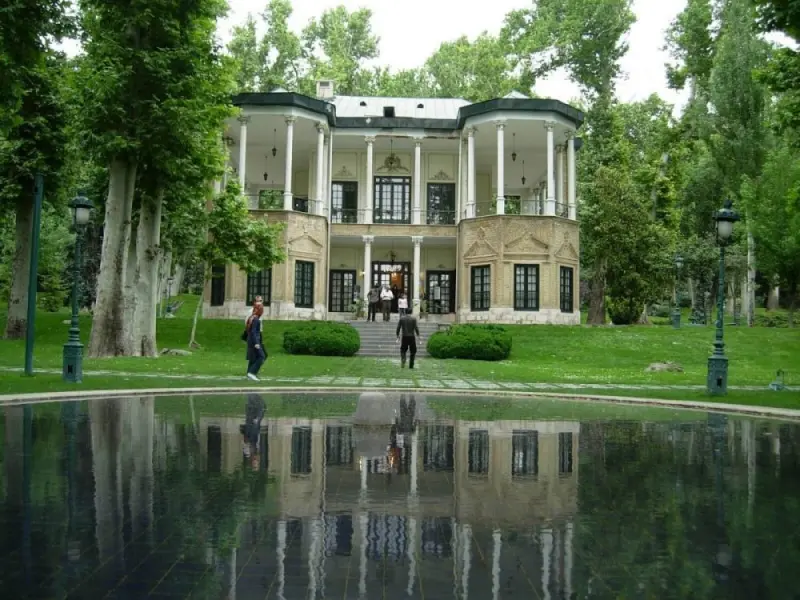
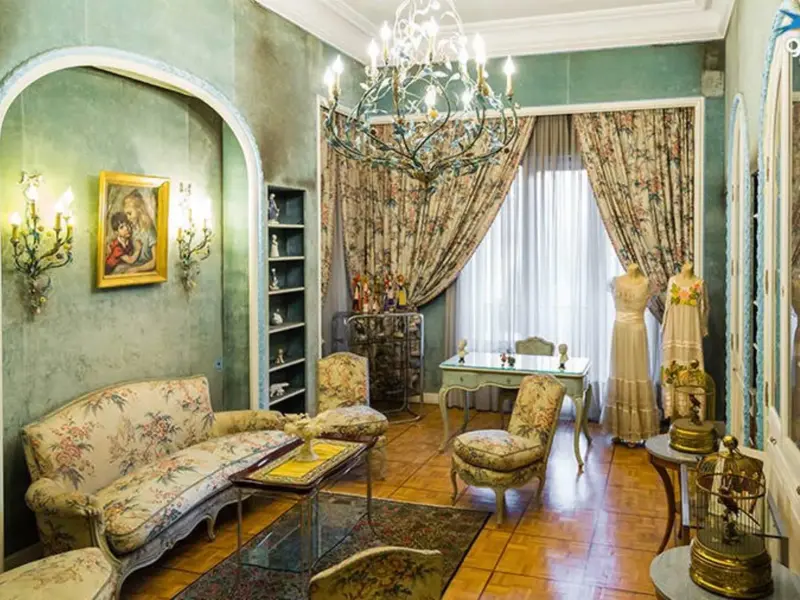
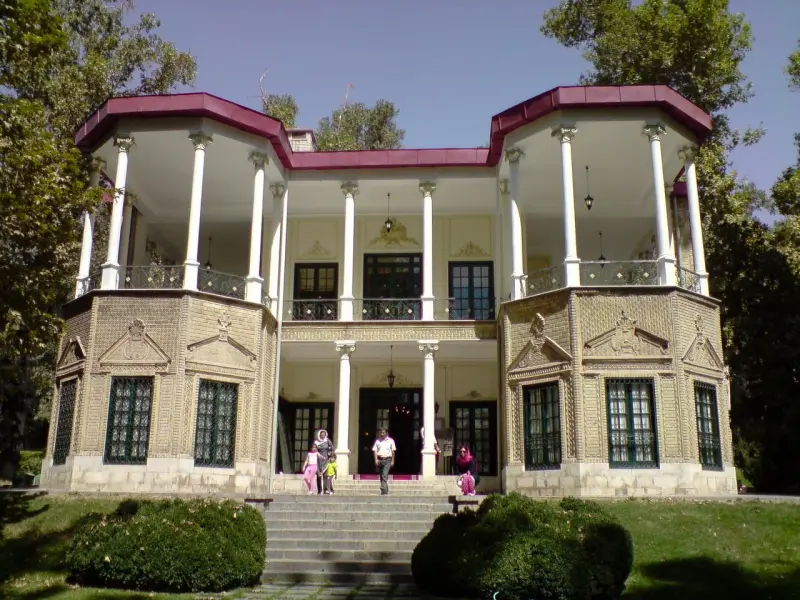
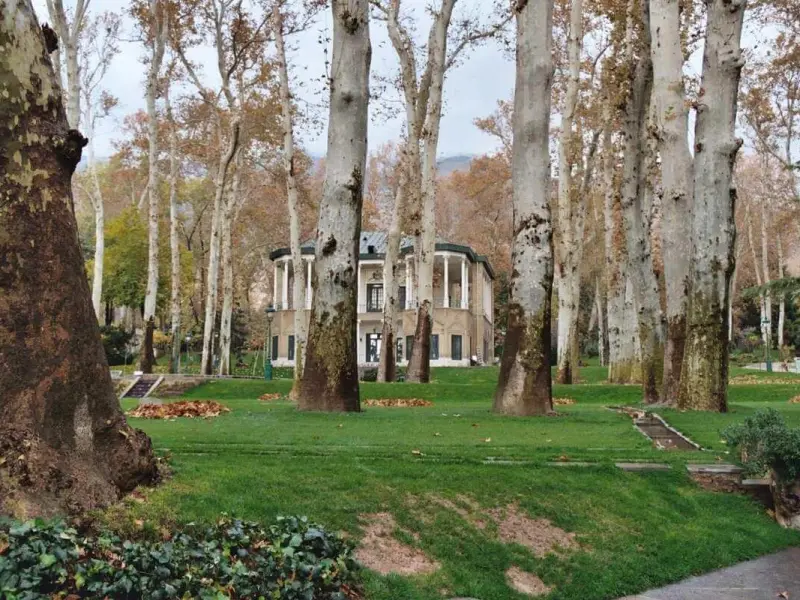
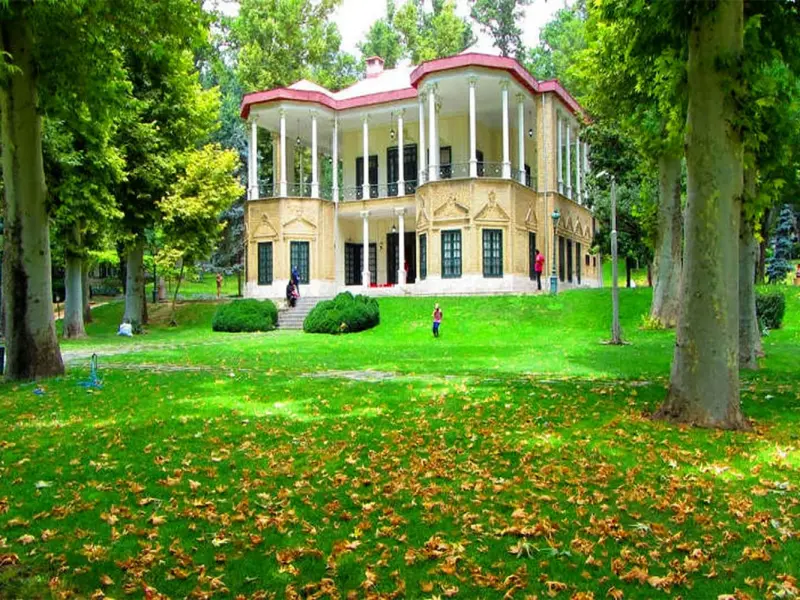
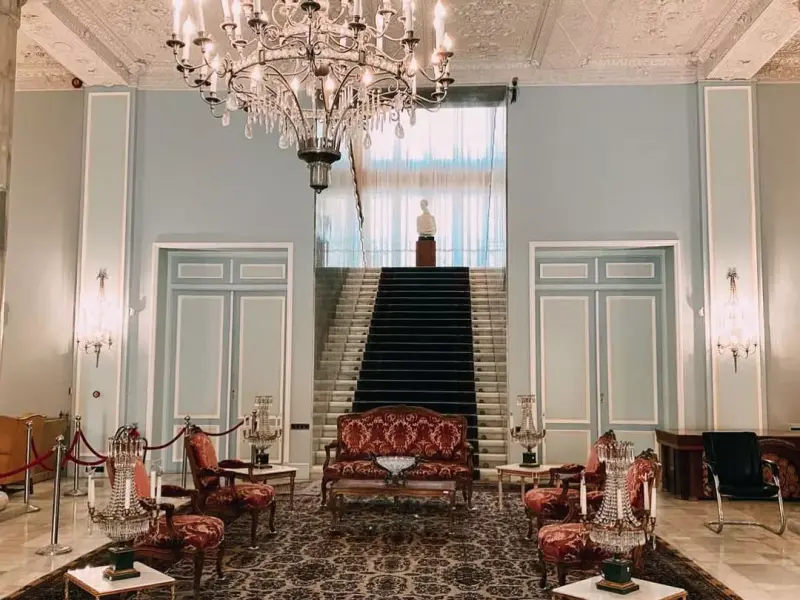
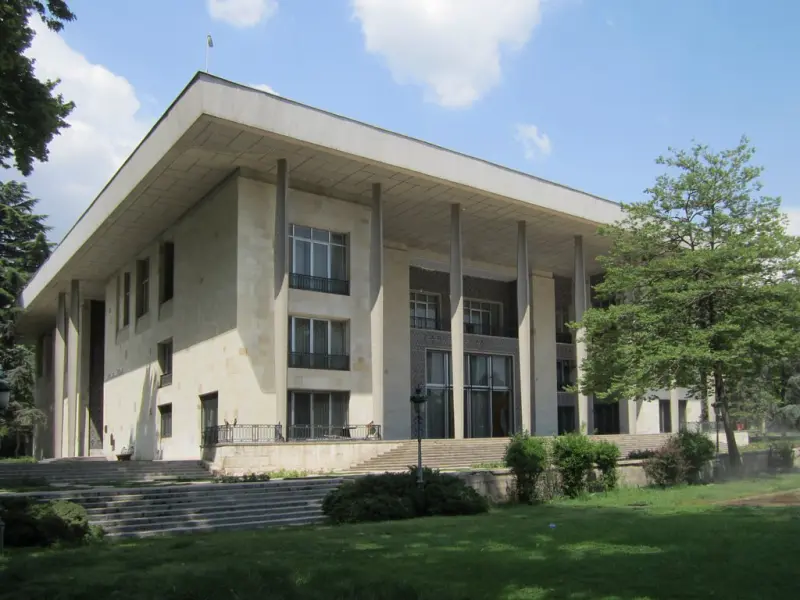
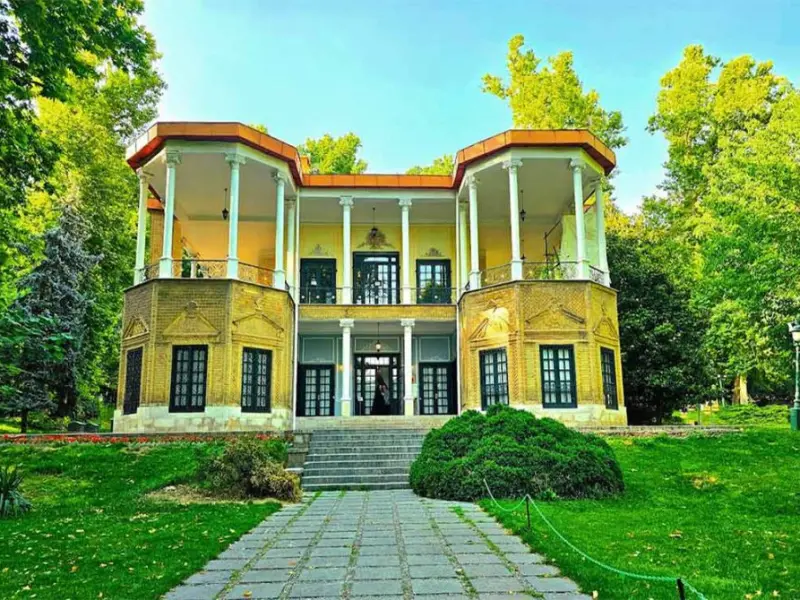
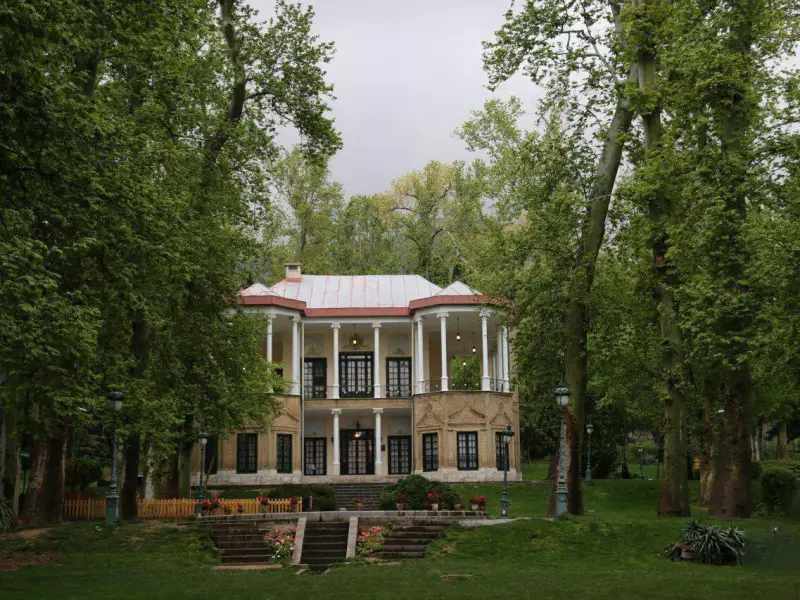
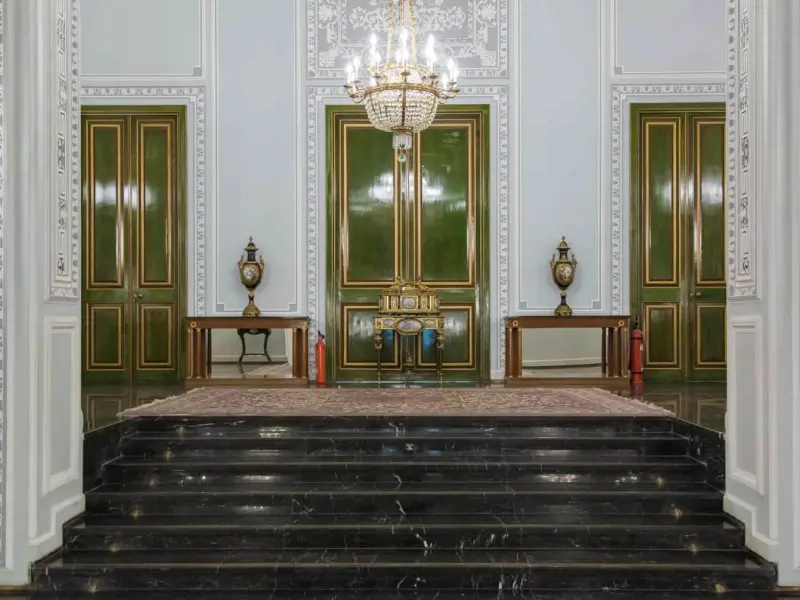
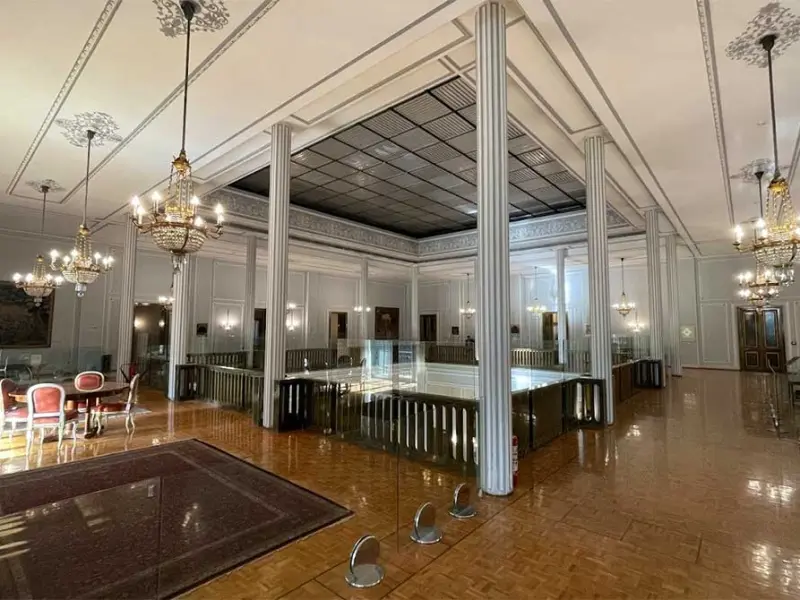
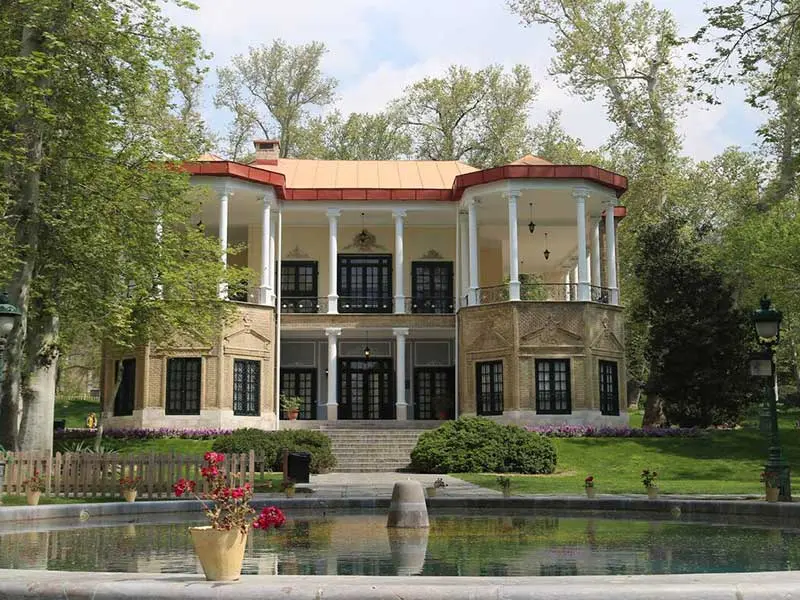
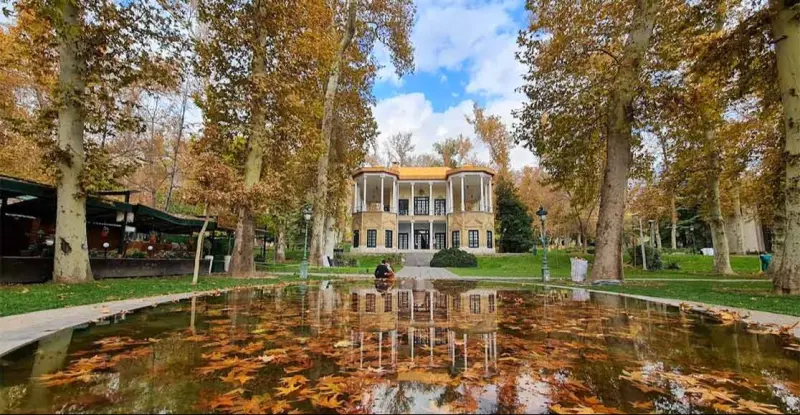
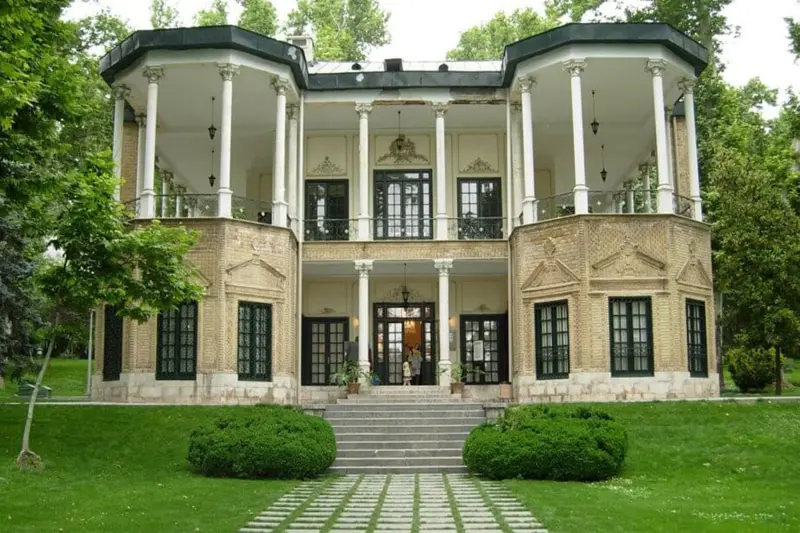
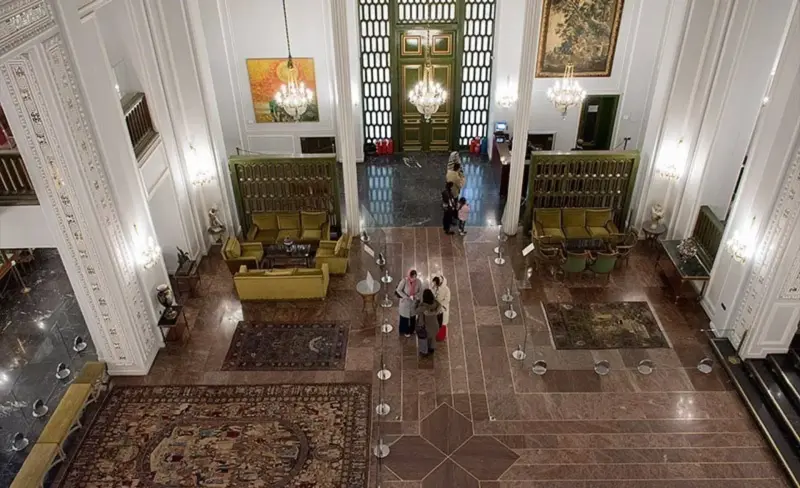
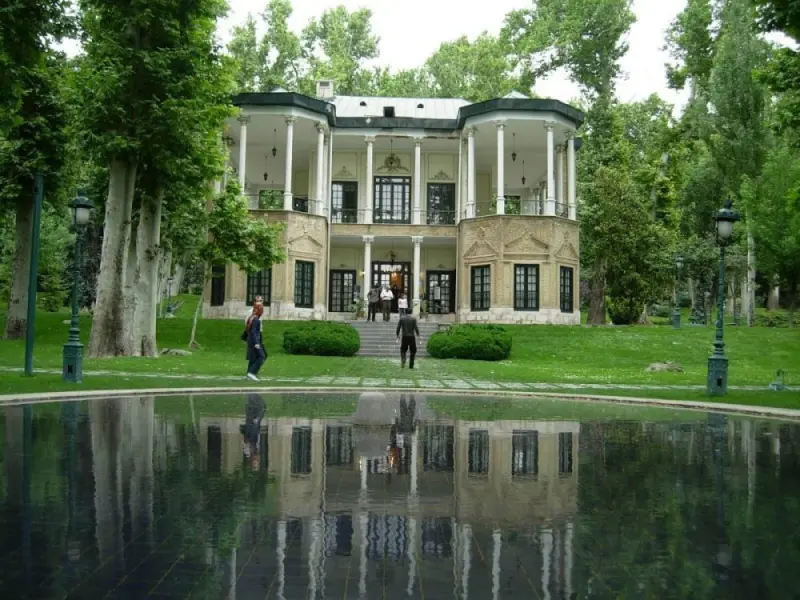
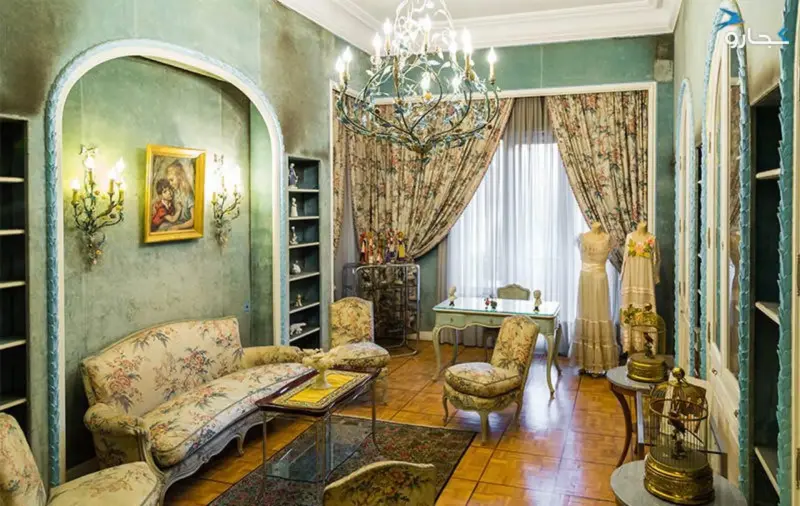
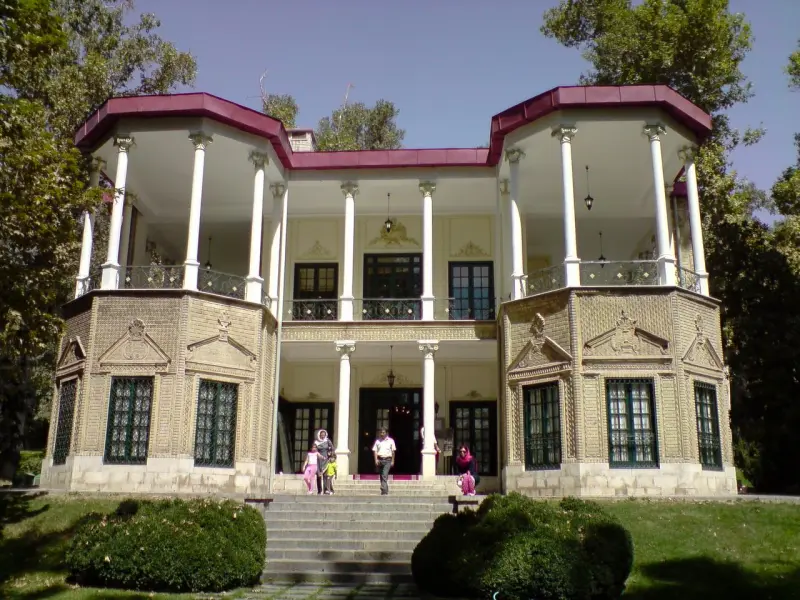
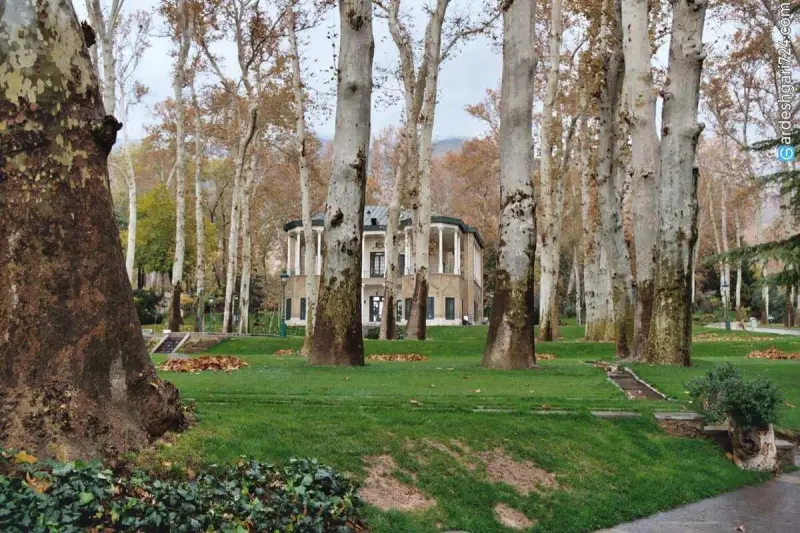
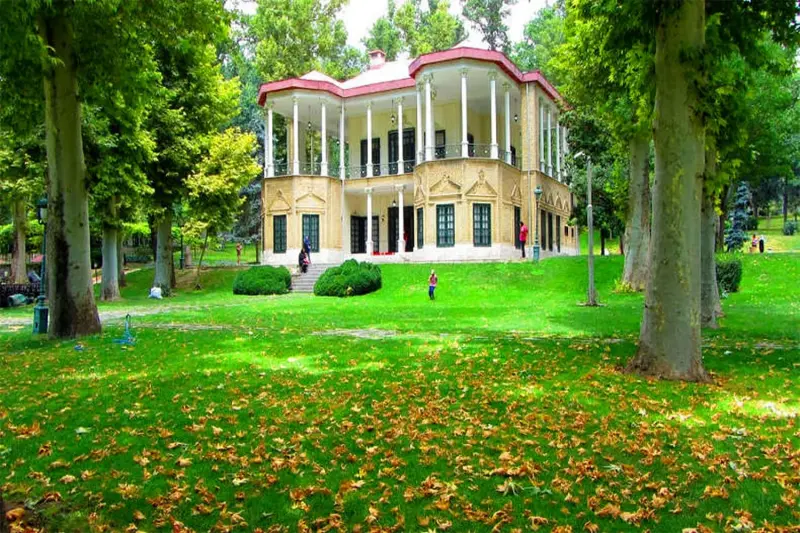
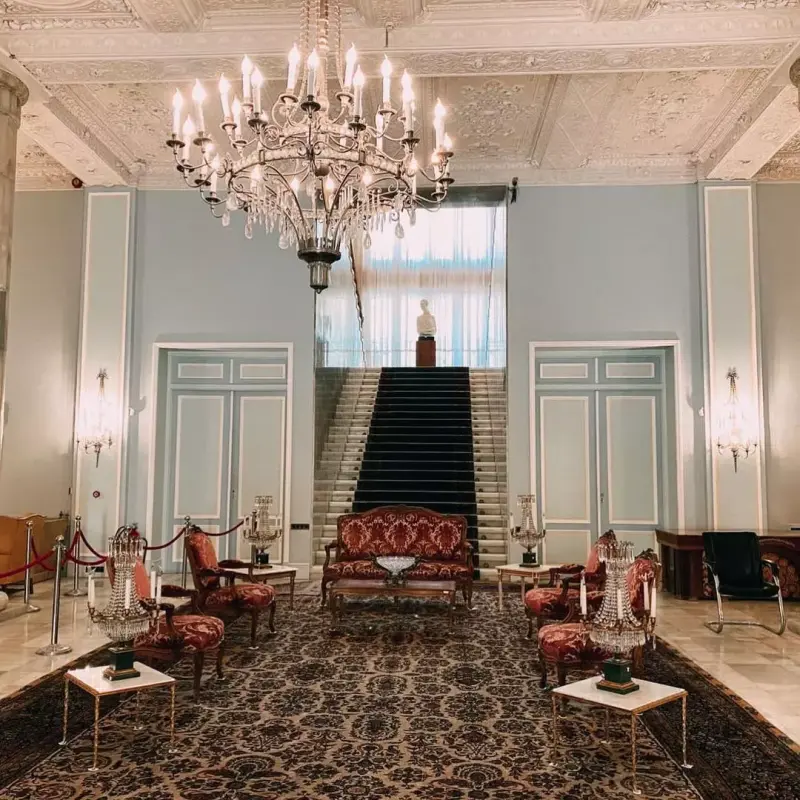
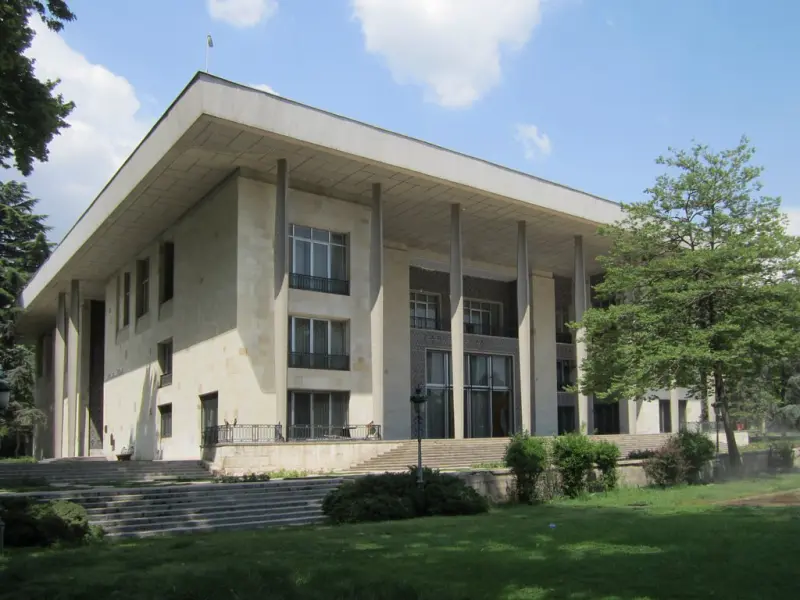
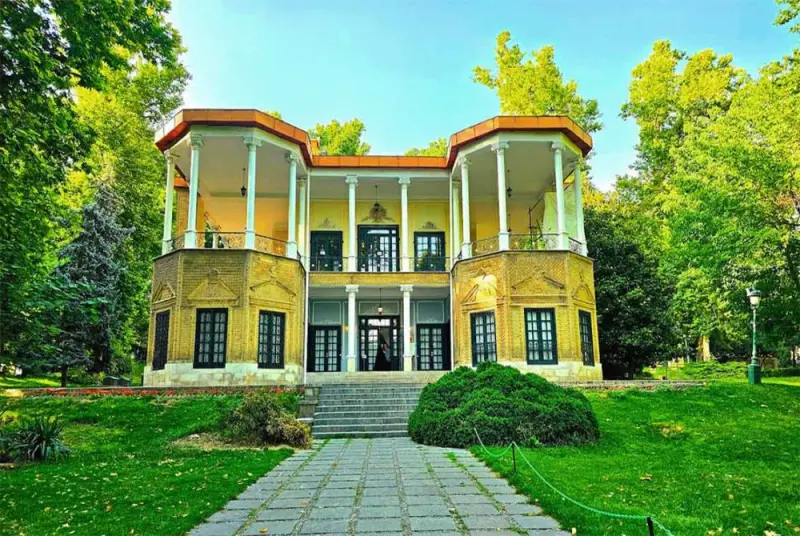
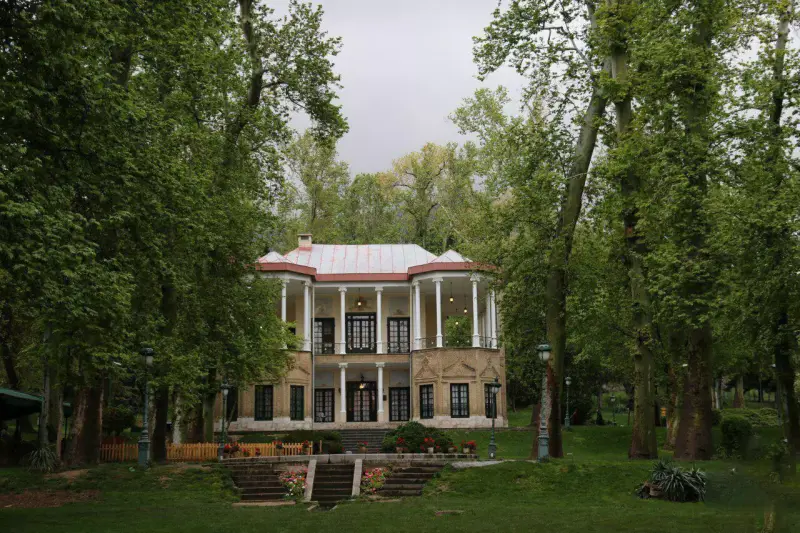
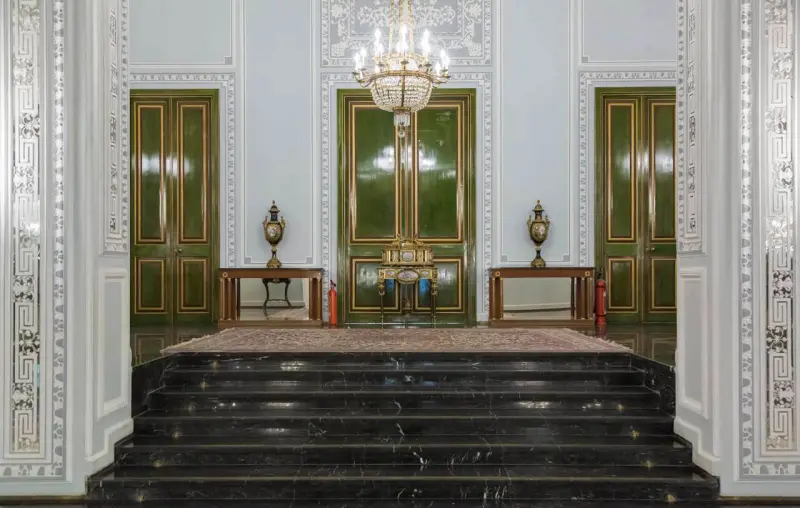
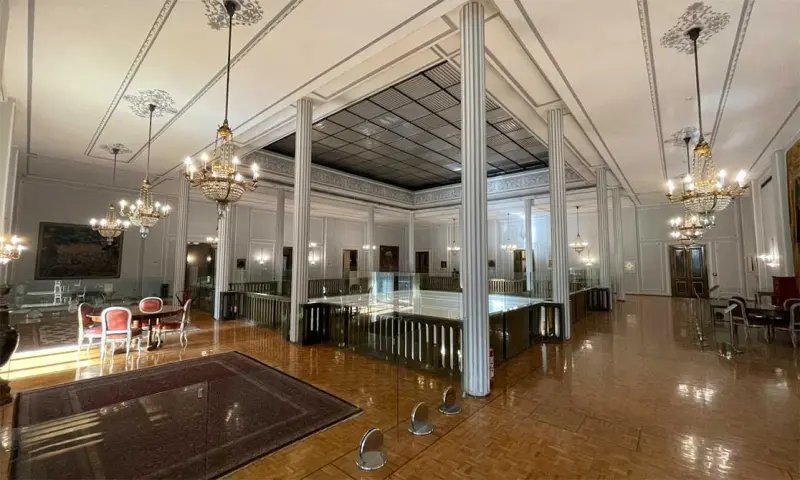
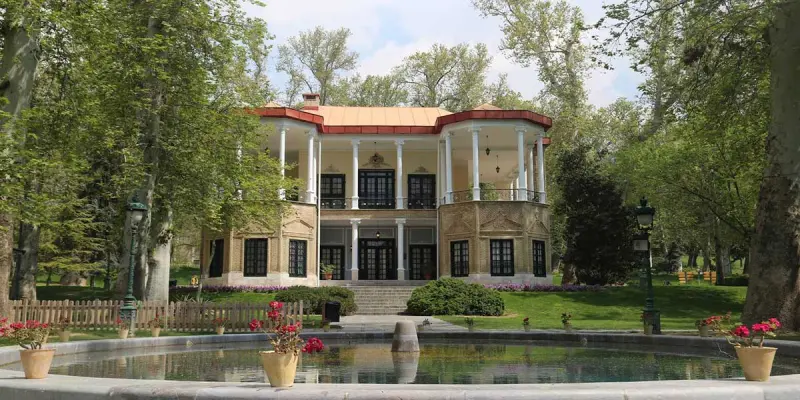
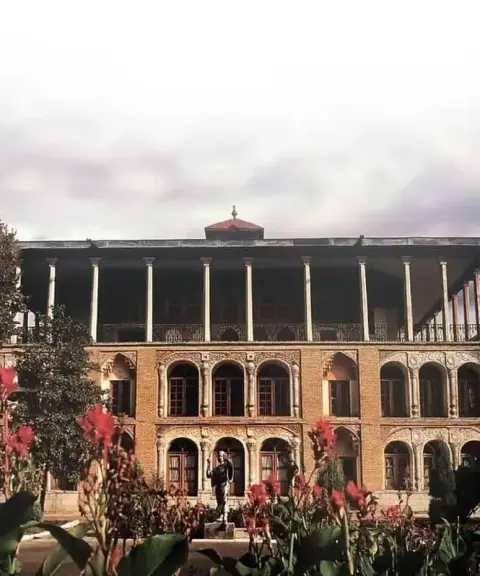
Niavaran Palace, located in northeastern Tehran in the Shemiranat district, is one of the most important cultural and historical complexes in the capital. Standing on Shahid Bahonar Street (formerly Niavaran Street), the palace sits in a garden of about 11 hectares and is regarded as one of the last royal residences of Iran. The Niavaran complex includes several buildings and museums that have survived from the Qajar era to the time of the second Pahlavi king. The palace was built in 1337 (1958) by order of Mohammad Reza Shah Pahlavi and came into use in 1346 (1967). After the Islamic Revolution, it was handed over to the Ministry of Culture and Islamic Guidance in 1360 (1981), and in 1365 (1986) it was opened to the public as a museum. In 1377 (1998) it was also added to Iran's National Heritage list.
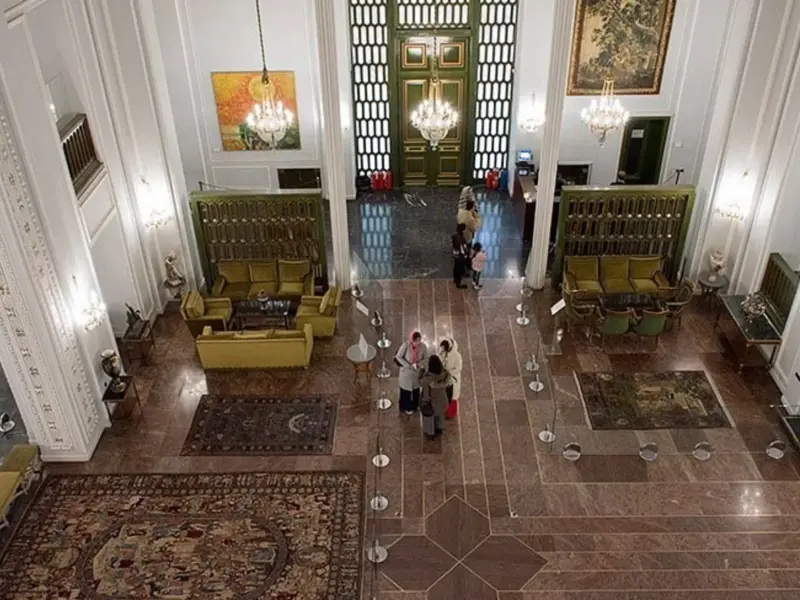
The architecture of Niavaran Palace combines traditional Iranian and modern European styles. With its high ceilings, large windows and high-quality materials, the palace offers visitors a delightful and calming atmosphere. The main parts of the complex include the main building, the Sahebqaranieh Palace, the Ahmad Shah Palace and the Library Museum. Inside these buildings, works of art, royal furniture and historical objects are on display, each telling a story from Iran's contemporary history.
To reach Niavaran Palace, you can take the metro to Tajrish station and then continue by taxi or by a shared-route bus heading toward Niavaran. By private car, you can take the Sadr Expressway or the Artesh Expressway to Pasdaran Street and then reach Niavaran Street. Visiting hours are from 9 a.m. to 7 p.m. in spring and summer, and from 9 a.m. to 5 p.m. in autumn and winter. The last tickets are sold at 4 p.m. The best time to visit is in spring and autumn, when Tehran's mild weather makes for a pleasant experience. During your visit, it is essential to follow the principles of responsible nature tourism, such as keeping the site clean, respecting the cultural heritage and not damaging historical objects, so that these valuable treasures are preserved for future generations.
Written by زهرا لنگری Last updated
What you can do here, and what it takes
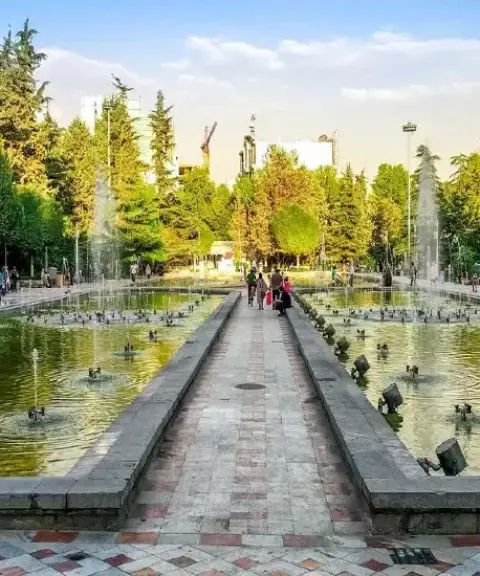
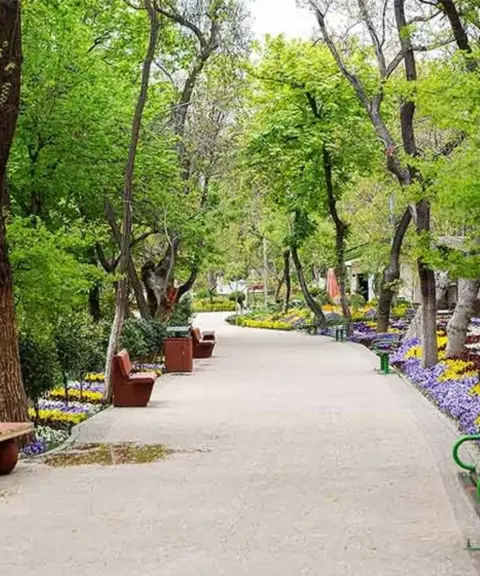
مسیرها و خیابانهای در اطراف کاخ مناسب پیادهروی تفریحی و گشتوگذار است.
Province Tehran
Province Tehran
Province Tehran
Province Tehran


Unfortunately, no comments have been registered.