
 Attractions
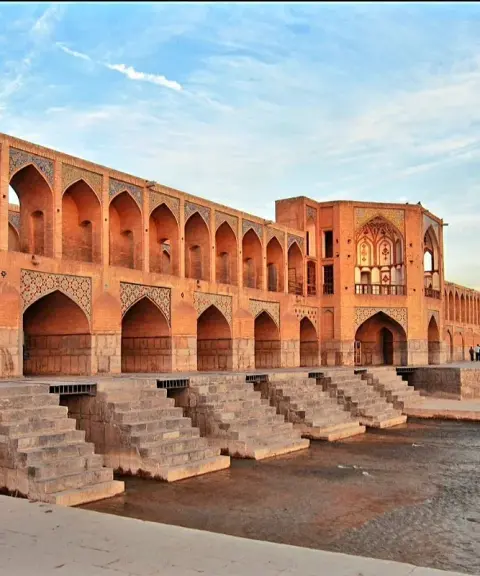
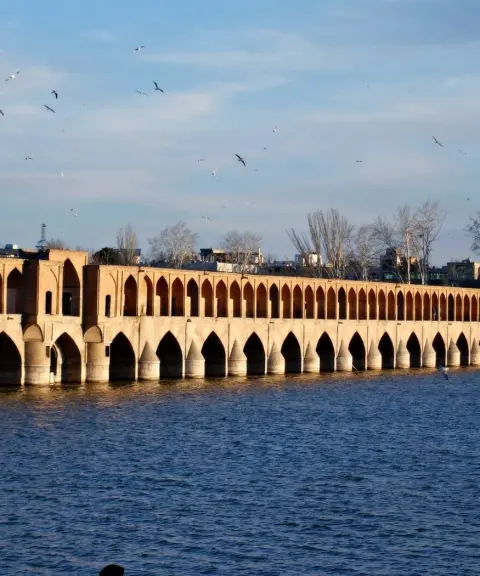
Khaju Bridge
Province Isfahan
- Walking
Isfahan's oldest historic cemetery and a treasury of Iran's notable figures, art and spirituality
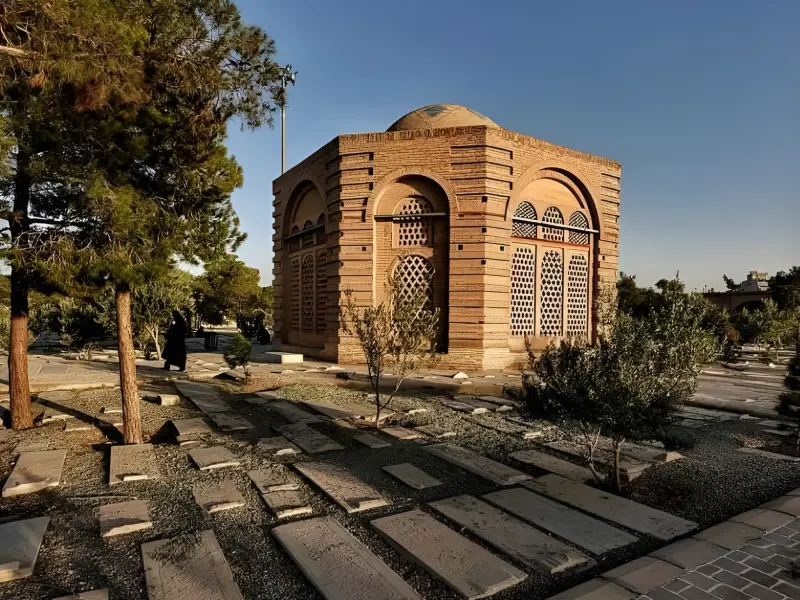
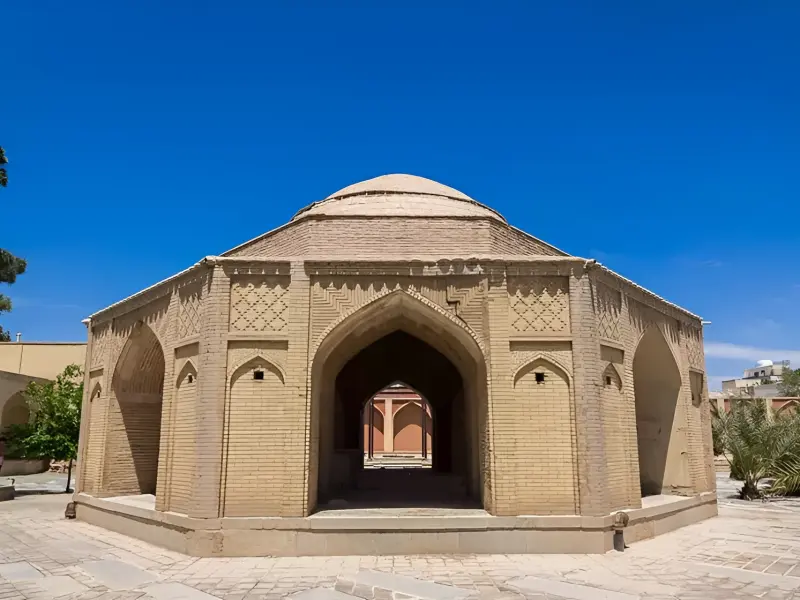
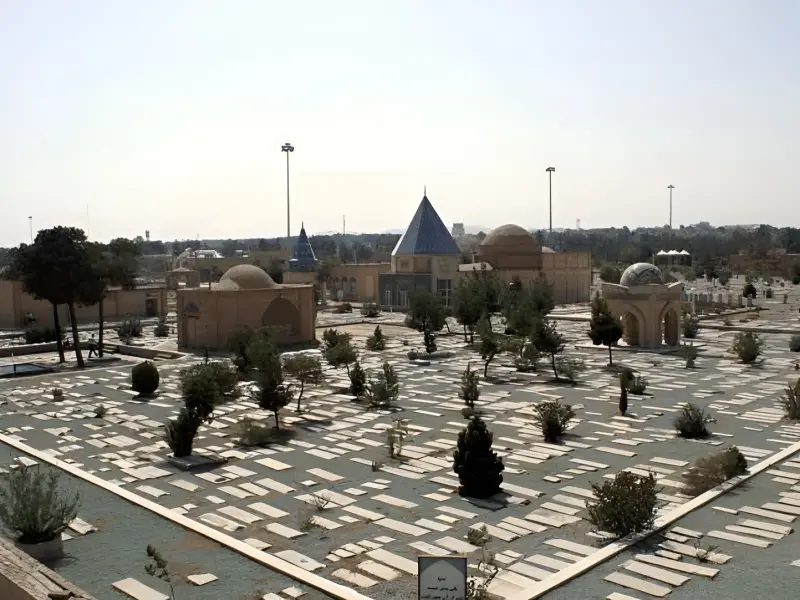
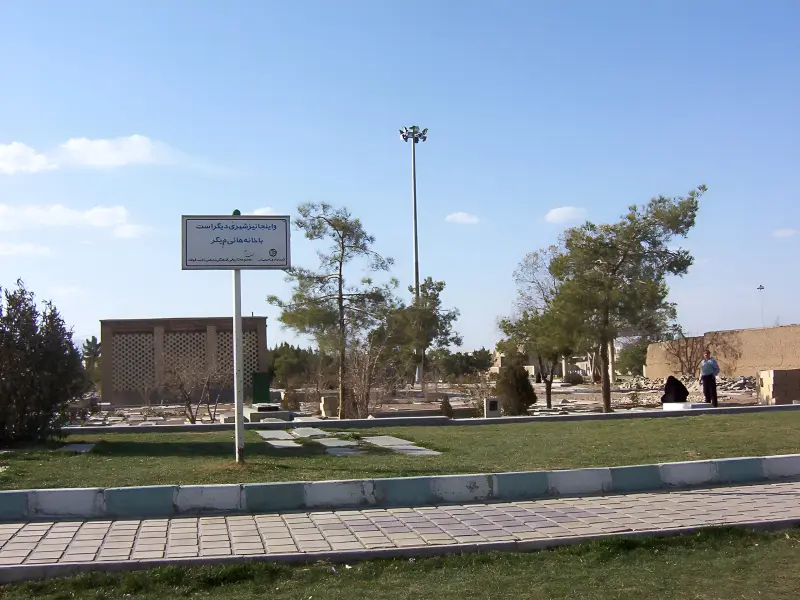
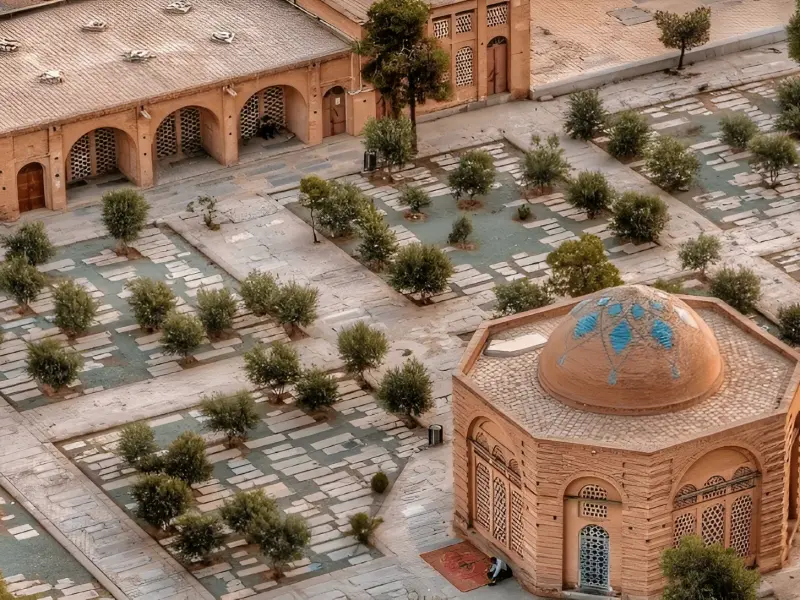
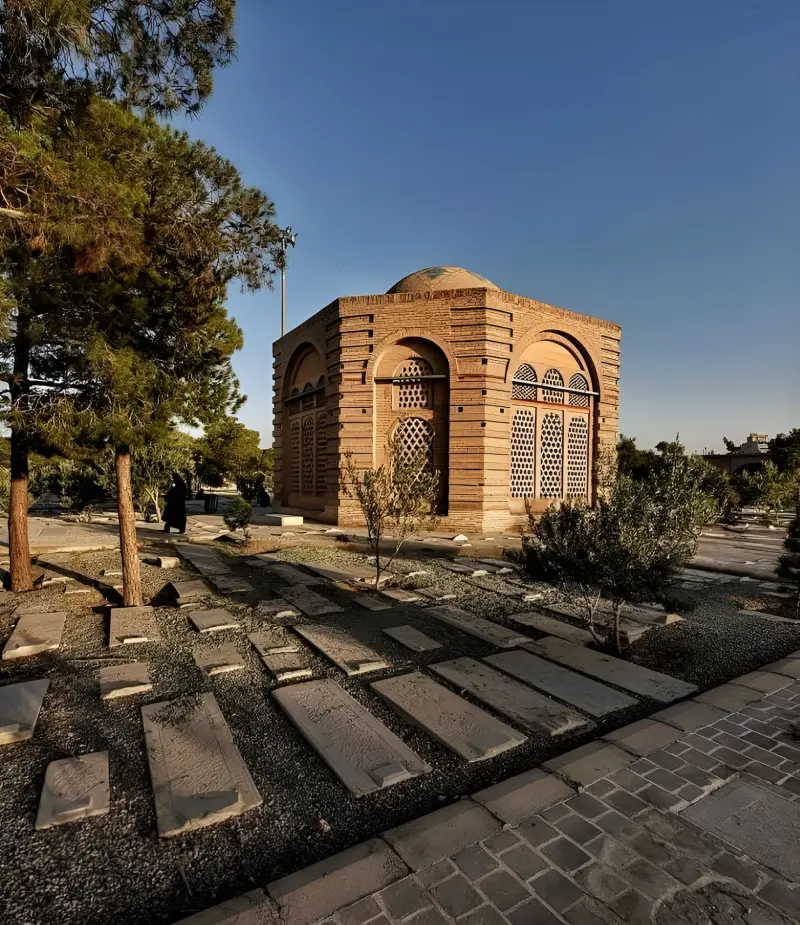
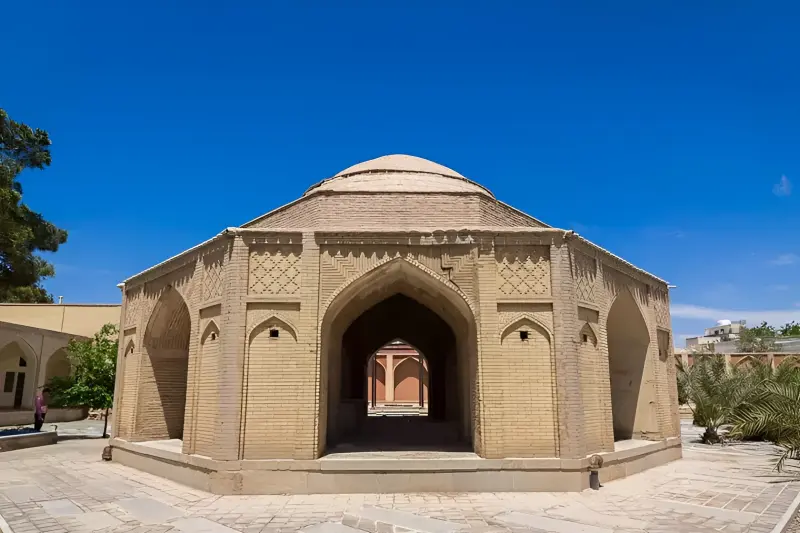
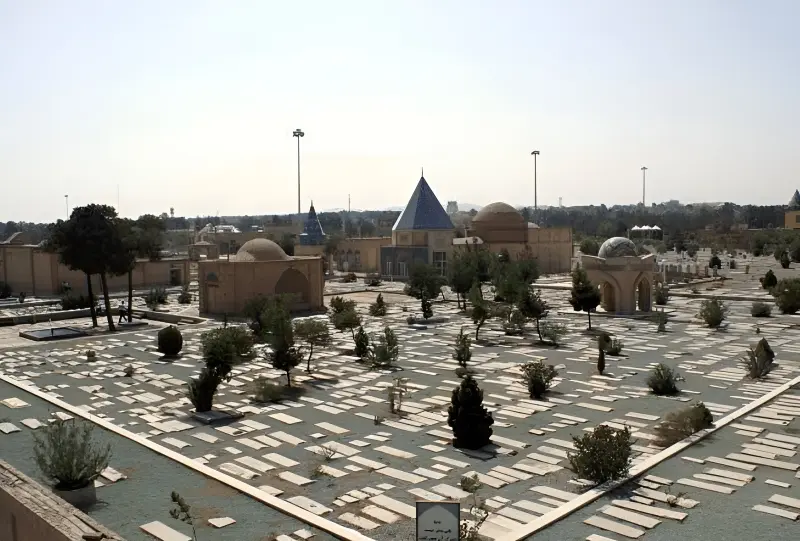
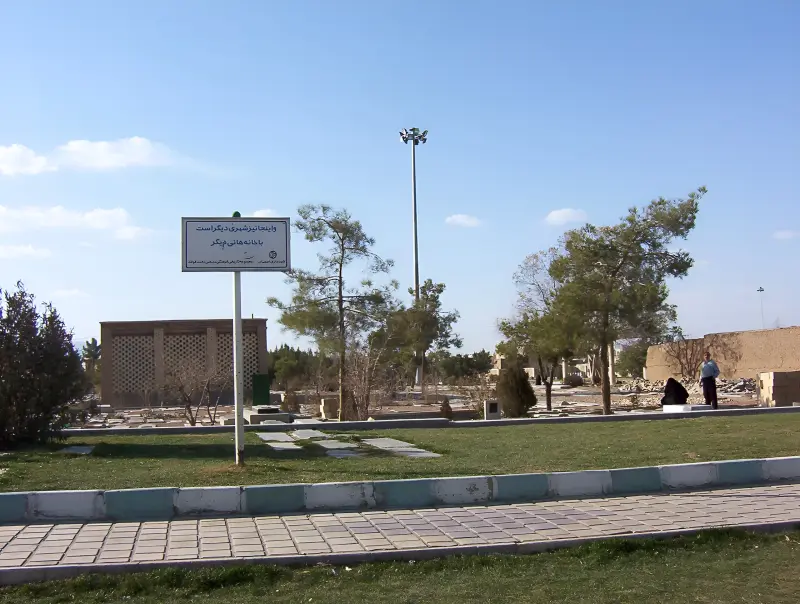
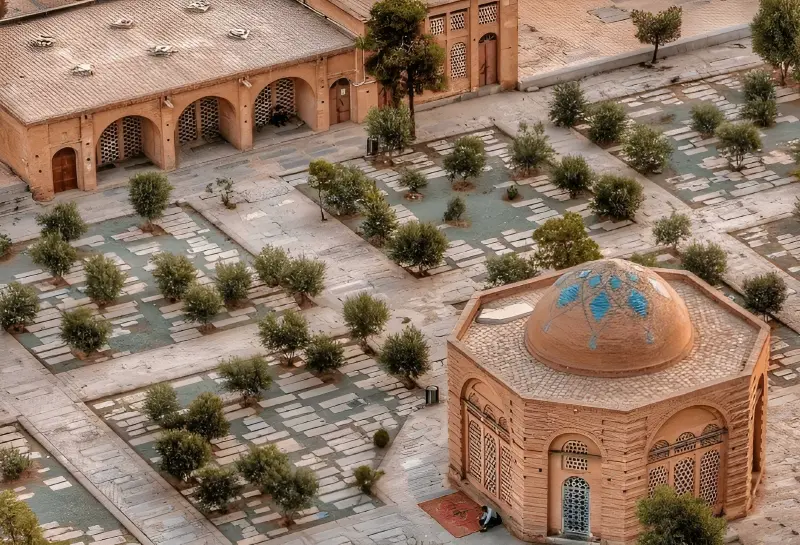
Takht-e Foulad is one of the most valuable historical, cultural and religious complexes in the city of Isfahan. It lies south of the Zayandeh Rud, in the area around Mosalla Street. This historic cemetery covers about 75 hectares and dates back to at least the 4th century AH (Hijri lunar), and historical evidence traces its origins even to the pre-Islamic era. Also known as "Lesan al-Arz" and "Baba Rukn al-Din", it is regarded as one of the most important historic and spiritual cemeteries in the Islamic world, after Wadi al-Salam in Najaf and the Baqi' Cemetery. Over the centuries it has been the burial place of many scholars, mystics, artists, men of letters, politicians and prominent Iranian figures. Because of its historical and cultural importance, this valuable complex and its various sections have been registered on Iran's National Heritage list.
The Safavid era can be considered the heyday of Takht-e Foulad, when the complex became one of Isfahan's most important religious and cultural centres, with hundreds of takiyehs, khanqahs, shrines, mosques, water reservoirs (ab-anbars) and caravanserais built here. Today, visitors to the complex can see notable structures such as the Mausoleum of Baba Rukn al-Din, the Takiyeh of Mir Fendereski, the Takiyeh of Lesan al-Arz, the Takiyeh of Fazel Hendi, the Takiyeh of Madar-e Shahzadeh, the Rukn al-Mulk Mosque and dozens of other historic takiyehs. Beyond its historical value, Takht-e Foulad is also considered one of the most important open-air museums of Islamic art in Iran, thanks to its magnificent architecture, tilework, calligraphy, relief carving, stonework and exquisite inscriptions. The tombs of figures such as Mir Fendereski, Baba Rukn al-Din, Banu Amin, Hasan Kasai, Jalal al-Din Homaei, Rahim Arbab, Abdolhossein Sepanta, Jahangir Khan Qashqai and many others add to the cultural value of the complex.
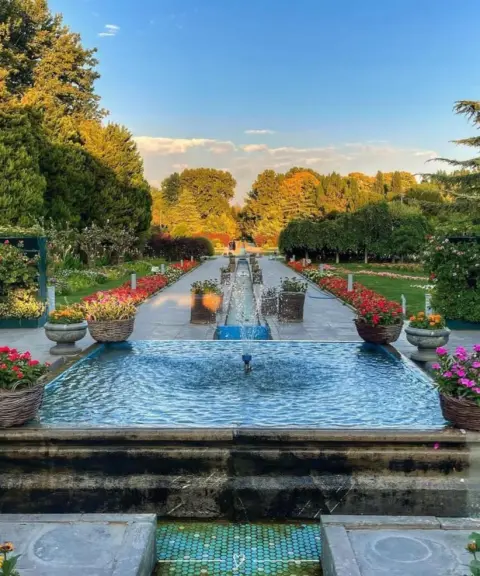
Takht-e Foulad is very easy to reach. It is located in the city of Isfahan, on Mosalla Street, at Dahesh intersection. It can be visited in every season, but spring and autumn, with their pleasant weather, are the best times to stroll through the historic grounds and see its valuable monuments. Its proximity to attractions such as Khaju Bridge, the Flower Garden (Bagh-e Golha), the Jolfa district and Naqsh-e Jahan Square also makes it possible to plan a complete cultural outing. When visiting, observing silence and respect for the atmosphere of the cemetery, avoiding any damage to gravestones and historic buildings, not leaving litter, and respecting the complex's cultural and religious values are among the most important principles of responsible tourism at this historic site.
Written by زهرا لنگری Last updated
What you can do here, and what it takes
با قدم زدن در بخشهای مختلف مجموعه، تکیهها و آرامگاههای تاریخی، فرصت مناسبی برای آشنایی با تاریخ و فرهنگ اصفهان پیدا میکنید.
Province Isfahan
Province Isfahan
Province Isfahan
Province Isfahan
Province Isfahan
Province Isfahan
Unfortunately, no comments have been registered.