
 Attractions
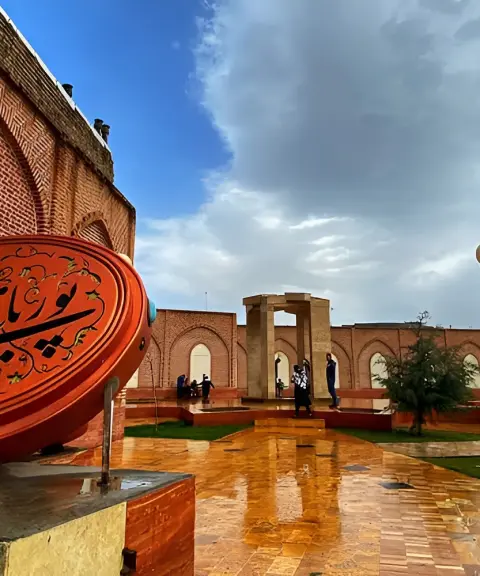
Pouria-ye Vali Tomb
Province West Azerbaijan
- Walking
A remarkable legacy of mysticism and architecture in the heart of Khoy
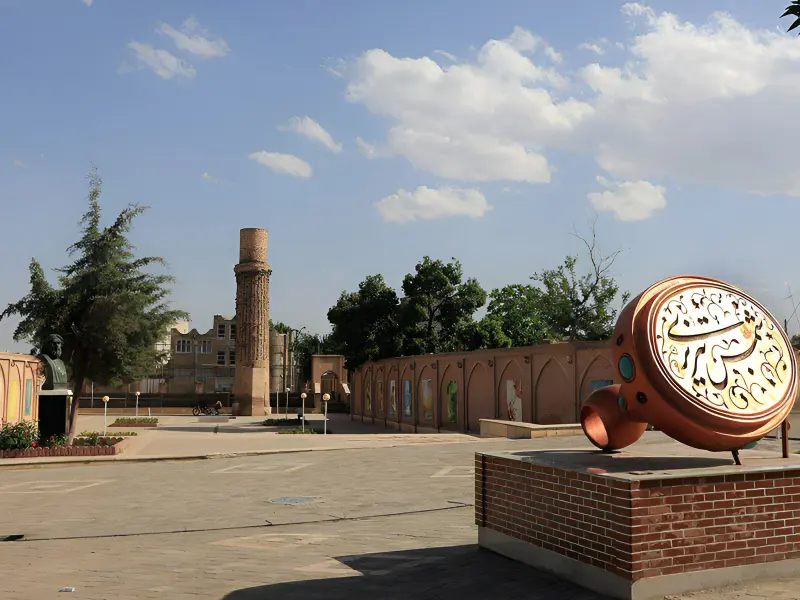
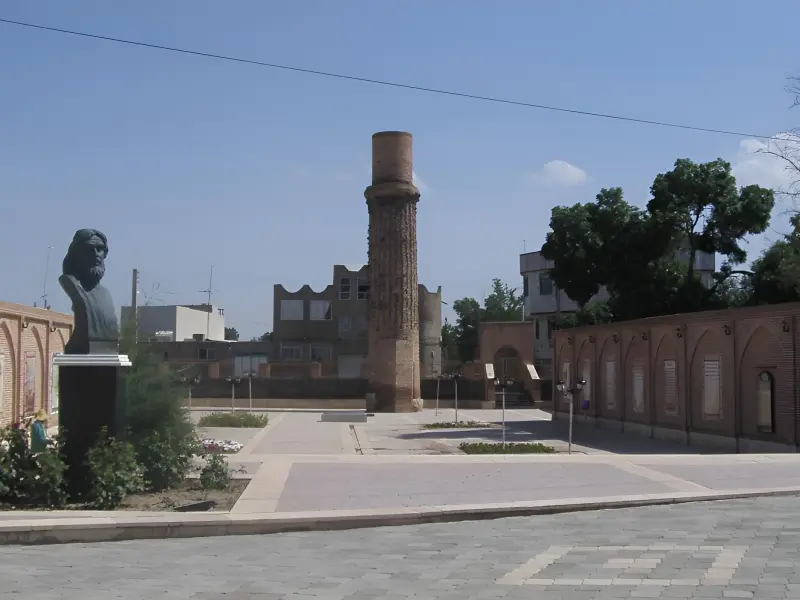
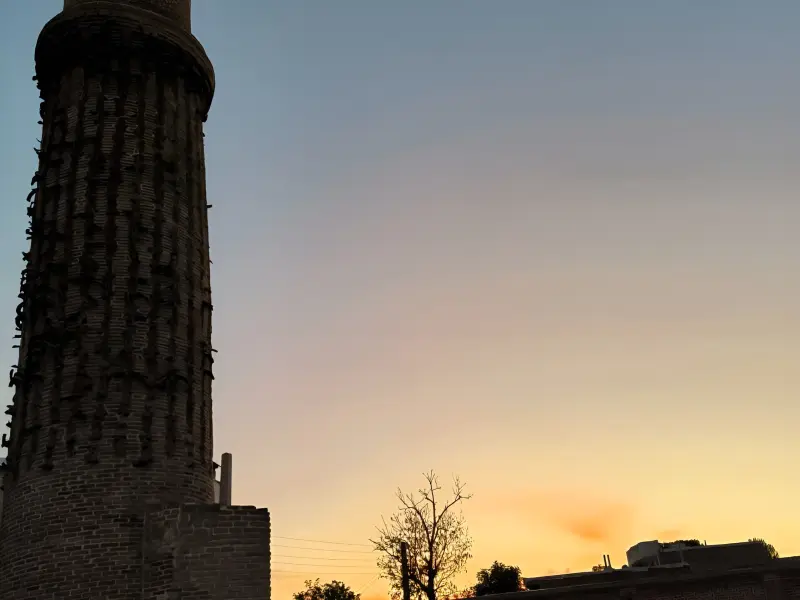
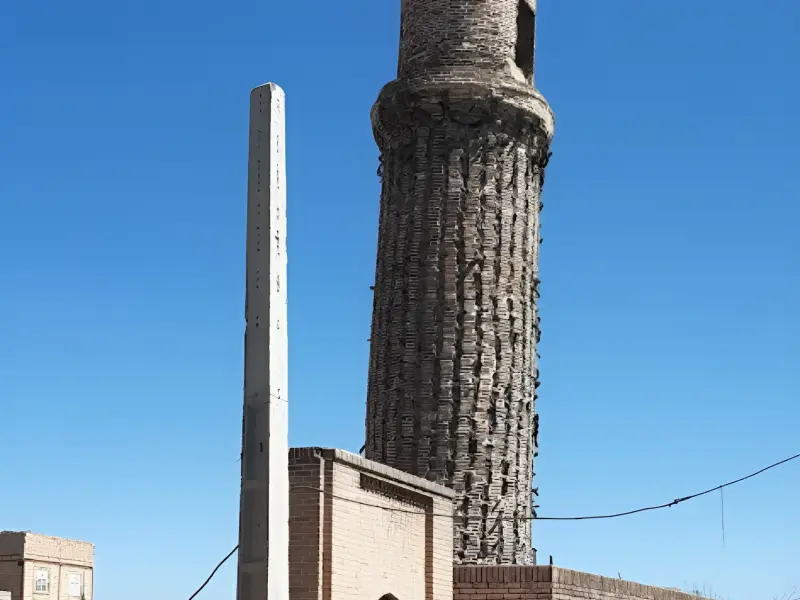
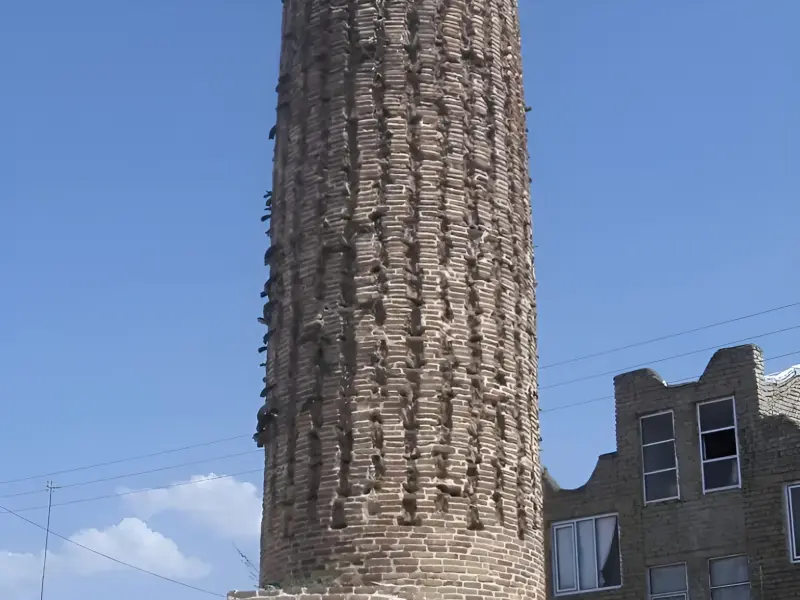
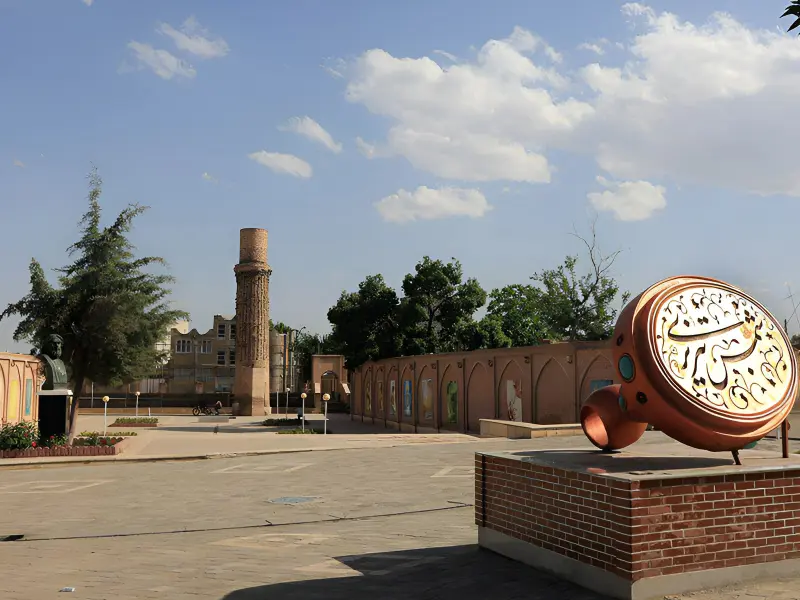
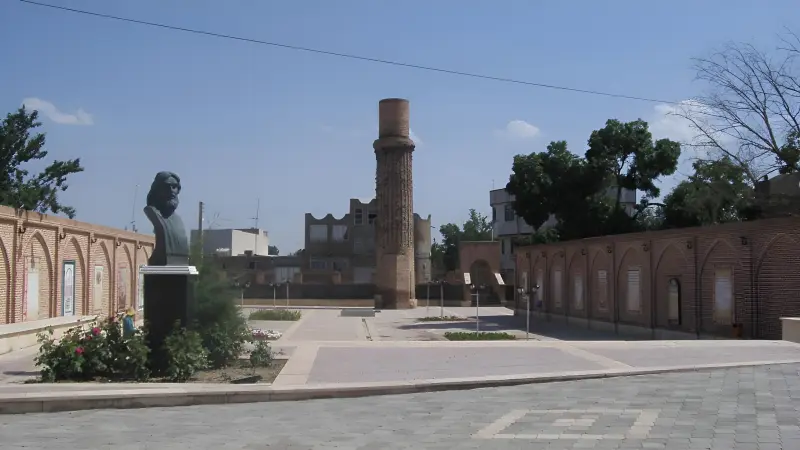
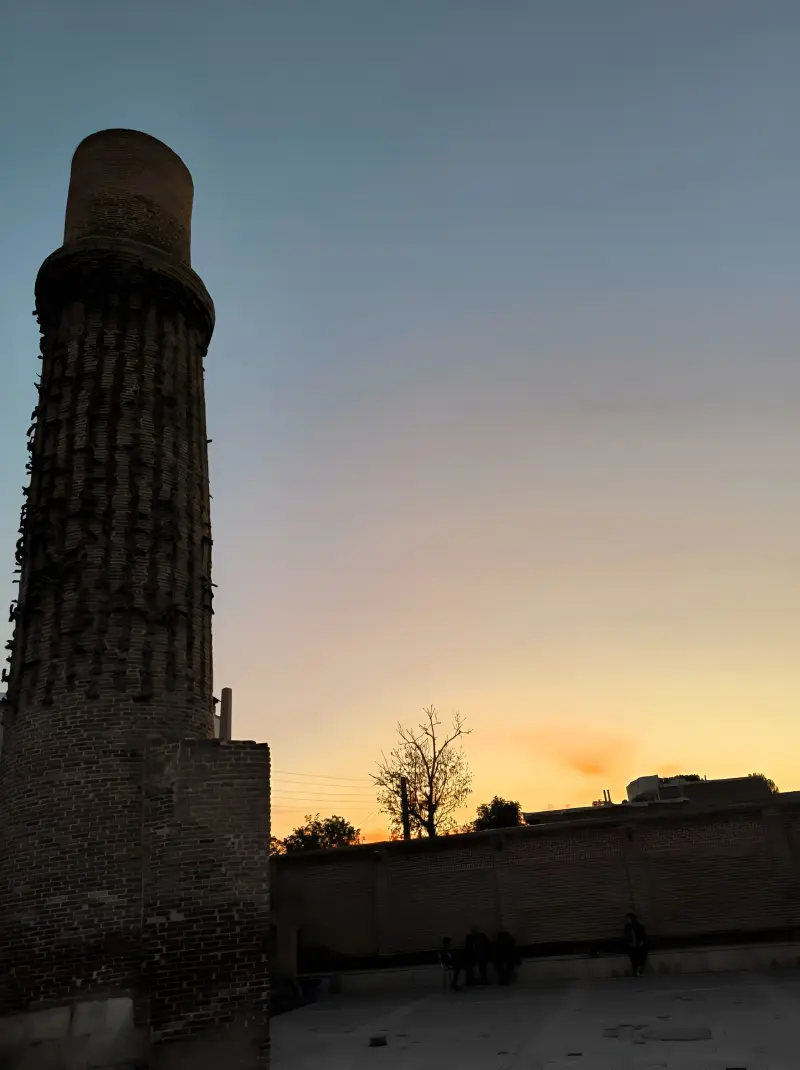
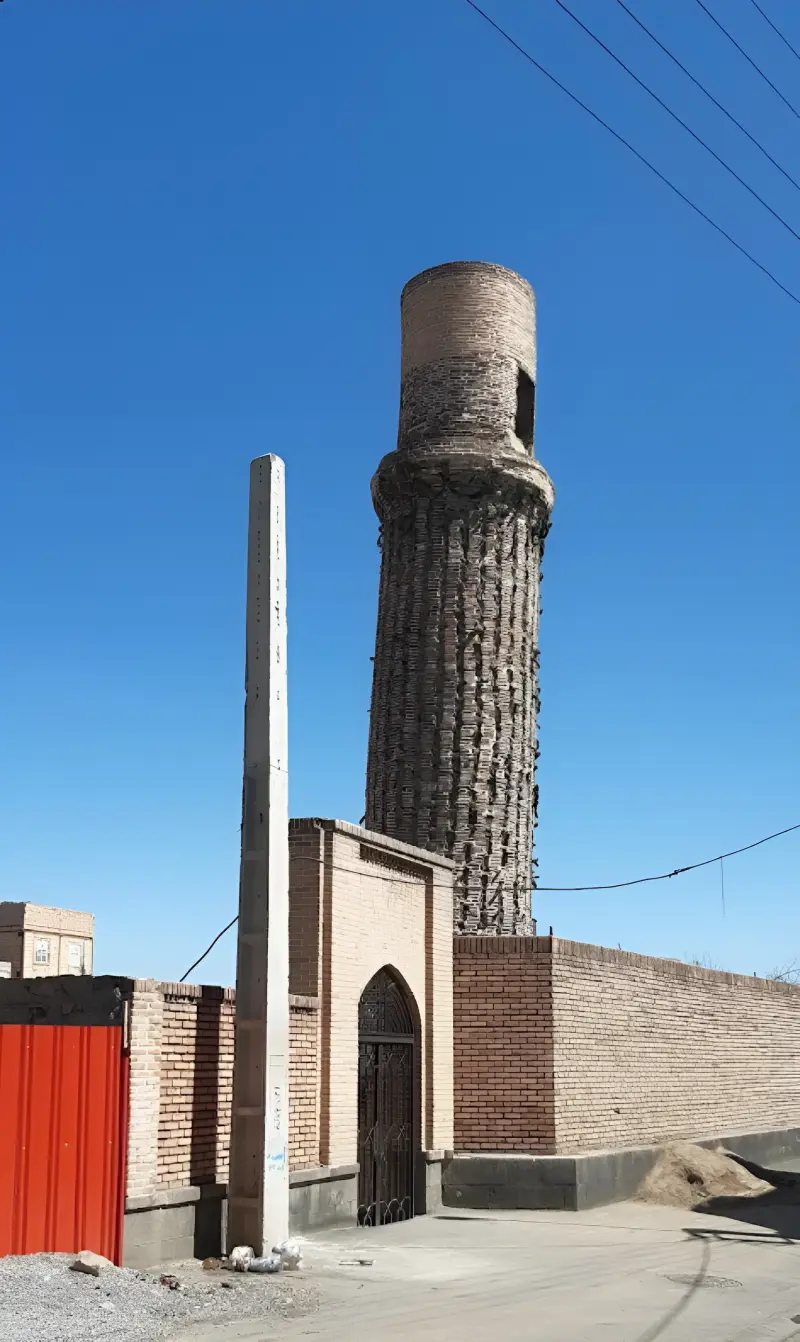
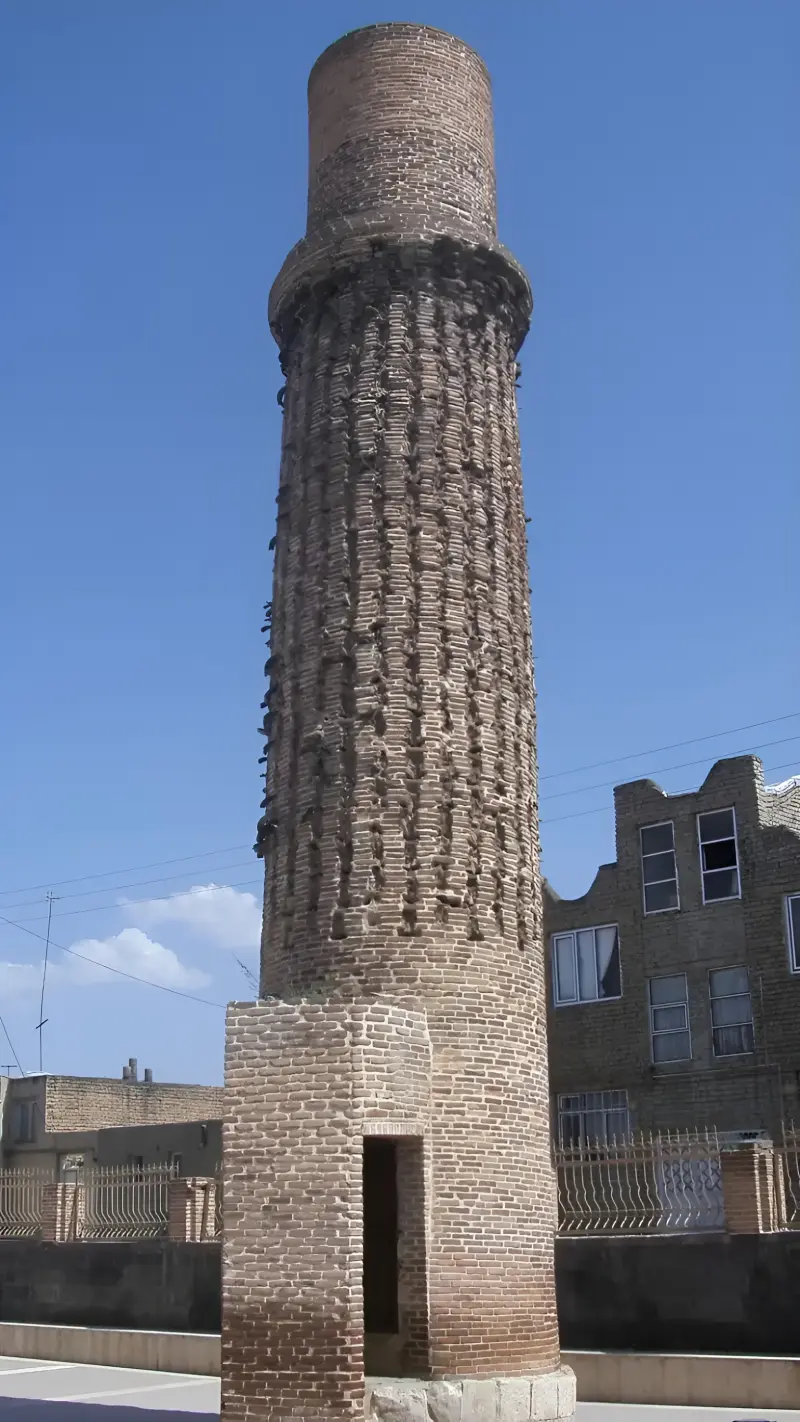
The Shams Tabrizi Minaret is one of the most distinctive historical and spiritual monuments of Khoy in West Azerbaijan Province. It stands in the grounds of the tomb attributed to Shams Tabrizi, the renowned mystic of the 7th century AH. The minaret dates back to the 6th century AH and was added to Iran's National Heritage list on 14 Bahman 1352 (Solar Hijri) under registration number 966. Although it now stands amid the urban fabric and modern buildings of the Shams Tabrizi neighbourhood, it remains one of the most important historical and cultural symbols of Khoy. The tomb of Shams and this minaret hold special spiritual and cultural value for anyone interested in Islamic mysticism, Iranian history, and the influential figures of Shams and Rumi.
The minaret's most distinctive feature is its unique decoration of wild ram horns and skulls, which has no parallel in Iranian architecture. According to historical accounts, the horns were mounted on the body of the minaret on the orders of Shah Ismail Safavi to show off his power and skill in hunting. This cylindrical tower is about 15 to 17 metres tall and 3.4 metres in diameter. It was once part of a complex of three minarets, of which only one survives today. The architecture is inspired by the Seljuk style, and inside is a spiral staircase leading to the upper part of the minaret. Beyond its architectural value, the complex hosts admirers of Shams Tabrizi and participants in the International Shams Congress every year, and its peaceful atmosphere offers a good opportunity to learn about Iranian history, mysticism and literature.
To visit the Shams Tabrizi Minaret, simply head to Shams Tabrizi Boulevard in Khoy, in the Imamzadeh Seyyed Bahlul neighbourhood. The complex is only about three kilometres from the city centre and is very easy to reach by private car or taxi. Admission is free and the grounds can be entered at any hour of the day or night, although daylight is better for seeing the architectural details and for photography. The best time to visit is spring or autumn, especially early Mehr, when commemorations of Shams Tabrizi are held. While visiting, please do not touch or damage the historical decorations, write graffiti on the monument, or leave litter in the grounds, so that this valuable monument is preserved for future generations.
Written by زهرا لنگری Last updated
What you can do here, and what it takes
محوطه آرامگاه و خیابانهای اطراف آن برای پیادهروی کوتاه و گشتوگذار در بافت تاریخی شهر مناسب هستند.
Province West Azerbaijan
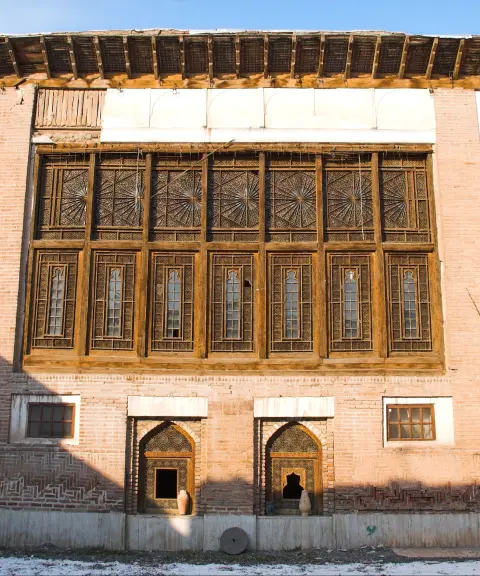
Province West Azerbaijan
Province West Azerbaijan
Province West Azerbaijan
Province West Azerbaijan
Province West Azerbaijan


Unfortunately, no comments have been registered.