
 Attractions
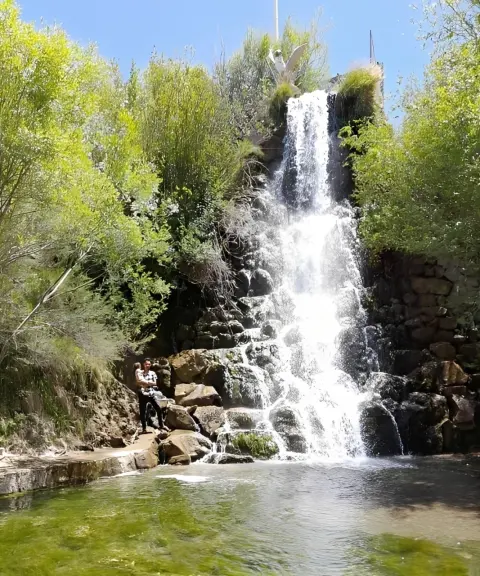

Kakhak Waterfall
Province Razavi Khorasan
- Walking
A masterpiece of Iranian water engineering in the heart of the desert
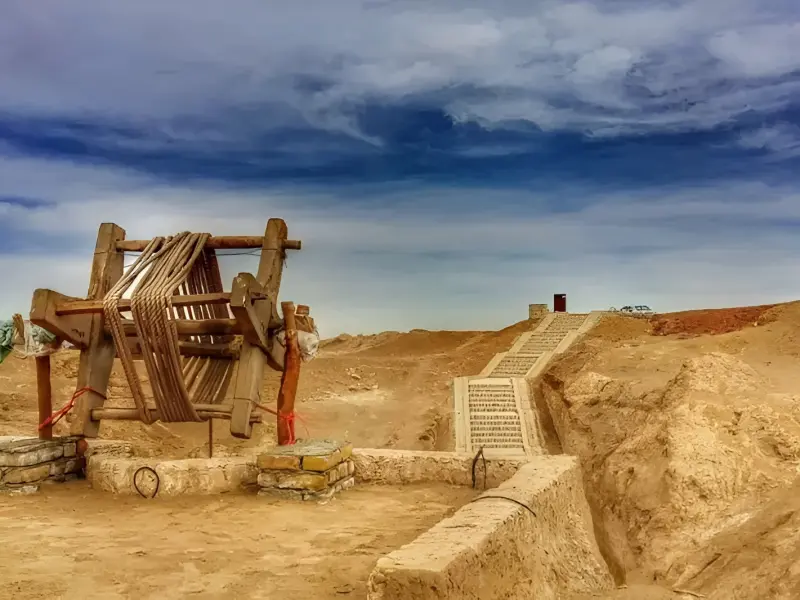
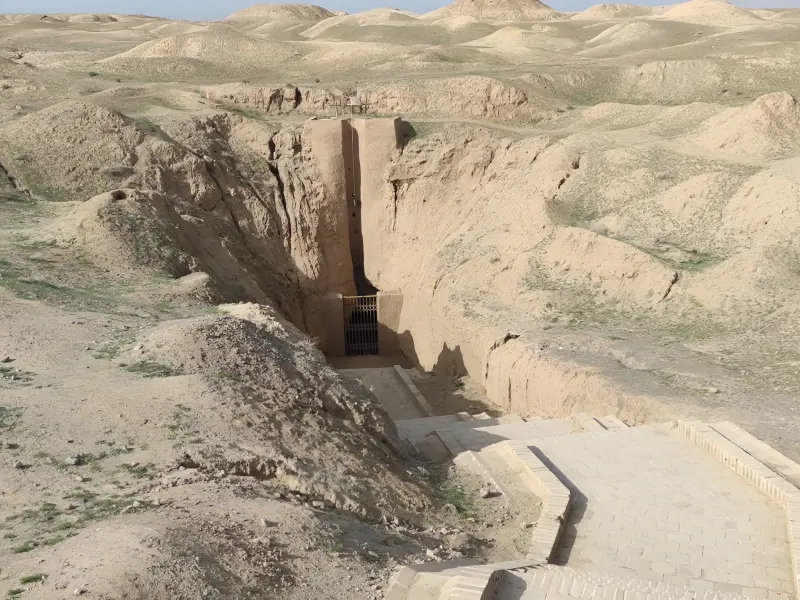
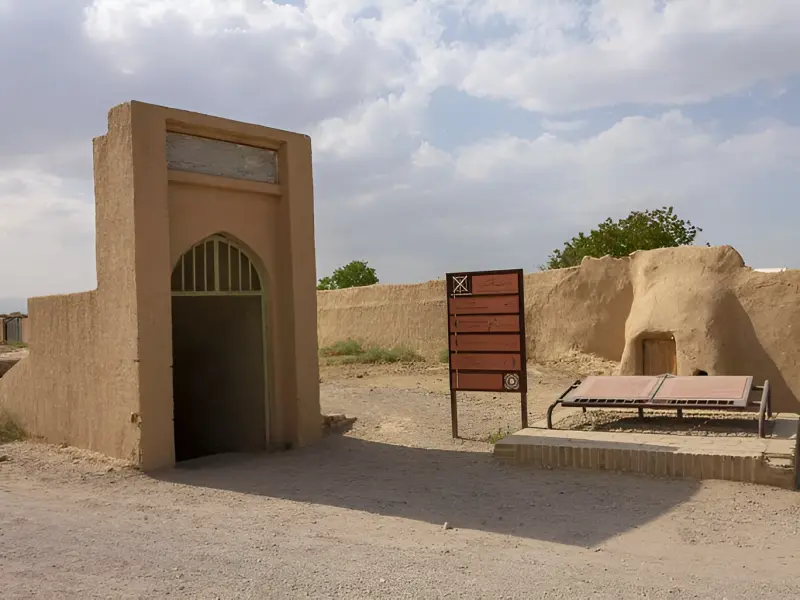
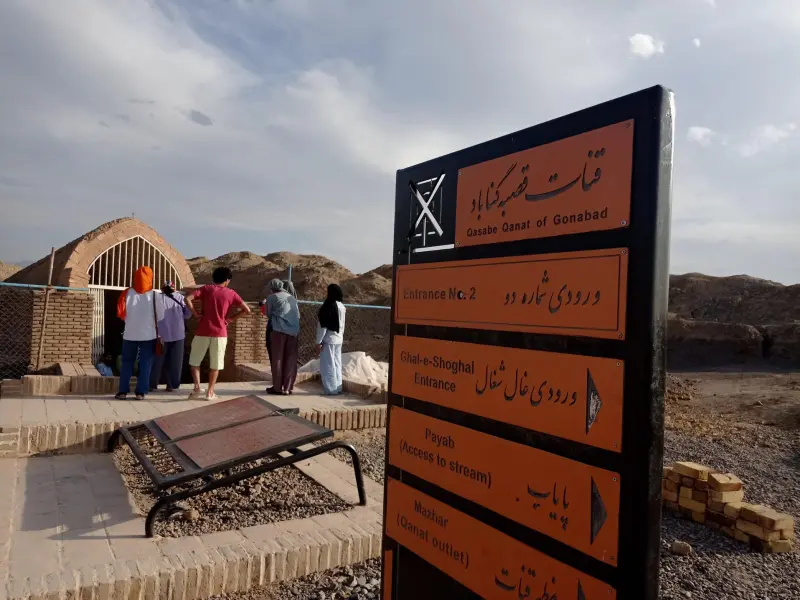
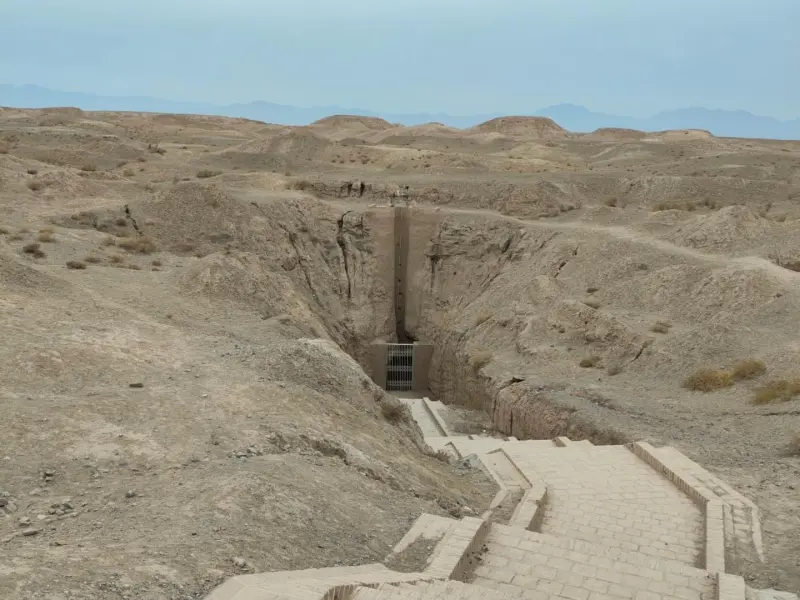
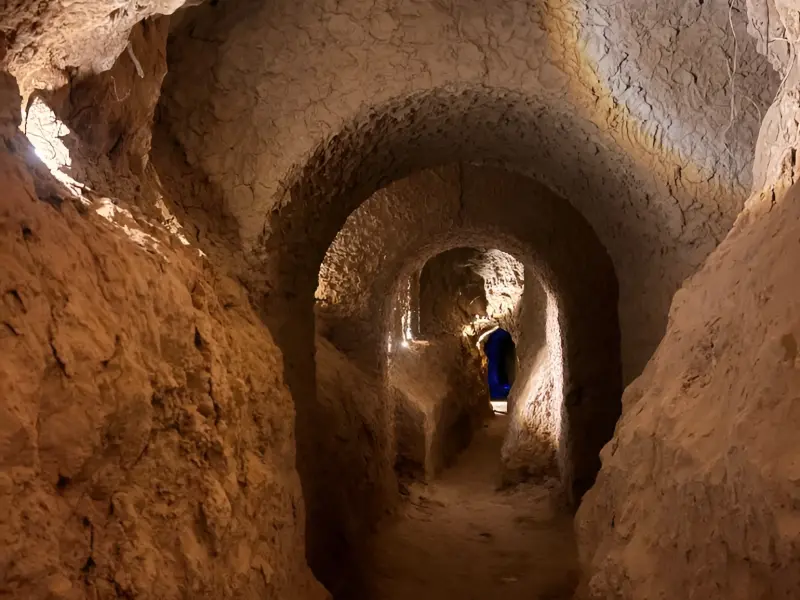
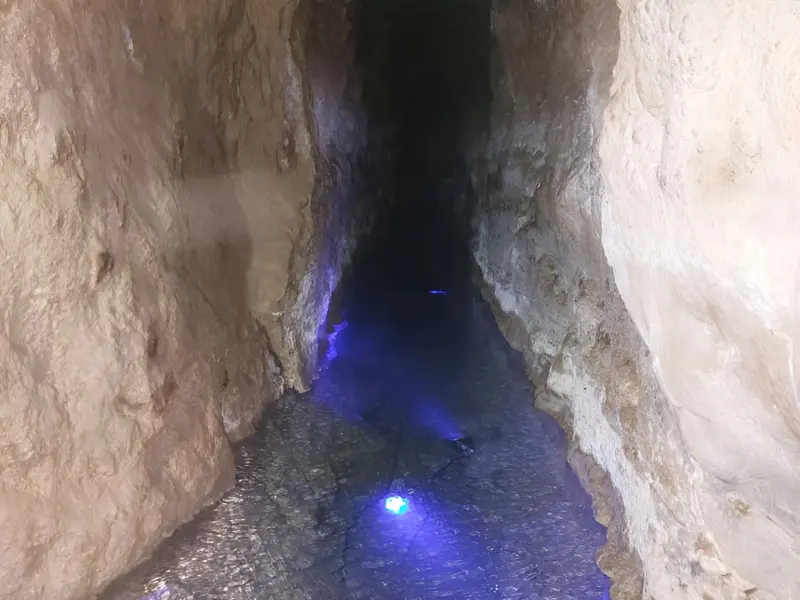
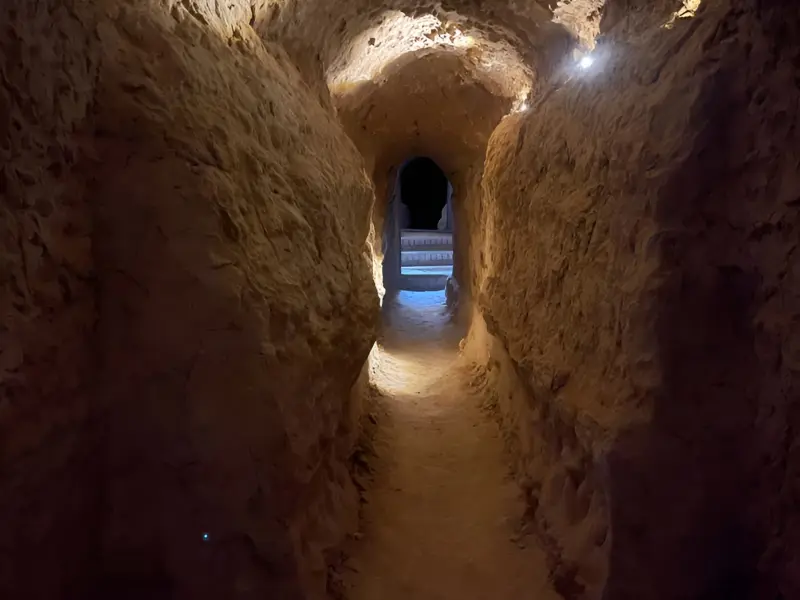
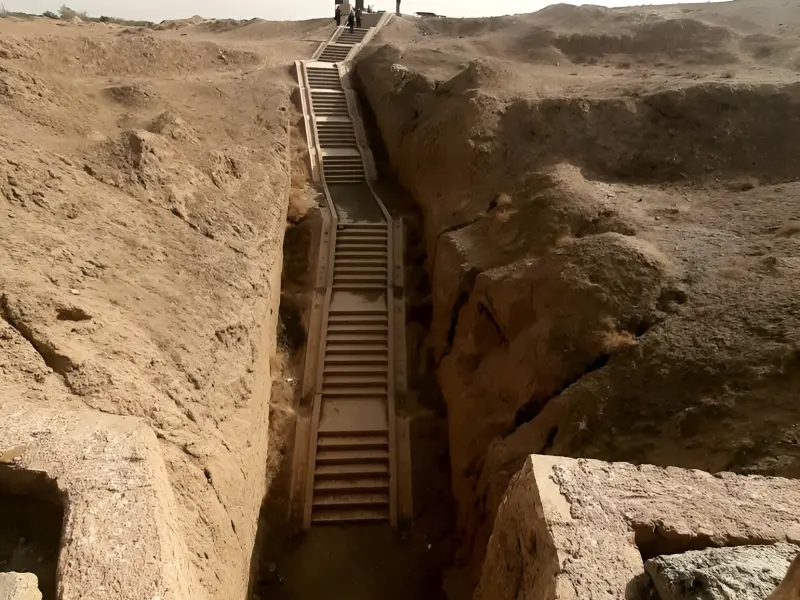
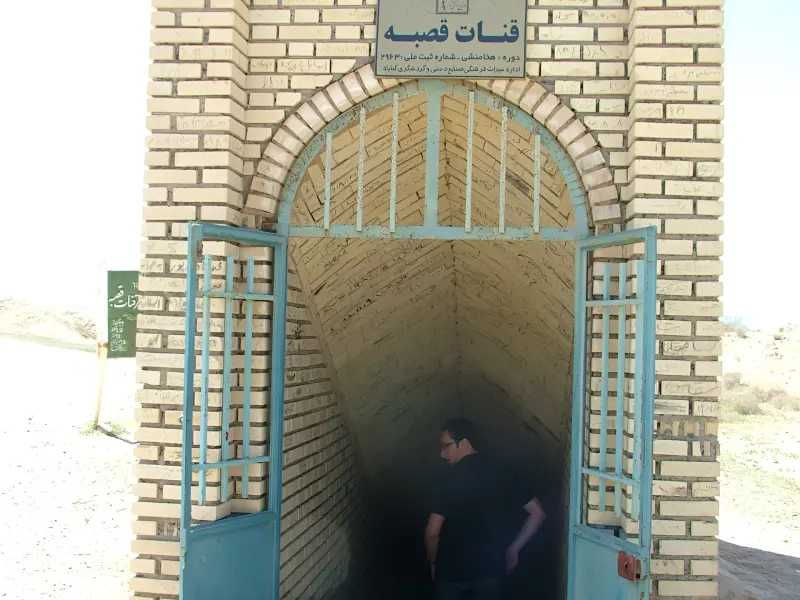
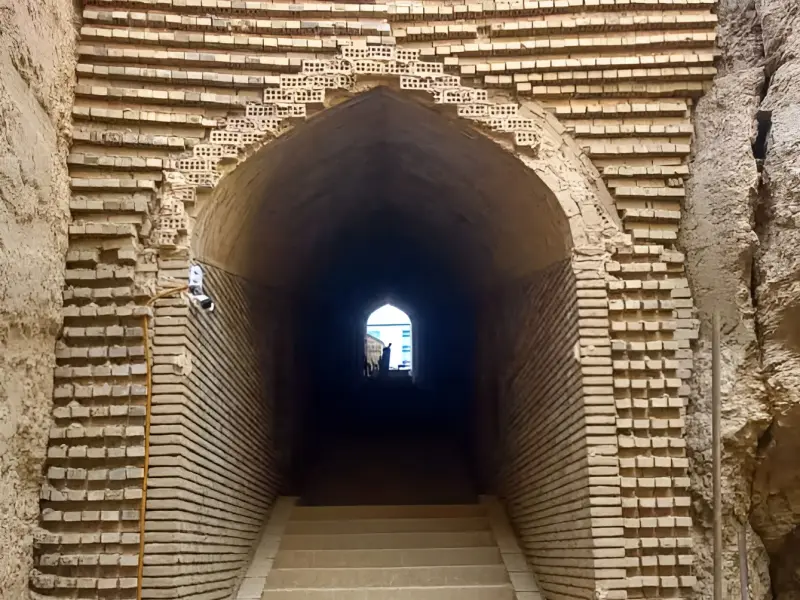
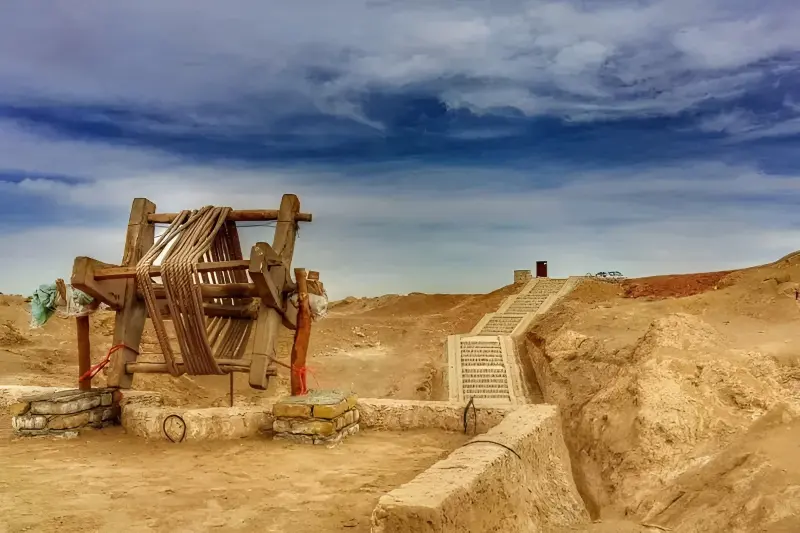
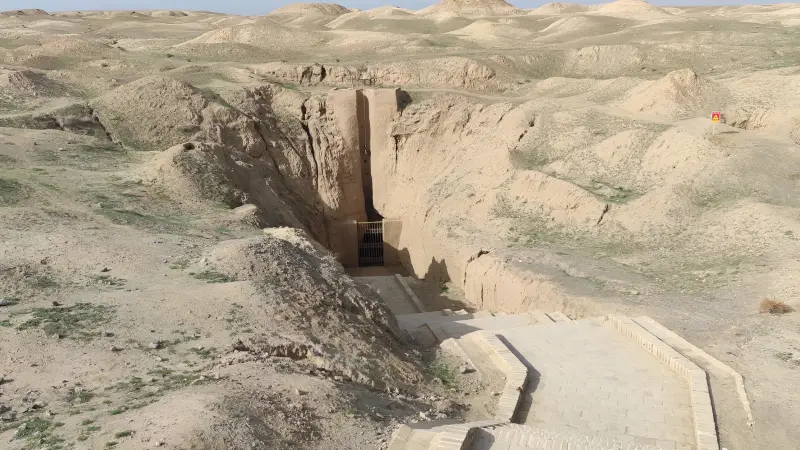
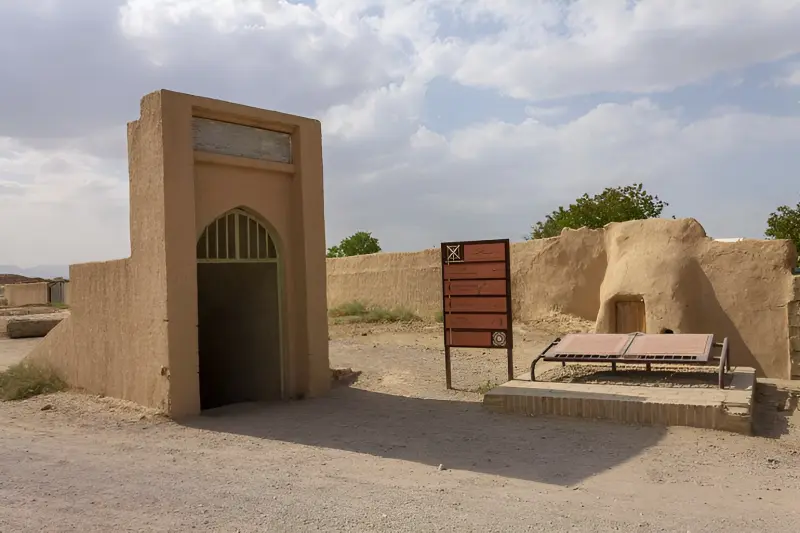
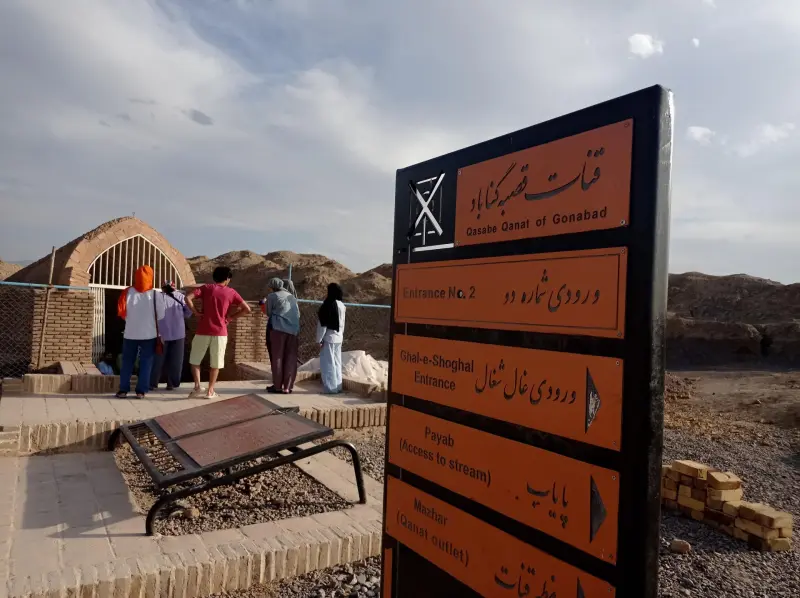
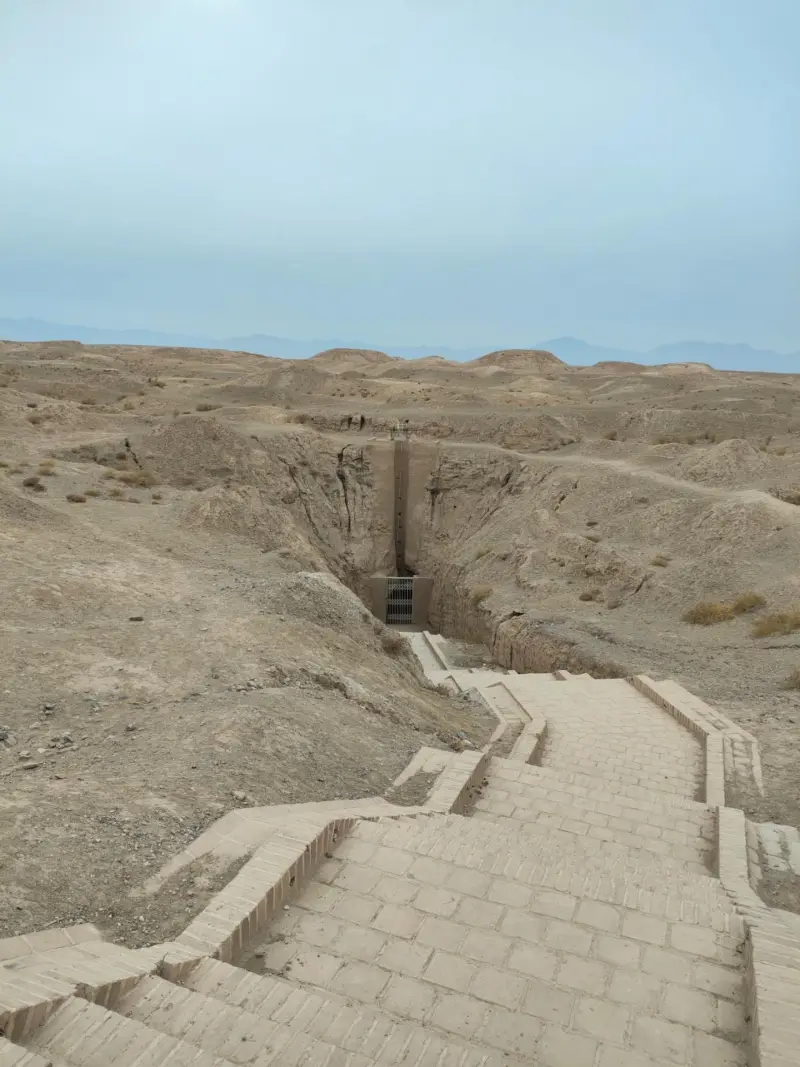
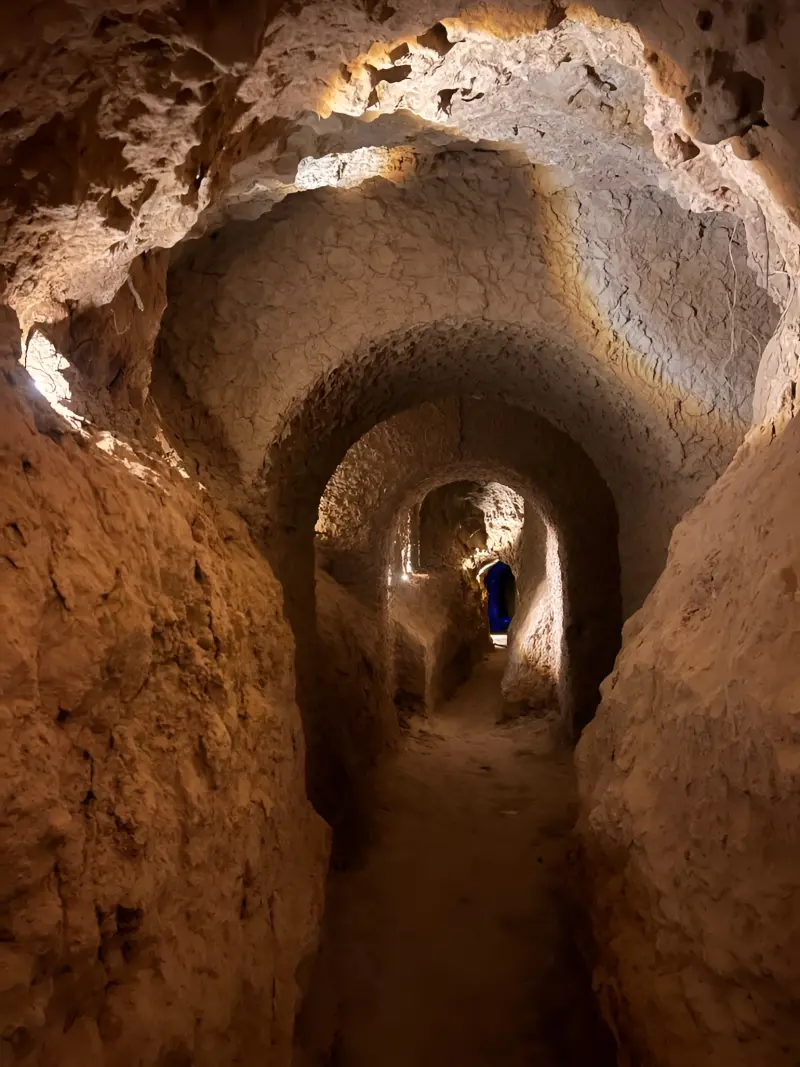
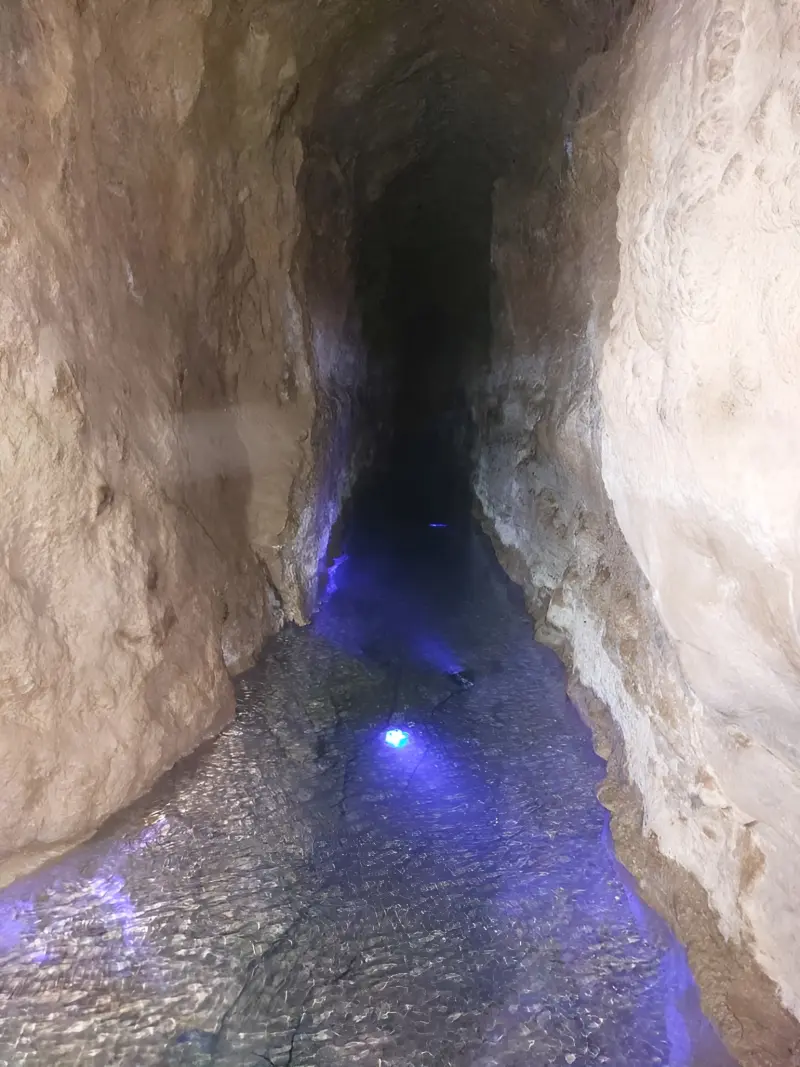
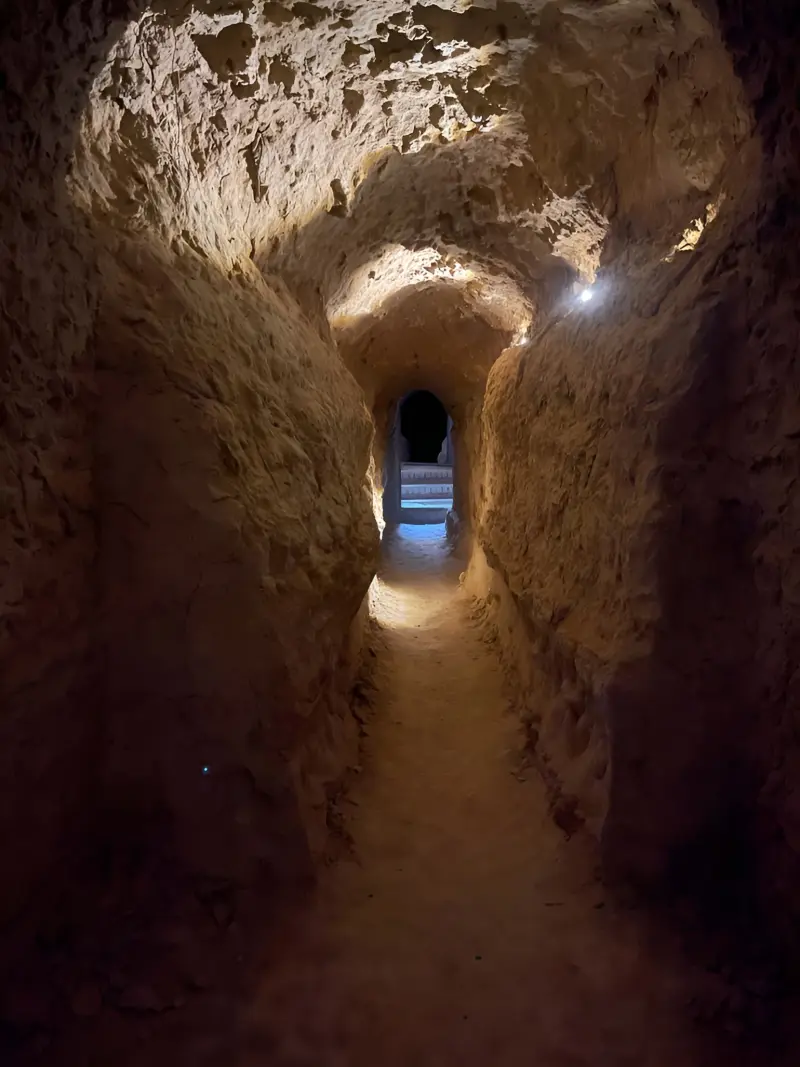
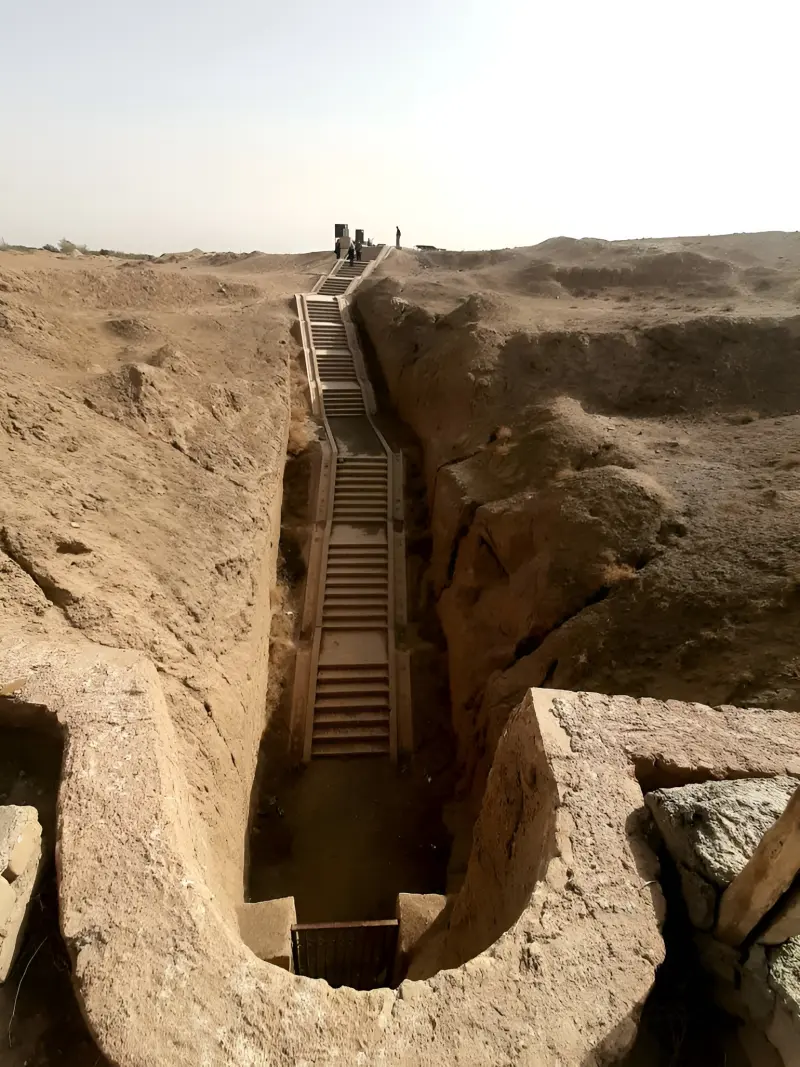
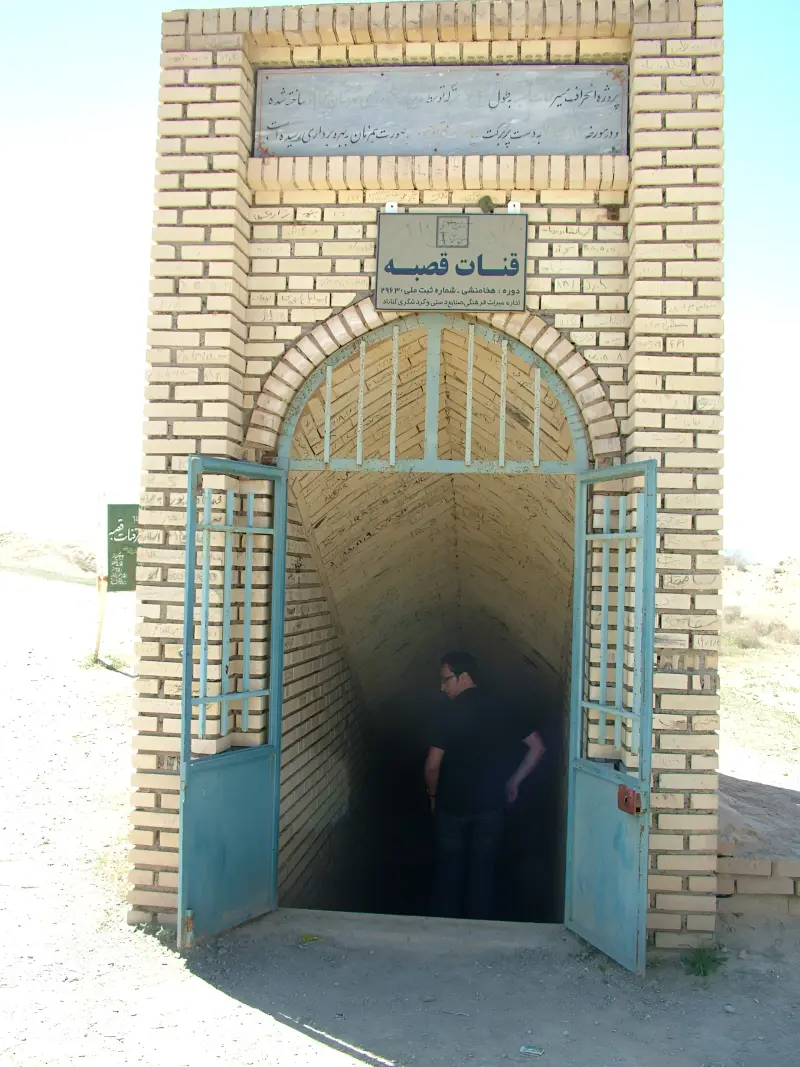
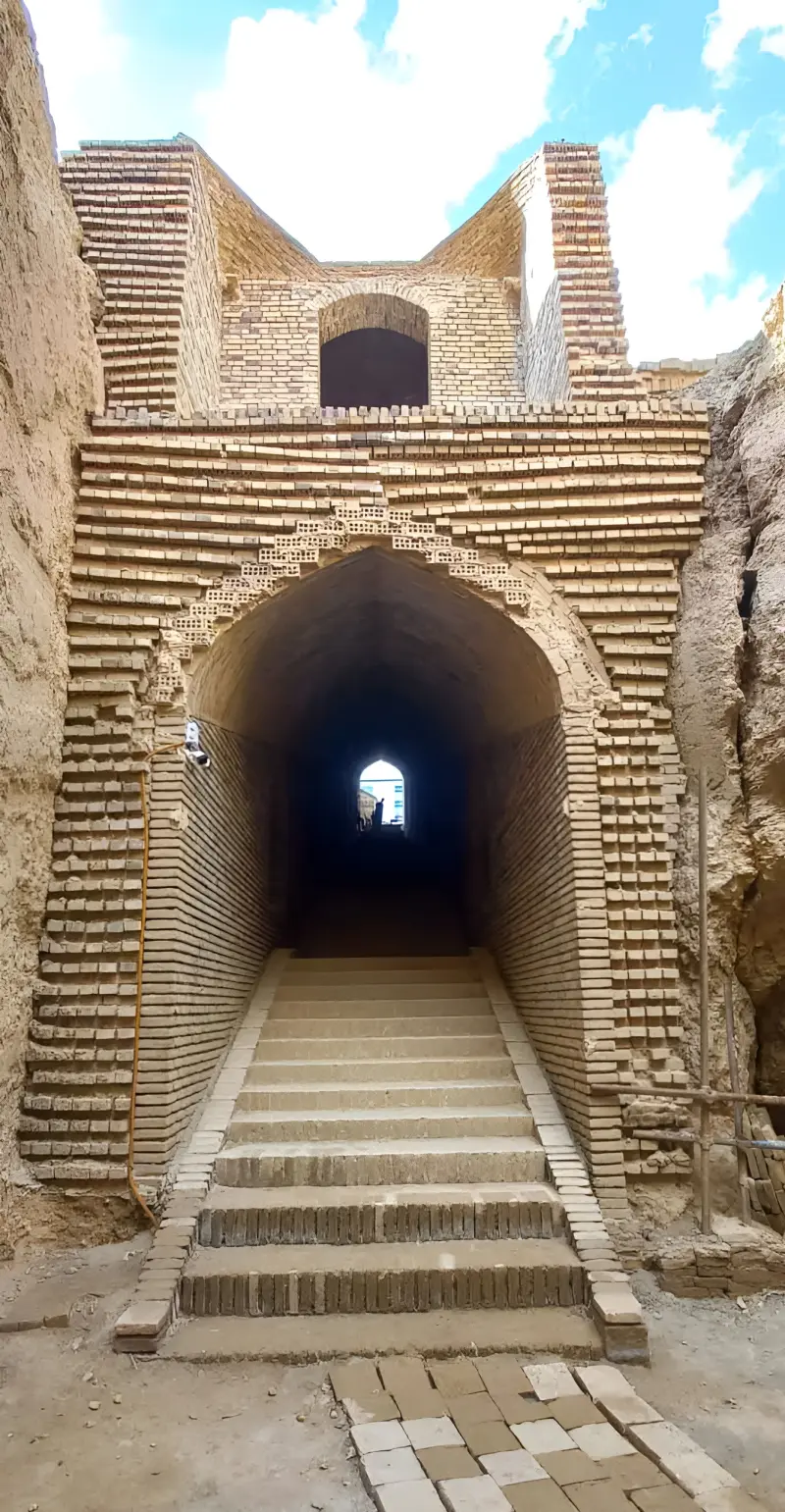
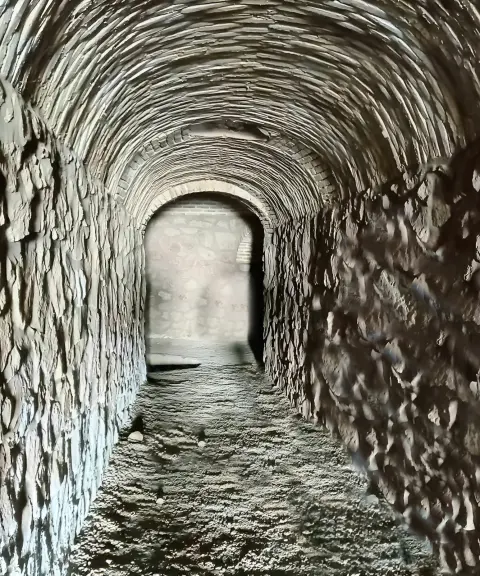
Qasabeh Qanat, also known as the Gonabad Kariz, is one of the most remarkable water structures in the world and the most important historical attraction of the city of Gonabad in Razavi Khorasan Province. It lies south of the city, in the Qasabeh neighbourhood. With an age of roughly 2,500 to 2,700 years, it is considered the deepest and one of the oldest qanats in the world, and many researchers attribute its construction to the Achaemenid period. The Qasabeh Kariz consists of two main channels and six side branches, and its total length is more than 33 kilometres. The mother well of the qanat reaches a depth of about 300 metres, which places it among the deepest qanats in the world. With more than 470 shafts and a considerable water yield, Qasabeh Qanat made farming and settlement in Gonabad possible for centuries. The global importance of this engineering masterpiece led to its inscription on the UNESCO World Heritage List in 1395 SH (2016) as part of "The Persian Qanat"; it had earlier been added to Iran's National Heritage List in 1379 SH (2000).
What makes Qasabeh Qanat unique is not only its age, but also its engineering precision, the way it channels water, and the skill of the Iranian well-diggers who built such a structure in an arid, semi-desert climate. With its considerable flow, the qanat sustained life and agriculture in the region for centuries and is known as the "water masterpiece of the world." In the qanat complex you can see features such as the mother well, underground tunnels, the qanat outlet, access routes, and traditional tools related to digging the qanat and dividing the water. The water clock, or "fenjan," used to precisely divide water time and shares among farmers, is one of the most interesting traditional technologies in Iran and reflects the sophisticated water management systems of desert regions.
To visit Qasabeh Qanat, simply go to the city of Gonabad and head to the end of Naser Khosrow Street, where the Qasabeh Qanat World Heritage Site is located and part of its underground route is open to visitors. The best time to travel to this area is spring and early autumn, when the weather in Gonabad is milder and more suitable for sightseeing. When visiting the qanat, responsible tourism is very important: avoid damaging the walls and historic structures, do not leave any litter on the site, and, because of the sensitivity of the underground structure, walk only on the designated paths so that this valuable heritage is preserved for future generations.
Written by زهرا لنگری Last updated
What you can do here, and what it takes
محوطه پایگاه جهانی قنات و بافت تاریخی اطراف آن برای پیادهروی کوتاه و بازدید از دیگر دیدنیهای گناباد مناسب است.
Province Razavi Khorasan
Province South Khorasan
Province South Khorasan
Province South Khorasan
Province South Khorasan
Province Razavi Khorasan
Province Razavi Khorasan


Unfortunately, no comments have been registered.