
 Desert (Kavir)
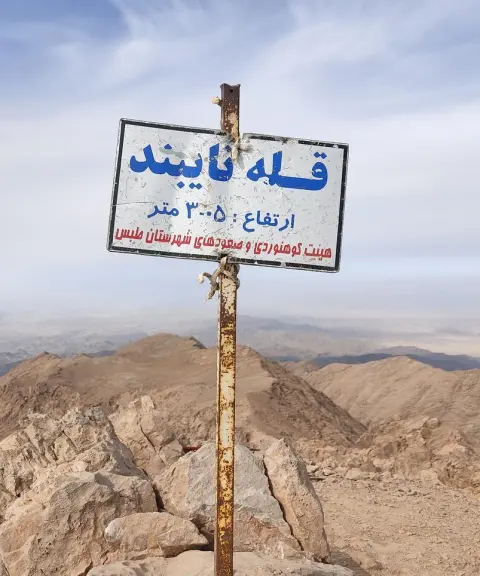
Nayband Wildlife Refuge
The Vast, Pristine Wildlife Habitat in the Heart of Iran's Desert
- Desert (Kavir)
- South Khorasan, Tabas
- Altitude 1,052 m
- Ability level Beginner
Ability level:
Beginner
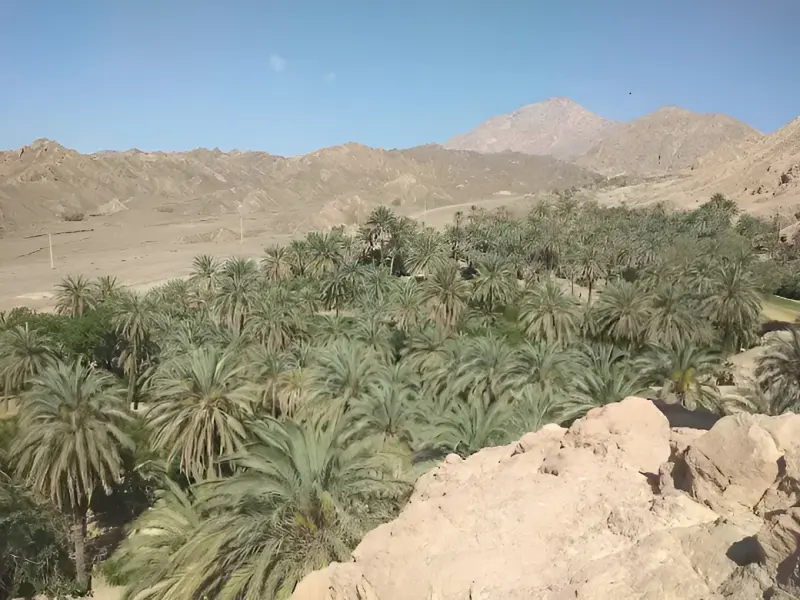
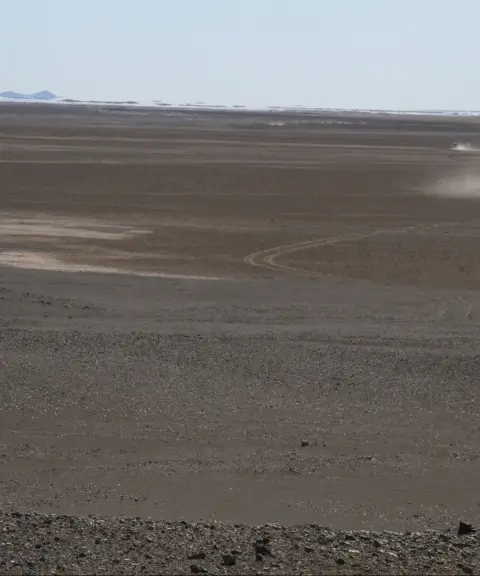
Nayband Wildlife Refuge is one of the most valuable protected areas in Iran and the largest wildlife refuge in the country. It lies south of Tabas County in South Khorasan Province. Covering more than 1,490,000 hectares, the area was added to the list of protected areas of Iran's Department of Environment in 1380 (2001), and today it is regarded as one of the most important biodiversity reserves in the country's desert regions. Nayband lies deep in Iran's central desert, among broad plains, rolling hills, salt flats and scattered highlands, and because of its remoteness it has seen very little human interference. Mountains such as Naybandan Peak (3,009 m) and Aliabad Peak (2,450 m), together with numerous fresh and saline springs, have created ideal conditions for one of the most important wildlife habitats in Iran.
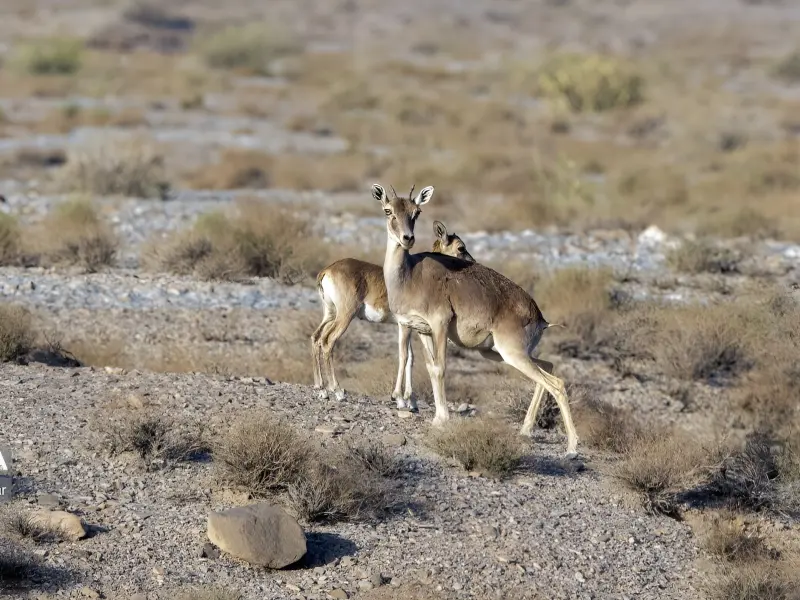
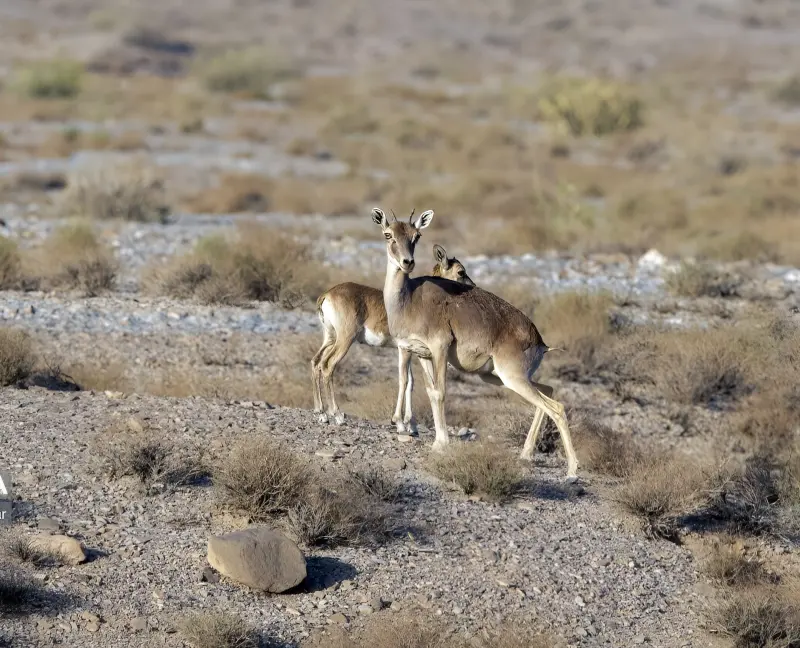
Nayband Wildlife Refuge is known as the most important habitat of the Asiatic cheetah in Iran, and a significant population of this precious species lives here. Besides the cheetah, the area is home to the striped hyena, goitered gazelle, caracal, sand cat, lynx, wild goat, wild sheep (mouflon and urial), leopard, Rüppell's fox (sand fox), honey badger and jackal. Birdlife is also remarkably diverse, and species such as the houbara bustard, Pleske's ground jay, see-see partridge, chukar, cinereous bunting, golden eagle, falcon, eagle-owl and saker falcon can be seen in its various habitats. Other natural attractions of the refuge include Hyena Cave, cold and hot springs, the Black Land, vast clay pans, natural saxaul forests, historic caravanserais along the Silk Road and unique desert landscapes. More than 177 plant species have been identified in the area so far, among them saxaul, wild almond, wild fig, shrubby milk-vetch, spectacular soapwort and Kerman cumin, which are among the most important and have high conservation value.
The refuge can be reached via the Tabas–Ravar and Yazd–Tabas roads, and most of the internal routes are dirt tracks suitable for 4x4 vehicles. Because of the area's great size, its pristine character and the lack of extensive facilities, it is best to visit the refuge in coordination with the Department of Environment and accompanied by local guides. The best time to visit Nayband is autumn, winter and early spring, when temperatures are more suitable for nature tourism and wildlife watching. Since this area is home to very valuable species that are threatened with extinction, visitors should not leave the permitted routes, litter, light fires in sensitive areas, approach wildlife or damage vegetation in any way, so that this unique ecosystem is preserved for future generations.
Written by زهرا لنگری Last updated
Activities
What you can do here, and what it takes
-
Walking
کفش پیادهروی به همراه داشته باشید..
Specifications
Introduction of the location and specifications of Nayband Wildlife Refuge
Location:
South Khorasan, Tabas
Coordinates:
32.44952057, 56.96960449
Open in maps
Height above mean sea:
1052 meter
Floras:
Deserts and Dry Shrublands
Faunas:
Presence of Predatory Animals, Presence of Allergenic Insects, Presence of Herbivorous Animals
Transports:
Private car, Minibus, Bus
Tourist Attractions in Tabas
Attractions that are nearby



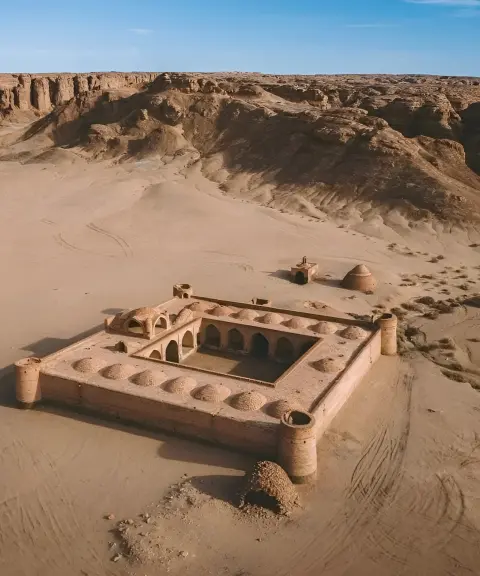
Chehel Paye Caravanserai
Province South Khorasan
- Walking
A Historic Relic in the Heart of the Lut Desert


Deyg-e Rostam Hot Spring
Province South Khorasan
- Walking
- Swimming
A boiling, healing spring in the heart of the Tabas desert
Chah Kuran Caravanserai
Province Kerman
- Walking
A historic relic of the ancient Khorasan route in Ravar
Related tags:
Unfortunately, no comments have been registered.