
 Attractions
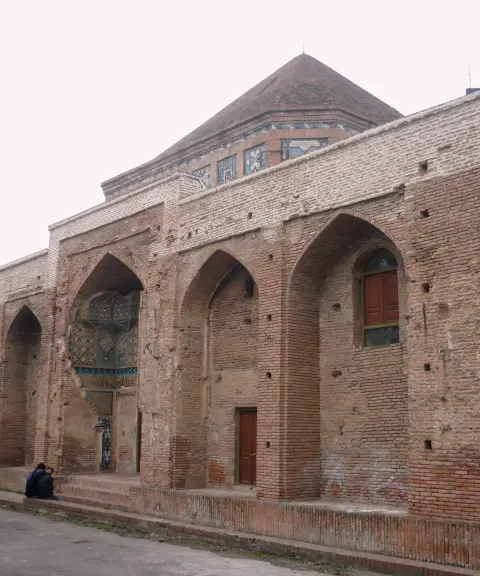
Mashhad-e Mir Bozorg
Province Mazandaran
- Walking
An ancient Sasanian relic in the heart of the city's historic quarter
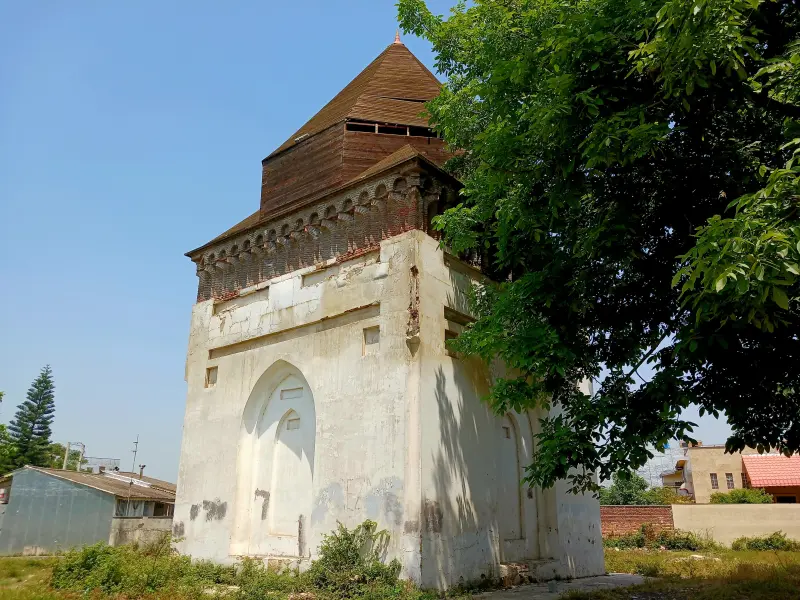
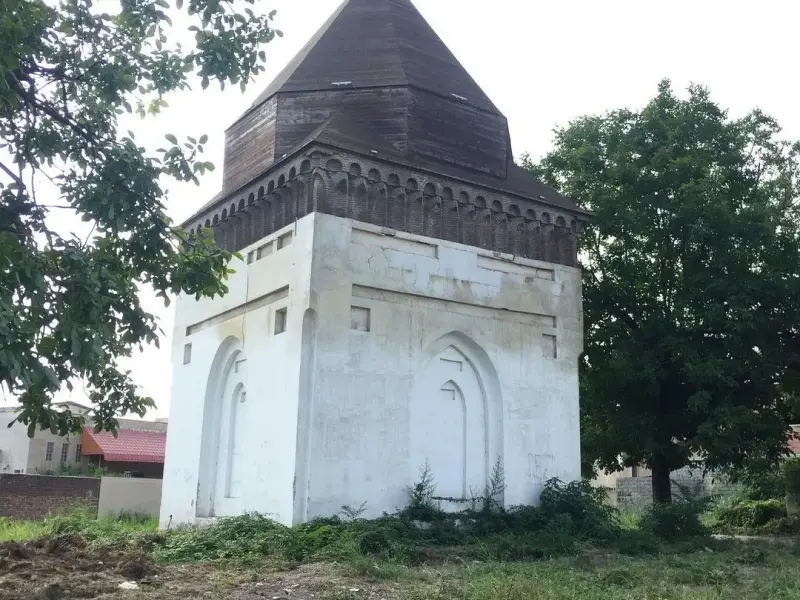
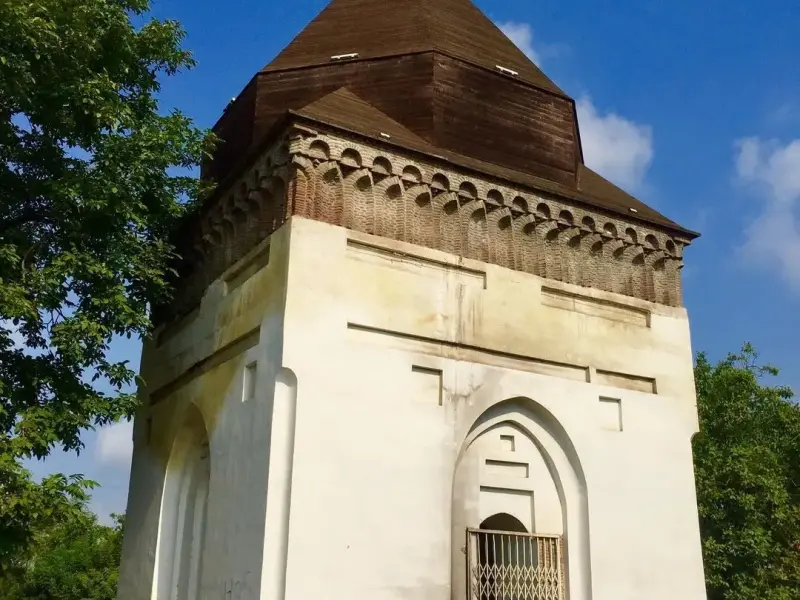
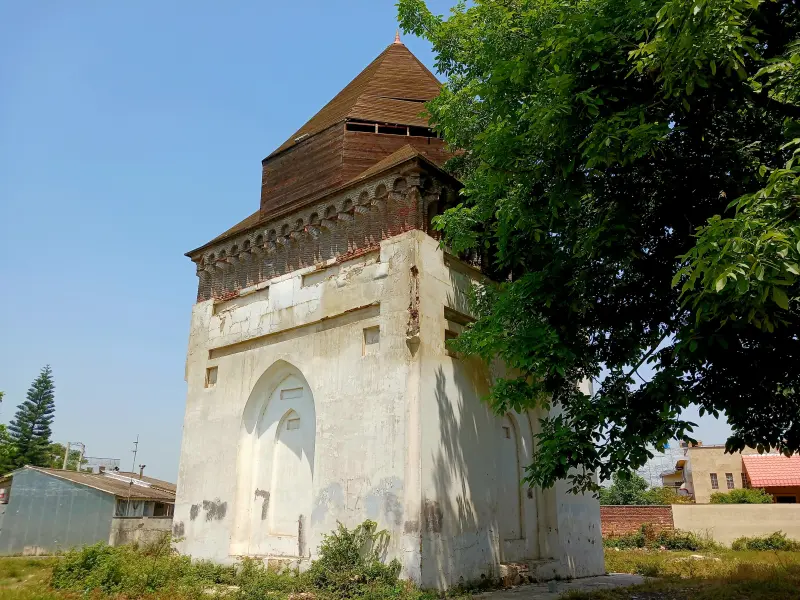
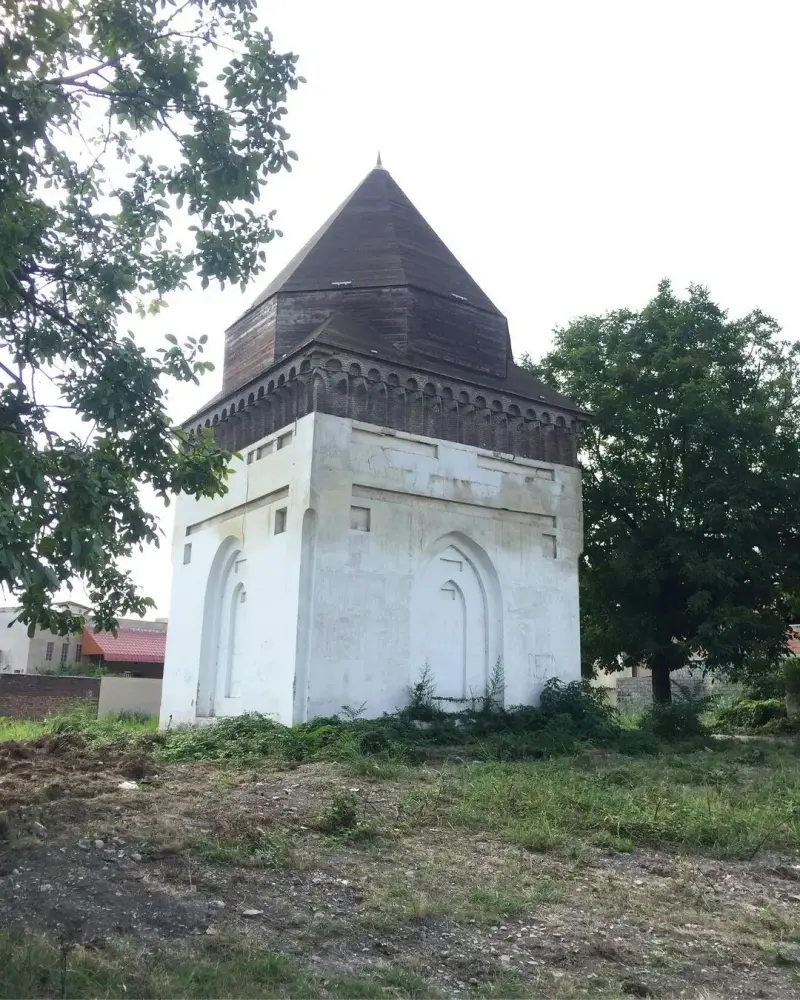
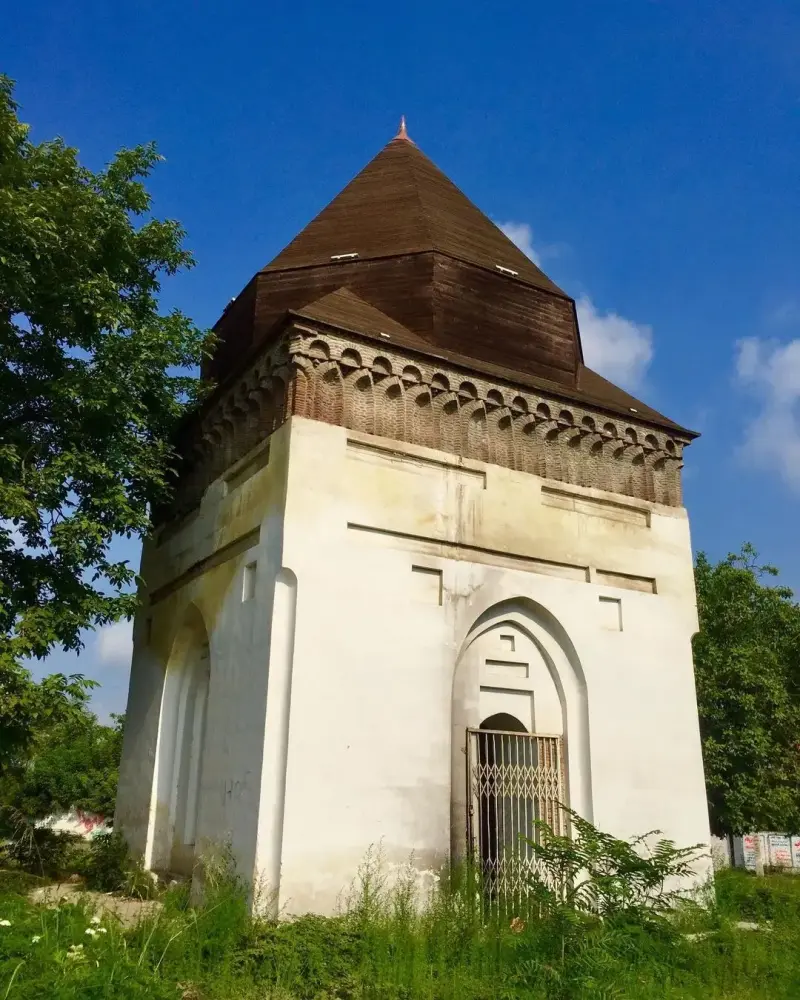
The Amol Fire Temple is one of the most valuable historic monuments in Mazandaran Province. It stands in the city of Amol, in the historic district of Avam-Kuy, in the Paeen Bazaar (Lower Bazaar) neighbourhood, also known as Chakesar. This ancient building, now also known as the Tomb of Shams Al-e Rasul, dates back originally to the Sasanian era and is one of the few surviving remnants of the urban fabric of ancient Amol. The Amol Fire Temple was inscribed on Iran's National Heritage List on 6 Ordibehesht 1354 (Solar Hijri) under registration number 1060, and thanks to its historical background, religious standing and architectural value, it is considered one of the most important historic buildings in northern Iran. The monument lies next to the old Amol Bazaar and tells part of the story of a city that was one of the important centres of Tabaristan during the Sasanian period.
The architecture is one of the building's most important features. The structure consists of a square body topped by a conical tower, in whose upper section you can see muqarnas work, vaults, brick arches and the remains of historic tilework. One notable aspect of its construction is the use of bricks of differing sizes, which gives the structure a distinctive look. Although the core and foundations of the building are attributed to the Sasanian period, parts of its decoration and restoration belong to the Islamic centuries, particularly the 9th century AH. The body of Shams al-Din Mohammad ibn Mahmud Amoli, a prominent Iranian scholar and physician, is also buried inside the building. Unfortunately, improper restoration work in recent years has diminished the building's outward authenticity to some degree, and some researchers have criticised the alteration of its architectural identity. Even so, the Amol Fire Temple remains one of the most important historic and architectural monuments of Amol for those interested in Iranian history and culture.
To visit the Amol Fire Temple, head to the old part of the city, to the area around the Lower Bazaar or Avam-Kuy. The site is very easy to reach from the centre of Amol, whether by private car, by taxi or even on foot through the historic quarter. Since the visit takes place outdoors, spring, autumn and the mild days of winter are the best times to visit this historic site. While on the grounds, visitors should avoid damaging the historic parts, writing graffiti on the walls, and moving building materials or remains, so that this precious Sasanian relic is preserved for future generations.
Written by زهرا لنگری Last updated
What you can do here, and what it takes
بازدیدکنندگان میتوانند پس از دیدن آتشکده در کوچهها و محلههای قدیمی اطراف به گشتوگذار بپردازند.
Province Mazandaran
Province Mazandaran
Province Mazandaran
Province Mazandaran

Province Mazandaran

Province Mazandaran
Province Mazandaran


Unfortunately, no comments have been registered.