
 Historic Castle
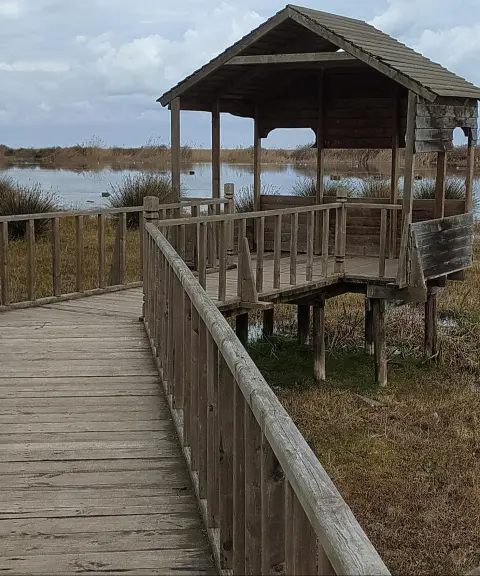
Salsal Castle
A stone fortress overlooking the plains and forests of Talesh
- Historic Castle
- Gilan, Lisar
- Altitude 100 m
- Ability level Intermediate
Ability level:
Intermediate
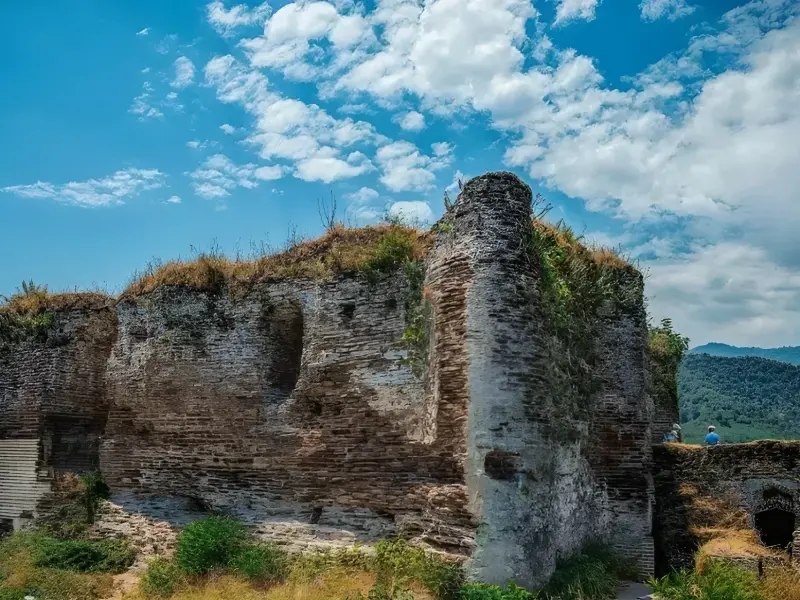
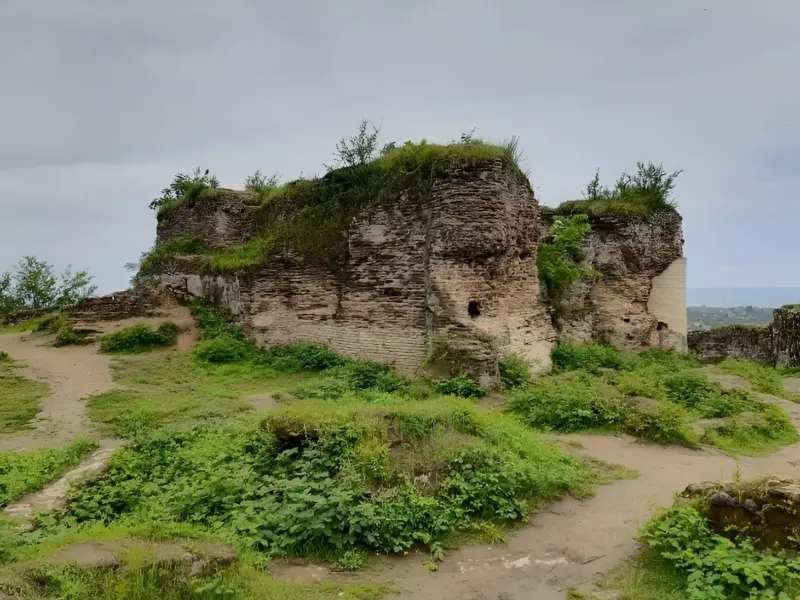
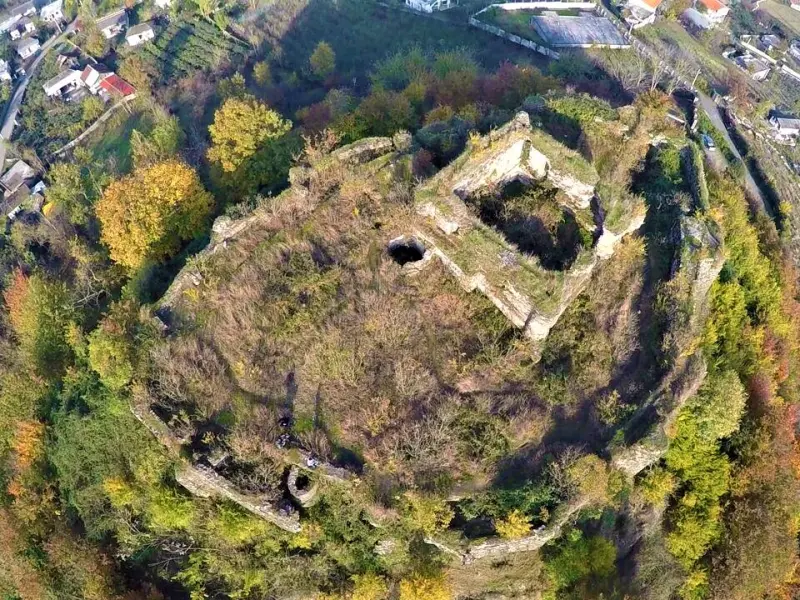
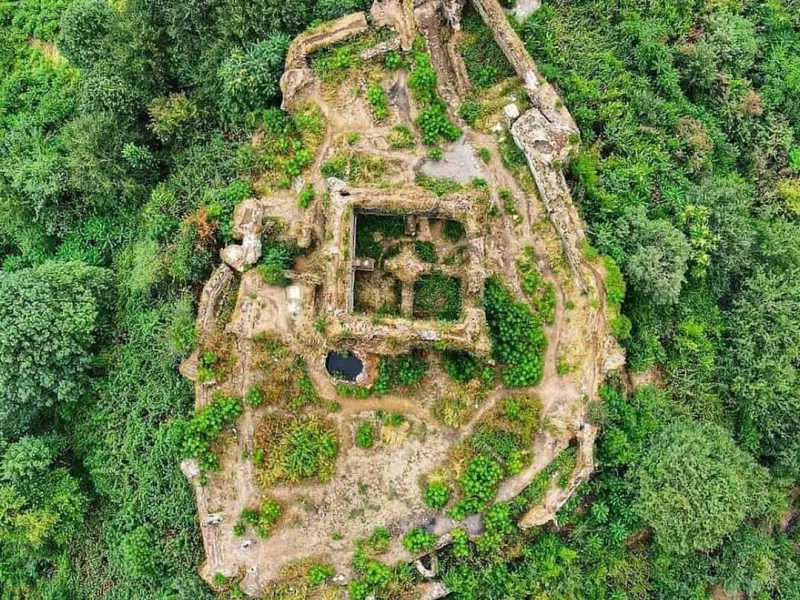
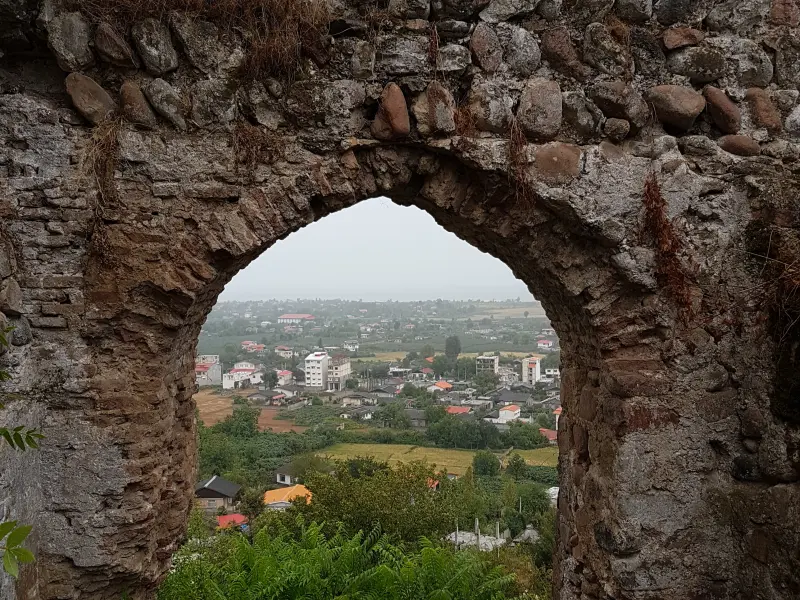
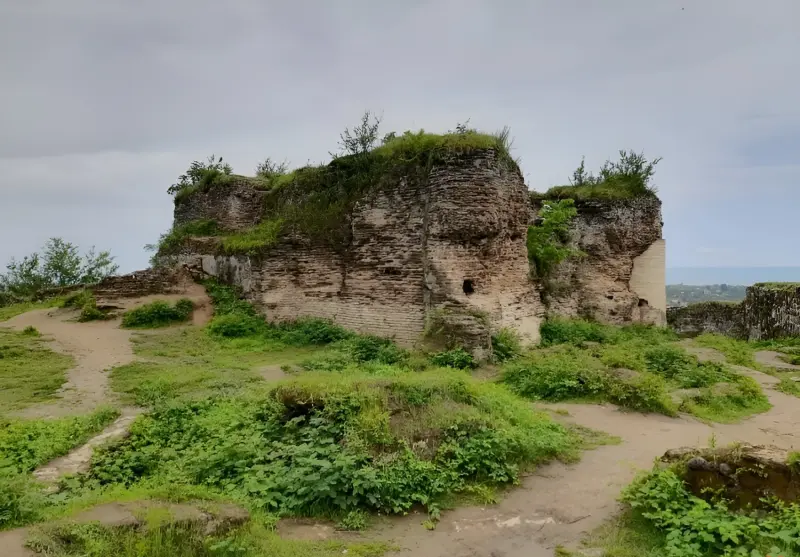
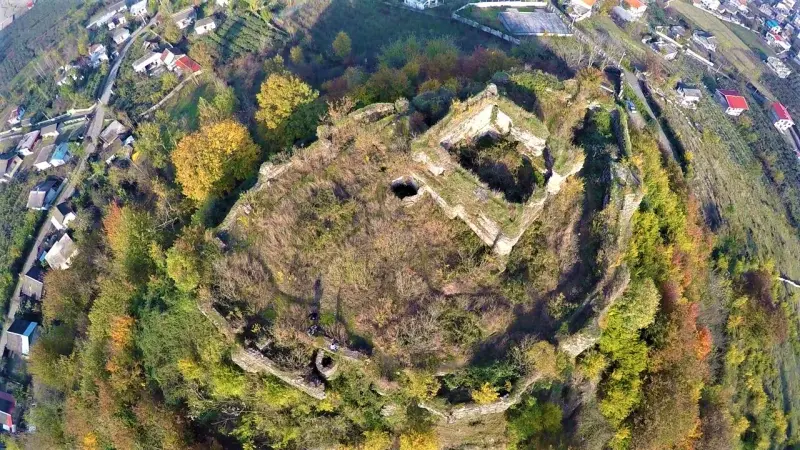
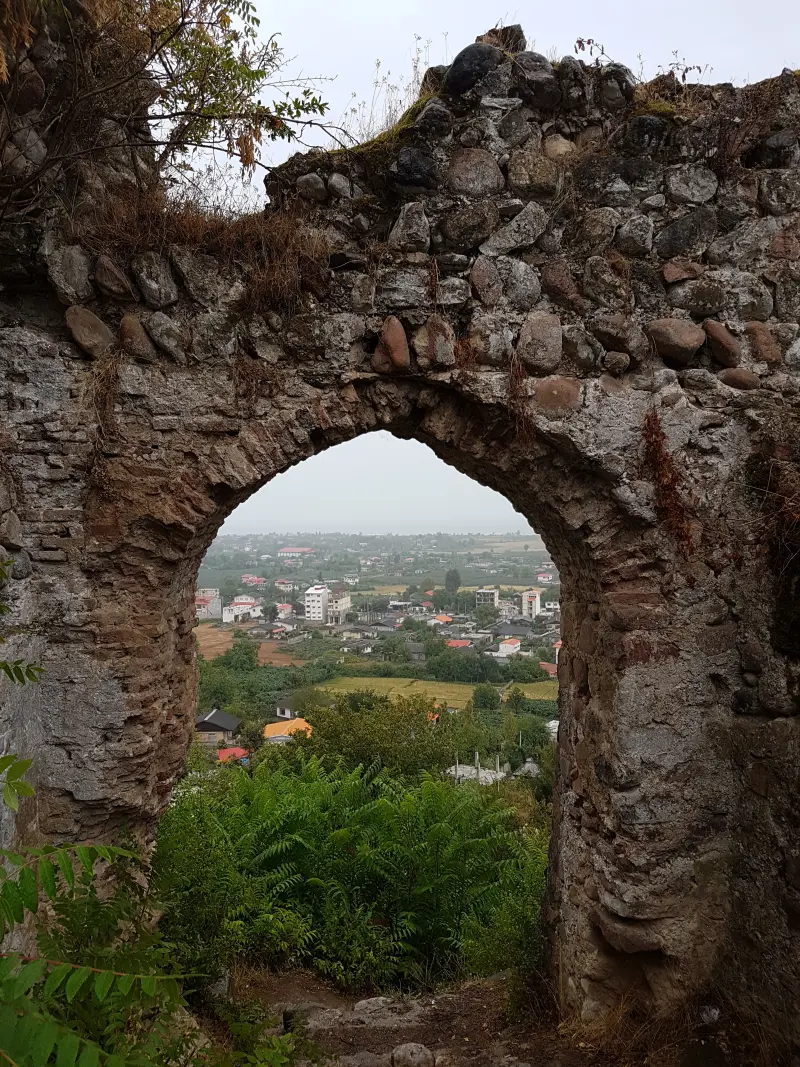
Salsal Castle (also known as Salsal or Lisar Castle) is one of the most important historical monuments in Gilan Province. It is located in Talesh County, in the town of Lisar. The castle stands on a rocky hill near the village of Qaleh Dush, at a height of about 80 to 100 meters above the ground, and is one of the historical fortresses in northern Iran that served military and lookout purposes. Its special geographic position gives it a complete view over the surrounding plains, the wide rice paddies, the forests of Talesh and even parts of the Caspian coastline. Based on archaeological evidence, the monument dates back to the Sasanian period, and more definitively to the Seljuk period. It was registered on Iran's National Heritage List in 1382 (Solar Hijri).
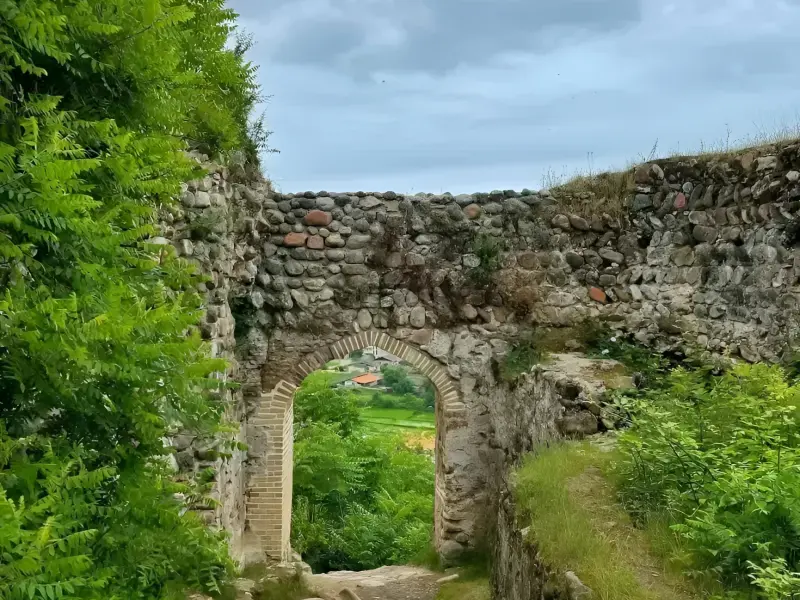
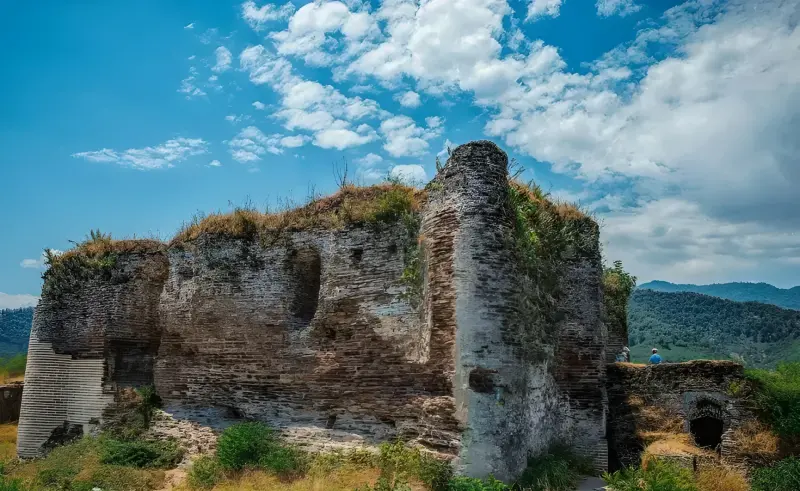
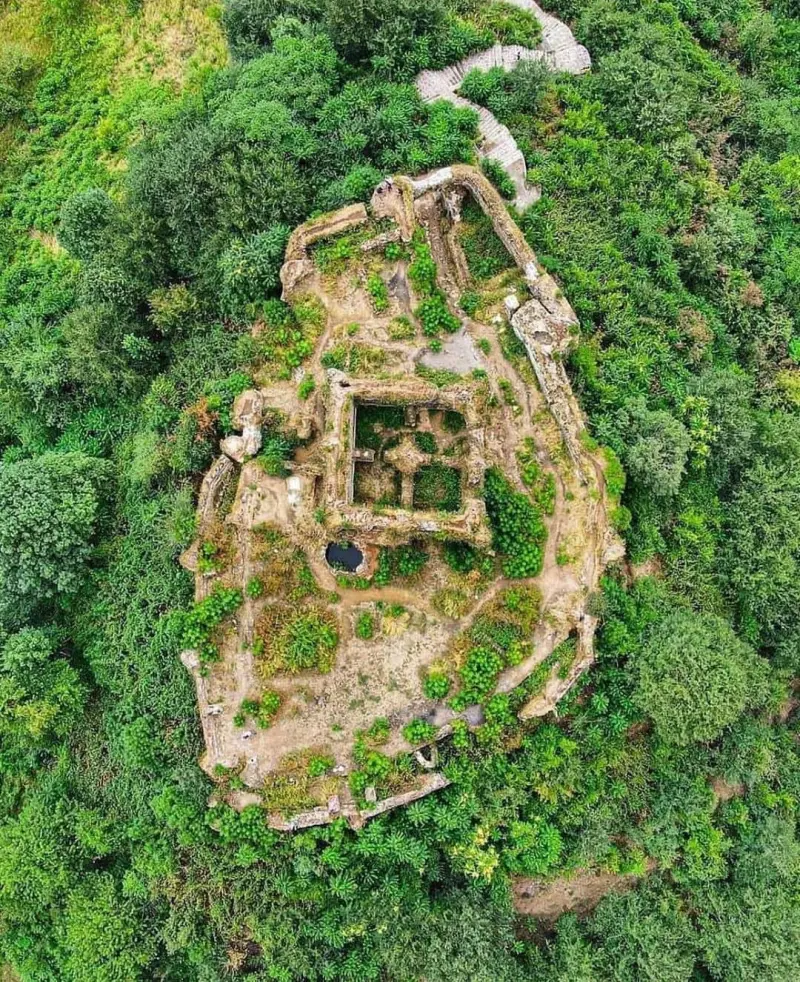
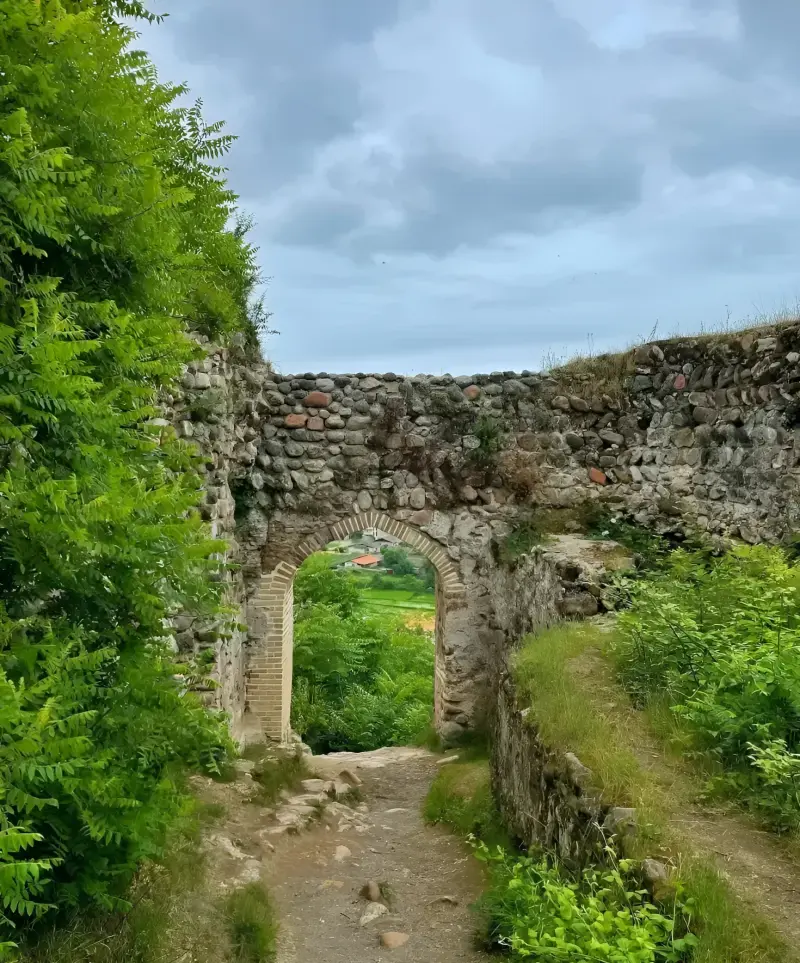
In terms of architecture and function, Salsal Castle was a strong defensive fortress, built to control communication routes and to monitor the surrounding areas. Its structure had inner and outer sections, and today only parts of the stone walls, the remains of the citadel, a water reservoir and a few limited architectural spaces survive. The use of materials such as stone, sarooj (a traditional waterproof mortar) and brick shows the advanced defensive engineering of its time. The water transfer and storage system, which used clay pipes (tanbusheh), is also notable and shows how important securing a water supply was during a siege. Today, in addition to its historical value, the castle is a popular spot for photography and nature tourism because of its wide views and the combination of natural landscapes around it.
The castle is reached via Talesh County and then the town of Lisar, along local roads and routes leading up to the heights above the village of Qaleh Dush. The final part of the route requires a short walk on mountain paths. The best times to visit this historical site are spring, summer and early autumn, when the weather is more stable and the surrounding landscapes are at their most beautiful. Because of the mountainous nature of the area, it is essential to follow the principles of responsible nature tourism, including wearing suitable footwear, avoiding damage to the historical remains and keeping the environment clean, so that this valuable heritage is preserved for future generations.
Written by ستایش عرب Last updated
Activities
What you can do here, and what it takes
-
Walking
مسیر دسترسی به قلعه و شیبهای اطراف آن برای پیادهروی سبک و کوهپیمایی کوتاه مناسب است.
Specifications
Introduction of the location and specifications of Salsal Castle
Construction Period:
Sasanian
Location:
Gilan, Lisar
Coordinates:
37.94903696, 48.90338659
Open in maps
Height above mean sea:
100 meter
Floras:
Humid Subtropical Forest
Faunas:
Presence of Predatory Animals, Presence of Herbivorous Animals
Transports:
Private car, Walking, Minibus, Bus
Tourist Attractions in Lisar
Attractions that are nearby



Bonun Village
Province Gilan
- Walking
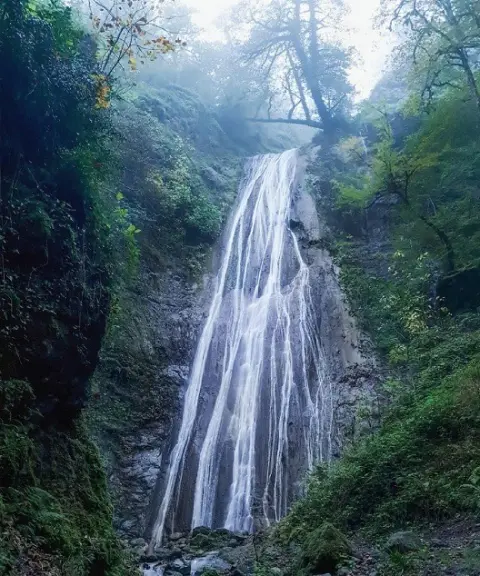
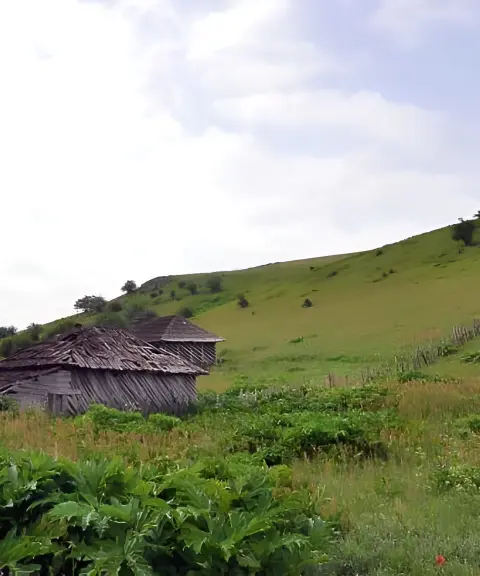
A mountain village in the heart of the Hyrcanian forests of Talesh


Shekar Dasht
Province Gilan
- Walking
- Mountaineering
- Fishing
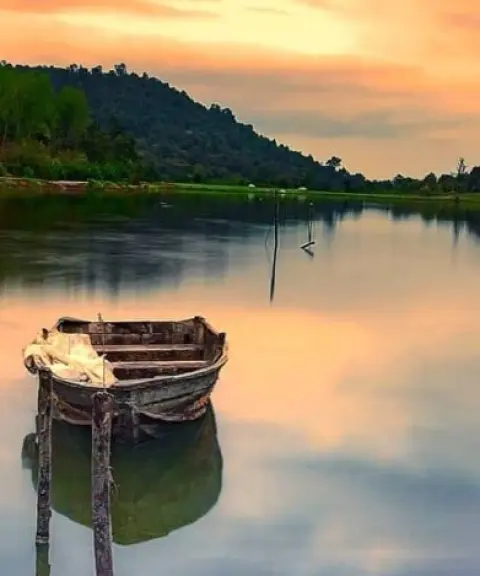
The Bride of the Talesh Highland Pastures
Related tags:
Unfortunately, no comments have been registered.