
 Attractions
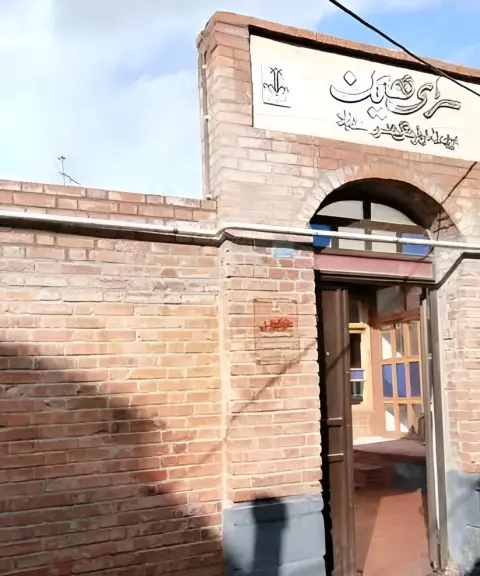
Mahabad Museum of Cultural and Artistic Luminaries (Saray-e Hemin)
Province West Azerbaijan
- Walking
A Safavid-era landmark in Mahabad
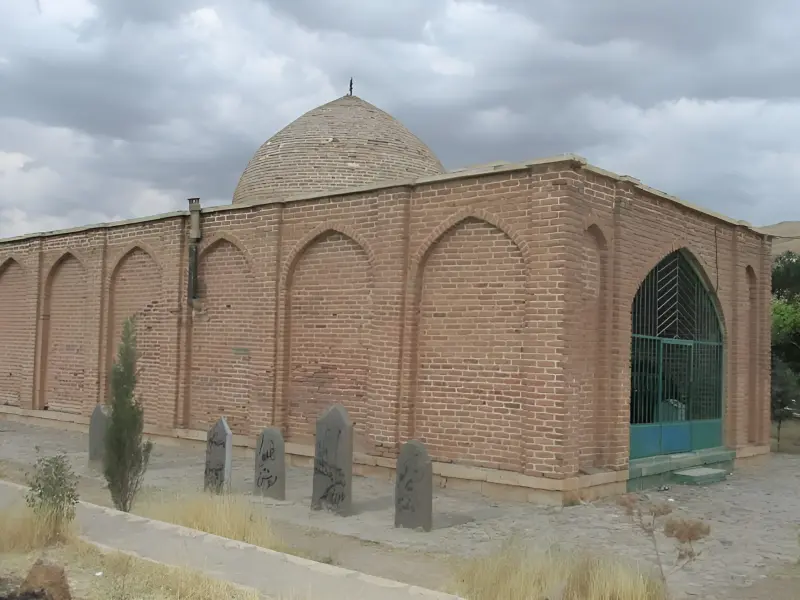
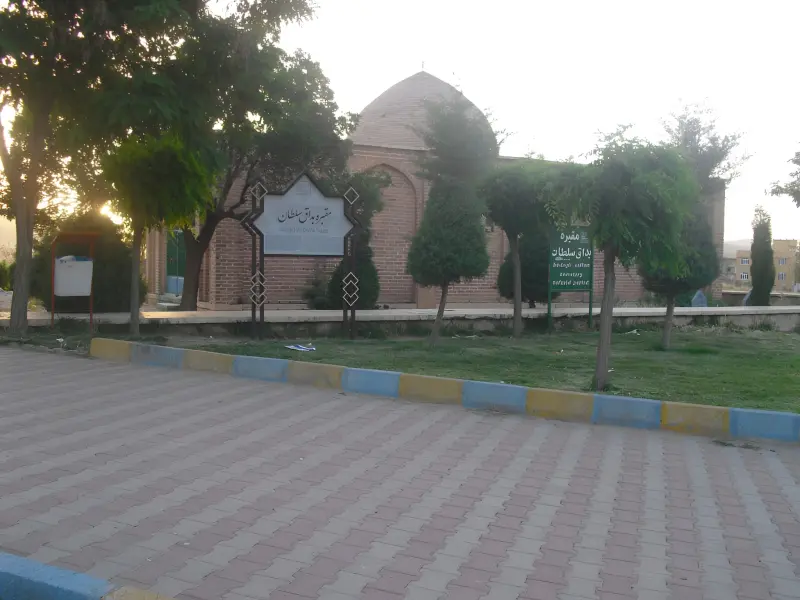
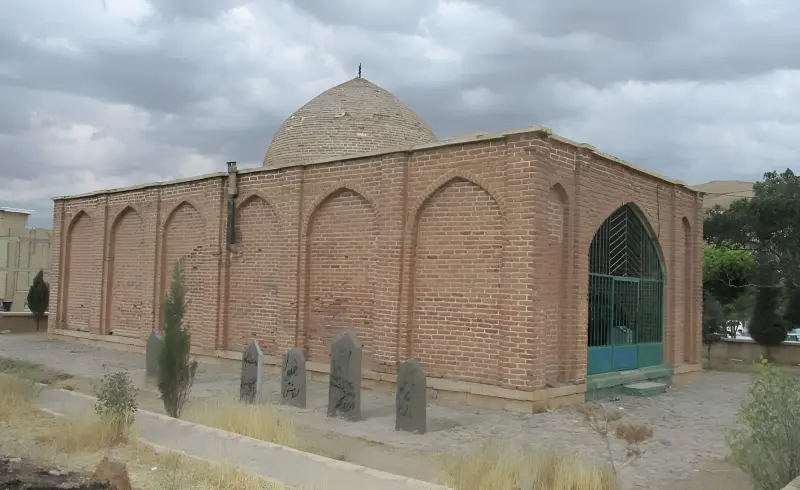
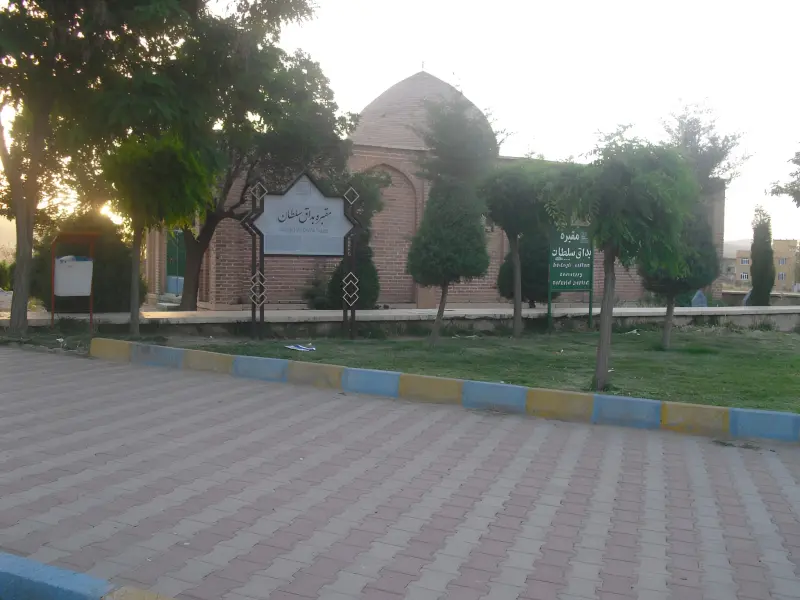
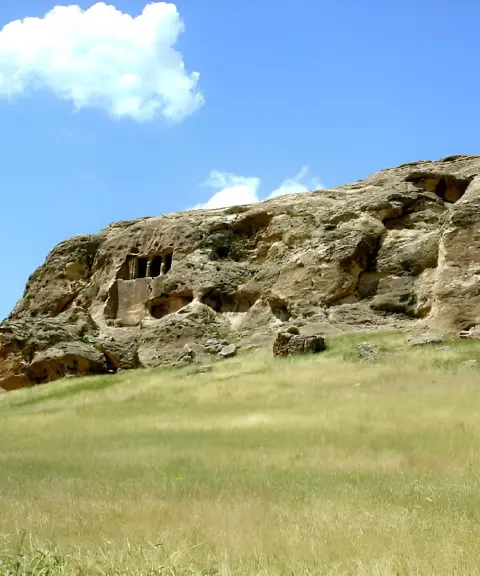
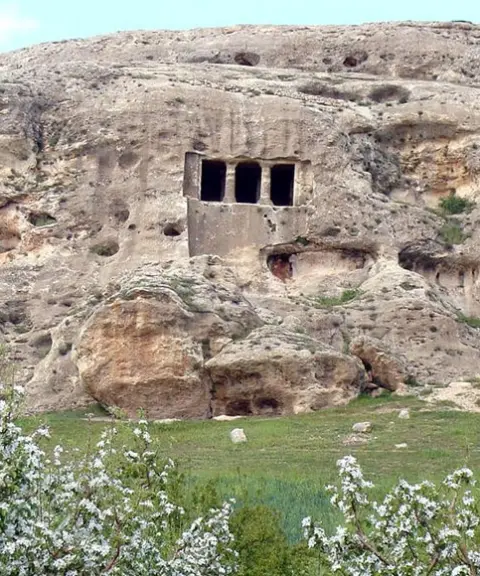
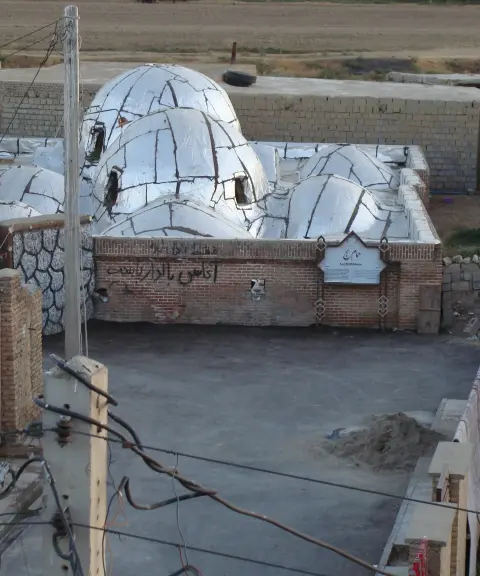
The Badaq Sultan Mausoleum is one of the most important historical monuments in the city of Mahabad, in West Azerbaijan Province. It dates back to the Safavid period and is registered on Iran's National Heritage List. The tomb stands in the southwest of Mahabad, on a historic hill within the old cemetery known as "Gombezan" or "Gonbadan". Badaq Sultan, the son of Shirkhan and a descendant of Sarem Beg Mokri, was one of Mahabad's well-regarded rulers in the Safavid era. He was greatly respected and loved by the local people for his efforts to develop the city and for his kind treatment of its residents. It is said that many of Mahabad's important historical buildings were constructed during his rule, and for this reason his tomb has become one of the best-known historical attractions of the city today.
Built in the distinctive architectural style of the Safavid period, the mausoleum is made of square red bricks, sand-and-lime mortar and a stone foundation. Its structure consists of three parts: a northern section, a southern section and a domed central space. The main dome rises about six metres above the central space, and on either side of the building there are symmetrical arched recesses and entrances, which are hallmarks of Safavid architecture. The mausoleum has two main parts: an entrance area and a central chamber that contains the grave of Badaq Sultan. Around the building there are also other graves belonging to relatives of the Mokri family. One interesting feature of the site is the small holes in the brick walls. Local people believe that if you place a stone in one of these holes while making a wish, and the stone stays in place, your wish will come true. Although the interior of the building is now closed to the public, its exterior and historic grounds continue to attract tourists and history enthusiasts.
To visit the Badaq Sultan Mausoleum, head to the city of Mahabad and follow Nobovvat Street towards the neighbourhoods of Estaqlal Square and Bagh-e Shayegan. The route to the mausoleum is entirely within the city and easy to follow, and it can be visited in every season, although spring and early autumn are better times to go thanks to the mild weather and the greenery around the tomb. While visiting this historic complex, tourists should refrain from damaging the walls, writing graffiti and harming any historic parts of the building, so that this valuable Safavid monument can be preserved for future generations.
Written by زهرا لنگری Last updated
What you can do here, and what it takes
محوطه اطراف آرامگاه و فضای تاریخی پیرامون آن برای پیادهروی سبک و گردش شهری مناسب است.
Province West Azerbaijan
Province West Azerbaijan
Province West Azerbaijan
Province West Azerbaijan
Province West Azerbaijan
Province West Azerbaijan
Province West Azerbaijan


Unfortunately, no comments have been registered.