
 Attractions
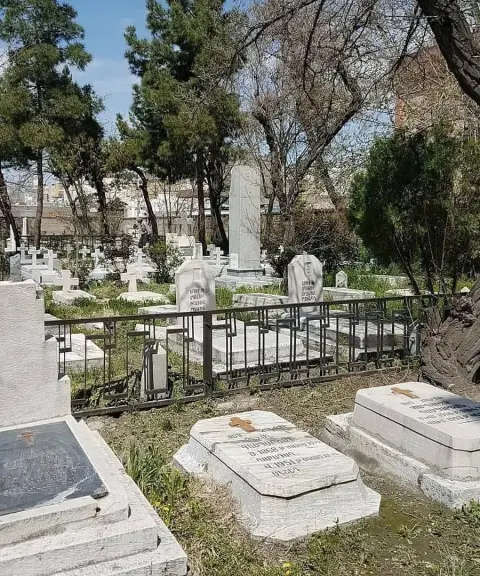
Armenian Cemetery of Mashhad
Province Razavi Khorasan
- Walking
A magnificent Safavid masterpiece in northern Mashhad
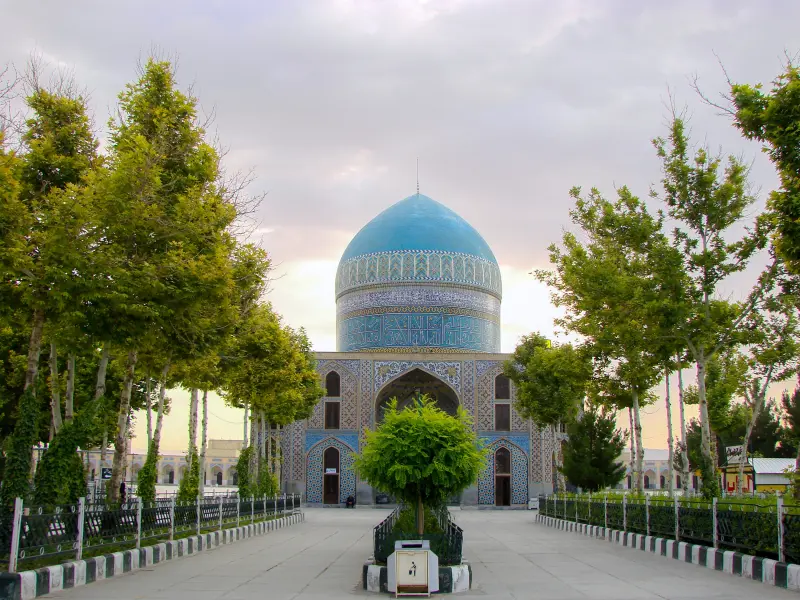
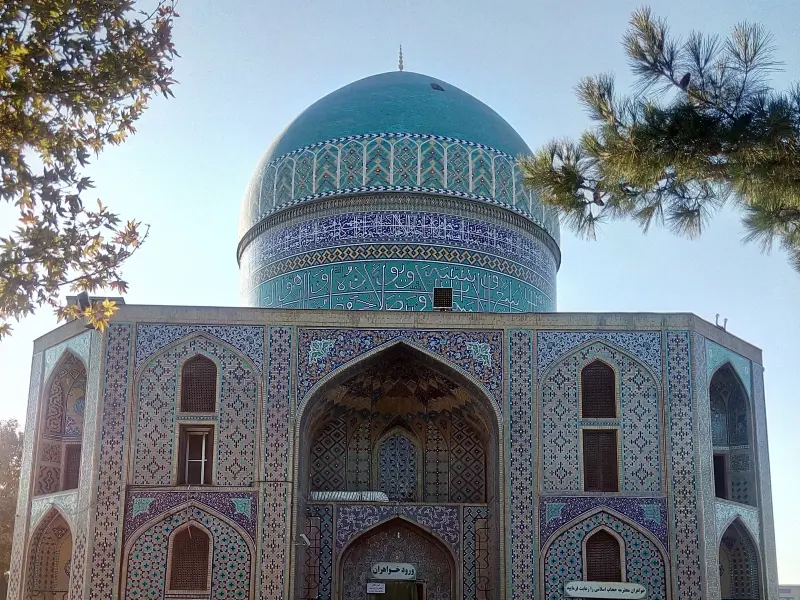
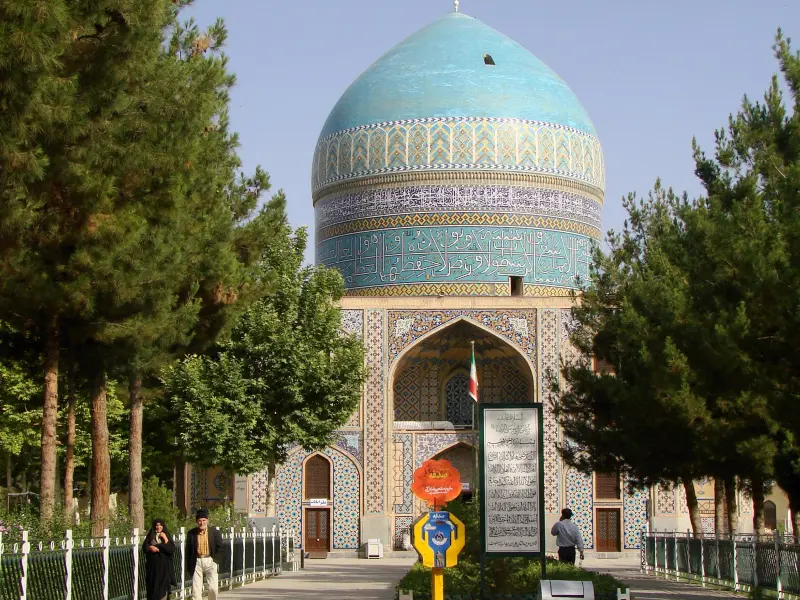
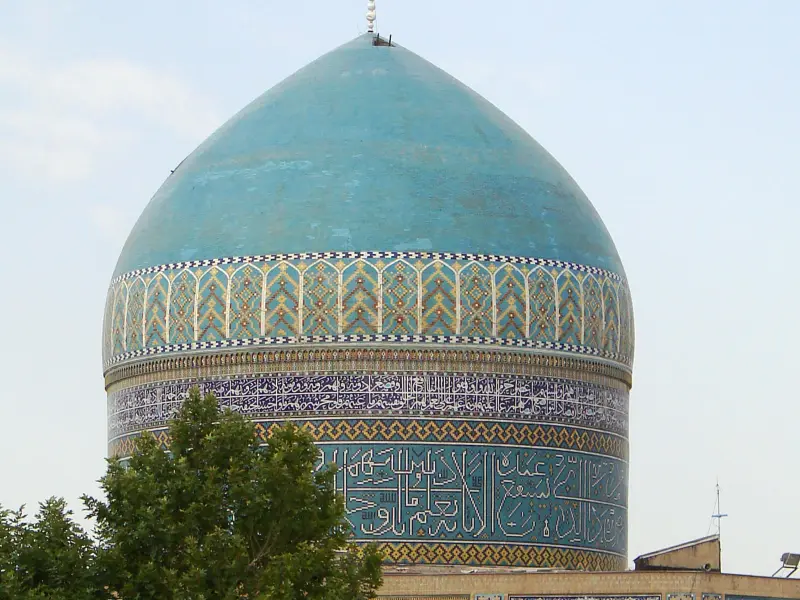
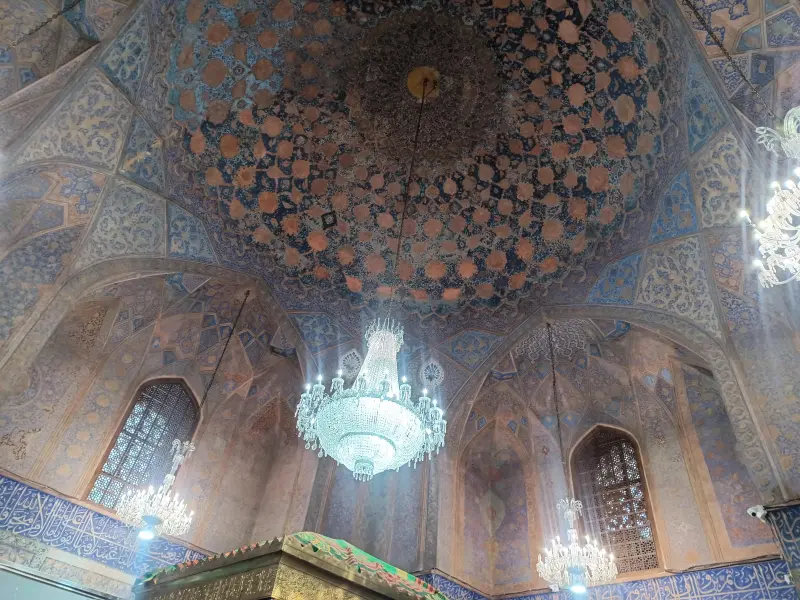
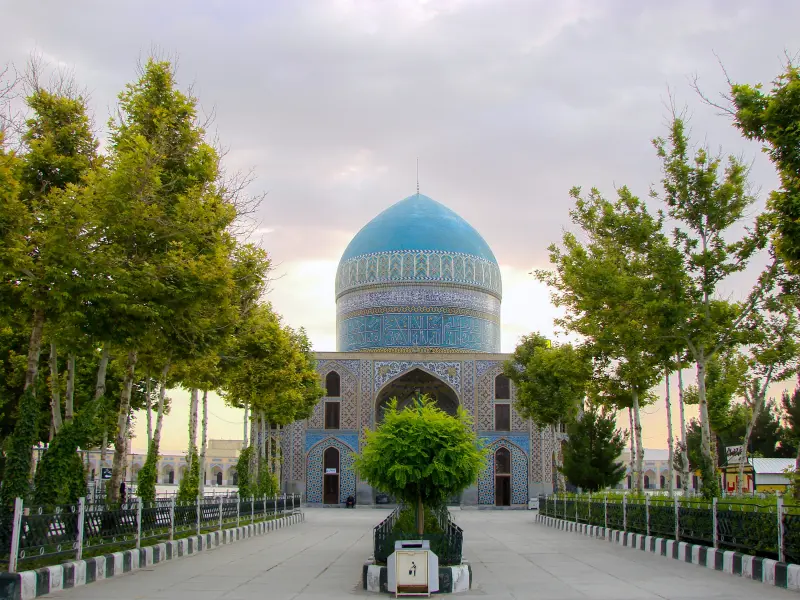
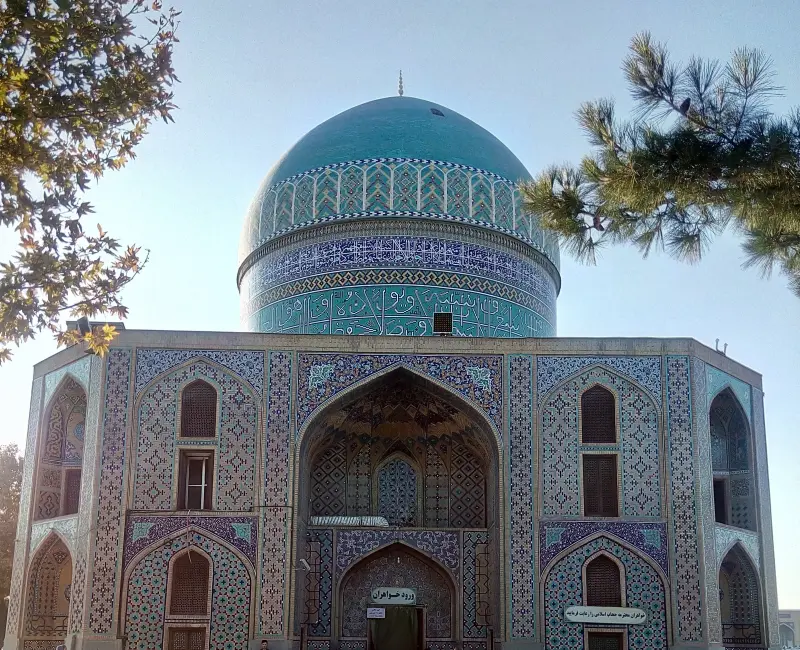
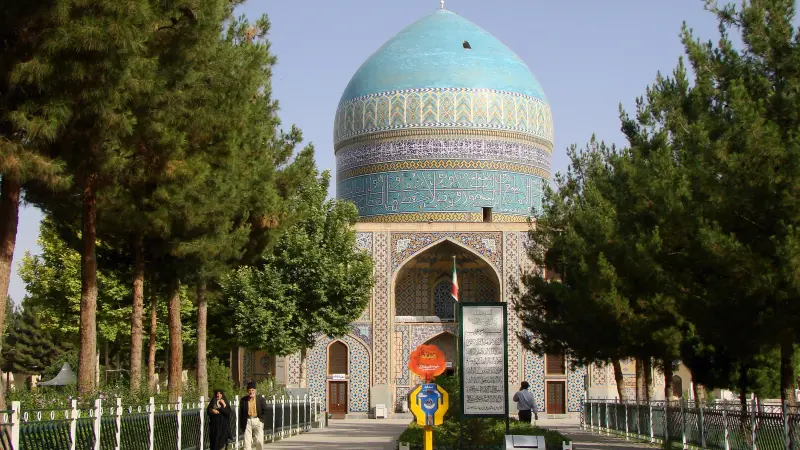
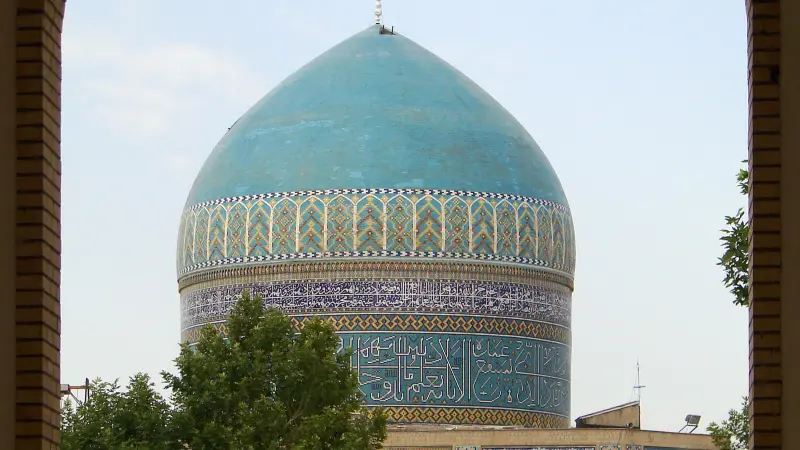
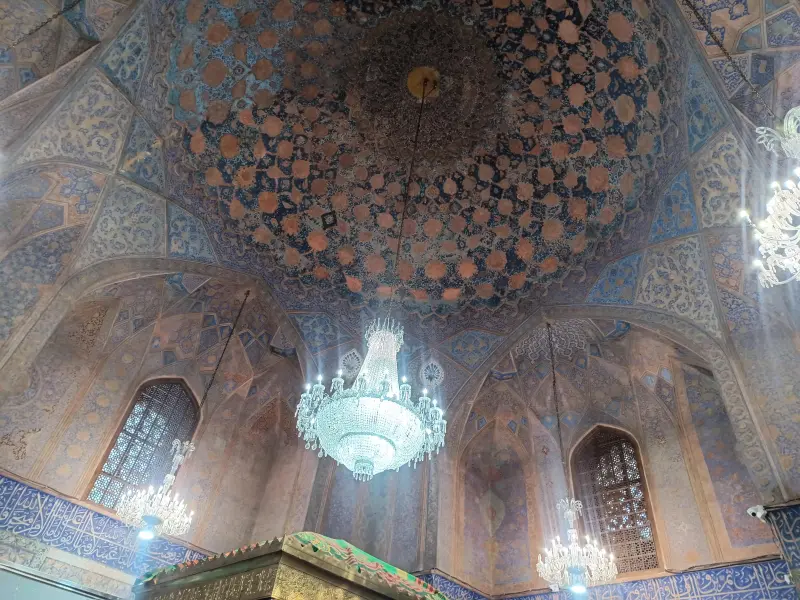
The Tomb of Khajeh Rabi is one of the most important historical and pilgrimage sites in Mashhad, in Razavi Khorasan Province. It stands at the end of Khajeh Rabi Street, in a large, pleasant garden in the Hosseinabad-e Khajeh Rabi area. The monument was registered as a national heritage site of Iran on 15 Dey 1310 (Solar Hijri) under registration number 142, and from then until today it has been regarded as one of Mashhad's important and well-known pilgrimage sites. The present building was constructed on the order of Shah Abbas Safavid and on the advice of Sheikh Bahai, in the first half of the 11th century AH (lunar Hijri), between 1026 and 1031 AH, under the supervision of Mirza Aflagh, one of the Razavi Sayyids of Mashhad.
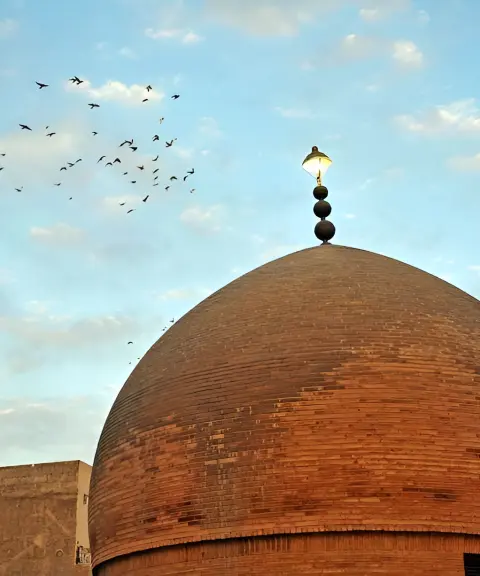
Architecturally, the building is regarded as one of the most distinctive examples of Safavid-era art. It was designed with an octagonal exterior plan and an interior four-iwan layout. Its turquoise double-shell dome, about 18 metres high, gives the complex a striking appearance. The interior is decorated with gilded paintings, mosaic tilework, arabesque motifs and valuable inscriptions in the calligraphy of Alireza Abbasi. Two historical inscriptions dated 1026 and 1031 AH are not only of artistic value but also important documents of when the monument was built and decorated. Together with the surrounding garden and the cemetery grounds around it, the complex gives the area a special cultural and historical identity. Khajeh Rabi, whose real name was Rabi ibn Khuthaym, was a renowned Tabi'i (a member of the generation after the Prophet's companions) and was said to belong to the Banu Asad tribe and to have lived in Kufa. In the last years of his life he migrated to Noghan, the centre of the Tus district, and died in 63 AH (61 AH according to one account). Since the earliest centuries, his tomb has been held in respect by people as a place of pilgrimage, and over more than fourteen centuries it has always kept its spiritual standing.
The garden around the tomb, known today as "Hosseinabad-e Khajeh Rabi", is part of the complex's endowments (waqf), and in the modern era it is managed by Astan Quds Razavi. The garden is also one of Mashhad's important cemeteries, and some historical figures, such as Fath-Ali Khan Qajar, are buried there. The tomb of Khajeh Rabi is easy to reach via the highways and routes in the north of Mashhad, and the complex lies at the end of Khajeh Rabi Boulevard. The best times to visit are spring and autumn, when the surrounding garden is at its most beautiful and the weather is milder. When visiting this historical and religious monument, it is very important to follow the principles of responsible tourism, including keeping quiet, respecting the pilgrimage atmosphere, avoiding damage to the building and grounds, and keeping the site clean, all of which helps preserve its historical and spiritual value.
Written by زهرا لنگری Last updated
What you can do here, and what it takes
گردش در باغ وسیع و فضای سبز اطراف آرامگاه برای پیادهروی آرام و سبک مناسب است.
Province Razavi Khorasan
Province Razavi Khorasan
Province Razavi Khorasan
Province Razavi Khorasan
Province Razavi Khorasan
Province Razavi Khorasan
Province Razavi Khorasan
Unfortunately, no comments have been registered.