
 Attractions
Historic Fabric of Yazd
A masterpiece of architecture and sustainable living in the heart of the desert
- Attractions
- Yazd, Yazd
- Altitude 1,210 m
- Ability level Beginner
Ability level:
Beginner
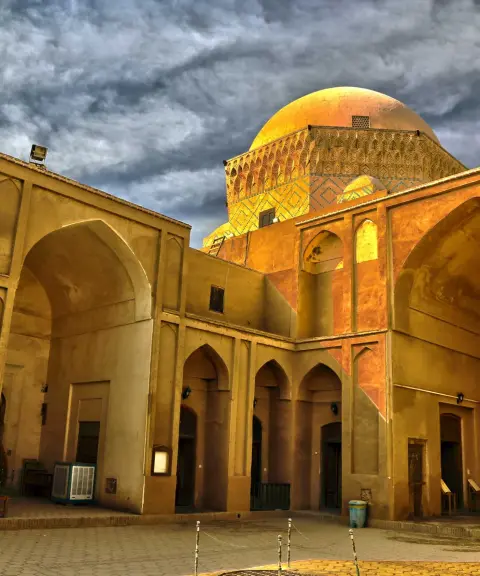
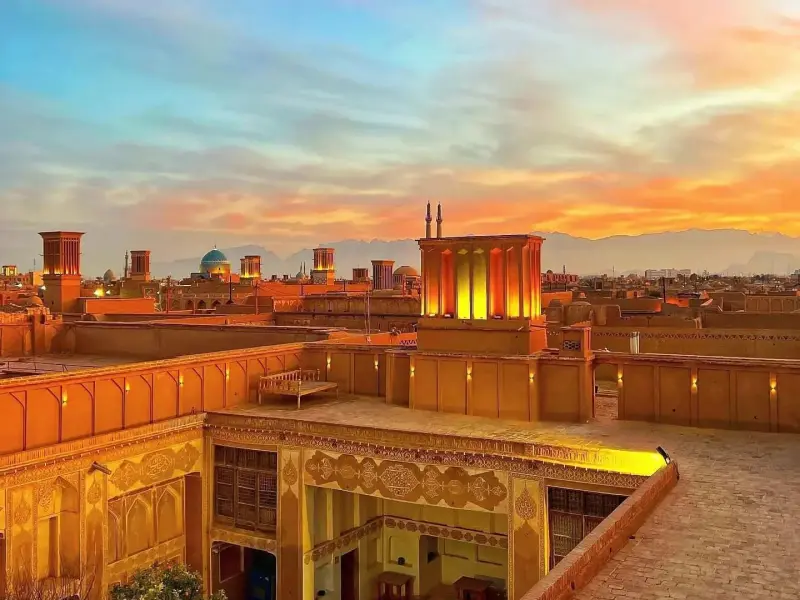
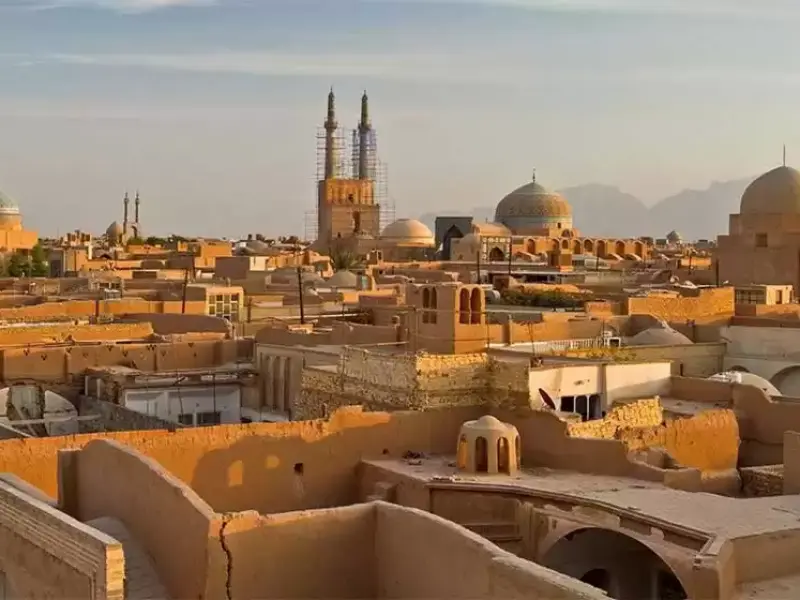
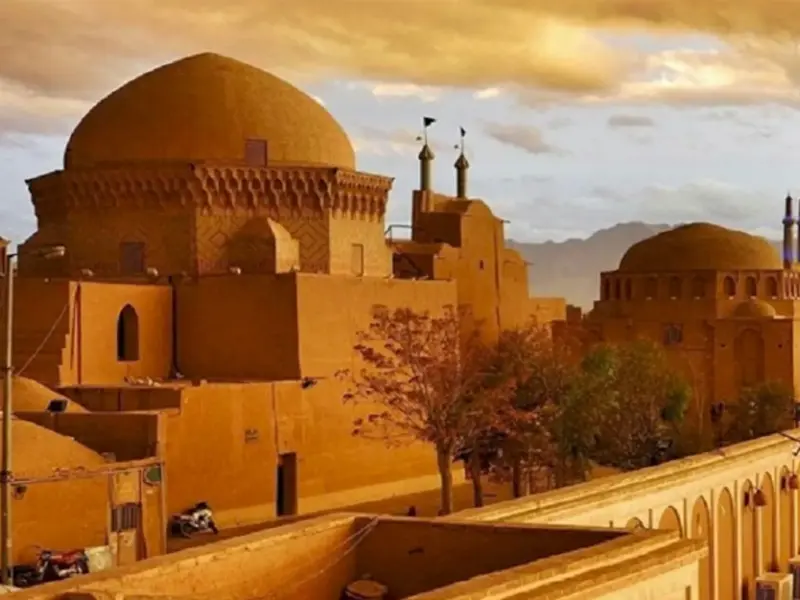
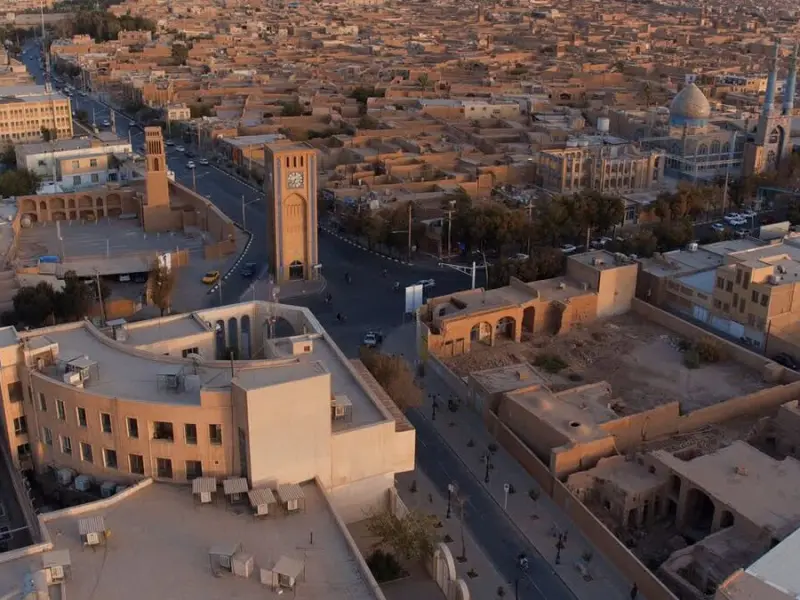
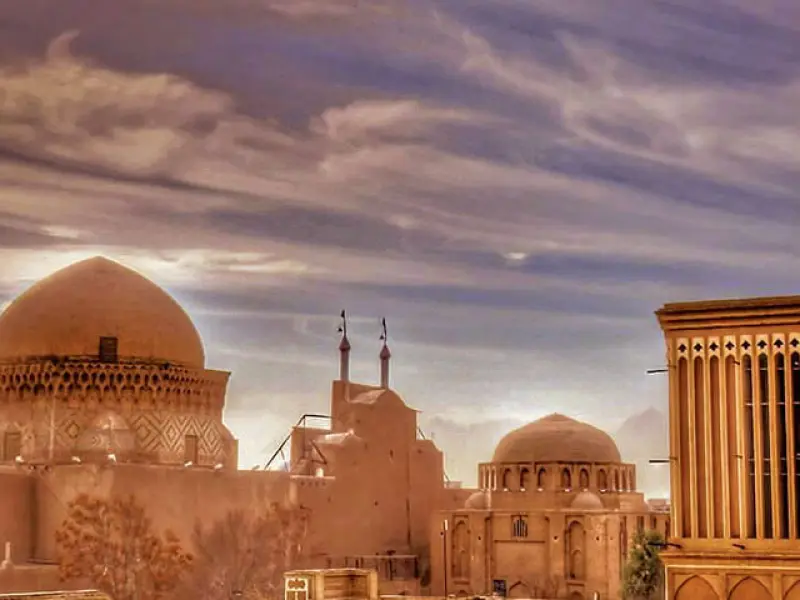
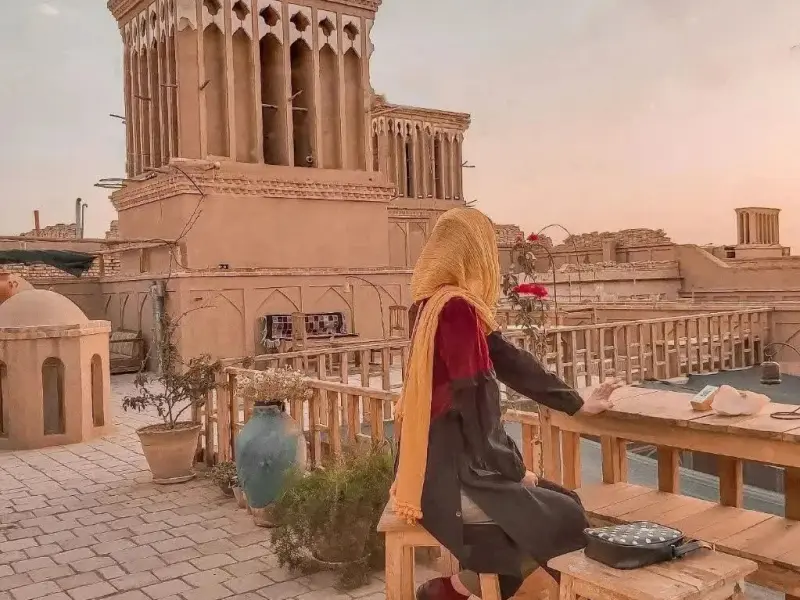
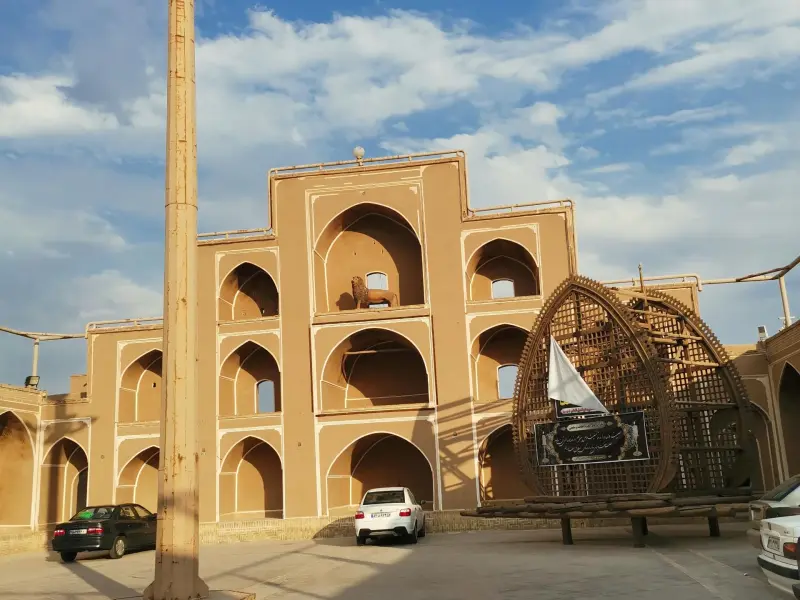
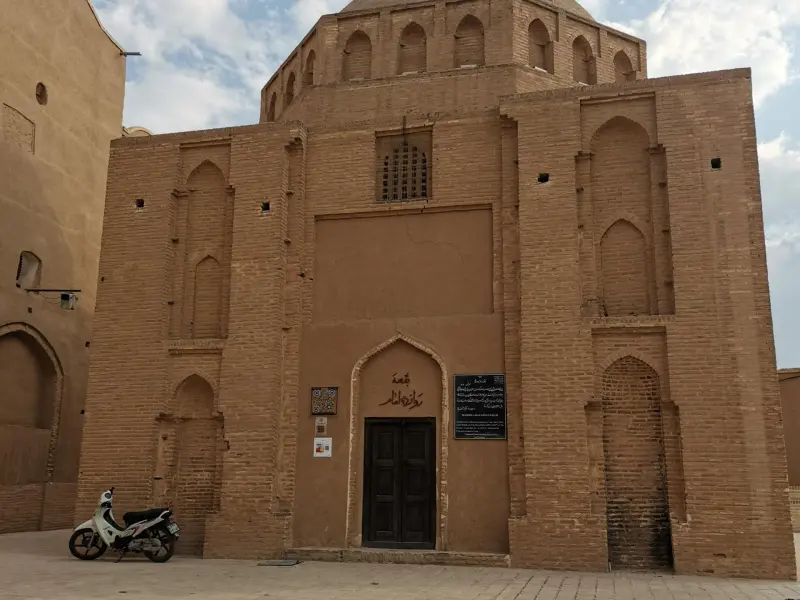
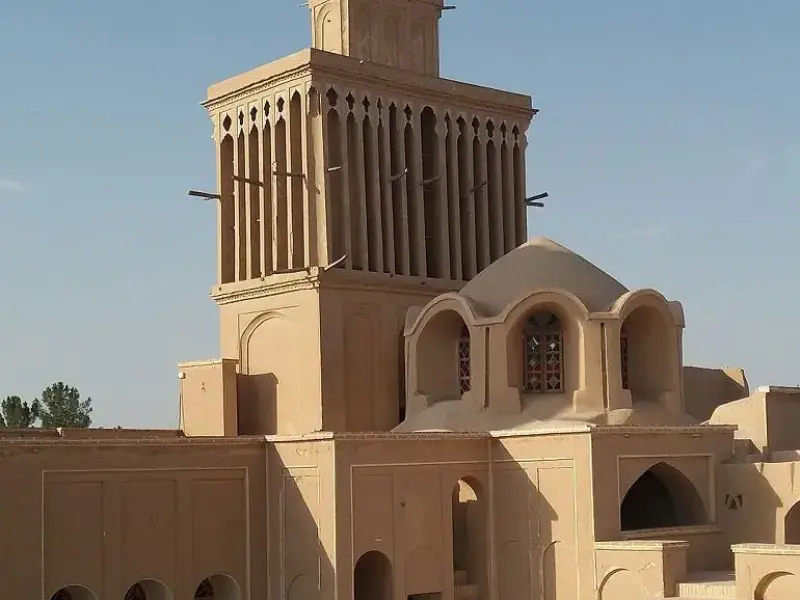
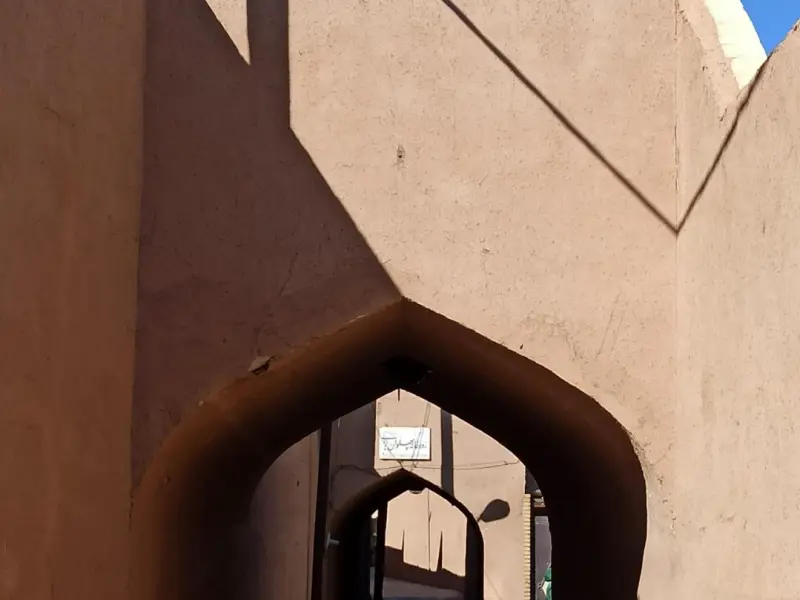
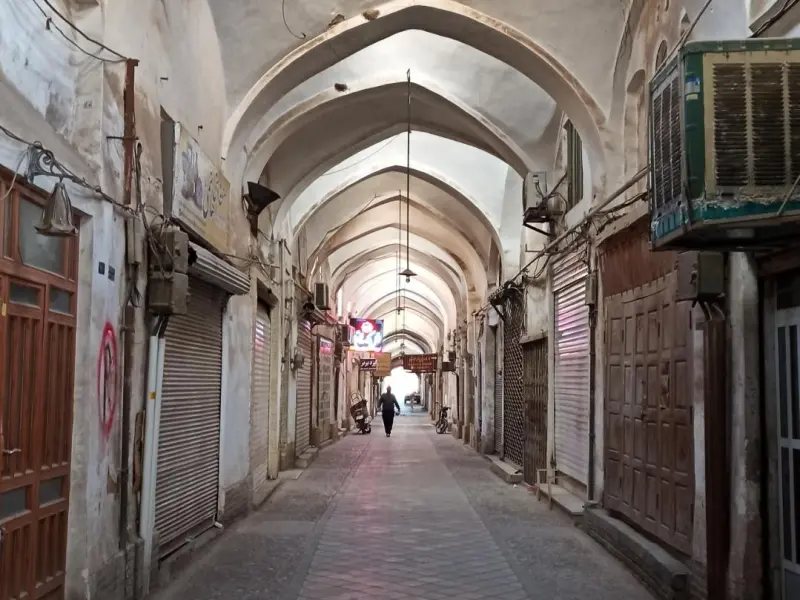
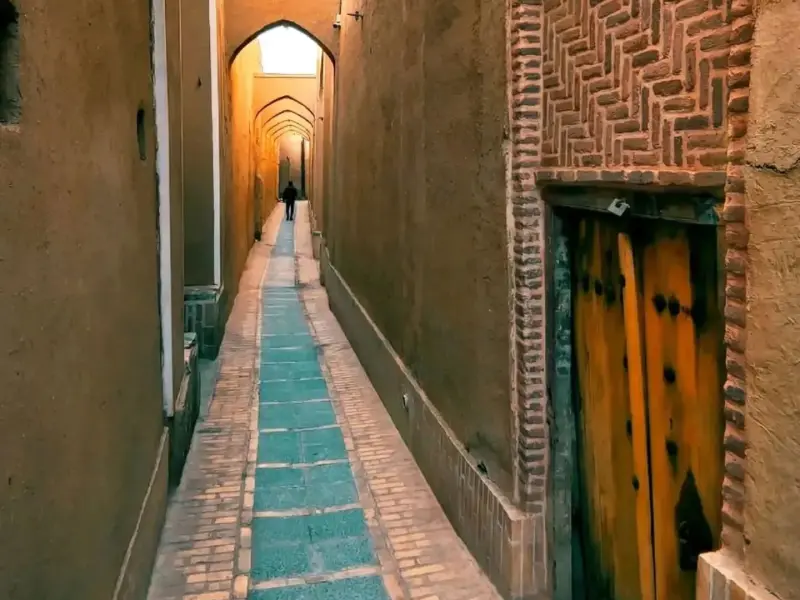
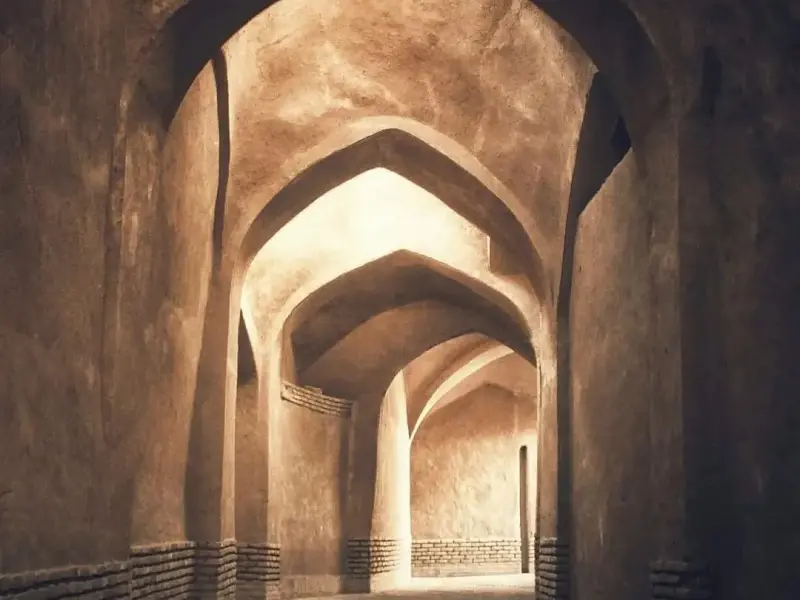
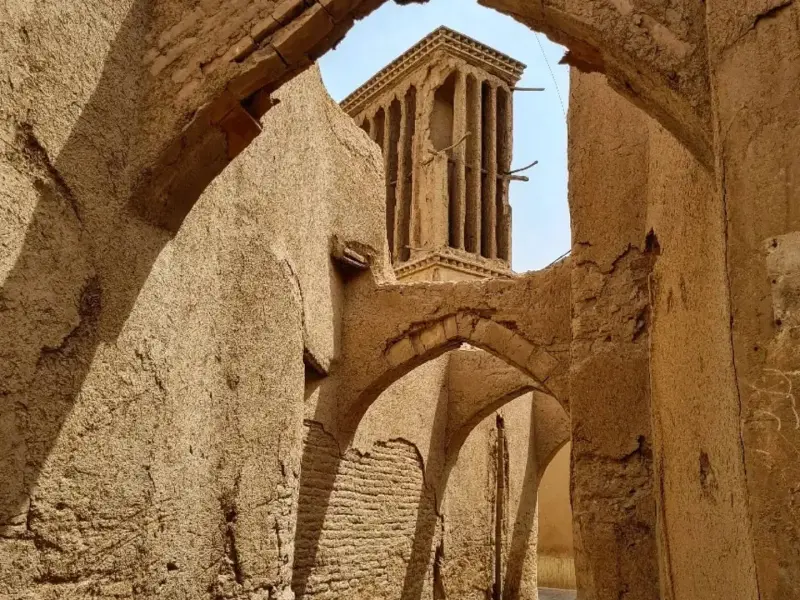
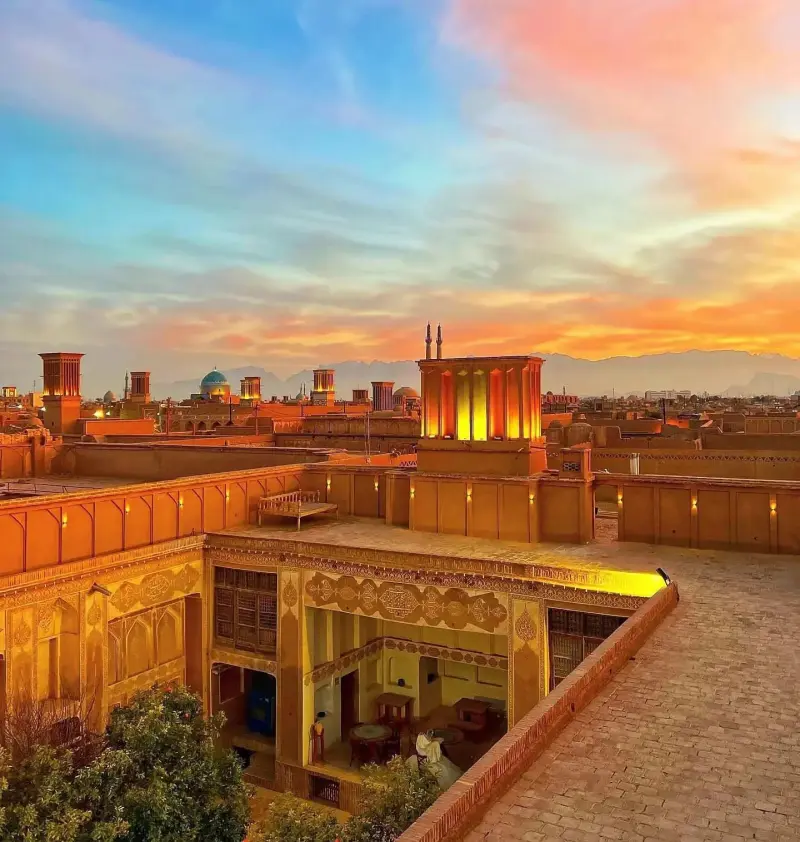
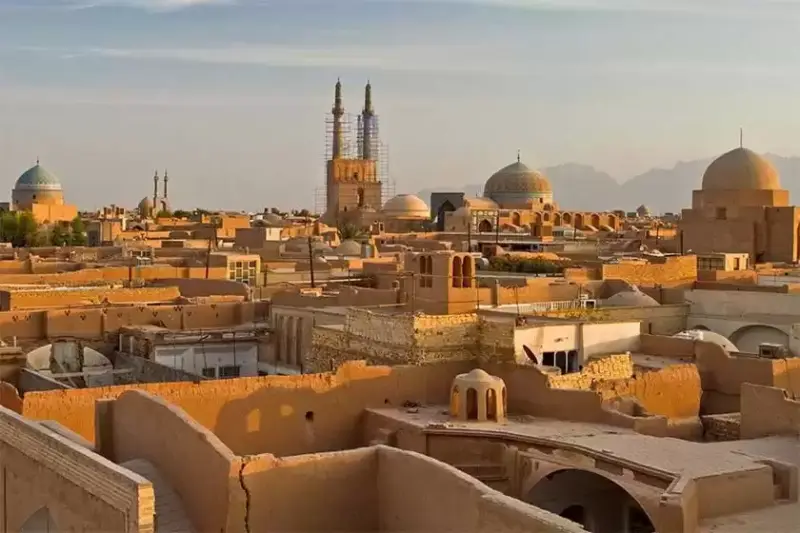
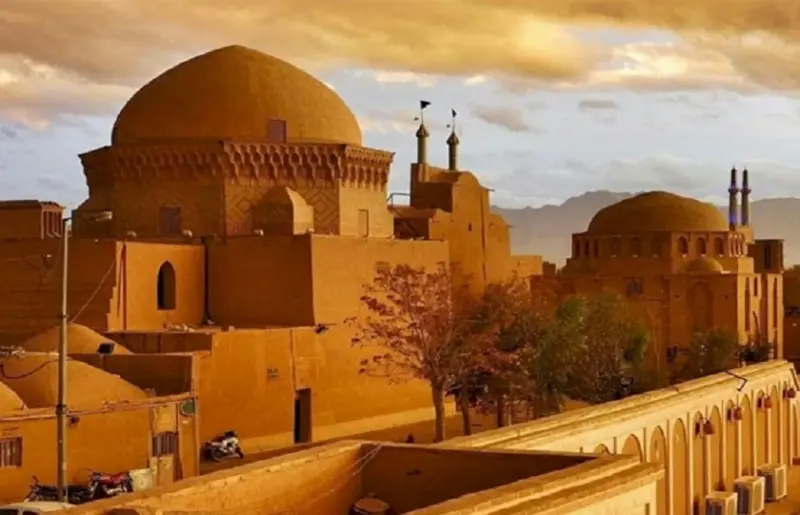
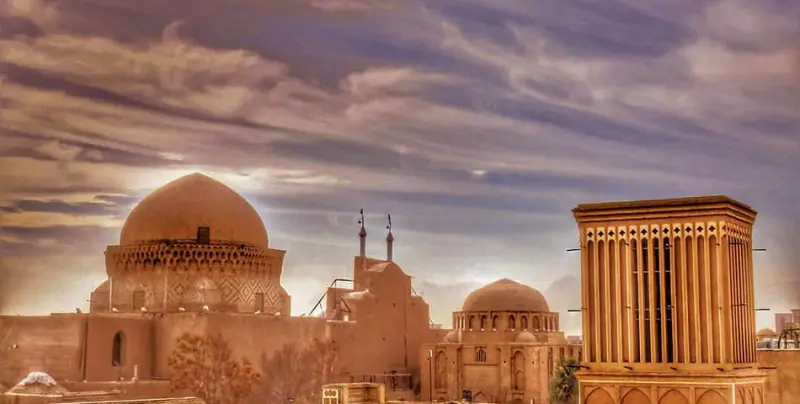
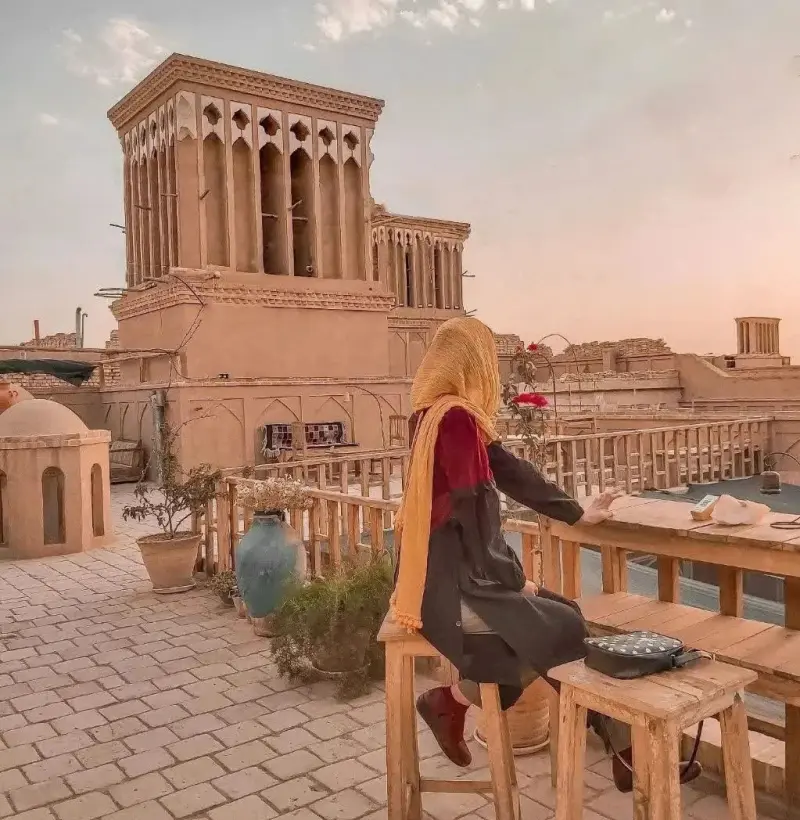
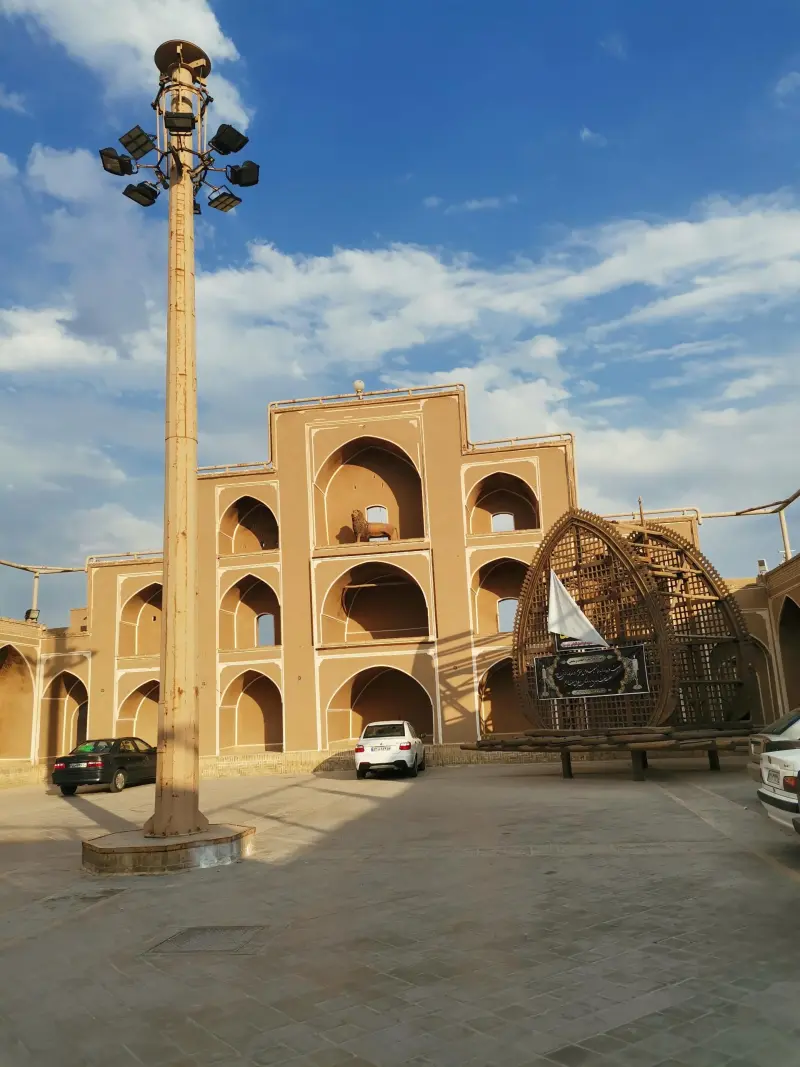
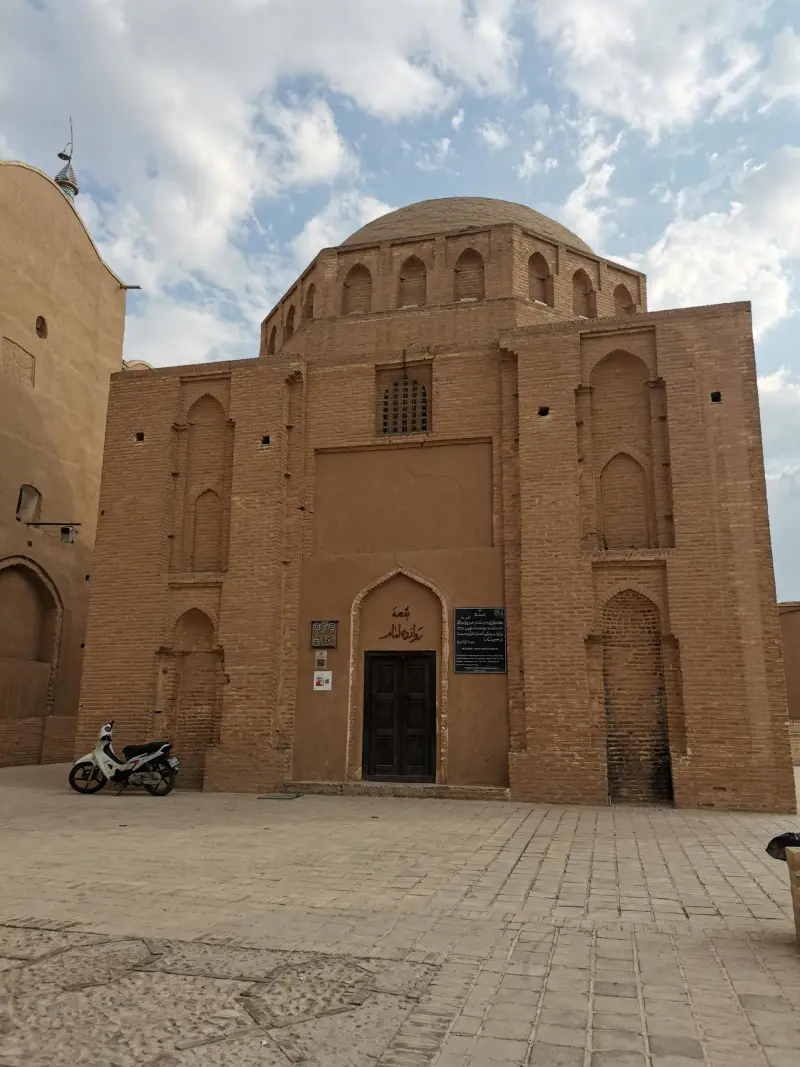
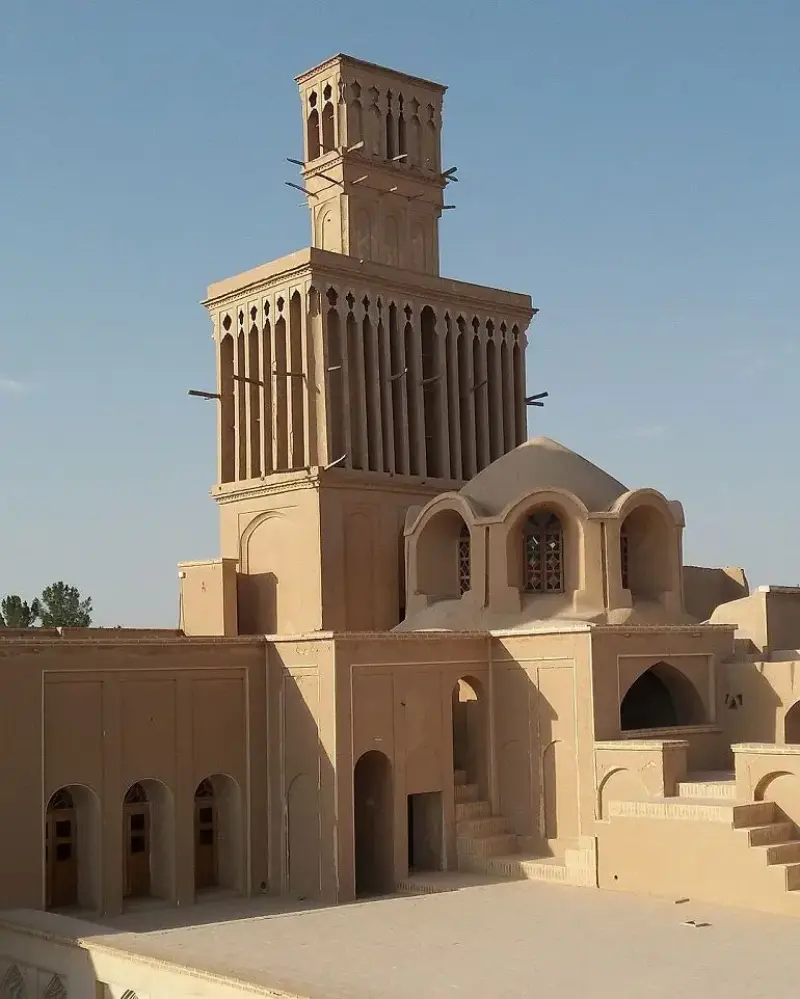
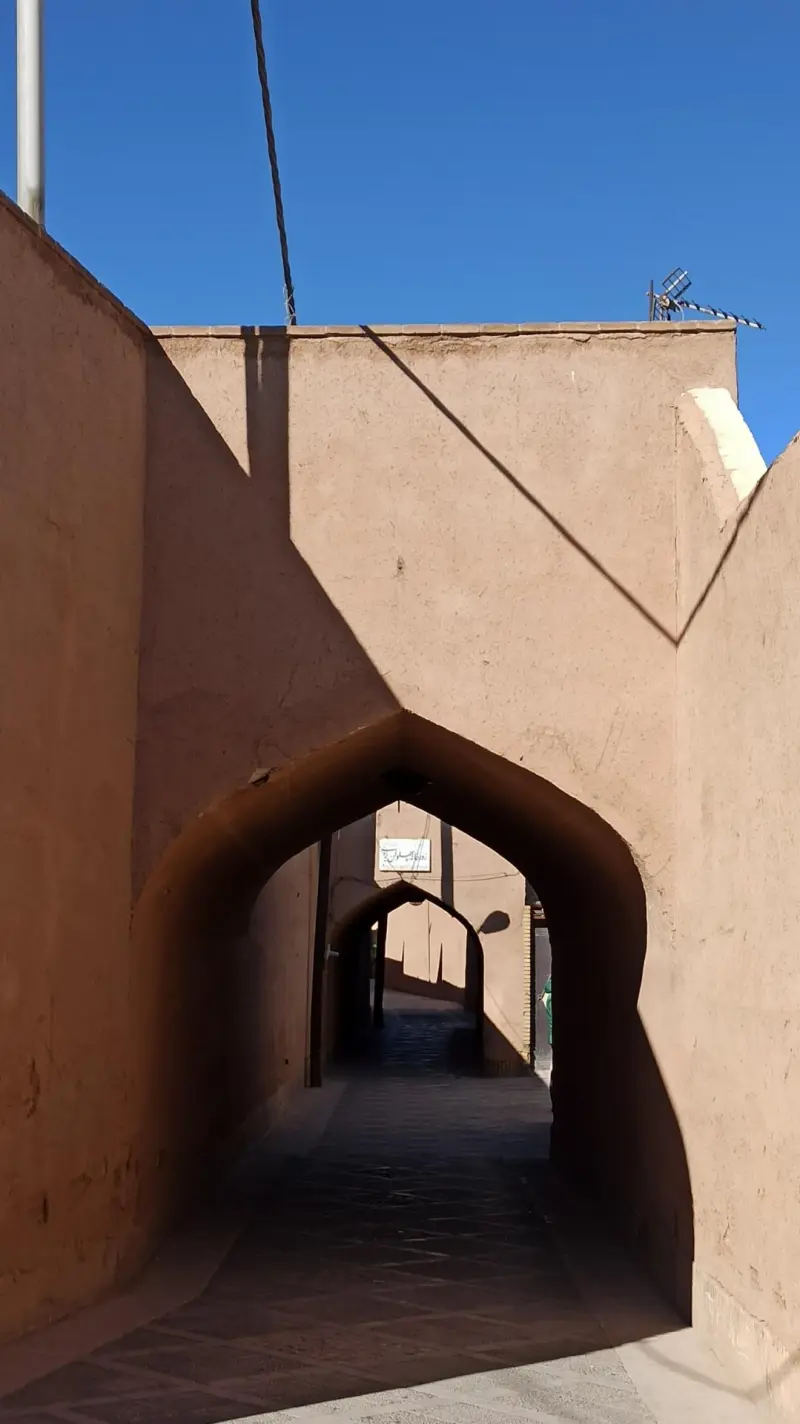
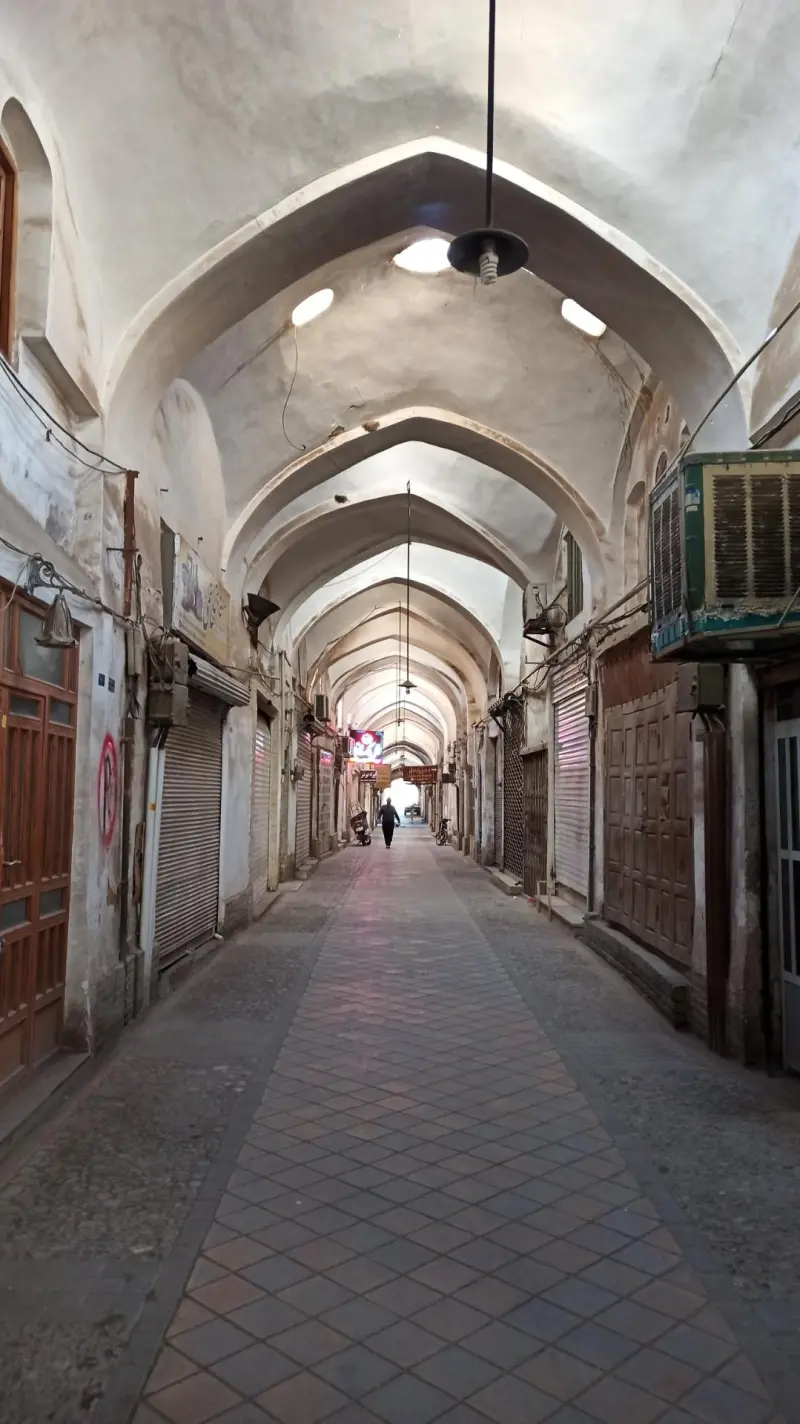
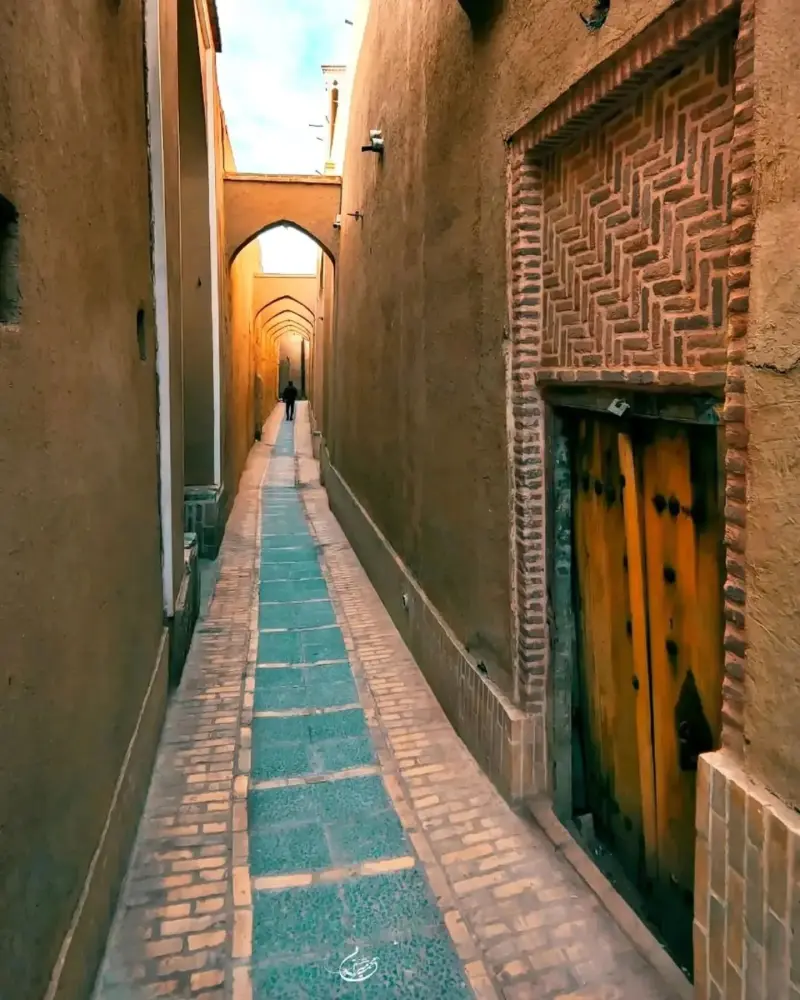
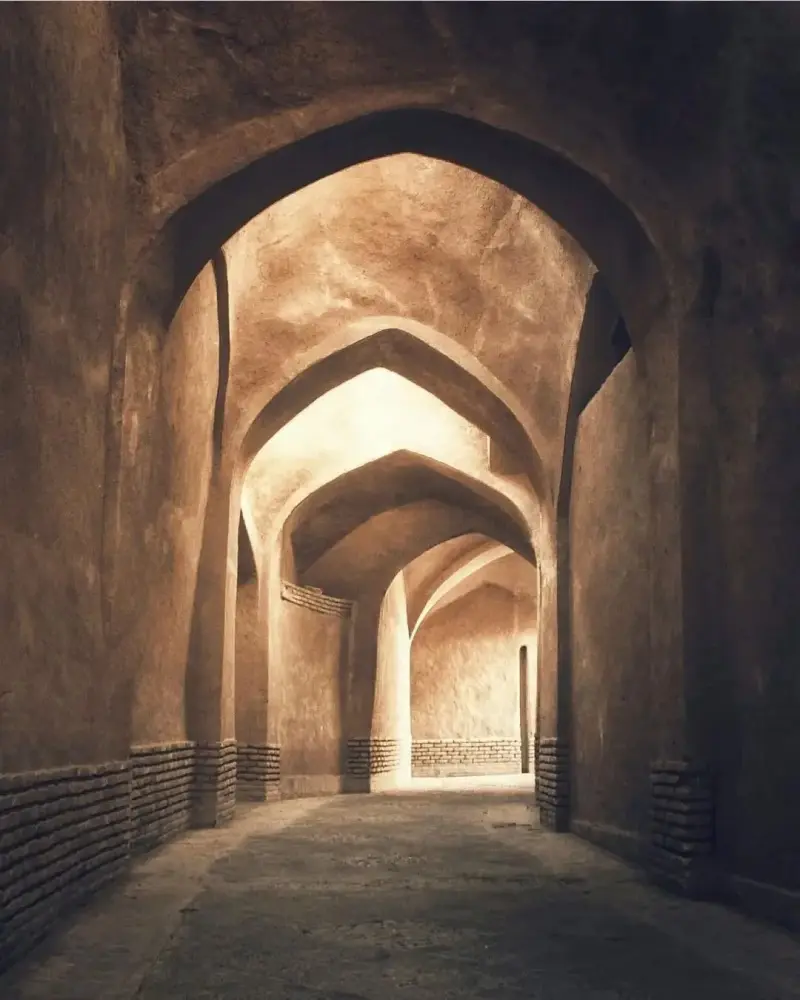
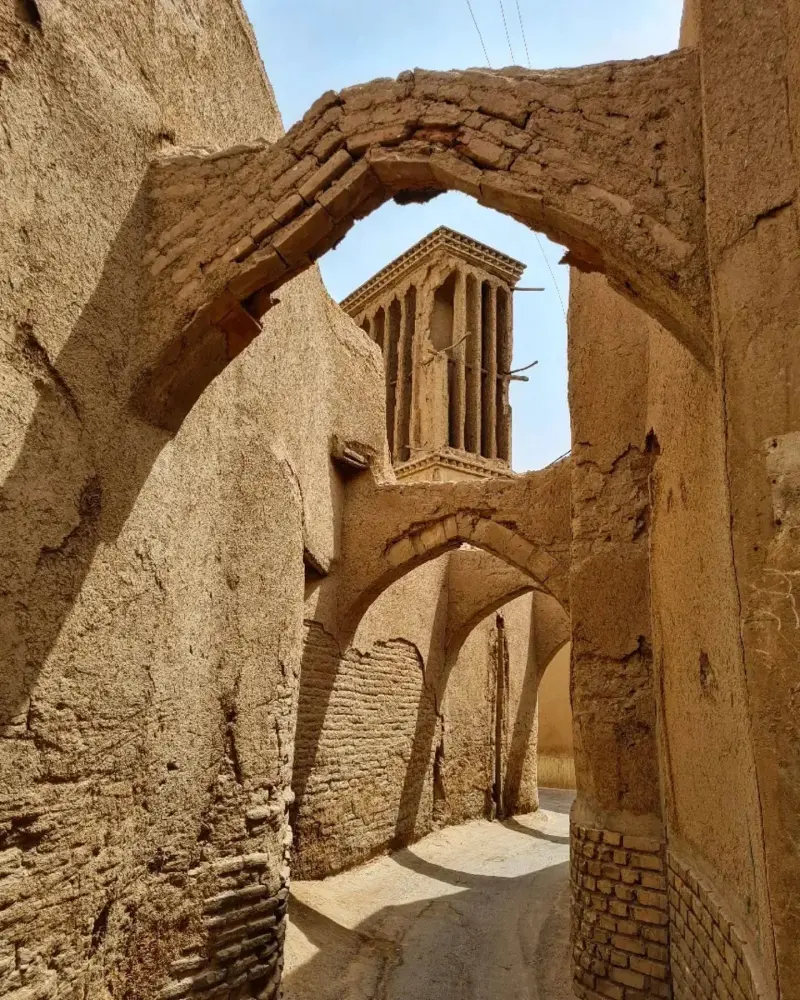
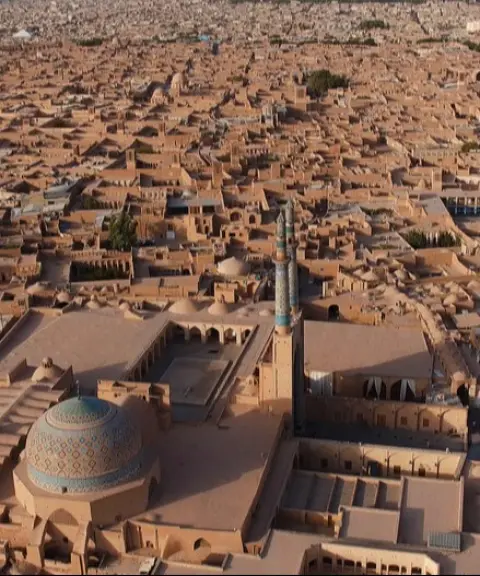
The Historic Fabric of Yazd is one of the oldest urban areas in Iran, with a history of more than 2,500 years. It is inscribed on the UNESCO World Heritage List for its unique architecture and its remarkably well-preserved integrity. This mud-brick district, with its narrow alleys, tall wind towers, traditional houses and remarkable buildings, presents an authentic picture of life in the heart of the Iranian desert. The area is so appealing that it is now the main destination for domestic and international visitors to Yazd, and many people travel to this quiet desert city just to see its thousand-year-old maze of lanes. This historic fabric is a living example of people adapting fully to a harsh desert environment: for thousands of years its residents have applied architectural know-how and water-management techniques to cope with the arid climate. The houses, mosques, bazaars, bathhouses and other buildings of the city are built mainly of mud brick, clay and fired brick. The city's design, with its narrow alleys, wind towers, inner courtyards (andaruni) and enclosed spaces, creates a more pleasant and cooler atmosphere than the open desert and controls the flow of wind and the effect of the sun.
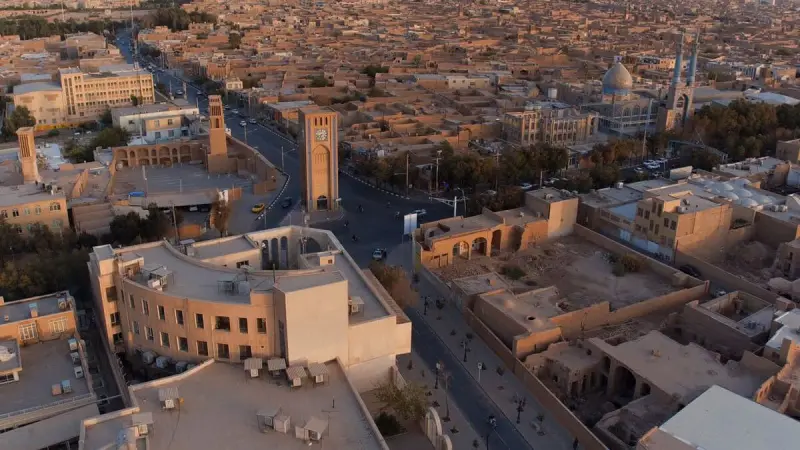
This precious historic area lies in the centre of Yazd, where in ancient times the heart of trade, the bazaars and the main thoroughfares were located. It extends from Keshavarz Square southwards to Enqelab Intersection, and from Enqelab Street eastwards to the Basij–Kashani Intersection. The other side of this historic triangle runs back from Modarres Boulevard to Keshavarz Square. The Historic Fabric of Yazd is not just a collection of old buildings but an integrated, functioning urban system, and a large part of it is still home to residents, commerce and everyday life. Each neighbourhood was designed around the qanat system, with elements such as a bazaar, a mosque, a water reservoir (ab-anbar), a bathhouse and a public square at its centre, all playing important social and economic roles. The tall wind towers and underground water reservoirs are outstanding examples of local solutions for ventilation and water storage in arid conditions. The mosques, tekyehs (ceremonial buildings), shrines, historic houses and Dolat Abad Garden within this fabric also reflect the cultural and historical diversity of the city.
The Historic Fabric of Yazd covers about 700 hectares and contains more than 1,700 registered and valuable buildings, including old houses, traditional bazaars, historic water reservoirs, outstanding mosques, winding alleys and traditional public spaces. Visiting it is a unique opportunity to experience sustainable architecture and urban life in the desert. Visitors can stroll through the narrow alleys, see the traditional bazaars, historic houses and huge wind towers, and learn about traditional water-management systems such as qanats and water reservoirs. The best time to visit is autumn and winter, when the weather is milder and wandering through the historic lanes is more enjoyable. While visiting, it is very important to follow the principles of protecting cultural heritage, such as respecting people who live in historic homes, avoiding damage to traditional materials and supporting local businesses, so that this heritage is preserved for future generations.
Written by زهرا لنگری Last updated
Activities
What you can do here, and what it takes
-
Walking
پیادهروی در کوچههای پیچدرپیچ بافت تاریخی برای آشنایی با معماری و زندگی محلی بسیار جذاب است.
Specifications
Introduction of the location and specifications of Historic Fabric of Yazd
Location:
Yazd, Yazd
Coordinates:
31.90635299, 54.37284951
Open in maps
Height above mean sea:
1210 meter
Transports:
Private car, Walking, Minibus, Bus
Tourist Attractions in Yazd
Attractions that are nearby
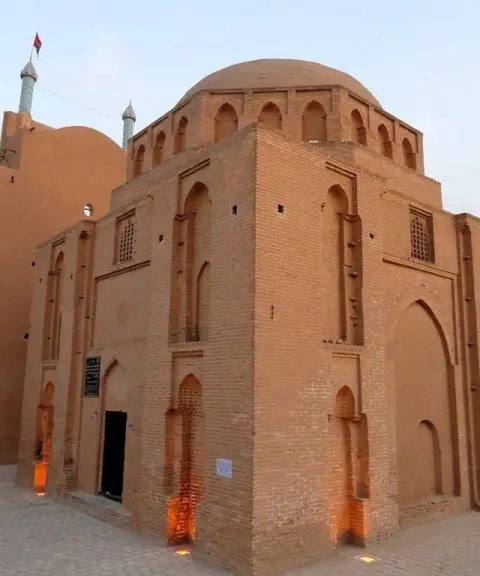
Dowazdah Imam Mausoleum
Province Yazd
- Walking
The oldest surviving Seljuk architectural monument in Yazd
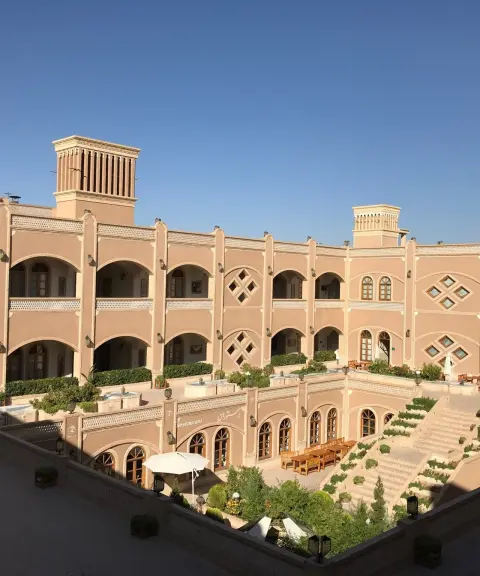
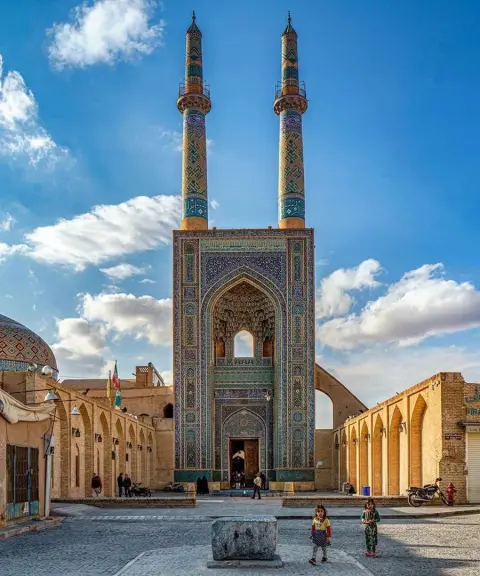
Jame Mosque of Yazd
Province Yazd
- Walking
A masterpiece of Islamic architecture in the heart of the desert
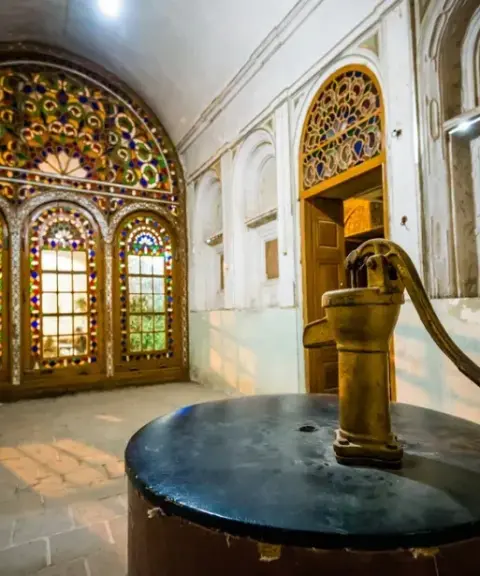
Yazd Water Museum
Province Yazd
- Walking
A Gem of Traditional Architecture and the History of Water Management in the Desert
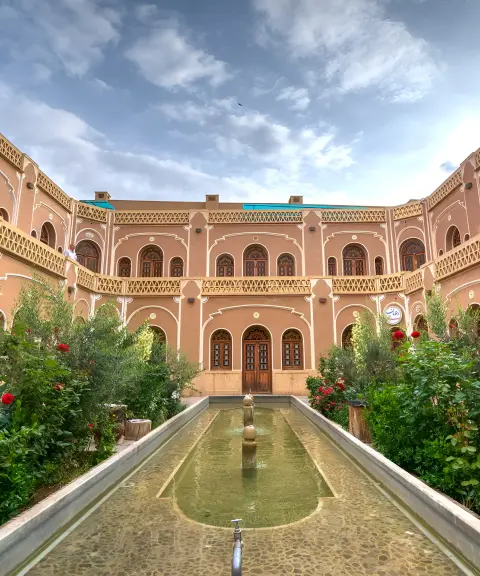
Moshir Caravanserai
Province Yazd
- Walking
Stay in a Qajar-era caravanserai in the heart of Yazd's historic district
Related tags:
Unfortunately, no comments have been registered.