
 Forest
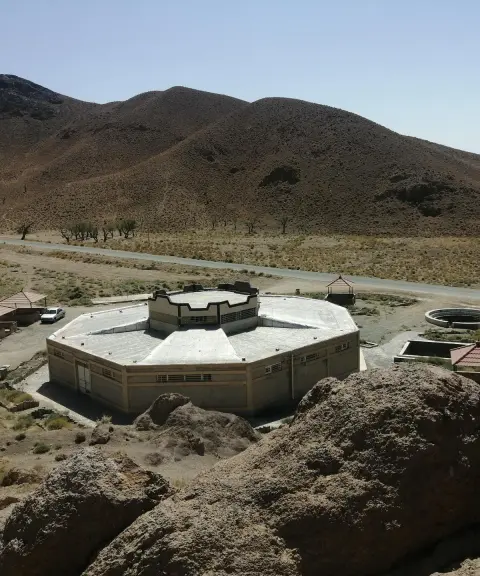

Ab-e Torsh Spring of Sarbisheh
Province South Khorasan
- Walking
A pristine wildlife gem in eastern Iran
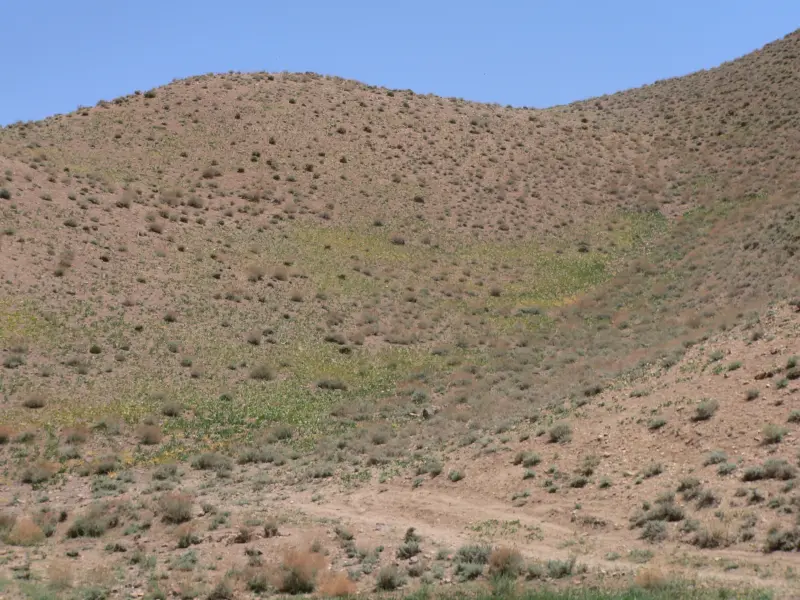
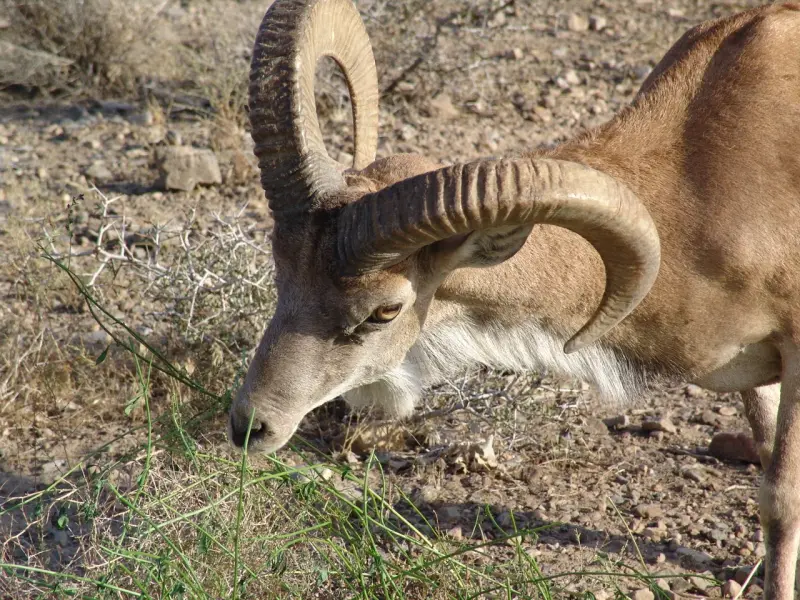
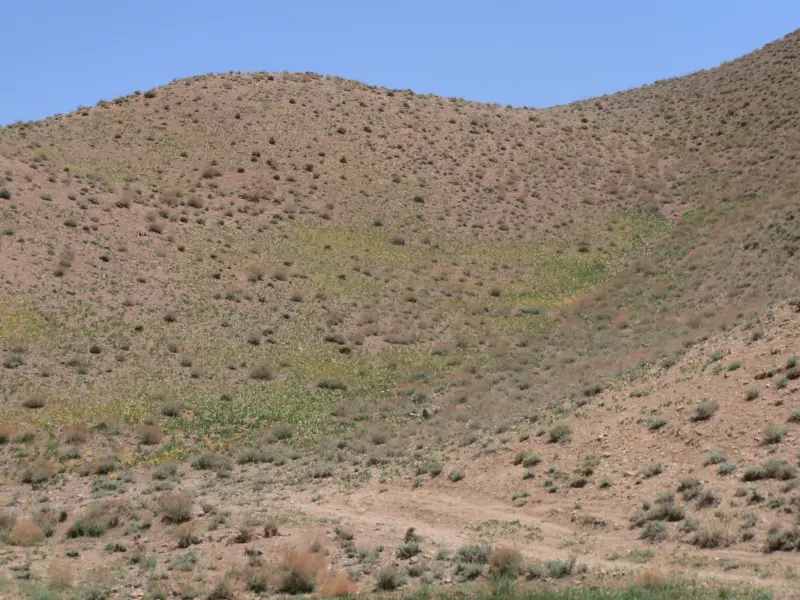
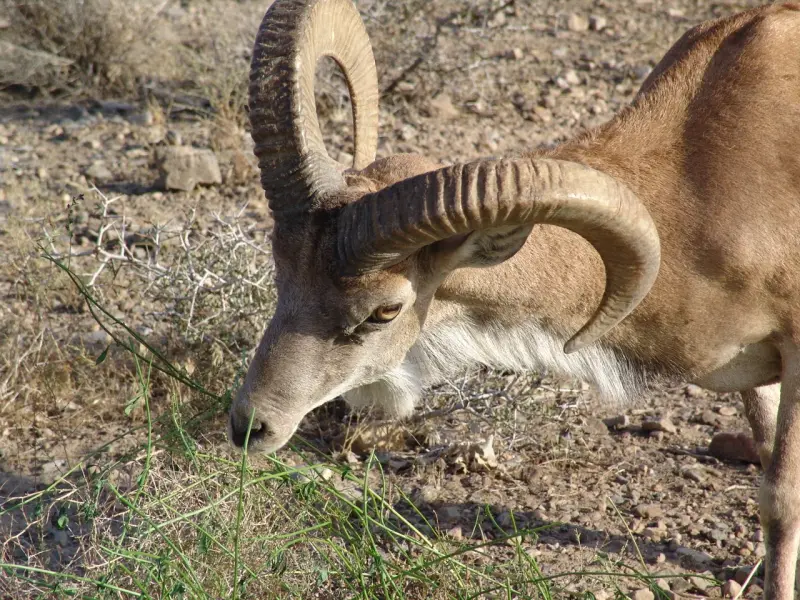
Darmian Protected Area is one of the largest and most valuable natural habitats in South Khorasan Province, covering parts of Darmian and Sarbisheh counties. The area is managed by the Department of Environment and is known as one of the province's four protected areas, encompassing a considerable stretch of natural landscape in eastern Iran. Its terrain combines low-lying heights, rolling hills and untouched rangelands with wide-open views, and it plays an important role in preserving the region's biodiversity. It is especially famous for its herds of wild sheep and rams, and is an exceptional habitat for the prized Urial.
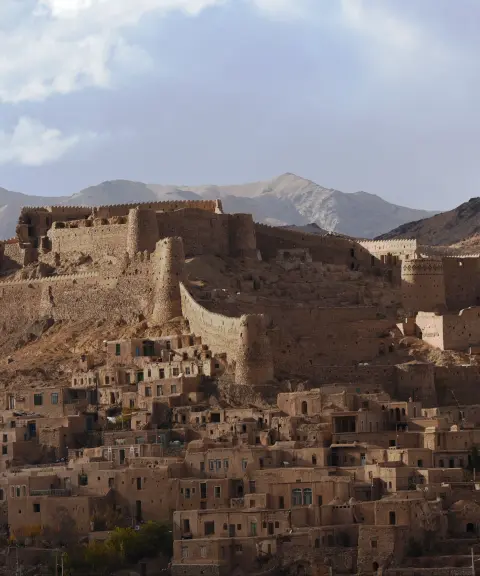
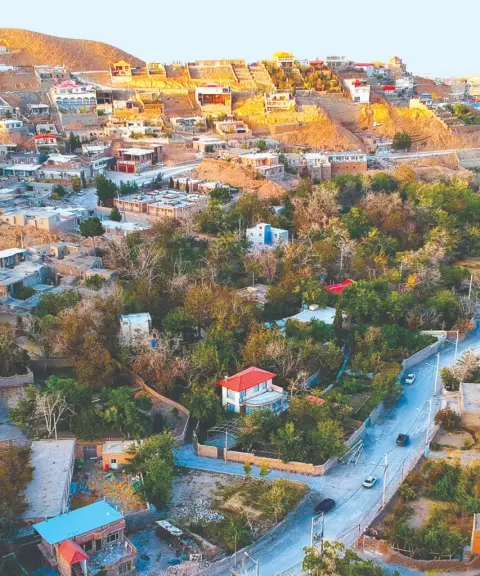
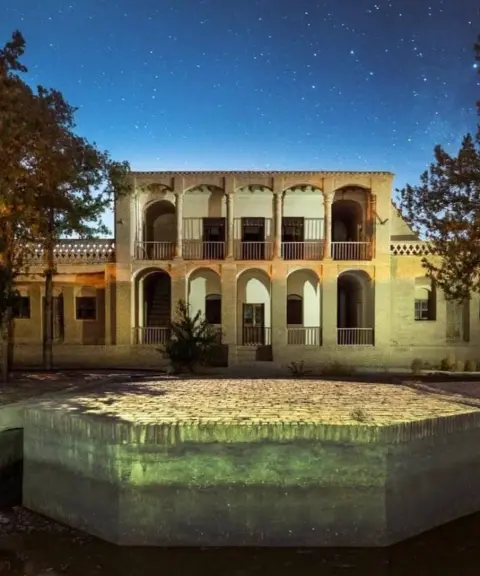
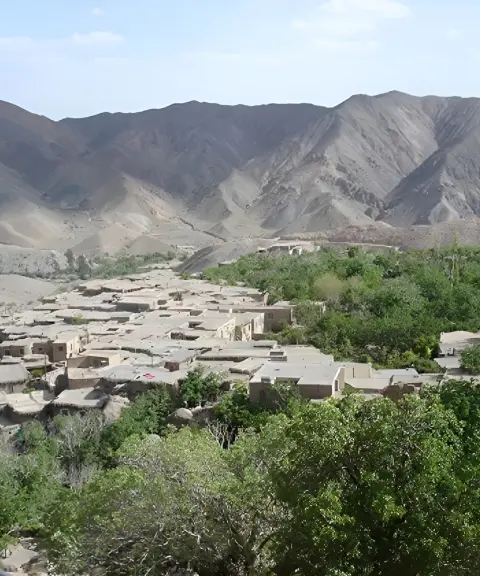
Darmian Protected Area is home to more than fifty rare and distinctive animal species, including the Urial, wild goat and ibex, goitered gazelle (jebeer) and birds of prey. This nature reserve is also a habitat for the golden eagle and other raptors, and thanks to its scenic landscapes and diverse vegetation it attracts researchers, nature travellers and wildlife lovers. The dominant vegetation includes wormwood (Artemisia), soapwort (chubak) and milkvetch (gon), all adapted to the arid and semi-arid climate of this part of the province. Beyond its rich nature, the valleys and heights of the area hold appealing historical and natural attractions that greatly add to the value of a visit. A natural waterfall, the Ab-e Torsh mineral spring, lush valleys, the ancient Hassan Sabbah Castle, the historic citadel of Foorg village, the thousand-year-old plane tree of Doshangan and the scenic village of Darmian together form a unique collection of natural and cultural beauty.
To reach Darmian Protected Area, you usually need to set out from the provincial capital, Birjand, or from the towns of Darmian and Sarbisheh, then take side roads and dirt tracks into the heart of the area. Because the region is vast and unspoiled, a local guide or GPS is recommended. The best time to visit is spring and autumn, when the weather is milder and conditions are better for wildlife viewing and nature travel. Visits should be made responsibly and in line with environmental protection rules, including not lighting fires in natural areas, not disturbing wildlife and not leaving litter behind.
Written by زهرا لنگری Last updated
What you can do here, and what it takes
مسیرهای پاکوب و تپهماهورهای منطقه مناسب پیادهروی تفریحی و تماشای حیاتوحش بومی است.
Province South Khorasan
Province South Khorasan
Province South Khorasan
Province South Khorasan
Province South Khorasan
Province South Khorasan
Province South Khorasan



Unfortunately, no comments have been registered.