
 Attractions
Saray-e Moshir
Province Fars
- Walking
A school of history and architecture in the old fabric of Shiraz
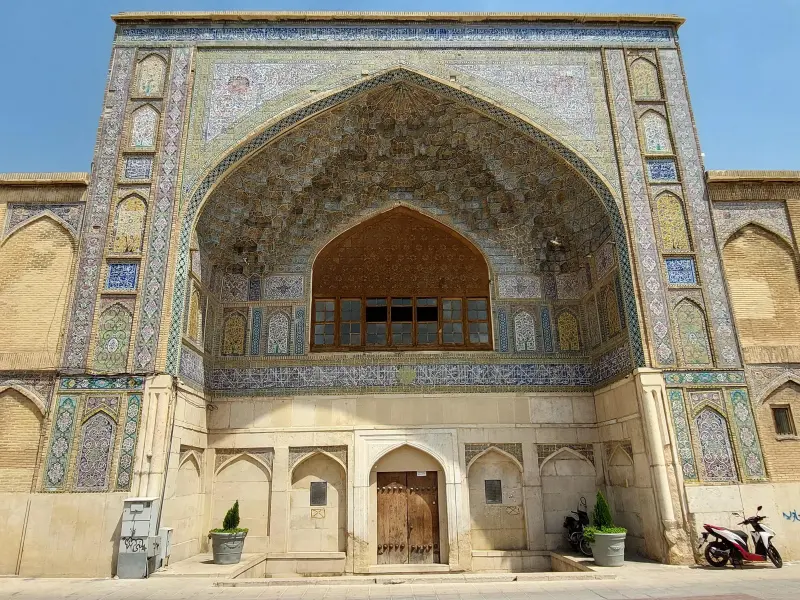
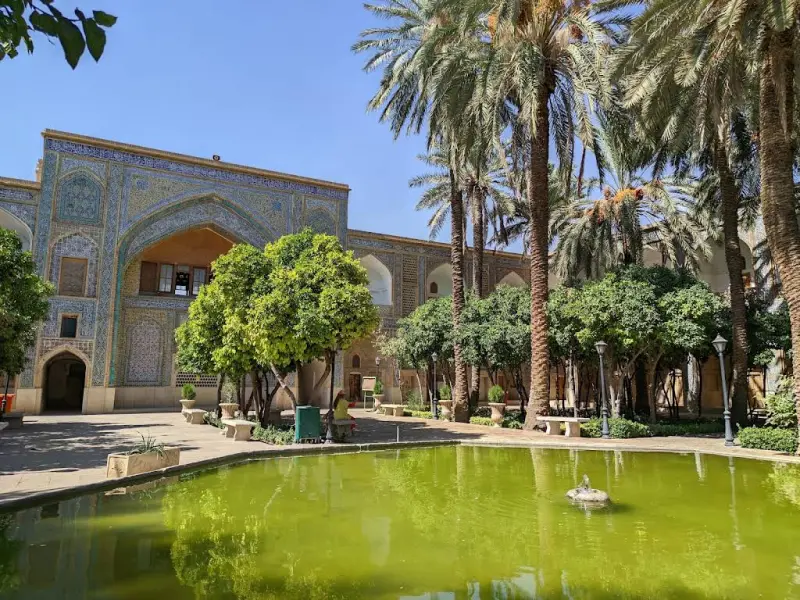
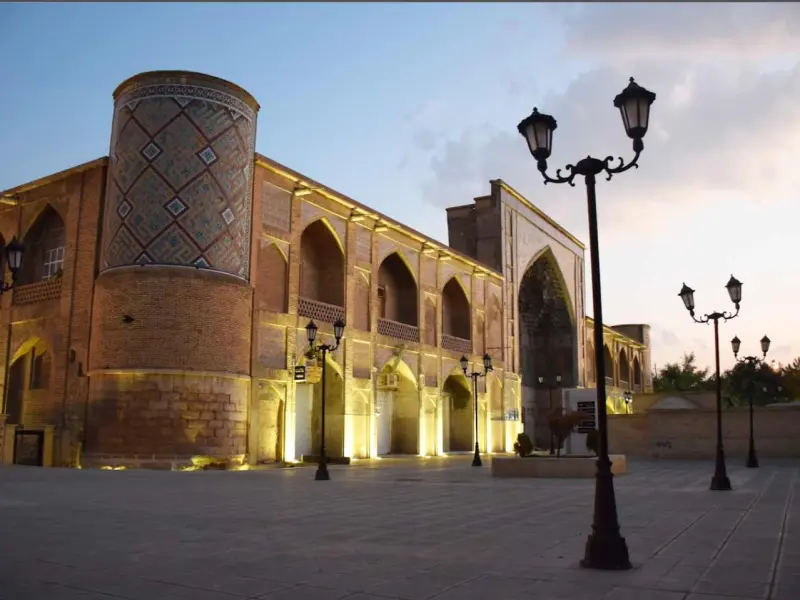
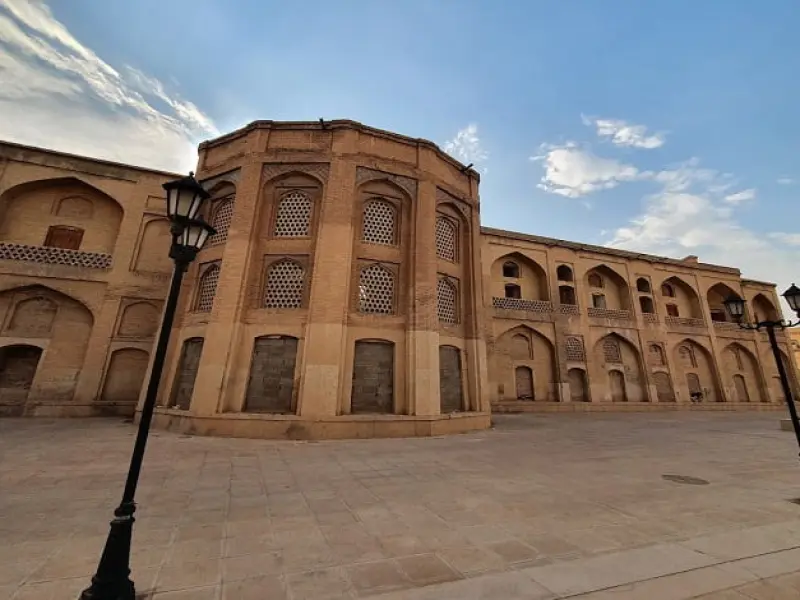
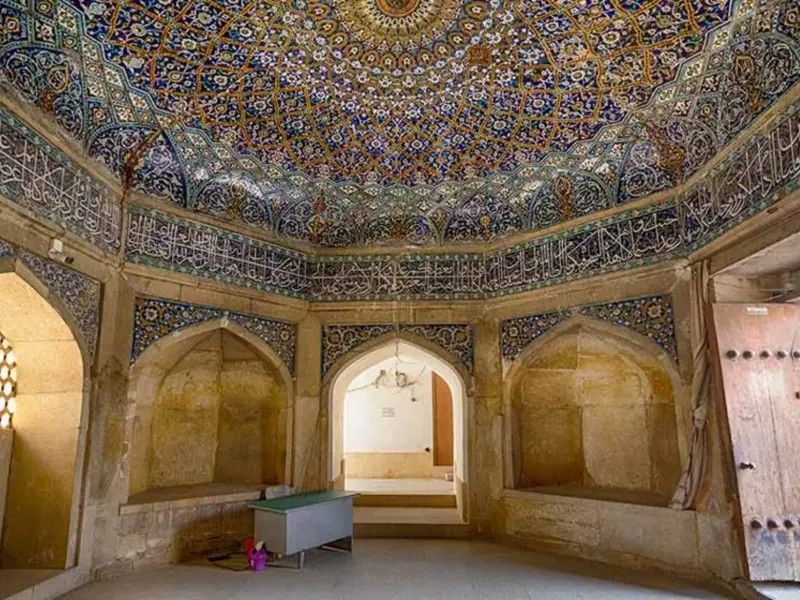
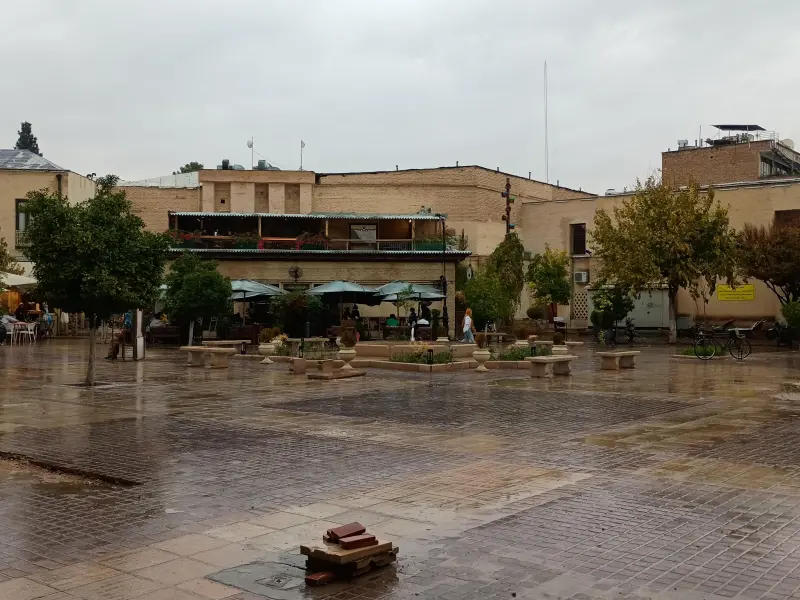
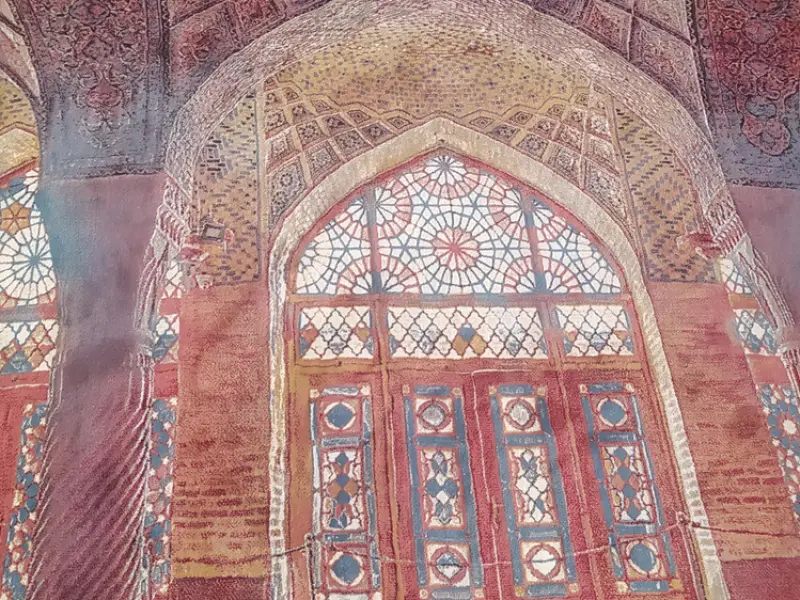
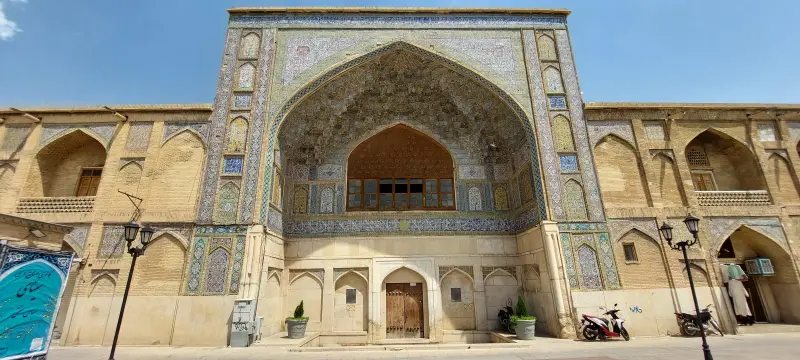
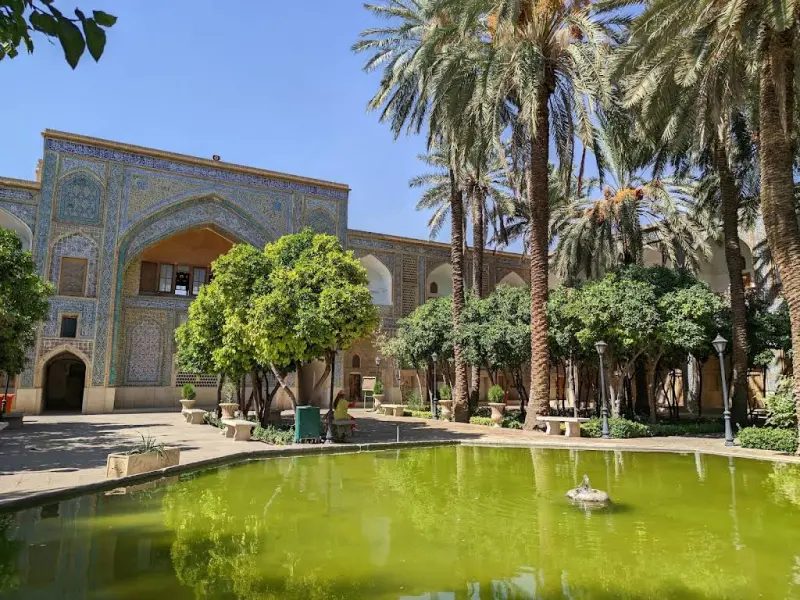
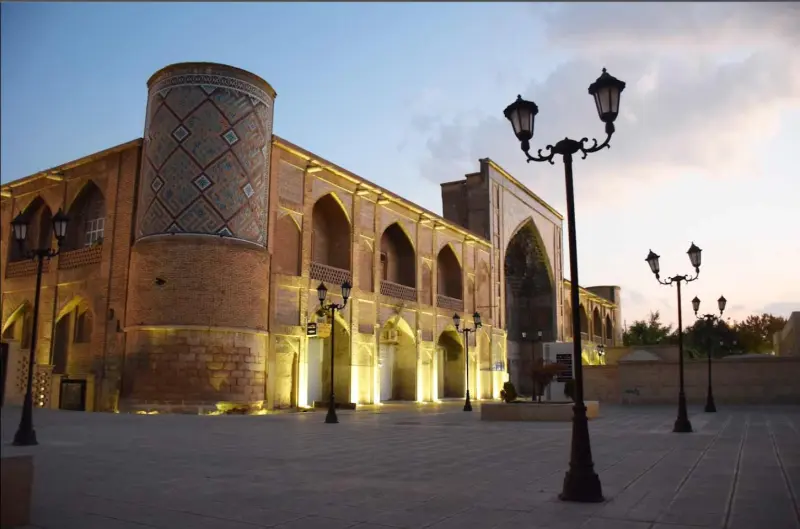
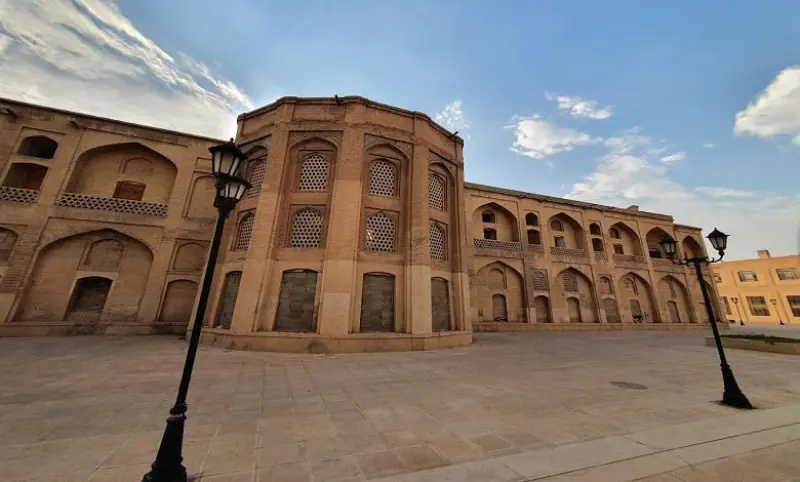
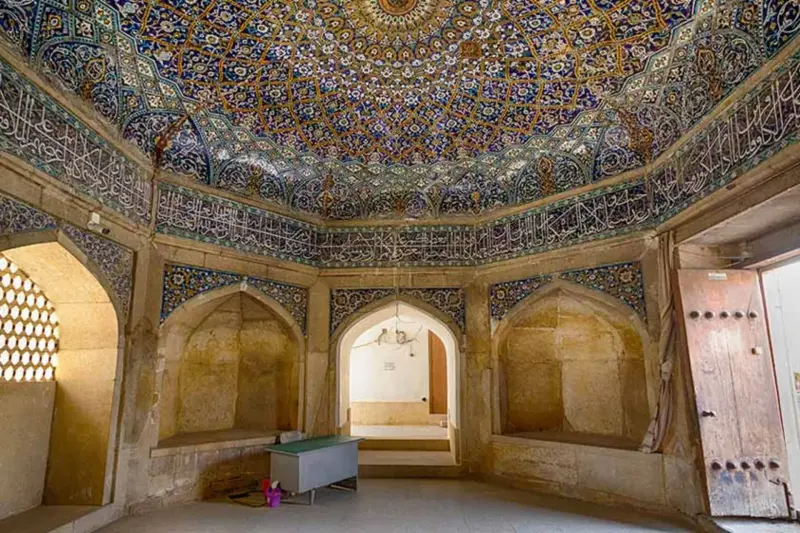
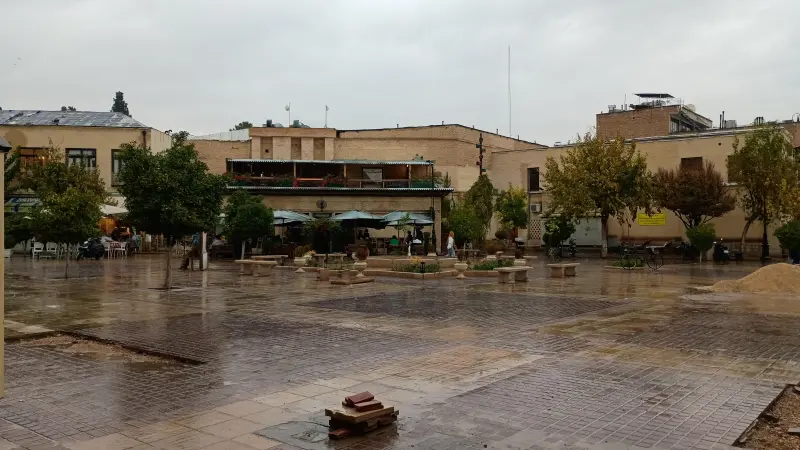
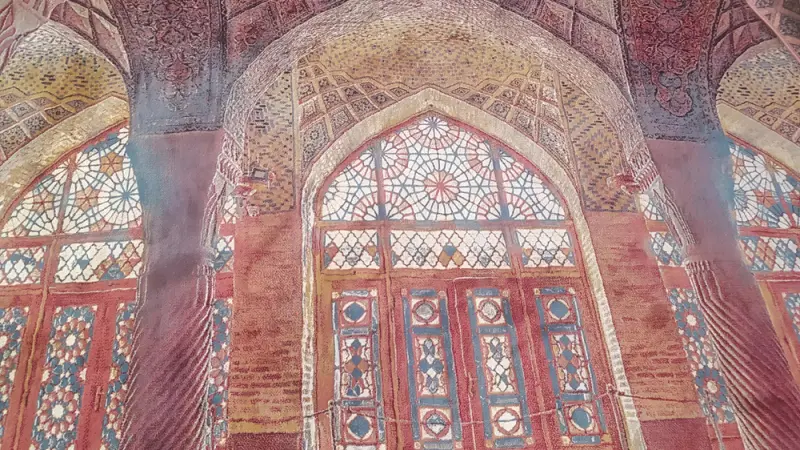
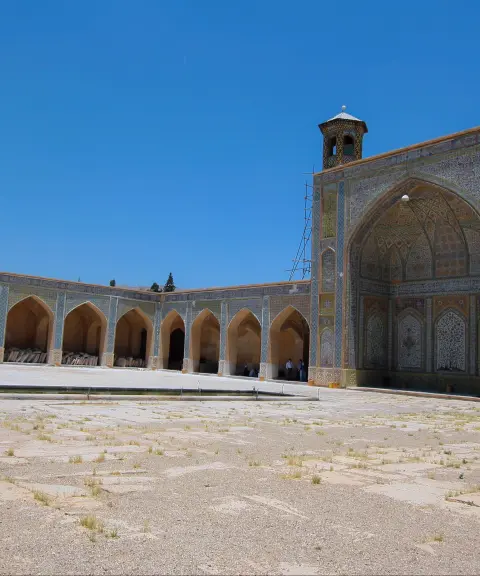
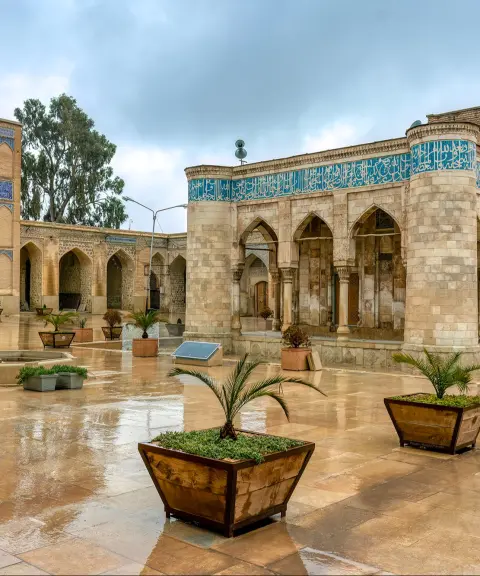
The Khan Madrasa is one of the most valuable historical buildings in Shiraz, Fars Province. Dating back to the Safavid era, it is located in the Eshaq Beyg neighborhood on Lotf Ali Khan Zand Street. Known for the scale of its structure, its traditional design and its academic and cultural role, the madrasa was built in the early years of the 11th century AH (early 17th century CE) by order of Allahverdi Khan, then governor of Fars, with the participation of his son Imam Qoli Khan, and it has since been rebuilt and restored several times. It was regarded as one of the most prominent centers of learning and education in Safavid-era Shiraz and is now known as one of the city's historical attractions.
The Khan Madrasa was originally a traditional Islamic seminary where religious sciences, philosophy and theosophy were taught. One of its classrooms is said to have been assigned to Mulla Sadra, the eminent Iranian philosopher and thinker, although the definitive historical details of his teaching at this madrasa vary somewhat between sources. The layout of the madrasa consists of a large central courtyard surrounded on all four sides by two-story student cells. This plan is a prime example of traditional Iranian madrasa architecture and reflects the importance of scholarly life and the presence of students in that period. The decoration of the entrance portal, with its muqarnas and fine mosaic tilework, is regarded as a valuable example of Safavid decorative art in this building.
To visit the Khan Madrasa, head to the center of Shiraz and follow Lotf Ali Khan Zand Street toward the Eshaq Beyg neighborhood. The madrasa still stands in the city's historic quarter and is accessible, and signs and city routes will guide you to the building's entrance. The best time to visit is spring and autumn, when the weather in Shiraz is milder and the historic setting of the building is seen in better light. While visiting, respecting the historic structure, not touching the decorated surfaces, and keeping the site clean and staying on the designated paths are basic principles of responsible nature and tourism travel, so that this valuable monument can be preserved for future generations.
Written by زهرا لنگری Last updated
What you can do here, and what it takes
حیاط مرکزی و اطراف مدرسه برای پیادهروی آرام و مشاهدهٔ معماری تاریخی مناسب است.
Province Fars
Province Fars
Unfortunately, no comments have been registered.