
 Attractions
Nasir al-Mulk Mosque
A Symphony of Light and Color in the Heart of Shiraz
- Attractions
- Fars, Shiraz
- Altitude 1,533 m
- Ability level Beginner
Ability level:
Beginner
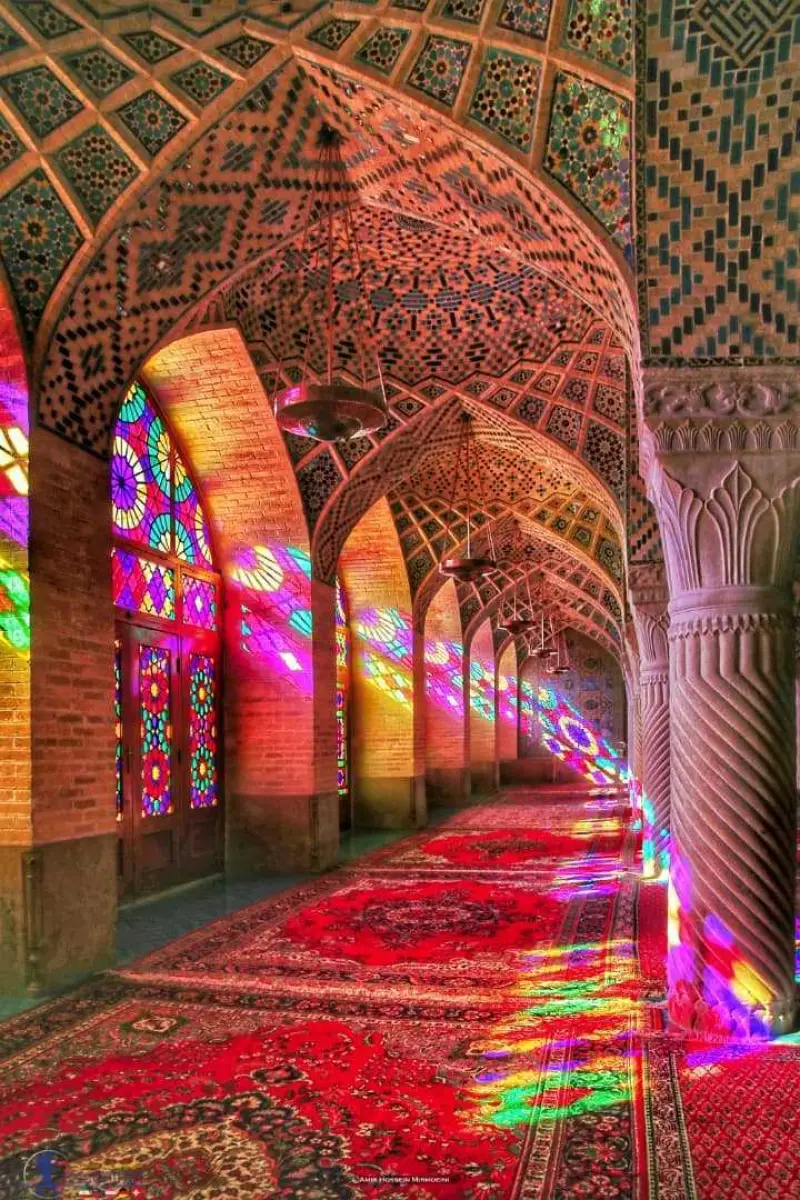
The Nasir al-Mulk Mosque, popularly known as the "Pink Mosque", is one of the most beautiful and distinctive historic mosques in Iran. It stands in Shiraz, in the Goud-e Arabān neighborhood (formerly Eshaq Beyg), close to the Shah Cheragh shrine. The mosque was built on the orders of Mirza Hasanali Nasir al-Mulk Shirazi by renowned master builders including Mirza Reza Kashigar and Haj Mohammad-Hasan Memar. This eye-catching building was registered on Iran's National Heritage List on 30 Khordad 1358 (Solar Hijri) under number 396. It was built between about 1293 and 1305 AH (lunar Hijri), and with its striking architecture and outstanding decoration, it is now an active cultural and religious attraction.
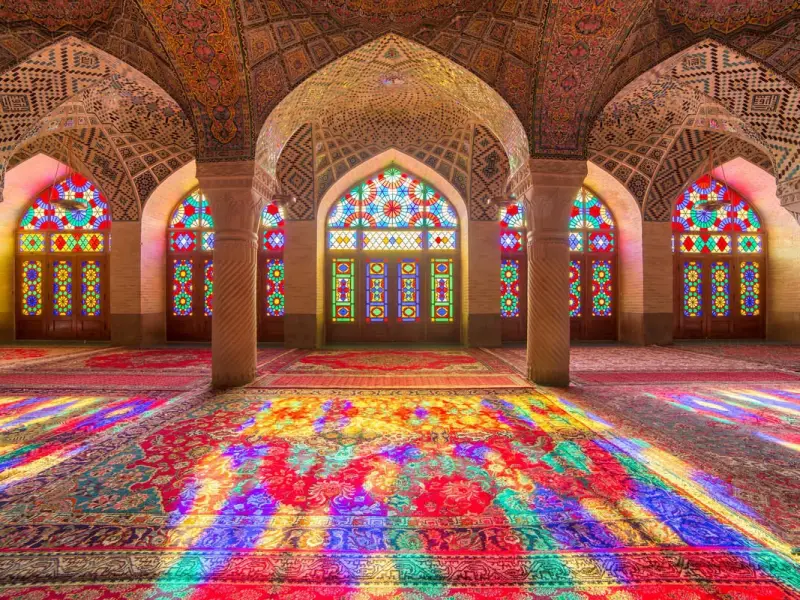
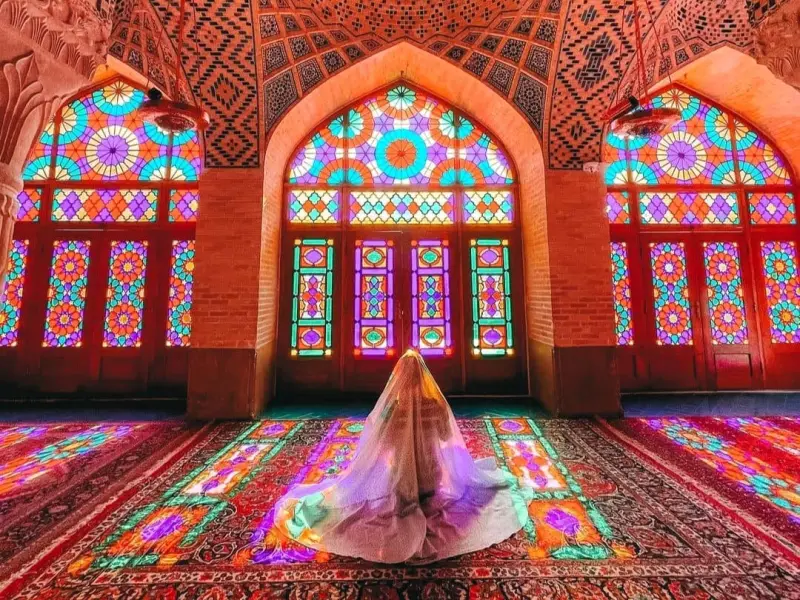
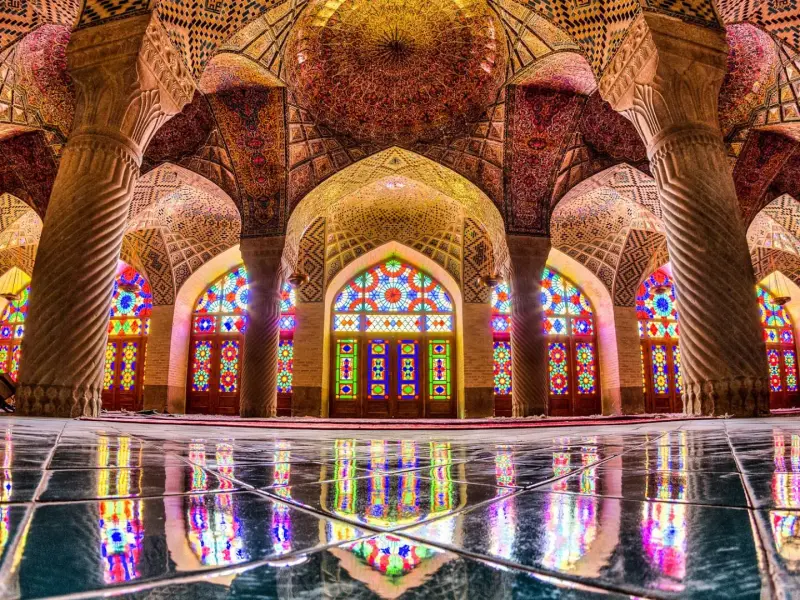
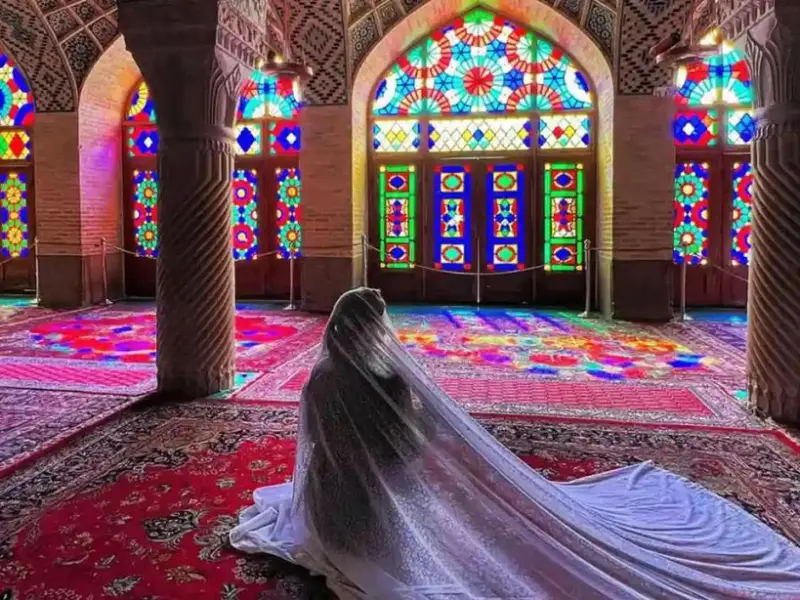
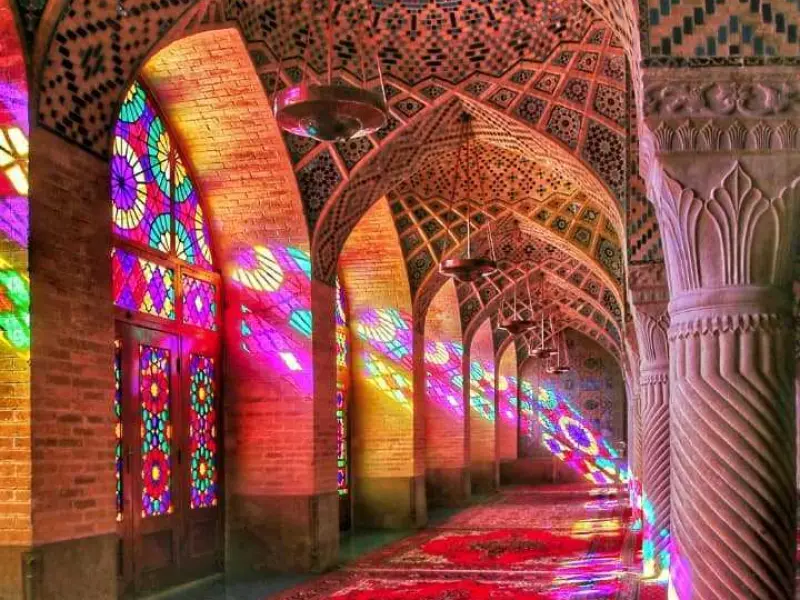
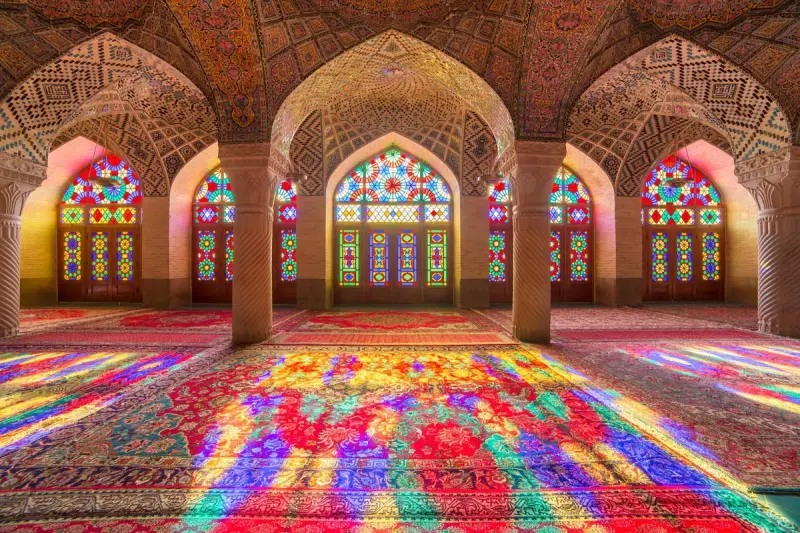
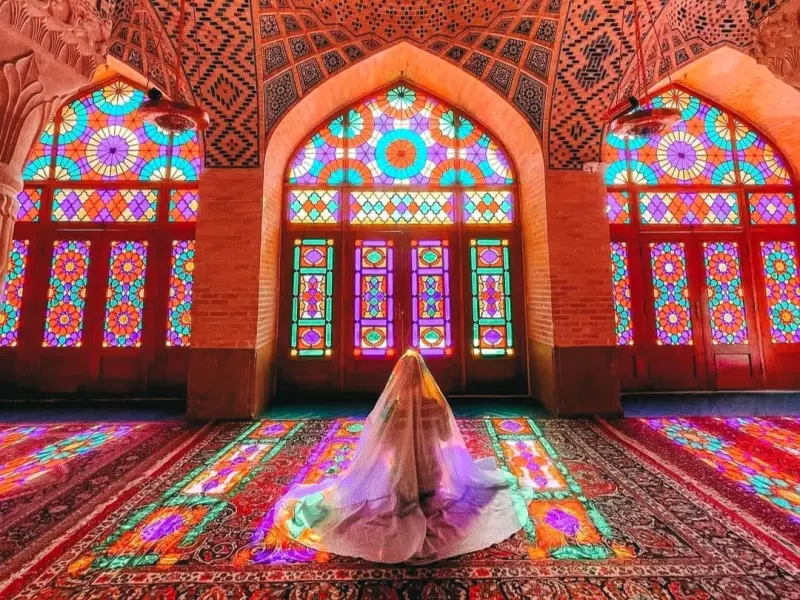
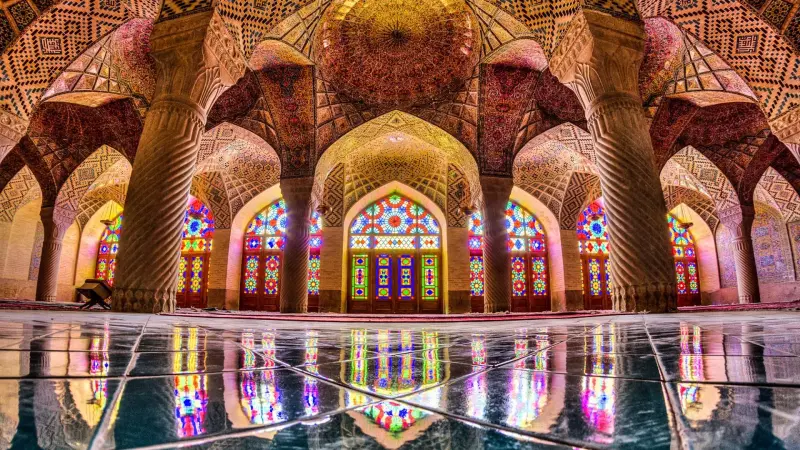
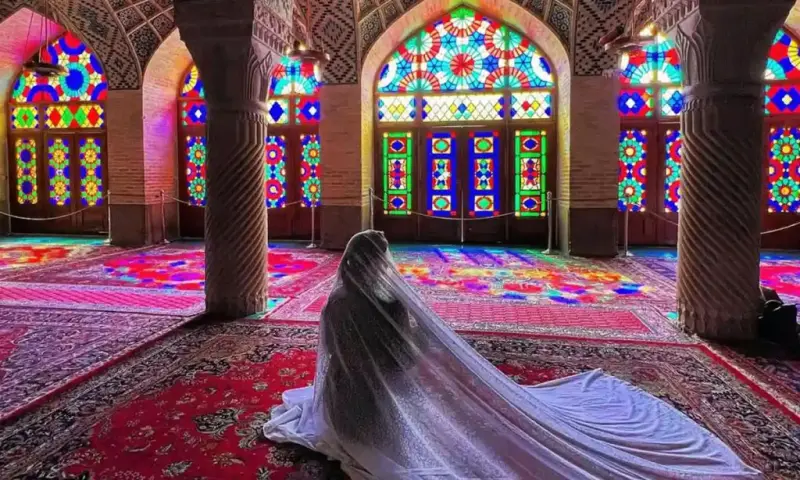
The architecture of the mosque blends authentic Iranian elements with Qajar-era innovations. It has two prayer halls (shabestans), eastern and western, of which the western one is the more famous. Twelve stone columns with spiral fluting, seven wooden doors fitted with stained glass, and its captivating design create a magical atmosphere. Sunlight passing through the colored glass turns the floor and ceiling into an unmatched scene of light and color, an image many compare to a living kaleidoscope. The mosque also has no dome, one of its unique features, which reflects its original private and exclusive use.
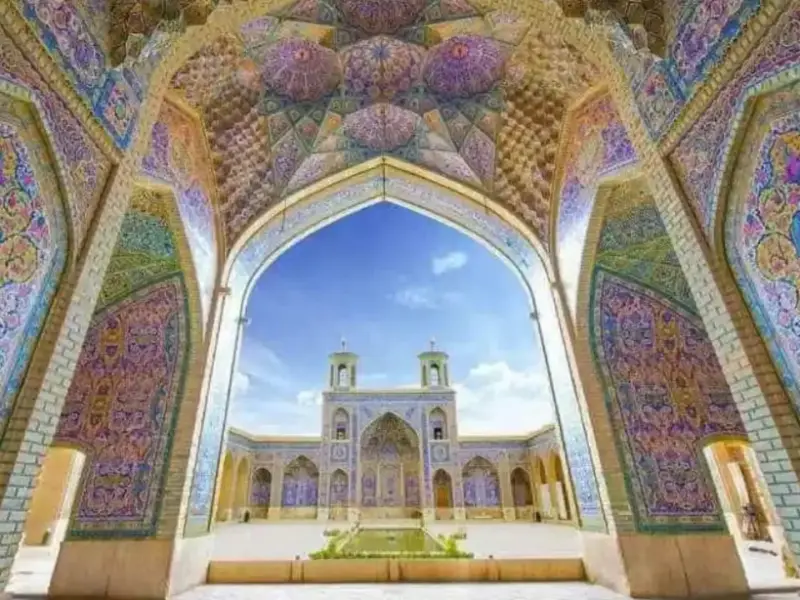
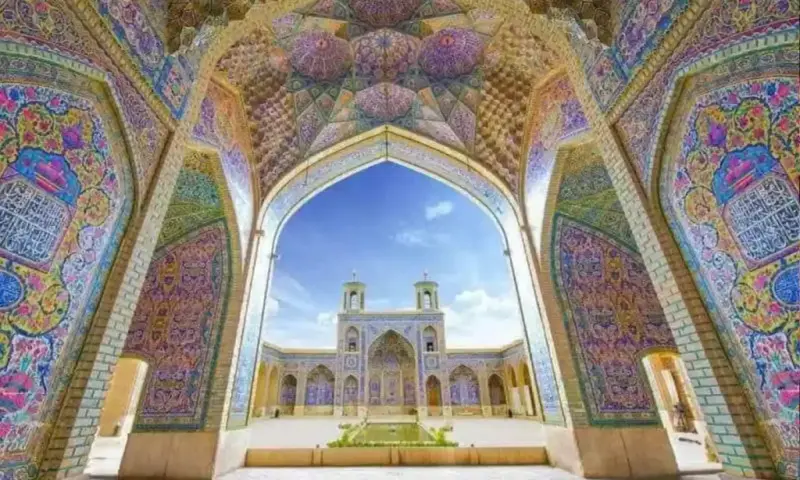
In terms of tilework, the Nasir al-Mulk Mosque is among the richest examples of Islamic architecture in Iran. The dazzling use of pink in the tiles is a rare and unparalleled feature among Iranian mosques, and it is the reason the building is also known as the Pink Mosque. The complex covers a land area of 2,890 square meters, with a built area of 2,216 square meters. The main entrance is decorated with seven-color tiles and with roses and Shirazi irises, and it has a portal with intricate ornamentation, a stone frame, a five-and-seven arch (panj-o-haft arch), and a poem by Shuride Shirazi in Nastaliq calligraphy. Past the entrance, a brick vestibule (hashti) with a 90-degree turn and a corridor lead to the mosque courtyard.
The mosque is located on Lotf Ali Khan Zand Street, at the end of Nasir al-Mulk Alley in Shiraz, and can be reached by metro (Valiasr Station) as well as by bus (Mosheer Intersection stop). The best time to visit is early in the morning, especially between 8 and 10 a.m. from Farvardin to Shahrivar (roughly late March to mid-September), when sunlight passing through the stained glass creates an astonishing effect that many photography enthusiasts do not want to miss. In addition, practicing responsible tourism is the duty of every visitor in preserving this valuable heritage: keep the place quiet, avoid making noise, do not damage the walls, and respect the sanctity of the religious space.
Written by زهرا لنگری Last updated
Activities
What you can do here, and what it takes
-
Walking
کوچههای اطراف مسجد در بافت تاریخی شیراز، فرصت مناسبی برای پیادهروی آرام و تماشای فضای تاریخی فراهم میکند.
Specifications
Introduction of the location and specifications of Nasir al-Mulk Mosque
Construction Period:
Qajar
Location:
Fars, Shiraz
Coordinates:
29.60854930, 52.54842840
Open in maps
Height above mean sea:
1533 meter
Transports:
Private car, Walking, Minibus, Bus
Tourist Attractions in Fars
Attractions that are nearby
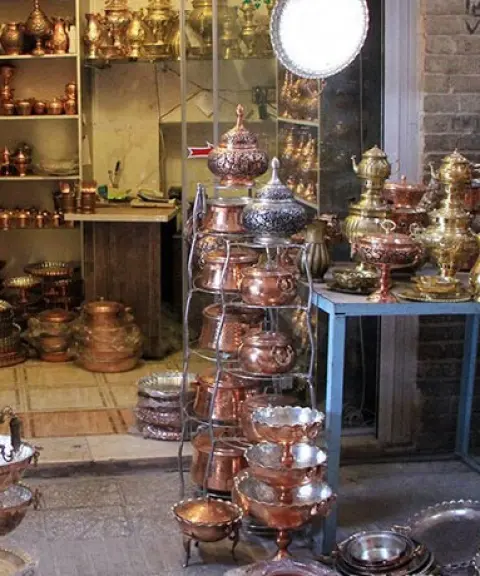
Mesgarha Bazaar (Coppersmiths' Bazaar)
Province Fars
- Walking
The living heart of handicrafts and traditional coppersmithing
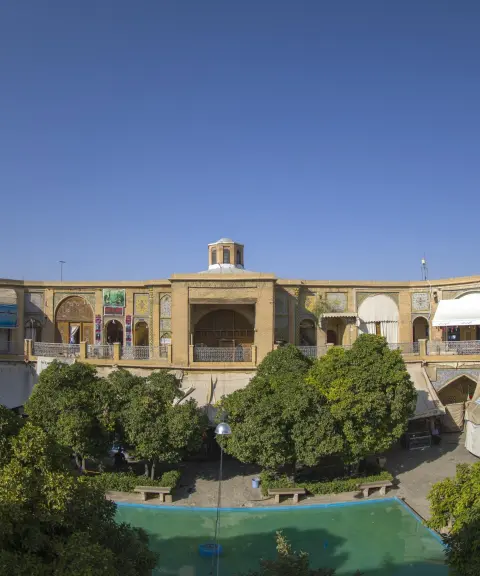
Saray-e Moshir
Province Fars
- Walking
A showcase of Qajar architecture and traditional crafts in the heart of Shiraz
Related tags:
Unfortunately, no comments have been registered.